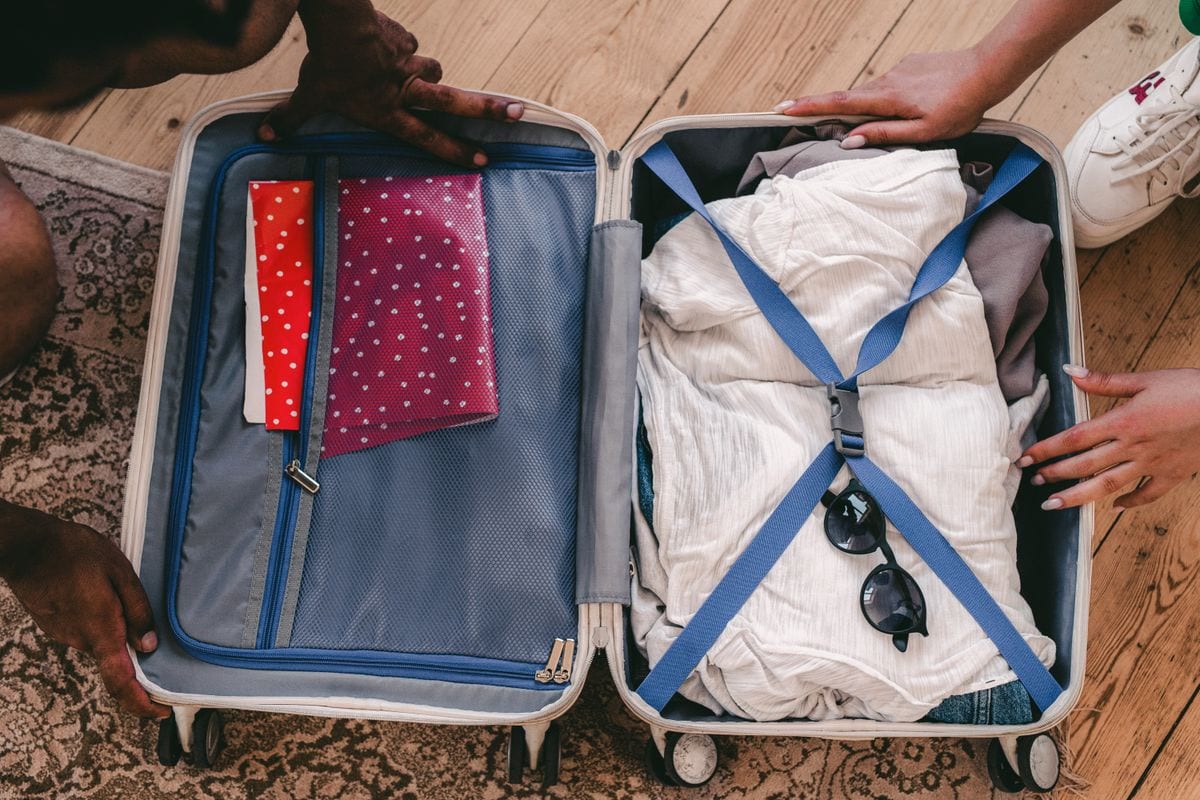
Korea Summer Packing List: July and August Essentials
A Korea summer packing list has to be more practical than a cute suitcase photo.
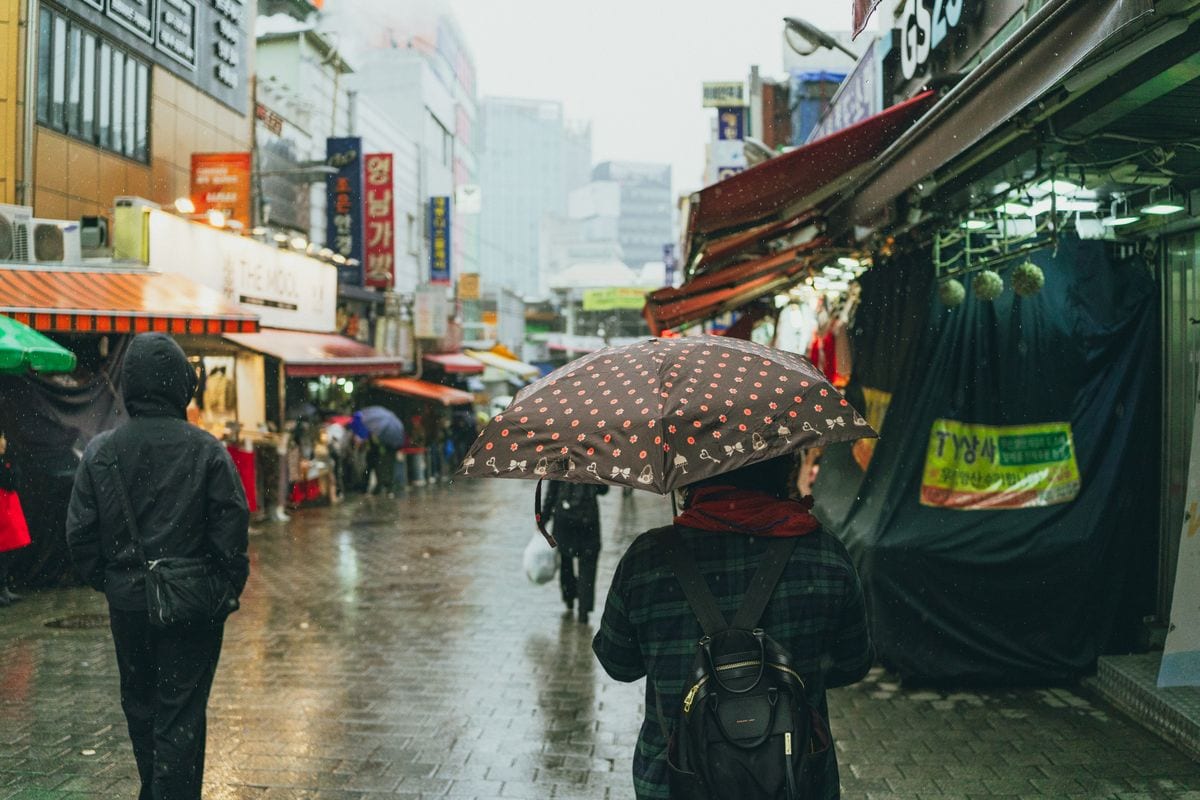
July and August in Korea can mean heat, humidity, sudden rain, strong sun, cold indoor air-conditioning, crowded festivals, mosquitoes, wet shoes, and a phone battery that disappears because you are using maps, translation, tickets, payments, and photos all day. If you pack for one version of summer, Korea will probably give you three versions before dinner.
This guide is built for tourists who are coming to Korea in July or August and want a suitcase that works in Seoul, Incheon Airport, Boryeong Mud Festival, Waterbomb Seoul, rainy season, night markets, Han River evenings, and ordinary cafe-to-subway days.
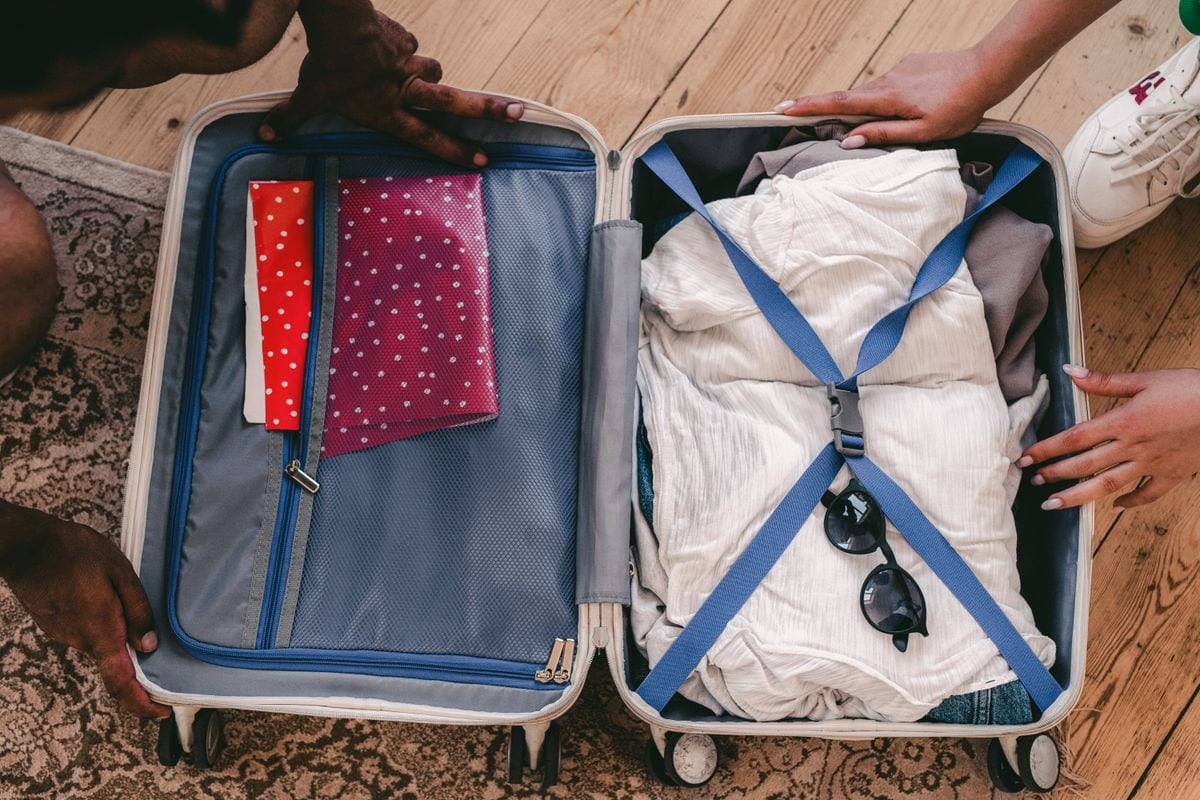
Quick Answer: What Should Tourists Pack For Korea In July And August?
For most tourists, the best Korea summer setup is:
- Light breathable clothes that dry quickly.
- A compact umbrella for rain and shade.
- Korean-style sunscreen or a sun stick for reapplication.
- A waterproof phone pouch if festivals, beaches, or heavy rain are possible.
- Travel-size insect repellent for evenings.
- A small power bank.
- A card pouch for T-money, WOWPASS, hotel key, credit card, and small cash.
- A document organizer for passport, receipts, insurance, and airport papers.
- Comfortable shoes that can handle wet pavement.
- One thin layer for cold buses, subways, malls, and cafes.
That is the core list. Everything else depends on your trip style.
If you are coming for Boryeong Mud Festival, read EpicKor's Boryeong Mud Festival packing guide. If you are coming for Waterbomb, read the Waterbomb Seoul survival guide. If your dates overlap with jangma, use the Korea rainy season travel guide. If your summer trip includes an overnight drive instead of only city days, add the Korean car camping guide before buying bulky outdoor gear. This page connects those separate situations into one practical suitcase strategy.
Korea travel essentials — compare on AmazonAffiliate link. As an Amazon Associate, EpicKor earns from qualifying purchases at no extra cost to you.
Why Korea Summer Packing Is Different
Korea summer is not only "hot." It is humid, changeable, and city-heavy.
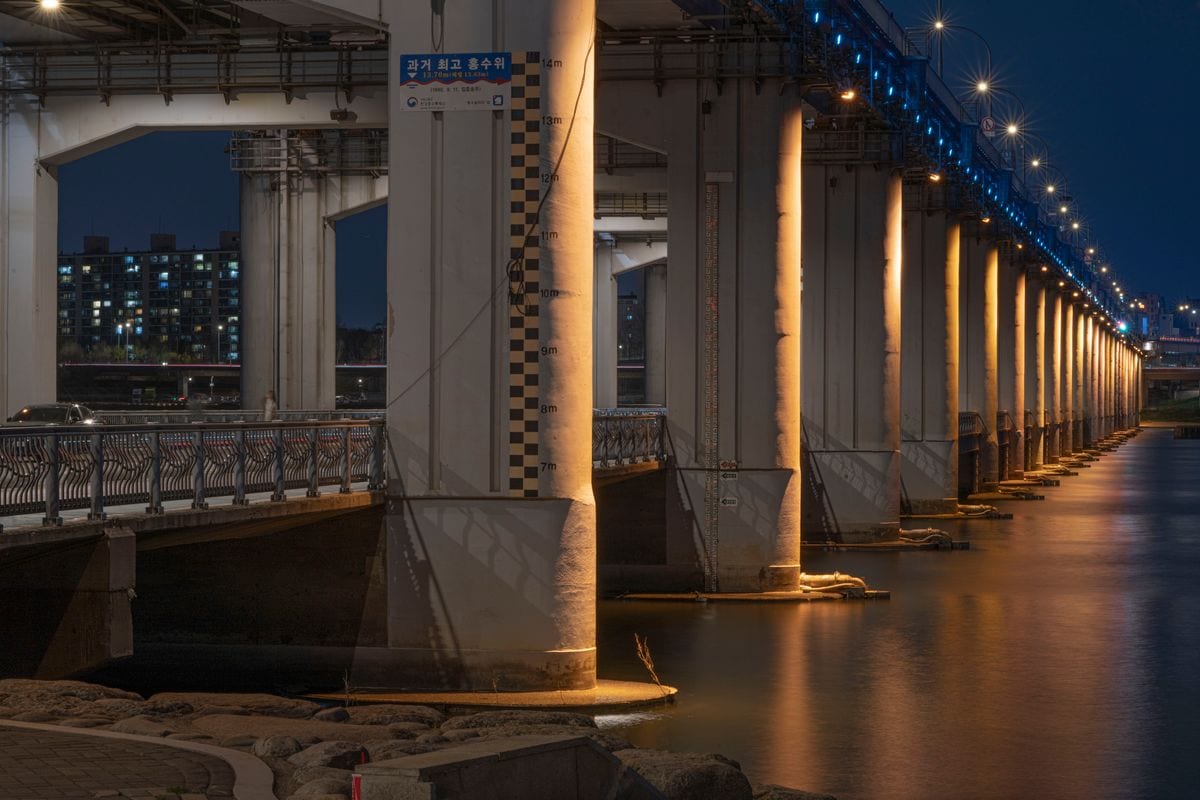
You may leave your hotel in bright sun, walk through a subway station that feels cooler than expected, step outside into sticky heat, get hit by a sudden shower, sit in a freezing cafe, then spend the evening by the Han River where mosquitoes become the problem instead of sweat.
The Korea Meteorological Administration should be your final forecast check close to travel dates, because rain timing, heat alerts, and regional weather can shift. Do not decide your entire suitcase from a single average temperature chart. Use averages for context, then check the actual forecast before you fly.
Korea's travel infrastructure is convenient, but convenience can make tourists lazy. You can buy umbrellas, sunscreen, wipes, and pouches locally. The problem is timing. If the rain starts while you are in Myeongdong, you will buy whatever is closest. If your phone is low at Incheon Airport, you will not calmly compare power banks. If you forgot repellent before a river picnic, you will notice too late.
The goal is not to carry everything. The goal is to carry the first layer of the right things.
The Core Korea Summer Packing Table
Use this as your first-pass checklist before adding outfits.
| Item | Why it matters in Korea | Best tourist use |
|---|---|---|
| Compact umbrella | Rain, sudden showers, and emergency shade | Keep it in your day bag during July and August |
| Waterproof phone pouch | Rainy season, festivals, beaches, and splash-heavy events | Essential for Waterbomb, Boryeong, and wet travel days |
| Korean sunscreen or sun stick | Light textures make reapplication easier | Use for palaces, markets, festivals, and long walks |
| Insect repellent | Humid evenings, riverside parks, guesthouses, and countryside stays | Carry a small bottle for night plans |
| Power bank | Maps, translation, photos, tickets, and payment apps drain phones | Bring one reliable compact battery, not a giant brick |
| Card pouch | T-money, WOWPASS, hotel key, credit card, and small cash separate easily | Use one pouch for the daily payment stack |
| Document organizer | Airport papers, passport, receipts, tax refund documents, and insurance | Useful from arrival through departure |
| Light overshirt | Sun, mosquitoes, and cold indoor air-conditioning | Choose breathable fabric, not heavy cotton |
Clothes: Pack For Humidity, Not Just Heat
The first clothing mistake is packing only Instagram outfits.
Korea summer rewards breathable, washable, quick-dry clothing. Linen blends, light cotton, technical travel fabrics, loose shirts, airy pants, and simple dresses work better than heavy denim or thick streetwear. If you sweat through something before lunch, you want it to dry and recover, not punish you for the rest of the day.
Do not pack only sleeveless tops and shorts. You still need a light layer for:
- Subway cars and buses with strong air-conditioning.
- Cafes, malls, museums, and restaurants.
- Sun protection during outdoor routes.
- Mosquito-heavy evenings near water or parks.
- Modesty comfort in temples, older neighborhoods, or family restaurants.
For shoes, assume wet pavement. Seoul sidewalks, subway stairs, festival grounds, and crosswalks can become slippery during rain. Comfortable sneakers are fine for most travelers, but avoid shoes that become heavy, slippery, or ruined when wet. If your trip includes Boryeong Mud Festival, Waterbomb, beaches, or pools, add secure sandals or water-friendly shoes.
Rain Strategy: Jangma Changes The Whole Day
Korea's rainy season, often called jangma, usually affects travel planning around late June and July, though exact timing varies by year and region. August can still bring heavy showers, storms, and humid days. Check the latest forecast instead of assuming your dates are safe.
The right rain strategy is not a huge poncho for every tourist. It is a small waterproof system:
- Compact umbrella.
- Waterproof phone pouch.
- Shoes that tolerate wet pavement.
- Small towel or hand towel.
- Day bag that does not collapse in rain.
- Backup plastic or reusable wet-item bag.
Umbrellas are easy to buy in Korea, but a small one packed before arrival saves you from making your first purchase in a rush. If you are planning a festival or beach trip, the waterproof phone pouch matters more than the umbrella because a phone failure affects maps, tickets, payments, and emergency communication.
Amazon Associate disclosure: EpicKor may earn from qualifying purchases. Before a Korea summer trip, compare waterproof phone pouches, compact umbrellas, travel card pouches, and small organizers so your day bag is ready before rain or festival week.
Compare Korea travel essentials on AmazonSun And SPF: Bring One, Buy One, Reapply
Korean sunscreen is popular for a reason: the textures can be easier to wear daily than old-school heavy beach sunscreen. That matters in Korea because most tourist days are not one beach session. They are ten separate outdoor transitions.
You may walk from the hotel to the subway, then from the station to a palace, then to a market, then to a cafe, then to a riverside evening. Sunscreen that feels unpleasant will be skipped. A sun stick can help with reapplication, especially when your hands are not clean or you are outside.
If you already know your skin reacts badly to new products, bring one sunscreen you trust from home. Then buy or compare Korean options locally if you want. If beauty shopping is part of the trip, EpicKor's Korean sunscreen guide and Olive Young shopping guide are better product-focused starting points.
Do not rely on makeup SPF alone for long outdoor days. Do not assume clouds remove UV risk. And do not pack a giant bottle if you will hate carrying it.
Mosquitoes And Evening Comfort
Mosquitoes are not the main character of a Korea trip, but they can ruin evenings.
The risk is higher when your plan includes Han River parks, grass, wet areas, older guesthouses, countryside stays, pensions, beaches, camping, or outdoor restaurants after rain. You do not need to overpack. You do need one small repellent option and a light layer.
For health-specific repellent guidance, use official sources such as the CDC South Korea traveler page and product labels. EpicKor is a travel guide, not a medical provider.
If mosquitoes are a concern for your route, read the Korea mosquito season guide. The simplest useful setup is a travel-size repellent, light overshirt, loose pants for evenings, and a small after-bite option if you are sensitive.
Phone, Payment, And Airport Setup
Summer packing is not only clothing. Your phone and payment setup are part of survival.
In Korea, your phone may handle maps, translation, restaurant searches, subway routes, tickets, weather, payment apps, photos, and messages. A compact power bank is not optional if you will be out all day. It is especially important for first-day airport transfers, festival days, and long shopping routes.
Your payment setup also needs a physical system. Keep your T-money or transit card, WOWPASS if you use one, credit card, small cash, and hotel key organized. A thin card pouch prevents the daily scramble at subway gates and convenience stores. For a full setup, read EpicKor's Korea travel payment guide before you fly.
For airport arrival, keep passport, accommodation address, payment card, first cash, transport plan, and internet setup easy to reach. If you are landing at Incheon, the Incheon Airport to Seoul guide will help you choose AREX, airport bus, taxi, or late-night alternatives.
Festival Add-Ons: Boryeong, Waterbomb, Beaches, And Pools
If your Korea summer trip includes water-heavy events, the packing list changes.
Add:
- Waterproof phone pouch.
- Quick-dry clothes.
- Secure sandals or water shoes.
- Towel.
- Plastic or reusable wet-item bag.
- Change of clothes.
- Sunscreen or sun stick.
- Minimal valuables.
Do not bring your full wallet to a wet event. Do not assume lockers solve everything. Do not wear shoes that become unsafe when soaked. Do not carry a huge bag into a crowd unless the event rules and your body both agree.
Boryeong Mud Festival and Waterbomb Seoul are different events, but the practical logic overlaps: protect the phone, protect the skin, keep valuables simple, and plan the return trip before you are tired.
What To Buy Locally In Korea
Some items are better bought or topped up in Korea:
- Extra umbrella if yours breaks.
- Korean sunscreen or sun stick after texture testing.
- Wet wipes or cooling wipes.
- Convenience-store drinks and small towels.
- Mosquito patches or after-bite products.
- Daiso pouches, laundry bags, and travel containers.
- Small fans if you like them, though they are not magic.
Buying locally is part of the fun. But do not use "I can buy it there" as an excuse to arrive with no plan. Korea is convenient after you know where you are and what you need. It is less convenient when you are jet-lagged, sweaty, and carrying luggage.
Trip-Type Packing Matrix
Use this to adjust the core list.
| Trip type | Extra focus | What not to overpack |
|---|---|---|
| Mostly Seoul shopping and cafes | Card pouch, light layer, sunscreen, power bank | Heavy outdoor gear |
| Palaces, markets, and walking routes | Umbrella, SPF, breathable clothes, comfortable shoes | Thick denim and fashion-only shoes |
| Festivals and beaches | Waterproof pouch, quick-dry outfit, towel, minimal valuables | Full wallet, luxury bags, delicate shoes |
| Rainy-season travel | Umbrella, wet-item bag, shoes, phone protection | Only white outfits and absorbent shoes |
| Han River and night plans | Repellent, light cover-up, water, battery | Large backpacks and heavy layers |
The One-Bag Daily Setup
Your suitcase can be full. Your day bag should not be.
For a normal July or August day, carry:
- Phone and compact power bank.
- Transit/payment card pouch.
- Compact umbrella.
- Sunscreen stick or small SPF.
- Small towel or wipes.
- Water bottle or convenience-store drink.
- Light overshirt.
- Repellent if evening outdoor plans are likely.
- Passport copy or passport only when needed.
- Hotel address saved offline.
That is enough for most city days. If you carry more, you may create the problem you are trying to solve: heat and fatigue.
If your summer route includes public water time, add the current Hangang swimming pools guide to your planning. Pool rules around swim caps, food, breaks, and weather suspensions affect what should go in the day bag.
For long Seoul days, a compact SPF and battery setup is more useful than a heavy "just in case" bag. Compare Korean sun sticks and choose one you would actually reapply during markets, festivals, and outdoor sightseeing.
Compare Korean sun sticks on Amazon Compare Korean sun sticks on AmazonWhat Tourists Should Skip
Skip thick jeans as your only pants.
Skip shoes that become slippery when wet.
Skip a huge towel unless you have a beach or festival reason.
Skip too many liquids if you plan heavy Olive Young shopping.
Skip delicate bags for festival days.
Skip an overbuilt medicine kit if you will be staying in major cities, but do bring personal prescriptions and basics you rely on.
Skip the idea that summer packing is only about outfits.
The best Korea summer packing list protects your phone, skin, feet, payment flow, and energy level.
FAQ
Q: Is July or August worse for Korea travel?
Both can be difficult. July often overlaps with rainy-season planning, while August can feel extremely hot and humid. Check current forecasts before departure instead of relying on month labels alone.
Q: Do I need a waterproof phone pouch in Korea?
You do not need one for every trip, but it is strongly useful for Boryeong Mud Festival, Waterbomb, beaches, pools, rainy-season days, and any itinerary where your phone may get soaked.
Q: Should I bring sunscreen or buy it in Korea?
Bring one product your skin already trusts, then compare Korean sunscreen or sun sticks locally if you want. Korea is excellent for SPF shopping, but arrival day is not the time to gamble if your skin is sensitive.
Q: Are shorts okay in Korea summer?
Yes, shorts are common, especially in casual areas and among younger people. Still pack a light layer or loose long option for air-conditioning, sun, mosquitoes, and situations where you want more coverage.
Q: How many shoes should I pack for Korea summer?
Most tourists need one comfortable walking pair and one wet-friendly or dressier backup depending on the itinerary. If you are doing festivals or beaches, add secure sandals or water-friendly shoes.
Final Take
A good Korea summer packing list is not a giant suitcase. It is a smart system.
Pack for heat, humidity, rain, sun, mosquitoes, phone battery, payments, and sudden plan changes. Keep the daily bag light. Bring one layer of essentials before you arrive, then buy local items when they genuinely improve the trip.
If your July or August route includes festivals, rainy season, airport transfers, or long Seoul walking days, the best packing choice is the one that prevents friction before it happens.
You Might Also Like
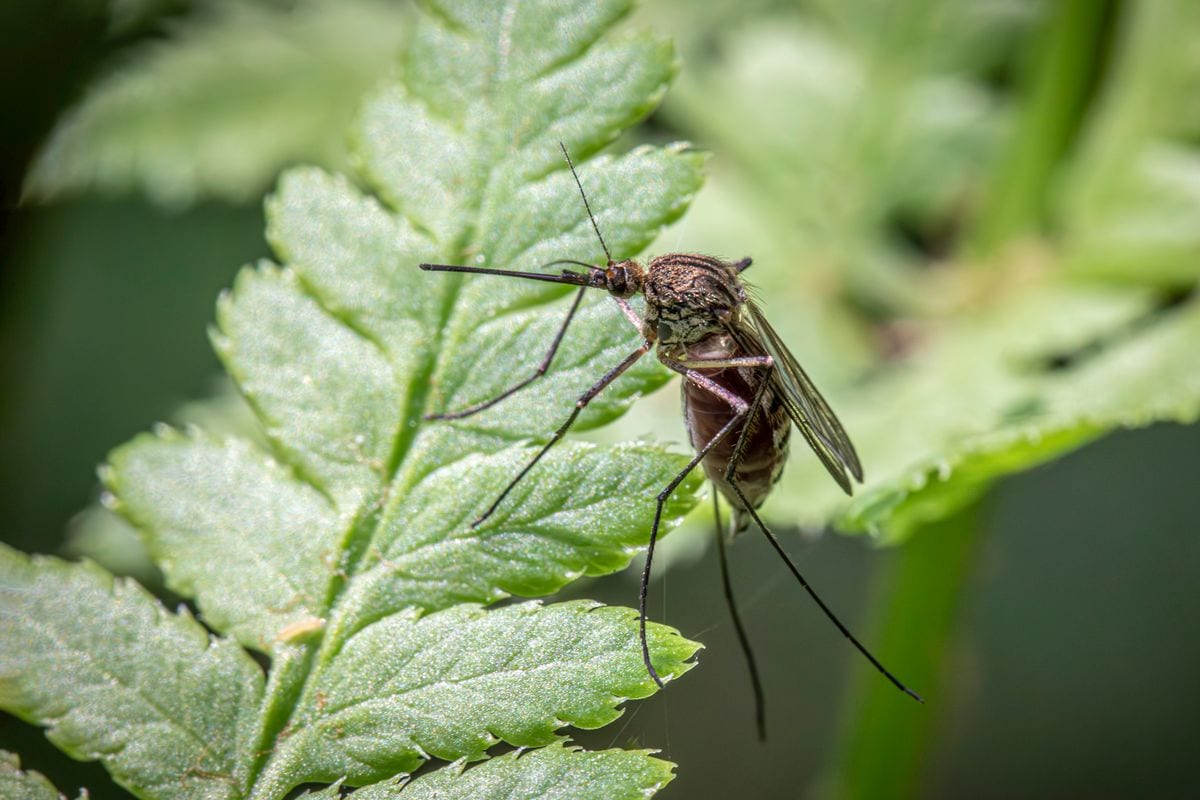
Korea Mosquito Season Guide: Packing and Local Buys
A Korea mosquito season guide for tourists: when bites are likely, what to pack, what to buy locally, repellents, clothing, and summer travel habits.
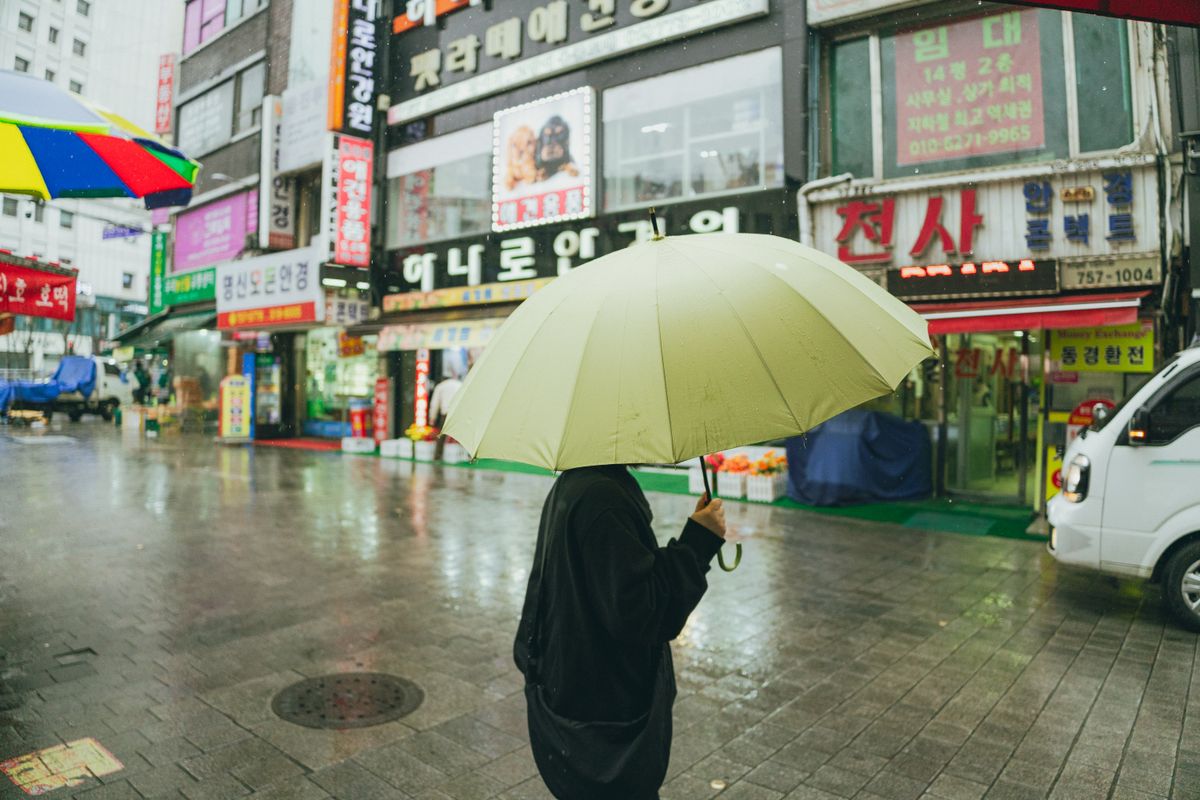
Korea Rainy Season Guide: What to Pack for Jangma
A practical Korea rainy season travel guide for jangma: what to pack, what to wear, where plans break, and how to stay dry in Seoul.
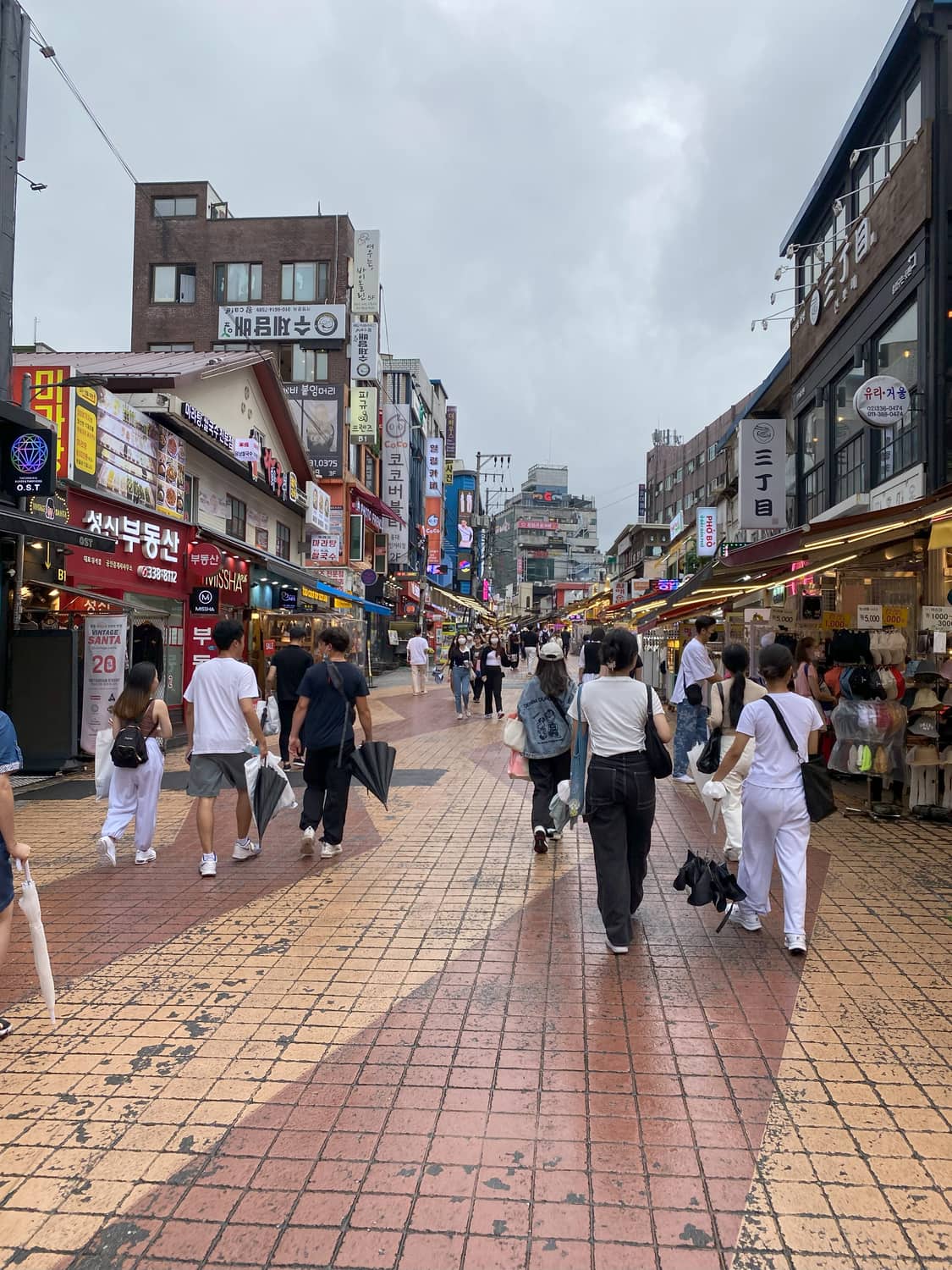
Do Koreans Speak English? Ask Someone Under 35 — What Actually Happens on a Seoul Street
Yes, if you ask the right person. Stop a Korean in their twenties or thirties on a Seoul street and you will almost always get an answer in English. The forum answer that says otherwise is twenty years old. Who to ask, how to ask, where English is built in.