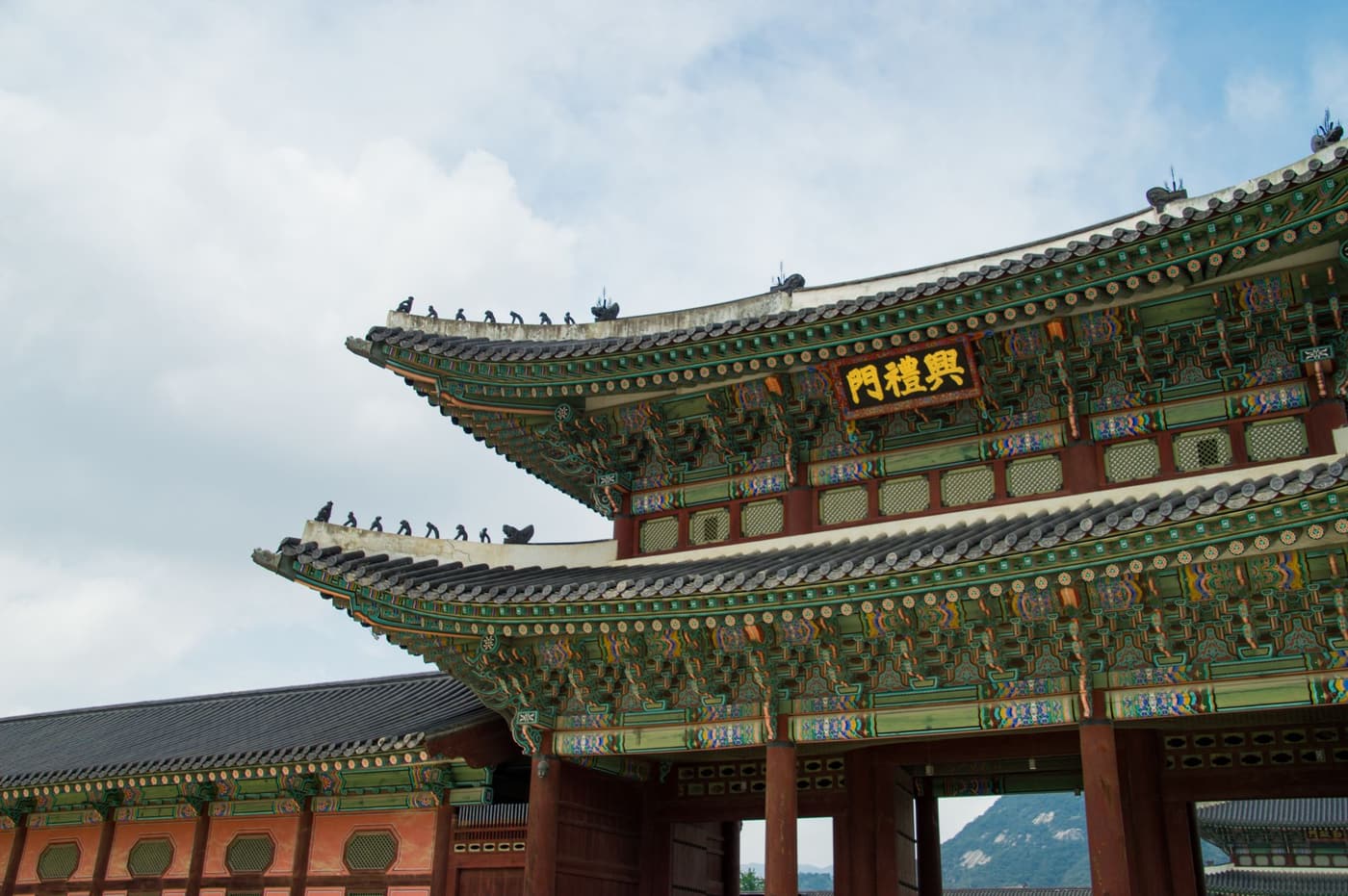
Best Places to Visit in Korea: 2026 Travel Guide
If you are planning a first trip to Korea, the hardest part is not finding places to go. It is choosing which Korea you want to meet first.
There is the fast Korea of Seoul subway transfers, late-night food streets, pop-up stores, and coffee lines that somehow feel like cultural events. There is the coastal Korea of Busan, where seafood, beaches, hillside villages, and night views make the city feel less formal than the capital. There is the old Korea of Gyeongju, the volcanic Korea of Jeju, the cafe-and-sea Korea of Gangneung, and the slow food Korea of Jeonju.
The best places to visit in Korea are not all doing the same job. Some are perfect for your first landing. Some are better after you already understand the rhythm. Some look small on a map but stay in your memory longer than the famous stops.
This guide keeps the choice simple: where to go, why it matters, who it is best for, and how to connect each place into a realistic Korea route.
Korean sweet potato snack bars — a light bag snack for station days, on AmazonAffiliate link. As an Amazon Associate, EpicKor earns from qualifying purchases at no extra cost to you.
Quick Answer: Where Should You Go First?
If this is your first Korea trip, start with Seoul. It gives you the widest range of experiences in the shortest amount of time: palaces, shopping streets, museums, river walks, cafes, night markets, K-pop retail, traditional neighborhoods, and easy day trips.
If you want a second city with a different mood, add Busan. It feels more open, coastal, and relaxed. You still get big-city convenience, but the ocean changes the emotional temperature of the trip.
If you care about Korean history, add Gyeongju. It is one of the easiest places to understand that Korea is not only a modern pop-culture machine. The city carries royal tombs, temples, traditional streets, and a slower visual rhythm.
If you want nature, driving, waterfalls, lava-rock coastlines, and a different island identity, choose Jeju. Jeju is beautiful, but it works best when you give it time rather than treating it like a quick checkmark.
Use this shortcut:
| Your Travel Style | Best Korea Destination |
|---|---|
| First-time visitor | Seoul |
| Food, beaches, nightlife | Busan |
| History and traditional atmosphere | Gyeongju |
| Nature, road trips, island scenery | Jeju |
| Cafes, sea views, slower pace | Gangneung |
| Food culture and hanok streets | Jeonju |
| Shopping and easy indoor plans | Seoul underground malls |
The smartest Korea itinerary is usually not the one with the most cities. It is the one with enough space to actually feel the difference between them.
For transfer-heavy days: Seoul, Busan, and Gyeongju routes can run long; compare Korean sweet potato snack bars as a light bag snack before your itinerary turns into stations and luggage.
See Korean sweet potato snack bars on AmazonSeoul: The Best First Stop in Korea
Seoul is the obvious answer for first-time travelers, but not because it is the capital. It is the best starting point because it teaches you how Korea works.
In one day, you can move from Gyeongbokgung Palace to Bukchon Hanok Village, from a quiet museum to a crowded cosmetics store, from a traditional market to a futuristic subway station. Seoul can feel overwhelming, but it is also extremely practical. Public transportation is strong, English signs are common in tourist-heavy areas, and almost every travel style can find a version of the city that fits.
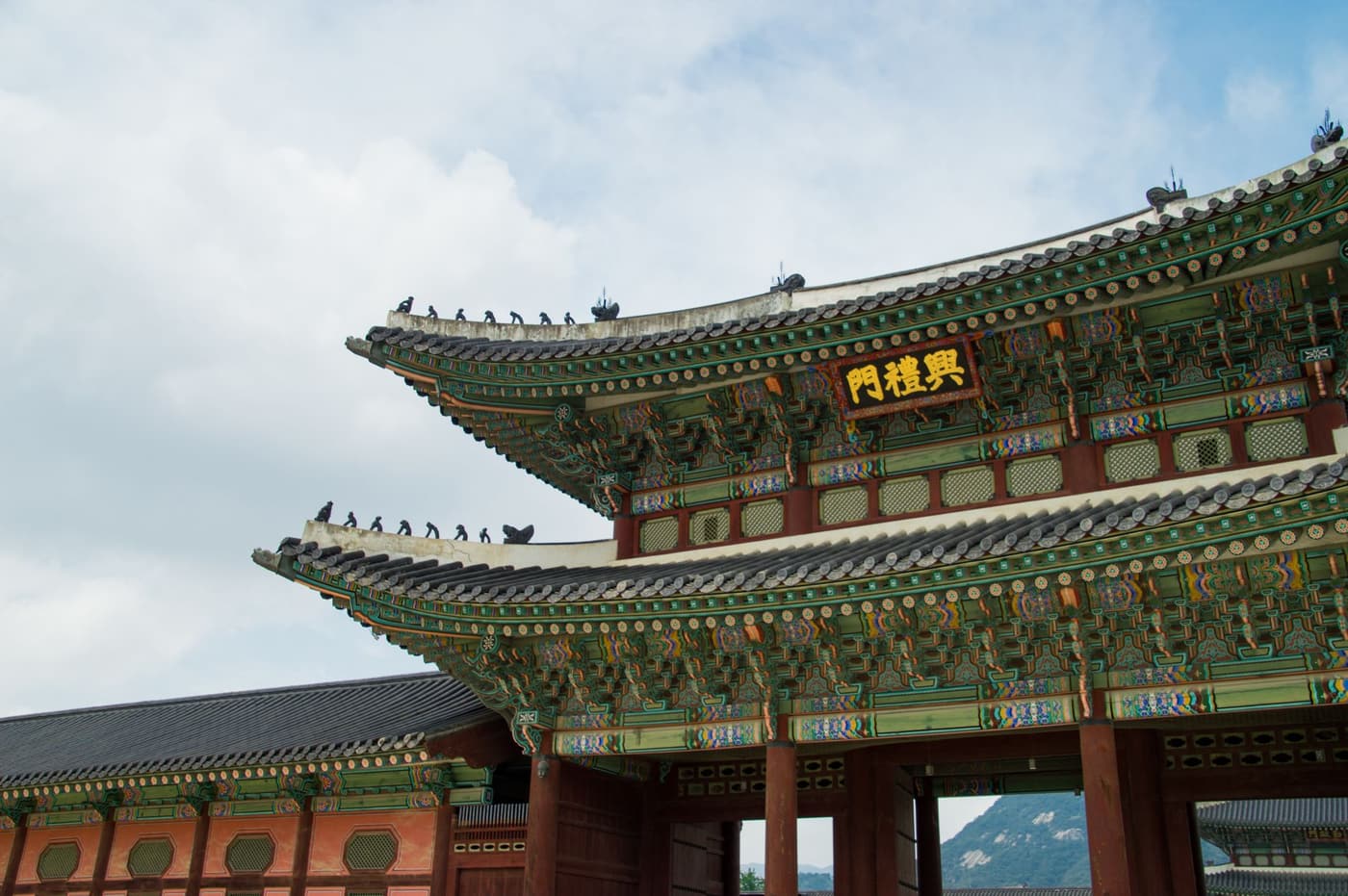
For classic Korea, start with the palace area around Gyeongbokgung, Changdeokgung, Insadong, and Bukchon. This is where many visitors first see the contrast between hanbok rentals, old rooflines, office towers, and modern cafes. It can look touristy, but it still works because the visual contrast is real.
For modern Korea, spend time in Seongsu, Hongdae, Hannam, or Yeonnam. These neighborhoods show how Koreans use cafes, design shops, pop-ups, and small brands as social spaces. A cafe is rarely just a cafe in Seoul. It can be a date spot, a work room, a photo studio, a brand showroom, or a quiet escape from apartment life.
For practical travel, learn the subway early. Seoul looks huge from above, but the subway makes the city feel manageable. Once you understand transfers, exit numbers, and the rhythm of rush hour, the city becomes much less intimidating. EpicKor's Seoul subway etiquette guide is a useful next read before your trip.
The mistake many first-time visitors make is trying to do Seoul as a checklist. Palace, tower, market, shopping street, cafe, museum, all in one compressed blur. Seoul is better when you give each district a role. Let one day be history. Let another be shopping and cafes. Let one evening be the Han River or a food street with no strict plan.
Busan: Korea's Coastal City With a Softer Mood
Busan is not simply "Seoul by the sea." That is the wrong way to understand it.
Busan has its own energy: more open, more coastal, a little less polished in the best way. The city stretches along mountains and water, so the experience is visual even before you visit a specific attraction. You feel the slopes, bridges, ports, beaches, and seafood markets shaping daily life.
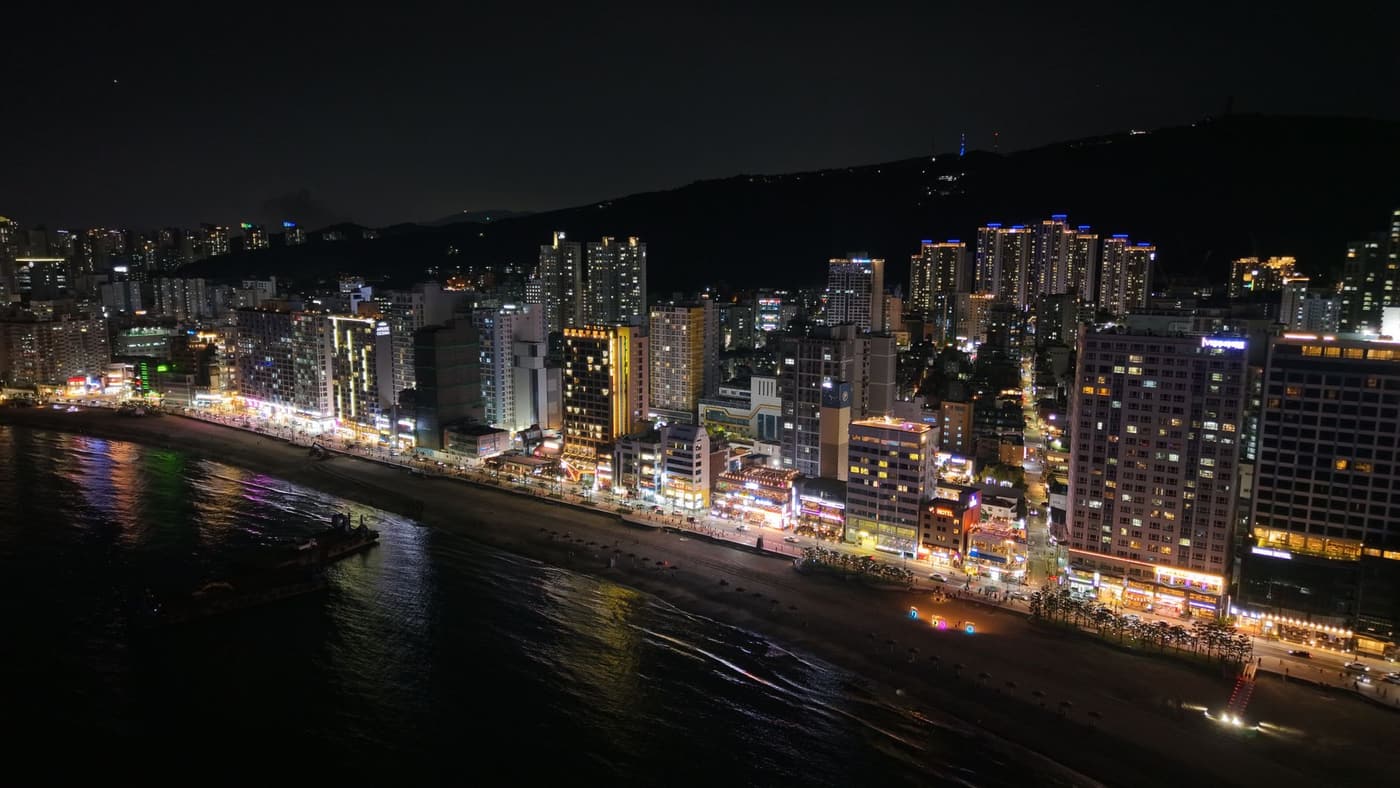
Haeundae and Gwangalli are the names most travelers hear first. Haeundae is bigger and more famous, with a resort-city feeling. Gwangalli feels easier for an evening walk because the bridge view gives the beach a clear focal point. If you like night views, Busan rewards you quickly.
For food, Busan is one of Korea's best cities for seafood, pork soup, street snacks, and casual market meals. Jagalchi Market and the Nampo area are classic stops, but the real pleasure of Busan is not only eating one famous dish. It is the feeling of eating near the water, then walking somewhere with wind in your hair instead of subway air in your face.
Gamcheon Culture Village is colorful and photogenic, but treat it like a lived-in hillside neighborhood, not a theme park. Go slowly, keep your voice down in residential lanes, and remember that the best travel photos usually come from patience rather than blocking someone else's stairs.
Busan works well as a two-night addition after Seoul. You can take the KTX, stay near a beach or central transit area, and return without turning the trip into a logistics project. If your Korea trip already feels too city-heavy, Busan gives you breathing room without sacrificing convenience.
Gyeongju: The Best Place to Feel Old Korea
Gyeongju is one of the best places to visit in Korea if you want history to feel physical.
In Seoul, the old and new often stand side by side. In Gyeongju, the older layer feels wider and calmer. Royal tombs rise like green hills. Temple sites, stone pagodas, and traditional streets make the city feel like an outdoor museum, but not in a dry academic way. It is easy to walk, pause, and understand that Korea has a much longer memory than K-pop headlines suggest.
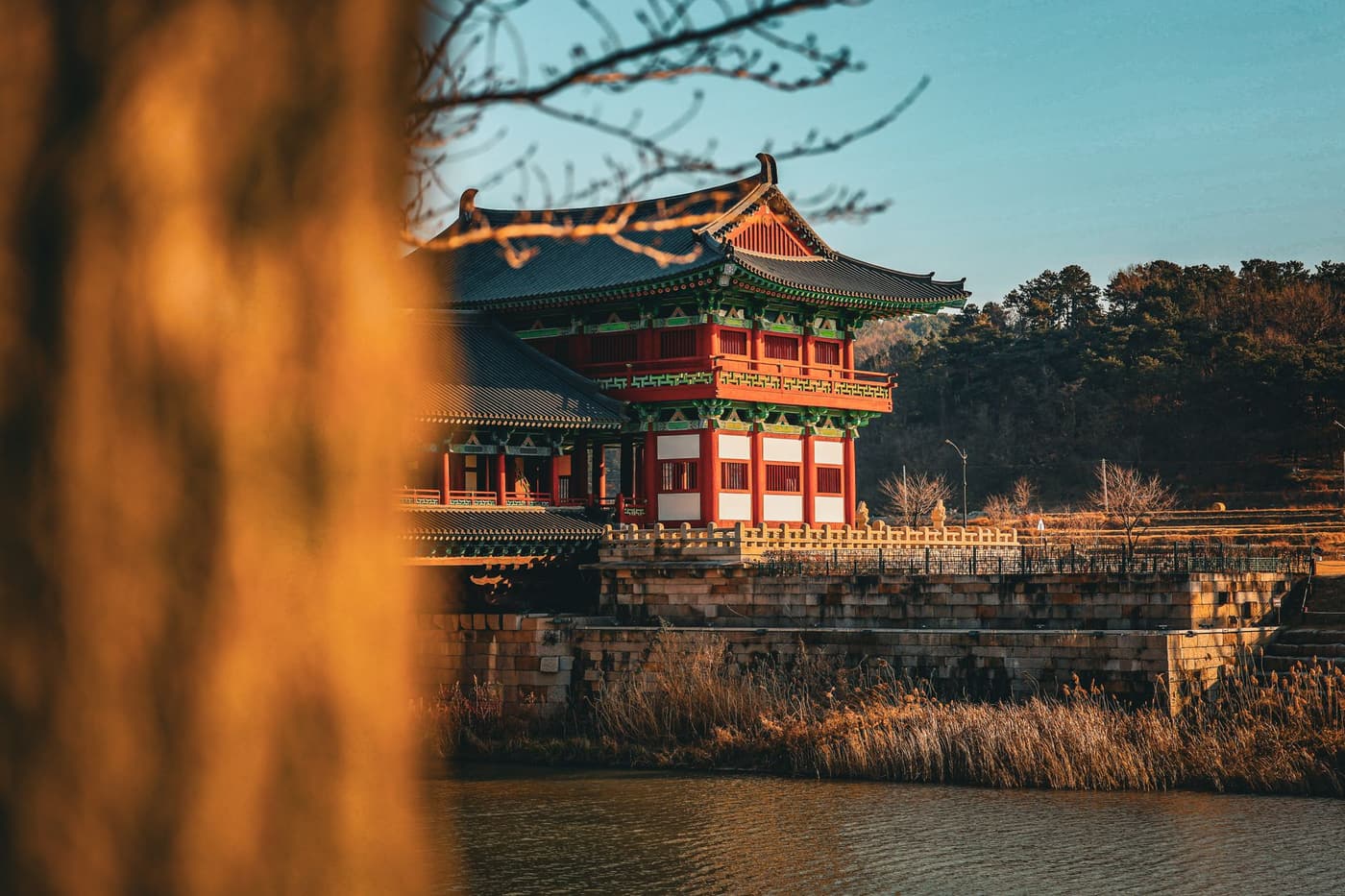
For many travelers, Gyeongju is the place where Korea becomes quieter. The pace drops. You are not constantly chasing the newest store or the most viral food. You are looking at shapes that survived long before modern Seoul existed.
Bulguksa Temple and Seokguram Grotto are major cultural stops. Daereungwon Tomb Complex, Cheomseongdae, and Donggung Palace with Wolji Pond are also common first-visit choices. But the real reason to sleep in Gyeongju instead of rushing through it is the evening mood. When day-trippers leave, the city becomes easier to hear.
Gyeongju pairs naturally with Busan because the distance is manageable. If you have a week in Korea, a Seoul-Busan-Gyeongju route gives you a strong triangle: capital, coast, and history.
Jeju: Korea's Island For Nature and Road Trips
Jeju is famous, but it is often misunderstood by first-time travelers.
It is not the easiest place to squeeze into a tight Korea itinerary. Jeju rewards travelers who give it enough time, especially if they are comfortable driving or planning around bus routes. The island has waterfalls, volcanic landscapes, beaches, stone walls, tangerine farms, forest paths, and a culture that feels distinct from mainland Korea.
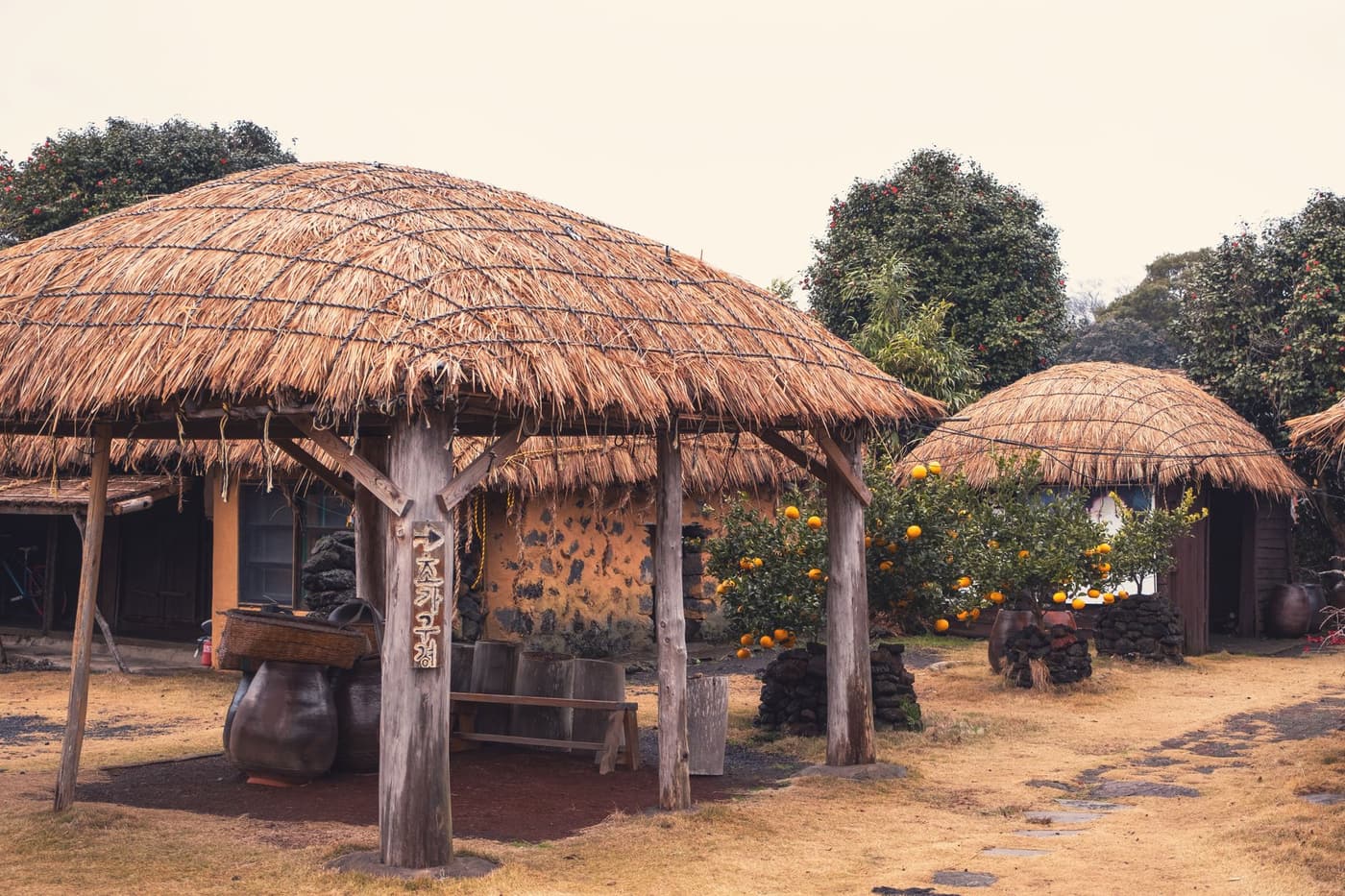
The best Jeju trips are usually not built around one famous spot. They are built around direction and pace. Choose the east for sunrise views and Seongsan Ilchulbong, the south for waterfalls and dramatic coastlines, the west for beaches and cafes, or the central area for Hallasan and forest scenery.
Jeju also has one of Korea's most distinctive cultural icons: the haenyeo, or women divers. If you are interested in that side of the island, read EpicKor's Haenyeo guide before you go. It helps you see Jeju as a living culture, not only a pretty backdrop.
If you only have five days in Korea, skip Jeju unless the island is your main dream. If you have seven to ten days, it becomes much easier to include without feeling rushed. Jeju is not a place to speed-run. The whole point is that it feels different from the mainland.
Gangneung and the East Coast: Sea, Coffee, and Slower Korea
Gangneung is a strong choice for travelers who want a softer Korea trip without leaving the country completely behind.
The city is known for beaches, coffee streets, pine scenery, and a more relaxed pace than Seoul. It is especially good if you like the idea of waking up near the sea, walking without a packed schedule, and treating cafes as destinations rather than quick caffeine stops.
Gangneung also helps balance a Korea itinerary that has become too dense. After several days of Seoul shopping, subway transfers, and restaurant hunting, the east coast gives your brain more space. You still get Korean food, convenience stores, local buses, and cafes, but the pressure drops.
Nearby areas on the east coast can also appeal to different travelers. Some go for beaches and surf culture around Yangyang. Others prefer mountain access, temple visits, or winter scenery. The important thing is to decide whether the east coast is your rest segment or your activity segment. It can be either, but trying to make it both in one day usually makes it less satisfying.
Jeonju: Korea's Food Culture in One Walkable City
Jeonju is often introduced through bibimbap, but that is only the doorway.
The city is useful for travelers because it gathers several Korean pleasures into a compact area: hanok streets, traditional snacks, makgeolli culture, small museums, slow meals, and an easier walking rhythm than Seoul. If you want a Korea destination that feels cultural without being too difficult to navigate, Jeonju is a good candidate.
Jeonju Hanok Village can be busy, and yes, parts of it are touristy. But touristy does not automatically mean worthless. For first-time visitors, the area makes traditional architecture, street food, hanbok rentals, tea houses, and local crafts easy to experience in one place.
The key is to stay beyond the busiest photo zones. Eat slowly. Try local snacks. Walk into side streets. If you drink, explore makgeolli culture with care and pacing. Jeonju is not about one dramatic landmark. It is about letting food and streets do the explaining.
How to Build a Korea Itinerary That Actually Works
A common first-trip mistake is trying to visit Seoul, Busan, Gyeongju, Jeju, Jeonju, Gangneung, and the DMZ in one week. On paper, it looks efficient. In real life, it turns Korea into stations, luggage, and sleep debt.
For five days, choose Seoul plus one day trip or one overnight city. If you want a nearby history day that does not require changing hotels, EpicKor's Suwon day trip guide is one of the easiest Seoul-area add-ons.
For seven days, Seoul plus Busan and Gyeongju is a strong route. You get modern capital energy, coastal contrast, and historical depth without too many flights.
For ten days, you can add Jeju or Jeonju depending on your style. Choose Jeju if nature is the priority. Choose Jeonju if food and traditional streets matter more. Choose Gangneung if you want a sea-and-cafe reset.
Here is a practical planning table:
| Trip Length | Suggested Route | Best For |
|---|---|---|
| 3-4 days | Seoul only | First taste of Korea |
| 5 days | Seoul + Gyeongju or Busan | Culture or coast |
| 7 days | Seoul + Busan + Gyeongju | Balanced first trip |
| 8-10 days | Seoul + Busan + Gyeongju + Jeju | Nature plus city |
| 10+ days | Add Jeonju or Gangneung | Slower, deeper travel |
Do not underestimate transit fatigue. Korea's transport system is excellent, but excellent transport does not make your body immune to packing, checking out, finding platforms, and arriving tired. A good Korea trip leaves room for wandering.
FAQ About the Best Places to Visit in Korea
Q: What is the best city to visit in Korea for the first time? Simply put, Seoul is the best first city because it gives you the widest mix of history, food, shopping, nightlife, public transportation, and day-trip options.
Q: Is Busan worth visiting after Seoul? Simply put, yes. Busan feels different enough from Seoul to justify the trip, especially if you like beaches, seafood, night views, and a more coastal mood.
Q: Should I visit Jeju on my first Korea trip? Simply put, visit Jeju if you have enough time. For trips under one week, Jeju can make the schedule feel rushed unless the island is your main priority.
Q: Is Gyeongju better as a day trip or overnight stay? Simply put, overnight is better. Gyeongju's calm evening atmosphere is part of what makes it special, and it pairs well with Busan.
Q: What is the most underrated place to visit in Korea? Simply put, Jeonju and Gangneung are both strong candidates. Jeonju is excellent for food and hanok streets, while Gangneung is great for sea views, cafes, and a slower rhythm.
The Easiest Rule
If you are still unsure, use this rule: choose Seoul first, then add one contrast.
Add Busan if you want the ocean. Add Gyeongju if you want history. Add Jeju if you want nature. Add Jeonju if you want food. Add Gangneung if you want a slower coast.
That is the real secret to planning Korea well. Do not chase every famous destination. Choose the version of Korea you want to understand first, then give it enough time to become more than a photo.
Korea is compact, but it is not simple. The best trips respect that. They let the country change mood from district to district, meal to meal, and city to city.
You Might Also Like
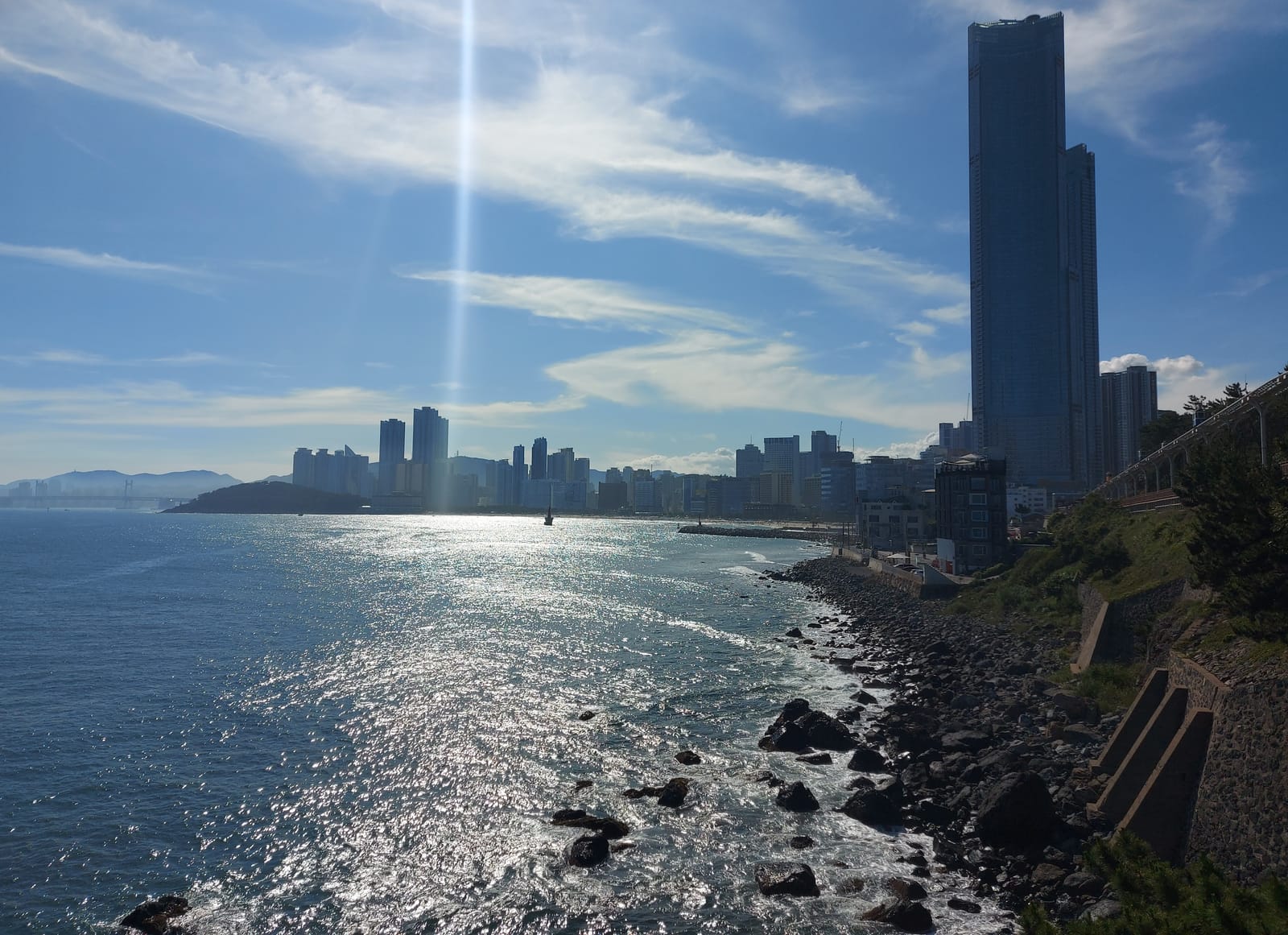
Busan vs Seoul: Which Korean City Should You Visit First?
A practical Busan vs Seoul travel decision guide for first-time Korea visitors, comparing food, pace, nightlife, beaches, culture, transit, and itinerary fit.
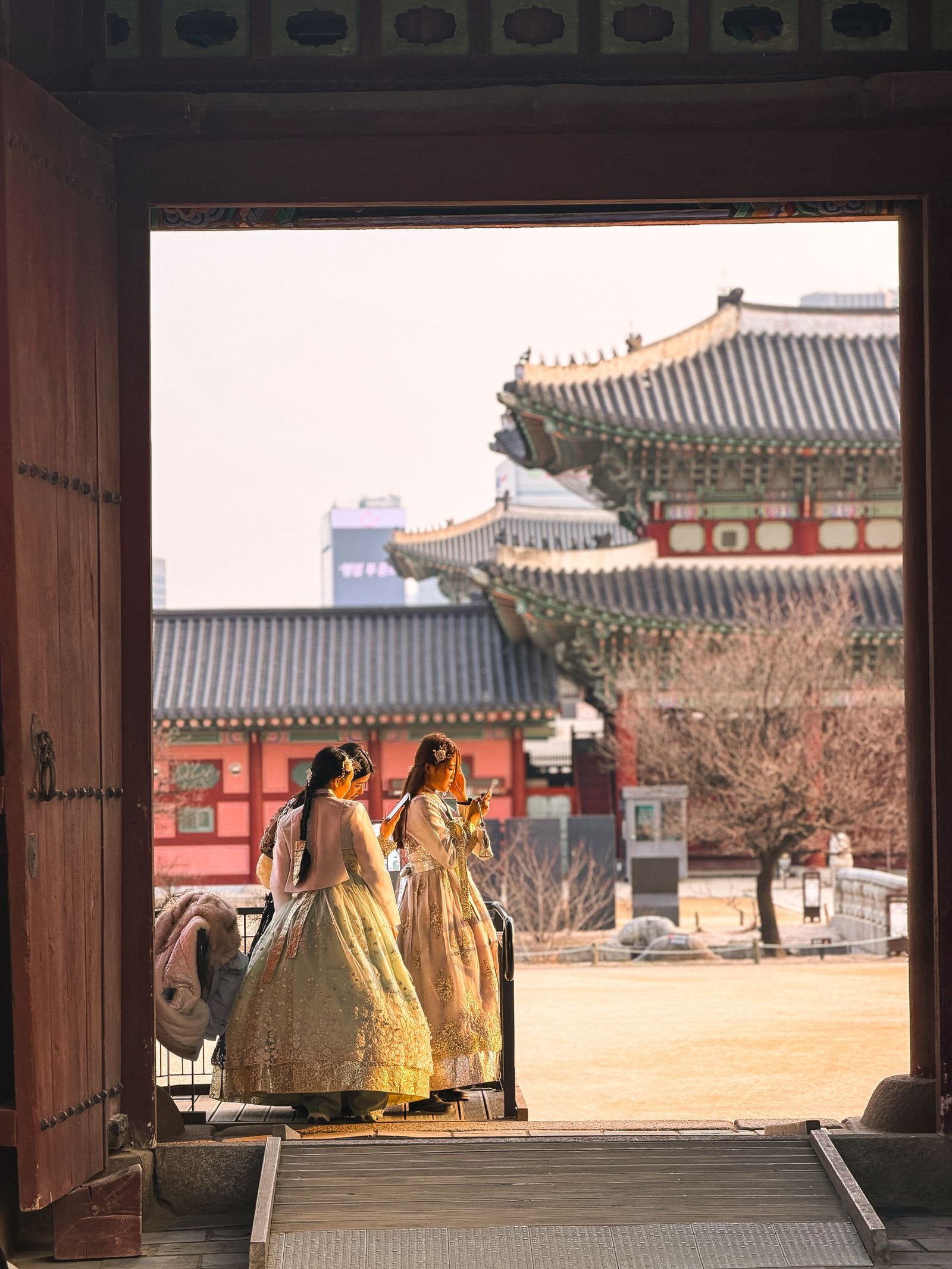
7-Day Korea Itinerary: Seoul, Gyeongju, and Busan by KTX
A practical 7-day Korea itinerary covering Seoul, Gyeongju, and Busan by KTX, with palace days, UNESCO sites, beaches, and food markets.
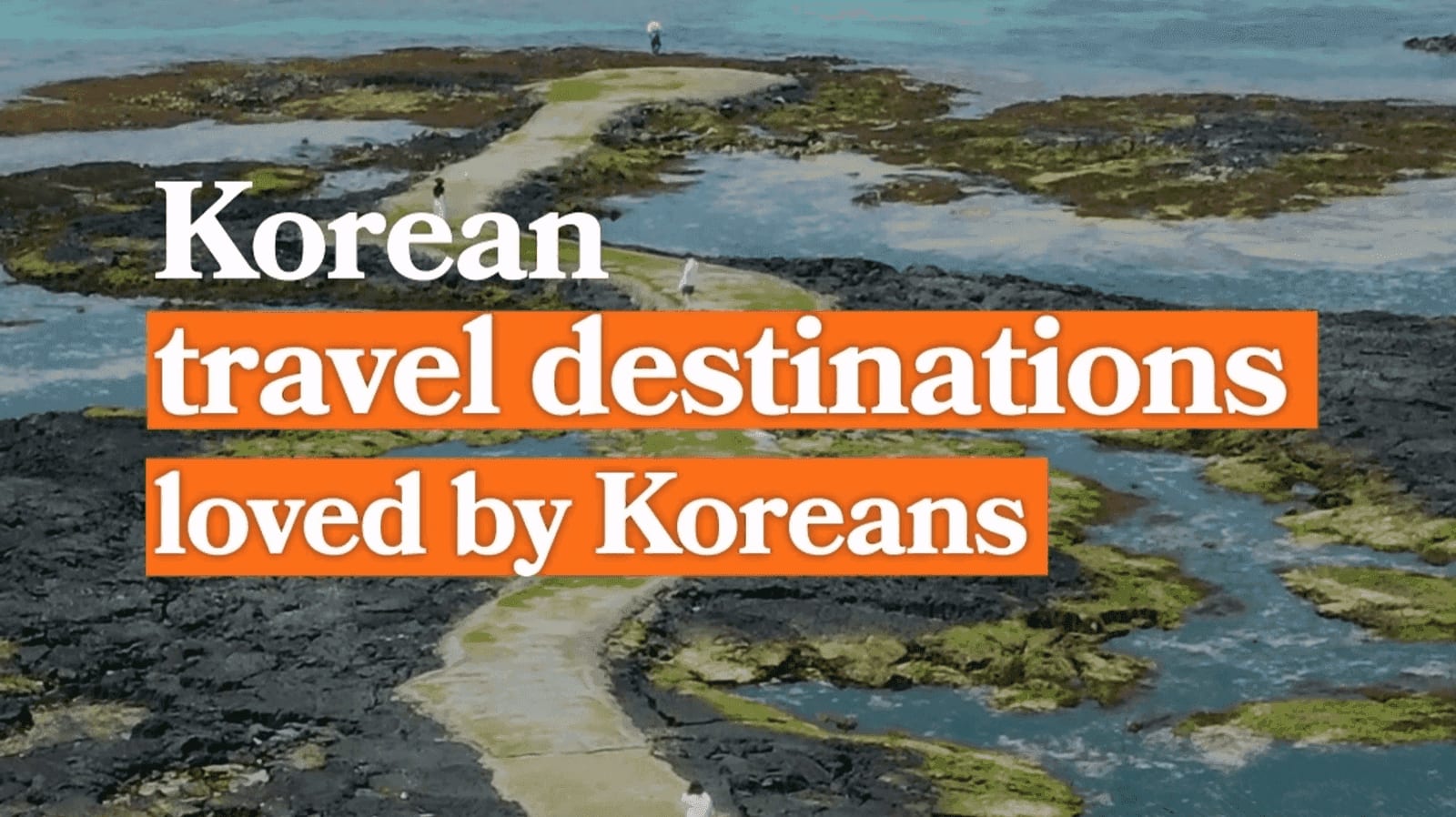
Jeju, Busan, or Gyeongju: Korea Travel Triangle Guide
A practical Korea travel guide comparing Jeju, Busan, and Gyeongju for first-time visitors, routes, seasons, transport, costs, and trip style.