Korea Drinks Guide: Makgeolli, Somaek, Beer, and More
Soju is the drink most travelers associate with Korea, but it is not the whole table. Korea also has makgeolli, beer, somaek, cheongju, fruit sool, traditional distilled liquors, highballs, rice wines, plum drinks, barley tea, hangover drinks, and a growing low- or no-alcohol culture. If your Korea drinking plan is only "green bottle," you will miss a lot of the fun.
The better question is not "What do Koreans drink?" It is "What should I drink with this food, this group, this place, and this level of comfort?" A Korean barbecue table, rainy-day pajeon meal, seafood dinner, convenience-store night, company dinner, and quiet hanok stay all call for different choices.
This guide explains what to drink in Korea besides soju, how somaek works, when makgeolli makes sense, what traditional sool means, how to drink politely, and how to enjoy the culture without treating alcohol pressure as mandatory.
Quick Answer: What Should You Drink in Korea Besides Soju?
Try makgeolli with jeon or casual traditional food, Korean beer with fried chicken, somaek if you want the classic soju-beer mix, traditional sool at a tasting bar, highballs in modern pubs, and non-alcoholic drinks such as barley tea, sparkling water, zero beer, or soft drinks if you do not drink alcohol.
VisitKorea's drinking guide describes soju and beer as two favorite Korean choices and notes somaek as the mixture of soju and beer. Its traditional liquor pages also describe makgeolli and soju as representative Korean liquors that can be purchased widely, including in convenience stores and markets. See VisitKorea's How to Drink Like a Korean and traditional liquors overview. If the table turns playful, EpicKor's Korean drinking games guide explains bottle-cap games, somaek games, refusal scripts, and safer boundaries.
| Drink | Best Pairing | Why Try It | Beginner Note |
|---|---|---|---|
| Makgeolli | Pajeon, banchan, traditional pubs | Milky, tangy, lower-alcohol rice wine | Shake gently if instructed; sediment is normal. |
| Beer | Korean fried chicken, baseball, convenience-store snacks | Cold, easy, social | Often chosen for refreshment, not complexity. |
| Somaek | BBQ, group dinners, casual nights | Classic soju-beer mix | Drink slowly; it can feel lighter than it is. |
| Traditional sool | Tasting bars, regional food, gifts | Shows Korea beyond green-bottle soju | Ask staff for sweetness and ABV. |
| Non-alcoholic options | Any meal | Safe, respectful choice | You do not have to drink alcohol to participate. |
Makgeolli: The Best First Alternative
Makgeolli is an unrefined Korean rice wine made by fermenting grains with nuruk, a traditional fermentation starter. It looks milky because rice particles remain after fermentation. VisitKorea's makgeolli page describes it as a traditional rice wine with a smooth, slightly thick texture and about 6-8% alcohol, though styles vary. See its makgeolli food entry.
Makgeolli is a great first alternative because it feels different from soju immediately. It can be tangy, sweet, fizzy, creamy, dry, rustic, or modern depending on the brewery. It is often served in bowls or cups and paired with jeon, Korean pancakes. Rainy-day pajeon and makgeolli is one of Korea's most famous food-drink pairings.
If you want a dedicated food pairing, read EpicKor's pajeon and makgeolli rainy-day guide. If the weather changes your whole itinerary, the broader Korean rainy day food guide covers noodles, soups, delivery, and no-alcohol options too.
Hoesik-table snack: As an Amazon Associate, EpicKor may earn from qualifying purchases. Since Korean drinking culture is never just about drinks, compare Korean snack options to understand the table rhythm better.
Somaek: Why Koreans Mix Soju and Beer
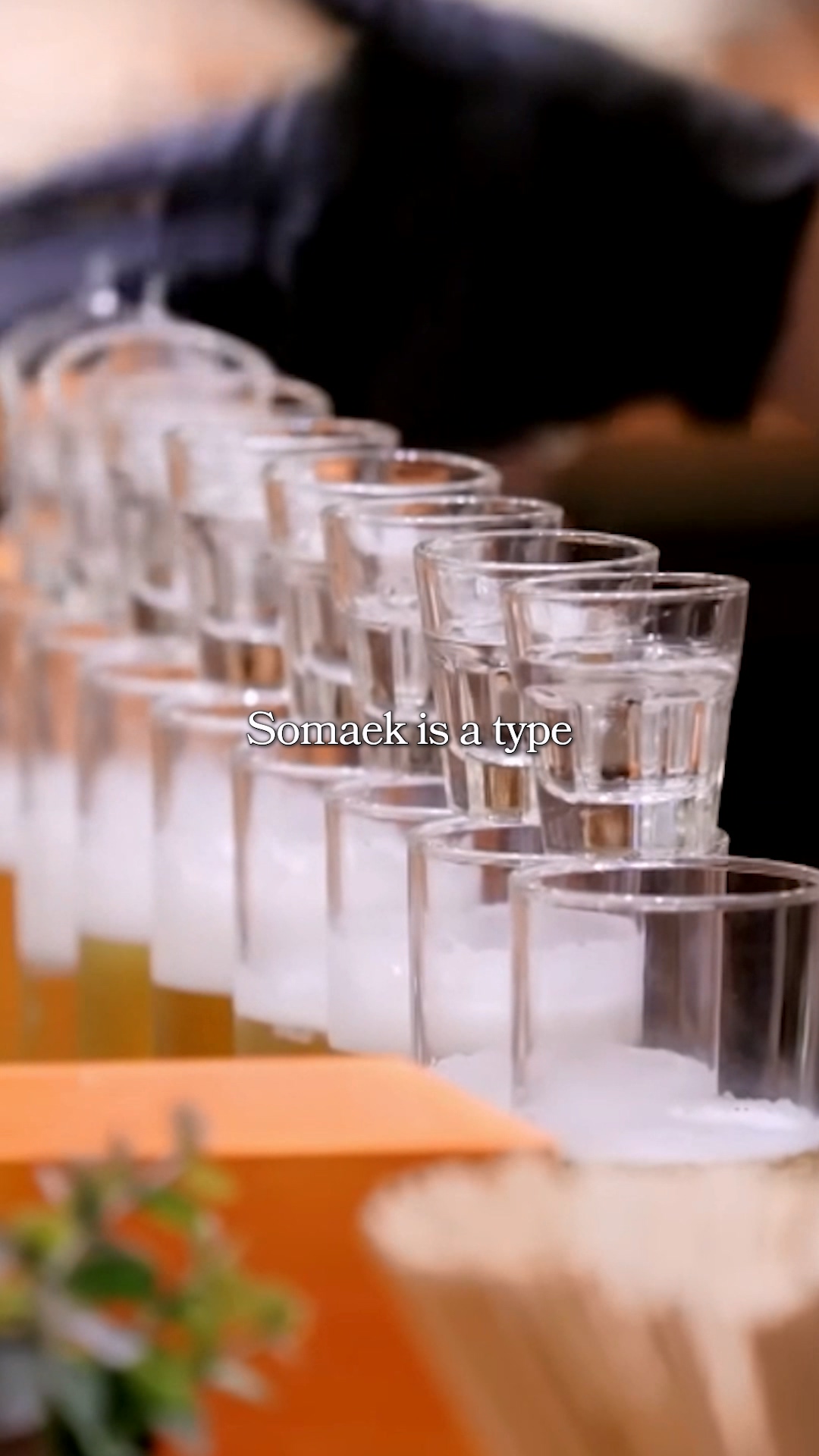
Somaek combines soju and maekju, Korean for beer. It is not a formal cocktail in the craft-bar sense. It is a social drink built for group dinners. The mix softens the sharpness of soju, gives beer more punch, and creates a drink that feels easy at first.
The famous "golden ratio" varies by person. Some people like a light splash of soju in beer. Others pour a stronger mix. Restaurants and bars may use special glasses with lines, but you do not need to obsess over exact math. The real rule is pacing. Somaek can feel refreshing and then catch up with you.
If you are drinking with Koreans, you may see spoon taps, glass stacking, or playful mixing rituals. These are social performance, not requirements. You can simply pour gently and drink slowly.
Beer in Korea: Chicken, Baseball, and Convenience Stores
Korean beer is often enjoyed cold, easy, and food-friendly. It pairs naturally with chimaek, Korean fried chicken plus beer, and with baseball games, convenience-store snacks, barbecue, pizza, and summer nights by the Han River.
Do not judge Korean beer only by craft-beer standards. The mainstream role is refreshment. It cuts through fried food and keeps group meals light. If you want more variety, look for local craft bars, convenience-store imports, or seasonal cans.
For the food side, EpicKor's Korean fried chicken guide, Korean baseball guide, and night picnic guide connect beer to real travel situations.
Traditional Sool: Korea Beyond Green Bottles
Traditional sool is a broad category. Korea.net explains that traditional Korean alcoholic beverages include fermented liquors, distilled liquors, and blended liquors, often based on grains such as rice and fermentation with nuruk. Its guide also notes the wide range of makgeolli, yakju, soju, distilled forms, and fruit-based drinks. See Korea.net's guide to Korean alcoholic beverages and its traditional liquor overview.
For travelers, the best place to try traditional sool is a tasting bar, brewery program, or restaurant with staff recommendations. Ask for:
- dry or sweet;
- low or high alcohol;
- sparkling or still;
- rice-based or fruit-based;
- good pairing with your food.
Traditional sool also makes a meaningful gift, but alcohol rules, baggage limits, and customs rules matter. Do not buy bottles for international travel without checking your destination country's import allowances.
Highballs, Wine, and Modern Drinking
Korea's drinking scene is not frozen in old rituals. Highballs, low-alcohol drinks, natural wine bars, craft beer, whisky bars, canned cocktails, zero-sugar drinks, and dessert-style beverages all have a place now. Younger drinkers may choose lighter drinks, drink less, or focus more on atmosphere than volume.
This matters because older travel content can make Korean drinking sound like one endless company dinner. That world still exists, but it is not the only reality. A modern Seoul night might be a highball with yakitori, a craft beer in Seongsu, makgeolli in Insa-dong, wine in Hannam, or a zero beer at a convenience store.
For broader social rules, compare this guide with EpicKor's Korean drinking culture guide and soju, makgeolli, and anju guide.
What to Eat With Each Drink
Korean drinking makes more sense when you think in anju, food eaten with alcohol.
| Drink | Classic Anju | Why It Works | Travel Tip |
|---|---|---|---|
| Makgeolli | Pajeon, kimchi jeon, tofu kimchi | Acid and grain match fried or fermented food | Great on rainy days. |
| Beer | Fried chicken, fries, dried snacks | Cold carbonation cuts oil and salt | Easy for mixed groups. |
| Somaek | BBQ, grilled pork, spicy stew | Strong enough for rich food | Drink water between rounds. |
| Traditional sool | Seasonal Korean dishes, seafood, banchan | Pairing depends on sweetness, acidity, and ABV | Ask staff before ordering a full bottle. |
| Non-alcoholic | Any meal | Keeps you included without pressure | Order cider, tea, zero beer, or water confidently. |
If the table comes with many small dishes, EpicKor's Korean banchan guide explains how side dishes support the whole meal.
Drinking Etiquette for Travelers
Basic etiquette matters more than drinking a lot. In many Korean settings, especially with older people or formal meals, people pour for each other rather than only themselves. Receiving with two hands can be polite. Turning slightly away when drinking in front of elders may appear in formal contexts. But among friends, rules can be looser.
Useful habits:
- Do not pressure anyone else to drink.
- Do not feel forced to match every round.
- Pour for others if the group is sharing bottles.
- Use two hands when receiving from someone older or more formal.
- Eat food and drink water.
- Leave before you are too tired to navigate home.
The healthiest traveler move is to participate in the table culture without pretending alcohol tolerance is a personality trait.
If You Do Not Drink Alcohol
You can still enjoy Korean food culture without drinking. Order soft drinks, sparkling water, barley tea, corn tea, zero beer, or just water. At barbecue and fried-chicken restaurants, alcohol is common but not mandatory. At traditional bars, check whether non-alcoholic options exist before sitting down.
If someone asks why you are not drinking, a simple "I do not drink" or "I have an early morning" is usually enough. You do not owe a complicated explanation.
Late-night table helper: A small Korean ramen cooking pot makes the after-drinks noodle habit easier to recreate at home without turning the whole night into an alcohol ritual.
Convenience Store Drink Reality
Convenience stores are part of Korean drinking culture too. You may see beer, soju, makgeolli, canned highballs, flavored drinks, hangover products, ice cups, mixers, and snacks. Korea's convenience stores make it easy to create a mini night-in, but age rules matter. For the recovery-product side, EpicKor's Korean food scissors and hangover drinks guide explains why hangover drinks are common without treating them as cures. VisitKorea notes that alcohol purchases by minors are strictly prohibited and photo ID with birth date is required.
For food pairing from the same store, read EpicKor's Korean convenience store food guide and grocery tourism guide. If you want the street-tent version of Korean drinking food, the pojangmacha guide explains what to order, how to behave, and how to get home safely.
Video Insight: Somaek and Beyond
FAQ
Q: What is the best Korean drink besides soju?
Makgeolli is the best first alternative for many travelers because it tastes clearly different from soju and pairs well with Korean food such as jeon.
Q: What is somaek?
Somaek is a mix of soju and beer. The name combines soju with maekju, the Korean word for beer.
Q: Is makgeolli strong?
Makgeolli is usually lower in alcohol than soju, often around the mid-single digits, but exact ABV varies by product.
Q: Do I have to drink alcohol in Korea?
No. Alcohol is common in some social settings, but you can choose soft drinks, tea, zero beer, sparkling water, or water.
Q: What food goes with makgeolli?
Jeon, especially pajeon or kimchi jeon, is the classic pairing. Tofu kimchi, banchan, and casual traditional pub food also work well.
Q: Can tourists buy alcohol at convenience stores in Korea?
Adults can buy alcohol, but stores may check photo ID. Minors cannot purchase alcohol, and rules should be taken seriously.
You Might Also Like
Korean Rainy Day Food: Pajeon, Makgeolli, Noodles, and Soups
A Korean rainy day food guide covering pajeon, makgeolli, kalguksu, ramyeon, jeon, soups, delivery food, comfort meals, and rainy-season travel tips.
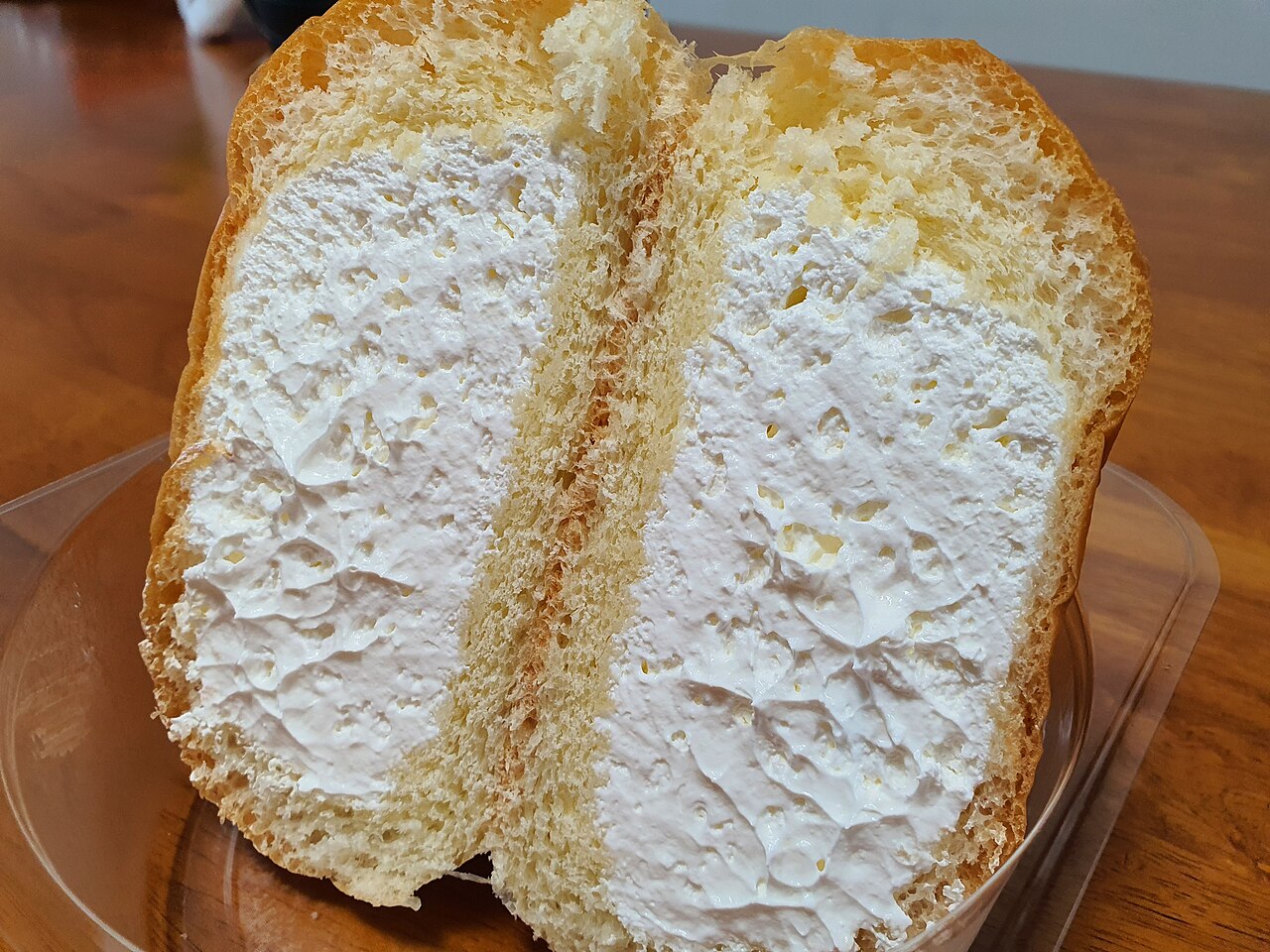
Yonsei Cream Bread: Korea's 100-Million-Unit Convenience Store Bun
Yonsei Cream Bread sells about 45 units a minute in Korea and passed 100 million in April 2026. Around 80% of its weight is cream, it is CU-exclusive, there are 39 varieties, and Koreans eat it frozen. Here is how to buy the right one.
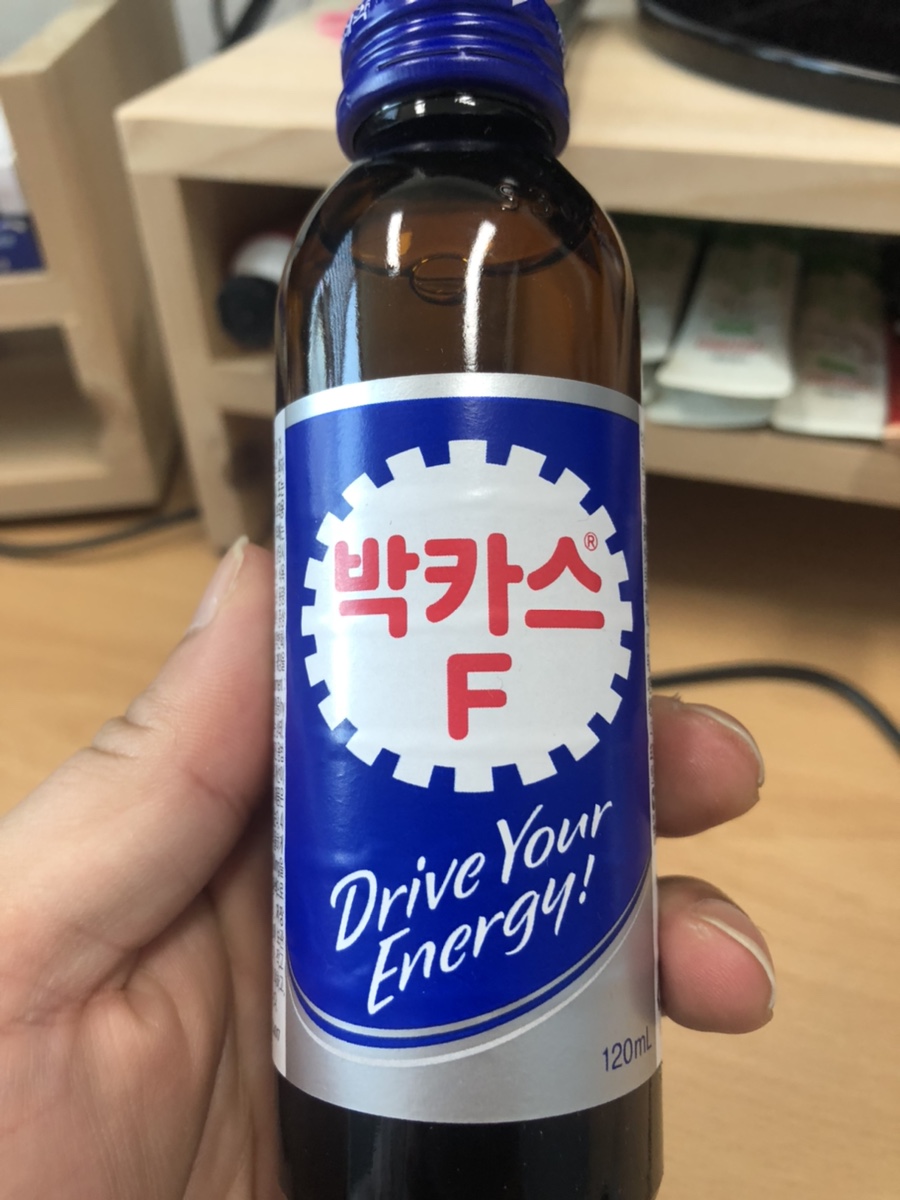
Bacchus D vs F: Why Korea's Energy Drink Comes in Two Versions
Bacchus D and F look identical but are different drinks. One holds 2,000mg of taurine and is sold only in pharmacies, the other 1,000mg in every convenience store. Korean pharmacy law is why, and the smaller bottle is the stronger one.