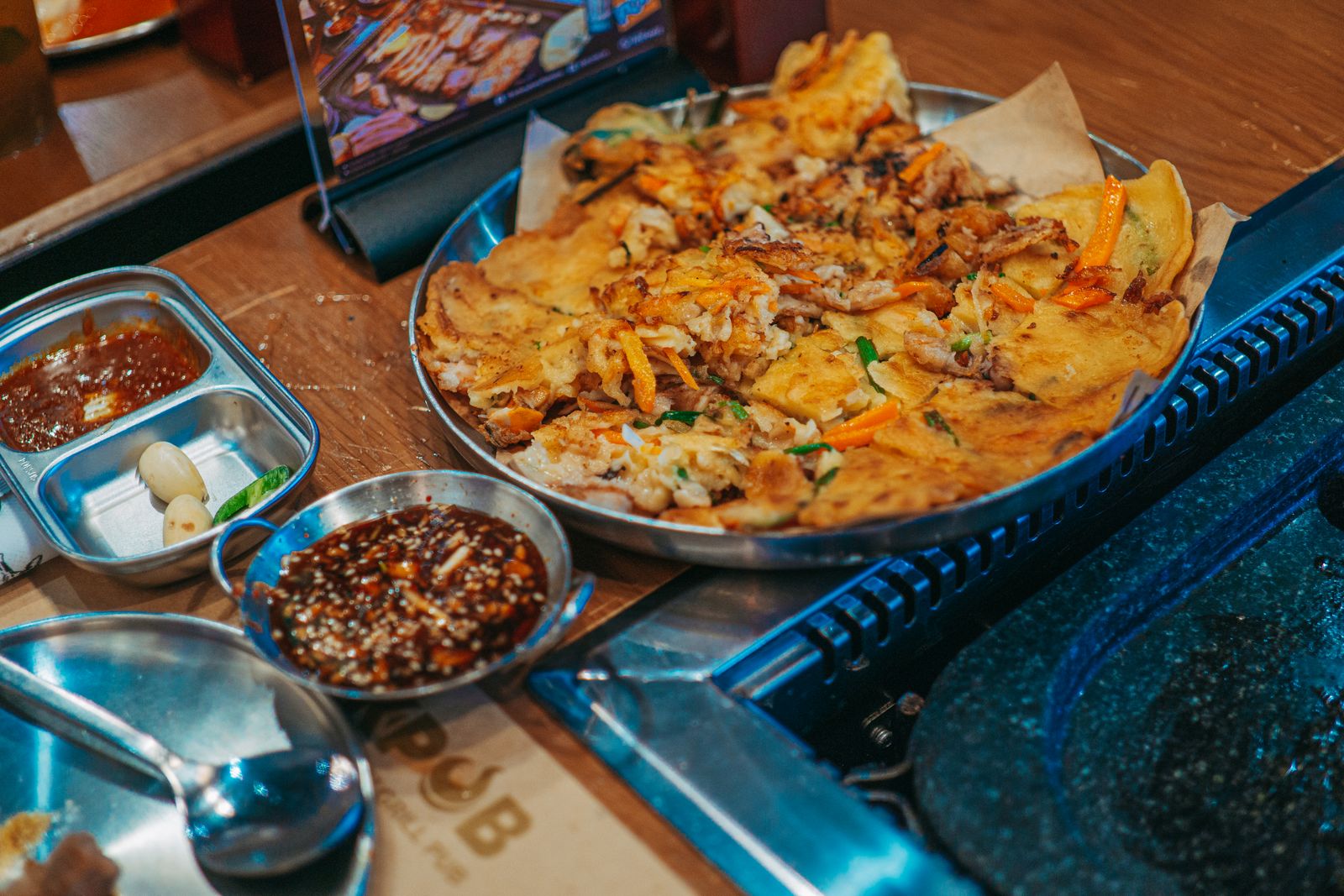
Why Koreans Eat Pajeon and Makgeolli on Rainy Days
When rain starts in Korea, someone in the group chat may suggest “pajeon and makgeolli.” The combination is warm, crisp, savory, and easy to share while the weather slows everyone down. It is also one of Korea’s most repeated food-and-weather associations.
There is no single scientific reason that every Korean suddenly craves a pancake. The custom combines sound, memory, agricultural history, restaurant culture, and a very practical fact: fried batter and a lightly tangy drink are satisfying on a wet evening.
The short explanation
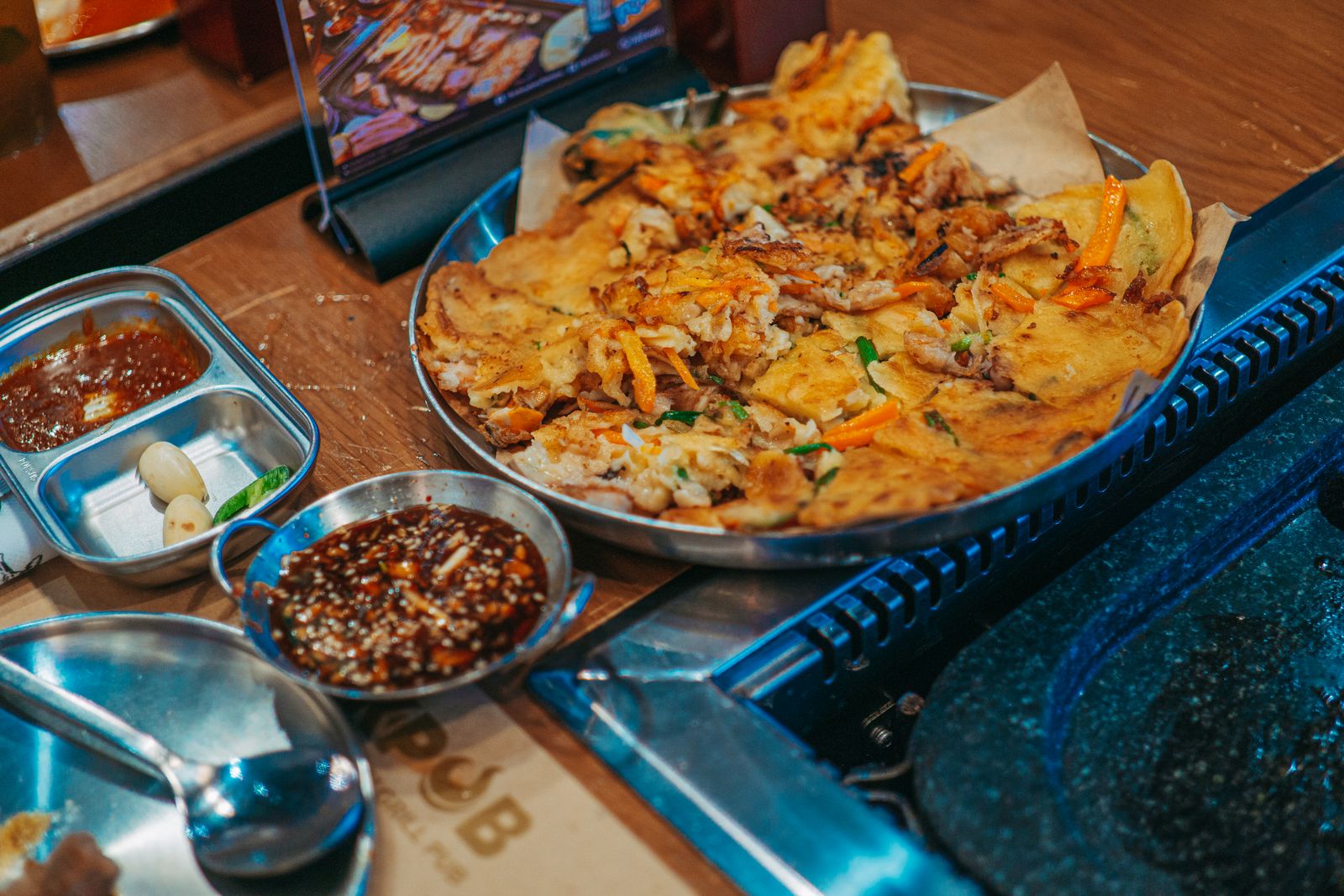
Koreans often say that batter sizzling in oil sounds like rain striking the ground or a window. That sensory resemblance makes jeon easy to recall when the weather changes. VISITKOREA’s guide to situational food culture also connects rainy days with jeon and notes the agricultural story behind the pairing.
Historically, farm work paused during heavy rain. Flour, vegetables, and other available ingredients could be cooked together as a filling pancake. Makgeolli, a traditional cloudy rice drink associated with farming communities, made a natural companion. Today, city office workers are more likely to order the pair after work than return from a field, but the image survives.
| Part of the ritual | What it contributes | Important nuance |
|---|---|---|
| Sizzling sound | A popular sensory link to falling rain | A cultural explanation, not a medical trigger |
| Farm-day history | Rain paused work and encouraged shared food | Modern practice is mostly urban and social |
| Jeon | Crisp edges, hot center, salty dipping sauce | Pajeon is one member of a large jeon family |
| Makgeolli | Cool, lightly sweet-tart contrast | Alcohol strength and sweetness vary |
| Shared table | Easy group ordering and conversation | You can enjoy jeon without alcohol |
O'Food Korean kitchen essentials box — on AmazonAffiliate link. As an Amazon Associate, EpicKor earns from qualifying purchases at no extra cost to you.
Pajeon, haemul pajeon, and other jeon
“Jeon” is the broad category: ingredients coated or mixed with batter and pan-fried. Pajeon centers green onion, while haemul pajeon adds seafood such as squid, shrimp, or shellfish. Kimchi-jeon uses fermented kimchi for a sharper, spicier flavor. Bindaetteok is made from ground mung beans and has a denser texture.
Menus can translate all of them as “Korean pancake,” but they are not sweet breakfast pancakes. They are savory dishes, normally cut for sharing and served with a soy-based dipping sauce.
A good pajeon balances a browned exterior with enough tender scallion inside. A very thick pancake may stay soft in the center; a thin one emphasizes crispness. Neither style is universally correct. Restaurants and regions have their own ratios.
If you have a shellfish allergy, do not assume a plain-looking jeon is safe. Mixed batter, shared utensils, and seafood stock can create cross-contact. Show a translated allergy card and confirm with staff.
What makgeolli tastes like
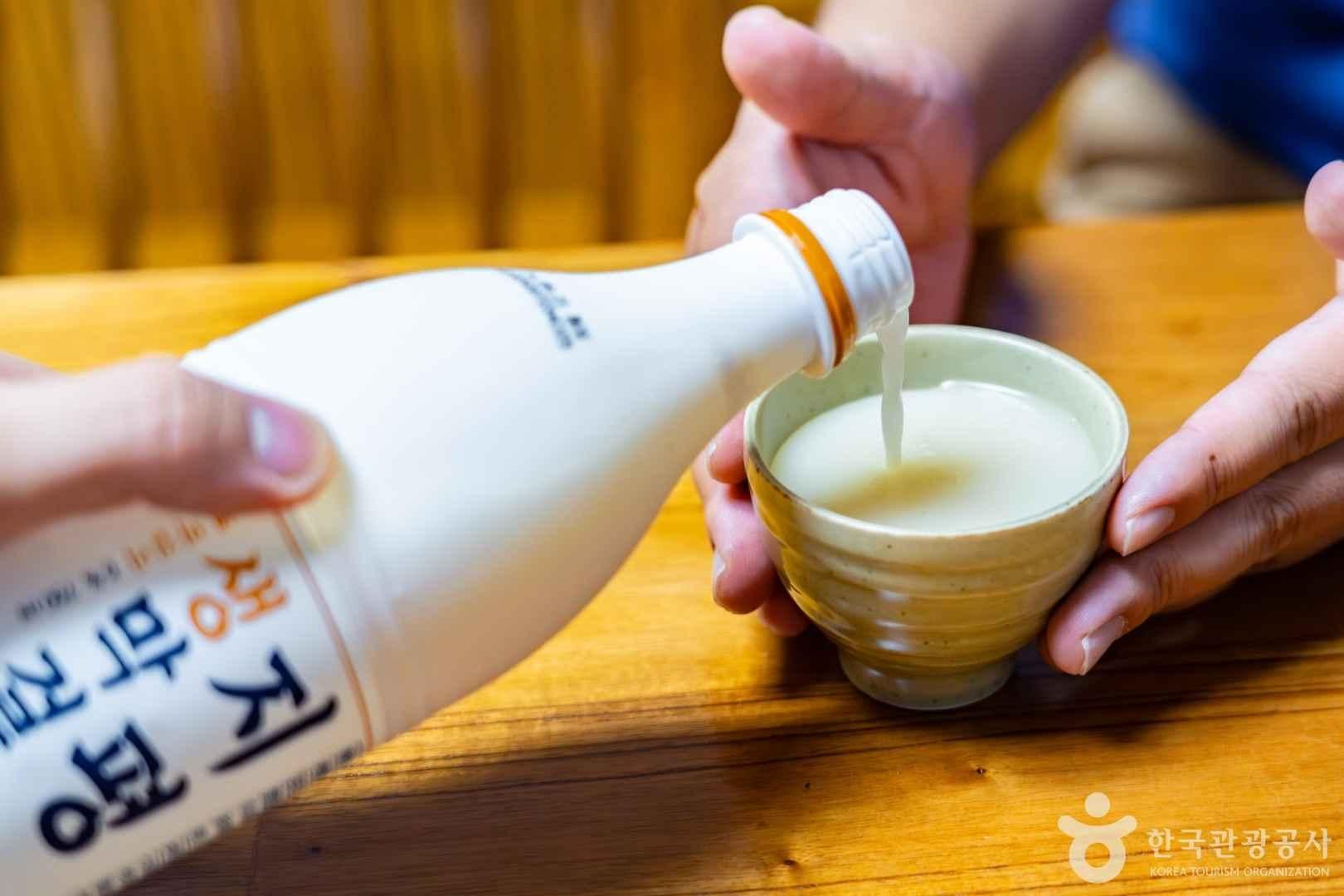
Makgeolli is a cloudy Korean fermented rice drink. Traditional versions use rice, water, and nuruk, a fermentation starter containing microorganisms that help convert starch and produce alcohol. The result can taste gently sweet, tart, creamy, grainy, or lightly sparkling.
Commercial bottles are often relatively low in alcohol compared with soju, commonly around the mid-single digits, but the range is not fixed. Some products are stronger, filtered differently, sweetened, or unpasteurized. Read the label rather than relying on a universal percentage.
Regional breweries produce distinct rice, grain, fruit, and fermentation styles. This variety is part of the appeal described in VISITKOREA’s makgeolli guide.
Build a rainy-day Korean pantry: As an Amazon Associate, EpicKor may earn from qualifying purchases. The O'Food kitchen essentials box covers the pantry side in one order — check the seller, ingredients, sodium and expiry date, as with any imported grocery.
See O'Food kitchen essentials box on AmazonShould you shake a makgeolli bottle?
Sediment settles, so the drink is usually mixed before pouring. “Shake it hard” is bad blanket advice. Fresh or carbonated makgeolli can foam and overflow when opened.
Keep the bottle cold and upright. Read the package. If mixing is recommended, gently roll or turn the sealed bottle so the sediment disperses, then let it settle briefly and open it slowly. At a restaurant, staff may handle the bottle or kettle for you.
Unpasteurized makgeolli requires refrigeration and may continue changing after packaging. Check storage instructions and consume it within the stated period. Never pack an actively fermenting bottle in checked luggage without understanding leakage and pressure risks.
How to order the pairing
At a jeon restaurant, one large pancake may be enough for two people if you order another dish. For a group, choose contrasting textures: haemul pajeon, kimchi-jeon, and perhaps acorn jelly or tofu with kimchi. Ask how large the portions are before ordering several.
Makgeolli may arrive by bottle, kettle, or bowl. Small metal or ceramic bowls are common drinking vessels. Pour for others when convenient, but there is no need to turn a casual meal into a rigid etiquette performance. If an older host is pouring, receiving with two hands is a polite default.
| If you prefer… | Try | Ask about |
|---|---|---|
| Crisp and mild | Thin pajeon | Whether seafood is included |
| Rich and filling | Haemul pajeon | Shellfish and portion size |
| Spicy and tangy | Kimchi-jeon | Meat or fish sauce in the kimchi |
| Earthy texture | Bindaetteok | Mung bean and pork ingredients |
| No alcohol | Jeon with tea or soft drink | There is no obligation to drink |
| Less sweet makgeolli | Ask for a dry regional bottle | Sweetness and carbonation |
Where to try it in Seoul
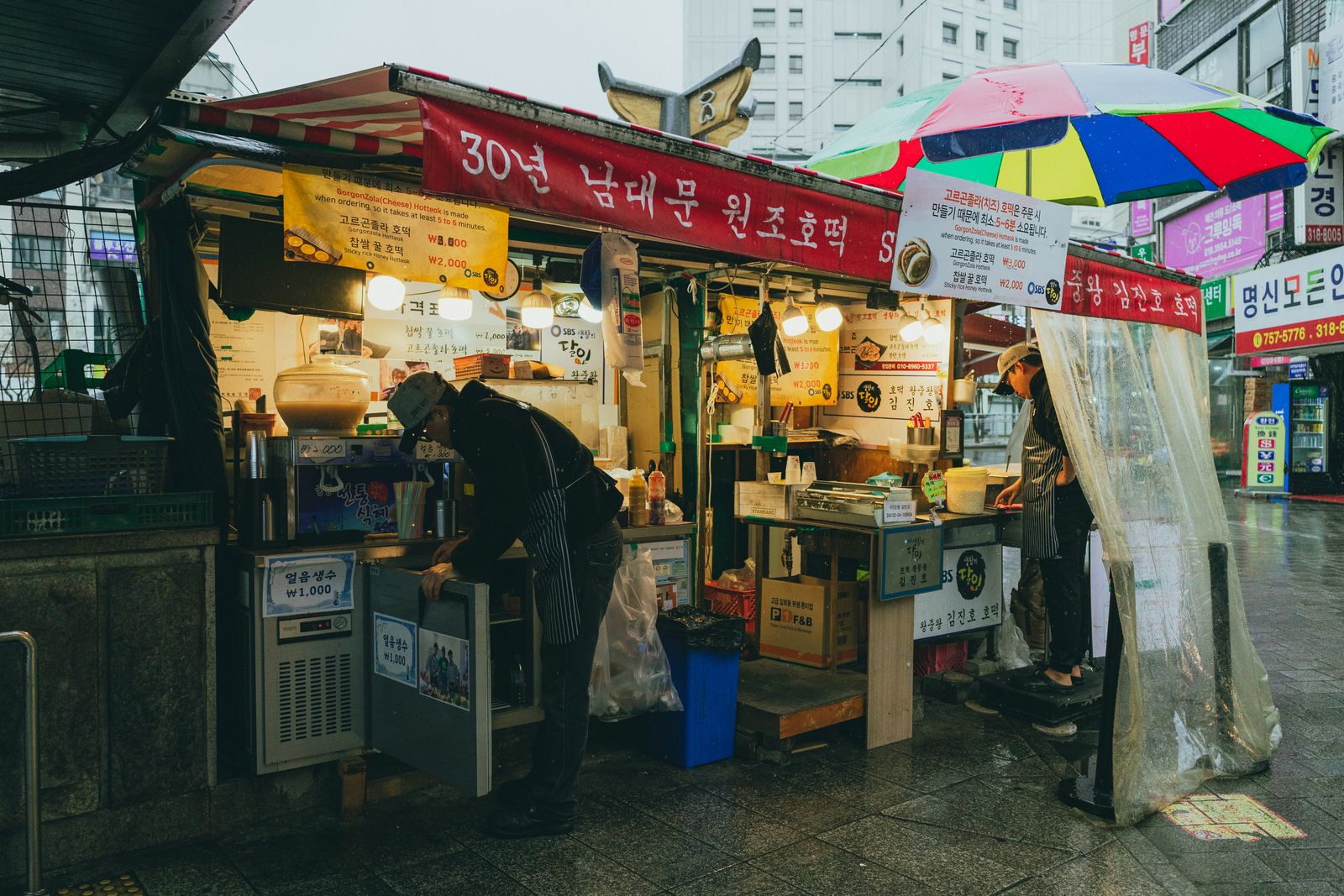
Gongdeok’s Jeon Alley is known for displays of assorted fried jeon and bindaetteok. It is convenient if your priority is variety, though the area can be busy and some stalls sell by weight. Confirm the price and portion before filling a plate.
Traditional-drink bars in neighborhoods such as Insadong, Ikseon-dong, Euljiro, and Mangwon may offer curated regional bottles. Their selection and opening hours change, so use a current map listing on the day. A neighborhood jeon restaurant near your hotel can be just as satisfying during heavy rain and avoids an unnecessary cross-city trip.
The official tourism portal describes the broader connection in its situational Korean food guide.
Making pajeon at home
Dry the ingredients so excess water does not make the batter loose or cause oil to spit. Arrange long green onions across a hot pan, add just enough batter to bind them, and let the first side set before turning. A wide spatula or plate can make flipping easier.
High heat helps at the beginning, but control it so the outside does not burn before the center cooks. Seafood releases water, so small pieces and a preheated pan are useful. Serve immediately; steam softens a crisp pancake as it sits.
For more Korean cooking tools and realistic home setup advice, see our Korean cookware guide. Our guide to everyday Korean food favorites puts jeon in a wider meal context, while Korean desserts offers an alcohol-free finish.
For a crisper home version: Compare a wide Korean-style grill pan only if its dimensions, cooktop compatibility, coating care, and storage needs fit your kitchen.
See wide Korean-style grill pan on AmazonAlcohol and travel safety
Makgeolli can taste lighter than its effect suggests, especially when shared from bowls that make portions hard to count. Eat, drink water, and stop before you feel unwell. Korea’s legal drinking age and sales rules apply, and intoxication never excuses unsafe conduct. If you want the wider drink menu, EpicKor's Korean drinks besides soju guide compares makgeolli, beer, somaek, traditional sool, and non-alcoholic options.
Do not drive after drinking. Use the subway, bus, taxi, or a designated driver. During intense rain, check flood alerts and transport disruptions rather than walking far for a famous restaurant. The Korea rainy-season travel guide explains what to pack and how to adjust plans during jangma.
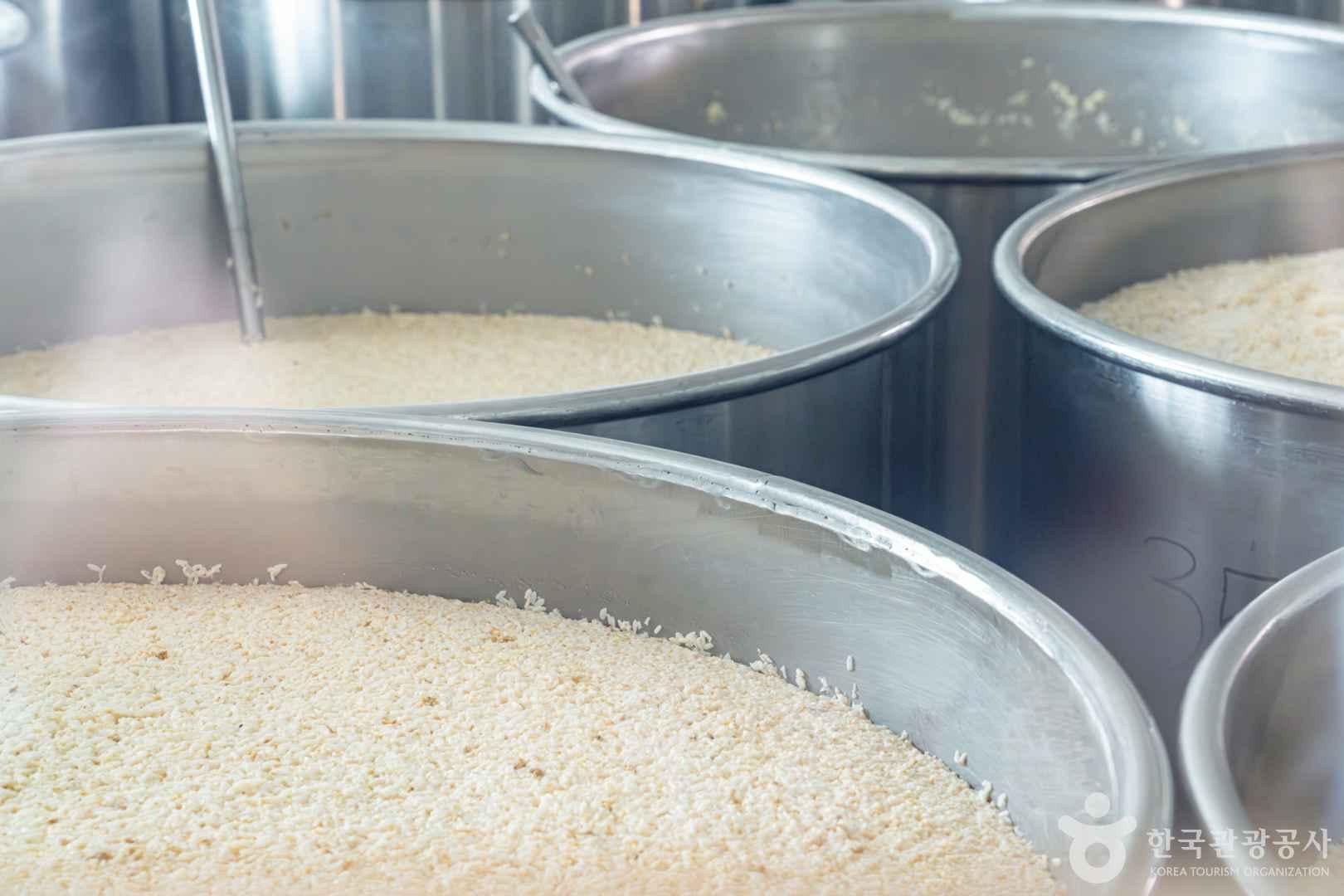
Regional makgeolli and why the same order can taste different
“Makgeolli” is a category, not one standardized flavor. Rice variety, nuruk, fermentation time, filtration, pasteurization, added sweetener, and carbonation all affect the glass. A supermarket bottle designed for broad distribution may taste cleaner and sweeter than a small unpasteurized regional brew with stronger acidity or grain texture.
Ask the bar for one accessible bottle and one local or drier comparison rather than ordering several unknown full bottles. Staff may describe sweetness, acidity, body, and carbonation even when the English label is limited. Photograph the Korean name if you want to find it again.
Temperature matters. Makgeolli is normally served chilled, and a warmer bottle can foam more aggressively and taste more acidic. Fresh products must remain refrigerated. If you buy one as a souvenir, check whether it is pasteurized, how the cap vents, how soon it expires, and whether your airline and destination permit it.
Regional identity is useful context but not a guarantee of quality or personal preference. Seoul bars may carry bottles from across Korea, and a brewery can make both traditional and modern flavored products. Taste the drink in front of you instead of treating “local” as automatically dry, unsweetened, or handmade.
What the rainy-day idea does—and does not—mean
The pajeon story is cultural shorthand. Koreans also order fried chicken, noodles, soup, delivery food, or nothing special when it rains. The phrase survives because it creates an immediate shared suggestion, much like seasonal foods in other countries. For the wider rainy-day menu beyond this one pairing, use EpicKor's Korean rainy day food guide.
Enjoying it respectfully means allowing the custom to be ordinary. You do not need to stage brass bowls, traditional clothing, or a historical explanation at every table. Order a pancake that fits the group, keep noise reasonable, and leave the restaurant safely. For other common meal situations, use EpicKor's everyday Korean food guide rather than turning one weather pairing into the whole cuisine.
Rain also creates real travel risks. Seoul underpasses, stream paths, and low areas can close during heavy weather. Follow emergency alerts, never enter a barricaded path for a food photo, and choose a nearby restaurant when transport is disrupted.
Frequently asked questions
Q: Why do Koreans eat pajeon when it rains?
The popular explanation combines the similar sound of sizzling batter and rain with memories of shared food on farm days when rain stopped outdoor work.
Q: Is pajeon always made with seafood?
No. Pajeon emphasizes green onion. Haemul pajeon specifically adds seafood, though kitchens may share batter and utensils.
Q: Is makgeolli strong?
Many commercial bottles are in the mid-single-digit alcohol range, but strength varies. Check the label on the exact product.
Q: Should makgeolli be shaken?
Mix settled sediment only according to the bottle directions. Gently roll or turn it when appropriate; hard shaking can make carbonated bottles overflow.
Q: Can I enjoy the rainy-day ritual without alcohol?
Yes. Order jeon with tea, water, or a soft drink. The food and shared atmosphere are the core experience.
Q: What is the difference between pajeon and bindaetteok?
Pajeon uses a flour-based batter with green onions. Bindaetteok is based on ground mung beans and is generally denser and more substantial.
Sources and further reading
- VISITKOREA: Korean foods linked to situations and weather
- VISITKOREA: makgeolli culture and regional styles
The pairing lasts because it works on several levels at once: familiar sound, hot food, cool drink, and a reason to stay at the table while rain falls outside.
You Might Also Like
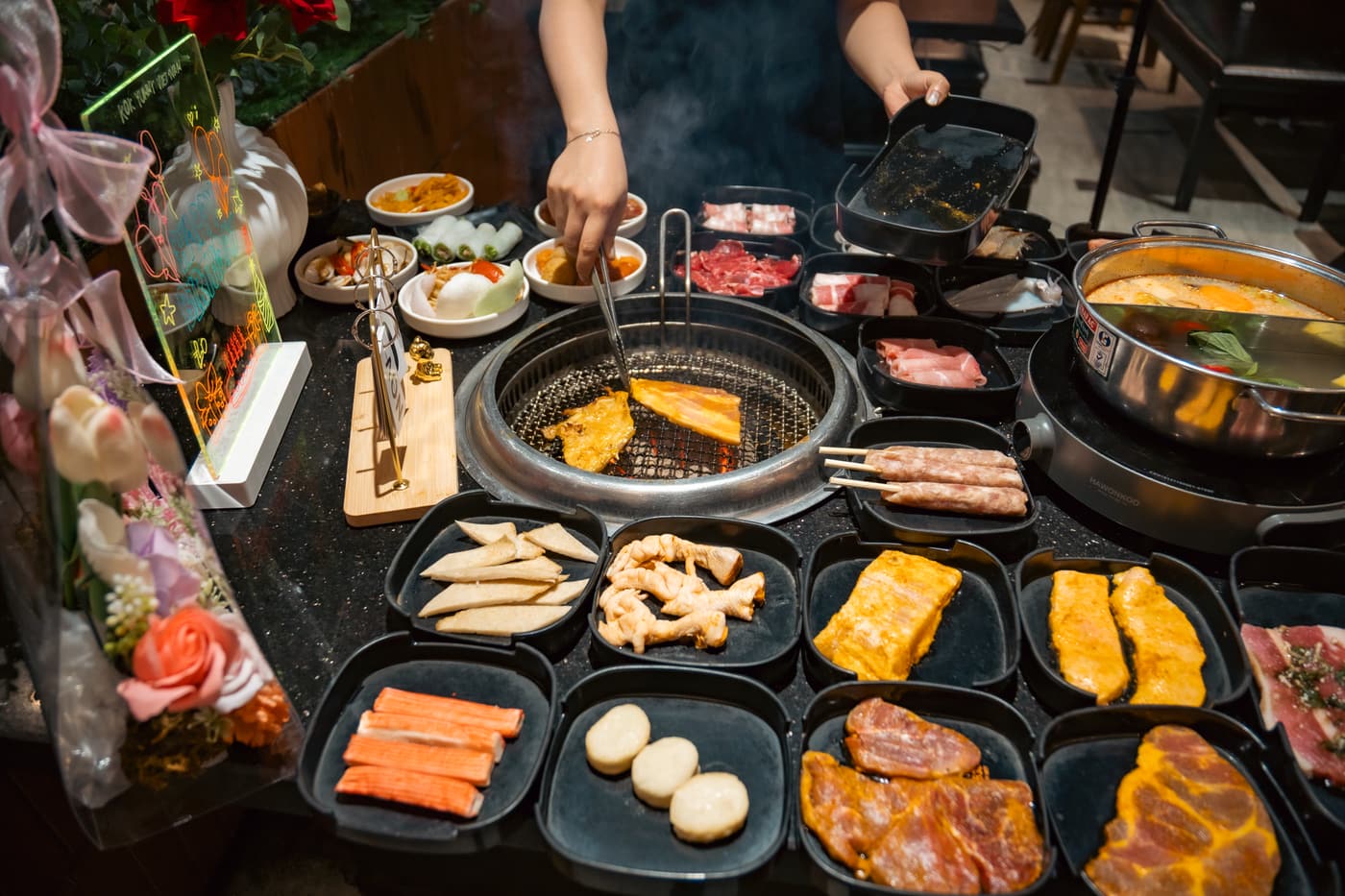
How to Eat Korean BBQ Like a Local: Unwritten Rules
A practical Korean BBQ guide to ordering, grilling, wraps, banchan, sauces, and table etiquette so you can eat like a local.
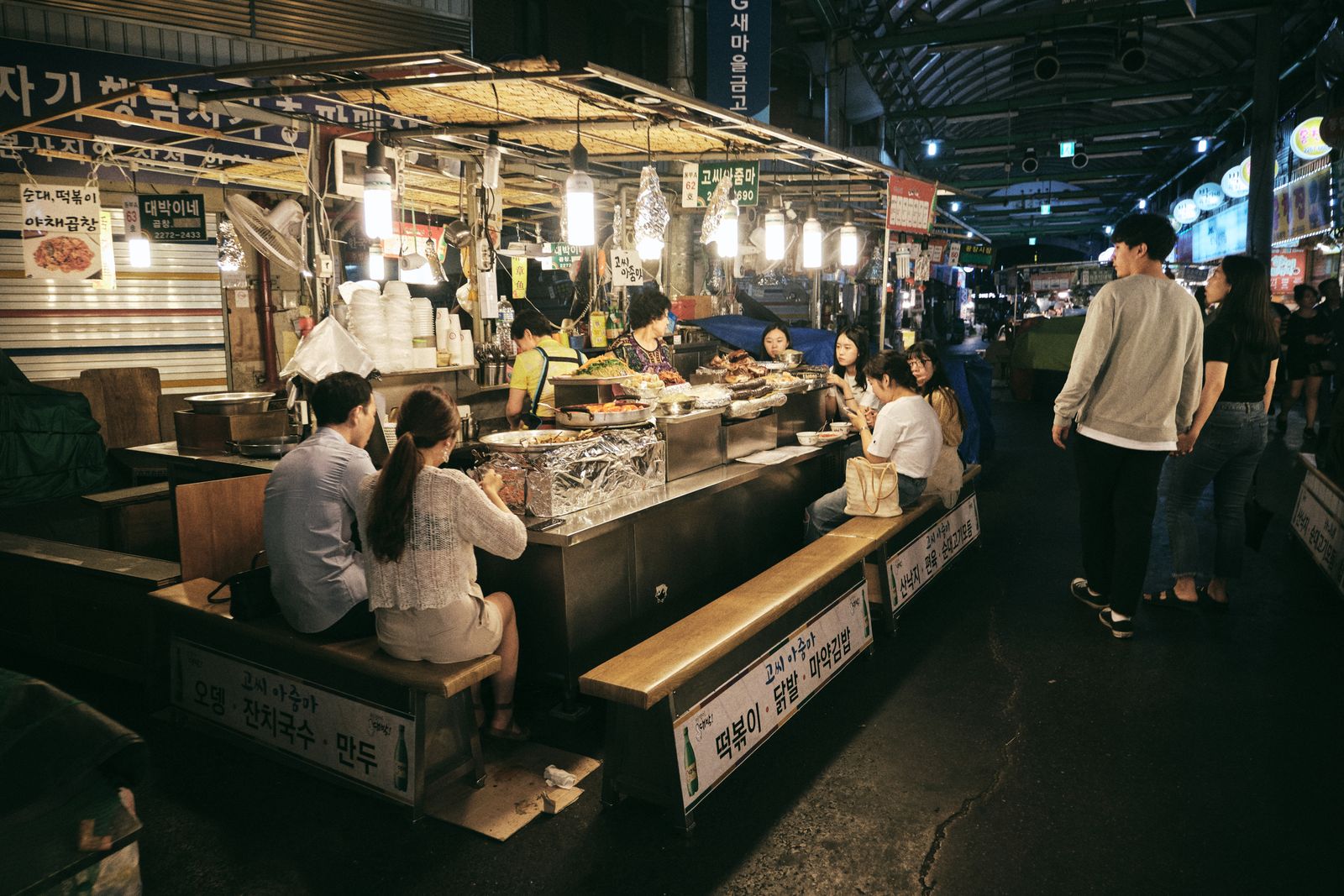
What Koreans Eat Beyond Tourist Classics: 7 Everyday Favorites
Seven everyday Korean food favorites beyond the usual tourist checklist, with ordering tips for gimbap, jjajangmyeon, bossam, jeon, and market snacks.

What Are SKY Universities in Korea? SNU, Korea, Yonsei
SKY universities in Korea explained: what SNU, Korea University, and Yonsei mean, why the label matters, and how rankings differ.