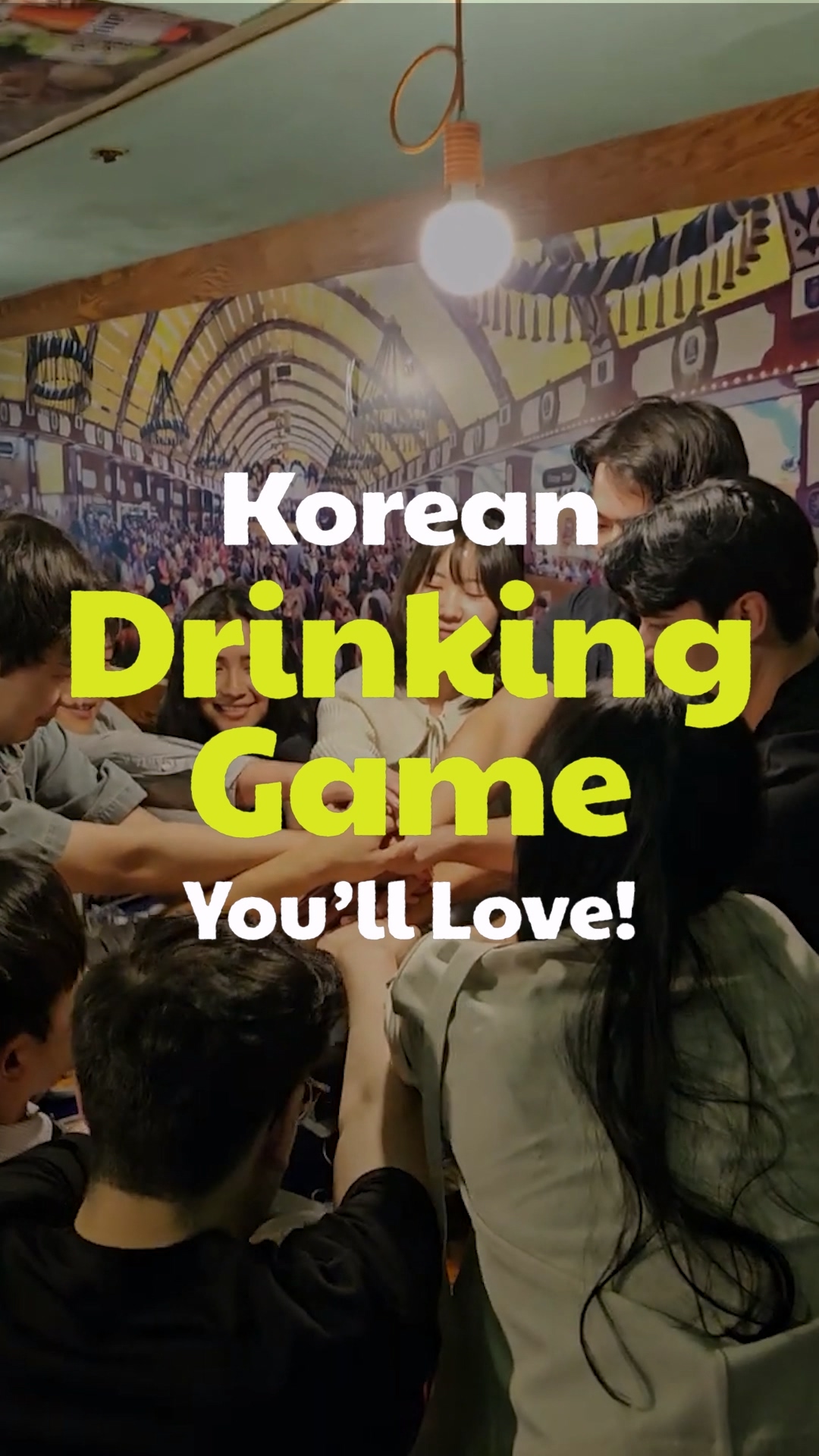
Korean Drinking Games Guide: Rules, Etiquette, and Safety
Korean drinking games are not really about alcohol first. They are about rhythm, group energy, embarrassment, timing, and knowing how to stay polite without losing yourself. That is why they appear at student gatherings, friend nights, and sometimes company dinners, but also why visitors should understand the etiquette before copying every scene from a drama.
This guide explains the cultural logic behind Korean drinking games, the common table games foreigners hear about, the difference between playful pressure and real pressure, and how to join safely. If you need the broader drink menu first, read EpicKor's Korean drinks besides soju guide. If you are worried about manners, pair this with the Korean etiquette guide and Korean conflict-avoidance guide.
Why Korean Drinking Games Exist
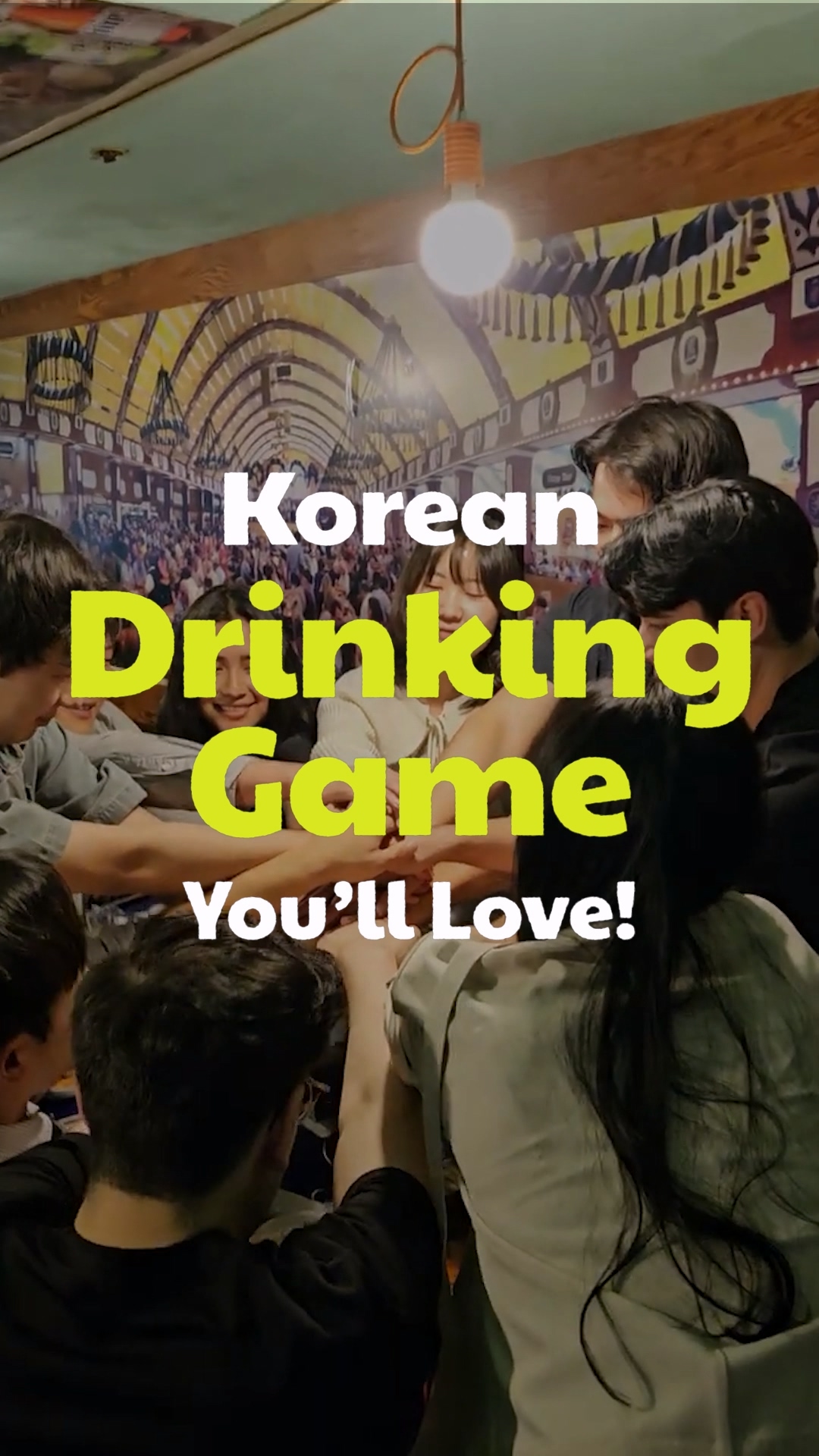
Korean drinking games work because group drinking is often structured. People do not simply sit with a drink and disappear into separate conversations. A Korean table can develop a rhythm: pour, toast, eat, laugh, chant, pass the turn, lose, drink, reset. Games make that rhythm visible.
In a friend group, the game is usually a shortcut to laughter. In a university group, it can break awkwardness quickly. In an office dinner, it can feel more complicated because age, rank, and pressure may sit at the table too. Modern Korea is also changing; plenty of people drink less, skip alcohol, choose zero drinks, or dislike old pressure-heavy habits. A good guide needs to explain both the fun and the boundary.
Visit Seoul's etiquette guidance says Korean drinking has rules around pouring and receiving, especially with seniors: do not pour your own drink first, use both hands, and turn slightly away from someone senior when drinking. Korea.net also explains that Korean drinking manners are shaped by courtesy and Confucian social habits. Drinking games sit on top of that etiquette layer, not outside it.
Korean snack options — compare on AmazonAffiliate link. As an Amazon Associate, EpicKor earns from qualifying purchases at no extra cost to you.
The Safety Rule Before the Game Rule
Before learning any game, learn this: you are allowed to refuse alcohol. WHO's alcohol fact sheet states that alcohol contains ethanol, a psychoactive and toxic substance, and that even low levels can carry health risks. So EpicKor does not frame drinking games as a challenge you must complete. They are cultural context, not a personal requirement.
If you do not drink, you can still join the table by:
- holding a soft drink;
- taking a tiny symbolic sip only if you choose;
- asking for water or zero beer;
- volunteering to be the scorekeeper;
- saying you cannot drink for health, medication, religion, work, or tomorrow's schedule;
- leaving before later rounds.
The best Korean friends will adapt. If a table refuses to respect a clear no, the problem is not your cultural knowledge.
Drinking Etiquette That Comes Before Games
If the table includes someone older, senior, or formal, etiquette matters more than winning. Use both hands when receiving or pouring. Do not fill only your own glass while ignoring others. Let the senior person begin the first drink if the setting is formal. If you are junior and drinking in front of someone senior, turning your head slightly away is still recognized as polite.
The exact level of formality varies by group. A friend night in Hongdae will not feel like a company dinner. Still, these basics protect you from looking careless.
| Situation | Safer etiquette move | Why it matters | Visitor mistake |
|---|---|---|---|
| Someone pours for you | Hold the glass with both hands | Shows respect | Leaving the glass flat on the table |
| You pour for someone senior | Use two hands or support the pouring arm | Matches Korean table manners | Pouring one-handed too casually |
| First toast | Wait for the group rhythm | Prevents awkward timing | Drinking before everyone is ready |
| You do not want alcohol | Say no clearly and offer an alternative drink | Keeps the social gesture | Over-explaining nervously |
| Game gets intense | Slow down or sit out a round | Protects safety | Treating pressure as mandatory |
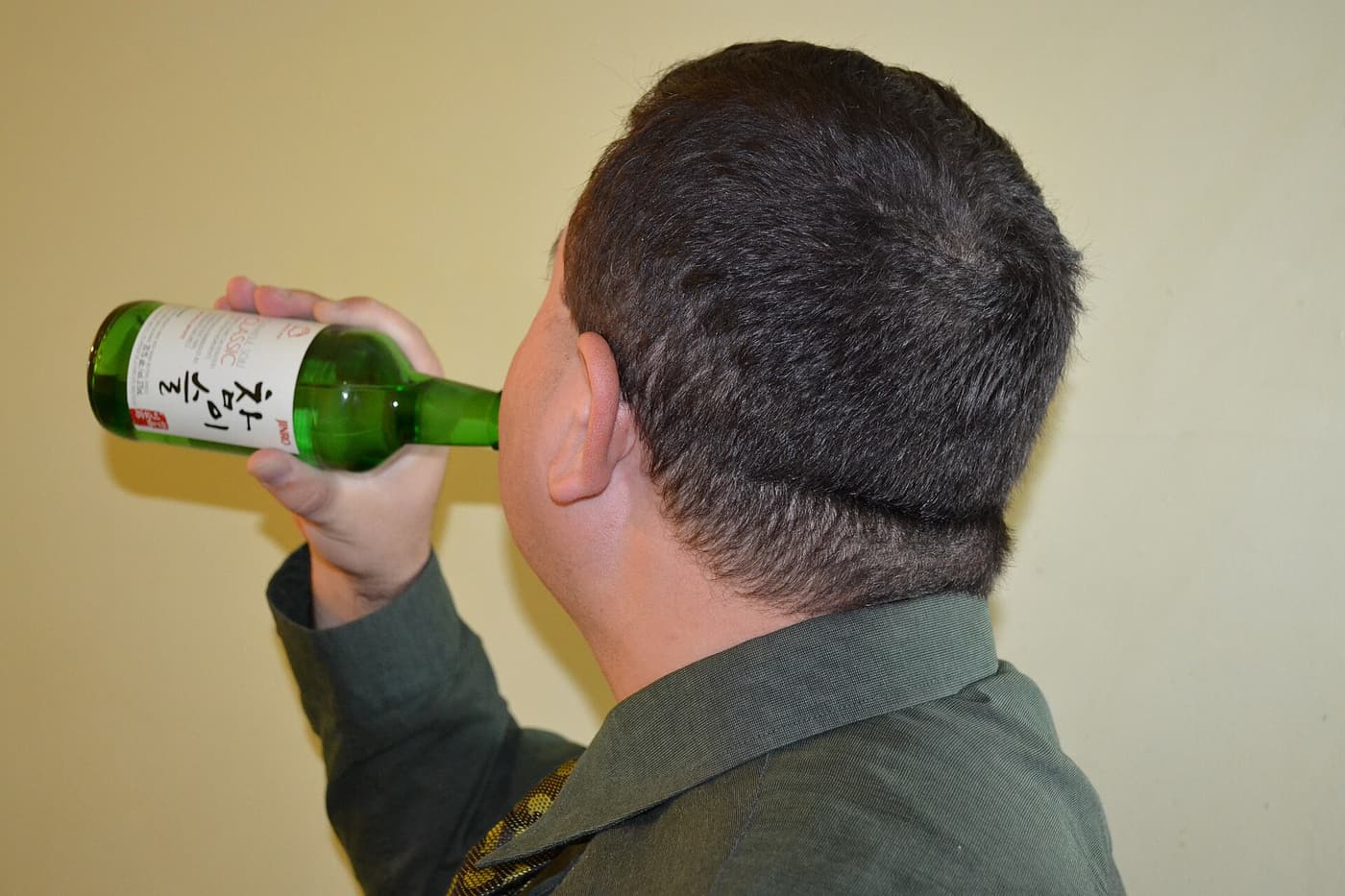
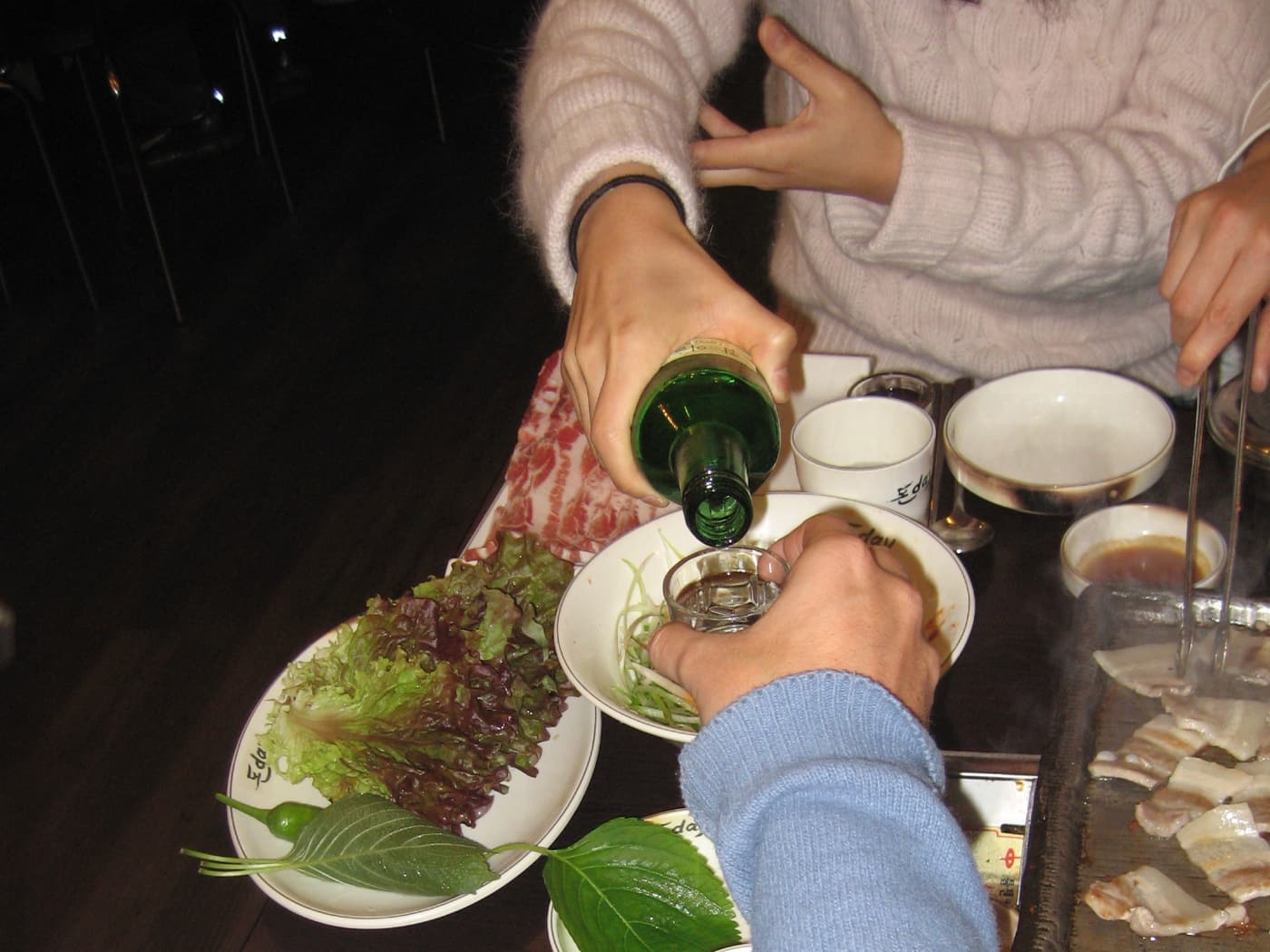
Pouring soju at a Korean table. Photo by Adalyntu, CC BY-SA 3.0.
Bottle Cap Game
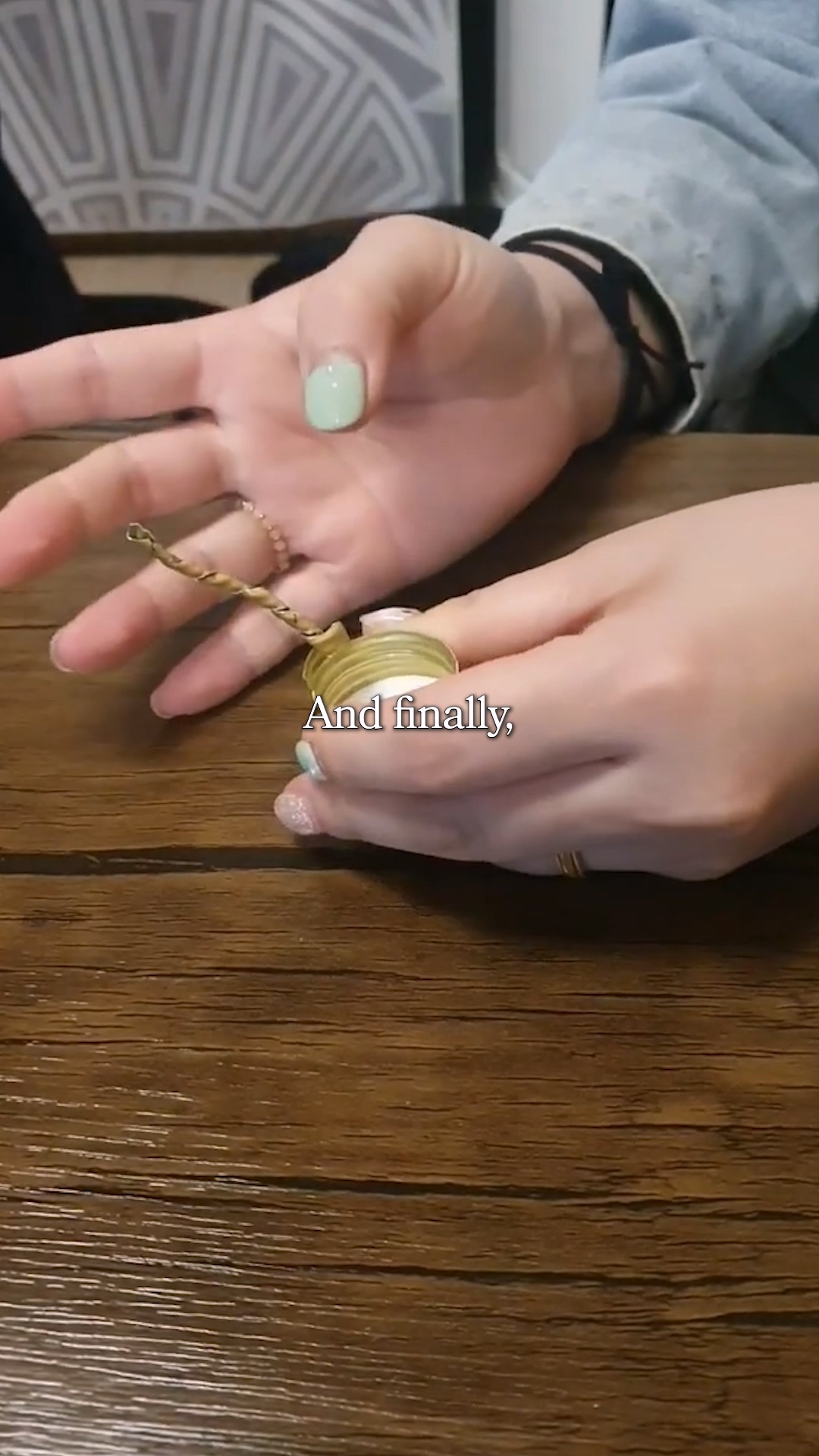
The bottle cap game is one of the easiest Korean drinking games to understand because it uses the twisted metal strip from a soju bottle cap. Players take turns flicking the strip. The person who breaks it, or loses under the group's rule, drinks.
The appeal is tiny tension. Everyone watches a small piece of metal wobble. The game is simple enough for a loud table, but it still creates suspense. It also shows why Korean drinking games often use whatever is already on the table: bottle caps, glasses, numbers, hands, chants, and timing.
The safe version is simple: make the penalty small. A sip is enough. Do not turn a light game into a forced shot ladder.
Titanic or Submarine
The game often called Titanic or Submarine uses a small soju glass floating inside a larger beer glass. Players take turns pouring a little alcohol into the floating glass. Eventually the small glass sinks. The person whose pour sinks it loses.
It is visually dramatic, which is why people remember it. It also connects to somaek, the soju-and-beer mix. VISITKOREA describes somaek as a mixture of beer and soju whose taste changes by ratio and maker. The game version turns that mix into a suspense object.
But this is also the game where alcohol volume can become sneaky. Carbonation and small glasses make it easy to underestimate intake. If you play, use a light penalty and do not make the loser finish a huge glass.
Baskin Robbins 31 and Number Games
Many Korean drinking games use counting because counting creates speed pressure. In Baskin Robbins 31, players say one to three numbers in sequence. Whoever has to say 31 loses. Other games use forbidden numbers, rhythm claps, hand signs, or calling names quickly.
These games are less about the alcohol and more about attention. You lose because you hesitate, miss the rhythm, or panic. That is why they work in groups where not everyone knows each other well. A simple mistake becomes shared laughter.
For foreigners, number games can be hard in Korean. It is okay to ask to play in English or to sit out until you understand. A good host should not use language confusion to pressure someone into drinking.
Image Game and Timing Games
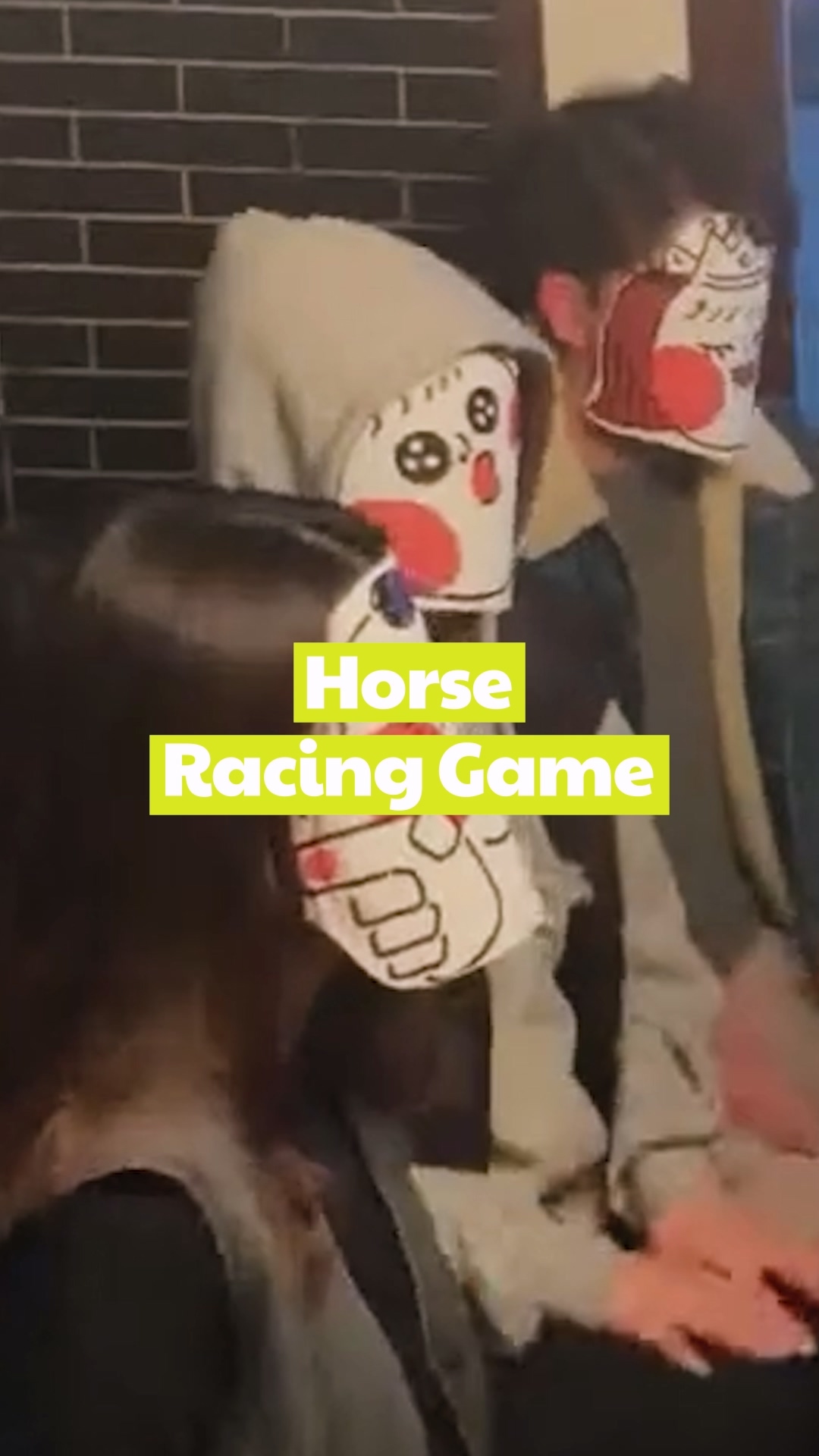
Some Korean drinking games ask a question like "Who looks most likely to..." and everyone points at someone. Others rely on rhythm, sudden hand signs, or calling a person's name at the wrong time. The mechanics change by group, generation, and internet trend.
What matters is the social function. The game creates small public attention. You become the person everyone points to, or the person who missed the beat, or the person who made everyone laugh. That can be fun with friends and uncomfortable with strangers. Read the room.
If a game turns personal, sexual, humiliating, or targeted, you are allowed to stop. "I will sit this one out" is not rude.
Make the table about snacks, not pressure: As an Amazon Associate, EpicKor may earn from qualifying purchases. If you want a Korean night-in without alcohol pressure, compare Korean snack options and build the table around food, tea, zero drinks, or soft drinks.
The table itself sets the rules — shared dishes in the middle, small glasses, and someone always watching whether yours is empty. Photo by Kai Hendry, CC BY 2.0.
Friend Night vs Company Dinner
Korean drinking games feel different depending on the table. With close friends, they are often ridiculous, loud, and low-stakes. With coworkers, especially older or hierarchical groups, the same games can feel loaded. Korea.net's discussion of modern booze culture notes that hoesik can build closeness, but it also records discomfort with pressure-heavy work drinking. Both truths can exist.
| Setting | Game mood | What to do | Boundary phrase |
|---|---|---|---|
| Close friends | Playful and flexible | Join if you want | "I am switching to water." |
| University group | Fast, loud, chant-heavy | Ask for rules first | "I need a slow round." |
| Company dinner | More sensitive to rank | Prioritize etiquette over games | "I have an early schedule tomorrow." |
| Tourist nightlife | Mixed expectations | Stay with trusted people | "No more for me, thank you." |
| Dating or small group | Can become personal | Avoid humiliating prompts | "Let's play a different game." |
How to Refuse Without Making It Weird
Refusing alcohol can feel hard in Korea because the gesture of sharing a drink can carry social meaning. But modern Korea is not one single drinking culture. Many people drink lightly or not at all. The key is to refuse clearly while still showing that you want to participate socially.
Useful English-friendly scripts:
- "I am not drinking tonight, but I will join with soda."
- "I cannot drink because of medication."
- "I have an early train tomorrow."
- "I will take water this round."
- "I am done for tonight, thank you."
- "I can play, but no alcohol penalty for me."
Do not apologize too much. A calm no is easier for the group to accept than a nervous negotiation.
What to Eat With Korean Drinking Games
Korean drinking culture is rarely only liquid. Anju, or food served with alcohol, shapes the table. VISITKOREA's drinking guide connects soju, beer, and somaek with different foods, from seafood to fried and spicy dishes. For game nights, the practical foods are often easier: fried chicken, ramyeon, chips, tteokbokki, dried squid, fruit, or convenience-store snacks.
If you are hosting at home, the safest version is a mixed table:
- one spicy snack;
- one mild snack;
- one salty/crunchy item;
- water;
- soft drinks;
- tea or zero beer;
- optional alcohol for adults who choose it.
That keeps the Korean table rhythm without making alcohol the only point.
Tourist Safety Tips
If you are visiting Seoul, keep nightlife boring in the best way. Stay with people you trust. Watch your drink. Know how to get back to your accommodation. Keep your phone charged. Do not let a game decide your safety. If you are moving between rounds, check the last train time or call a taxi before you are too tired to think clearly.
For the broader late-night setting, EpicKor's pojangmacha guide, Seoul night city guide, and Korea travel prep guide make good companions. Drinking games are a table activity. Getting home is the real plan.
Should You Play?
Play if the group is safe, the rules are clear, and the penalties are light. Do not play because you feel culturally trapped. The best Korean drinking-game experience is not "I survived." It is "I understood the rhythm, laughed a little, and still got home fine."
Low-pressure culture night: If your Korean drinking-game curiosity is really about social games, compare a Korean traditional game set for a no-alcohol table that still teaches turn-taking, quick hands, and group laughter.
FAQ
Q: What are Korean drinking games? Simply put, they are table games played during social drinking, often using numbers, rhythm, soju caps, glasses, or quick reactions.
Q: Do I have to drink if I lose? Simply put, no. You can ask for a non-alcohol penalty, take water, or sit out. Good hosts should respect that.
Q: What is the soju bottle cap game? Simply put, players flick the twisted metal strip from a soju cap until someone breaks it or loses under the group's rule.
Q: What is the Titanic drinking game? Simply put, players pour into a small glass floating in beer until it sinks, but penalties should stay light because intake can add up quickly.
Q: Are Korean drinking games common at company dinners? Simply put, they can appear, but modern company drinking culture varies widely and many people now prefer less pressure.
Q: How can I refuse alcohol politely in Korea? Simply put, say you are not drinking tonight, hold a soft drink, and keep joining the conversation without over-apologizing.
Sources and Further Reading
- VISITKOREA: How to Drink Like a Korean
- Visit Seoul: Korean Etiquette
- Korea.net: Alcohol in Korean Life ??Drinking Manners
- Korea.net: Korean booze culture discussion
- World Health Organization: Alcohol fact sheet
Korean drinking games can be funny, fast, and genuinely social. They can also become too much if the table forgets consent and pacing. The best move is to learn the rhythm, keep your boundaries, and remember that a good night in Korea is measured by the stories you keep, not the shots you survived.
You Might Also Like
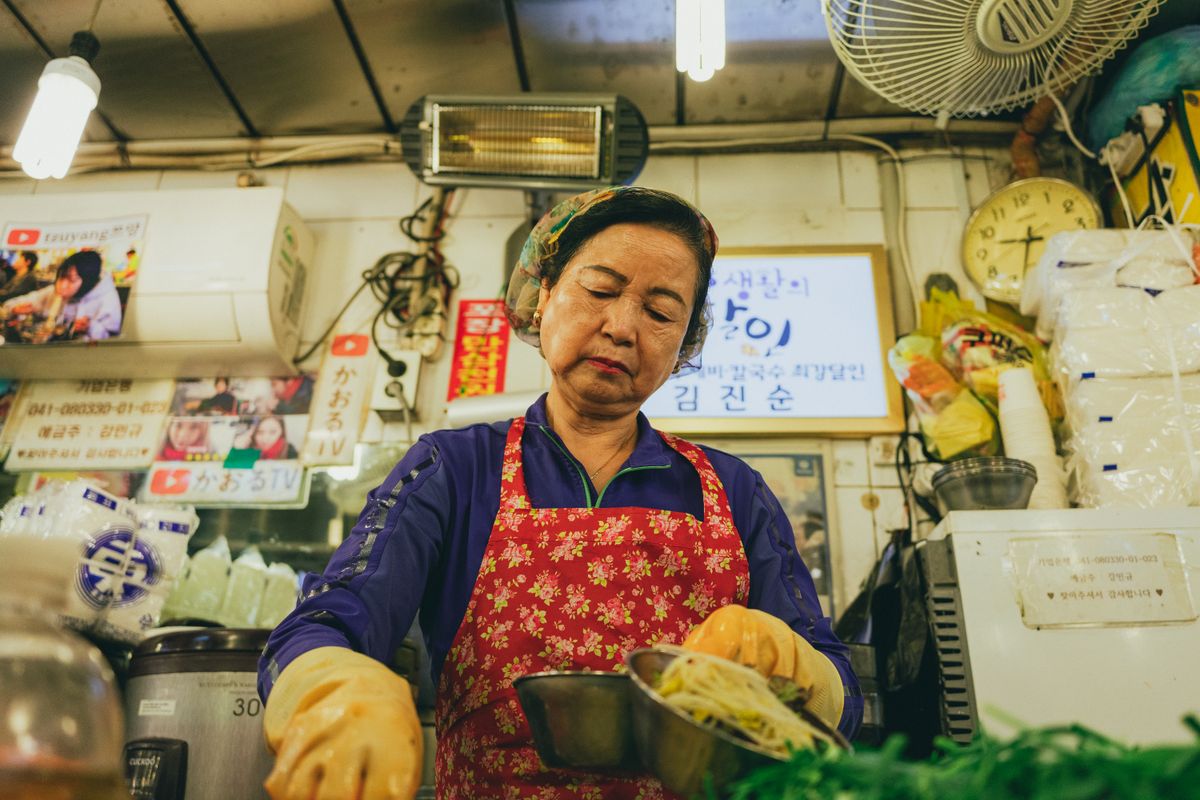
Ajumma Meaning: Is This Korean Word Rude? Ahjumma and Imo Explained
Learn what ajumma means in Korean, why it can sound rude, how it differs from ajumeoni and imo, and what travelers should say instead.
How to Avoid Conflict in Korea: Nunchi, Respect, and Boundaries
A practical Korea etiquette guide explaining nunchi, honorifics, family respect, public conflict, sensitive topics, and how visitors can disagree well.
Korean Etiquette Guide: Habits Locals Notice Most
A practical Korean etiquette guide explaining shoes indoors, quiet public behavior, two-hand manners, indirect refusals, dining rules, and nunchi.