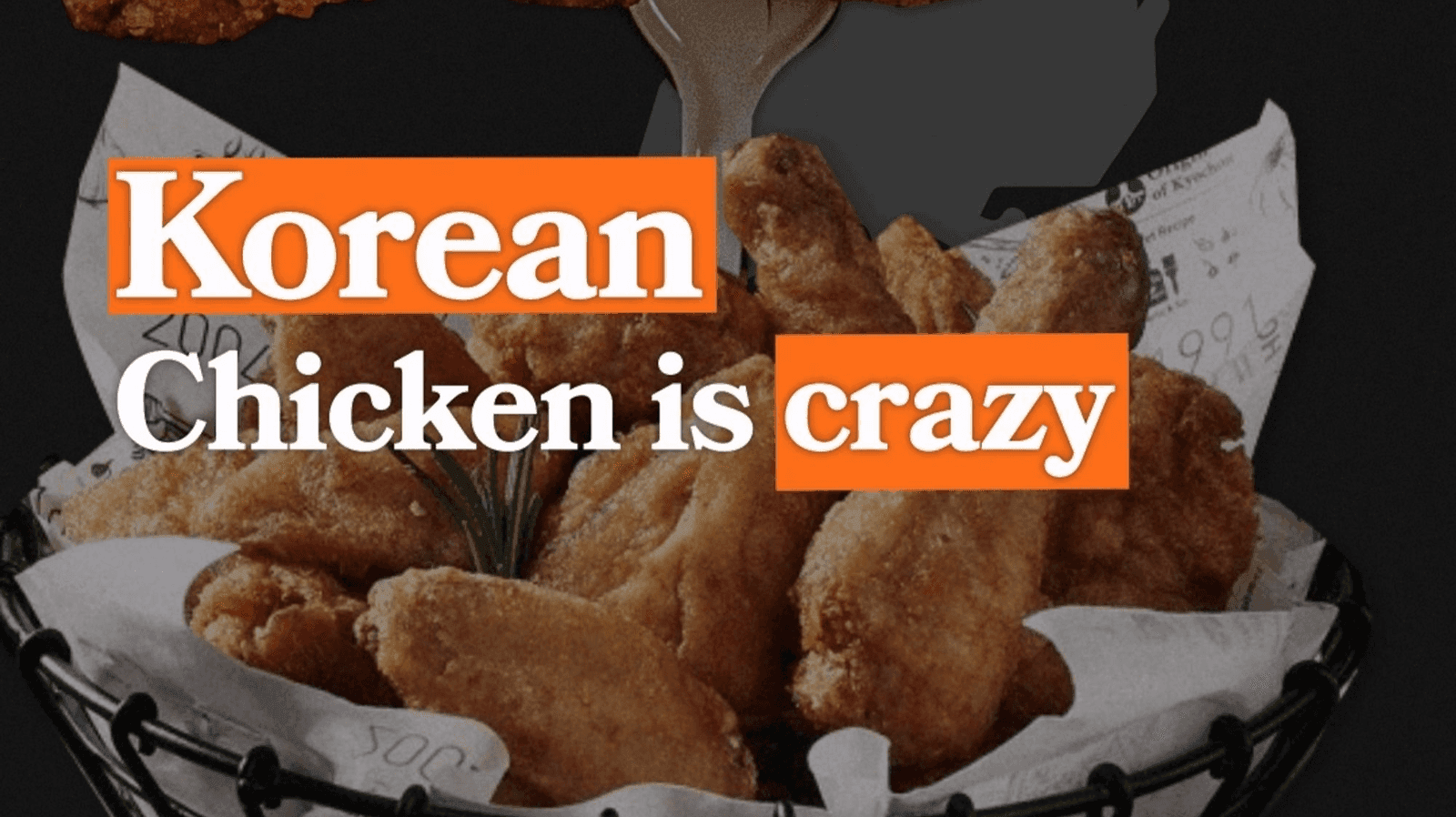
Korean Fried Chicken Guide: Chimaek, Crunch, and Ordering Tips
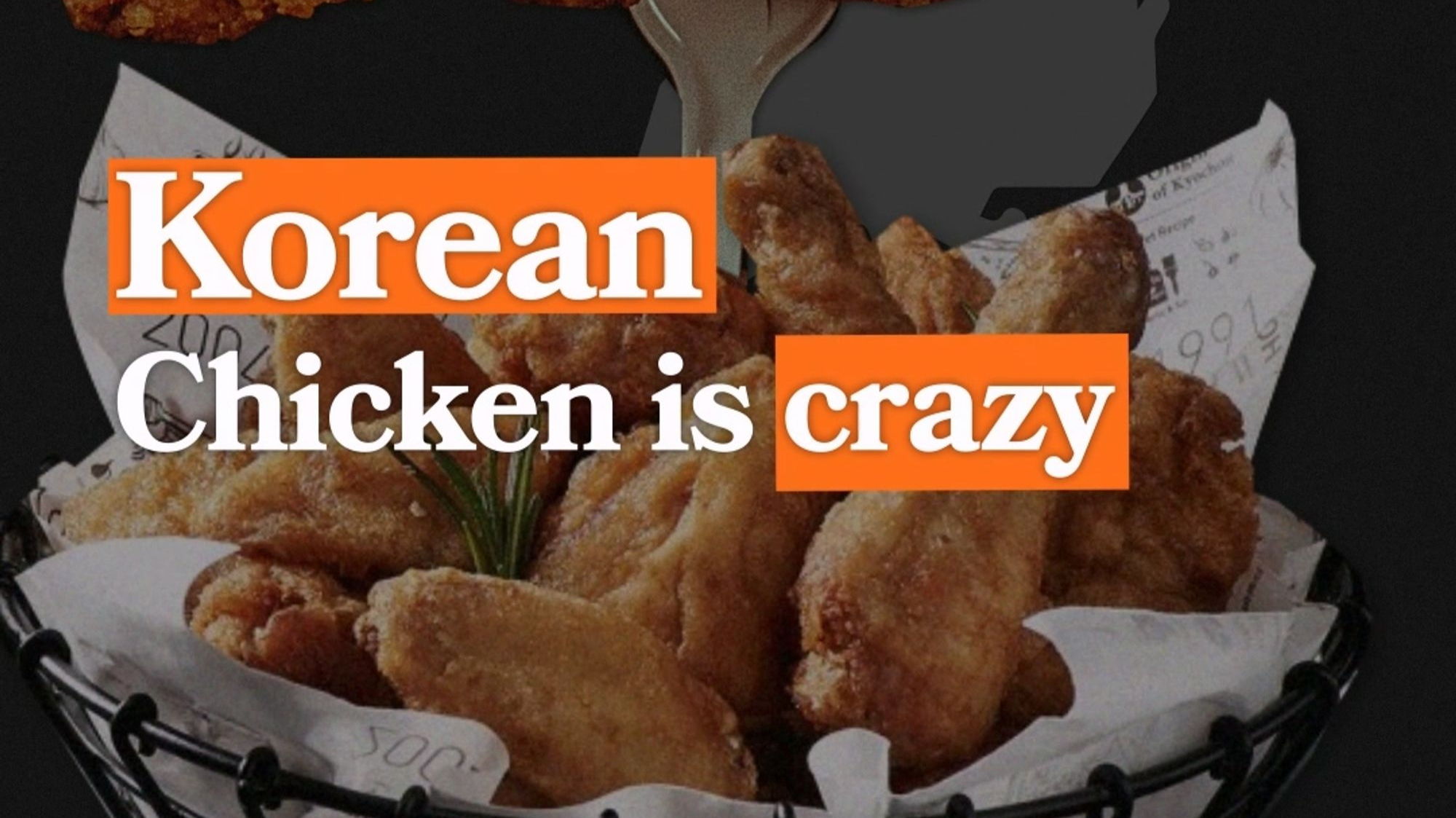
Korean fried chicken is one of the easiest Korean foods to understand and one of the hardest to summarize. It is crispy, sauced, delivered fast, eaten late, shared with friends, and often paired with beer in the ritual known as chimaek: chicken plus maekju, the Korean word for beer.
But the real story is more useful than "Korea made chicken cool." Korean fried chicken works because it fits modern Korean life. It is delivery-friendly, shareable, flavor-flexible, and social without requiring a formal restaurant plan. You can eat it in a shop, at home, near the Han River, after baseball, during a K-drama night, or as a low-stress meal when your travel group cannot agree on anything else.
This guide explains what makes Korean fried chicken different, how to order it, what sauces mean, and how to enjoy chimaek without treating alcohol as the point of the meal.
| Style | What it tastes like | Best for | Ordering note |
|---|---|---|---|
| Original crispy | Light, salty, crackly | First-timers who want to judge the crunch | Ask for sauce on the side if available |
| Yangnyeom | Sweet, spicy, sticky | Classic Korean flavor experience | Can soften over time, so eat while fresh |
| Soy garlic | Savory, glossy, less spicy | Mixed groups and spice-sensitive eaters | Good bridge flavor for beginners |
| Cheese or powder seasoning | Sweet-savory, snack-like, bold | Korean snack culture fans | Messier fingers; wet tissues help |
Korean food starter packs — compare on AmazonAffiliate link. As an Amazon Associate, EpicKor earns from qualifying purchases at no extra cost to you.
What makes Korean fried chicken different?
Korean fried chicken usually emphasizes a thinner, crispier exterior than many heavier battered styles. The exact method varies by brand and shop, but the goal is often the same: a shell that stays satisfying even after sauce, delivery time, or shared-table eating.
VisitKorea describes Korean fried chicken as a popular dish with many flavor options, including original fried chicken, seasoned chicken, soy sauce flavors, and newer variations. That variety is part of the appeal. Korean chicken is not one recipe. It is a category that keeps mutating.
The best first order is often half-and-half: one half original crispy, one half yangnyeom or soy garlic. Original lets you understand texture. Sauce lets you understand why Korean chicken became a flavor playground.

Chimaek is a ritual, not a requirement
Chimaek combines chi from chicken and maek from maekju, beer. Koreana has described chimaek as a now-familiar pairing in Korean food culture, and VisitKorea also introduces the term as chicken plus beer. The pairing makes sense: cold beer cuts through hot, salty, crispy chicken.
Still, visitors should understand the social meaning without feeling pressured to drink. Chimaek can be a Friday-night reward, a baseball-game meal, a Han River picnic order, or a simple delivery dinner. If you do not drink alcohol, order soda, sparkling water, zero beer, tea, or another soft drink. The chicken still works.
The core of chimaek is not alcohol. It is casual release: shared food, low planning, easy conversation, and a meal that feels like the day has finally loosened its tie.
How to order Korean fried chicken
If you are in Korea, ordering can happen three ways: dine in at a chicken hof or restaurant, order delivery through an app, or buy takeout from a chain or neighborhood shop. Tourists may find delivery apps harder without a Korean phone number or local payment setup, so in-person dining and hotel-front-desk help can be easier.
Common order terms include bone-in, boneless, wings, half-and-half, yangnyeom, soy garlic, and original. Bone-in often feels juicier and more traditional. Boneless is easier for picnics, hotels, and mixed groups. Wings are convenient if everyone wants easy portions.
Most orders arrive with pickled radish, sometimes called chicken-mu. Do not skip it. The sweet-sour crunch resets your palate between bites and makes the meal feel less heavy.
Korean flavor starter: As an Amazon Associate, EpicKor may earn from qualifying purchases. If chimaek made you curious about Korean snack-night flavors, compare Korean food starter packs with sauces, snacks, ramen, and easy pantry items.
Sauce logic: why Korean chicken keeps changing
Korean fried chicken became a platform for flavor experimentation because the base is flexible. A crisp shell can carry spicy sauce, soy glaze, garlic, honey, cheese powder, pepper, curry, onion cream, or seasonal collaborations. That is why the category overlaps with Korean snack culture: bold flavor, texture, shareability, and limited-time novelty.
For first-timers, the safest path is:
- Order original crispy plus one sauced flavor.
- Keep very sweet or powder-heavy flavors as a second order, not the only order.
- Use pickled radish and drinks to reset between bites.
- Do not over-order sides if the chicken portion is large.
The mistake is assuming the most viral flavor is automatically the best. Some flavors are built for social media, while others are better for a whole meal.
Why delivery made Korean chicken even stronger
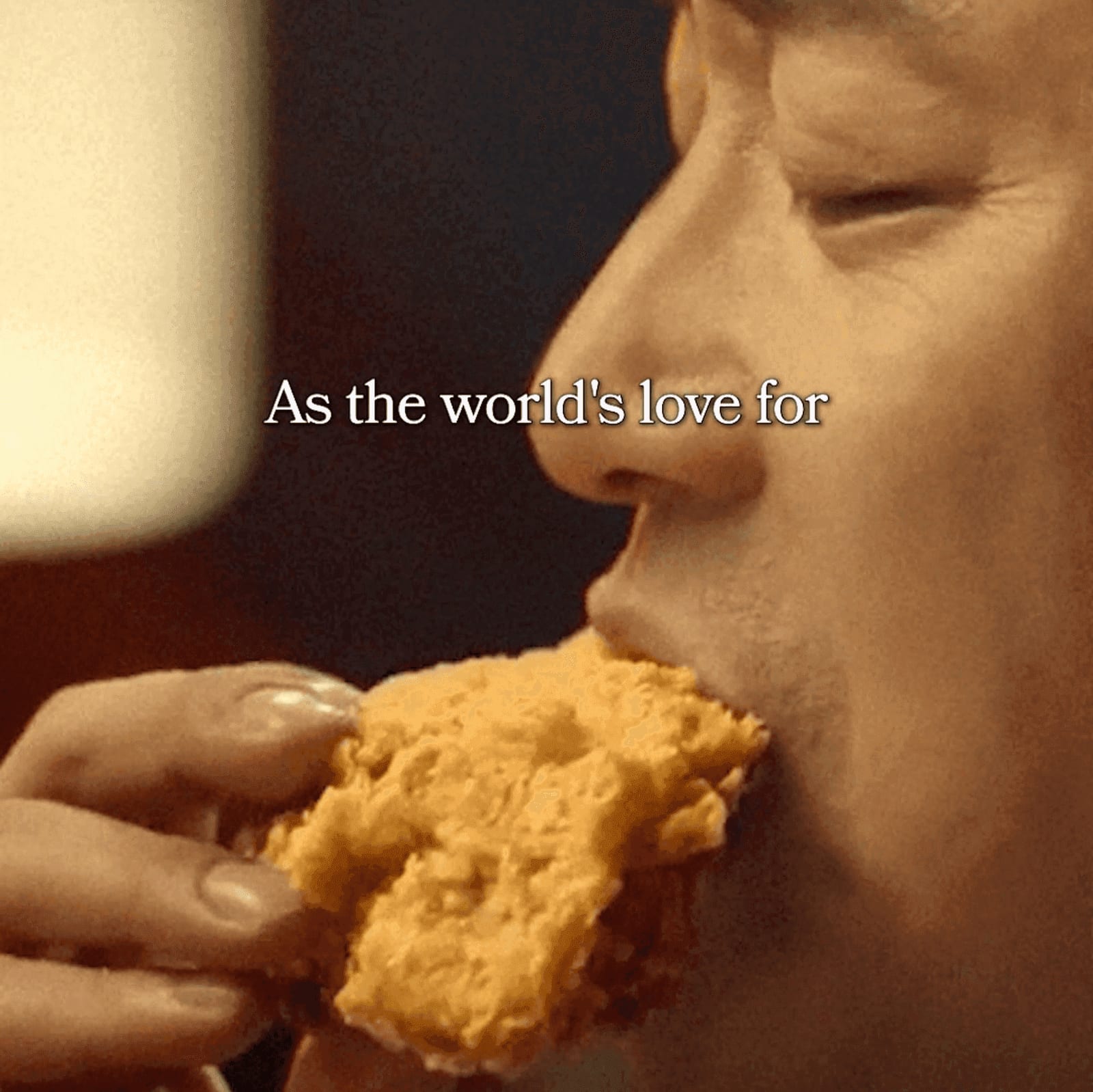
Korean fried chicken fits delivery unusually well. A whole box can be shared without plates, the side dish is simple, and the food still feels festive when it arrives at an apartment, office, hotel, or riverside picnic. This matters because Korea's urban life often happens in small spaces: apartments, studios, officetels, study rooms, PC bangs, and compact hotel rooms. Chicken can turn those spaces into a casual group table.
Delivery also changed expectations. Many Korean diners expect chicken to arrive hot, organized, and easy to eat. That pressure encourages packaging, side dishes, sauce control, and brand competition. A shop cannot rely only on being nearby. It has to survive comparison: crunch, portion size, sauce balance, delivery speed, radish freshness, and whether the box still feels good after a twenty-minute ride.
For travelers, this explains why Korean chicken can feel more systemized than expected. It is not only cooking. It is cooking plus logistics. The meal has been optimized for a city where people want comfort food without turning the night into a formal restaurant plan.
What a Chicken Actually Costs in 2026
Korean fried chicken is not the cheap food many visitors expect, and the gap between the menu price and what you actually pay is the part worth understanding before you order.
| Item | Korean | Price (2026) |
|---|---|---|
| Kyochon Original | 교촌 오리지널 | about ₩19,000 |
| bhc plain fried | bhc 후라이드 | about ₩20,000 |
| BBQ Golden Olive fried | BBQ 황금올리브 후라이드 | ₩20,000 → ₩23,000 after its increase |
| Kyochon Honey Combo / Red Combo, delivery pricing | 허니콤보 / 레드콤보 | about ₩26,000 |
| Delivery fee, on top | 배달비 | ₩1,500–4,000 depending on area and time |
Add those last two rows together and you land on the number Korean media has been writing about for a while: 치킨 3만원 시대 — "the 30,000-won chicken era." One delivered bird can genuinely reach ₩30,000 in Seoul, which is a real restaurant meal for two people, not a snack.
The mistake that costs you the most
Eat in at the shop instead of ordering delivery.
This is the single biggest saving available, and almost no English guide mentions it. Delivery adds a fee of ₩1,500–4,000, and many brands also run higher menu prices on delivery apps than in the store itself, so you are often paying twice for the convenience. Sitting down at the chicken shop skips both.
It is also the better experience. Chimaek is a place you go, not a box you receive, and fried chicken degrades fast — the coating you paid for is at its best in the first ten minutes.
Other ways to spend less:
- Order plain fried (후라이드) rather than a sauced combo. The sauced and combo versions carry the biggest markups, and the plain version is what shows off the frying.
- Do not order one bird per person. One chicken plus sides feeds two comfortably. Koreans share.
- Check the frozen aisle if you are on a budget. Korean supermarkets sell frozen fried chicken around the ₩10,000 mark, and it has become a real substitute for delivery among price-conscious households — not as good, but a third of the price.
The Industry Behind the Price
The numbers explain why chicken costs what it does, and they are not what most people assume.
Korea has roughly 647 chicken brands and, as of 2023, about 39,787 chicken restaurants nationwide — a number that has fallen for three consecutive years from about 42,743 in 2020.
But franchise outlets specifically went the other way: about 31,397 franchise chicken shops in 2024, up 5.3% from 29,805 the year before.
Read those together and the picture is consolidation. Independent chicken shops are closing while franchise outlets multiply. The corner shop run by one family is being replaced by branded stores with head-office pricing, and head-office pricing is what produces coordinated increases across BBQ, bhc, and Kyochon within months of each other.
For you as a customer, that means two practical things: the big three will be broadly similar in price wherever you are, and an independent neighbourhood shop — if you find one — is often the better-value and more interesting meal.
Common first-timer mistakes
The first mistake is ordering too much. Korean chicken portions can be generous, especially when sides and drinks are included. If you are eating before a long walk, order less than your appetite thinks it wants. Fried chicken feels heavier after the first fifteen minutes.
The second mistake is choosing only the wildest flavor. A powder-coated or very sweet sauce may be fun for five bites and exhausting for a whole box. If your group has more than two people, split flavors. If you are solo, choose original or soy garlic first, then try a bold flavor another night.
The third mistake is ignoring place. Fried chicken in a restaurant, at a baseball game, by the Han River, and in a hotel room are different experiences. In a hotel, boneless and less messy flavors are easier. Outdoors, avoid sauces that spill. In a restaurant, bone-in can be more satisfying because you have plates, napkins, and a table.
The final mistake is assuming chimaek must become a drinking night. It does not. The chicken is still the star, and the best version of the meal is the one that lets you enjoy the rest of the trip.
Where chicken fits into a Korea trip
Korean fried chicken is useful because it solves travel problems. Arriving late? Chicken shops may be open when other restaurants feel difficult. Rainy night? Delivery or a nearby hof can rescue the evening. Group disagreement? Chicken is easy to split. Baseball game? Chicken is part of the stadium-food mood. Han River picnic? Chicken, convenience-store drinks, and a mat can become a full Seoul memory.
It is also a gentle food-culture entry point. Not everyone is ready for raw seafood, fermented skate, spicy stews, or crowded market counters on day one. Fried chicken gives visitors a familiar shape with Korean details: pickled radish, sauces, delivery speed, shared boxes, and chimaek context.
| Situation | Best chicken choice | What to add | What to avoid |
|---|---|---|---|
| First night in Seoul | Half original, half soy garlic | Pickled radish, soft drink or beer | Too many spicy sides while jet-lagged |
| Han River picnic | Boneless or wings | Wet tissues, trash bag, water | Ordering more than you can carry out cleanly |
| Baseball game mood | Original or yangnyeom | Simple drinks and napkins | Bulky sauces that spill in seats |
| Hotel dinner | Boneless half-and-half | Extra radish if possible | Strong-smell leftovers in a tiny room |
Is Korean fried chicken healthy?
It is fried chicken. Enjoy it as a treat, not a wellness food. The smarter question is how to make the meal feel good: share portions, add water, use pickled radish, choose a less heavy second flavor, and avoid turning one dinner into a whole night of overeating and overdrinking.
If you drink alcohol with chimaek, pace yourself. Korea's food culture is more enjoyable when you can actually remember it the next morning. Chimaek is a social ritual, not a challenge.
How to compare Korean chicken shops
If you have several chicken options nearby, compare them by use case instead of chasing the highest rating. A famous chain may be reliable for first-timers because menus are predictable. A neighborhood shop may be better if you want a local feel and the reviews mention fresh frying. A hof-style restaurant can be better for sitting down with drinks and side dishes. A takeout counter is better when you want to bring food to a hotel or picnic quickly.
Photos help, but read them carefully. Look for recent images showing the actual coating, portion size, and packaging. A sauce that looks glossy and balanced is different from a box that looks soggy. If reviews mention long waits, choose a simpler flavor or order earlier. Fried chicken is at its best when it is still hot enough to crackle.
Make Korean chicken night easier: If you cook Korean-style meals at home, compare a Korean BBQ scissors and tongs set for cutting shared foods, plus sauces or snack-night pantry items that match your cooking style.
Related EpicKor guides
For nearby food culture, read EpicKor's what to drink in Korea besides soju, Seoul night picnic guide, Korean convenience-store food guide, and Buldak ramen guide. If you are building a food-heavy itinerary, pair this with the Seoul 24-hour guide and Korean rainy day food guide.
Sources and further reading
- VisitKorea: Korean Fried Chicken.
- Koreana: Perfect Pairing and chimaek culture.
- Korea.net: Korean table culture context.
FAQ
Q: What is chimaek? A: Chimaek means chicken plus maekju, or beer. It refers to the Korean habit of pairing fried chicken with cold beer, though non-alcoholic drinks are completely fine.
Q: What Korean fried chicken flavor should I try first? A: Start with half original crispy and half soy garlic or yangnyeom. That gives you texture plus sauce without locking the whole meal into one flavor.
Q: Is Korean fried chicken always spicy? A: No. Yangnyeom can be spicy-sweet, but original crispy, soy garlic, and many cheese or honey-style flavors are milder.
Q: Is bone-in or boneless better in Korea? A: Bone-in often feels juicier and more classic. Boneless is easier for hotels, picnics, and groups that want low-mess sharing.
Q: What is the white cube side dish with Korean chicken? A: It is pickled radish, often called chicken-mu. It gives sweet-sour crunch and helps reset your palate between bites.
Q: Can I enjoy chimaek without drinking alcohol? A: Yes. The social point is casual shared food. Soda, sparkling water, tea, zero beer, or other soft drinks work well with fried chicken.
Video insight: The chicken craze
You Might Also Like
What Koreans Eat Beyond Tourist Classics: 7 Everyday Favorites
Seven everyday Korean food favorites beyond the usual tourist checklist, with ordering tips for gimbap, jjajangmyeon, bossam, jeon, and market snacks.

Korean Food Scissors Guide: Practical Tools and Hangover Drinks
A practical guide to Korean food scissors, table tools, hangover drinks, and the small convenience habits visitors notice in Korea.
How to Eat Korean BBQ Like a Local: Unwritten Rules
A practical Korean BBQ guide to ordering, grilling, wraps, banchan, sauces, and table etiquette so you can eat like a local.