
Korean Food Scissors Guide: Practical Tools and Hangover Drinks

Korea can feel surprisingly practical in small moments. A barbecue server cuts pork belly with scissors. A cold noodle bowl arrives with scissors on the tray. A convenience store sells tiny hangover drinks beside ice cups, canned coffee, ramen, and vitamin drinks. None of this is random novelty. It is Korea's everyday problem-solving culture made visible.
This guide explains two items visitors notice fast: Korean food scissors and Korean hangover drinks. The point is not that Korea invented convenience. The point is that Korean daily life often rewards tools that reduce friction in shared meals, dense cities, long workdays, and fast travel routines.
If you want the short version: food scissors are a normal Korean table tool for barbecue, noodles, kimchi, seafood, and jeon. Hangover drinks are common convenience-store products, but they are not a medical cure. Use them as culture context, not a permission slip to overdrink.
| Item | Where visitors notice it | What it solves | Best reader takeaway |
|---|---|---|---|
| Food scissors | Korean BBQ, naengmyeon, kimchi, seafood, pajeon | Fast shared cutting without a knife board | Normal table etiquette, not a gimmick |
| Metal spoon and chopsticks | Most Korean restaurants | Soup, rice, banchan, shared dishes | Use the spoon for rice and soup more than you may expect |
| Wet tissues | BBQ shops, fried chicken, convenience stores | Sticky hands, sauce, grill smoke, street food | Carry small wipes on food-heavy days |
| Hangover drinks | Convenience stores, pharmacies, nightlife districts | Morning-after routine and social reassurance | Compare labels, but do not treat them as a cure |
Korean BBQ scissors and tongs set — compare on AmazonAffiliate link. As an Amazon Associate, EpicKor earns from qualifying purchases at no extra cost to you.
Why food scissors feel so Korean
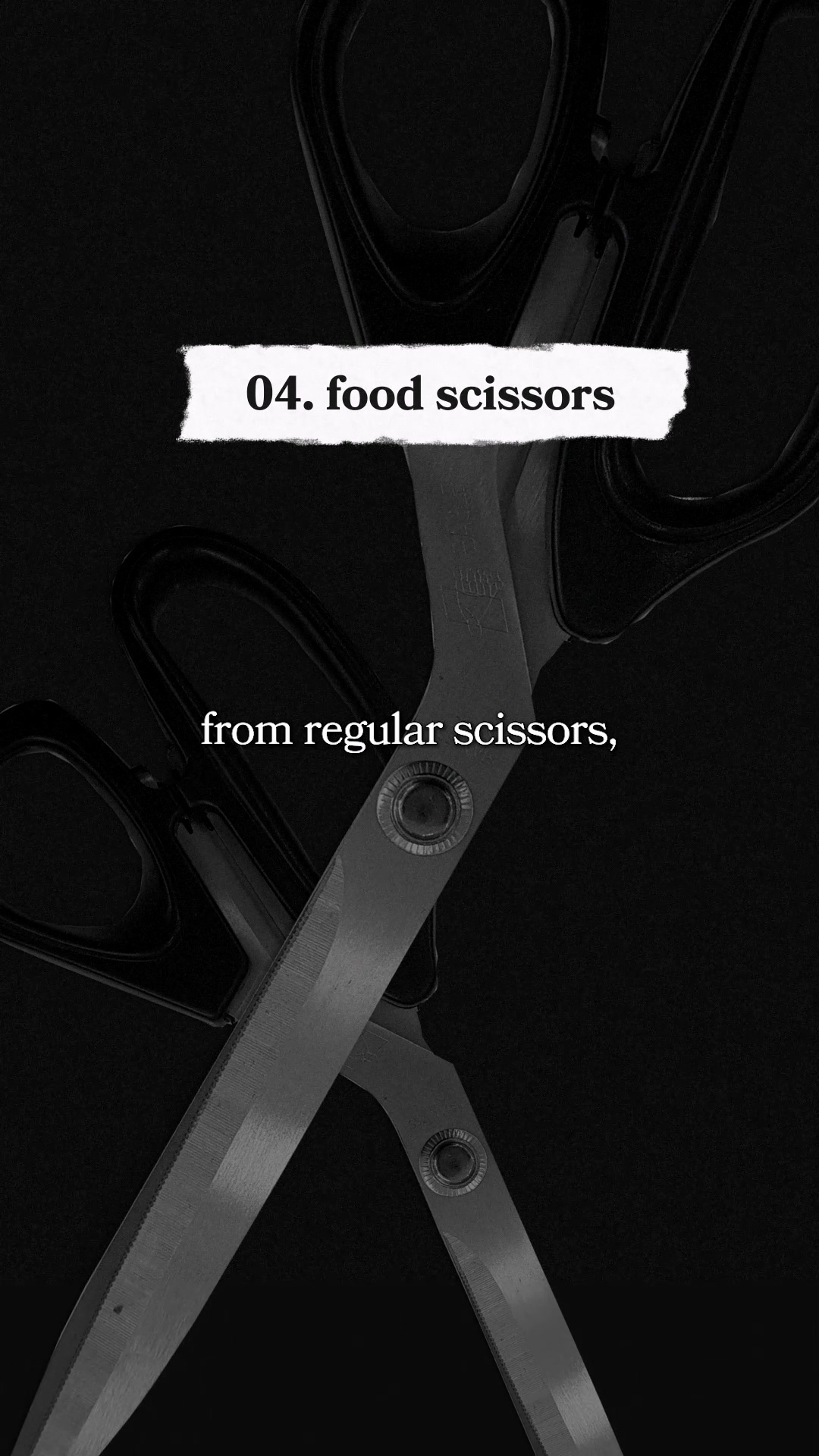
Korean food scissors make sense because many Korean meals are built around shared food that changes at the table. Meat cooks on a grill in the center. Noodles may be too long for easy eating. Kimchi, jeon, and seafood can be portioned after they arrive. A knife and cutting board would slow everything down and take up space. Scissors solve the problem at the exact place where the problem happens.
Korea.net's K-Scissors feature shows the same logic: scissors are used in Korean kitchens and restaurants for pork barbecue, cold noodles, kimchi, and other foods. The tool looks ordinary, but the setting makes it powerful. In a crowded restaurant, speed and cleanliness matter. At a shared table, portioning food for others also becomes a small act of care.
That is why the scissors are not just "funny Korea content." (We have since written the full guide to the scissor itself — why it is not an office scissor, and which one to buy.) They are part of a broader table system: grill, tongs, scissors, banchan, lettuce wraps, shared sauces, and quick refills. Once you understand the system, the tool stops feeling strange.
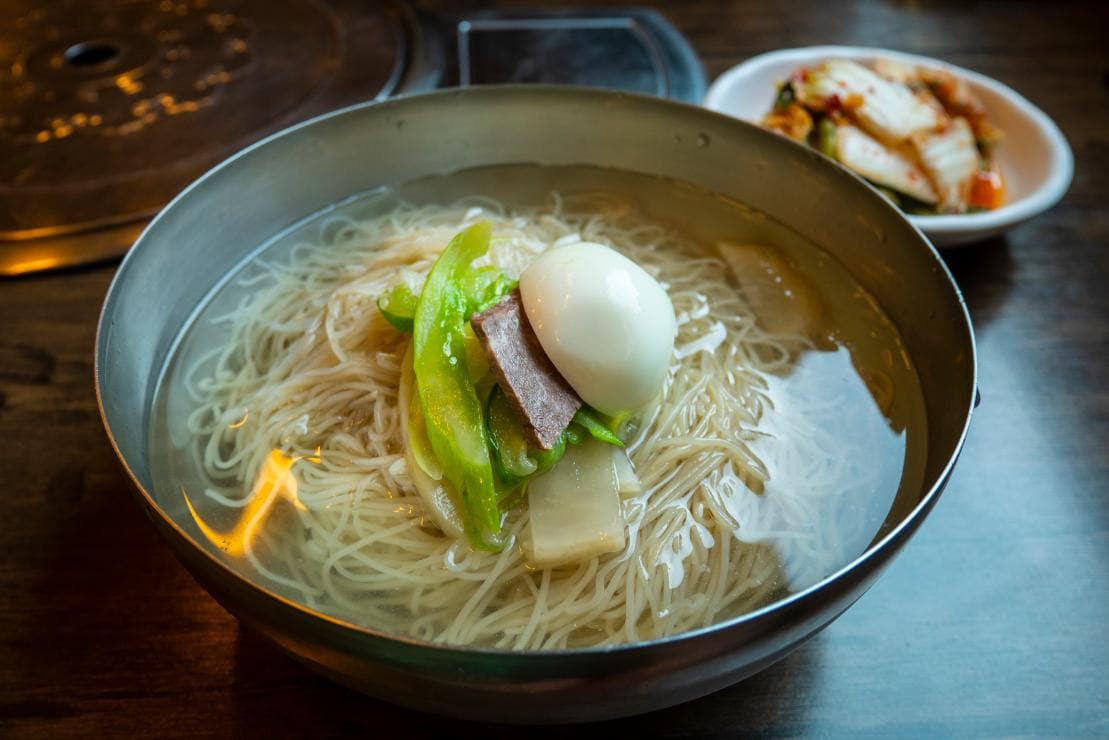
Cold noodles are the other place the scissors appear. The server asks whether to cut them before you eat, and the answer is normally yes. Photo by 원선민, CC BY, via 공유마당.
You might like: Korean Drinks Guide: what to buy in a Korean convenience store, with the price, sugar and caffeine of every bottle
How to use Korean food scissors without looking lost
At Korean BBQ, the usual rhythm is: place meat on the grill, flip with tongs, cut into bite-size pieces with scissors, finish cooking the cut pieces, then share. If staff are helping, let them do it. If your group is self-grilling, one person usually manages the tongs and scissors so the table stays organized.
For naengmyeon, scissors may arrive with the bowl because the noodles can be long and springy. You can cut once or twice before mixing. For kimchi, use scissors when a large piece needs to become table-size. For jeon, some places cut pancakes in the kitchen, while others bring scissors so the group can divide pieces as needed.
The main etiquette is simple: do not wave scissors around, do not cut above someone else's bowl without asking, and do not use food scissors like personal desk scissors. If there are separate tongs or serving chopsticks, use them for shared food. The goal is clean sharing, not performance.
Home Korean-table note: As an Amazon Associate, EpicKor may earn from qualifying purchases. If this guide makes Korean BBQ feel more understandable, compare a Korean BBQ scissors and tongs set before recreating the grill-and-cut rhythm at home.
The bigger pattern: Korea likes friction removers
Food scissors belong to a bigger Korean pattern: small items that make dense urban life easier. A convenience store gives you disposable chopsticks, ice cups, hot water for ramen, phone chargers, and quick snacks. A cafe has bag hooks, receipt buzzers, table tablets, or pickup screens. A restaurant may give you aprons, wet tissues, scissors, tongs, and a bell at the table.
This is not because every Korean system is perfectly efficient. Korea can also be confusing: apps require setup, restaurant ordering can be fast, and some systems assume local language knowledge. But when a tool becomes useful enough, Korea tends to normalize it quickly.
For visitors, this creates a useful travel mindset. Instead of asking, "Why is this object here?" ask, "What small problem is this solving?" The answer often reveals a lot about Korean dining, commuting, shopping, or home life.
Hangover drinks: common, but not magic
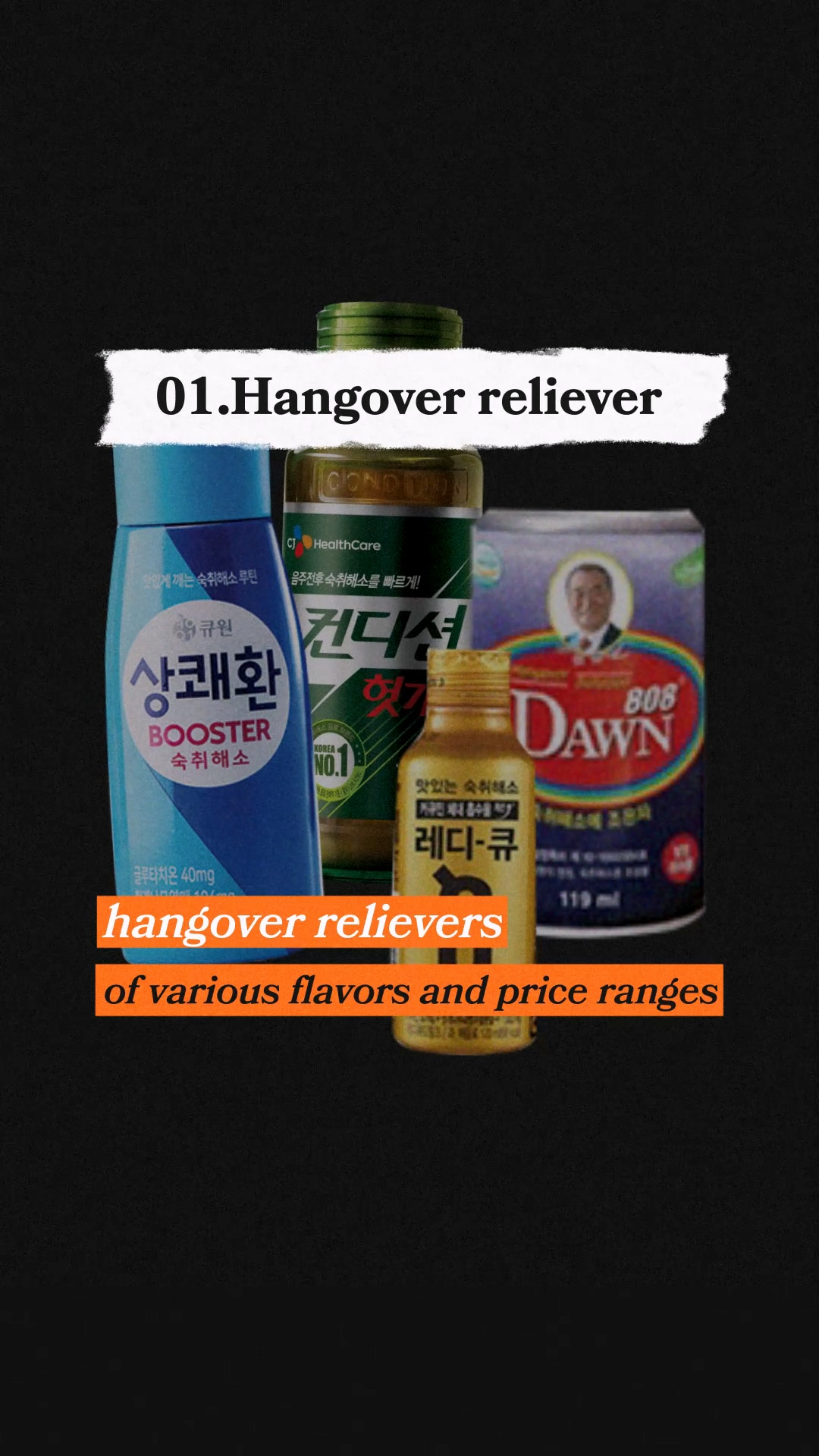
Korean hangover drinks are another famous convenience item. You may see them near convenience-store counters, in pharmacy-style displays, or in nightlife districts. Some use ingredients such as Hovenia dulcis, vitamins, herbal extracts, sugar, caffeine, or electrolytes. People may drink them before going out, during a long night, or the next morning.
The cultural point is real: Korea has strong after-work dining and drinking traditions, and convenience stores make recovery products easy to buy. But the health claim needs caution. The U.S. National Institute on Alcohol Abuse and Alcoholism notes that many hangover remedies are promoted, but there is no scientifically proven cure for a hangover other than time; preventing a hangover mainly means drinking less or avoiding alcohol. That matters because a cute bottle in a convenience store is still not a safety device. We have since given this shelf its own guide — which products are actually on it, which are taken before drinking rather than after, what they cost, and what Korea now makes them prove: Korean hangover drinks.
There is research on some ingredients. For example, one small randomized crossover study on Hovenia dulcis extract examined effects after alcohol intake in a specific group of young male adults. That is interesting, but it does not prove that every Korean hangover drink works for every person, every bottle, or every drinking situation.
Korea is tightening hangover-drink claims
Regulation is part of the story too. Korea's Ministry of Food and Drug Safety has moved toward requiring substantiation for hangover-relief labeling and advertising. A Korea.kr policy briefing explained that from January 1, 2025, food products advertising hangover-relief effects need human-application trial substantiation, with an adjustment period for existing products.
That is useful for readers because it separates culture from claims. Seeing a product everywhere does not mean every promise is equally strong. If you buy one, treat it like a labeled food or beverage. Check ingredients, caffeine, sugar, dosage guidance, and whether you personally should avoid certain ingredients.
Most importantly: if you feel sick, injured, extremely drowsy, confused, dehydrated, or unsafe after drinking, do not try to solve that with a convenience-store bottle. Get help, rest, hydrate carefully, and avoid mixing alcohol with medications. For travel, the smartest "hangover product" is often a boring plan: eat, pace yourself, drink water, know how to get home, and skip extra rounds when you need to.
| Question | Practical check | Why it matters |
|---|---|---|
| Is it food, drink, or medicine? | Read the category and claims, not just the name | Packaging can feel medicinal even when it is a food product |
| Does it contain caffeine? | Check if you are also drinking coffee or energy drinks | Caffeine can change how alert you feel without removing alcohol effects |
| Is the claim specific? | Look for substantiated language instead of vague miracle copy | Korea's 2025 rule makes claim support more important |
| Are you using it as permission? | If yes, skip the extra round | No hangover drink makes unsafe drinking safe |
What visitors should actually buy in Korea
If you like practical Korean items, focus on things that fit your life after the trip. Food scissors are useful if you cook Korean BBQ, noodles, seafood, or pancakes at home. Korean tableware can help you understand why Korean meals pair spoon, chopsticks, soup, rice, and banchan differently from a Western fork-and-knife setup. Convenience-store snacks, coffee mix, seaweed snacks, and sauces are easier souvenirs than fragile gadgets.
For hangover drinks, the better souvenir may be knowledge rather than a suitcase full of bottles. Try one only if it is safe for you, read the label, and remember what it represents: a convenience culture built around long nights and next-day responsibilities.
Build a useful Korea-at-home kit: Compare Korean food starter packs, sauces, snacks, and simple pantry items before buying novelty products that may not match how you actually cook.
Related EpicKor guides
For a home-cooking angle, read EpicKor's Korean cookware starter guide, ssam and Korean BBQ wrap guide, and Korean pantry starter guide. For travel behavior around food, pair this with the first-time Korea travel guide, Korean convenience-store food guide, and what to drink in Korea besides soju.
Sources and further reading
- Korea.net: K-Scissors video feature.
- National Institute on Alcohol Abuse and Alcoholism: Hangovers.
- PubMed-indexed study on Hovenia dulcis extract and alcohol-related symptoms.
- Korea.kr policy briefing on 2025 hangover-relief claim substantiation.
- MFDS guide on human-application trials for hangover-relief labeling and advertising.
FAQ
Q: Are food scissors really normal in Korea? A: Yes. They are common at Korean BBQ restaurants and can also appear with cold noodles, kimchi, seafood, and pancakes. They are a practical table tool, not a tourist gimmick.
Q: Should I cut Korean BBQ meat myself? A: If staff are managing the grill, let them lead. If your table is self-grilling, one person usually uses tongs and scissors to keep the table organized.
Q: Are Korean hangover drinks proven cures? A: No. Some ingredients have been studied, and Korea is strengthening substantiation rules, but hangover drinks should not be treated as a cure or safety guarantee.
Q: What is the safest way to avoid a hangover in Korea? A: Drink less, pace yourself, eat, hydrate, and stop before extra rounds become pressure. A convenience-store drink cannot make heavy drinking safe.
Q: What practical Korean item should I buy first? A: If you cook Korean food, start with food scissors, tongs, or Korean spoon-and-chopstick tableware. If you mostly want snacks, choose sauces, ramen, seaweed snacks, or coffee mix.
Q: Why does Korea normalize small convenience tools so quickly? A: Dense cities, shared dining, fast service culture, and convenience-store infrastructure make friction-removing tools valuable. When an item saves time repeatedly, it spreads.
Video insight: Unique Korean items
You Might Also Like
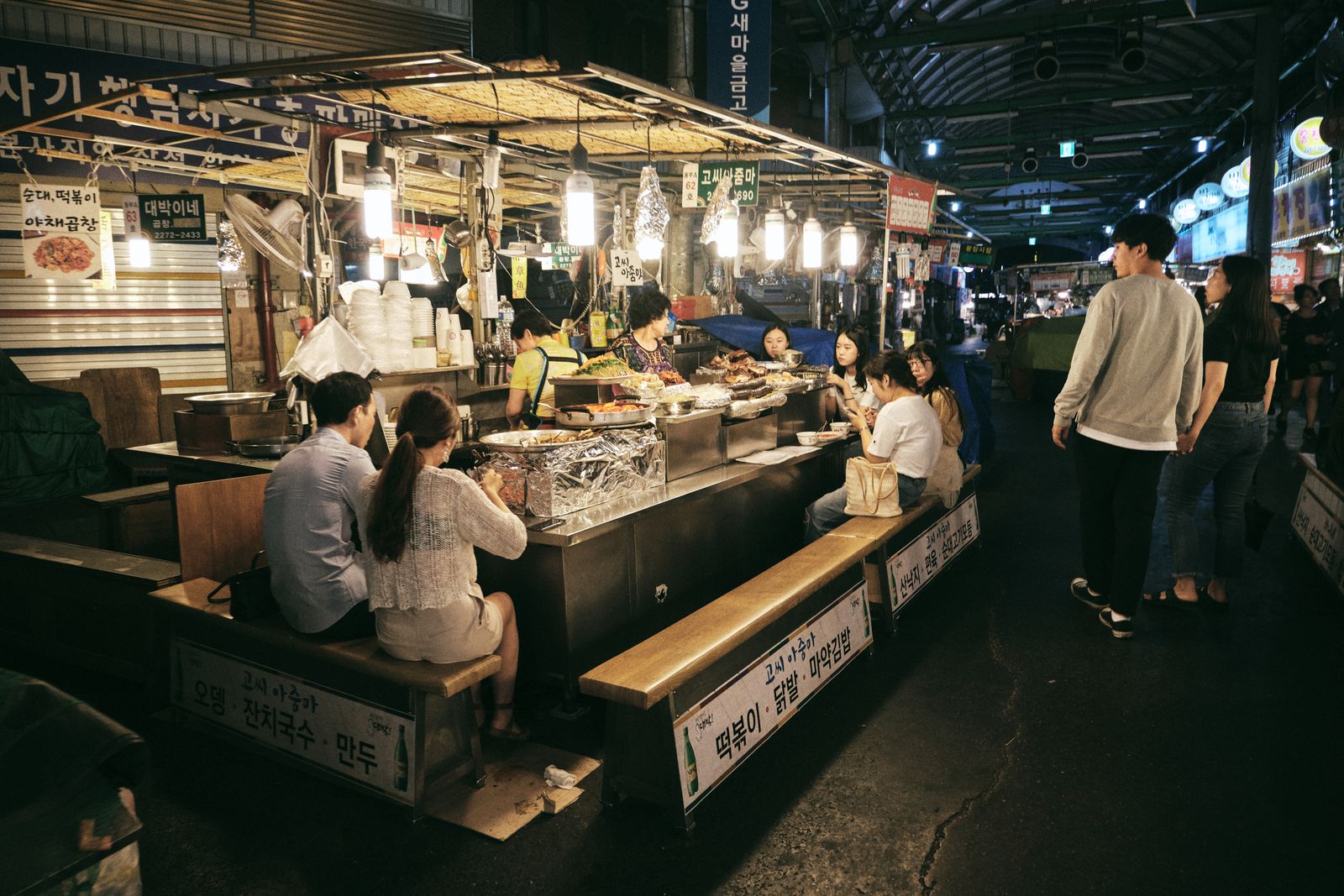
What Koreans Eat Beyond Tourist Classics: 7 Everyday Favorites
Seven everyday Korean food favorites beyond the usual tourist checklist, with ordering tips for gimbap, jjajangmyeon, bossam, jeon, and market snacks.
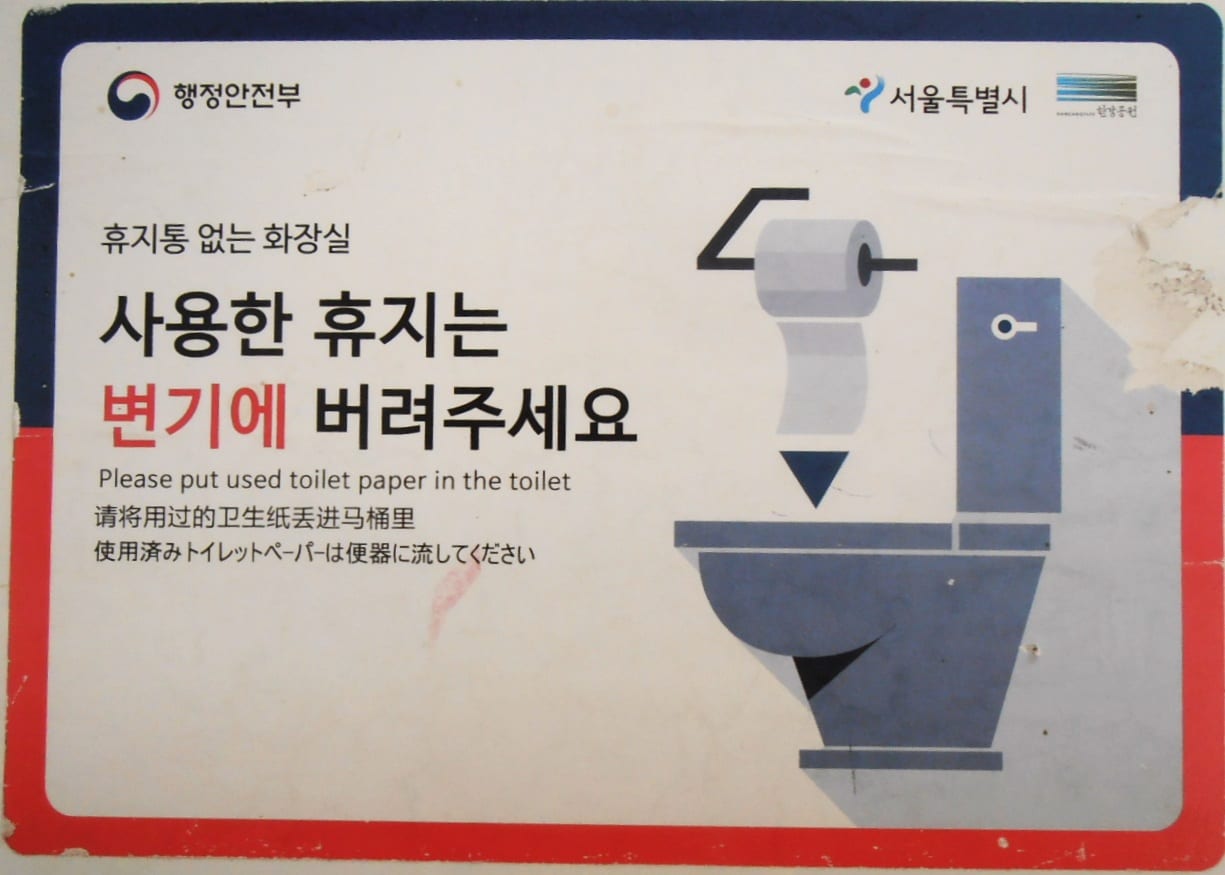
Public Toilets in Korea: 78,183 of Them, and the Law That Decides Which You Can Walk Into
Korea has 78,183 public toilets and a law that sorts them into five categories. One of them lets you walk into a private building and use the restroom without buying anything. Plus the 10-minute subway re-entry rule and why the stall has no bin.

Korea Rainy Season Guide: Umbrellas, Jangma, and Travel Tips
A practical Korea rainy season guide covering umbrellas, jangma timing, Seoul etiquette, packing, weather checks, and travel mistakes.