Why Koreans Seem Cold to Foreigners: The Gap Between How Korea Sees Itself and How You See It
Ask a Korean whether Koreans are warm people and you will get a one-word answer: 정 (jeong). Ask a foreigner who has lived in Seoul for a year and you will often get a different one-word answer, usually delivered with a shrug: cold.
Both of them are describing the same people. Neither of them is lying.
This guide is about that gap. Not the polite version — "cultures differ, be patient" — but the measured one. Korea's own government surveys, an annual poll of ten thousand expats, and a piece of social psychology that has been replicated for twenty years all point at the same shape: Korea is one of the most-liked countries in the world from a distance, and one of the hardest to make friends in up close. Koreans do not see that second half, and there is a specific reason they cannot.
If you are visiting, this explains a few interactions you will otherwise misread. If you are moving here, it tells you where the door actually is.
Korea: The Impossible Country — Daniel Tudor on how modern Koreans see themselvesAffiliate link. As an Amazon Associate, EpicKor earns from qualifying purchases at no extra cost to you.
Quick Guide
| Question | Short answer |
|---|---|
| Do foreigners like Korea? | From abroad, more than ever: 82.3% favourable across 26 countries (2025) |
| Do foreigners in Korea find Koreans friendly? | Expats rank Korea 39th of 46 for local friendliness and 38th for finding friends (2025) |
| Do Koreans think they are warm? | Yes — the word is 정 (jeong). But 83.6% say they would not trust a stranger they had just met |
| Do Koreans trust foreign residents? | 77.2% say "not really" or "not at all" (2025 government survey) |
| Is it you? | Mostly not. Foreign residents report discrimination at 43.7%, and the top stated reason is nationality |
| Where does the warmth actually live? | Inside a group you have been folded into — 우리 (uri). Strangers are outside it by definition |
| What should I do? | Stop waiting to be approached. Get introduced, join something with a fixed roster, and give it months, not weeks |
Two numbers that disagree with each other
Every year Korea's Ministry of Culture, Sports and Tourism runs a national image survey in about two dozen countries. The 2025 edition polled 13,000 people. Favourability toward Korea came in at 82.3%, up 3.3 points and the highest since the survey began in 2018. The Philippines, Türkiye, India and the Gulf states all scored Korea above 89%.
And every year the expat network InterNations runs its Expat Insider survey among people who actually live abroad. The 2025 edition, fielded in February among 10,085 expats of 172 nationalities across 46 destinations, ranked South Korea:
- 38th of 46 for Ease of Settling In
- 39th for Local Friendliness
- 38th for Finding Friends
- 42nd for Culture & Welcome
- 44th overall, down 21 places on the year
Korea was the only new entrant to the bottom ten for settling in. The countries below it were places like Kuwait and Norway, which have their own long-running reputations on this score.
So the same country is near the top of the world's affection and near the bottom of its friendship. That is not a contradiction. It is the difference between Korea watched and Korea lived in. The first survey asks people who know Korea through dramas, food and phones. The second asks people who know it through the office, the apartment building and the gym.
If you came to Korea from the first group and were surprised to find yourself in the second, you are not imagining the drop. It is on the chart.
You might like: Seoul Deleted Its Women-Only Parking: What Korean Gender Policy Actually Is in 2026
You might like: Korean Stone Bed (돌침대): Price, Stone vs Clay, and Is It Worth It?
What Koreans believe about themselves
The interesting part is what Koreans think the answer is — because it is not "cold."
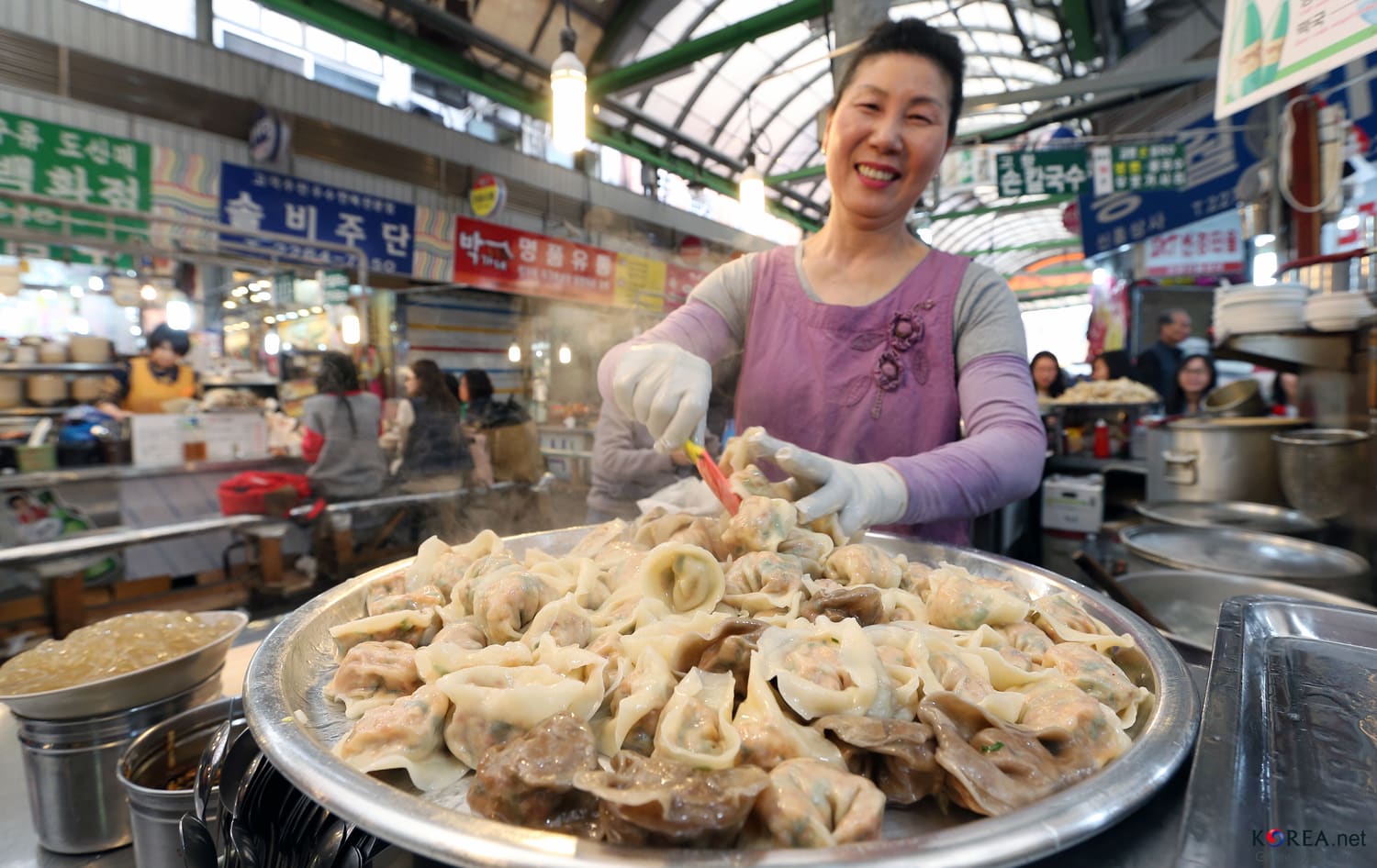
Ask about Korean character and 정 comes up first. We have a full guide to what jeong actually means, but the short version is a slow-built bond of familiarity and obligation that attaches to people you share time with. Koreans describe it as the warm core of the culture, and they are right that it is real. A market vendor slipping an extra dumpling onto your plate is 정. A colleague who has argued with you for ten years and would still drive across the city for you is 정.
Here is the twist, and it comes from Korea's own data. The same 2025 government survey that asked foreigners about Korea also asked Koreans to rate their own country on the same items. On "Koreans are kind and considerate," the world scored Korea 72.5 out of 100. Koreans scored themselves 62.3. On "Korea and Koreans are trustworthy," the world said 73.3; Koreans said 60.9. On "Korea accepts diverse cultures," foreigners gave 67.7 and Koreans gave 57.7 — the lowest self-score on the whole list.
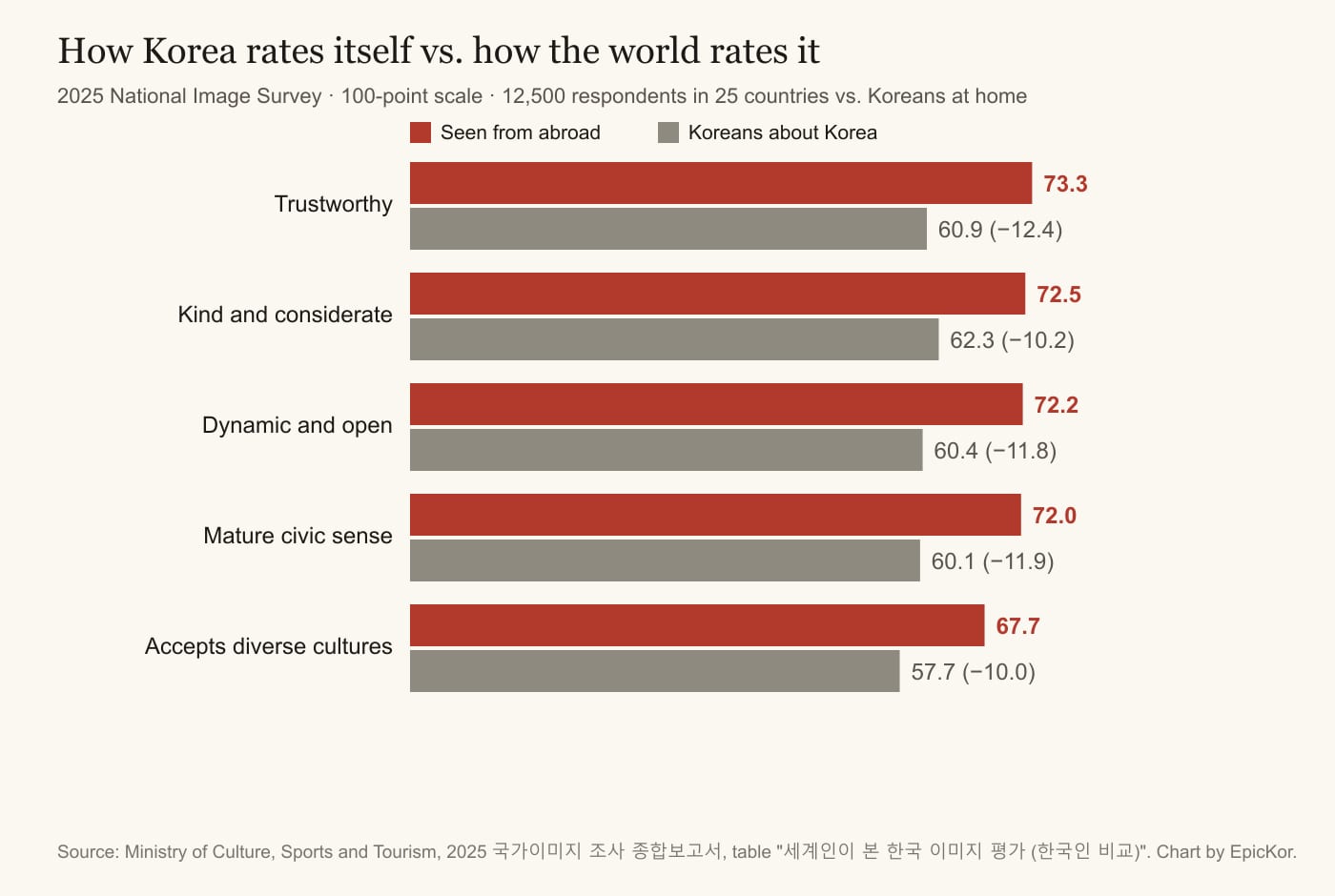
Koreans, in other words, are harsher critics of Korean warmth than distant foreigners are — and yet still describe the culture as fundamentally warm. Both things are true because Koreans are grading two different things. The self-critique is about society: strangers, institutions, the public square. The 정 is about relationships. Koreans keep those in separate boxes. Most foreigners arrive with one box.
What foreigners see: competent, and cold
In 2002 the psychologists Susan Fiske, Amy Cuddy, Peter Glick and Jun Xu published what became the Stereotype Content Model. Their finding, replicated across dozens of countries since, is that people judge any group on two axes: warmth (is this group on my side?) and competence (can this group act on it?). The four quadrants produce four distinct emotions — admiration, pity, contempt, and, for groups seen as high competence, low warmth, envy.
In American samples, Asians land squarely in that last quadrant. A 2005 follow-up by Monica Lin and colleagues built an entire scale around it: Asian Americans stereotyped as highly capable and insufficiently sociable. The stereotype is not about Koreans specifically, and it is not fair, but it is the frame a Korean walks into abroad before saying a word.
Hwang Sung-hyun (황성현) spent thirty years in HR at Yahoo Korea, Google — including four years at the California headquarters — and Kakao, and now runs the consultancy Quantum Insight. In a July 2025 interview on the Korean channel 지식인사이드, a two-minute clip of which has been watched about three million times, he put the gap in one sentence: "Among ourselves, we are 100% warm — we have 정. In Western eyes, we are among the coldest people there are."
His explanation is worth quoting because it is a Korean explaining Koreans, not a foreigner complaining:
"Westerners say hello to strangers. Get a little closer and they say I love you. We are a country where people do not say I love you to their own father. The 정 is there — it is just never expressed. And in the West, if it is not expressed, it does not exist."
That last line is the whole article. Korean warmth is implicit. Western warmth is explicit. A culture that reads warmth off the surface will find nothing on a Korean surface, because that is not where Koreans keep it.
The gap in Korea's own numbers
If you want the clearest picture of how Koreans treat people outside their circle, do not ask foreigners. Ask Koreans about each other.
The 2025 Survey of Korean Consciousness and Values (한국인의 의식 및 가치관 조사) interviewed 6,180 Koreans aged 13 to 79 at home between August and October. One block asks how much you trust various groups. The results:
| How much do you trust… | "Not really" + "Not at all" |
|---|---|
| Your family | Near zero |
| Your neighbours | 56.4% |
| Foreign residents in Korea | 77.2% |
| A stranger you have just met | 83.6% |
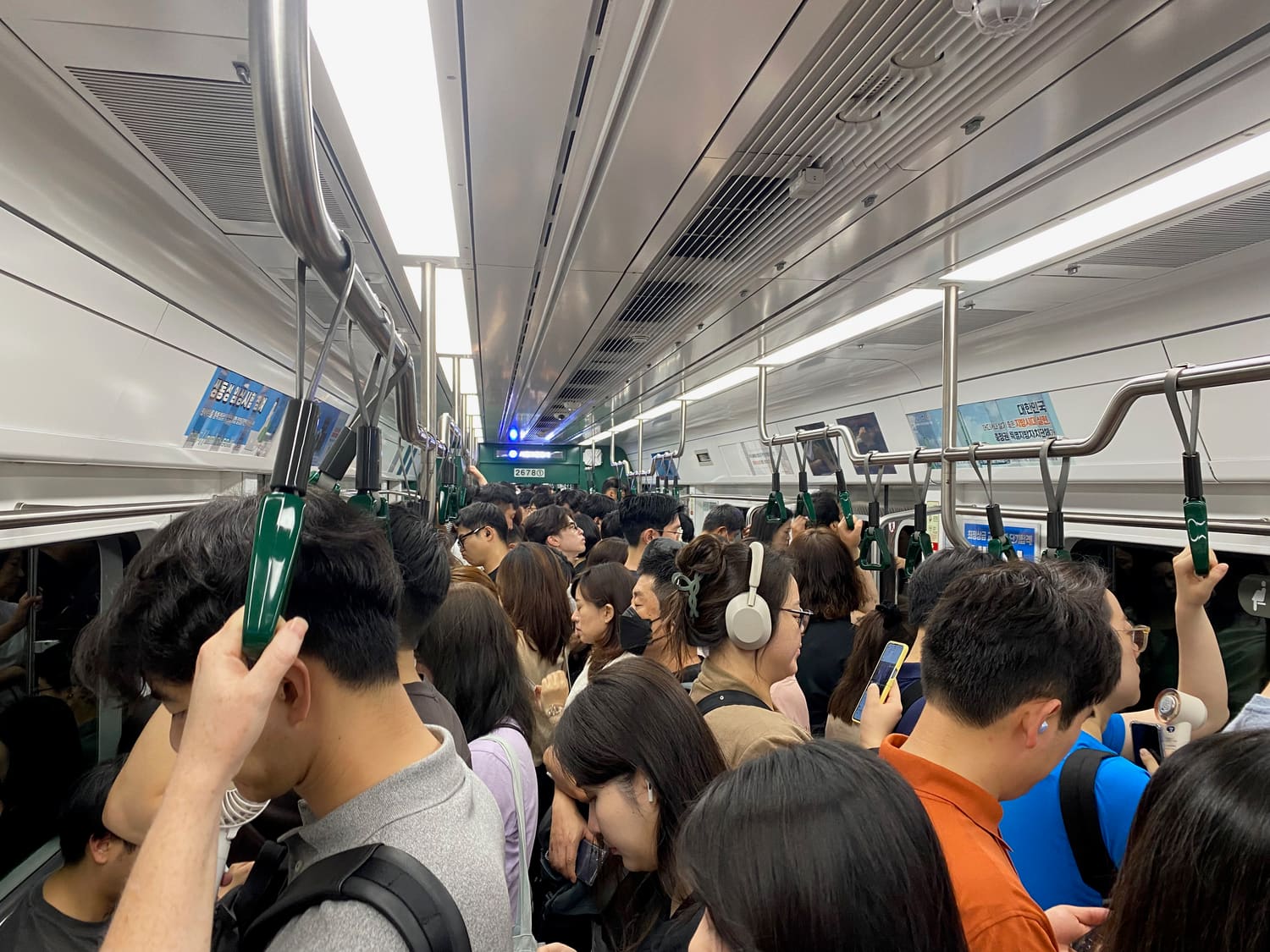
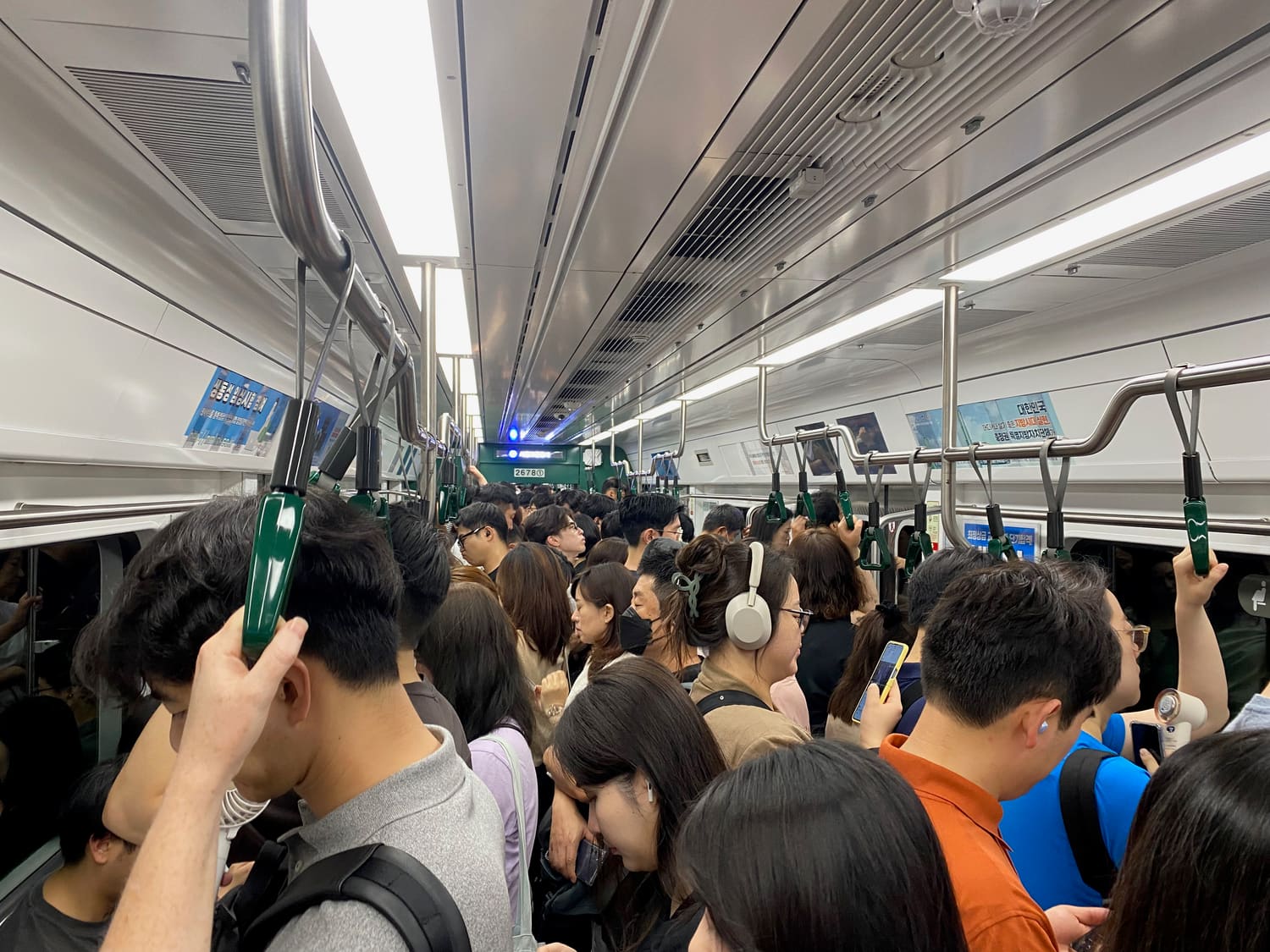
Read that table as a foreigner and it is bleak. Read it as a Korean and it is simply accurate: trust is something you build, and strangers have not built it. Eighty-four percent of Koreans say they would not trust a stranger — and that is Korean strangers. You are not being singled out on the subway. Everyone is.
The same survey asked 1,020 foreign residents about their side. 43.7% said they had experienced discrimination in Korea, and the top reason given was nationality (52.9%). Of those who did not ask for anything to change, the most common explanation was "I did not think asking would change anything" (42.2%). Yet 55.9% called themselves happy and 56.1% were satisfied with life in Korea — which is the expat paradox in one row: a hard social landing on top of a very livable country.
One more Korean number. The Ministry of Gender Equality's Multicultural Acceptance Index, a three-yearly national statistic, put Korean adults at 53.38 out of 100 in 2024. That was the first rise in nine years. Korean teenagers scored 69.77, and fell for the first time in the survey's history. Koreans know this figure; it gets reported every cycle with some embarrassment.
If you want the long version of why Korea works this way, read one book before you land. As an Amazon Associate, EpicKor earns from qualifying purchases at no extra cost to you. Start with a general account of modern Korean society rather than an etiquette guide — the etiquette is the easy part, and it is the social structure underneath that trips people up. A phrasebook matters more than you would think, for a reason explained further down: in Korea, effort in the language reads as warmth in a way it does not elsewhere.
Where the gap actually opens: the word 우리
The mechanism is a single Korean word: 우리 (uri), "we" or "our." Koreans say 우리 나라 (our country), 우리 회사 (our company), 우리 엄마 (our mother, even when speaking of your own). The word draws a circle, and Korean social behaviour changes completely depending on which side of the line you are standing.
Inside the circle: obligation, generosity, unrequested help, the extra dumpling, the colleague who notices you are ill before you do.
Outside the circle: nothing personal. Not hostility — nothing. You are not a person yet. You are traffic. (The same gap shows up at the table: there is one Korean dish Koreans cannot explain to foreigners, and it is not the smelly one.)
This is why the same Korean who ignored you in the lift will, once you are in the same running crew, ask why you missed last week and whether you have eaten. It is not two personalities. It is the same personality with a boundary that Western culture does not draw in the same place. In the West the default toward a stranger is mild friendliness that may or may not deepen. In Korea the default toward a stranger is neutral distance that flips, sometimes abruptly, into full membership.
The practical consequence is one most foreigners learn the slow way: friendliness will not get you into the circle. Introduction will. Korean society runs on being brought in by someone already inside. Waiting to be approached is the one strategy that reliably fails, because from the Korean side there is no reason to approach a stranger — you are outside 우리, and that is not a judgment, it is a category.
Koreans in Korea vs. Koreans abroad
The second half of the gap is one Koreans see more clearly than foreigners do, because it happens to them.
Hwang's example from his Google years is the year-end party. Everyone from the team is there, drinks in hand. Work talk lasts thirty seconds. Then, in his account, the conversation moves through American football, basketball, baseball, music, and eventually college stories — and a Korean colleague drops out at each stage. Not because anyone excludes him, but because the small talk is running on shared references he does not have. "By the end," he says, "the stories they really enjoy, they tell when we are not there."
A Korean abroad has the same implicit-warmth setting as a Korean at home, plus a second handicap: the small talk that Westerners use as the on-ramp to warmth is the thing Koreans find least natural. So the person who would be the most loyal friend on the team reads, at the party, as the quietest and the coldest. The competence-without-warmth stereotype writes itself.
That is also why foreigners often report that Korean-Americans or Korean-Europeans "feel different" from Koreans raised in Korea. They usually do. They have learned the explicit register. The 정 underneath is often the same; the surface has been translated.
The reverse happens too. Koreans who spent years abroad come back and are told they have become 가벼워졌다 — "lighter," too quick to smile at strangers, a little suspicious for it. Korea rates warmth toward strangers as slightly unserious. That is not a flaw in the culture; it is a different theory of where warmth belongs.
Korean, Japanese, Chinese: do foreigners feel a difference?
Many first-time visitors honestly do not, and Koreans find that hard to hear. But the differences foreigners do notice, once they have spent time in more than one of the three countries, are fairly consistent, and they line up with the standard cross-cultural data.
| Hofstede dimension (0–100) | South Korea | Japan | China | United States |
|---|---|---|---|---|
| Individualism | 18 | 46 | 20 | 91 |
| Uncertainty avoidance | 85 | 92 | 30 | 46 |
| Long-term orientation | 100 | 88 | 87 | 26 |
| Indulgence | 29 | 42 | 24 | 68 |
Hofstede Insights six-dimension scores. Treat them as a coarse map, not a personality test.
What foreigners tend to report, in plain language:
- Koreans are the emotional ones. A long-running observation in the English-language Korean press describes Koreans as "hot, upfront, fast" against a Japanese "cool, measured, inscrutable." Foreigners who have worked in both say Korean offices are louder, argue more openly, and move faster; Japanese offices are quieter and plan longer. Korea's rock-bottom individualism score plus its speed is a combination that surprises people who expected Japanese-style restraint.
- Korea's coldness is at the surface; Japan's runs deeper. Japanese public manners are warmer than Korean ones — more smiling, more apology, more service language — but expats in Japan describe a ceiling on closeness that does not lift. Korea is the opposite: an abrupt surface and, once you are in, very little ceiling at all. Long-term expats in Korea often describe Korean friends as the closest they have ever had.
- Chinese sociability is transactional and fast; Korean sociability is slow and total. Foreigners in China describe being invited to dinner within a week. In Korea the first dinner takes longer to arrive, and it comes with a relationship attached.
So no — from the inside, the three are not the same, and the specific Korean pattern is the one this article is about: the widest gap between outside and inside.
You might like: Famous Koreans Beyond BTS: Nine Artists the World Has Followed for 30 to 70 Years
How to get to the other side
None of the above is advice yet. This is.
- Get introduced. Do not self-introduce. A Korean colleague, a landlord, a teacher, a friend's friend — anyone already inside a circle can bring you in, and you will be treated as a member from the first meeting. Cold approaches, however friendly, keep you on the outside indefinitely.
- Join something with a fixed roster. A language exchange with the same twelve people every Tuesday beats a meetup with a different forty every week. Seoul's running crews, climbing gyms, church groups, a company 동호회 (club), a weekly class — anything where the same faces recur is where 우리 forms. Repetition is the mechanism.
- Say yes to 회식. The company dinner is not optional socialising; it is the moment membership is actually confirmed. Turn up, pour for the person beside you, and let someone pour for you. You do not have to drink much. You do have to be there.
- Learn enough Korean to be awkward in it. Effort in the language is read as effort in the relationship. A foreigner who tries three sentences of bad Korean is treated with more warmth than one who speaks flawless English, and the ratio is not close. And do not let the language question stop you asking in the first place: Koreans under 35 will answer you in English — the hesitation you meet is confidence, not ability.
- Reciprocate small things fast. The extra dumpling, the coffee someone bought without asking, the lift home — return them, in kind, soon. This is how 정 is banked. Our guide to Korean gift-giving covers the amounts Koreans actually use.
- Give it a season, not a fortnight. The Western timeline for a friendship — coffee, a drink, a dinner, done — is about three weeks. The Korean one is closer to three months of repeated proximity, after which it jumps to something most Westerners would call family. The people who leave Korea saying Koreans are cold are very often the ones who left at week six.
- Stop reading the subway as data. It is not. Nobody on it is being cold to you. And if you are being looked at rather than ignored, that is a different thing with a different map — see why Koreans stare at foreigners, and where. Learn what to call strangers if you need to address one — our guide to jeogiyo, ajumma and the rest covers it — and otherwise leave the carriage out of your judgment of the country.
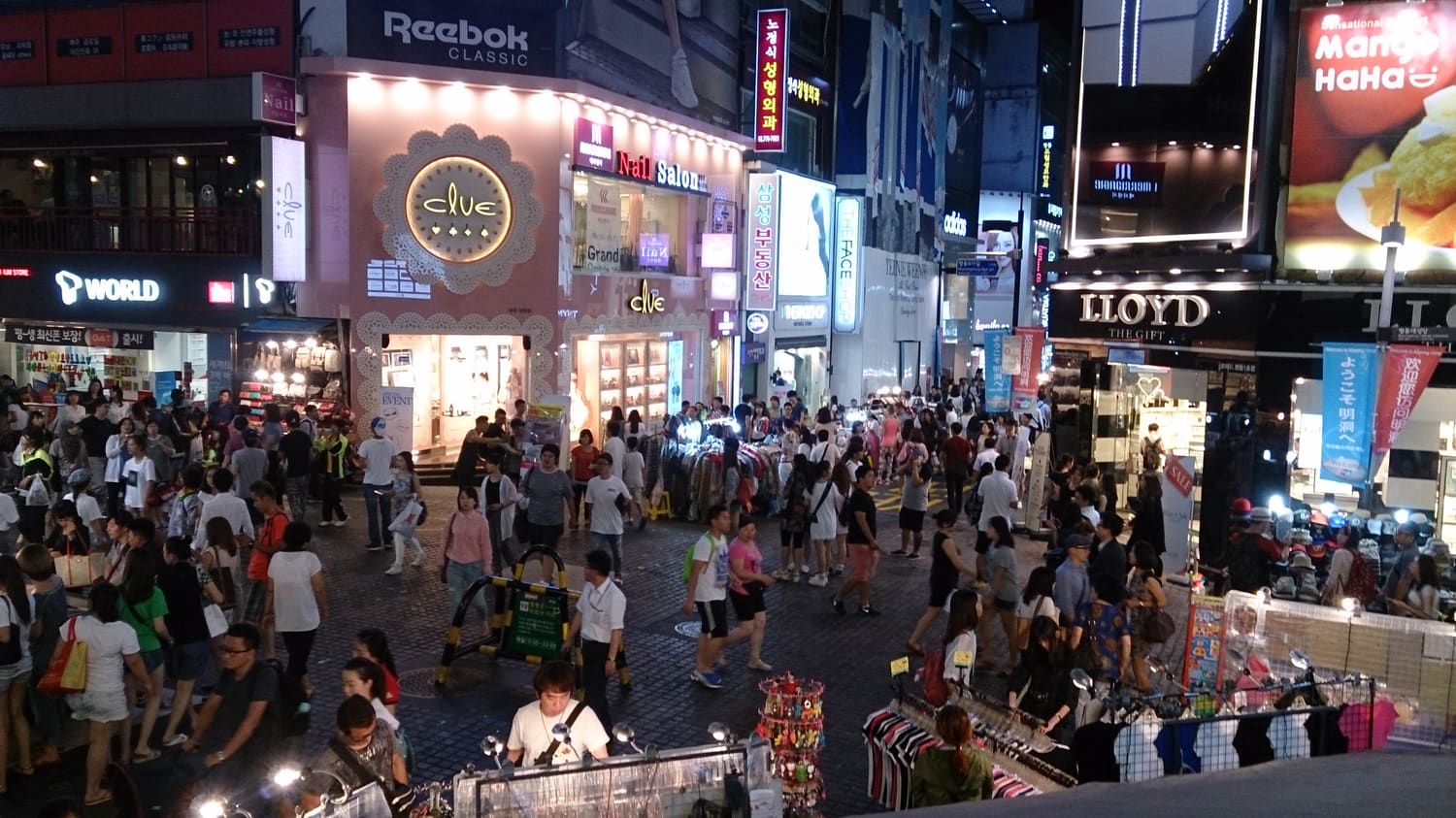
The cheapest way to be brought inside a Korean circle is to bring something to it. As an Amazon Associate, EpicKor earns from qualifying purchases at no extra cost to you. If you are arriving from abroad, a small, well-chosen gift from home for the colleague or host who first includes you does more than any amount of friendliness — see the gift guide above for what lands and what does not. And if you want to understand the game rather than just play it, a serious book on Korean society will explain 우리 better in two hundred pages than any blog can in two thousand words.
Frequently Asked Questions
Q: Are Koreans rude to foreigners?
Mostly no — they are neutral to strangers, and foreigners are strangers by default. Korea's own 2025 survey found 83.6% of Koreans would not trust a stranger they had just met, Korean or otherwise. What foreigners read as rudeness is usually the absence of the small friendliness that Western cultures extend to strangers automatically. Actual discrimination does exist: 43.7% of foreign residents reported experiencing it, most often on the basis of nationality.
Q: Why are Koreans so friendly once you know them?
Because that is where Korean warmth is stored. The concept is 정 (jeong), a bond built by repeated shared time, and it applies inside a circle called 우리 (we). Once you are inside — through introduction, a fixed group, or a workplace — the same person who ignored you as a stranger will treat you with a generosity most Westerners find startling.
Q: Do Koreans think of themselves as cold?
No. Koreans see themselves as a warm, 정-rich people, and they are harsh critics of Korean society rather than of Korean relationships. In the 2025 national image survey Koreans rated their own country's kindness at 62.3 out of 100, ten points below what foreigners abroad gave it — but the criticism is aimed at institutions and strangers, not at the bonds between people.
Q: Is it harder to make friends in Korea or Japan?
Different hard. Japan is warmer at the surface and has a closeness ceiling that rarely lifts; Korea is colder at the surface and, once you are inside, has almost no ceiling. Expats in the 2025 InterNations survey ranked Korea 38th of 46 for finding friends. Long-term residents often describe their Korean friendships as the closest of their lives.
Q: How long does it take to make a Korean friend?
Think in months. The Western friendship timeline — a few meetings over three weeks — does not produce a Korean friend; it produces a pleasant acquaintance. Repeated proximity over roughly a season, in a group with a stable roster, is what does. Many foreigners give up at week six, which is just before it works.
Q: Why do Korean-Americans seem so different from Koreans in Korea?
They usually have the same underlying warmth with a translated surface. Raised in cultures that express warmth explicitly, they have learned to show it in the Western register — smiling at strangers, small talk, saying things aloud that a Korean in Korea would consider self-evident and therefore unnecessary to say.
Bottom Line
Korea is not a cold country with a warm reputation, or a warm country with a cold reputation. It is a country that keeps its warmth inside a boundary, and the boundary is drawn in a place Western culture does not expect. Outside it, you get nothing; inside it, you get more than you asked for. The surveys measure the outside. The word 정 describes the inside. Koreans, who live inside, do not see what the outside looks like — and foreigners, who arrive outside, cannot see that there is an inside at all.
The gap closes in exactly one direction: you cross it. Get introduced, show up to the same room every week, learn some bad Korean, return the small kindnesses quickly, and stay past week six. The people who do that stop writing "why are Koreans so cold" into a search engine. They start explaining 정 to the next person who does.
Sources
- 문화체육관광부, 2025년도 대한민국 국가이미지 조사 — 26 countries, 13,000 respondents; overall favourability 82.3% (foreigners) and 60.4% (Koreans about Korea); item scores from the 종합보고서 table "세계인이 본 한국 이미지 평가(한국인 비교)": trustworthy 73.3 vs 60.9, kind and considerate 72.5 vs 62.3, dynamic and open 72.2 vs 60.4, mature civic sense 72.0 vs 60.1, accepts diverse cultures 67.7 vs 57.7.
- InterNations, Expat Insider 2025 — fielded 1–28 February 2025; 10,085 expats, 172 nationalities, 46 destinations. South Korea 44th overall; Ease of Settling In 38th; Local Friendliness 39th; Finding Friends 38th; Culture & Welcome 42nd.
- 문화체육관광부, 2025년 한국인의 의식 및 가치관 조사 — 6,180 Koreans aged 13–79 and 1,020 foreign residents, household interviews 15 August–2 October 2025. Trust tables 35-3, 35-4, 35-5 (neighbours, strangers, foreign residents); foreign-resident results on discrimination (43.7%), reason (nationality 52.9%), and non-complaint (42.2%); happiness 55.9%, life satisfaction 56.1%.
- 여성가족부, 2024년 국민 다문화수용성 조사 — adults 53.38 (up from 52.27 in 2021); youth 69.77 (down from 71.39); published June 2025.
- Fiske, S. T., Cuddy, A. J. C., Glick, P., & Xu, J. (2002). A model of (often mixed) stereotype content. Journal of Personality and Social Psychology, 82(6). Lin, M. H., Kwan, V. S. Y., Cheung, A., & Fiske, S. T. (2005). Stereotype content model explains prejudice for an envied outgroup. Personality and Social Psychology Bulletin, 31(1).
- 지식인사이드, EP.47 (18 July 2025) — interview with 황성현, CEO of Quantum Insight, formerly of Yahoo Korea, Google (Korea and headquarters HRBP to 2014) and Kakao; the "미국인들은 한국인을 이렇게 생각합니다" short clip (12 August 2025). Quotations translated by EpicKor.
- Hofstede Insights — six-dimension country scores for South Korea, Japan, China and the United States.
- The Korea Times, "Characteristics of Koreans and Japanese" (24 March 2011) — the "hot vs. cool" characterisation quoted in the comparison section.
You Might Also Like
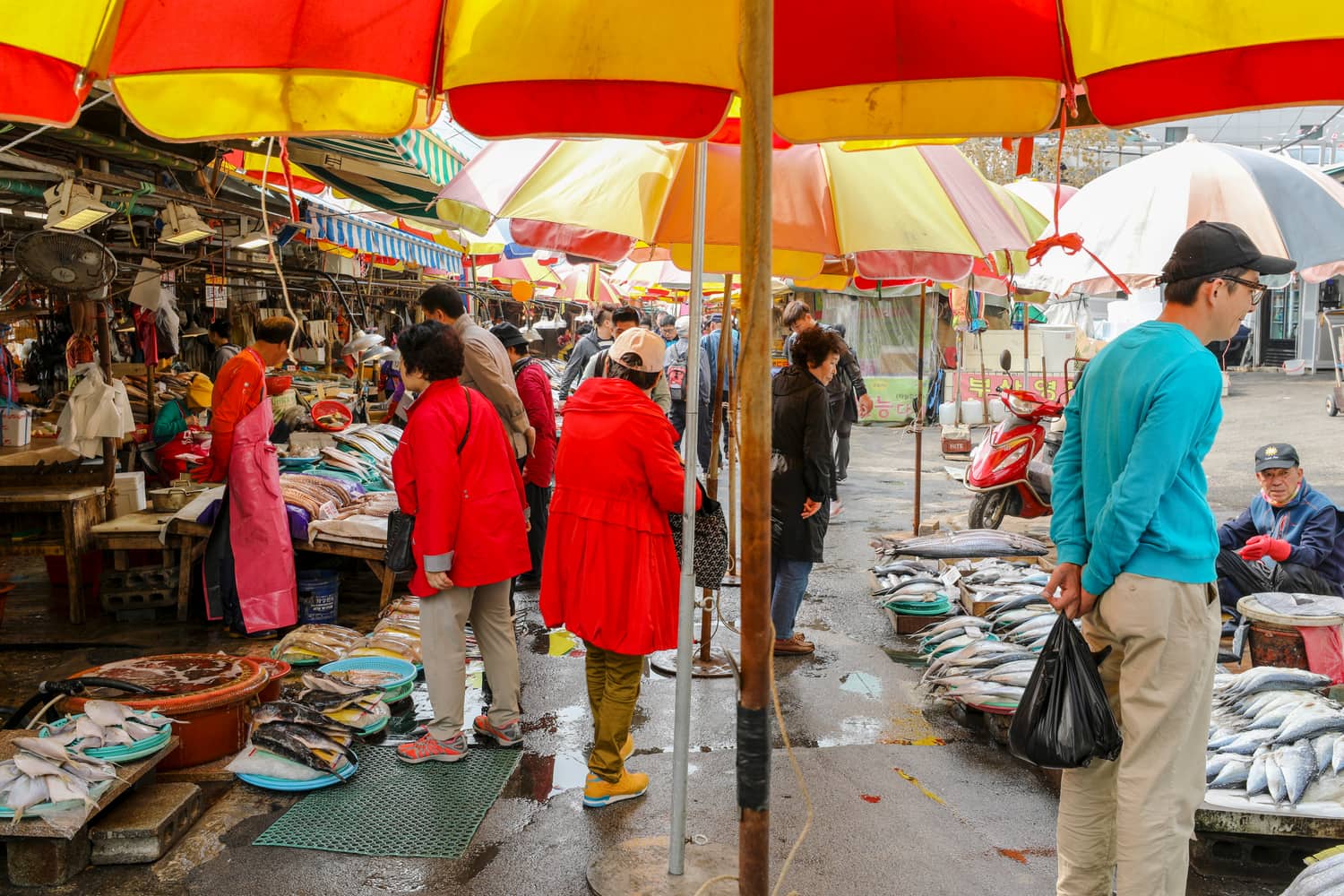
Korean Stare Meaning: Why Koreans Stare at Foreigners, and How to React
The Korean stare almost always means curiosity, not hostility: outside central Seoul a non-Asian face is still rare. Sometimes it means you broke a quiet public rule. How to tell which, and the nod and 안녕하세요 that end it.
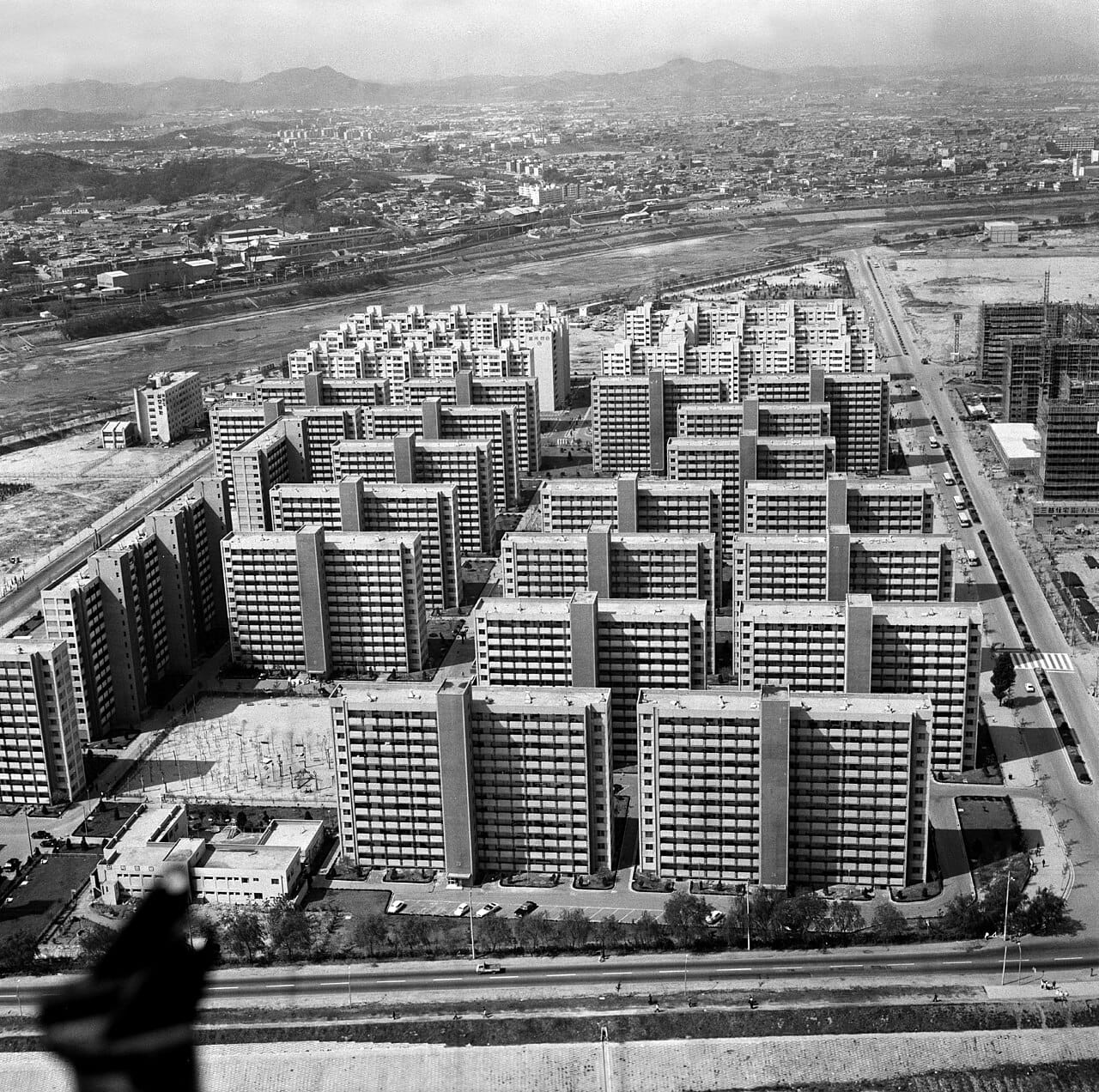
Why Koreans Live in Apartments: Korea's One-Generation Shift
In 1978 only 5.2% of Korean homes were apartments. By 2015 it was 59.9%. That change was not caused by crowding — it was built by a financing system where buyers pay for a building before it exists. Here is how Korea became an apartment country.
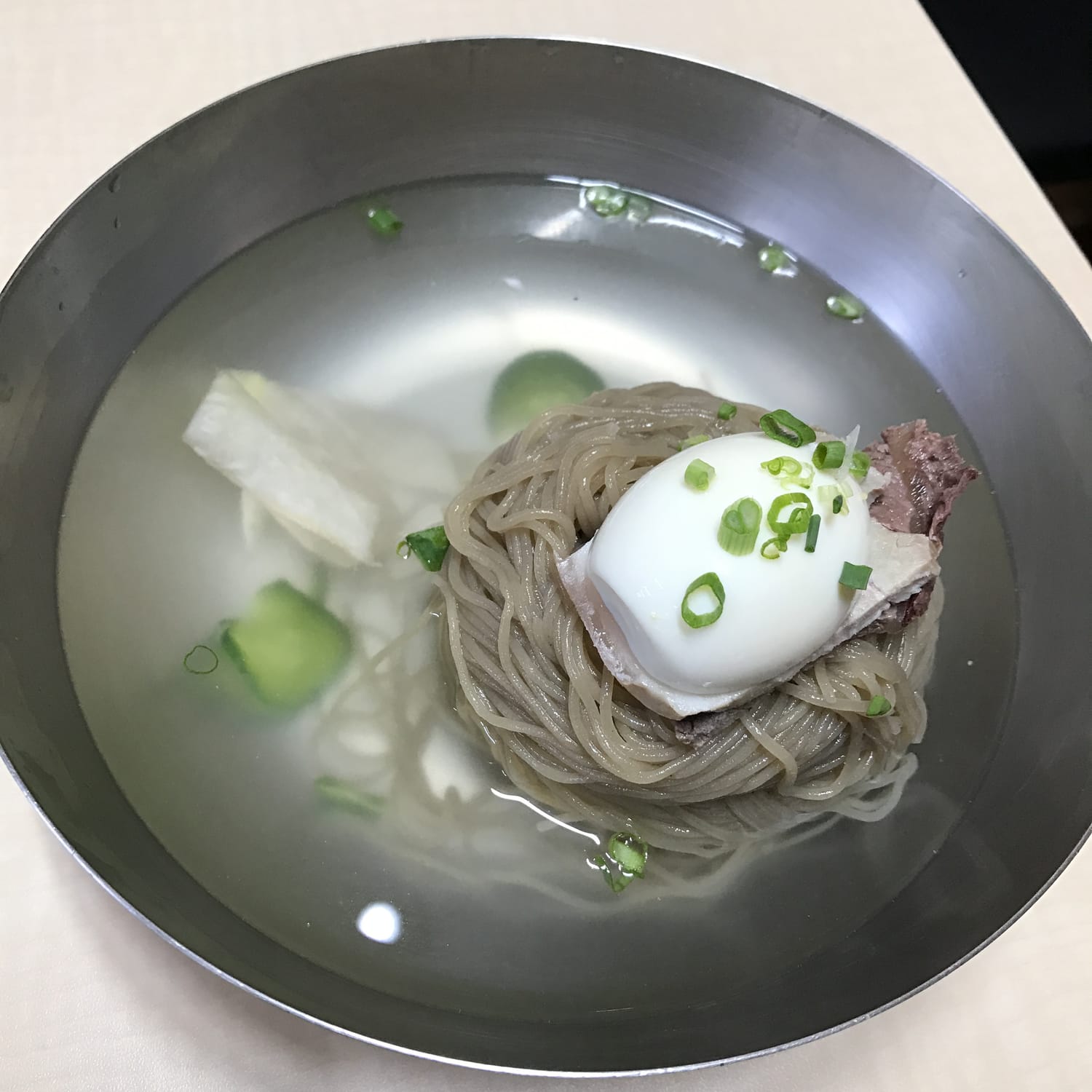
The One Korean Food Foreigners Never Learn to Love: Hamheung Naengmyeon, and Why Koreans Can't See the Problem
Foreigners who eat cheonggukjang and even hongeo still will not pay for this twice. A Korean creator who fed foreigners for years says naengmyeon was the overwhelming number one refusal, and Koreans, who rank it first every summer, cannot see why.