Famous Koreans Beyond BTS: Nine Artists the World Has Followed for 30 to 70 Years
Last updated: September 2026
Ask a Korean who the most famous Koreans in the world are and the list starts the same way every time: BTS, then Son Heung-min, then Bong Joon-ho. Then a pause. It is a good list, and it is also a list of one kind of fame. BTS is famous the way weather is famous; the music plays in shops in Lima and Lagos whether anyone chose it or not. Son Heung-min is famous to people who watch football, which is most of the world and also not all of it. Bong Joon-ho was a respected director for twenty years and then became a household name in one night in February 2020.
There is a second kind of famous Korean, and this post is about them. These are people who have been the standard in a specialist field for thirty, forty, in one case almost seventy years, whose names are institutions in Milan or Berlin or Paris, and who most Koreans respect without ever seeing on television. They did not go viral. They did not win an Olympic medal and then spend a decade in commercials. They kept a career going on foreign stages for longer than BTS's members have been alive, and they did it on a Korean passport.
The soprano Sumi Jo (조수미) is celebrating her 40th year on the world stage this autumn with a recital at the Seoul Arts Center on 4 September and a tour of more than twenty Korean cities. That anniversary is the reason for this post. It made us ask a simple question: who else has been doing this for decades, in a category that is niche at home and big abroad? Here are nine answers, with the dates that prove it and the places where you can hear or see them in the next year.
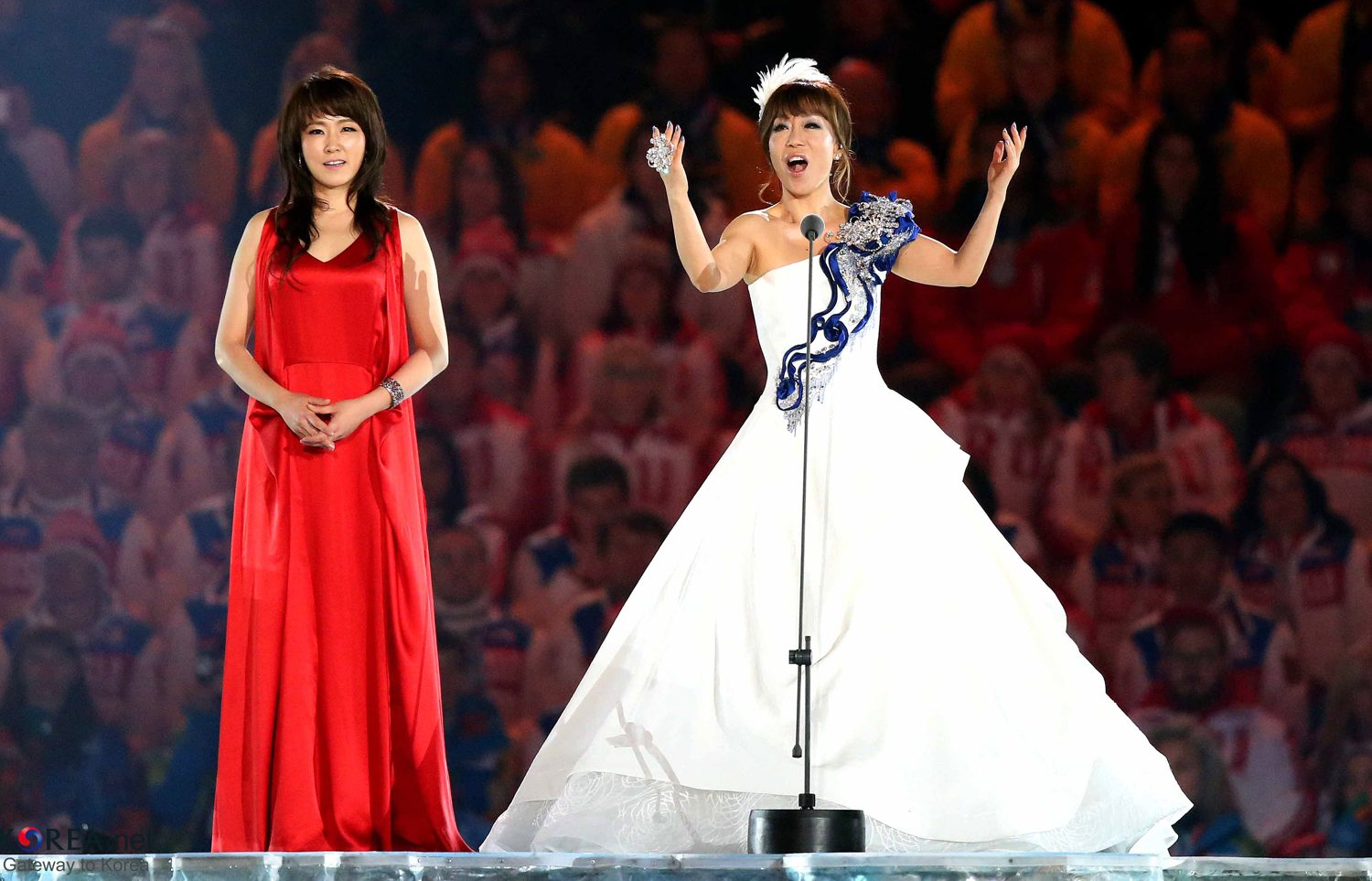
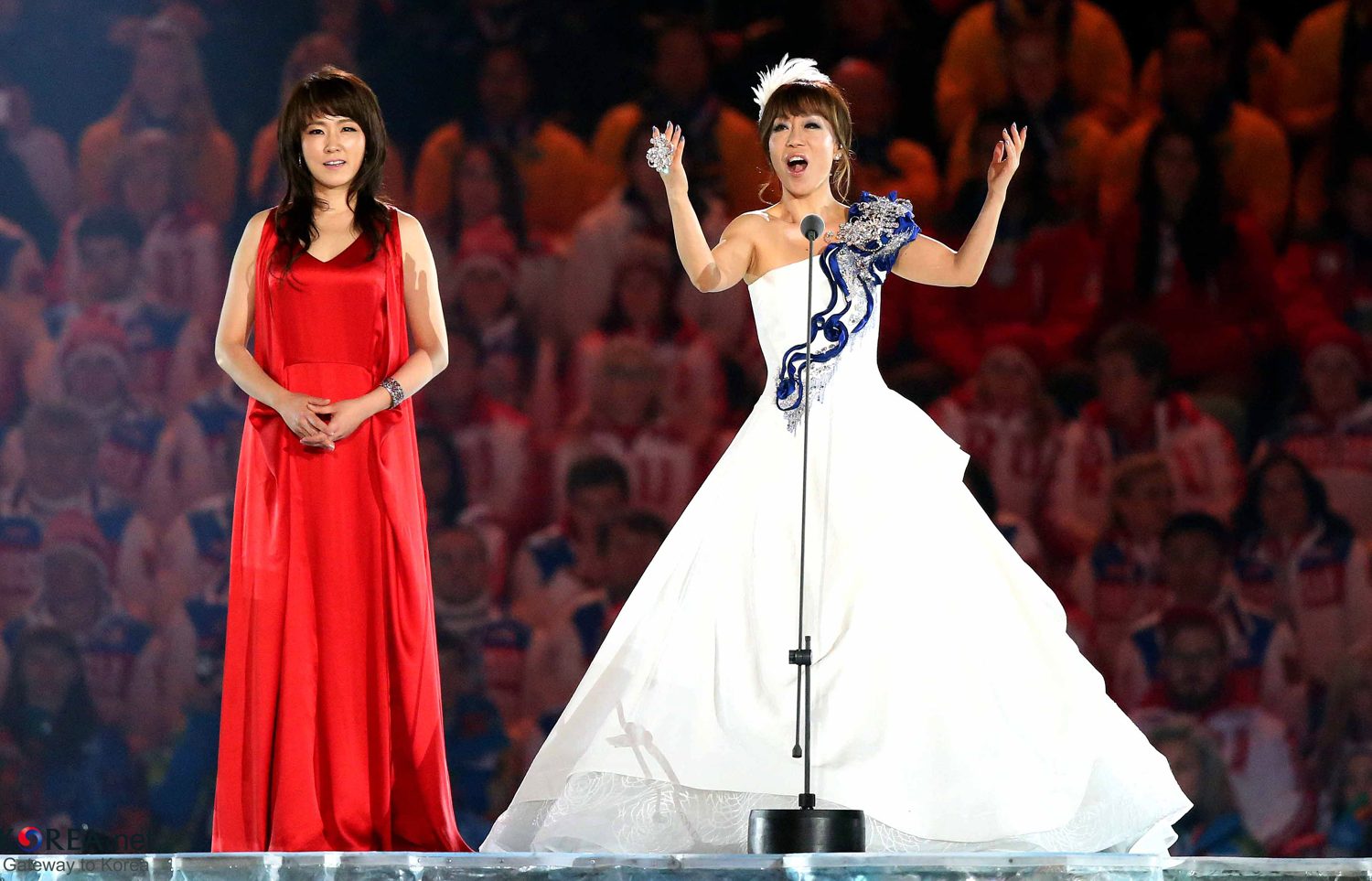
Two of the nine on one stage: soprano Sumi Jo and jazz singer Youn Sun Nah at the Sochi 2014 Winter Olympics closing ceremony, during the handover to PyeongChang. Photo: Korean Culture and Information Service (KOCIS), CC BY-SA 2.0.
Start here if you want one album: Youn Sun Nah's Lento went gold in both Germany and France, which almost no Korean record has done. As an Amazon Associate, EpicKor earns from qualifying purchases.
Quick Guide: the nine, at a glance
Two rules kept the list honest. Everyone here holds a Korean passport, which rules out Korean-American musicians like Sarah Chang and the late Nam June Paik, who took US citizenship. And everyone here built their reputation over decades of work rather than one event, which rules out Olympic champions and one-night Oscar winners, however deserved their fame.
| Who | Field | On the world stage since | The credential | Where to catch them next |
|---|---|---|---|---|
| Sumi Jo (조수미), b. 1962 | Coloratura soprano | 1986, Trieste | Cast by Karajan; Grammy 1993; Oscar-nominated song 2016 | 40th-anniversary world tour through December 2026 |
| Myung-whun Chung (정명훈), b. 1953 | Conductor | 1974, Moscow | Music director of La Scala from 2027, first Asian ever | La Scala 2026-27 season opener, Verdi's Otello |
| Kyung-wha Chung (정경화), b. 1948 | Violinist | 1967, New York | Leventritt Prize; a Decca artist for four decades | Recitals in Korea; Juilliard faculty |
| Kun-woo Paik (백건우), b. 1946 | Pianist | 1956, Seoul (age 10) | Naumburg 1971; full Beethoven sonatas on Decca | Turns 80 in 2026; recitals in Korea and France |
| Unsuk Chin (진은숙), b. 1961 | Composer | 1985, Hamburg | Grawemeyer 2004; Ernst von Siemens Prize 2024 | Tongyeong International Music Festival each spring |
| Kang Sue-jin (강수진), b. 1967 | Ballet | 1986, Stuttgart | Benois de la Danse 1999; Germany's Kammertänzerin 2007 | Left the Korea National Ballet in April 2026; juries and mentoring |
| Youn Sun Nah (나윤선), b. 1969 | Jazz voice | 1995, Paris | Officier des Arts et des Lettres; gold records in France and Germany | Touring the 2026 album Lost Pieces |
| Kim Duk-soo (김덕수), b. 1952 | Samulnori percussion | 1957, age 5 | Co-founded samulnori in 1978; toured five continents since 1982 | Korea-Japan Festival, Seoul, 2026 |
| Do Ho Suh (서도호), b. 1962 | Installation art | 1997, New York | Venice Biennale 2001; Tate Modern survey 2025 | Lehmann Maupin and Victoria Miro exhibitions; London-based |
Sumi Jo: forty years since Trieste
Sumi Jo (조수미, born 1962 in Changwon) made her professional debut in 1986 as Gilda in Verdi's Rigoletto at the Teatro Comunale in Trieste. Within three years Herbert von Karajan had cast her as Oscar in Un ballo in maschera for the Salzburg Festival and recorded the role with her for Deutsche Grammophon, one of his last recordings before his death in July 1989. In 1993 she won the Grammy for Best Opera Recording for Georg Solti's Die Frau ohne Schatten with the Vienna Philharmonic. In 1994 she became the first artist to record the original 1912 version of Zerbinetta's aria from Strauss's Ariadne auf Naxos, a piece so punishing that Strauss himself cut it down in 1916 and nobody had put the full thing on record since.
That is the kind of résumé that is famous in one room and invisible in the next. Opera houses in Vienna, Milan, New York and Paris knew exactly who she was for the whole of the 1990s and 2000s. Most people outside that world first heard her voice in 2015, in Paolo Sorrentino's film Youth, singing David Lang's "Simple Song #3" over the closing scene. The song was nominated for the Academy Award for Best Original Song, and she was in the room at the ceremony.
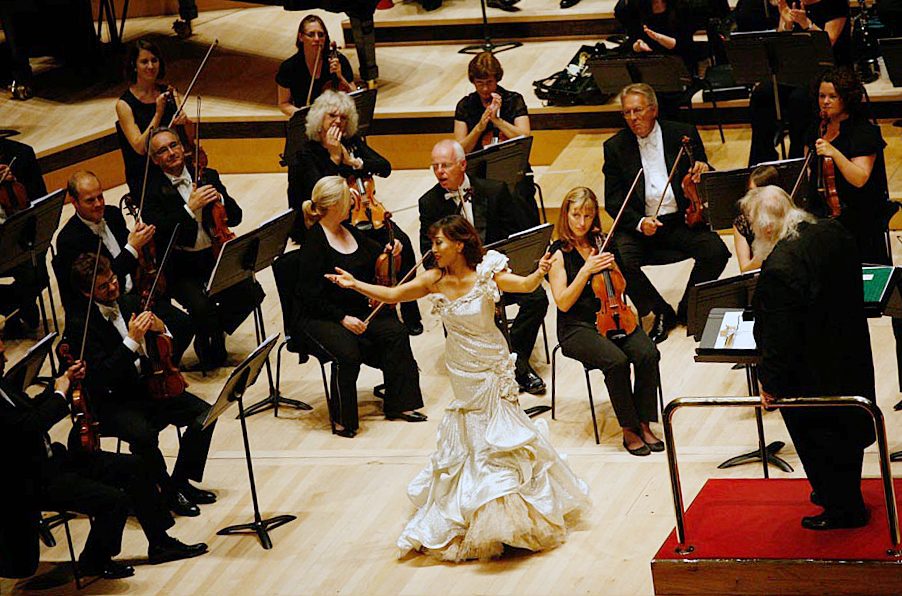
Sumi Jo at the "Korea Classic" concert in London, July 2012, staged for the Olympic year. Photo: KOCIS, CC BY-SA 2.0.
Her 40th anniversary year has been busy in a way that tells you something about where her audience is. The commemorative album CONTINUUM came out on 8 May 2026 with eleven tracks, ten of them new pieces by Korean composers. A Paris concert on 10 June, a Carnegie Hall date in March, and then a Korean tour of more than twenty cities including Seoul, Busan, Daegu, Gwangju, Gyeongju and Yeosu, running to December. In between she was made a Commandeur of France's Ordre des Arts et des Lettres in 2025 and received the Ho-Am Prize in the Arts in 2026, the Samsung-funded award that Korea treats as its most serious. In 2024 she founded the Sumi Jo International Vocal Competition, held in a château in central France, and its second edition took place this July.
She told the Munhwa Ilbo in 2026 that the forty years "passed like a midsummer night's dream" and that she plans to keep working to support young singers. She has lived in Italy for most of her career. Ask a Korean in their thirties what they know about her and you will usually get a face of respect and not a single title of anything she has recorded. That is not a criticism of them. It is the point of this list.
Sumi Jo, Only Love — the album that made her a crossover name A two-disc set of musical-theatre and film songs in a coloratura voice, recorded in 2000 with Ettore Stratta. It is the record Koreans of a certain age own, and the easiest way into her voice if opera arias feel like a wall. As an Amazon Associate, EpicKor earns from qualifying purchases.
See Only Love on AmazonMyung-whun Chung: the man La Scala chose
If you follow opera at all, the biggest Korean story of 2025 was not a K-pop chart. On 12 May 2025 the Teatro alla Scala in Milan announced that Myung-whun Chung (정명훈, born 1953 in Seoul) would become its music director from 2027, taking over from Riccardo Chailly. La Scala opened in 1778. In the roughly 250 years since, the post had never gone to an Asian, and the Korean press reported it as the first time it had gone to a non-Italian music director at all. Korean outlets noted that as a guest he had already conducted more performances there than any other conductor who was not on staff.
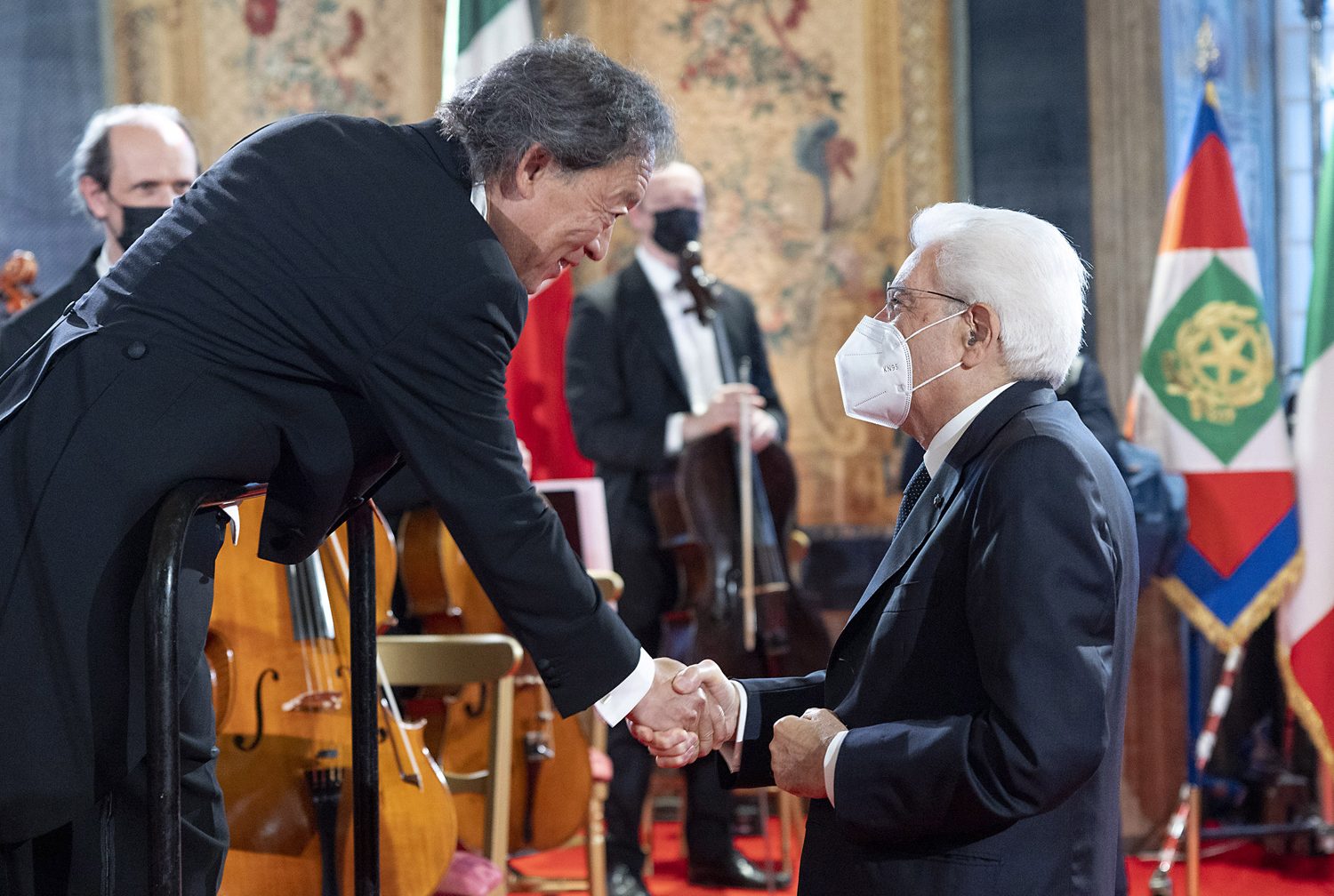
Chung greets Italian President Sergio Mattarella after conducting the La Fenice orchestra at the Quirinale for the 76th anniversary of the Italian Republic, 1 June 2022. Photo: Presidenza della Repubblica (Quirinale), attribution licence.
The appointment was the end of a long road rather than the start of one. Chung came to attention as a pianist, sharing second prize at the 1974 Tchaikovsky Competition in Moscow at twenty-one. He then switched to the podium and, in 1989, was handed the music directorship of the brand-new Opéra Bastille in Paris, a job so politically exposed that its first appointee, Daniel Barenboim, had been fired before opening night. Chung held it until 1994, won Italy's Premio Abbiati in 1988 and France's Légion d'honneur in 1992, ran the Orchestre Philharmonique de Radio France from 2000 to 2015, and built the Seoul Philharmonic into a touring orchestra during the same decade. He has since been honorary music director of the Tokyo Philharmonic and the first principal guest conductor of the Staatskapelle Dresden.
The Korean angle worth knowing: the Hankook Ilbo reported in June 2026 that his La Scala contract runs 2027 to 2030, that he opens the 2026-27 season with Verdi's Otello, and that a planned La Scala tour to Busan had already become a budget fight in Busan city politics. In Italy he is the maestro who got the most conservative opera house in Europe to say yes. In Korea he is the reason a city council is arguing about money. Both are true at once.
Kyung-wha Chung: the sister who went first
Before her brother conducted anything, Kyung-wha Chung (정경화, born 1948 in Seoul) was the most famous Korean musician in the world, and she held that title for about twenty years. She went to Juilliard at thirteen to study with Ivan Galamian and in 1967, at nineteen, shared the Leventritt Prize with Pinchas Zukerman, the first time in the competition's history that the judges could not separate two players. In 1970 she replaced an indisposed Itzhak Perlman with the London Symphony Orchestra under André Previn, and the recording of the Tchaikovsky and Sibelius concertos that followed became one of Decca's best-known violin records.
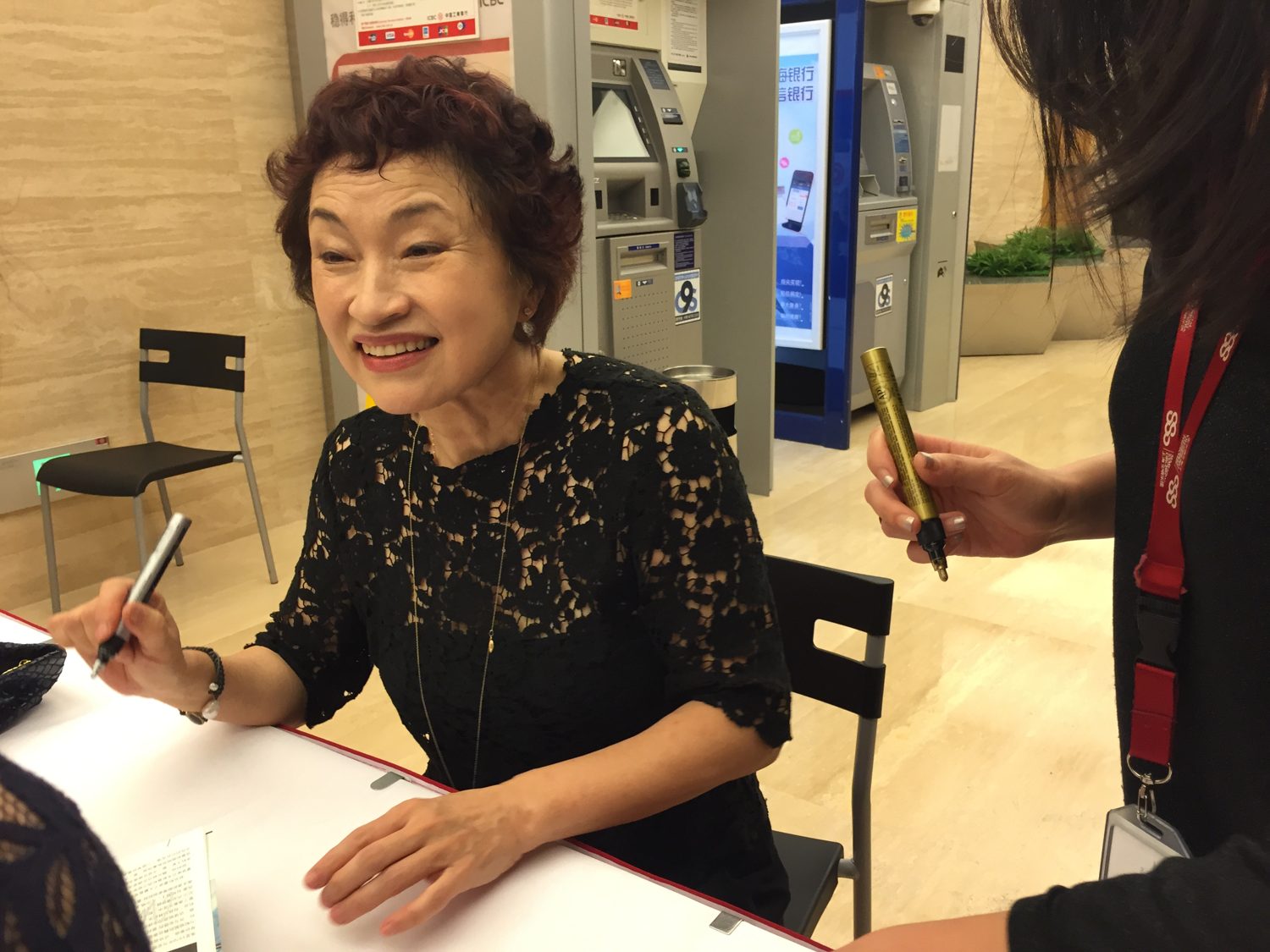
Kyung-wha Chung signing after a concert with the Singapore Symphony Orchestra, October 2015. Photo: N509FZ, CC BY-SA 4.0, via Wikimedia Commons.
She recorded for Decca for four decades, took a Gramophone Award for chamber recordings with Krystian Zimerman, and formed the Chung Trio with her siblings Myung-wha (cello) and Myung-whun (piano). A finger injury took her off the stage in 2008; she came back at London's Royal Festival Hall in December 2014, joined the Juilliard faculty in 2007, and was given the Ho-Am Prize in 2011 for a forty-year career. In an interview published on 1 September 2026 she described having come through a five-year layoff from a hand injury and was still talking about the next recital. She is seventy-eight.
If you want her on record, start with her Decca Tchaikovsky and Mendelssohn violin concertos; the career boxes — the Decca set and the Warner set of the EMI years — are out of print and expensive when they surface.
Kun-woo Paik: seventy years at the piano
Kun-woo Paik (백건우, born 1946 in Seoul) gave his first concert at ten, playing the Grieg concerto with Korea's national orchestra in 1956. He won the Naumburg Competition in New York in 1971, was a laureate of the Busoni in Italy, and in 1974 moved to Paris, where he has lived ever since with his wife, the actress Yoon Jeong-hee, who died in 2023. French critics adopted him early: a run of Diapason d'Or awards in the early 1990s for Scriabin, Prokofiev and Ravel, the complete Prokofiev concertos for RCA in 1994, and the Chevalier des Arts et des Lettres in 2000. His complete Beethoven sonatas for Decca (2005 to 2007) are the recordings Korean piano students are told to listen to.
He turned eighty in 2026, which also makes it the seventieth anniversary of that Grieg concerto. He still gives recitals in Korea most years, usually at the Seoul Arts Center, and the programmes have got quieter and stranger with age: late Schubert, late Brahms, the Beethoven that nobody plays as an encore.
Unsuk Chin: the composer Germany calls its own
Unsuk Chin (진은숙, born 1961 in Seoul) is the least famous name on this list to a general audience and the most famous to the people who decide such things. She studied at Seoul National University, then with György Ligeti in Hamburg from 1985 to 1988, and has been based in Berlin since. Her Violin Concerto won the Grawemeyer Award in 2004, the closest thing composition has to a Nobel. Her opera Alice in Wonderland opened at the Bavarian State Opera in Munich in 2007 under Kent Nagano and was named premiere of the year by the German magazine Opernwelt. The Wihuri Sibelius Prize followed in 2017, the Kravis Prize in 2018, and in May 2024 the Ernst von Siemens Music Prize, worth 250,000 euros and generally described in the trade as the Nobel of music, was handed to her in Munich.
She has never had a hit and never will; that is not what contemporary composition is for. What she has is the thing this list measures: the Berlin Philharmonic, the Los Angeles Philharmonic and the London Symphony have all commissioned her, over four decades, without pause. Her one large public role in Korea is artistic director of the Tongyeong International Music Festival, which she has run since 2022 and which is the best week in the year to hear new music in Korea. It falls in late March or early April, in a small harbour city on the south coast that is otherwise known for oysters.
The Munich Alice in Wonderland production is on Blu-ray with Achim Freyer's puppet-theatre staging, and it is the rare modern opera that works on a screen.
Kang Sue-jin: thirty years in Stuttgart
Kang Sue-jin (강수진, born 1967 in Seoul) went to Monaco as a teenager to train with Marika Besobrasova, won the Prix de Lausanne scholarship in 1985, and in 1986 joined the Stuttgart Ballet, at the time one of the three or four companies in the world that mattered, as its first and youngest Asian dancer. Soloist in 1994, principal in 1997, and in 1999 the Prix Benois de la Danse, ballet's equivalent of a best-actress Oscar, for her Marguerite in Lady of the Camellias. In 2007 the state of Baden-Württemberg made her a Kammertänzerin, a court title Germany hands to perhaps one dancer a decade.
She danced her farewell on 22 July 2016 in John Cranko's Onegin, thirty years to the season after she arrived, having been granted the rare status of a lifetime member who could stay on stage as long as she chose. Korean coverage of that night ran under the headline "a beautiful exit"; German coverage treated it as the end of an era for the company. Koreans know her mostly from a photograph of her feet, taken in the 2000s, that circulates online every time someone needs a picture of what thirty years of pointe work does to a body.
She came home to run the Korea National Ballet as artistic director from 2014, and finished that job on 2 April 2026 after twelve years, telling reporters she wanted to put down the weight of the post and mentor students who cannot afford training. There is no free photograph of her that we can use, which is its own small proof of the thesis: a dancer that celebrated in Germany, and the public record in her own country is almost all agency images.
Youn Sun Nah: bigger in France than in Seoul
Youn Sun Nah (나윤선, born 1969 in Seoul) went to Paris in 1995 to study jazz and chanson, and the country adopted her. She signed to the German jazz label ACT in 2008; her album Lento (2013) charted at number 14 in France and went gold in both France and Germany, something Korean records simply do not do. France made her a Chevalier of the Ordre des Arts et des Lettres in 2009 and promoted her to Officier in 2019. Germany's ECHO Jazz named her best international female singer in 2011. Her tenth album, Immersion (2019), moved her to Warner; Elles followed in 2024, and Lost Pieces in 2026.
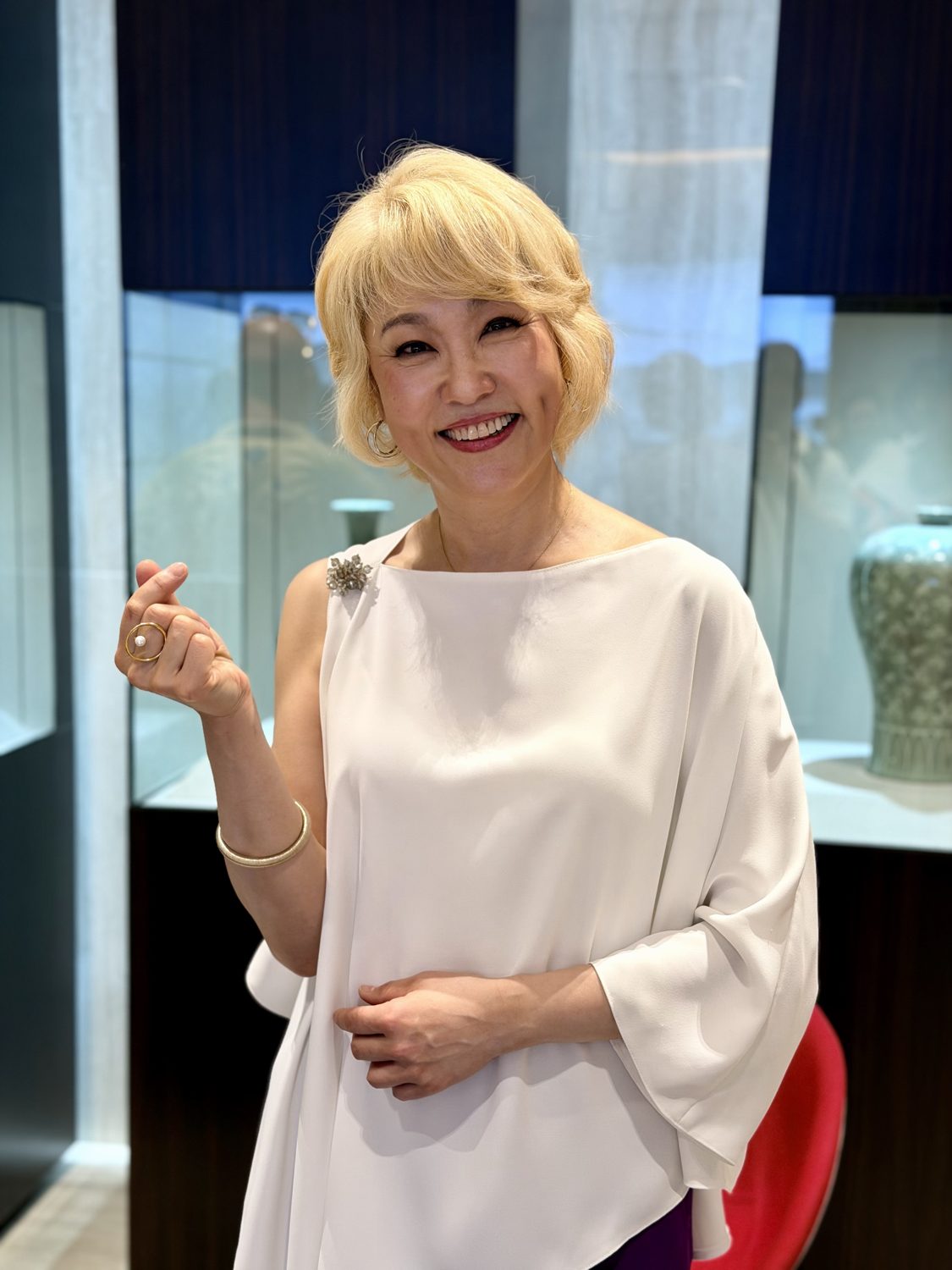
Youn Sun Nah after a concert at the Korean Cultural Center in Budapest, 29 June 2026. Photo: Tomzorz, CC BY-SA 4.0, via Wikimedia Commons.
The moment most Koreans saw her was the Sochi 2014 closing ceremony, standing beside Sumi Jo at the PyeongChang handover, and many assumed she was a classical singer. She is nothing of the kind; the show is a voice that goes from a whisper to a scream in a bar, over a kalimba, or a music box, or a single guitar. Jazz clubs in Korea are small and few. Jazz festivals in France are a national industry. She followed the audience, and the audience made her a star.
Kim Duk-soo: the drummer who invented a genre
Everyone else on this list went abroad to join a tradition. Kim Duk-soo (김덕수, born 1952 in Daejeon) took a Korean tradition abroad and made the world treat it as a concert form. He was on stage at five, as a child drummer and acrobat in a namsadang travelling troupe, and at seven was the youngest person ever to win the President's Award at the 1959 National Folk Music Contest. In February 1978, at Space Theatre in Seoul, he and three colleagues put the four percussion instruments of village farmers' music on an indoor stage and called it samulnori, "four things playing." The name did not exist before that night. It is now a dictionary word.
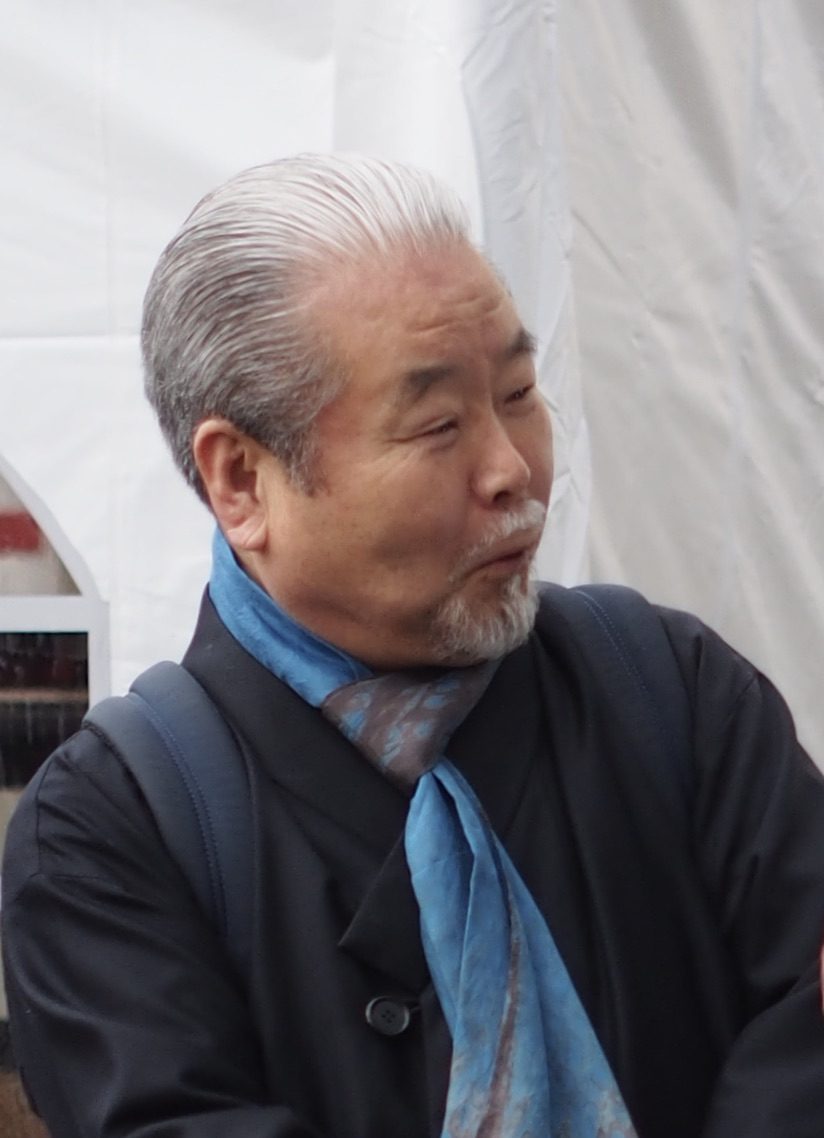
Kim Duk-soo at the 60th-anniversary celebration of the Théâtre du Soleil, Cartoucherie de Vincennes, Paris, 26 May 2024. Photo: Wikinade, CC BY-SA 4.0, via Wikimedia Commons.
The group played Japan in 1982 and Disney's Epcot Center the same year, toured Europe from 1985, and built a following among percussionists and jazz musicians who had never heard a janggu before. After the original quartet split in 1993 he founded the larger ensemble Hanullim, became a founding professor at the Korea National University of Arts, and kept touring: the Théâtre du Soleil invited him to its sixtieth-anniversary celebration in Paris in 2024, and he is billed at the Korea-Japan Festival in Seoul in 2026. He holds Japan's Fukuoka Arts and Culture Prize and Korea's Order of Cultural Merit. Koreans know his face; they rarely know that "samulnori" is a brand he had to build one overseas festival at a time.
Do Ho Suh: the house that travels
Do Ho Suh (서도호, born 1962 in Seoul) is the son of the ink painter Suh Se-ok, trained in Oriental painting at Seoul National University, and then left for the United States in 1991 to start again: a second bachelor's degree at RISD in 1994 and an MFA at Yale in 1997. His breakthrough, Seoul Home/L.A. Home (1999), was a full-size replica of his childhood hanok sewn in translucent silk and hung from a gallery ceiling, a house you could fold into a suitcase. Korea sent him to the Venice Biennale in 2001. He moved from New York to London in 2010 and has stayed.
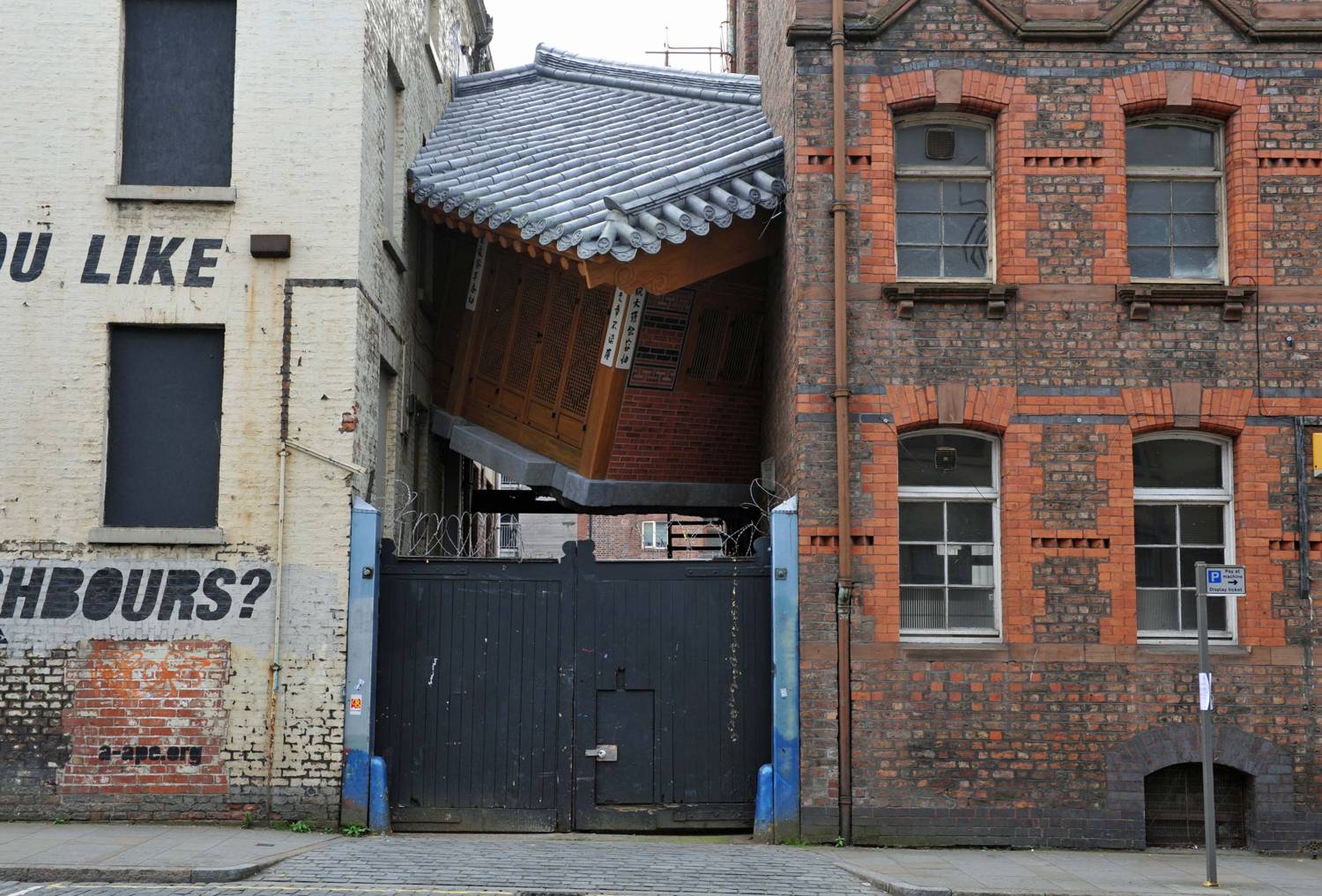
Bridging Home (2010), a hanok jammed between two terraces on Duke Street, Liverpool, for the Liverpool Biennial. Photo: CC BY 2.0, via Wikimedia Commons.
The Tate Modern gave him a full survey, Walk the House, from 1 May to 19 October 2025, his first London solo show in more than twenty years, built around a new work, Nest/s, that stitches together eight rooms from the homes he has lived in. The title is a translation of a Korean phrase about hanok, which can be taken apart and rebuilt somewhere else. Reviews in the New York Review of Books and the Brooklyn Rail followed. He received the Ho-Am Prize in 2017. If you want to see one of his fabric houses, the reliable way is to look up his gallery schedule; like the others here, he is shown far more often abroad than at home.
A note on painters: Korea's most valuable living painter, Lee Ufan (이우환, born 1936), belongs on this list on every criterion, with museums named after him in Japan and France. We have already written him up at length in our guide to Korean modern art, so we will point you there rather than repeat it.
Why Korea barely advertises them
None of this is a secret in Korea. Every person above has been on the evening news. What they do not have is the machine that makes someone a celebrity here, which runs on television variety shows, commercials and the entertainment press, and which does not cover opera, jazz, ballet or contemporary composition because almost nobody watches it. A Korean idol group does not become famous by selling records; it becomes famous by being on screen. These artists are on stage in Milan.
There is a second reason. Most of them live abroad, and have for decades: Sumi Jo in Italy, Kun-woo Paik in Paris since 1974, Unsuk Chin in Berlin since 1985, Youn Sun Nah in Paris, Do Ho Suh in London, Kang Sue-jin in Stuttgart for thirty years. The Korean state honours them, with the Ho-Am Prize, the Order of Cultural Merit, a place at the Olympic ceremony, but the daily culture does not see them. Korean media coverage of the La Scala appointment spent as much time on whether Busan should pay for a tour as on the appointment itself.
So the perception gap runs both ways. Foreigners assume Korean fame is BTS. Koreans assume foreigners have never heard of anyone else. In the rooms that matter to each of these nine, the second assumption is wrong.
How to actually hear them
This is the useful part. All nine are working now, and most of them are easier to see in Korea in the next twelve months than they have been in years.
| Artist | What to do in 2026-27 | Where to start on record |
|---|---|---|
| Sumi Jo | Anniversary tour to December 2026 across twenty-plus Korean cities; tickets via Interpark (NOL Ticket) | CONTINUUM (2026) for the new pieces; Only Love for the crossover songs |
| Myung-whun Chung | La Scala season opener, Verdi's Otello, December 2026; music director from 2027 | His Messiaen Turangalîla with the Bastille orchestra |
| Kyung-wha Chung | Watch the Seoul Arts Center listings; she gives one or two Korean recitals a year | Tchaikovsky and Sibelius concertos with Previn (Decca) |
| Kun-woo Paik | Eightieth-birthday recitals in Korea, 2026 | Beethoven sonatas (Decca) |
| Unsuk Chin | Tongyeong International Music Festival, late March to early April | Alice in Wonderland on Blu-ray; the Violin Concerto with Viviane Hagner |
| Kang Sue-jin | No longer dancing; watch for masterclasses and jury appearances | The Stuttgart Ballet's Lady of the Camellias on DVD |
| Youn Sun Nah | Touring Lost Pieces in Europe and Korea, 2026 | Lento (2013) |
| Kim Duk-soo | Korea-Japan Festival, Seoul, 2026; Hanullim performances in Seoul | Any early SamulNori recording; the live ones beat the studio |
| Do Ho Suh | Check Lehmann Maupin (Seoul, New York) and Victoria Miro (London) schedules | The Tate Walk the House catalogue |
You might like: Why Koreans Seem Cold to Foreigners: The Gap Between How Korea Sees Itself and How You See It
Two practical notes. Korean classical tickets are cheap by European standards: Sumi Jo's 40th-anniversary recital at the Seoul Arts Center on 4 September 2026 was priced ₩100,000 to ₩160,000 (B to R seats), and an ordinary recital by the other musicians here usually runs ₩40,000 to ₩120,000. The venue is on the Seoul Metro's Line 3 at Nambu Bus Terminal Station, exit 5, a ten-minute walk. Foreigners can buy on Interpark's English site (NOL Ticket) with an overseas card; bring the card and your passport to the box office to collect.
Kyung-wha Chung: Tchaikovsky and Mendelssohn Violin Concertos (Decca) — the record to own The two concertos that made her name with Decca, on one disc. Her complete boxes, Decca and Warner, are out of print and resell for several times their original price; this is the single disc that is still in stock. As an Amazon Associate, EpicKor earns from qualifying purchases.
See the Decca concertos on AmazonThe next nine are already ten years in
The same path is being walked right now by a younger generation, and they are far enough along that the pattern is visible. Cho Seong-jin (조성진) won the Chopin Competition in Warsaw in 2015, the first Korean to do so, and has recorded for Deutsche Grammophon since. Yunchan Lim (임윤찬) won the Van Cliburn in 2022 at eighteen. Park Sae-eun (박세은) was named an étoile of the Paris Opera Ballet in 2021, the first Asian dancer to reach the company's top rank; Kim Kimin (김기민) has been a principal at the Mariinsky in St Petersburg since 2015. Ten years from now the "famous Koreans" list will still start with whoever is on the charts, and these names will be on the second page, where the people who run the world's concert halls read first.
FAQ
Q: Are these people actually famous, or just respected? In their fields, famous. Sumi Jo's name sells out opera houses; Myung-whun Chung was chosen to run the most famous opera house in the world; Youn Sun Nah has gold records in two countries. Outside their fields, respected but unknown, which is true of every classical or jazz musician on earth. The point of the list is that the fields are big, the careers are long, and the passports are Korean.
Q: Why did you leave out Bong Joon-ho, Son Heung-min and Kim Yuna? Not because they are less accomplished. Bong Joon-ho and Kim Yuna became globally known through single events, the 2020 Oscars and the 2010 Olympics, and Son Heung-min through a sport that is itself the most famous thing on earth. This list is about slow fame in niche fields. Both kinds count.
Q: Why no Korean-Americans, like Sarah Chang or Nam June Paik? We used citizenship as the rule. Sarah Chang was born in Philadelphia; Nam June Paik became a US citizen and died in 2006. That is not a judgement about who is "really" Korean, only a way to keep the list to people the Korean state itself claims and the Korean passport office issues documents to.
Q: Which one should I actually listen to first? If you like film music, Sumi Jo's Only Love or the Youth soundtrack. If you like jazz, Youn Sun Nah's Lento. If you like orchestral music, Kyung-wha Chung's Tchaikovsky with Previn. If you want to be surprised, Unsuk Chin's Alice, and give it twenty minutes before deciding.
Q: Can I see any of them in Korea as a tourist? Yes, more easily than abroad in most cases. Sumi Jo's tour runs to December 2026; the Tongyeong festival is every spring; Kun-woo Paik and Kyung-wha Chung play the Seoul Arts Center most years. Interpark's English site sells tickets to overseas cards.
Bottom Line
BTS is the loudest thing Korea has ever exported. It is not the longest. Sumi Jo has been singing on the world's stages for forty years, Kyung-wha Chung for almost sixty, Kun-woo Paik for seventy, and in 2027 a Korean will run La Scala. None of them went viral. All of them are still working. If you want to know what Korean culture looks like when nobody is filming it for a variety show, these nine are where to look, and this autumn is a good time to start.
You might like: Korean Modern Art: The Painters Whose Work Now Sells for Millions and Why Do Koreans Seem Cold at First? The Jeong Paradox.
Sources
- Munhwa Ilbo, interview with Sumi Jo on her 40th anniversary, 2026; Asia Business Daily on CONTINUUM (8 May 2026); Seoul Arts Center listings for 4 and 8 September 2026.
- Kyunghyang Shinmun, Financial News and Hankook Ilbo on Myung-whun Chung's La Scala appointment (12 May 2025) and contract terms (June 2026).
- Kyunghyang Shinmun on Kang Sue-jin's farewell Onegin (July 2016); Yonhap/Daum on the end of her Korea National Ballet tenure (April 2026).
- Ernst von Siemens Musikstiftung, 2024 prize announcement; Boosey & Hawkes composer page for Unsuk Chin.
- ACT Music and Warner discographies for Youn Sun Nah; French Ministry of Culture honours lists.
- Tate Modern press release, The Genesis Exhibition: Do Ho Suh: Walk the House (2025).
- Encyclopedia of Korean Culture (한국민족문화대백과) and Korea National University of Arts on Kim Duk-soo and samulnori.
- Wikipedia and Wikimedia Commons file pages for dates, honours and image licences; cross-checked against the Korean-language sources above.
You Might Also Like
Christmas in Korea 2026: Is 25 December a Holiday, What Is Open, and What a Christmas Cake, Hotel Buffet and Night Out Cost
Christmas in Korea 2026 is Friday 25 December, a public holiday: banks and post offices shut, palaces and department stores open. What 2025 cost: a ₩39,000 Paris Baguette cake, ₩225,000 hotel buffets and a ₩500,000 Shilla cake.
Flat Tax for Foreigners in Korea: 19% Becomes 21% in 2027 (Proposed), the New 2029 Deadline and Who Should Still Elect It
Korea's optional flat tax for foreign workers is 19% (20.9% with local tax) on gross pay, no deductions. The 2026 tax revision would make it 21% (23.1%) from January 2027 and let new arrivals use it until 2029. Who gains, who loses, and how to elect.
Korean Bathhouse Prices: What a Mogyoktang Costs in Every Region
A Korean neighbourhood bathhouse (mogyoktang) now costs ₩11,000 in Seoul, the highest in Korea, and ₩8,100 in Gwangju. Government prices for September 2026 by region, what the ticket covers, scrub prices, the age-4 rule and how to use one.