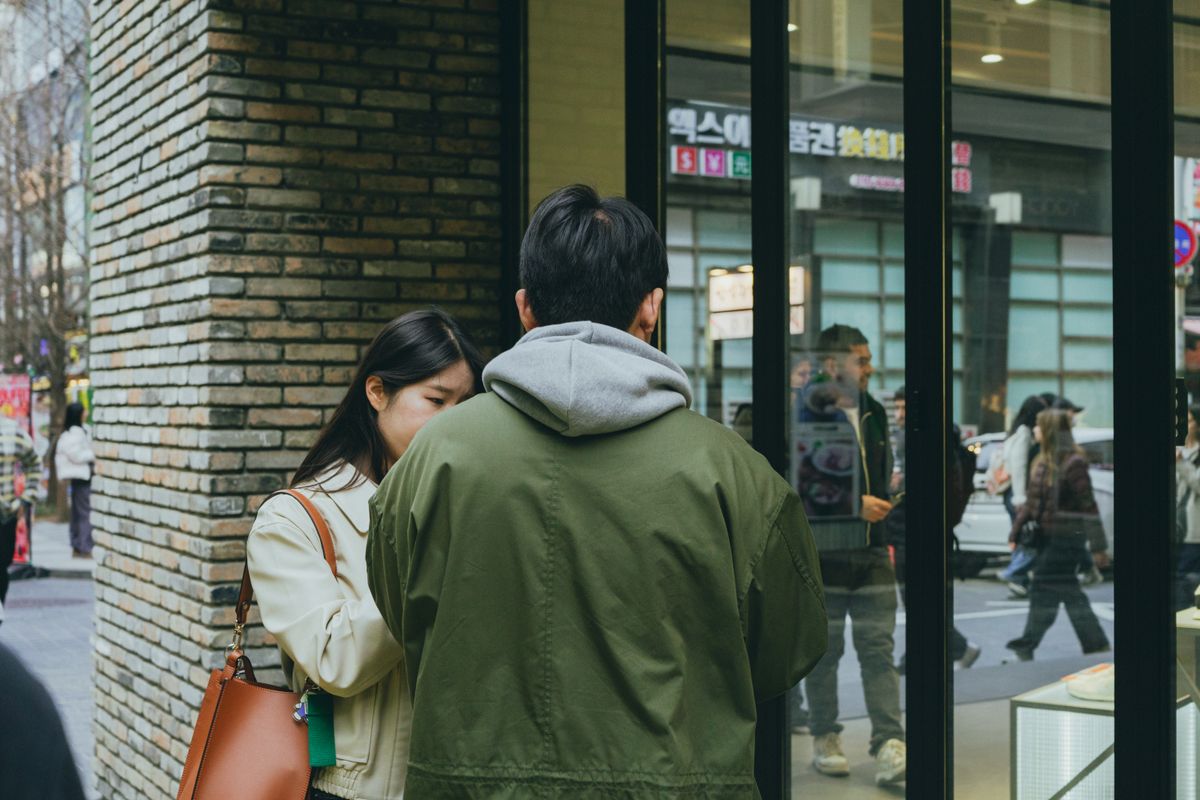
What to Call a Stranger in Korea: Jeogiyo, Sajangnim, Imo
What do you call a stranger in Korea when you do not know their name?
In English you say "excuse me" and the problem is solved. Korean does not work that way. The language largely avoids using names for people you do not know well, and it does not have a neutral all-purpose word for "you" that you can safely say to an adult. So Korean fills the gap with relationship and role words — aunt, boss, driver, older brother — used toward people who are none of those things.
That is why a simple thing like flagging down a waiter becomes a decision. Choose the wrong word and you have implied someone's age, your closeness to them, or both.
The good news is that the practical answer is short, and most travelers only need three words.
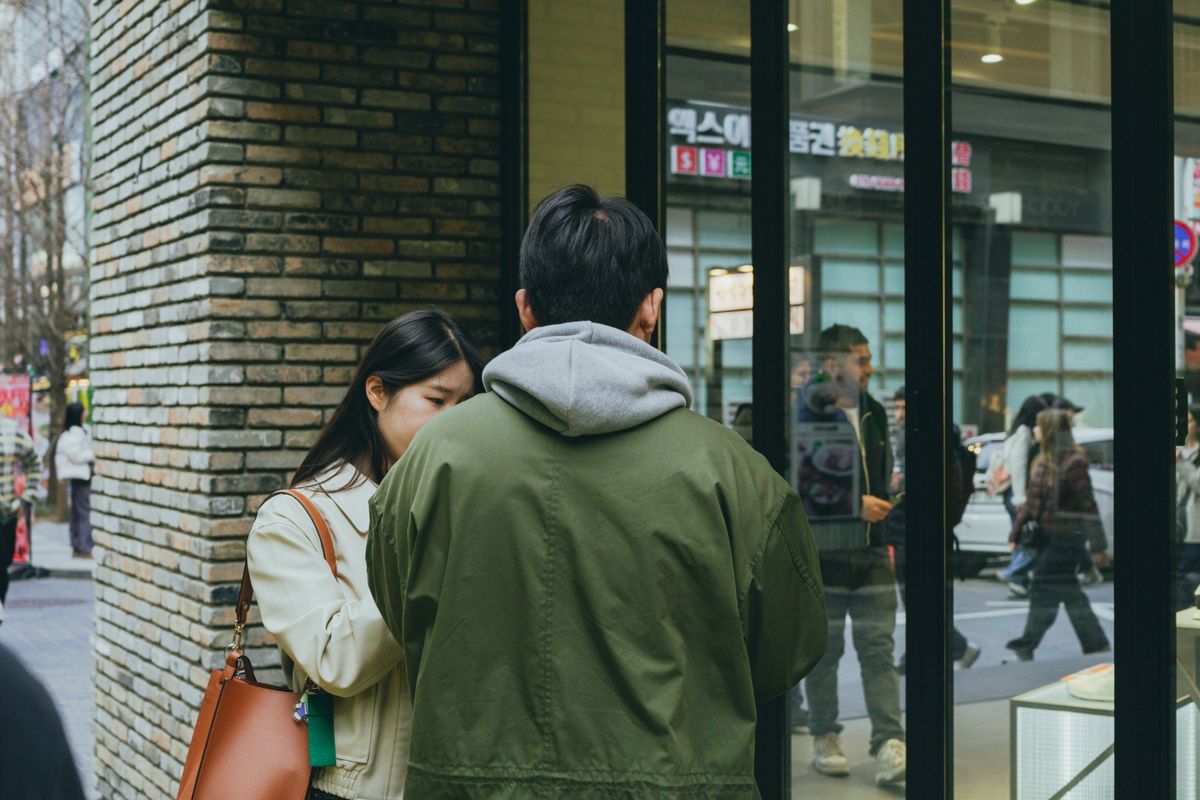
The One Word That Solves 90% of It
You are in a Korean restaurant. You need more water, or the bill, and the server is across the room. You do not know their name and you never will.
Say 저기요 (jeogiyo).
That is it. It means roughly "excuse me / over here," it is polite, it works on staff in restaurants, cafes, shops, and counters, and no Korean will think twice about a foreigner using it. If you learn one address word before your trip, learn this one.
The rest of this guide is about the words Koreans use instead of names — why they exist, which ones are safe for you, and the two you should never shout across a room.
| Situation | Say this | Korean | Safe for foreigners? |
|---|---|---|---|
| Getting any staff member's attention | jeogiyo | 저기요 | Yes — always |
| Speaking to a shop or restaurant owner | sajangnim | 사장님 | Yes — flattering, never wrong |
| Taxi or bus driver | gisanim | 기사님 | Yes |
| General respectful address to an adult | seonsaengnim | 선생님 | Yes, slightly formal |
| Older female restaurant staff, warm register | imo | 이모 | Risky — see below |
| Calling out to a middle-aged man or woman | 아저씨 / 아줌마 | — | No. Do not do this |
Lonely Planet Korean Phrasebook & Dictionary — on AmazonAffiliate link. As an Amazon Associate, EpicKor earns from qualifying purchases at no extra cost to you.
Why 이모 is the one that trips people up
이모 literally means "maternal aunt," and Koreans use it warmly toward older women working in restaurants — especially in casual, family-run places. It sounds affectionate rather than formal.
It is also presumed familiarity, and that is exactly why a foreigner should be careful. From a regular customer it reads as warmth. From a stranger it can read as forced closeness. Use 저기요 or 사장님 until someone else at your table uses 이모 first.
The two words to never use as a shout
아저씨 and 아줌마 are the words most travel content teaches and most Koreans wince at when used this way. They are not slurs — they are age-and-status labels, and calling across a room with one puts a stranger in a box about their age.
That distinction is worth understanding properly, because it is the single most misunderstood thing about Korean address. EpicKor covers it in depth in the ahjussi guide and the ajumma guide.
Short version for right now: to get attention, say 저기요. Never 아저씨, never 아줌마.
Quick Answer: What Do Oppa, Samchon, And Ahjussi Mean?
In very simple terms:
- Oppa means an older brother or older male used by a female speaker, but it can also signal closeness, affection, or fandom.
- Samchon means uncle, but can also feel warm, family-like, or adult-but-not-distant in some contexts.
- Ahjussi means an older adult man or "mister," but it can feel distant, practical, teasing, or rude depending on tone and situation.
The safest tourist rule is this: do not use these words casually for strangers unless you are very sure of the context. Use jeogiyo for "excuse me," job titles where appropriate, or polite sentence endings instead.
For baseline definitions, the National Institute of Korean Language's Korean-English Learners' Dictionary is the safest starting point. For the deeper ahjussi discussion, read EpicKor's Ahjussi meaning in Korean guide. This article expands the comparison so you can avoid turning one word into an accidental social signal.
Why These Words Are So Powerful
Korean relationship words do not only describe people. They describe where you stand in relation to them.
Age matters. Gender matters. Familiarity matters. The speaker matters. The listener's self-image matters too. A man may be technically old enough to be called ahjussi, but that does not mean he wants to hear it from a stranger. A woman may call an older male friend oppa, but that does not mean every older man is available for that term. A child calling someone samchon may sound cute; an adult using it in the wrong setting may sound odd.
This is the part subtitles flatten. They translate a word into "brother," "uncle," or "mister," but the emotional temperature is still Korean.
Oppa: Not Just A K-Drama Word
Oppa is one of the most exported Korean words because K-dramas and K-pop made it famous.
The basic meaning is older brother, used by a female speaker. But in everyday and entertainment contexts, oppa can also suggest closeness, warmth, admiration, flirtation, fandom, or a playful way of placing someone as an older male figure.
That does not mean tourists should throw it around.
Use oppa only when:
- You are a female speaker.
- The man is older than you.
- You have enough closeness for the word.
- The social setting makes it natural.
Avoid oppa when:
- You are speaking to a random waiter, cashier, driver, or staff member.
- You only know the person through a fan context.
- You are using it because a drama made it sound cute.
- You are unsure whether it would feel too intimate.
Samchon: Warmer Than Ahjussi, But Still Contextual
Samchon literally means uncle.
It can refer to your actual uncle. It can also be used by children for an adult man in a warm, family-like way. In some social contexts, it can soften the feeling compared with ahjussi because it sounds less distant and less harsh.
But samchon is not a universal safe word. If an adult tourist calls a random middle-aged man samchon, it may sound overly familiar or strange. It places the listener into a family-like role he did not agree to.
Think of samchon as warm, but not automatic.
It fits best when:
- A child is speaking to an adult male.
- The relationship is family-adjacent.
- The setting is friendly and informal.
- Korean speakers around you are already using it that way.
It does not fit well as a tourist shortcut for "sir."
Ahjussi: The Useful Word That Can Hurt
Ahjussi is the most dangerous of the three because it is both normal and loaded.
It can simply mean an older adult man. A child may use it naturally. Someone may use it in a practical situation to get attention. Korean people may use it neutrally, jokingly, affectionately, or sharply.
The problem is that ahjussi can also make someone feel old, ordinary, distant, or no longer youthful. In the wrong tone, it can sound like you are pushing someone out of the "oppa" category and into middle-aged distance.
That is why Korean entertainment jokes often use the oppa-to-ahjussi shift as social comedy. The word carries identity pressure.
For travelers, the safe move is simple: do not shout "ahjussi" at strangers unless you understand the setting. Use jeogiyo instead.
Learn the words before you use them: As an Amazon Associate, EpicKor may earn from qualifying purchases. If Korean etiquette words make your trip stressful, compare Lonely Planet’s Korean phrasebook and The Kpop Dictionary before relying on drama subtitles.
See Lonely Planet’s Korean phrasebook on AmazonThe Safer Tourist Alternatives
If you are visiting Korea, you do not need to master every relationship term.
Use safer alternatives:
| Situation | Safer phrase | Why it works |
|---|---|---|
| Getting attention | Jeogiyo | It means excuse me and avoids age labeling. |
| Restaurant or store | Polite sentence ending | Respect can come from grammar, not a label. |
| Known staff role | Title or service context | Less personal than guessing age or relationship. |
| New friend | Name plus polite speech | Let the relationship define itself slowly. |
How To Think Like A Korean Learner
Instead of asking "What is the English translation?" ask three better questions.
First, who is speaking? Oppa depends on the speaker. A male speaker does not use oppa for an older male in the same way; he would use hyung in close contexts.
Second, what is the relationship? A word that sounds natural between close people may sound invasive between strangers.
Third, what is the tone? Ahjussi can be practical, affectionate, comic, or rude. The dictionary cannot decide the tone for you.
That is why Korean learners should treat address terms as social grammar. They are not decoration. They change the mood of the sentence.
Why This Matters For Travel
Most tourists will not be punished for imperfect Korean. Koreans understand that visitors are learning.
But avoiding risky address terms makes your travel smoother. It helps in restaurants, markets, taxis, shops, clinics, and cafes. It also keeps you from sounding overly familiar when you only meant to be friendly.
If your goal is practical travel Korean, learn:
- Annyeonghaseyo.
- Gamsahamnida.
- Jeogiyo.
- Joesonghamnida.
- Igeo juseyo.
- Eolmayeyo?
Those phrases will help more than casually using oppa, samchon, or ahjussi.
Trip language kit: A small Korean phrasebook is less glamorous than a drama quote, but it is more useful at restaurants, stores, taxis, clinics, and stations. Compare Lonely Planet’s Korean phrasebook before your first Korea trip.
See Lonely Planet’s Korean phrasebook on AmazonCommon Mistakes Learners Make
The first mistake is treating Korean address terms as personality labels. Oppa does not mean "handsome man." Ahjussi does not mean "bad man." Samchon does not mean "safe man." They are relationship words.
The second mistake is ignoring the speaker. A female speaker saying oppa is not the same as a male speaker talking to an older male friend. Korean has other relationship words such as hyung, noona, and unnie, and those depend on speaker gender and closeness too. That is why a simple phrase list can create trouble if it removes the speaker from the explanation.
The third mistake is forgetting age. Korea's age-related language habits connect to the broader way people sort seniority, politeness, and social distance. EpicKor's Korean age system guide explains why age can reshape how people talk even when everyone is friendly.
The fourth mistake is copying dramas too literally. Scripted intimacy is not daily etiquette. A drama scene is designed to make a relationship visible. A real cashier line is designed to finish the transaction politely.
If you remember only one thing, remember this: in Korean, the safer phrase is often the less interesting phrase. That is not a failure. That is fluency.
This is also why Korean address terms are so good for understanding culture. They reveal that language is not only information transfer. It is relationship management. A person can be older than you, close to you, professionally above you, socially distant from you, or emotionally warm toward you, and Korean has many ways to let that reality enter the sentence.
For travelers, you do not need to perform all of that perfectly. You only need to avoid turning a friendly moment into a confusing one. Smile, use basic polite Korean, and let local speakers guide the relationship terms if the relationship becomes close enough.
This is especially true in service situations. A restaurant owner, taxi driver, clinic coordinator, or shop employee does not need to be placed into an oppa, samchon, or ahjussi role for the interaction to be polite. Clear greetings, simple requests, and thanks do more work than a risky label.
The irony is that using fewer Korean relationship words can make you sound more socially aware, not less. Knowing the vocabulary is useful. Knowing when to leave it unused is the part that makes the knowledge travel-safe.
The same rule applies to female address terms. EpicKor's ajumma, ajumeoni, and imo guide gives a scenario-by-scenario explanation and safer phrases for restaurants, shops, and public spaces.
FAQ About Oppa, Samchon, And Ahjussi
Q: Does oppa mean boyfriend? No. Oppa means older brother or older male used by a female speaker. It can sound affectionate or romantic in some contexts, but it does not automatically mean boyfriend.
Q: Is ahjussi rude? Not always. Ahjussi can be neutral, practical, affectionate, or rude depending on tone and context. Tourists should avoid using it casually for strangers.
Q: Is samchon safer than ahjussi? Sometimes it feels warmer, but it is not a universal safe word. It can sound too familiar if the relationship does not support it.
Q: What should tourists say instead of ahjussi? Use jeogiyo when you need attention. It means excuse me and avoids labeling someone's age or relationship.
Q: Can foreigners use oppa? Yes, if the relationship and speaker context make it natural. But using it randomly because of K-drama can sound awkward or too intimate.
Final Take
Oppa, samchon, and ahjussi are small words with big social consequences.
The smartest Korean learner is not the one who uses the most dramatic word. It is the one who understands when not to use it. Let closeness create the label. Until then, stay polite, use jeogiyo, and let Korean relationship words keep their real weight.
You Might Also Like
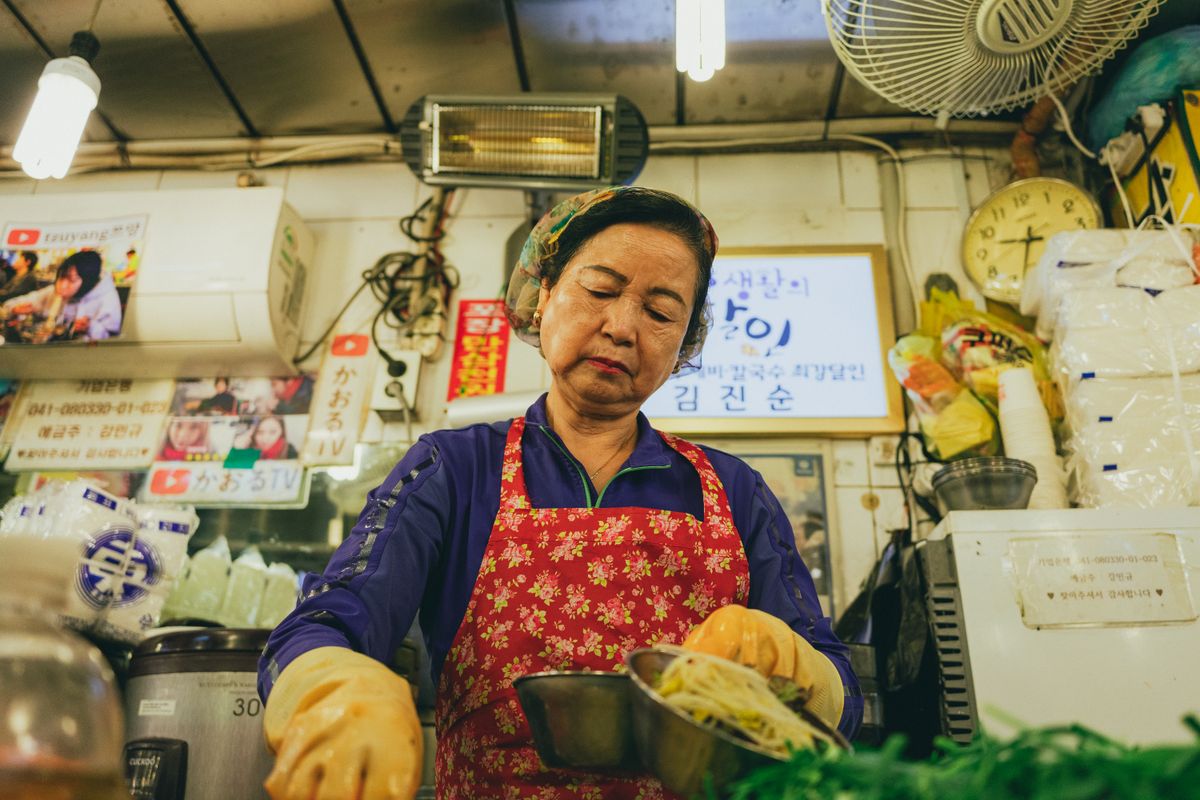
Ajumma Meaning: Is This Korean Word Rude? Ahjumma and Imo Explained
Learn what ajumma means in Korean, why it can sound rude, how it differs from ajumeoni and imo, and what travelers should say instead.
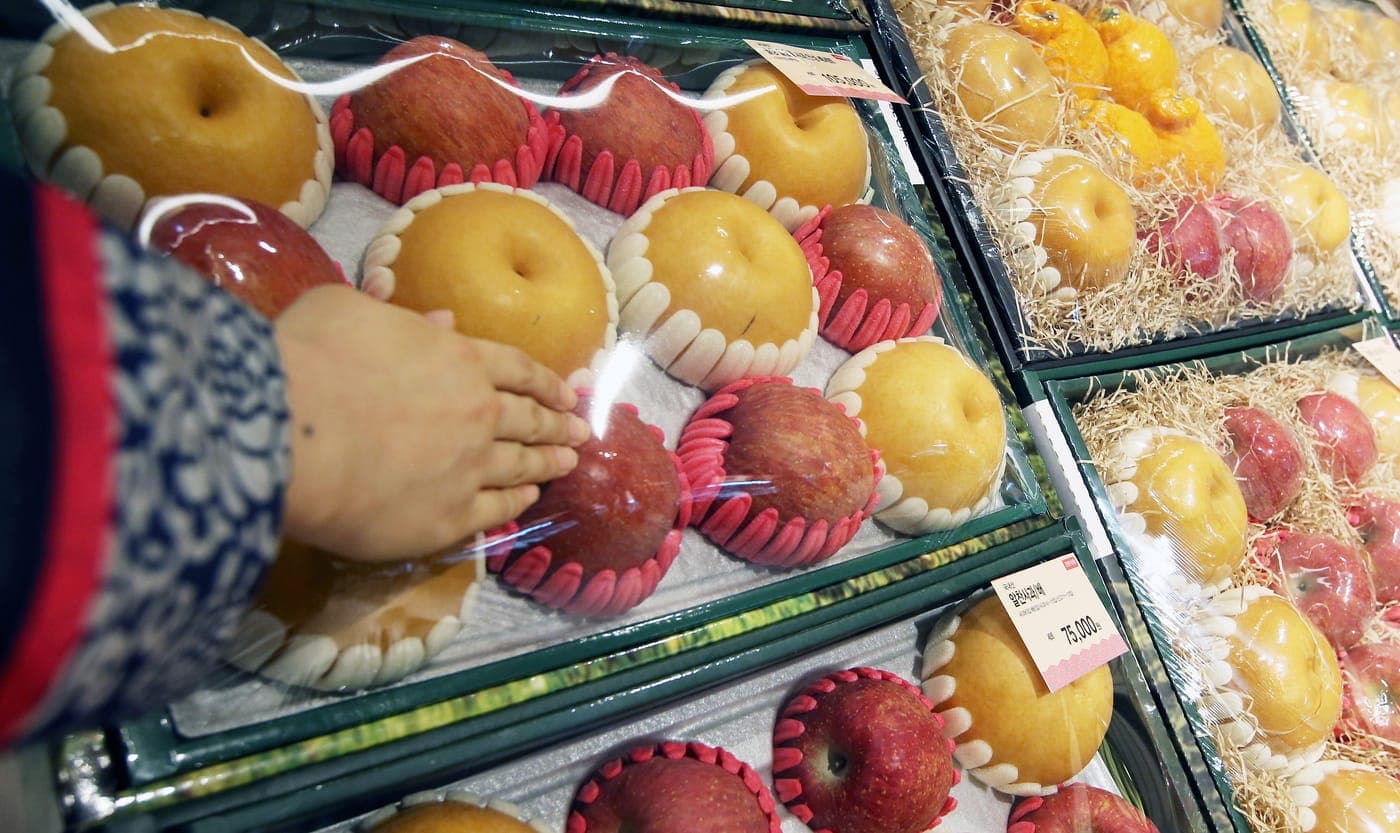
Korean Gift-Giving Culture: What to Bring and Avoid
Korean gift-giving has actual numbers, and one of them is law: ₩50,000 is a legal ceiling for teachers, journalists and officials. Wedding cash passed ₩100,000 in 2025, holiday gift sets cluster at ₩30,000-50,000, and this is what to bring and what to avoid.
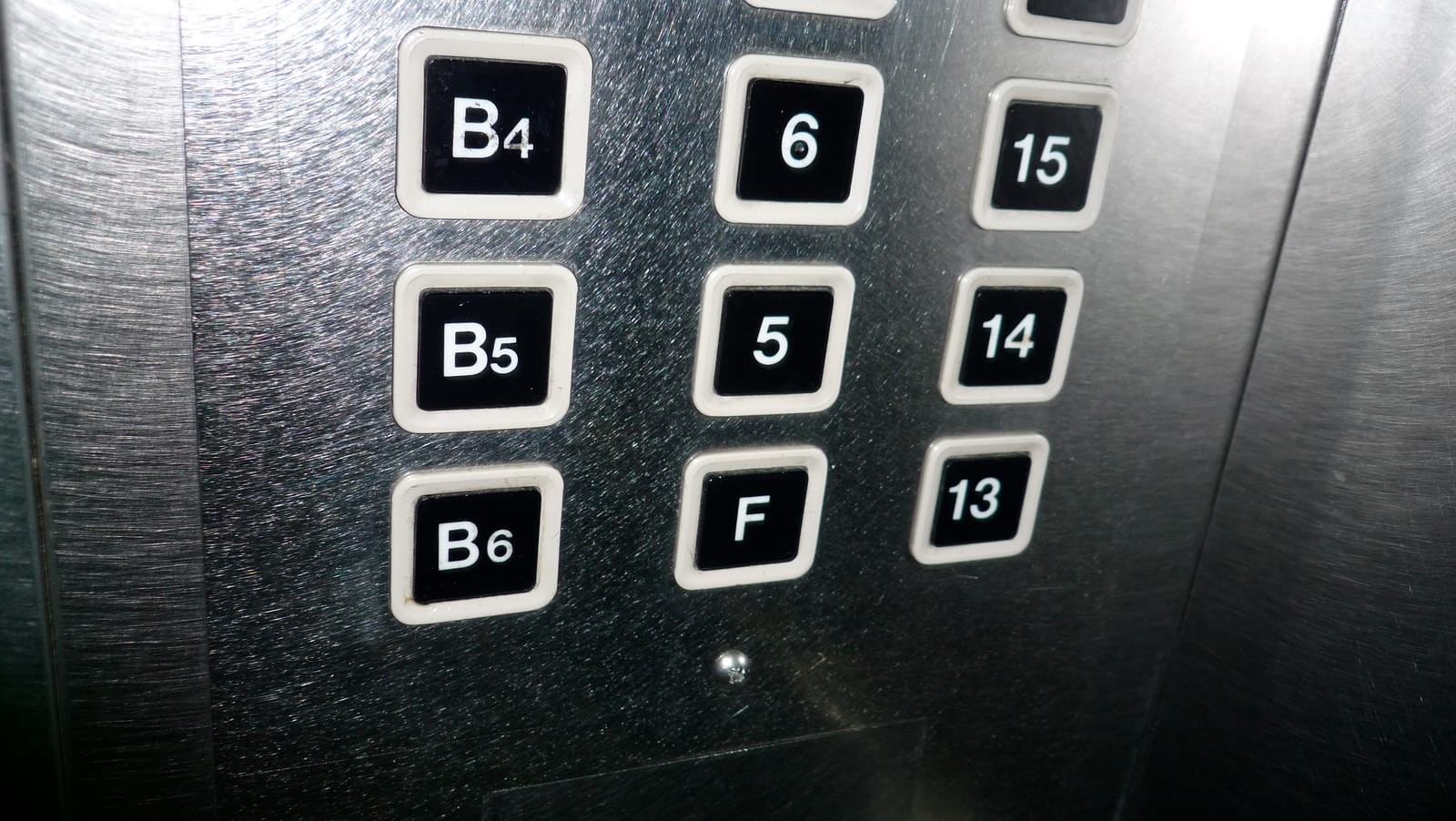
Korean Superstitions You Should Know Before Visiting Korea
A practical travel guide to Korean superstitions, from red ink and the number four to fan death, exam food, dating taboos, and what visitors should actually do.