
Choncance in Korea: Countryside Stays, Hanok, and Slow Travel
Choncance is one of those Korean travel words that sounds cute until you realize it explains a real change in how people want to rest. The word blends chon, meaning countryside or rural village, with vacance, the Korean-borrowed vacation idea. In plain English, it means a countryside vacation: slower mornings, quieter roads, hanok or pension stays, local food, old village scenery, and a break from Seoul's fast vertical life.
It is not simply "going rural." A good Choncance trip is about changing the pace. Instead of chasing five landmarks in one day, you choose a guesthouse, a village walk, a local meal, a market, a field view, a small cafe, and maybe nothing else. For travelers, this can be the antidote to overpacked Seoul itineraries.
This guide explains what Choncance means, where to try it, how to choose a legal and comfortable stay, what to pack, what manners matter in small villages, and how to build a slow Korea itinerary without romanticizing rural life.

Kleenex On-The-Go pocket packs — on AmazonAffiliate link. As an Amazon Associate, EpicKor earns from qualifying purchases at no extra cost to you.
Quick Answer: What Is Choncance?
Choncance is a Korean trend of taking a relaxing vacation in the countryside, often at a hanok, pension, farm stay, guesthouse, or quiet rural village. It became popular as younger travelers looked for "healing," nostalgia, local food, open air, and a slower alternative to hotel stays or city shopping trips.
VisitKorea describes Choncance as a blend of the Korean word for rural village and vacance, referring to leisurely stays in peaceful countryside settings. Its rural hanok feature also notes that nature-surrounded accommodations became more popular after the pandemic, especially for travelers who wanted open space and quiet. See VisitKorea's feature on rural hanok accommodations and Choncance.
For foreign visitors, the easiest version is not a remote cabin with no transportation. It is a reachable village or hanok stay near a known destination: Jeonju, Gyeongju, Damyang, Andong, Asan, Gurye, Pocheon, Gangwon countryside, or a coastal pension area.
| Choncance Style | Best For | What It Feels Like | Beginner Warning |
|---|---|---|---|
| Hanok stay | Traditional atmosphere, photos, slow mornings | Wood, yard, floor bedding, quiet architecture | Check bed vs floor sleeping before booking. |
| Pension or private house | Friends, barbecue, countryside weekend | Casual rural vacation with more privacy | Car access may be almost required. |
| Folk village stay | Culture, crafts, local history | Living museum plus lodging or programs | Opening hours and programs vary. |
| Farm or workcation stay | Digital detox, remote work, local produce | Nature, fields, fewer distractions | Wi-Fi and transport must be checked first. |
| Temple or wellness-adjacent stay | Silence, routine, reflection | Structured calm, simple meals | Rules are stricter than a vacation rental. |
Why Choncance Became Popular
Korea is highly urbanized, highly connected, and highly scheduled. Seoul is exciting, but the same speed that makes it convenient can also make it exhausting. Choncance is partly a reaction to that. It gives people permission to choose low stimulation: birds instead of subway ads, rice paddies instead of shopping malls, and a home-cooked meal instead of another viral dessert queue.
It also overlaps with Korea's newtro mood: new interest in older aesthetics. Floral pants, old houses, market snacks, wood-fired cooking, countryside photo spots, and "grandma house" feelings can look charming online. But travelers should be careful. Rural Korea is not a theme park built for urban nostalgia. It is where people live, work, age, farm, run small businesses, and maintain communities.
The best Choncance trip respects both sides: enjoy the charm, but do not treat the village as a costume set.
Countryside-trip pocket item: As an Amazon Associate, EpicKor may earn from qualifying purchases. Choncance sounds romantic until the bus stop has no convenience store, so a strip of pocket tissues belongs in a light Korea day bag — rural bus-stop toilets rarely stock paper.
See pocket tissues on AmazonWhere to Try Choncance in Korea
Start with places that already have visitor infrastructure. A remote village may be beautiful, but if you cannot drive, speak Korean, or confirm lodging, it can become stressful fast.
Good beginner regions include:
- Jeonju for hanok stays, food, and easy cultural walking.
- Gyeongju for hanok-style stays near historic sites.
- Damyang for bamboo groves, slow scenery, and traditional-stay moods.
- Andong for heritage villages and Confucian culture.
- Asan Oeam Folk Village for preserved village scenery and hanokstay programs.
- Gangwon countryside for mountains, pensions, and cooler air.
- Jeolla countryside for food-focused slow travel.
VisitKorea's listing for Oeam Folk Village describes a 500-year-old agricultural village with preserved houses, hanokstay programs, and traditional agricultural or craft experiences. It is a useful example of the kind of place that can support slow rural travel without forcing travelers into an unsupported area.
If you want a broader route, pair Choncance with EpicKor's best time to visit Korea, 7-day Korea itinerary, and Jeonju day trip guide.
How to Choose a Hanok or Countryside Stay
Do not book only from a pretty photo. Rural stays vary more than city hotels. Some are polished boutique hanok. Some are family-run minbak. Some have floor bedding. Some have private bathrooms; others may feel more traditional. Some are accessible by public transit; others assume you drive.
VisitKorea's hanok accommodation guide notes that many hanok houses use mats and blankets on the floor instead of beds, so visitors who prefer beds should check before booking. See its hanok accommodations overview for baseline expectations.
Before booking, check:
- Legal registration or reliable platform listing.
- Exact location and last bus or taxi options.
- Bed, futon, heating, air-conditioning, and bathroom setup.
- Meal availability nearby.
- Quiet-hour rules.
- Language support.
- Whether barbecue, pets, children, or groups are allowed.
Korea Tourism Organization also operates SafeStay in Korean for legal lodging checks. If you can navigate Korean or ask a Korean-speaking friend, the KTO SafeStay lodging lookup can help verify registered accommodations.
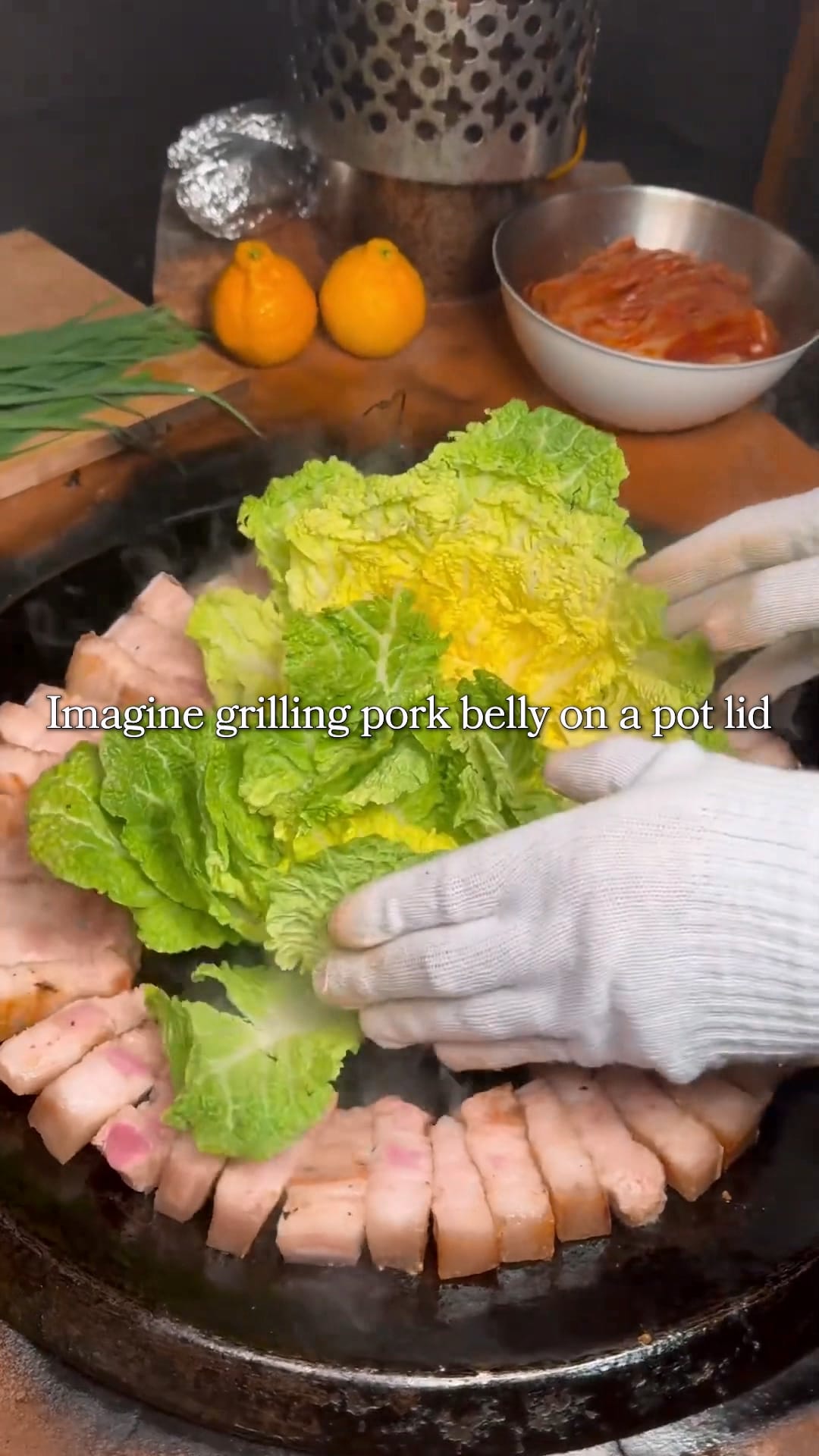
A Simple One-Night Choncance Itinerary
The safest Choncance plan is one night, not three. Try the slow rhythm first.
| Time | Plan | Why It Works | Backup |
|---|---|---|---|
| Morning | Travel from Seoul by KTX, express bus, or intercity bus | Arrive before the last local transit window | Use a taxi for the final village leg if needed. |
| Lunch | Eat a local set meal, market food, or simple noodle/soup meal | Food becomes part of the destination | Check restaurant break times. |
| Afternoon | Village walk, cafe, field view, folk site, or hanok check-in | Keep the day intentionally light | Choose one indoor stop for rain. |
| Evening | Guesthouse dinner, barbecue, or nearby local restaurant | Avoid late transport stress | Buy snacks before sunset. |
| Next morning | Slow breakfast and early return | Prevents missed buses and fatigue | Extend only if transport is easy. |
This style also connects naturally with Korean food culture. A countryside meal may come with banchan, soup, rice, local vegetables, or grilled meat. If the small-dish system is new to you, read EpicKor's Korean banchan guide and free side-dish etiquette guide before the trip.
What to Pack for a Countryside Stay
Pack for gaps. Seoul lets you solve almost anything at a convenience store. A rural guesthouse may not.
Useful items:
- comfortable walking shoes;
- small towel or tissue packs;
- mosquito repellent in summer;
- compact umbrella or rain shell;
- power bank;
- simple snacks;
- any medication you need;
- cash backup for small businesses;
- sleep mask or earplugs if you are sensitive;
- warm layers in spring, autumn, and winter.
For seasonal detail, use EpicKor's Korea summer packing list, rainy season guide, and winter travel guide before overpacking.
Choncance Etiquette: Do Not Treat Villages Like Sets
This is the part Instagram often skips. Rural villages are not only backgrounds. People live behind those walls and windows. Some hanok lanes are quiet residential spaces. A courtyard may be private even if it looks photogenic. A farm road may be used by vehicles and equipment. A senior resident is not a travel prop.
Good manners:
- Keep voices down early morning and late evening.
- Do not enter gates, yards, fields, or houses without permission.
- Ask before photographing people.
- Take trash back if bins are not obvious.
- Do not fly drones unless you understand the legal and local rules.
- Respect check-in, barbecue, parking, and quiet-hour instructions.
- Buy something locally if you use local space for photos and rest.
The best rural traveler leaves money, not mess.
Is Choncance Good Without a Car?
Sometimes. Choose your destination carefully. Jeonju, Gyeongju, and some known villages are easier without a car because trains, buses, taxis, and tourism infrastructure exist. Deep countryside pensions may be difficult without driving.
If you do not have a car, check the final 5 kilometers before booking. "Near a station" can mean ten minutes by taxi, not walkable with luggage. Also check the return route. A guesthouse may be reachable in daylight but inconvenient after dinner.
For a first attempt, choose a destination where the lodging, meal, and main walk are close enough that you are not depending on rare buses.
Slow-trip snack: As an Amazon Associate, EpicKor may earn from qualifying purchases. For a quiet train, guesthouse, or village stay, Korean sweet potato snack bars fit the countryside-rest mood better than flashy souvenirs.
See Korean sweet potato snack bars on AmazonWhen Is Choncance Best?
Spring and autumn are the easiest seasons. Spring brings blossoms, greens, and outdoor walks. Autumn brings cooler air, harvest scenery, and excellent rural food moods. Summer can be beautiful but humid, rainy, buggy, and storm-prone. Winter can be quiet and atmospheric, but transport, heating, and early darkness matter more.
If your goal is photography, choose clear-season weekends carefully because popular hanok areas can fill quickly. If your goal is rest, weekdays are better.
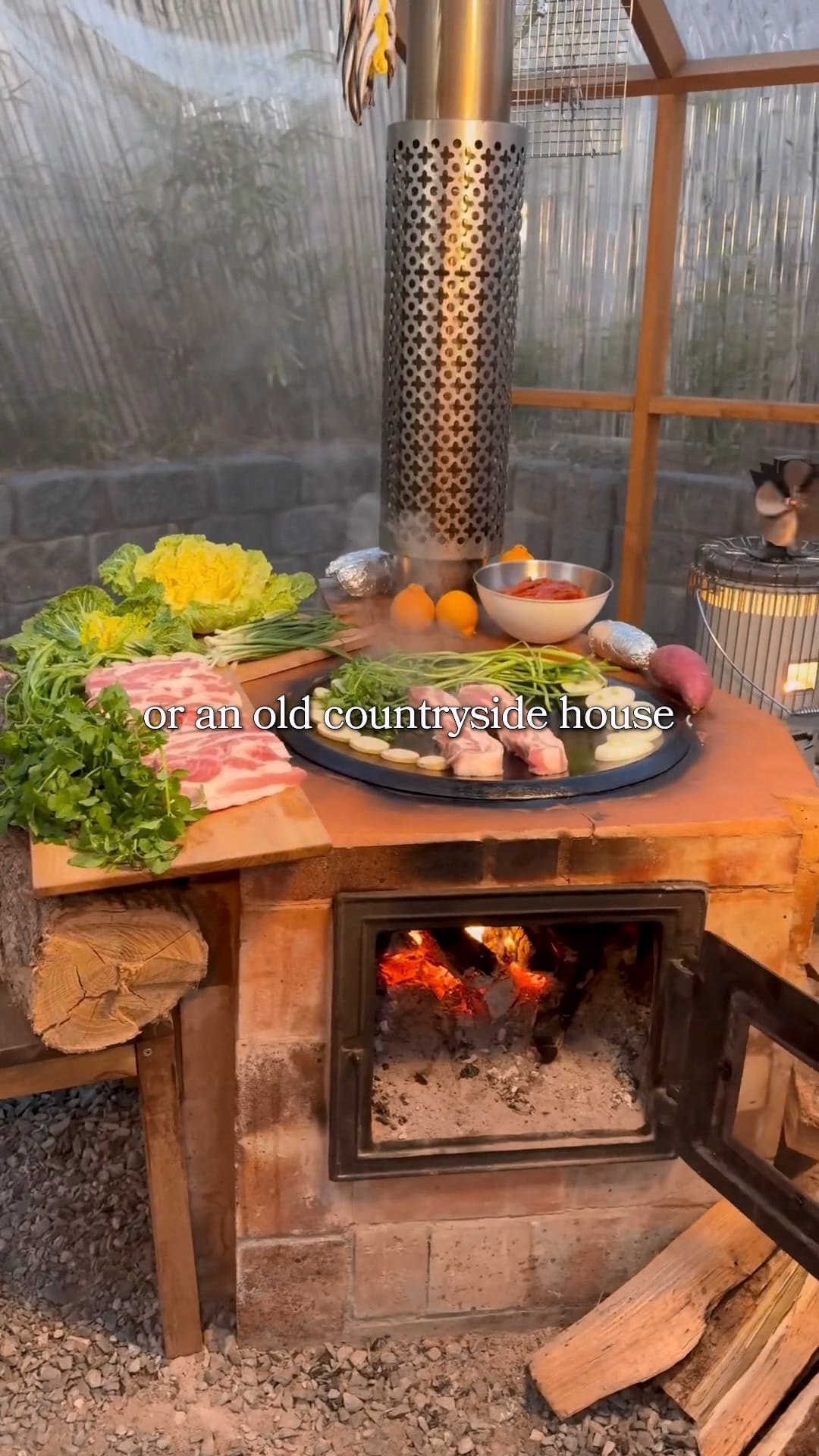
Video Insight: The Choncance Trend
FAQ
Q: What does Choncance mean in Korea?
Choncance combines chon, meaning countryside or rural village, with vacance, meaning vacation. It refers to a slow countryside getaway.
Q: Is Choncance only for Koreans?
No. Foreign visitors can try it, but they should choose accessible destinations, confirm lodging details, and respect local village manners.
Q: Do I need a car for Choncance?
Not always. Jeonju, Gyeongju, Asan, and some known villages are possible by train, bus, and taxi. Remote pensions may require a car.
Q: Is a hanok stay comfortable?
It depends. Some hanok stays are boutique and modern; others use floor bedding and traditional layouts. Check bathroom, bed, heating, and air-conditioning details before booking.
Q: What should I pack for a countryside stay in Korea?
Pack comfortable shoes, tissue, mosquito repellent in summer, a power bank, medication, compact rain gear, snacks, and cash backup.
Q: Is Choncance good for a first Korea trip?
It can be, but only if you already have enough time. First-time visitors on a short trip may want Seoul and one easy city first, then add a one-night countryside stay.
You Might Also Like
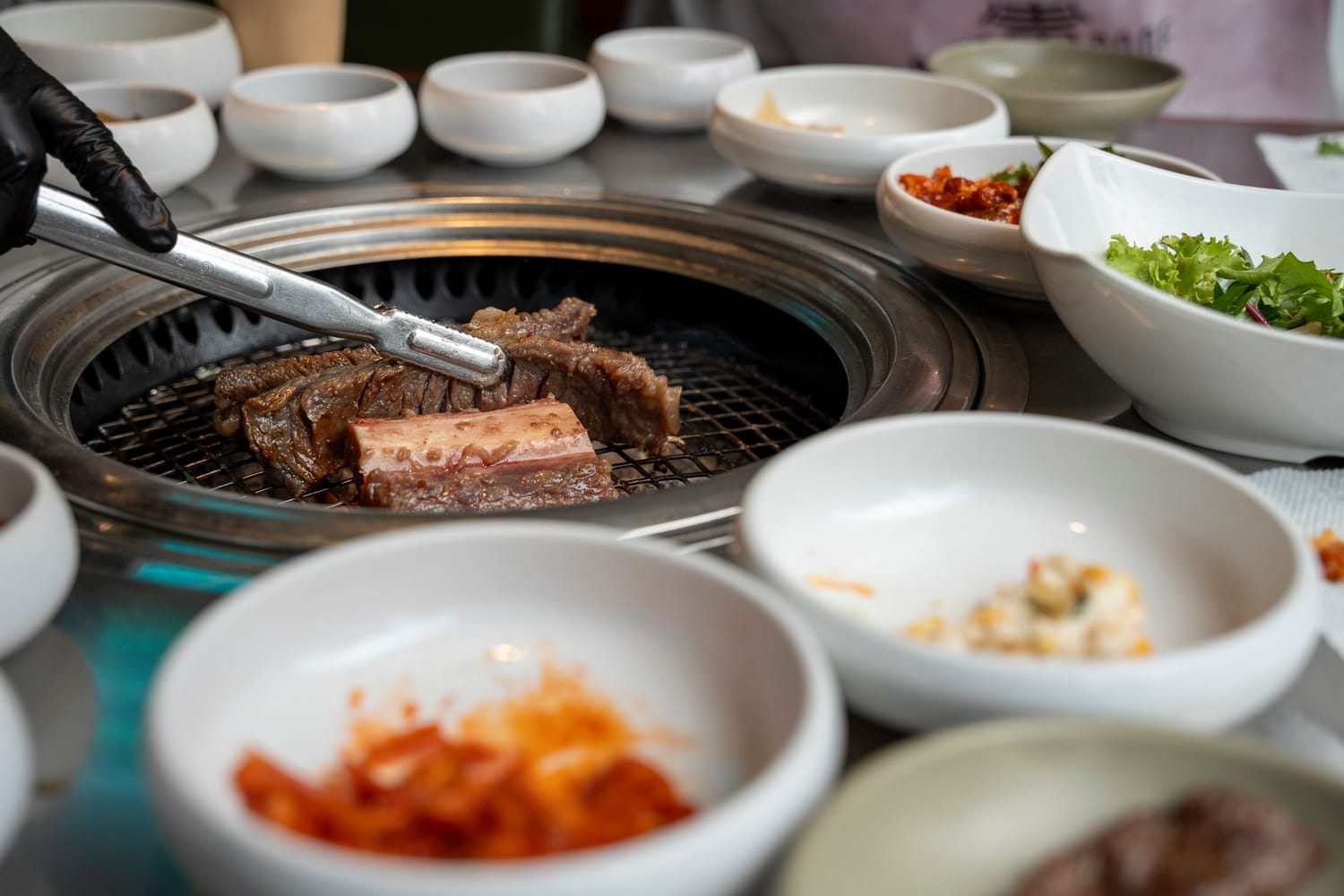
Korean Kitchen Scissors: Why Koreans Cut Meat and Noodles at the Table, and Why It Is Not an Office Scissor
Scissors on a restaurant table look wrong to most of the world and normal to every Korean. The tool is not a desk scissor: thick blades, one serrated edge, big rings, often detachable, built for galbi and cold noodles. Where it came from, and which one to buy.
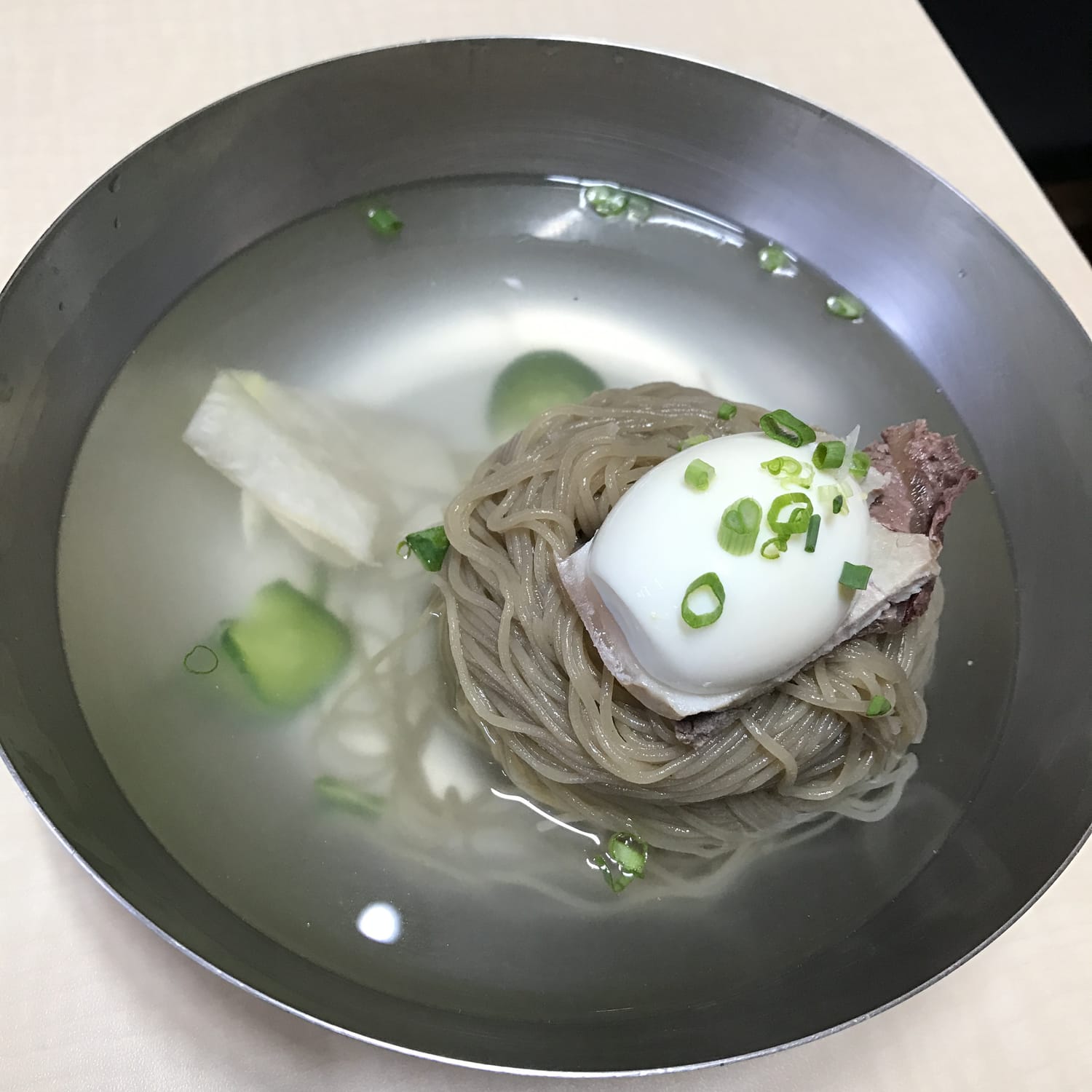
The One Korean Food Foreigners Never Learn to Love: Hamheung Naengmyeon, and Why Koreans Can't See the Problem
Foreigners who eat cheonggukjang and even hongeo still will not pay for this twice. A Korean creator who fed foreigners for years says naengmyeon was the overwhelming number one refusal, and Koreans, who rank it first every summer, cannot see why.
Why Do Koreans Stare at Foreigners? The 5% Country, and Where the Looking Actually Happens
In central Seoul nobody looks at you. In a provincial market, a small town or a subway car of grandmothers, they do. Korea only became a 5%-foreign country in 2025. Where the staring happens, what it means and does not mean, and what to do with it.