Korean Ski Resorts 2026–27: Season-Pass Prices, the Rounds Closing This Month, and Why Konjiam's English Page Says ₩42,000 When Its Korean Page Says ₩72,000
Last updated: September 2026. Every won figure below was read off the resort's own Korean page or its live sales listing on 23 September 2026, or off the official English page where the article says so. Prices that exist only in the Korean trade press are labelled as press-sourced. On that date no resort had posted a 2026–27 opening date on its own notice board; this page will be refreshed in late November when they do.
If you are pricing Korean ski resorts for the 2026–27 season, start with a warning about the source you are most likely to use. Konjiam Resort (곤지암리조트), which sells itself to Koreans as "40 minutes from Seoul", runs a Korean lift-price page and an English lift-price page, and they are not the same price list. The English page says a two-hour adult lift ticket costs ₩42,000. The Korean page — the one the resort's booking engine and app actually charge from — says ₩72,000 on a weekday and ₩87,000 at the weekend.
That is not a stale figure by a few thousand won. It is a different product list, with ticket types you cannot buy, rental prices roughly a fifth low, and one omission that will stop your day before it starts: the Korean page states that Konjiam does not operate an on-site ticket window. The English page does not mention it. This guide gives the verified 26/27 season-pass prices, says which purchase rounds have already closed, and explains what a ski day actually costs in won.
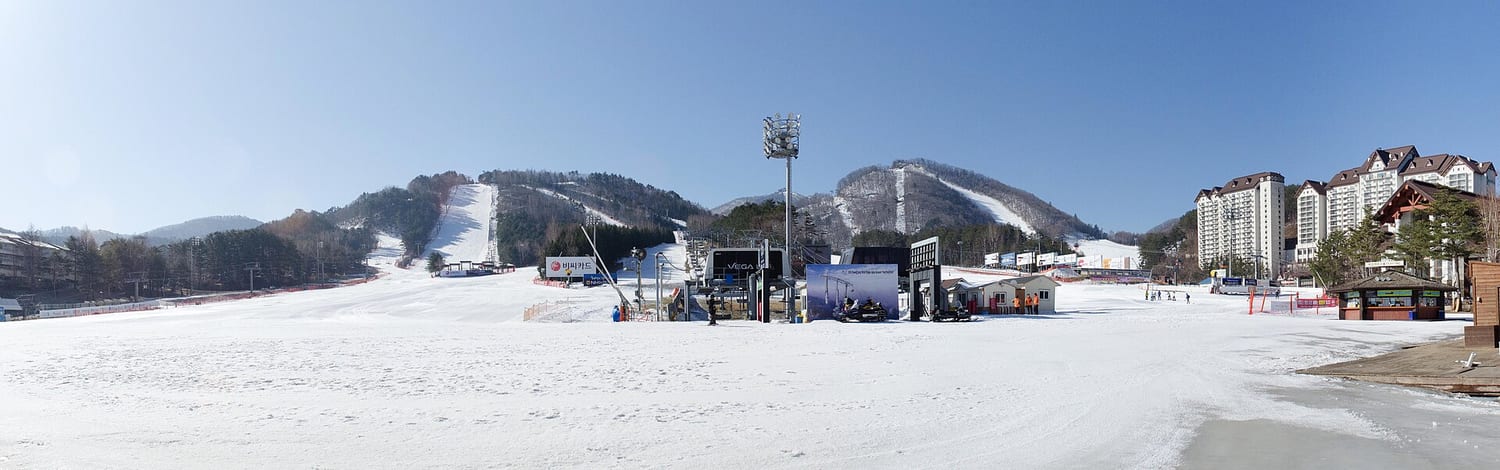
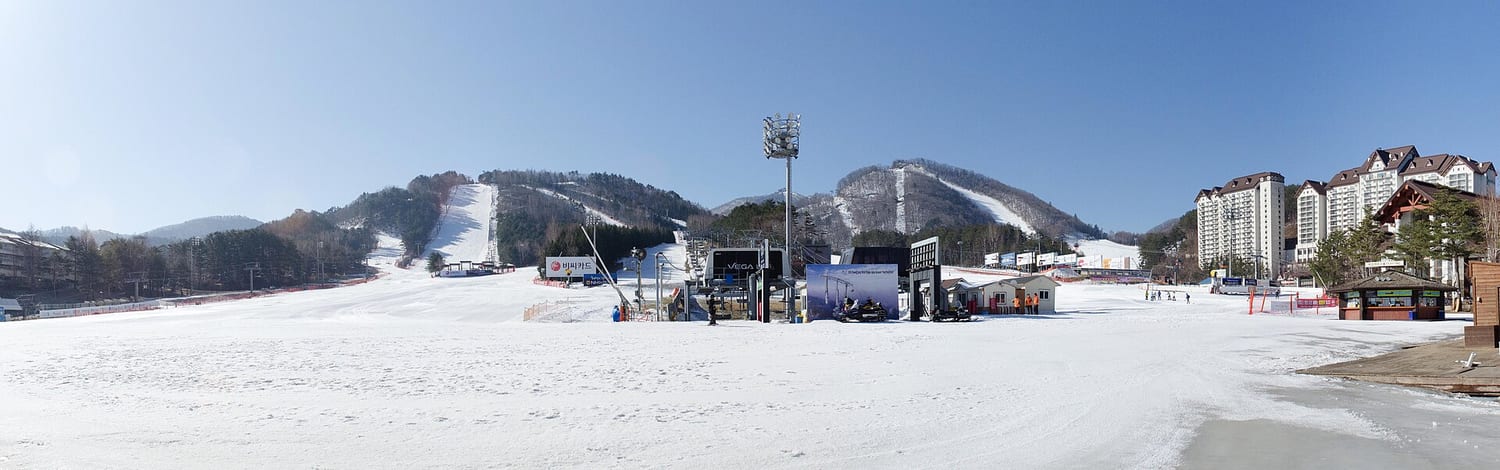
The base area at Mona Yongpyong in Pyeongchang, one of the six resorts on this season's X6+ pass. Photo: Kalatpadai, Wikimedia Commons, CC0 (2013).
Korean resorts rent skis, boots, clothing and helmets — they do not rent goggles, and the one-lane, hard-packed, floodlit night skiing that Korean resorts are built around is exactly where flat light and fogged lenses ruin an evening. OutdoorMaster OTG ski goggles fit over glasses, which matters if you were planning to ski in yours. As an Amazon Associate, EpicKor earns from qualifying purchases.
Quick Guide: 2026–27 Korean season passes and their deadlines
| Pass | Adult price | Window | Status on 23 Sep 2026 |
|---|---|---|---|
| Muju Deogyusan (무주덕유산) Integrated Pass I, round 1, website member | ₩670,000 (list ₩1,200,000) | 4 Sep – 23 Sep, 20:00 | Closes tonight |
| Muju + O2 combined pass (무주&오투 통합권 I), round 1, website member | ₩700,000 (list ₩1,250,000) | Same round as above | Closes tonight |
| O2 Resort (오투리조트, Taebaek) adult season pass | ₩242,500 (list ₩450,000) | 4 Sep – 23 Sep | Closes tonight |
| Muju Integrated Pass I, round 2 | Price not yet published | 1 Oct – 24 Oct | Opens in eight days |
| Muju Integrated Pass I, list price | ₩1,200,000 | From 27 Oct | Not yet open |
| X6+ six-resort pass (High1, Yongpyong, Jisan, Welli Hilli, Elysian, Alpensia), round 1 | ₩561,666 on the listing; ₩599,000 announced | 9 Sep – 27 Sep, NOL only | Four days left |
| Konjiam full-day season pass | ₩900,000 (press-sourced) | From 14 Sep, NOL only | On sale |
| Konjiam 20-hour timed pass | ₩330,000 (press-sourced) | From 14 Sep, NOL only | On sale |
| Phoenix Pyeongchang (휘닉스 평창) Basic Pass | ₩549,000 | 27 Aug 13:00 – 30 Sep | Closes in a week; cancellation resale 24 Sep 13:00 |
| Vivaldi Park (소노벨 비발디파크) | — | — | Not on sale yet; last season's opened 15 Oct |
| 2026–27 opening dates | — | — | None on any notice board; Phoenix told the press 27 Nov, weather permitting |
The Konjiam problem: two official pages, two price lists
Here is the comparison, every page read on 23 September 2026. The Korean prices are on the desktop rate page (konjiamresort.co.kr/funny/useChargeSkiMeTimePass.dev); the ticket-window notice and the purchase limits are not on that page at all, and sit instead on the mobile rate page (m.konjiamresort.co.kr/ski/skiInfo.dev). The English figures are from konjiamresort.co.kr/en/intro/useChargeSki.dev.
| Item | English page | Korean page (weekday / weekend) | Gap |
|---|---|---|---|
| Lift, 2 hours, adult | ₩42,000 / ₩52,000 | ₩72,000 / ₩87,000 | +71% / +67% |
| Lift, 4 hours, adult | ₩56,000 / ₩65,000 | ₩81,000 / ₩96,000 | +45% / +48% |
| Lift, 6 hours, adult | ₩67,000 / ₩77,000 | ₩87,000 / ₩105,000 | +30% / +36% |
| Lift, 1 hour and 3 hours | Listed (₩27,000 / ₩52,000) | Do not exist | Products you cannot buy |
| Child price | Separate column throughout | No child column at all | One price per ticket |
| Full-set rental, 6 hours | ₩30,000 | ₩36,000 / ₩39,000 | +20% / +30% |
| Helmet, over 4 hours | ₩10,000 | ₩12,000 | +20% |
| Clothing, full set, over 4 hours | ₩30,000 | ₩35,000 | +17% |
| On-site ticket window | Not mentioned | "현장 매표소 미운영" — not operated | The one that ruins the day |
Work it through for one adult on a Saturday, six hours, with a full rental set and a helmet. The English page adds up to ₩117,000; the Korean page adds up to ₩156,000, a third more. Konjiam does discount — 20 percent on lift and rental bought on its website, 25 percent on a partner card, 35 percent on lift tickets from 18:00 to 02:00 Sunday to Thursday — so a careful booking lands nearer the English figure. But the discounts do not stack, and a discount you have to hunt for is not a price you were quoted.
The sentence the English page leaves out is the important one: 현장 매표소 미운영 — the on-site ticket window is not operated. You buy on the website or in the Konjiam Resort app, then either collect from an unmanned kiosk or skip collection and use the app's mobile ticket. The only people who can still buy at a window are groups, former condo members, seniors, disabled and national-merit holders, and residents of the neighbouring villages of Doung-ri (도웅리) and Gungpyeong-ri (궁평리). Tickets go on sale seven days before use, one account may buy ten at a time and thirty a day, and a ticket is valid only on the day it is issued. "Weekend" on that table means Saturday, Sunday and public holidays, and the night discount runs Sunday to Thursday but explicitly not on the eve of a public holiday — exactly the night a visitor would pick.
Tough Outdoors insulated ski gloves — the one item no Korean rental counter stocks Konjiam's rental list runs skis, boards, boots, poles, clothing, helmets and body armour; Yongpyong's runs skis, boards, boots and suits. Neither rents gloves, and buying a pair at the resort shop on the morning is the most expensive way to get them. As an Amazon Associate, EpicKor earns from qualifying purchases.
See Tough Outdoors ski gloves on AmazonThe deadlines, in order
Korean season passes are sold in numbered rounds (차수), each dearer than the last, and the gap between rounds is large enough to be the whole decision.
Muju Deogyusan Resort (무주덕유산리조트), in Muju County, Jeonbuk State (전북특별자치도), runs the clearest ladder. Its 26/27 Integrated Pass I (통합권I) — unlimited lift rides from the 2026 opening day to the 2027 closing day, ski gondola included every day of the week — lists at ₩1,200,000 adult and ₩900,000 child. In round 1 a website member pays ₩670,000 adult and ₩505,000 child; holders of another resort's pass ₩650,000; students, 13-to-24s, over-60s, soldiers, police, firefighters and national-merit holders ₩620,000; condo members ₩480,000. Integrated Pass II, which drops the gondola at weekends and on holidays, starts at ₩590,000. Three or more buyers get a further 10 percent off, and each adult pass comes with a free preschooler pass.
Round 1 closes at 20:00 on 23 September 2026 — today. Round 2 runs 1 to 24 October at prices not yet published, and from 27 October the list price applies. That is a gap of ₩530,000 between the price available this evening and the price in five weeks' time.
Muju also sells a combined pass with O2 Resort (오투리조트) in Taebaek, its Booyoung group sister resort: Integrated Pass I for both mountains is ₩700,000 at the round-1 website-member rate — ₩30,000 more than Muju alone, for a second mountain in Gangwon. O2's stand-alone pass is ₩242,500 adult and ₩203,700 child on its NOL listing, against list prices of ₩450,000 and ₩378,000, and its round 1 also ends tonight.
Two traps on the Muju purchase, both on the resort's own Korean page and on no English page: the checkout expects Chrome or Edge, and a card payment over ₩300,000 requires a Korean digital certificate (공인인증서). The alternative is a virtual bank account, which must be funded before the round closes. Passes are collected in person at the season-pass desk in Manseon House (만선하우스) with photo ID.
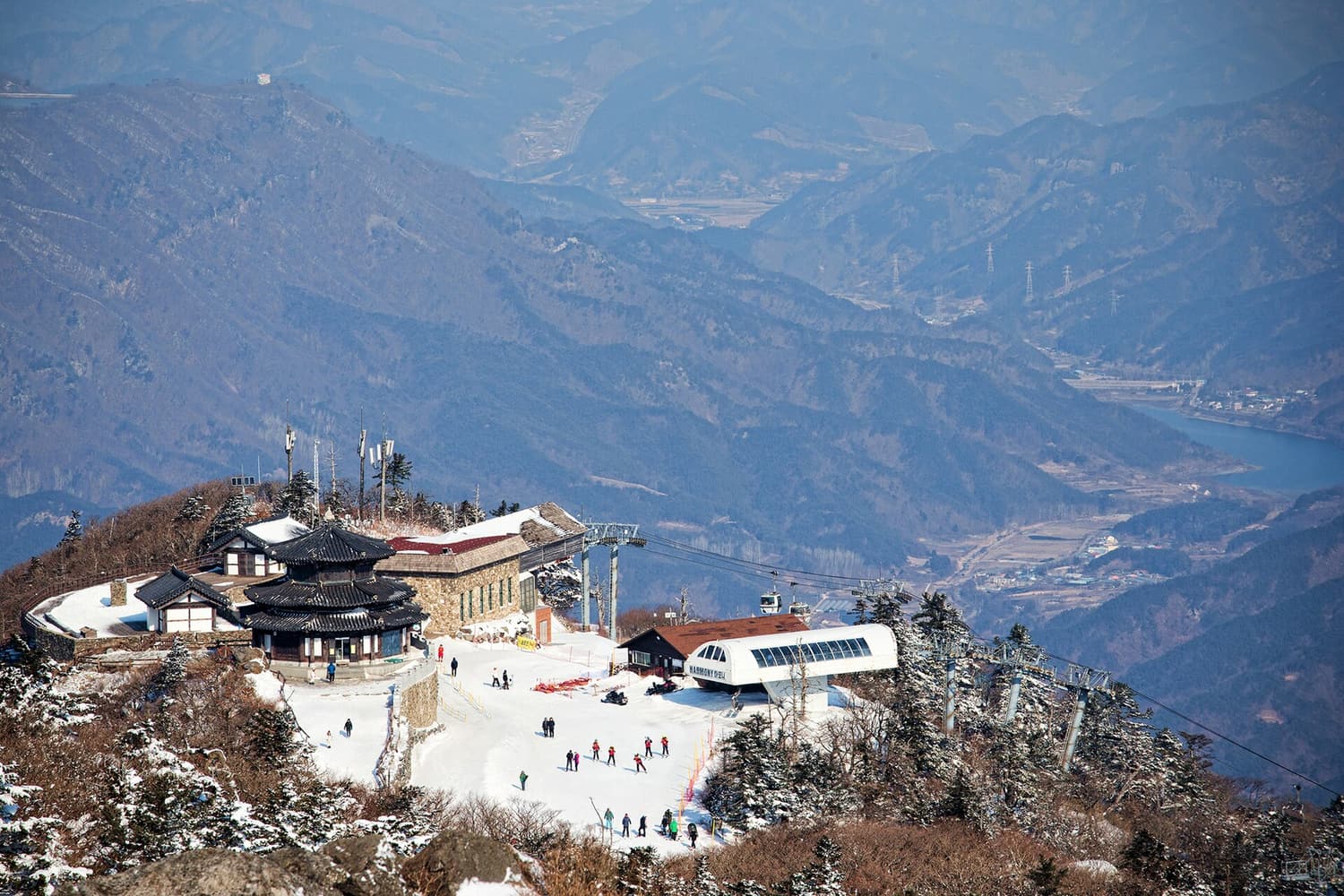
Seolcheonbong (설천봉), where Muju Deogyusan Resort's ski gondola arrives on Deogyusan. Integrated Pass I includes this gondola every day; Integrated Pass II does not include it at weekends or on public holidays. Photo: Mg shin, Wikimedia Commons, CC BY-SA 4.0 (2017).
Konjiam put its 26/27 passes on sale at 11:00 on 14 September, closing 11 October at 23:59, and this year they are sold only through NOL (놀유니버스), the platform formerly known as Yanolja. The Korean launch coverage gives a full-day pass at ₩900,000, weekday-only and weekend-only passes at ₩580,000 each, and a genuinely unusual set of timed passes: 20 hours for ₩330,000, 30 hours for ₩430,000 and 40 hours for ₩490,000, drawn down against Konjiam's hourly lift system. The prices are press-sourced; confirm them on NOL before you buy.
The timed passes are the only product in Korea shaped that way, and they reward a specific habit. Twenty hours for ₩330,000 is ₩16,500 an hour. A six-hour weekday ticket at Konjiam's counter price is ₩87,000, or ₩14,500 an hour — cheaper than the pass. A two-hour weekday ticket is ₩72,000, or ₩36,000 an hour — more than twice the pass rate. So the 20-hour pass is excellent if you ski in short evening bursts after work, and poor value if you ski full days. Nobody selling it will put it that way.
Phoenix Pyeongchang (휘닉스 평창) publishes its whole ladder openly: Basic Pass ₩549,000, Basic Plus ₩649,000, Comfort Plus ₩2,090,000 and two Signature tiers at ₩3,900,000. There are two different Basic products at ₩549,000 — one bundles two seven-hour lift tickets, the other two children's passes with equipment. General sale opened at 13:00 on 27 August and closes 30 September, and the official page lists a cancellation resale at 13:00 on 24 September — tomorrow, and the one deadline in this article a reader can still act on comfortably.
Vivaldi Park (소노벨 비발디파크) has not opened 26/27 sales at all. Last season's went on sale on 15 October 2025, so expect mid-October.
X6+: one pass, six resorts, and two different overseas benefits
The headline product this season is X6+, on sale since 09:00 on 9 September through NOL. One pass covers six resorts all winter: High1 (하이원), Mona Yongpyong (모나용평), Jisan Forest (지산), Welli Hilli Park (웰리힐리파크), Elysian Gangchon (엘리시안 강촌) and Alpensia (알펜시아), which joined this season and turned the old five-resort X5 into six. Vivaldi Park and Phoenix are not in it. An adult pass comes with a free pass for a child aged 19 or under.
The price is worth reading twice, because the announcement and the shop do not match. The launch coverage and NOL's own press release gave round 1 as ₩599,000 adult and ₩399,000 youth, and the Korea Herald put the round-1 deadline at 7 October. On 23 September the actual NOL listing — the only place X6+ is sold — read ₩561,666 and ₩375,066, with the round-1 window ending 27 September. Both numbers are real; the listing is the one that takes your money. This is the general rule for Korean season passes: the press release is the announcement, the platform listing is the price.
The overseas benefits are worth untangling, because they are two separate things and the English write-ups merge them. Free slope use applies at Hoshino Resorts Tomamu in Japan, Wanlong Resort in China and Sky Resort in Mongolia. Separately, booking a room at a partner property gets you a lift benefit there, and that list is Wanlong, Tomamu and affiliated ski areas around Banff in Canada. Korea Herald's 11 September piece reported the second list only, so an English reader comes away thinking Canada is on the pass and Mongolia is not. Both are real; only one lets you ski without booking a bed.
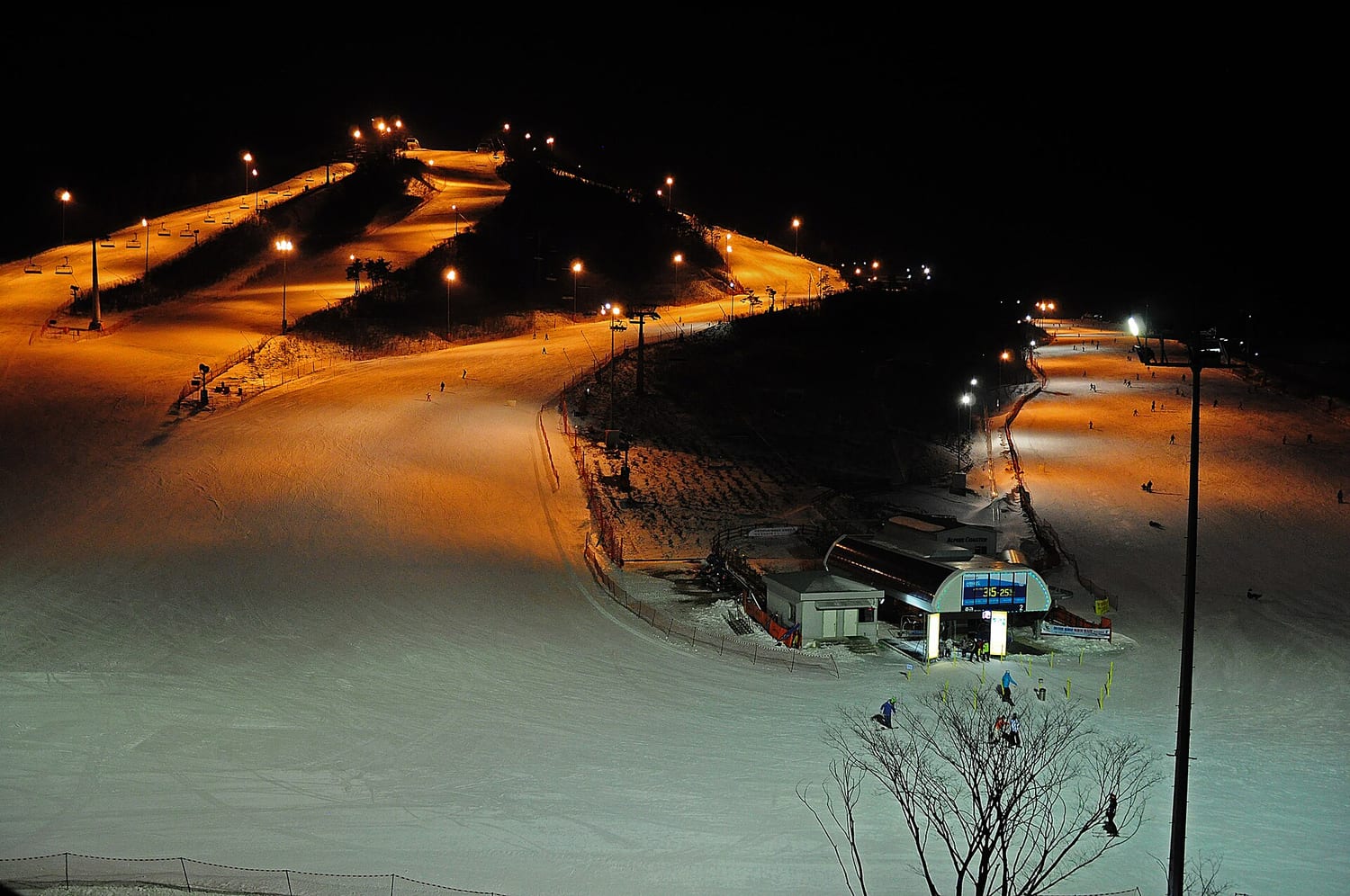
Alpensia in Pyeongchang, new to the X6+ pass for 2026–27. Photo: Albert Lee1, Wikimedia Commons, CC BY-SA 4.0 (2014).
Exactly one resort has published a 2026–27 opening date
Every English list you will find gives you opening dates for this winter. Here is the true position on 23 September 2026: no Korean resort has posted a 2026–27 opening date on its own notice board. Exactly one has given a date to the press — Phoenix Pyeongchang, which said in its July season-pass release that it plans to open on 27 November 2026, weather permitting, and run to 14 March 2027.
Then watch what Phoenix does with its own number. Its live 26/27 season-pass page will not print it: validity reads 이용 기간 2026년 동계 개장일 ~ 2027년 3월 1일, "from the 2026 winter opening day", and the lift bundle reads "60 days from the Phoenix Snow Park opening day". It told reporters 27 November and 14 March, and told buyers "opening day" and 1 March. If the resort that has committed hardest will not put a date in its own terms of sale, no aggregator should be putting one in yours.
Nobody else has given a date at all. High1's press release of 22 September 2026, the day before this article, launches X6+ under the heading "26/27 스키시즌 준비 시작" — 26/27 ski season preparations begin — and names no opening date for any of the six resorts on it. Yongpyong has posted 26/27 patrol recruitment, instructor hiring and a members' pass, and no date. Muju's September operating calendar is blank. Sono's ski information page for Vivaldi Park is worse than silent: on 23 September it was still displaying last season's dates, 운영기간 2025.12.05 ~ 2026.3.2, unchanged since at least May.
The reason is that Korean resorts announce days, not weeks, ahead, because opening depends on a run of nights cold enough for the snow guns. Last season's lead times, measured from the resort's own announcement to its actual opening:
| Resort | 25/26 announcement | 25/26 opening | Notice |
|---|---|---|---|
| Mona Yongpyong | 19 Nov 2025, own notice | 21 Nov 2025 | 2 days |
| Phoenix Pyeongchang | 20 Nov 2025, 13:29, own board | 21 Nov 2025 | 1 day |
| High1 | 6 Nov press, 24 Nov own notice | 28 Nov 2025 | 22 days / 4 days |
| Vivaldi Park | 4 Dec 2025, press only | 5 Dec 2025 | 1 day |
| Muju Deogyusan | 4 Dec 2025, own notice | 5 Dec 2025 | 1 day |
| Elysian Gangchon | — | 6 Dec 2025 | — |
| Konjiam | 19 Nov "early December", press 5 Dec | 10 Dec 2025 | 5 days |
Now compare the aggregator lists. One widely copied roundup prints High1 = 6 December for 25/26; that is High1's 2024–25 date, recycled a season later. It opened on 28 November 2025. The same list puts Vivaldi on 29 November (actual: 5 December) and Konjiam on 3 December (actual: 10 December). These are not small slips: Konjiam, which English blogs call one of the first to open, opened last of the majors, 19 days after the real first openers. This is not an English-language failure either — Korean SEO blogs recycle the same numbers. The careful Korean outlets label every entry 개장 예정, "expected opening"; the copies strip the label.
One near-exception worth knowing how to read: O2 Resort's season-pass listing states a validity period of 5 December 2026 to 20 March 2027. That is a commercial window, not a weather forecast, but it is what O2's own sales side expects. Muju's and X6+'s passes are written as "from the 2026 opening day to the 2027 closing day", with no dates at all.
VisitKorea's own English "12 Ski Resorts" feature — the first result many visitors land on — carries the line "this column was last updated in December 2025" and lists 2025–26 dates with no prices in any currency. Treat it as a map of which resorts exist, not as a schedule.
What a ski day costs if you are not buying a season pass
Mona Yongpyong (모나용평) publishes the most complete English price list of any Korean resort, and it labels it honestly: the page is headed 25/26. Those are last season's numbers, but at least it says so — which is more than Konjiam's English page manages.
| Yongpyong, 25/26 English page | Adult | Child |
|---|---|---|
| Lift, daytime 09:00–17:00 | ₩96,000 | ₩78,000 |
| Lift, half-day or evening | ₩68,000 | ₩56,000 |
| Single lift ride | ₩17,000 | ₩14,000 |
| Full rental set, daytime | ₩48,000 | ₩42,000 |
| Ski suit, all day | ₩45,000 (set) | — |
| Group lesson in English, 1:4–7, ages 8+ | ₩70,000 per person, minimum four | |
| Private ski lesson, 1:1–3 | ₩300,000 per team | |
Two rules from that page surprise visitors. If only three of you turn up for the English group lesson, it becomes a private booking at ₩300,000. And for rental, in the page's own words, "an ID card is required and will be held at the rental desk until the equipment is returned" — hand over a driving licence, not the passport you need at the hotel desk. There is also a refundable ₩1,000 deposit on the RFID lift card.
So a realistic adult day at a big Gangwon resort — daytime lift, full rental, suit — is about ₩190,000 before food and transport, and a Konjiam six-hour weekend evening with rental is ₩156,000 at counter price. That is the budget line, not ₩42,000.
The lift ticket is the small number; the bed is the big one Muju, High1 and the Pyeongchang cluster all sit two to four hours from Seoul, so a real Korean ski trip is an overnight decision before it is a lift-ticket decision. Search the Pyeongchang area undated — there is no confirmed opening date to book around yet — then read the cancellation deadline, taxes and final price on the listing itself, because snow-dependent trips get moved. EpicKor may earn a commission if you book through this Agoda link, at no extra cost to you. Agoda partner link.
Compare Pyeongchang stays on AgodaPaying for all of this is its own small problem: Konjiam's online purchase and NOL's season-pass checkout both assume a Korean card, and our Korea payment guide covers which foreign cards fail at which terminals. If you are booking a resort room around a season that has no confirmed opening date yet, the Korea hotel and Airbnb cancellation rules are the other half of the decision.
Why the discounts are this deep: the industry is shrinking
The discounting looks aggressive because the industry is shrinking, and the Korean numbers are blunt about it. The Bank of Korea's Gangwon branch counted 1,247,000 visitors across Gangwon's seven main resorts in 2025–26, down 225,000 — 15.3 percent — on the season before. Nationally the Korea Ski Resort Association's series peaks at 6.86 million in 2011–12, falls to 1.46 million during the pandemic, and has recovered only to about 60 percent of the peak. Korea had 17 ski resorts in 2009 and has 13: Star Hill (스타힐리조트) closed in 2021, Bears Town (베어스타운) in 2022, Yangji Pine (양지파인리조트) from 22/23. The average operating season has shortened from 120–130 days to 80–100.
That is the context for a ₩670,000 pass priced against a ₩1,200,000 list, and for Konjiam selling hours instead of days. It is also why the opening dates come so late: a resort with 80 operating days cannot afford to open on a warm week.
You might like: Korea Winter Travel Guide: Skiing, Skating, and Snow Trips
When not to buy a Korean season pass
- If you are visiting for under two weeks, do not buy one. Do the hourly arithmetic above: even the cheapest product here, Konjiam's 20-hour pass at ₩330,000, loses to counter-price six-hour tickets. Two or three full days means day tickets.
- Do not buy Muju's pass from abroad without checking the payment route first. A ₩670,000 card payment trips the Korean digital-certificate rule, and the virtual-account alternative has to clear before the round closes.
- Do not lock a late-November trip to a slope yet. Only Phoenix has a date, and it is hedged. Book flexible accommodation and wait.
- Ignore any English lift price with no season label. If the page does not say 25/26 or 26/27, it is telling you nothing about this winter — and Konjiam's English page is the proof.
- If you only want to see snow, you do not need a resort. A Seoul winter with skating and lights costs a fraction of this; our guide to Seoul Winter Festa 2026 has the confirmed dates. Driving yourself to Gangwon in winter is a separate decision again — see the Korea car rental guide first.
FAQ
Q: How much is a lift ticket at Konjiam Resort in Korea? On Konjiam's Korean price page, read 23 September 2026, an adult two-hour ticket is ₩72,000 on a weekday and ₩87,000 at the weekend; four hours is ₩81,000/₩96,000 and six hours is ₩87,000/₩105,000. The resort's English page still shows ₩42,000 for two hours and ₩67,000 for six, which the booking system does not charge. A 20 percent discount applies to lift tickets and rental bought on the website.
Q: Can I buy a lift ticket at the ticket window at Konjiam? No. Konjiam's Korean mobile rate page states that the on-site ticket window is not operated (현장 매표소 미운영). You buy on the website or in the Konjiam Resort app, then collect at an unmanned kiosk or use the app's mobile ticket. Windows remain only for groups, former condo members, seniors, disabled and national-merit holders, and residents of two neighbouring villages.
Q: When do Korean ski resorts open for the 2026–27 season? As of 23 September 2026 no resort had posted a date on its own notice board. Phoenix Pyeongchang told the Korean press in July that it plans to open on 27 November 2026 and run to 14 March 2027, weather permitting, but its own season-pass page still writes the date only as "the 2026 winter opening day". Korean resorts give one to five days' notice on their own channels — Phoenix, Muju and Vivaldi Park each gave one day last season — so expect the 2026–27 dates from mid-November. Last season's actual openings: Yongpyong and Phoenix 21 November, High1 28 November, Vivaldi Park and Muju 5 December, Elysian Gangchon 6 December, Konjiam 10 December.
Q: Which Korean season pass is the best value for 2026–27? For several resorts, X6+ covers High1, Mona Yongpyong, Jisan, Welli Hilli Park, Elysian Gangchon and Alpensia; it was announced at ₩599,000 and the NOL listing read ₩561,666 on 23 September 2026, with round 1 ending 27 September. For one resort, Muju's Integrated Pass I round-1 website-member rate of ₩670,000 is 44 percent below its ₩1,200,000 list price, but that round closes at 20:00 on 23 September. The cheapest full pass of all is O2 Resort's at ₩242,500, also closing tonight.
Q: Does Yongpyong offer ski lessons in English, and do resorts rent gloves? Yes to the first: Mona Yongpyong's English page lists a group lesson in English or Chinese at ₩70,000 per person for a 1:4–7 class, ages 8 and up, minimum four participants, with private lessons at ₩300,000 per team, 10:00–12:00 and 14:00–16:00, reserved in advance. No to the second — Konjiam rents skis, boards, boots, poles, clothing, helmets and body armour and Yongpyong rents skis, boards, boots and suits, but neither rents gloves.
Sources
Everything below was read on 23 September 2026 unless dated otherwise.
- Konjiam Resort (곤지암리조트): Korean lift and rental prices, hours, discounts, from
konjiamresort.co.kr/funny/useChargeSkiMeTimePass.dev. The 현장 매표소 미운영 notice and the 1회 10매, 일 30매 booking limit are on a different page — the mobile rate pagem.konjiamresort.co.kr/ski/skiInfo.dev— and appear nowhere on the desktop rate page. English figures fromkonjiamresort.co.kr/en/intro/useChargeSki.dev. Season-pass prices and the 14 September to 11 October window from the resort's pinned notice of 9 September 2026 and Korean coverage of 9 and 14 September (Nate News, Daily Money). - Muju Deogyusan Resort (무주덕유산리조트): Integrated Pass I and II prices, validity, age definitions, payment and collection rules from
mdysresort.com/ski/buy_season_pass04.aspandbuy_season_pass01.asp; the Muju & O2 combined pass frombuy_season_pass04_o2.asp; the round-1 window from resort notice 2571 of 4 September 2026 and Newspim of the same date. - NOL (놀유니버스) listings: O2 Resort's 26/27 pass (₩242,500 adult against a ₩450,000 list, ₩203,700 child, sale to 23 September, validity 5 December 2026 to 20 March 2027) and the X6+ round-1 listing (₩561,666 adult, ₩375,066 youth, round 1 to 27 September).
- X6+: the six member resorts, Alpensia's entry, the announced ₩599,000 / ₩399,000, the free under-19 pass, and the two overseas benefit lists — free slope use at Hoshino Resorts Tomamu, Wanlong and Sky Resort (Mongolia), and a room-booking lift benefit covering Wanlong, Tomamu and Banff-area partners — from Etoday (9 September 2026), Kangwon Domin Ilbo (23 September 2026), the NOL press release of 7 September 2026 and High1's own release of 22 September 2026. The Korea Herald of 11 September 2026 gave the room-booking list as "China, Japan and Canada" and the round-1 deadline as 7 October.
- Phoenix Pyeongchang (휘닉스 평창): the pass ladder, the 27 August 13:00 to 30 September window, the 24 September 13:00 cancellation resale and the child terms from its official 26/27 event page; that page states validity only as "이용 기간: 2026년 동계 개장일 ~ 2027년 3월 1일". The 27 November 2026 plan and the 14 March 2027 end date are from its season-pass releases of 23 July and 27 August 2026 (Yonhap, Youth Daily, SmartBiz), the latter matching its April 2026 ski-school tender. Super early bird 23–29 July from Supple, 23 July 2026.
- Vivaldi Park (소노벨 비발디파크): no 26/27 pass on sale; Sono's ski information page still showed "운영기간 2025.12.05 ~ 2026.3.2". Its 25/26 pass launched 15 October 2025 (Sono International).
- Mona Yongpyong (모나용평): 25/26 English lift, rental and lesson prices, the ₩1,000 RFID deposit, the ID-held-at-the-desk rule and the four-person lesson minimum, from
yongpyong.co.kr/eng/skiNboard/utilizationFee/. - Opening dates, 2025–26: Yongpyong's notice of 19 November 2025 for a 21 November opening; Phoenix's slope and lift schedule of 20 November for 21 November; High1's press release of 6 November and board notice of 24 November for 28 November; Muju's notice of 4 December for 5 December; Sono International's release of 4 December for Vivaldi Park on 5 December (Herald Business); Konjiam on 10 December (Herald Business, 6 December); Elysian Gangchon on 6 December. The Yongpyong and Muju notices are image files; the dates were read off the images. Pre-season previews giving Vivaldi Park a late-November 2025 opening are wrong.
- Industry figures: Asia Economy, 9 July 2026, citing the Bank of Korea Gangwon branch's "2025·2026 시즌 강원지역 겨울철 관광 경기 현황" and the Korea Ski Resort Association (한국스키장경영협회).
- Korea Tourism Organization, English "12 Ski Resorts to Spend Winter in Korea", marked "last updated in December 2025": 2025–26 dates, no prices in any currency.
You Might Also Like
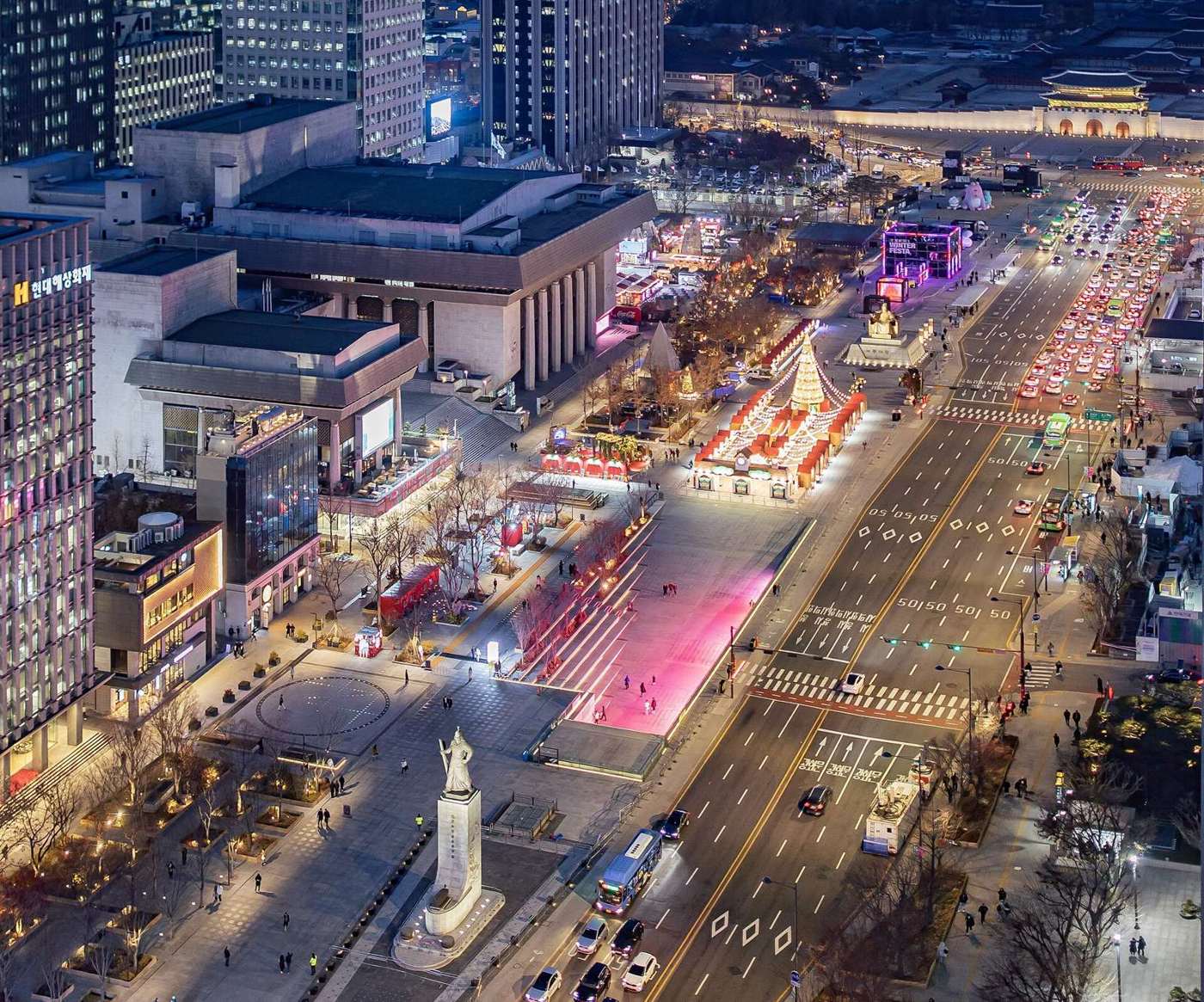
Seoul Winter Festa 2026 Dates Confirmed (14 December 2026 to 31 January 2027): Seoul Lantern Festival on Cheonggyecheon, Gwanghwamun Christmas Market Hours, the ₩1,000 Seoul Plaza Skating Rink, and New Year's Eve at Bosingak
Seoul's official calendar fixes Winter Festa 2026 at 14 December to 31 January, twice last year's run. What 2025 actually ran: lantern hours on Cheonggyecheon, the free Gwanghwamun market, the ₩1,000 skating rink, and the subway to 2 a.m. on New Year's Eve.
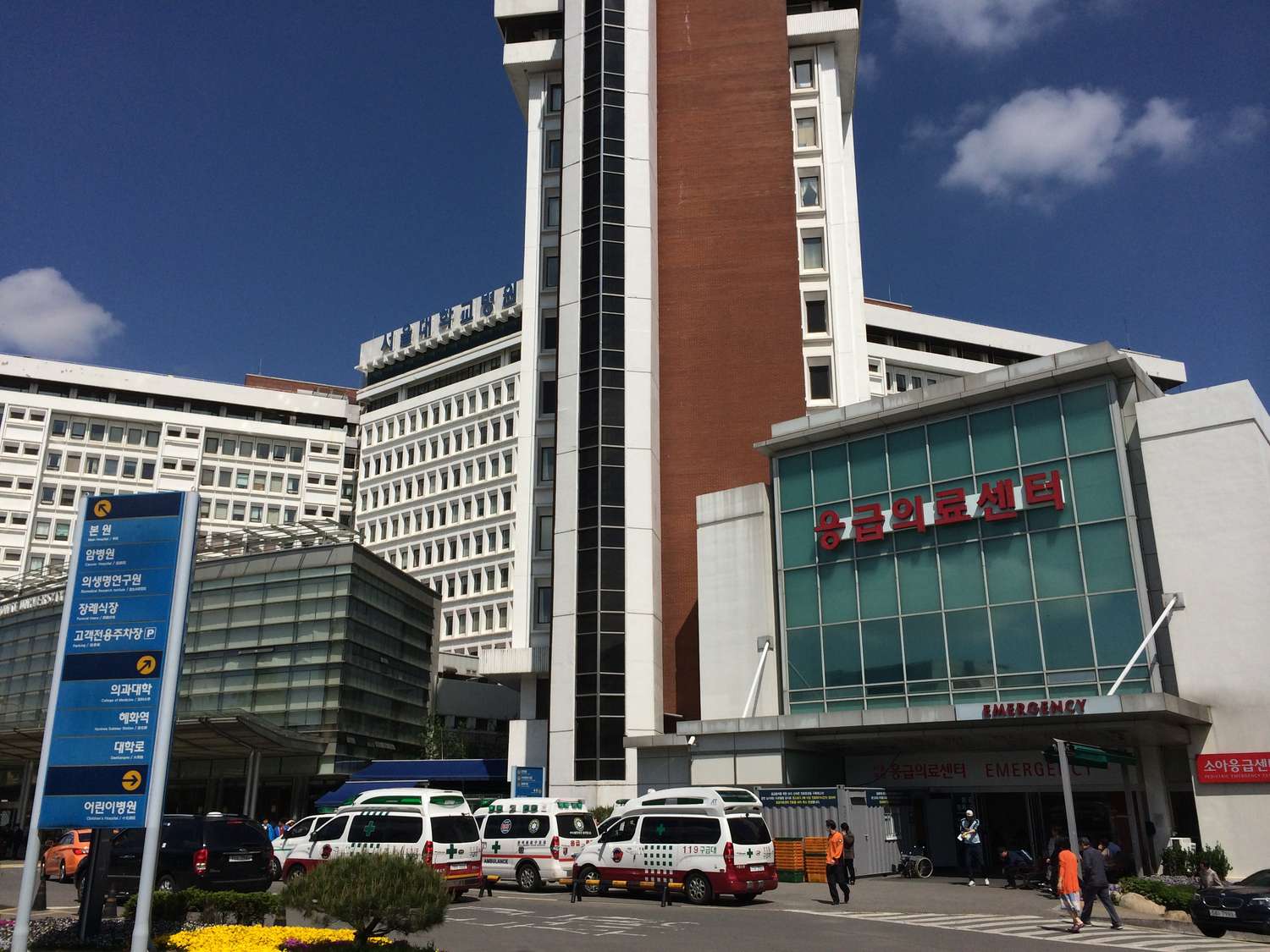
What a Doctor Costs in Korea Without Insurance (2026): ₩18,840 at a Clinic, ₩68,070 to Walk Into a Regional ER, and Why the 119 Ambulance Is Free
Korea's emergency-room access fee is not written in won. It is 812.28 relative value points times 2026's ₩83.8, making it ₩68,070 at a regional centre and ₩22,690 at a local one, against ₩18,840 at a clinic. The 119 ambulance is free.
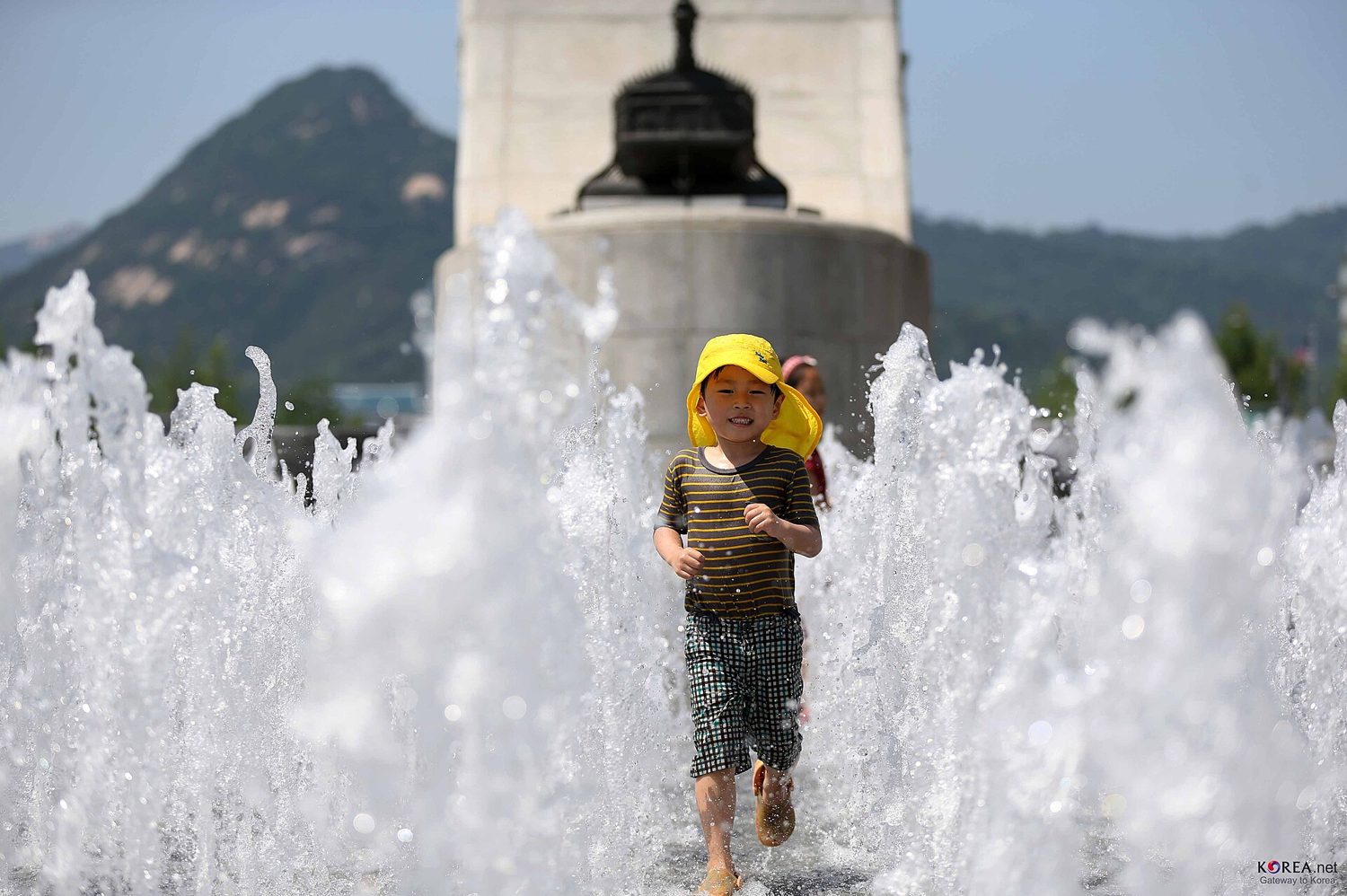
Is Korea Kid-Friendly? What Foreign Parents Report — and What Korean Data Shows: Strangers Who Hand Out Tangerines, 114 No-Kids Zones, and the 68% Who Accept Them
Foreign parents say older Koreans shower babies with snacks and department-store nursing rooms beat London's. Korean data adds 114 no-kids zones, 68% public acceptance, and 64% of Korean parents who feel watched. What that means for your trip.