
Korea Winter Travel Guide: Skiing, Skating, and Snow Trips
Korea winter travel can be magical, but it is not one simple postcard. Some travelers want ski resorts. Some want Seoul skating rinks. Some want snowy hanok photos, winter festivals, hot soup, or a day trip that feels seasonal without requiring ski lessons.
The key is matching the winter plan to your real tolerance for cold, transit, gear, and early starts. Korea's winter can be dry, icy, windy, beautiful, crowded, and logistically awkward if you build the day from social media clips alone.
This Korea winter travel guide explains skiing, snowboarding, skating, winter festivals, snowy day trips, what to pack, and how to plan a winter itinerary that still works when the weather changes.

When Is Winter Travel Best in Korea?
Korea's winter travel season usually centers on December through February, with ski resort operations depending on weather, snowmaking, and maintenance. Late November and March can be possible at some resorts or winter attractions, but you should not assume full operations without checking the official site.
VISITKOREA's ski-resort guidance notes that Korea has winter-sports options for different skill levels and that peak ski season is generally December to February. It also advises visitors to reserve accommodations and shuttle buses ahead of time and check official resort operations because opening schedules and slope availability vary with weather and snow conditions.
That last part matters. Winter Korea is not static. One week can feel cinematic; another can be dry, icy, or crowded.
If your winter plan is part of a bigger itinerary, pair this guide with EpicKor's things to know before traveling to Korea.
Quick Answer: Best Korea Winter Ideas
Choose by effort level:
- For the easiest Seoul winter mood, choose skating, palaces, cafes, night lights, and hot food.
- For snow sports, choose a resort in Gangwon or a Seoul-accessible resort with shuttle options.
- For non-ski families, choose resorts with sledding, snow play, water parks, or cable cars.
- For winter festivals, check dates carefully because many happen only for a short season.
- For snowy mountain atmosphere, plan around weather instead of assuming every landscape will be white.
| Winter Plan | Best For | Effort Level | Main Risk |
|---|---|---|---|
| Seoul skating and lights | Short trips, families, first winter visitors | Easy | Outdoor rinks and events vary by season |
| Vivaldi/Gangwon ski day | Beginners and casual snow travelers | Medium | Shuttle timing and rental queues |
| Yongpyong or major resort stay | Serious ski/snowboard plans | Medium to high | Accommodation and slope-operation changes |
| Winter festival | Photos, food, family activities | Medium | Date changes, crowds, cold exposure |
| Snowy national-park hike | Experienced winter walkers | High | Ice, closures, early darkness |
Anker 10,000mAh power bank — on AmazonAffiliate link. As an Amazon Associate, EpicKor earns from qualifying purchases at no extra cost to you.
Skiing and Snowboarding in Korea
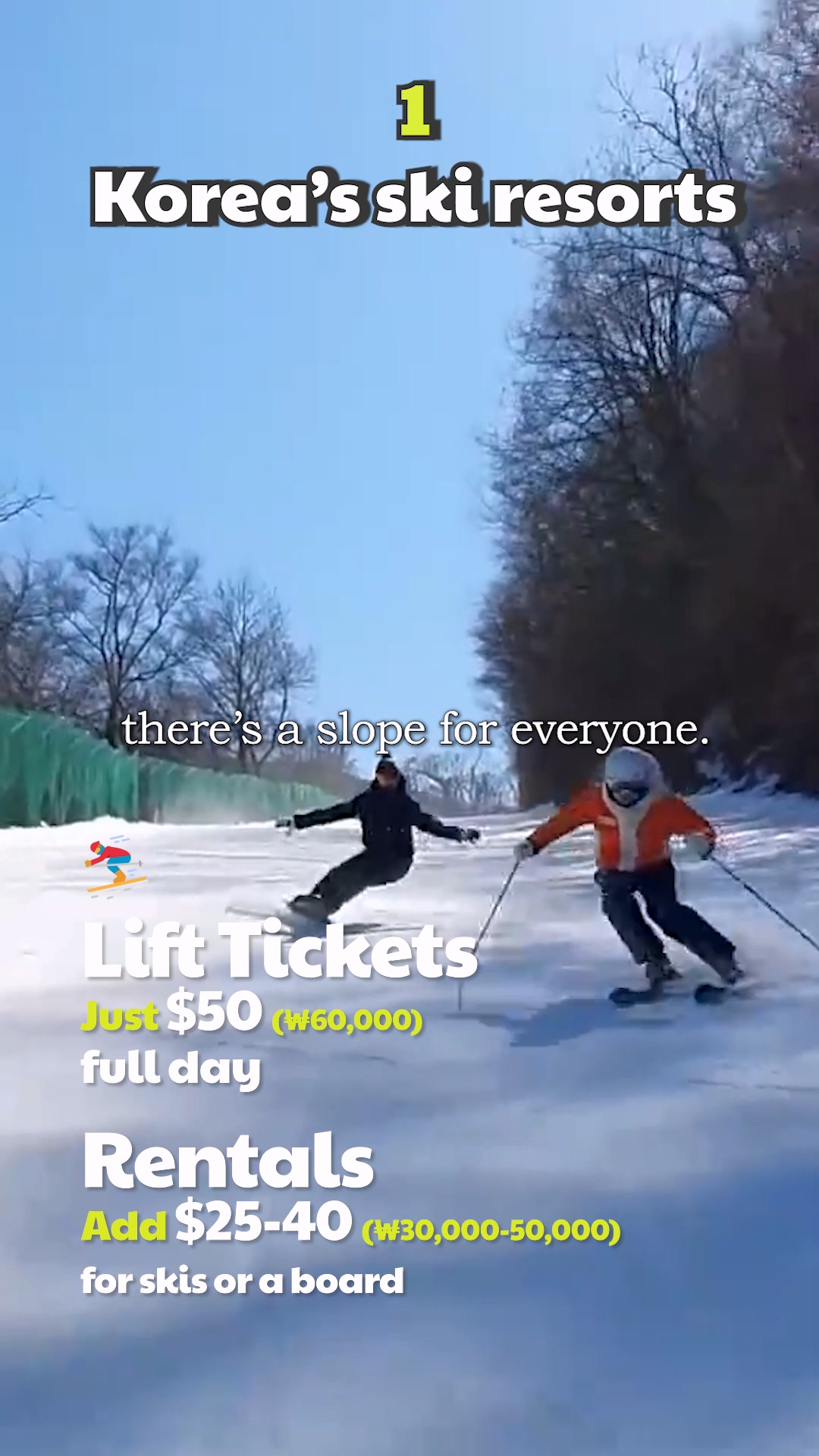
Korea's ski culture is strongest in and around Gangwon, where snowfall and mountain terrain support larger resorts. VISITKOREA highlights multiple ski resorts and notes that many resorts offer slopes for different skill levels, lift systems, rentals, nighttime skiing, and additional facilities such as cafes, saunas, indoor water parks, or family activities.
For first-timers, the best question is not "What is the best resort?" It is "Which resort fits my transport, ability, and time?" A famous resort may be the wrong choice if you only have one day and hate early buses. A closer resort may be better if your goal is simply to try snowboarding once.
If you are a beginner, take lessons or choose a beginner-friendly package. Do not follow an experienced friend onto a slope that turns your first hour into a survival documentary.
Yongpyong, Vivaldi, High1, and Other Resort Choices
Mona Yongpyong is one of Korea's most historically important ski resorts. VISITKOREA describes Yongpyong as a large all-season recreational complex in Pyeongchang with ski slopes, lifts, resort facilities, and winter-sports history tied to international competitions.
Sono Belle Vivaldi Park is often popular with Seoul-based visitors because of access and package visibility. High1, Phoenix Snow Park, Welli Hilli Park, Elysian Gangchon, Konjiam, and other resorts may suit different budgets, skill levels, and routes.
Do not compare resorts only by name. Compare:
- travel time from your hotel,
- shuttle availability,
- slope level,
- rental process,
- lesson options,
- night-skiing schedule,
- accommodation,
- and what non-skiers can do.
Should You Do a Ski Day Trip or Stay Overnight?
A day trip can work if you are casual, fit, and realistic. You wake early, ride a shuttle, rent gear, ski or snowboard, return tired, and still sleep in Seoul. This is efficient but not relaxing.
An overnight stay is better if snow sports are the point of the trip, if you have children, if you want lessons, or if you hate rushing through rentals. It also gives you more flexibility if weather delays part of the day.
For many first-time travelers, one resort night is the sweet spot. You avoid turning the whole vacation into logistics, but you get enough time to enjoy winter properly.
Seoul Winter Without Skiing
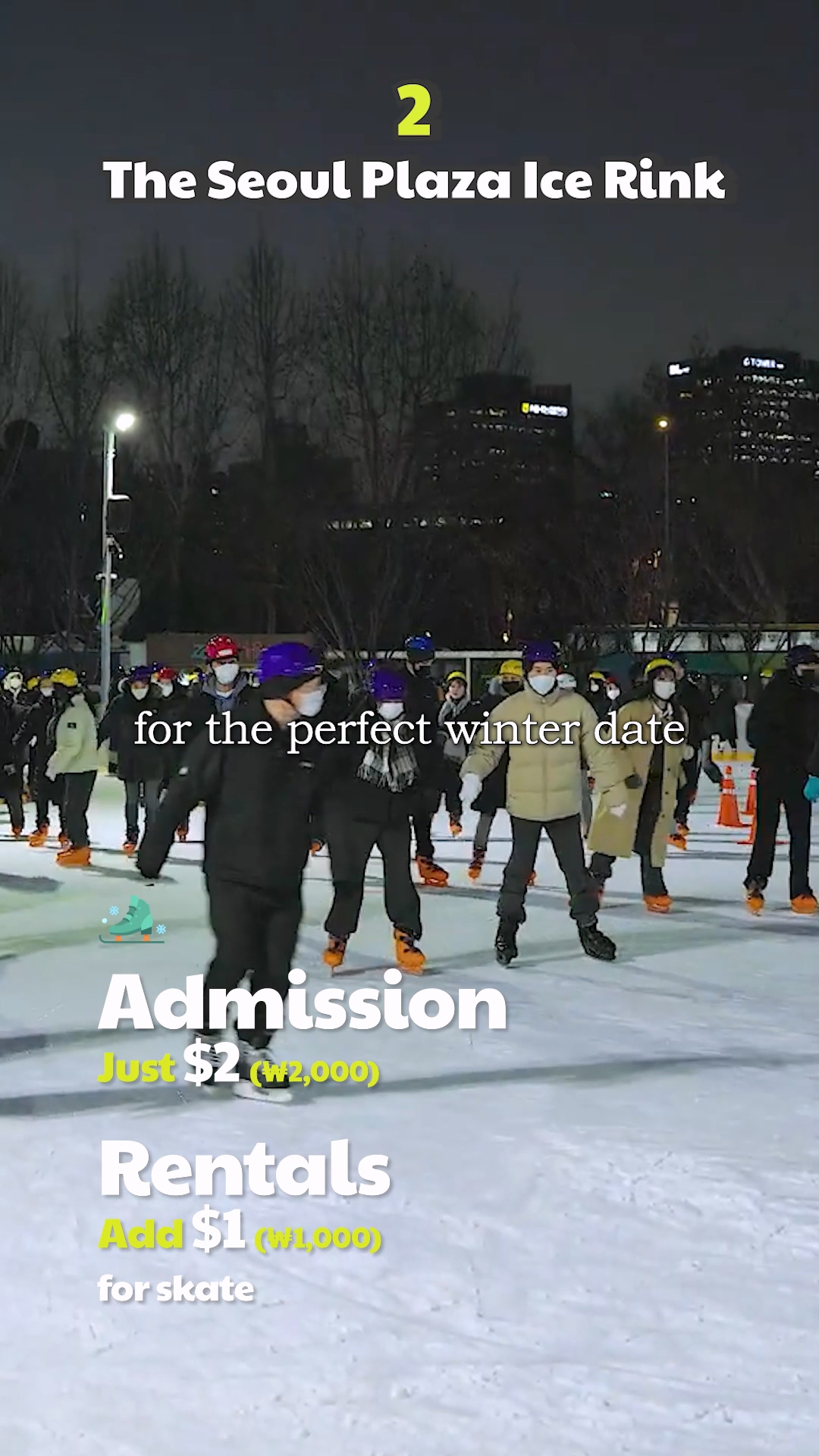
You do not need a ski resort to enjoy winter Korea. Seoul can give you seasonal atmosphere through outdoor skating rinks, palace walks, river views, Christmas or New Year lighting, department-store displays, museum days, cafes, jjimjilbangs, and hot food.
This is the smarter plan if your trip is short or if not everyone in your group wants snow sports. A winter Seoul day can be simple:
- morning palace or museum,
- hot lunch,
- cafe or shopping,
- skating or night lights,
- warm dinner,
- early return before the cold stops being charming.
EpicKor's 24-hour Seoul route guide helps you pace the city when daylight and temperature make winter days feel shorter.
Keep the winter route powered: As an Amazon Associate, EpicKor may earn from qualifying purchases. Cold weather drains phones faster, so compare portable power banks for travel before a ski shuttle or long winter photo day.
Winter Festivals and Snow Escapes
Korea's winter festivals can include ice fishing, snow sculptures, sledding, lights, local food, and family activities. VISITKOREA's winter festival information highlights events such as the Hwacheon Sancheoneo Ice Festival and other seasonal attractions, but exact dates and programs should always be checked for the specific year.
The mistake is assuming a festival is open all winter. Many are date-limited and weather-dependent. Some are far from Seoul. Some require buses, transfers, or tour packages. A festival can be wonderful if you plan correctly and miserable if you arrive underdressed after a long transfer.
Use official festival pages or current tourism listings before committing.
Winter Hiking and Snowy Mountains
Snowy mountains look beautiful, but winter hiking is not casual sightseeing. Ice, wind, early sunset, closures, and trail conditions can change the safety level quickly.
If you are not an experienced winter hiker, keep mountain plans simple. Choose lower, popular, well-marked routes in good weather, or enjoy mountain views from cable cars, viewpoints, and resort areas instead. Proper footwear matters more than aesthetics.
EpicKor's Seoul hiking guide explains the trail difficulty side before winter adds ice to the equation.
What to Pack for Korea in Winter
Pack for dry cold, wind, indoor heat, and transit transfers. You need layers more than one giant coat. A good winter kit includes:
- warm base layers,
- sweater or fleece,
- insulated coat,
- gloves,
- hat or ear protection,
- warm socks,
- shoes with grip,
- lip balm and moisturizer,
- power bank,
- and a compact bag for indoor layers.
For ski resorts, check what your rental package includes before buying gear. Many travelers need gloves, socks, base layers, and thermal comfort more than they need to buy their own jacket.
If your trip is longer than a week, EpicKor's Korea coin laundry guide helps you pack lighter without freezing in yesterday's damp outfit.
| Winter Item | Why It Matters | Buy/Rent/Bring? | Mistake to Avoid |
|---|---|---|---|
| Gloves | Cold hands ruin photos and ski days | Bring or buy before the resort | Thin fashion gloves only |
| Grip shoes | Ice appears on stairs and shaded paths | Bring | Smooth soles for snowy walks |
| Base layers | Warmth without huge luggage | Bring | One bulky outfit for every day |
| Power bank | Cold drains batteries faster | Bring | Relying on cafe charging stops |
| Ski outerwear | Needed for slopes, not every city day | Often rent for casual trips | Buying expensive gear for one beginner session |
Food That Makes Winter Better
Winter Korea is easier when you plan hot meals. Good cold-weather choices include seolleongtang, gukbap, sundubu-jjigae, kimchi jjigae, kalguksu, tteokbokki, hotteok, roasted sweet potatoes, fish cake soup, and warm teas.
Do not schedule only cafes and desserts on a freezing day. A hot soup lunch can reset your body temperature better than another iced drink beside a pretty window.
For soup and old Seoul food, EpicKor's Seoul nopo restaurant guide is a good winter companion. For home comfort after travel, the kimchi jjigae at home guide makes the same idea practical.
Winter Transport and Timing
Winter travel is slower than it looks. Ski shuttles leave early. Roads can be delayed by snow or weekend resort traffic. Subway platforms feel colder when you are tired. Outdoor attractions become less fun after sunset.
Plan one major winter activity per day. A ski resort plus a night market plus a palace photo shoot sounds efficient until you are carrying wet gloves and a dying phone at 9 p.m.
If you are moving between cities, check train or bus schedules early. If you are returning from a resort, confirm the last shuttle and where it departs. Korean travel infrastructure is good, but it is not psychic. It will not rescue an itinerary that ignores time.
Carry small winter essentials together: A travel card pouch keeps transit card, hotel key, backup cash, and locker receipts from disappearing in coat pockets. Compare travel card pouches before a cold-weather Korea route.
A Simple 4-Day Korea Winter Plan
If winter is a side theme, not the whole trip, try this:
Day 1: arrive, settle in Seoul, eat hot soup, and take a short night-light walk.
Day 2: palace, museum, cafe, shopping, and skating or seasonal lights if available.
Day 3: ski resort day trip or overnight resort transfer.
Day 4: slow recovery day with jjimjilbang, bookstore, department-store food hall, or a warm neighborhood route.
If skiing is the main trip, reverse the ratio: two resort days, one Seoul recovery day, and one flexible day for weather.
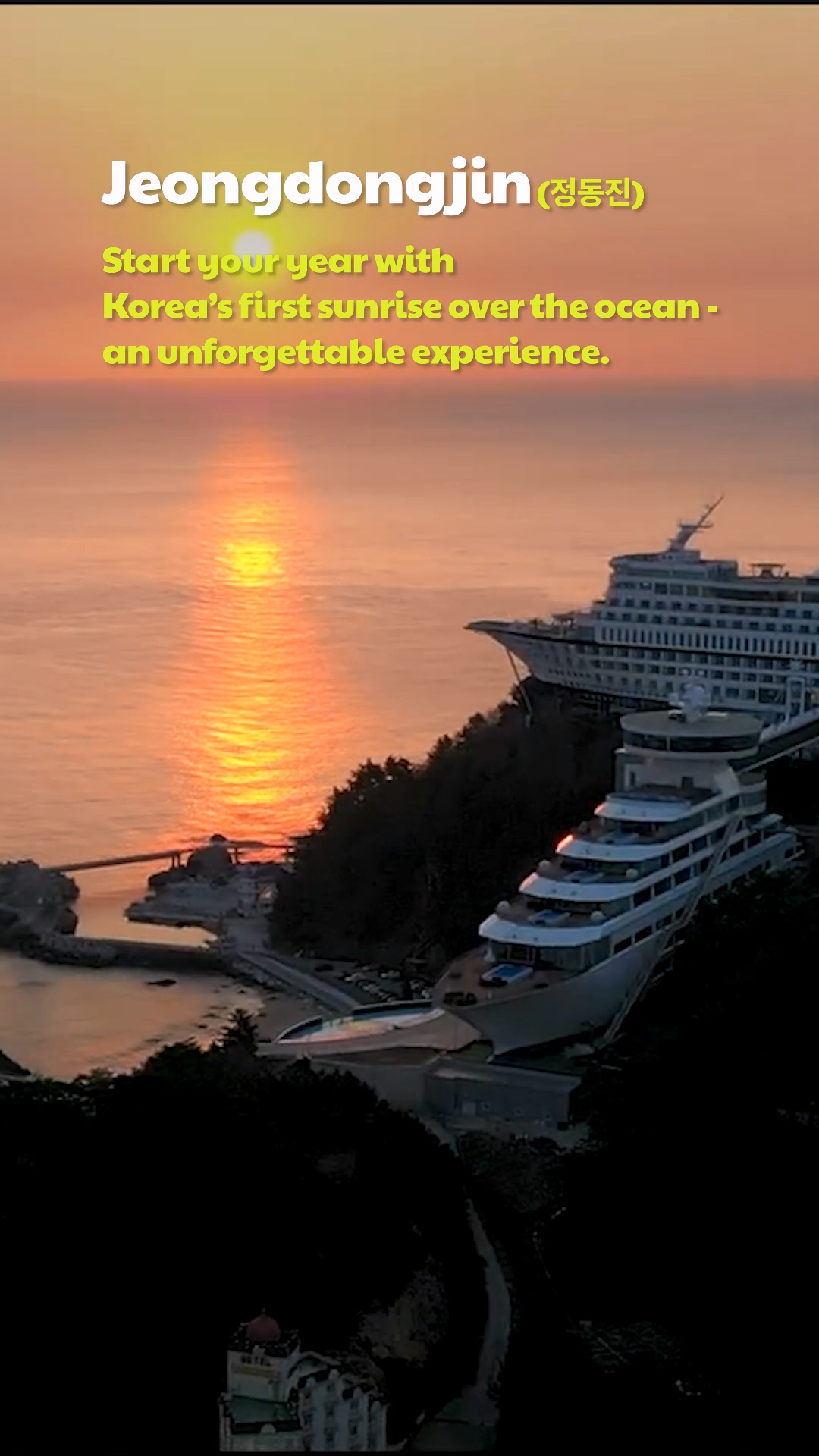
You might like: Seoul Winter Festa 2026: confirmed dates, Cheonggyecheon lantern hours, the free Gwanghwamun market and the ₩1,000 skating rink
FAQ
Q: What is the best month for skiing in Korea? December to February is usually the core ski season, but exact opening, slope operation, and snow conditions depend on weather and each resort's official schedule.
Q: Can I ski in Korea as a beginner? Yes. Many resorts have beginner slopes, rentals, and lesson options. Choose a beginner-friendly package and do not follow experienced friends onto advanced terrain.
Q: Is Korea winter travel possible without skiing? Absolutely. Seoul winter can include skating, palaces, museums, cafes, night lights, jjimjilbangs, hot food, shopping, and day trips.
Q: Do I need to stay overnight at a ski resort? Not always. A day trip can work for casual visitors, but overnight is better for lessons, families, serious skiing, and less rushed logistics.
Q: What should I wear in Korea in winter? Wear layers, an insulated coat, gloves, warm socks, and shoes with grip. Indoor heating can be strong, so layers help more than one huge outfit.
Q: Are Korea winter festivals open all season? No. Many winter festivals are date-limited and weather-dependent. Check official dates, transport, ticketing, and program details before traveling.
Sources and Further Reading
- VISITKOREA - 12 ski resorts to spend winter in Korea
- VISITKOREA - Korea sport and leisure winter guide
- VISITKOREA - Yongpyong Ski Resort
- VISITKOREA - Korea winter festivals
- VISITKOREA - Explore Korea this winter
Video Insight: Korea Winter Escapes
You Might Also Like
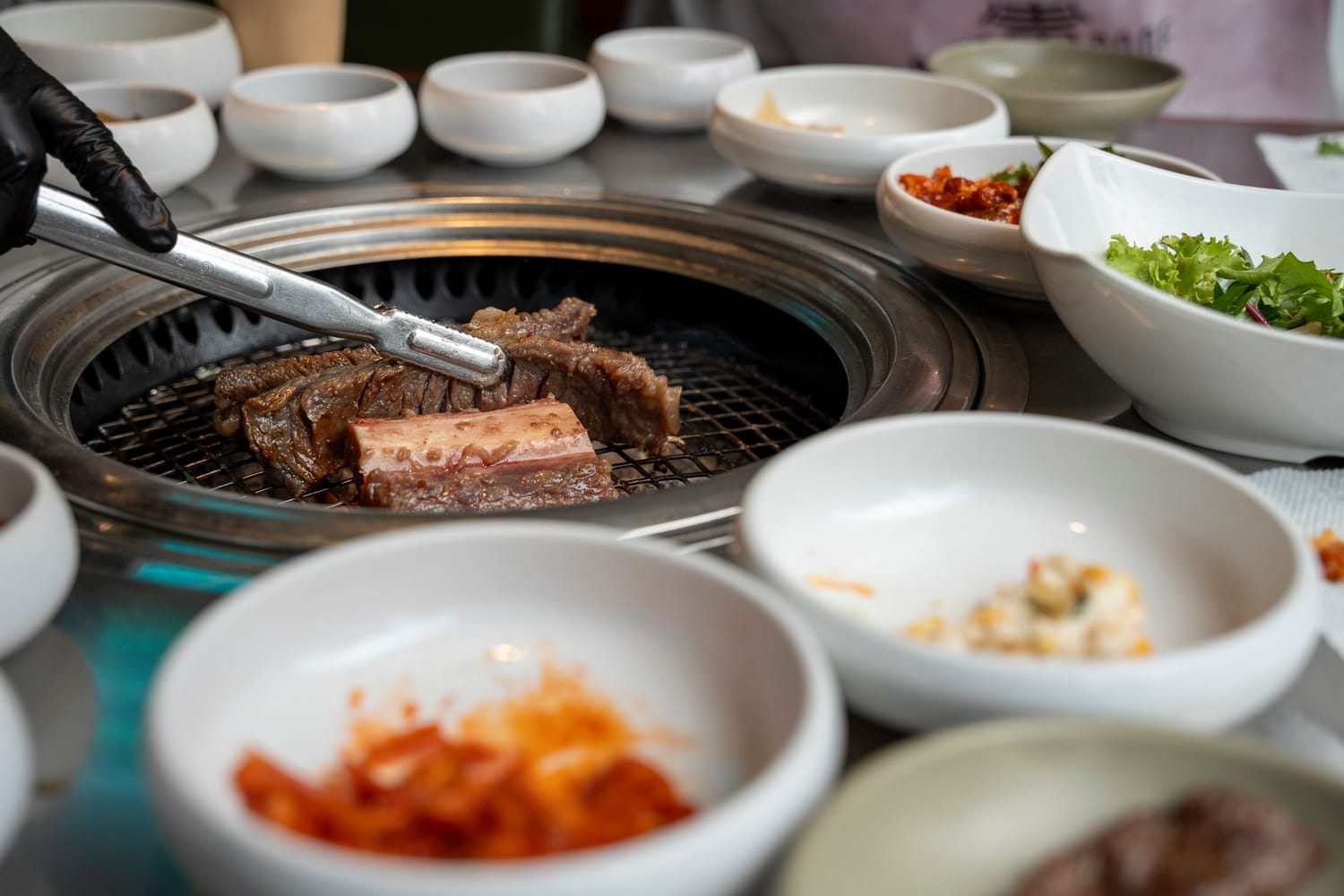
Korean Kitchen Scissors: Why Koreans Cut Meat and Noodles at the Table, and Why It Is Not an Office Scissor
Scissors on a restaurant table look wrong to most of the world and normal to every Korean. The tool is not a desk scissor: thick blades, one serrated edge, big rings, often detachable, built for galbi and cold noodles. Where it came from, and which one to buy.
The One Korean Food Foreigners Never Learn to Love: Hamheung Naengmyeon, and Why Koreans Can't See the Problem
Foreigners who eat cheonggukjang and even hongeo still will not pay for this twice. A Korean creator who fed foreigners for years says naengmyeon was the overwhelming number one refusal, and Koreans, who rank it first every summer, cannot see why.
Why Do Koreans Stare at Foreigners? The 5% Country, and Where the Looking Actually Happens
In central Seoul nobody looks at you. In a provincial market, a small town or a subway car of grandmothers, they do. Korea only became a 5%-foreign country in 2025. Where the staring happens, what it means and does not mean, and what to do with it.