Korea Hotel and Airbnb Cancellation Rules 2026: The Official Refund Table, the 24-Hour Rule, and the 12 November Ban on Unregistered Listings
Last updated: September 2026. The refund table is from the Fair Trade Commission's Consumer Dispute Settlement Criteria (notice 2025-14, 18 December 2025, Annex 2); the platform rule and fines are from the Public Health Control Act as amended on 11 November 2025 and its enforcement rules as amended on 14 July 2026; Airbnb's rule is from Airbnb's Korean newsroom; the complaint figures are from the Korea Tourism Organization's data lab as reported by Hankyung and Financial News on 6 September 2026. All read on the national law database and the sources named, 16 September 2026.
Travellers filed 1,753 tourist complaints with Korea's tourism authorities in the first seven months of 2026, 84 percent of them from foreign visitors: already more than in the whole of 2025, and the most on record. The biggest single category was general lodging, with 500, and many of those cases involved the same two problems: a booking cancelled by the property, and a cancellation penalty that looked too high. Hotels added another 146.
Korea has an answer to both that English travel guides rarely mention. The Fair Trade Commission publishes an official refund table for accommodation, split by peak and off-peak season, weekday and weekend, and by who cancelled. It says, for example, that you can cancel a peak-season weekend stay for your deposit back up to 10 days before, and that a property cancelling on you pays compensation on top of the refund. And from 12 November 2026, booking platforms will be barred from listing Korean lodgings that have not filed a business report. This guide sets out both, and where to complain when they are ignored.
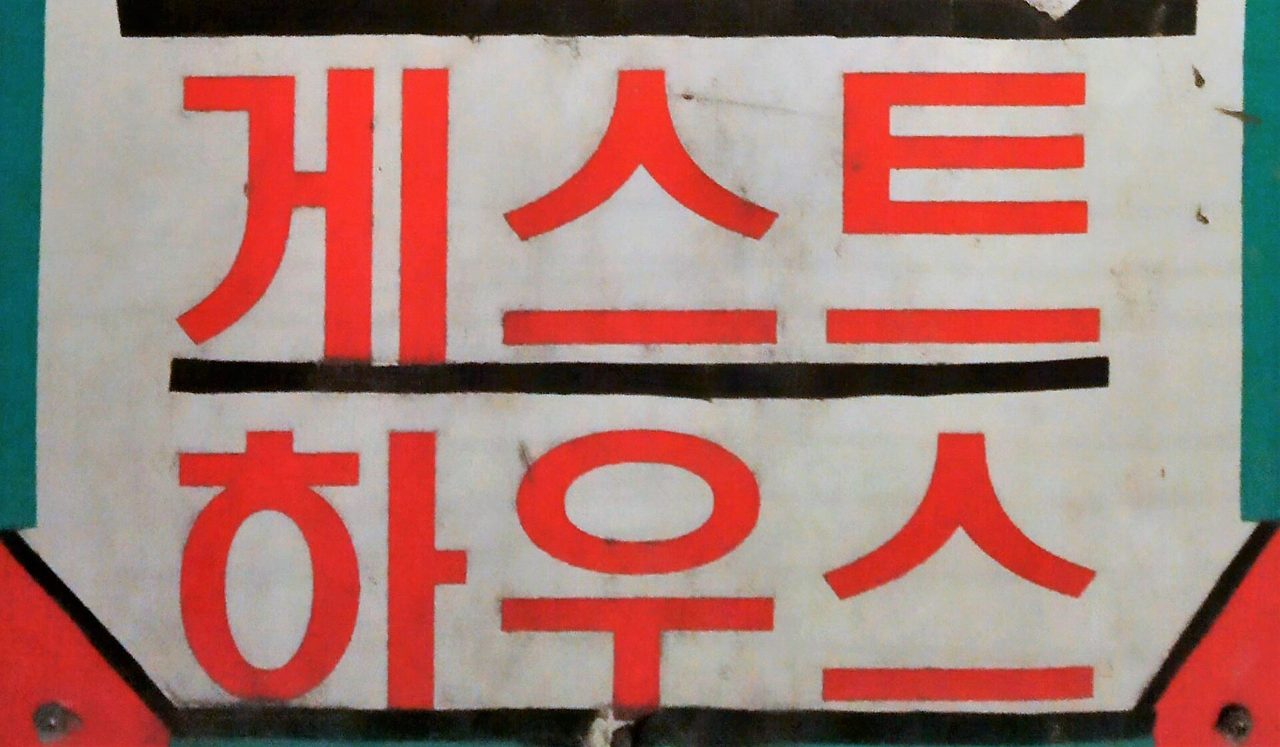
"Guesthouse" in Korean. Motels and many guesthouses file a lodging business report with the local district office; that report is what platforms will have to check from 12 November 2026. Other guesthouses are licensed as urban or rural homestays. Photo: Hippietrail, Wikimedia Commons, CC0 (2019).
If you book a guesthouse, motel or private room, a portable lock adds a second latch to an inward-opening room door in seconds: the Addalock portable door lock needs no tools and fits a pocket. It does not work on doors that open outward, which includes most Korean apartment front doors. As an Amazon Associate, EpicKor earns from qualifying purchases.
Quick Guide: Korea's booking protection rules
| Question | Answer |
|---|---|
| Is there an official refund table? | Yes: the Fair Trade Commission's Consumer Dispute Settlement Criteria, accommodation section (latest revision 18 December 2025) |
| Is it binding? | It is the standard for settlement and mediation when the two sides agreed nothing else; the property's own terms come first |
| Peak season | 15 July–24 August and 20 December–20 February, unless the property's terms define it |
| Weekend | Friday and Saturday nights, and the night before a public holiday |
| Free cancellation, peak | Within 24 hours of booking, or up to 10 days before the stay: deposit back |
| Free cancellation, off-peak | Up to 2 days before the stay: deposit back |
| Worst case, peak | Day before or same day: 80% (weekday) or 90% (weekend) of the total kept |
| If the property cancels | Deposit back plus 10–60% of the total, or damages if it cancels the day before or on the day (peak) |
| Storms and disasters | Same-day cancellation for your deposit back if an official weather warning makes the trip impossible, including on the route |
| 12 November 2026 | Platforms must check a lodging's business report before listing it; fine up to ₩10 million |
| Where to complain | 1330 (+82-2-1330 from abroad, 8 languages) or the Tourist Complaint Center, touristcomplaint.or.kr |
Compare stays by their cancellation terms, not just the price The property's own policy overrides the official table, so the cancellation line on the listing is the one that counts. Search Seoul, filter for free cancellation, and read the deadline, taxes and final price for your dates. EpicKor may earn a commission if you book through this Agoda link, at no extra cost to you. Agoda partner link.
Compare Seoul stays on AgodaThe official refund table
The table sits in Annex 2 of the Consumer Dispute Settlement Criteria, under "accommodation business". Percentages are deducted from the total charge before the refund when you cancel, and paid to you on top of the deposit when the property cancels. The table's word is 계약금, "deposit"; if you prepaid in full, that is in practice what you paid, but the notice itself does not spell that out.
Peak season (15 July–24 August, 20 December–20 February)
| You cancel | Weekday stay | Weekend stay |
|---|---|---|
| Within 24 hours of booking, or 10+ days before | Deposit back | Deposit back |
| Up to 7 days before | 10% deducted | 20% deducted |
| Up to 5 days before | 30% deducted | 40% deducted |
| Up to 3 days before | 50% deducted | 60% deducted |
| Day before, or on the day | 80% deducted | 90% deducted |
| The property cancels | Weekday stay | Weekend stay |
|---|---|---|
| 10+ days before | Deposit back | Deposit back |
| Up to 7 days before | Deposit + 10% of total | Deposit + 20% of total |
| Up to 5 days before | Deposit + 30% | Deposit + 40% |
| Up to 3 days before | Deposit + 50% | Deposit + 60% |
| Day before, or on the day | Damages (손해배상) | Damages (손해배상) |
Off-peak (the rest of the year)
| When | You cancel, weekday | You cancel, weekend | Property cancels, weekday | Property cancels, weekend |
|---|---|---|---|---|
| 2+ days before | Deposit back | Deposit back | Deposit back | Deposit back |
| Day before | 10% deducted | 20% deducted | Deposit + 10% | Deposit + 20% |
| On the day, or no-show | 20% deducted | 30% deducted | Deposit + 20% | Deposit + 30% |
Three notes in the annex matter:
- Peak season follows the property's terms if they define one; the summer and winter dates apply only when the terms are silent. A hotel can therefore call a festival week peak season, as long as it says so in its terms.
- Weekend means Friday and Saturday nights and the night before a public holiday. The night before Chuseok or any other public holiday is priced as a weekend.
- Not turning up counts as cancelling on the day if you have not told the property by the scheduled check-in time.
The Korea Consumer Agency has an English translation of the criteria, but the version online dates from 2019: it gives free cancellation "on the date of contracting" and has neither the 24-hour rule nor the travel-route weather clause. Use the table above instead.
The 24-hour rule, and its midnight catch
Until December 2024 the table allowed free cancellation only on the day you booked, so a booking made at 23:50 had ten minutes. A revision that month (the law database dates it 27 December 2024) replaced that with 24 hours from booking. It is written into the peak-season rows; off-peak, you can cancel free until two days before in any case.
The annex adds one limit: if the 24 hours run into the day of the stay, the free window ends at midnight before that day. Book at 15:00 on 10 August for the night of 11 August, and your free cancellation ends at 00:00 on 11 August, not at 15:00. Last-minute bookings get no 24-hour grace on the day itself.
Storms, disasters and false advertising
Two more rows give you your deposit back regardless of season:
- Weather and natural disaster. If you cancel on the day because the trip or the stay has become impossible, you get the deposit back. The annex limits this to an advisory or warning from the Korea Meteorological Administration for strong wind, high seas, heavy rain, heavy snow, storm surge, tsunami, typhoon or volcanic activity (earthquakes included), or an advisory from a government body that closes roads so you practically cannot get there. Since the 18 December 2025 revision, this explicitly covers the route from where you set out, not just the destination. On that wording, a typhoon warning that grounds your ferry to Jeju would qualify even if Jeju itself is calm.
- False or exaggerated advertising. If the listing misrepresented the place, you get the deposit back.
Is the table the law?
Not quite. The Framework Act on Consumers (Article 16) says the criteria are the standard for agreement or recommendation "only where the parties have not expressed a separate intention" about how to settle the dispute. In practice:
- The property's cancellation policy, if you agreed to it at booking, comes first. A non-refundable rate is a non-refundable rate.
- The table is what the Korea Consumer Agency and tourism complaint desks use when there is no clear agreement, or when they mediate.
- Terms that are unreasonably one-sided can be challenged under Korea's standard terms law, but that is a separate fight.
So the table is most useful in two situations: a small guesthouse or motel booked by message or phone with no written policy, and a property that cancels on you, where the table gives you a number to ask for.
The 200% rule is not in force
In June 2026, after weekend room rates in Busan rose up to 7.5 times during the BTS concerts, the government said the Fair Trade Commission would start revising the criteria that month so that a lodging which cancels a booking to resell the room at a higher price would pay 200% of the room rate on top of the deposit. As of 16 September 2026, the latest revision on the national law database is still the one dated 18 December 2025. Treat the 200% figure as a plan, and ask for the table above in the meantime.
12 November 2026: no more unregistered listings
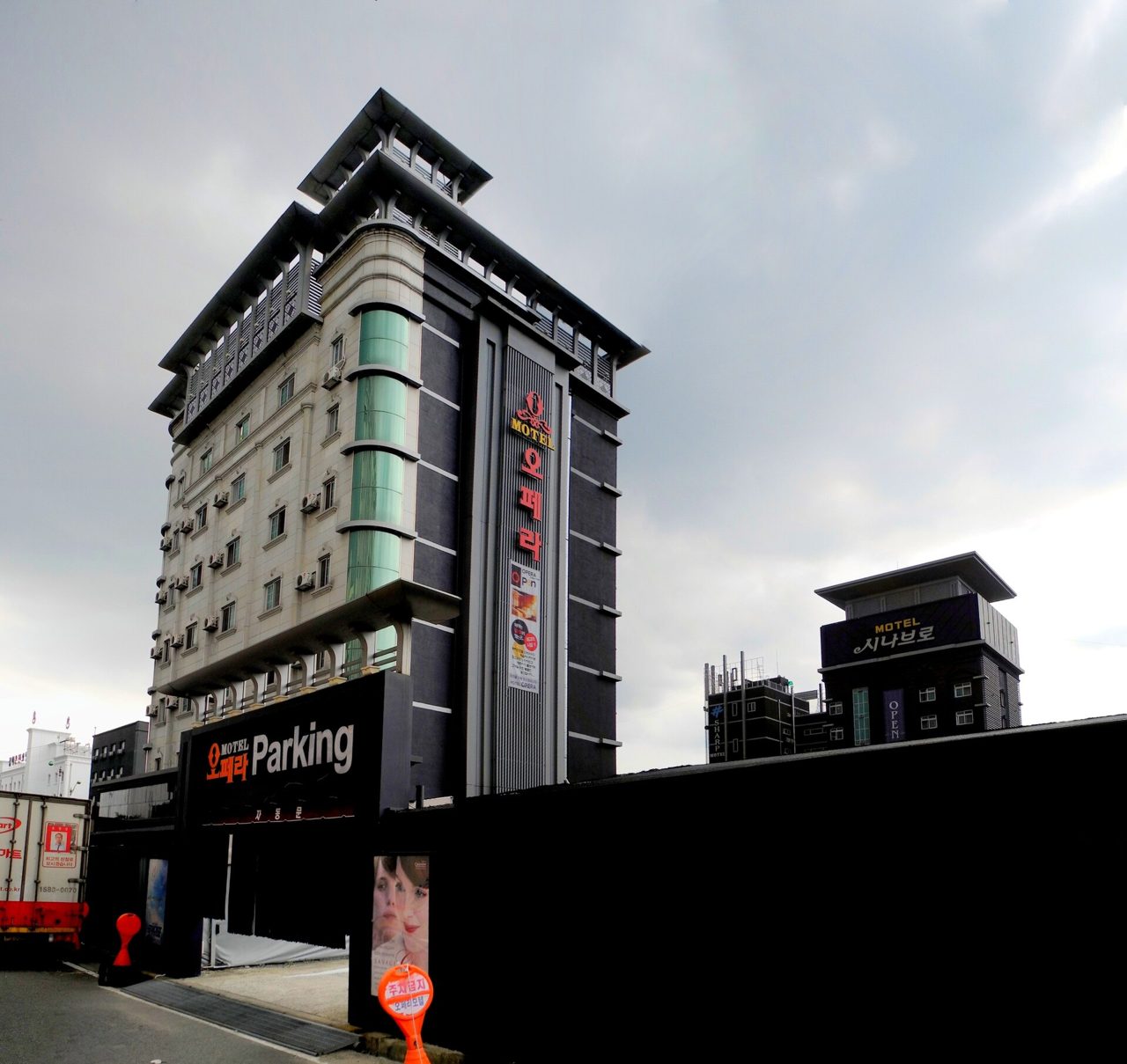
A motel in Daejeon, with the screened parking entrance common to Korean motels. Motels, and guesthouses that file a lodging report, are "lodging businesses" under the Public Health Control Act. Photo: Schölla Schwarz, Wikimedia Commons, CC BY 3.0 (2011).
An amendment to the Public Health Control Act, promulgated on 11 November 2025, takes effect on 12 November 2026. Its new Article 4-2 says:
- A platform that lists a lodging business must check the business report certificate (영업신고증) that the district office issued.
- If it cannot confirm the certificate, it may not list the property. A platform is exempt only if it deletes an unregistered lodging as soon as it finds it.
- Breaking this rule is an administrative fine of up to ₩10 million under the Act. In July 2026 the health ministry proposed setting the actual fine at ₩5 million in the enforcement decree, to take effect with the Act on 12 November; that amount was still at the proposal stage in mid-September.
- Running a lodging business without filing the report was already a crime: up to two years in prison or a ₩20 million fine.
The government's reason, in the amendment note, is that platforms were listing unregistered lodgings freely and nothing in the law penalised them for it.
Airbnb moved first. Its Korean newsroom said listings that had not submitted their business report details and certificate by 16 October 2025 could not take bookings for stays from 1 January 2026; new listings have had to submit them since 2 October 2024. A listing that submits later can go back to normal from that point. The Korea Herald reported in October 2025 that about 30,000 unlicensed properties, including officetels, which cannot legally register as lodging, were expected to be delisted.
Not every legal stay is a "lodging business"
This is where most English coverage gets confused. Korea has many kinds of accommodation licence, and several common ones sit under other laws:
| Type | Registered under | Notes |
|---|---|---|
| Motel, ordinary hotel, many guesthouses | Public Health Control Act (lodging business report) | The group the 12 November rule is written for |
| Tourist hotel with a star grade | Tourism Promotion Act (registration) | Registration counts as the lodging report; graded 1 to 5 stars |
| Urban homestay for foreign tourists (외국인관광 도시민박업) | Tourism Promotion Act | A resident hosting in their own home; by law it serves foreign tourists, with a narrow exception for some regeneration-area village companies |
| Hanok stay (한옥체험업) | Tourism Promotion Act | Open to all tourists |
| Rural homestay (농어촌민박) | Rural development law | Countryside and fishing villages |
The enforcement decree of the Public Health Control Act excludes the last three from "lodging business". So the Seoul apartment on Airbnb that only takes foreign guests may be perfectly legal as an urban homestay, and the officetel next door may not be legal at all. How platforms will check the non-lodging licences after 12 November is not spelled out in the texts we read.
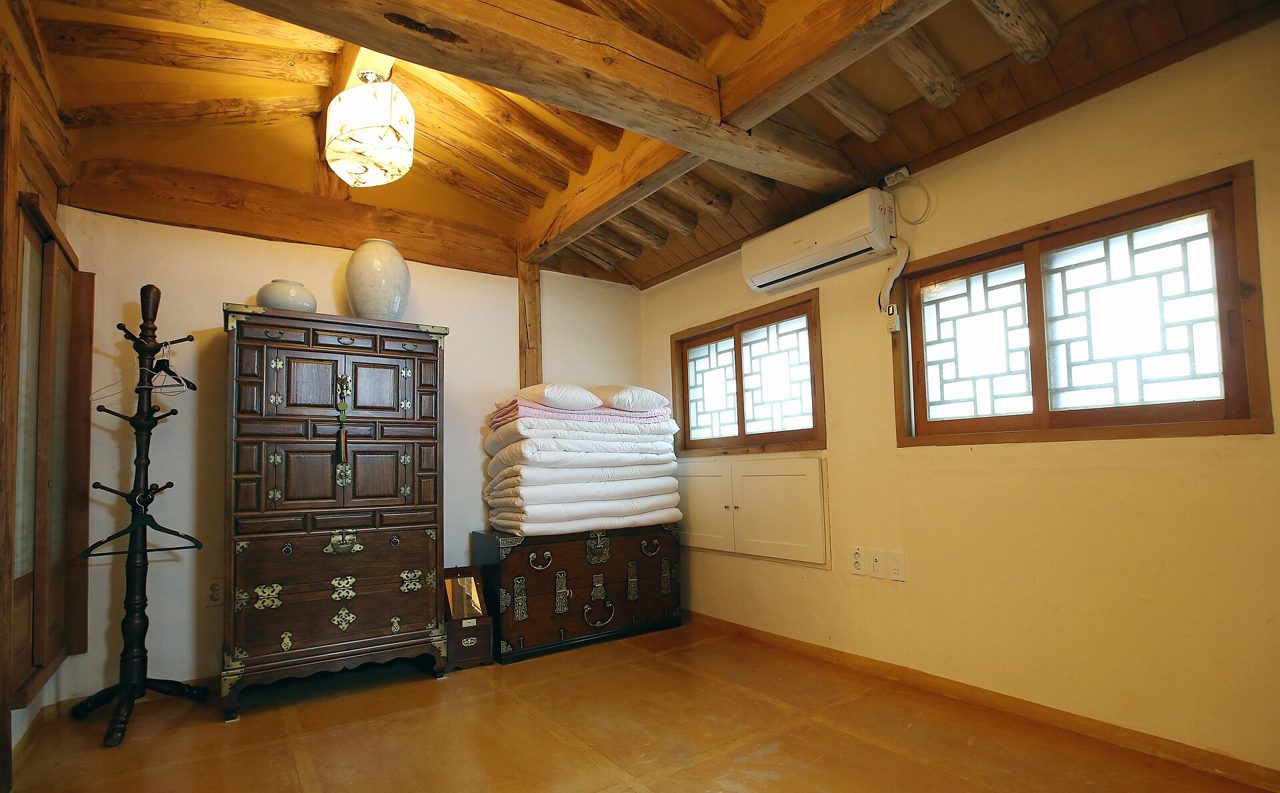
A guest room at a hanok stay in Bukchon, Seoul. Hanok stays register under the Tourism Promotion Act, not as a lodging business. Photo: Republic of Korea (Korea.net), Wikimedia Commons, CC BY-SA 2.0 (2015).
How to check a place is registered
The Korea Tourism Organization runs SafeStay (safestay.visitkorea.or.kr), a Korean-language site that says it lets you "check legal lodgings registered nationwide" and has a lookup for homestay licences. A browser translator is enough. If a host cannot tell you their licence type, or the listing is an officetel "residence", treat that as the answer.
Posted prices are now enforced
Lodging businesses already had to post room rates at the front desk and charge no more than the posted rate. Since 14 July 2026, one that sells rooms online must also post them on the online listing, and the revised enforcement rules set a stiffer penalty for not posting rates or charging more:
| Offence | 1st | 2nd | 3rd | 4th |
|---|---|---|---|---|
| No rate card at the desk, or charging above it | 5-day suspension | 10 days | 20 days | Closure order |
| No rate card on the online listing, or charging above it | 5-day suspension | 10 days | 20 days | Closure order |
The online rule excuses breaches caused by a system error the owner is not responsible for. Registered tourist hotels fall under the Tourism Promotion Act, which takes precedence for them, so this table is aimed mainly at motels, guesthouses and ordinary hotels. If a guesthouse asks for more at check-in than the listing said, photograph the listing and the desk before you pay.
Where to complain
| Channel | What it does | Language |
|---|---|---|
| 1330 Korea Travel Helpline (1330 in Korea, +82-2-1330 from abroad) | Tourist information, interpretation, and taking complaints | Korean, English, Japanese, Chinese, Russian, Vietnamese, Thai, Indonesian |
| Tourist Complaint Center (touristcomplaint.or.kr) | Online complaints about tourism businesses; translated into Korean for investigation and the reply translated back | English and seven other languages |
| Korea Consumer Agency, 1372 | Consumer counselling and mediation | Mainly Korean |
How the Tourist Complaint Center works, from its English page:
- Register and verify your email address (required the first time), then file the complaint with evidence: booking confirmation, messages, receipts, photos. The Korean page says urgent cases can be filed without evidence.
- It is translated into Korean and passed to the body responsible.
- The reply comes back in the language you wrote in.
It handles disputes between a tourist and a business in Korea. It excludes complaints about a company based in a foreign country, so a dispute with an overseas booking platform itself may fall outside it; a dispute with the Korean property does not. For those, go to the platform's own help centre as well.
One outdated tip still circulates in English: the Korea Consumer Agency's cross-border consumer portal is for Koreans in disputes with overseas businesses, and since 1 January 2026 its counselling requests go through the 1372 consumer centre instead.
The complaint numbers
The Korea Tourism Organization's data lab figures for January to July 2026, as reported on 6 September:
| By type | Cases | By region | Cases |
|---|---|---|---|
| General lodging | 500 | Seoul | 665 |
| Shopping | 376 | Busan | 594 (239 a year earlier) |
| Airport and airlines | 186 | Incheon | 176 |
| Taxi | 182 | Jeju | 155 |
| Hotels | 146 | Total | 1,753 |
By our addition, the two accommodation categories come to 646, about 37 percent of all complaints. By nationality, China filed 680, Korea 276, Japan 263, Taiwan 182 and Hong Kong 87; foreigners made up 84.3 percent. The yearly totals show the recovery: 1,263 in 2018, 119 in 2021, 902 in 2023, 1,543 in 2024 and 1,744 in 2025.
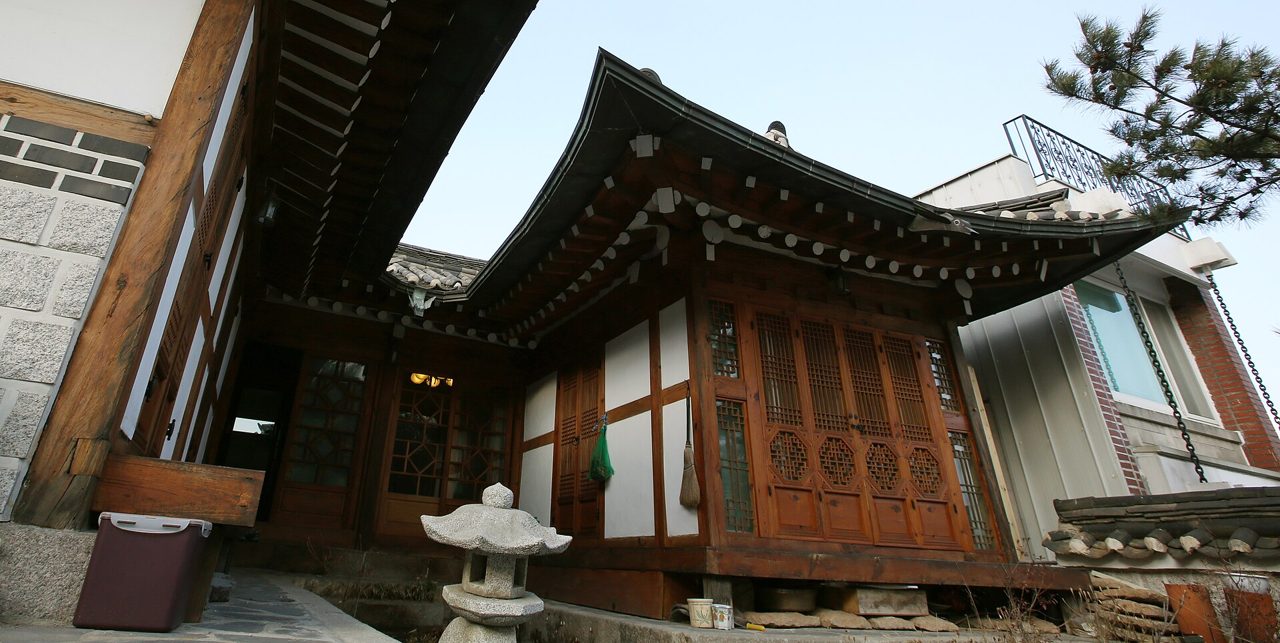
A hanok stay in Bukchon, photographed the same day. Photo: Republic of Korea (Korea.net), Wikimedia Commons, CC BY-SA 2.0 (2015).
Before you book: a short checklist
- Read the cancellation deadline on the listing. It overrides the official table.
- Check whether your dates are peak or weekend under the property's terms; that decides which column applies.
- Book peak-season stays more than 10 days out if you might cancel, and use the 24-hour window if you are unsure, remembering it ends at midnight before the stay.
- Ask a private host what licence they hold. Urban homestay, hanok stay and rural homestay are all legal; "none" is not.
- Screenshot the listing and the price at booking. The posted-price rule is only useful if you can show the posted price.
- If the property cancels, ask for the table's compensation and file with 1330 or the Tourist Complaint Center if it refuses.
For what rooms cost month by month, see our Seoul hotel price guide; for getting in from the airport late, our Incheon Airport guide; and for paying once you arrive, our Korea payment guide.
FAQ
Q: Can I cancel a hotel booking in Korea for free within 24 hours? Under the official peak-season table, yes: cancelling within 24 hours of booking returns your deposit. If the 24 hours run into the day of the stay, the free window ends at midnight before that day. A non-refundable rate you agreed to still applies.
Q: What happens if a Korean hotel or guesthouse cancels my booking? The table says the property returns your deposit and, in peak season, pays 10–60% of the total on top depending on how late it cancels, or damages if it cancels the day before or on the day. Off-peak, it pays 10% or 20% (weekday) and 20% or 30% (weekend) for the last two days.
Q: Is Airbnb legal in Korea? Yes, for hosts with a licence. Listings that did not submit their business report to Airbnb by 16 October 2025 cannot take bookings for stays from 1 January 2026, and from 12 November 2026 the law requires platforms to check a lodging's report certificate. Urban homestays, hanok stays and rural homestays are licensed under other laws.
Q: Can I get a refund if a typhoon stops me reaching my hotel? Under the table, yes, for a same-day cancellation when an official weather advisory or warning makes the trip or stay impossible. Since December 2025 that includes weather on your route, not only at the destination.
Q: Where do foreign tourists complain about accommodation in Korea? Call 1330 (+82-2-1330 from abroad, eight languages) or file online at touristcomplaint.or.kr in English. Attach your booking, messages and receipts.
Q: When is peak season for Korean hotels? Under the official table, 15 July to 24 August and 20 December to 20 February, unless the property's own terms define a different season.
Sources
- Fair Trade Commission, Consumer Dispute Settlement Criteria, notice 2025-14 (18 December 2025), Annex 2, accommodation business, and the 2025 revision reasons; notice 2024-32 (27 December 2024) on the 24-hour rule (national law database). Korea.kr policy briefing on the 2024 revision.
- Framework Act on Consumers, Article 16(3) (national law database).
- Public Health Control Act, Articles 4-2, 20 and 22, as amended by Act 21098 (11 November 2025, effective 12 November 2026), and the amendment reasons; Enforcement Decree, Article 2; Enforcement Rules, Annexes 4 and 7, as amended by Ministry of Health and Welfare Ordinance 1186 (14 July 2026) (national law database).
- Financial News / Yonhap (3 July 2026): proposed ₩5 million fine. SBS News English (3 July 2026).
- Tourism Promotion Act, Articles 18, 19 and 35, and Enforcement Decree, Articles 2 and 22 (national law database).
- Airbnb Korea newsroom, business report enforcement (2025). The Korea Herald (10 October 2025): urban homestay rules and delisting estimate.
- Asia Economy via Daum (4 June 2026): government plan for 200% compensation.
- Hankyung and Financial News (6 September 2026), citing the Korea Tourism Organization's Korea Tourism Data Lab: complaints January–July 2026.
- Tourist Complaint Center (touristcomplaint.or.kr, English introduction) and Korea Tourism Organization complaint page; Government24 service page for 1330; Korea Consumer Agency cross-border portal notice on the 1372 merger; KTO SafeStay (safestay.visitkorea.or.kr).
You Might Also Like
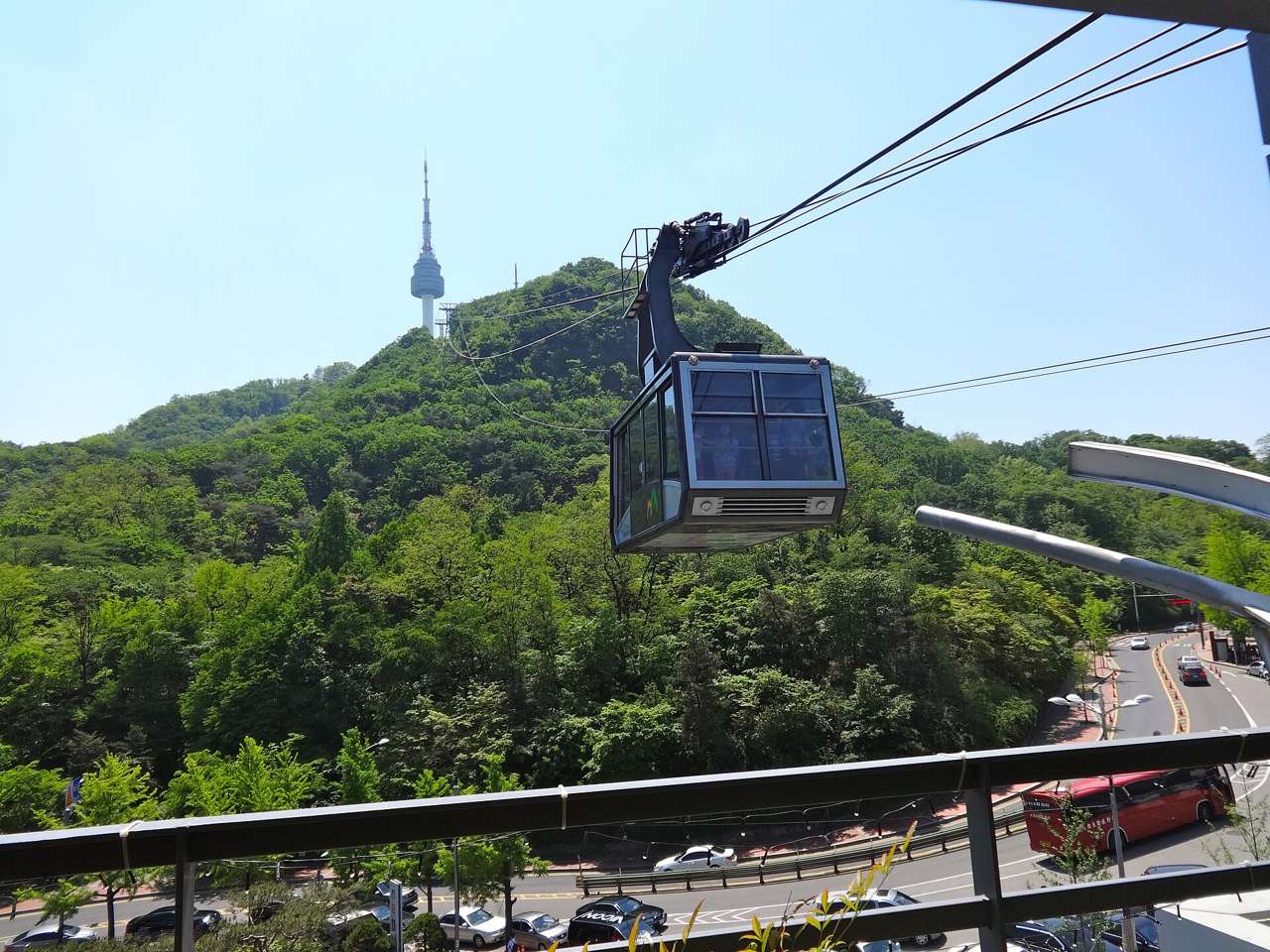
Namsan Cable Car, Seoul, Korea: ₩15,000, a 1–2 Hour Weekend Line, Three Cheaper Ways Up, and Why the Myeongdong Gondola Isn't Running
Namsan's cable car moves a few hundred people an hour in two 48-passenger cabins, so weekend lines run 1–2 hours. The ₩15,000 fare, the free incline elevator, the 954-step trail, buses 01A and 01B, and the court fight over the new gondola.
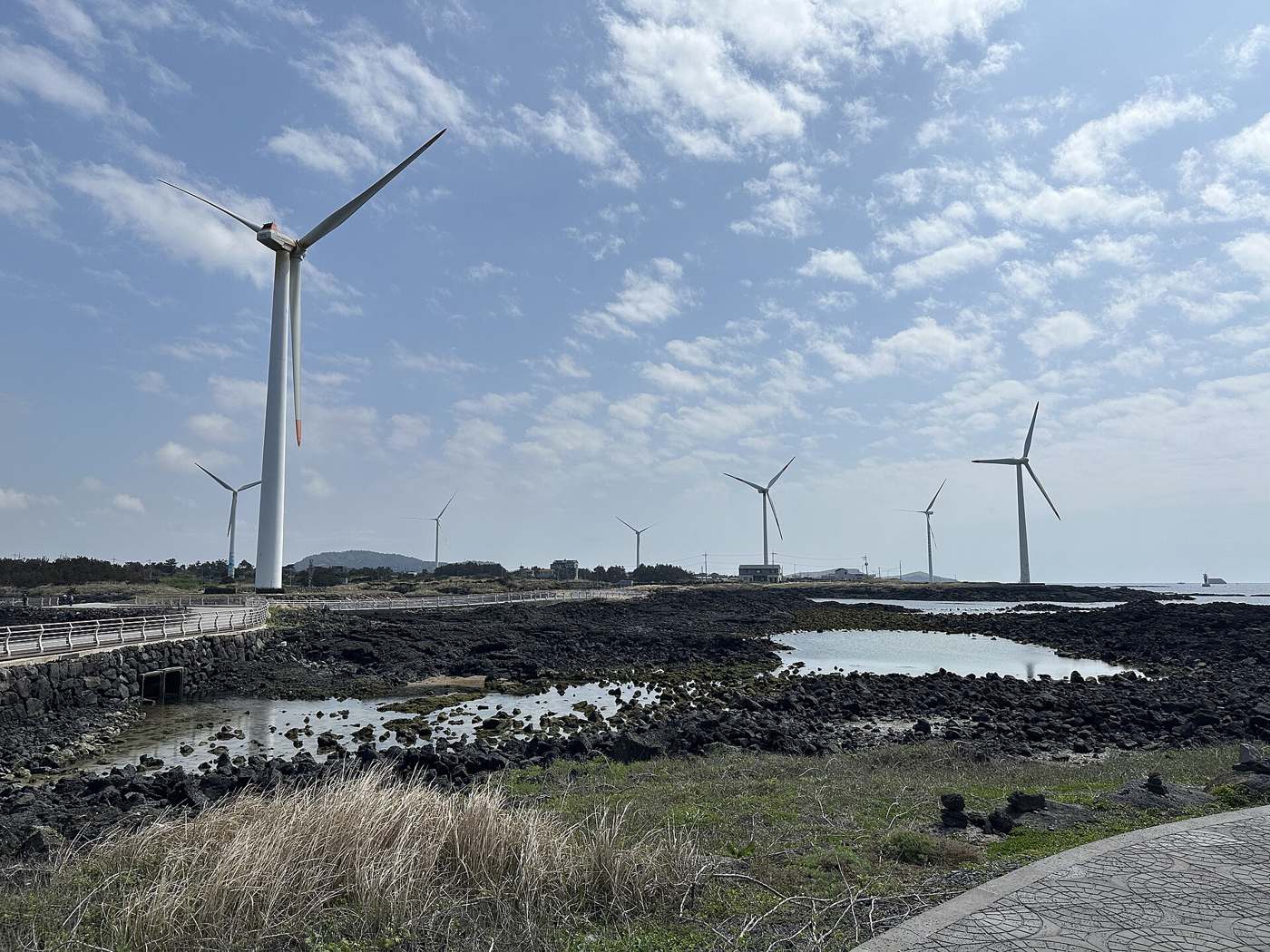
Renting a Car in Korea as a Foreigner (2026): Which Licences Work, Jeju's New 60 Percent Discount Cap and 28,300-Car Limit, What Incheon Airport Rentals Cost, the Hi-Pass Toll Unit, the Fines That Follow You Home, and Whether Tourists Can Use Socar
Driving in Korea as a visitor: an IDP plus home licence for a year from entry, Jeju's 28,300-car quota and new 60% discount cap, school-zone fines forwarded with a fee, Hi-Pass tolls billed after you leave, and Socar's Jeju-only tourist product.
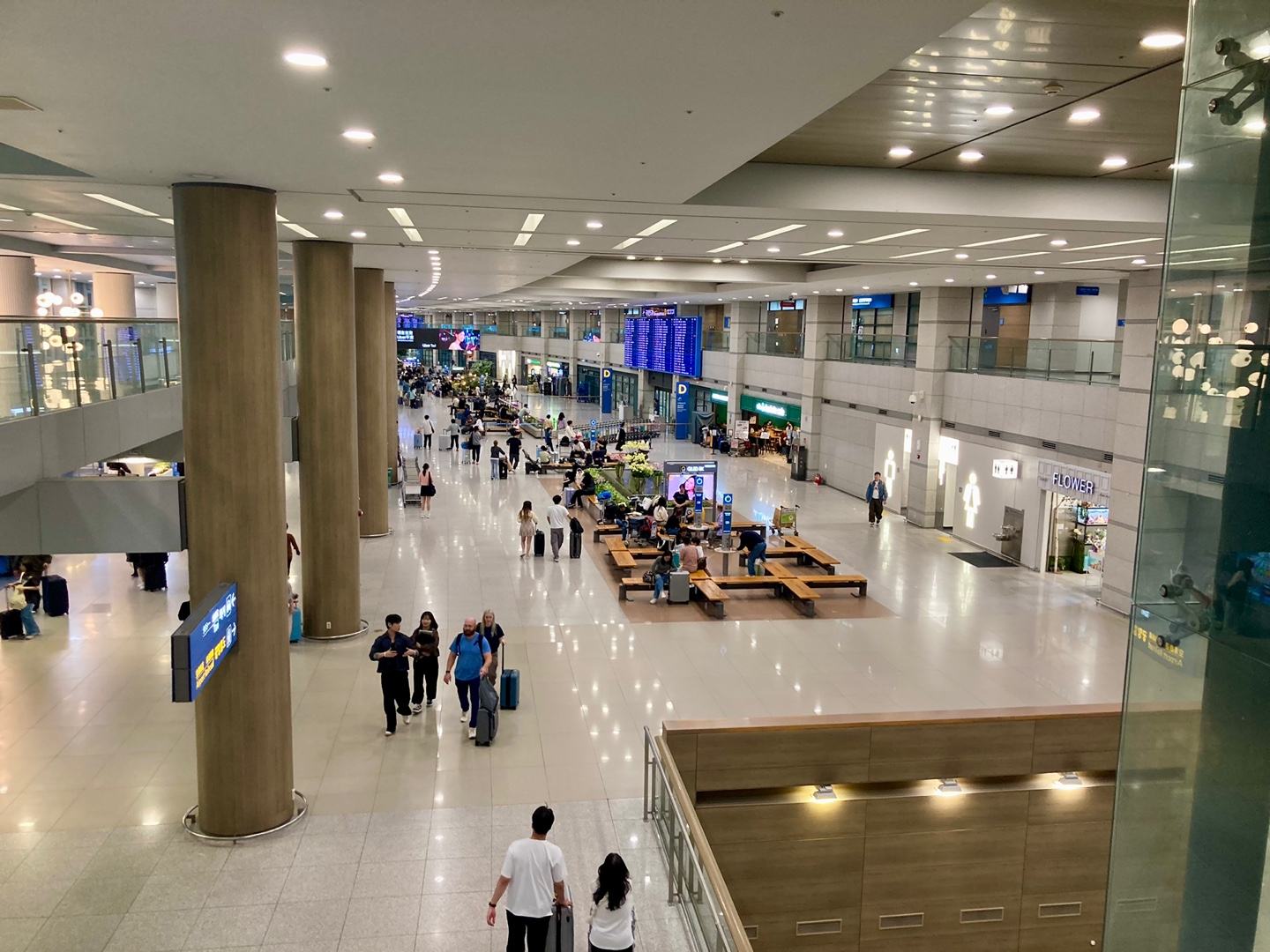
What You Cannot Bring Into Korea: Beef Jerky, Sausage, Mango, Adderall and CBD Are Banned, Sleeping Pills Need a Permit, the Fine Is ₩1 Million to ₩10 Million, and the Souvenirs Korea's Customs Take Most (2026)
Korea bans all meat and fresh fruit from hand luggage, fines undeclared jerky or sausage ₩1–10 million, refuses Adderall even on prescription, and needs a 10-day online permit for sleeping pills. The souvenirs customs take most, and how to declare.