Samanco: Korea's Fish-Shaped Ice Cream Is Named 'Cheap and Plentiful'
Last updated: 19 August 2026
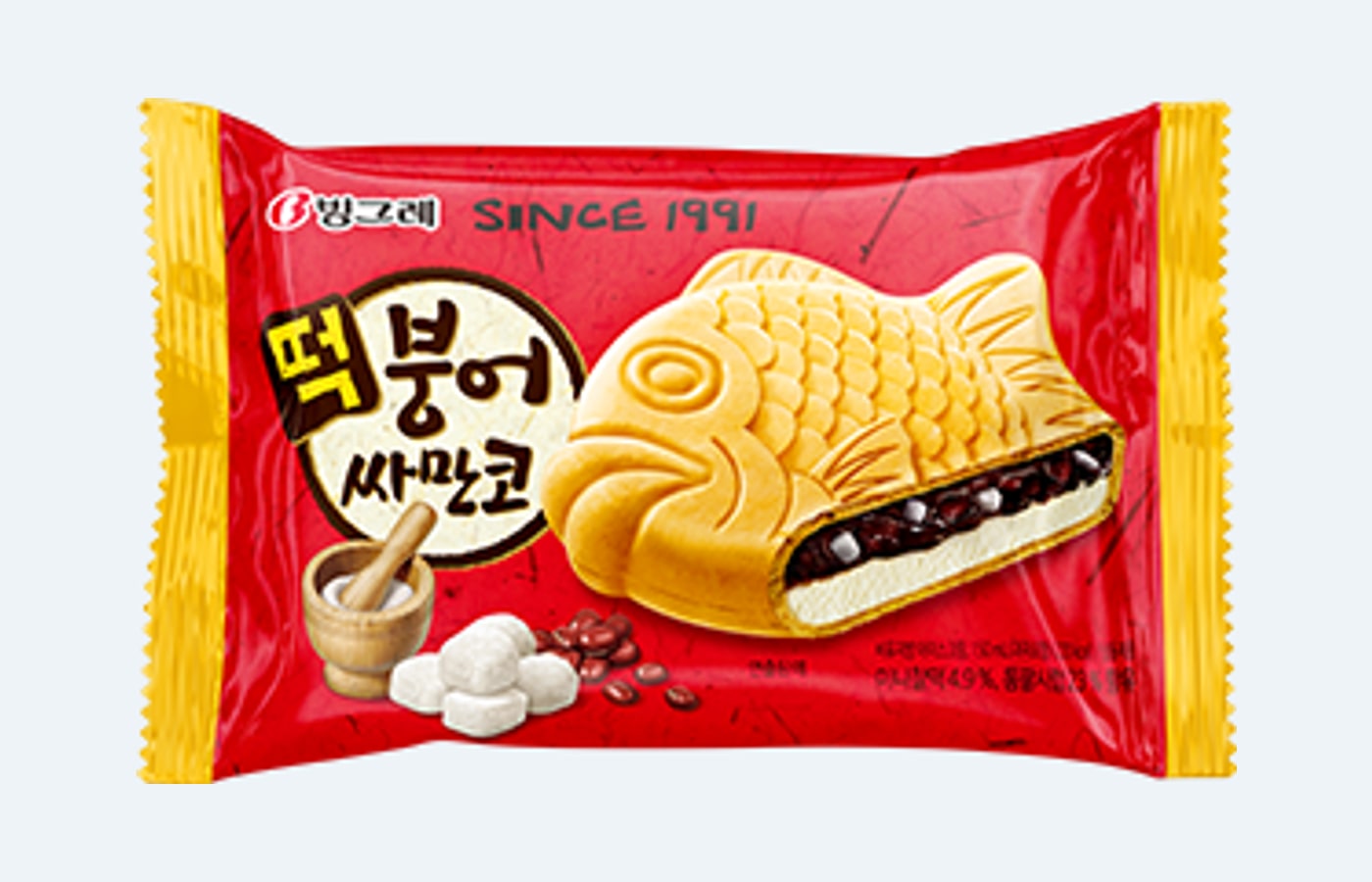
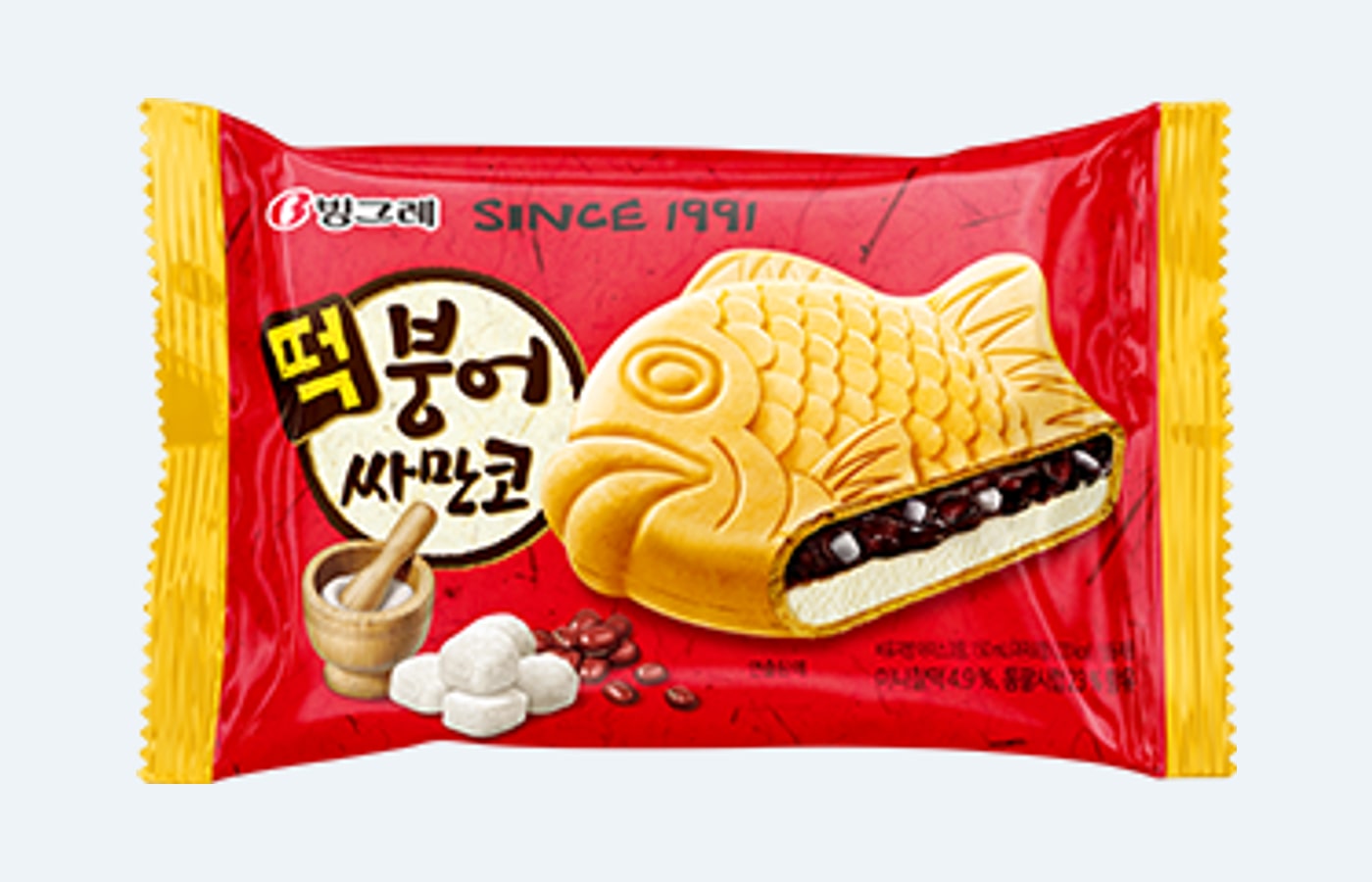
Open the freezer in any Korean convenience store and one product is unmistakable: a flat, crisp wafer pressed into the shape of a carp, filled with vanilla ice cream and whole red bean.
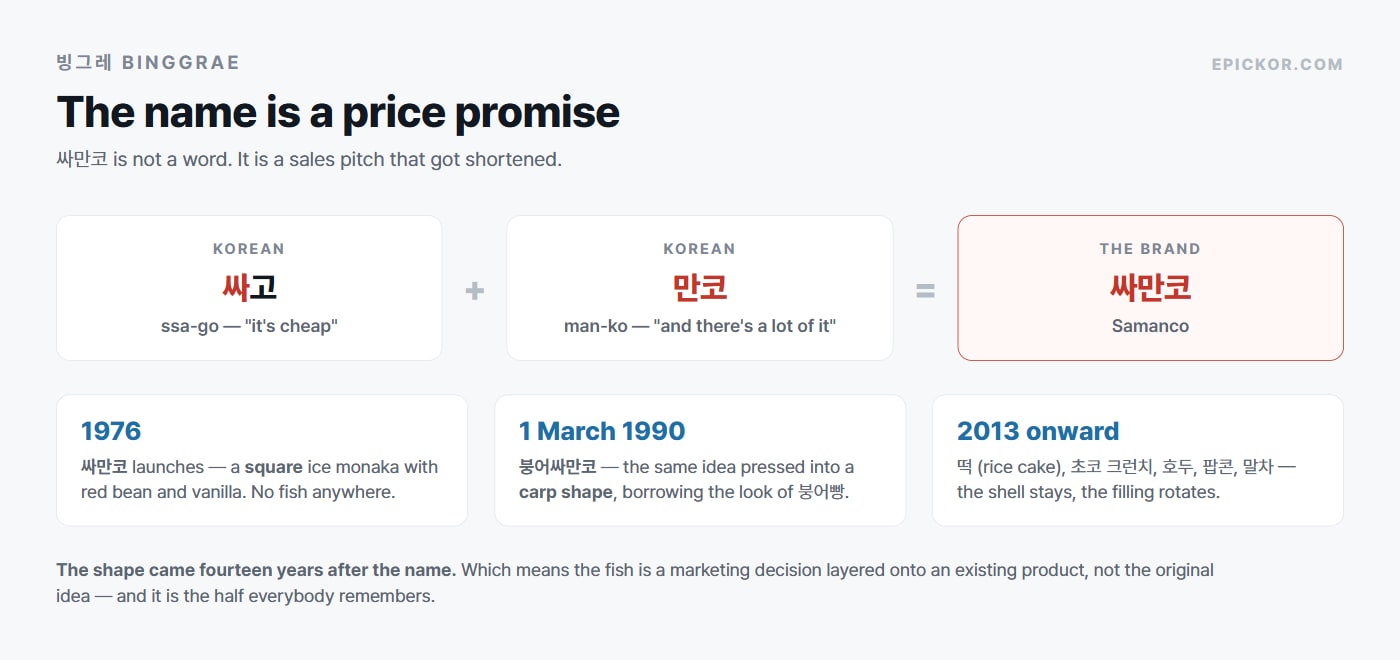
It is 붕어싸만코 (Bungeo Samanco), Binggrae has made it since 1990, and the name is not a word. It is a shortened sales pitch: 싸고 많고 — ssa-go man-ko, "it's cheap and there's a lot of it." Say the two together fast and you get 싸만코.
That is a startlingly direct thing to call a product, and it is the most useful fact about it, because the whole design follows from it. Here is what is inside, why it is a fish, and what it costs in 2026.
| Detail | |
|---|---|
| Korean name | 붕어싸만코 (Bungeo Samanco) |
| Maker | 빙그레 (Binggrae) |
| The name | 싸고 많고 — "cheap, and lots of it" — contracted to 싸만코 |
| Original launch | 1976, as a square ice monaka |
| Fish version | 1 March 1990 |
| Format | 아이스 모나카 — a crisp wafer shell, not a cone |
| Inside | Vanilla ice cream and 통팥 syrup — whole red beans, not paste |
| Price | Rose to ₩2,200 at convenience stores in January 2023, up 10% |
| Variants | 떡 (rice cake) · 초코 크런치 · 호두 · 팝콘 · 말차 |
| Peak sales | Around ₩36 billion a year in 2012 |
If you only remember one line: it is a wafer sandwich, not a cone, and the fish shape arrived fourteen years after the name did.
The Name Is a Price Claim, Not a Word
Korean brand names often do this — describe the product's virtue rather than name the thing — but few are as blunt.
싸고 means "it's cheap." 많고 means "and there's a lot." Binggrae's own account is that the brand contracted the phrase 싸고 많고 into 싸만코, which is the sort of naming that only works in a market where price is the headline feature and everybody knows it.
That was 1976, and the product then was square. A flat ice monaka — vanilla ice cream and red bean between two crisp wafers — with no fish anywhere near it.
붕어, the carp, arrived on 1 March 1990, fourteen years later. Binggrae took the existing sandwich and pressed the wafer into the shape of a 붕어빵, Korea's winter street pastry, which meant the product suddenly carried a whole set of associations it had not earned: cold weather, street stalls, red bean, childhood.
It worked so well that the shape became the product. Ask a Korean about 싸만코 and most will describe a fish.
What Is Actually In It
Three things, and the middle one is what separates it from every Western ice cream sandwich.
The shell is a monaka wafer. 모나카 is a crisp, almost dry wafer shell — the format comes from Japanese confectionery, where a monaka is traditionally a wafer sandwich around red bean paste. It is not a cone and not a soft cookie: it shatters, and it stays crisp because it is dry enough not to draw water out of the ice cream quickly.
The filling is vanilla ice cream. Plain, sweet, unremarkable on purpose. It is the neutral layer.
The red bean is 통팥 — whole beans, not paste. This is the detail that matters. A syrup of intact red beans runs through the ice cream rather than a smooth 앙금 filling, so you get texture and a slightly savoury, earthy note against the vanilla. Anyone who has decided they dislike red bean because of a dense paste-filled bun should try it in this form before deciding.
Put together it is closer to a Korean-Japanese dessert grammar than to an ice cream bar: crisp, cold, bean, restrained sweetness.
You might like: Korean Convenience Store Ice Cream, Ranked
The Variants, and Which One to Get
| Variant | What changes | Worth it? |
|---|---|---|
| 붕어싸만코 | The original: vanilla and whole red bean | Start here |
| 떡붕어싸만코 | Adds small chewy rice cakes to the filling | The best one, if you like 떡 texture |
| 초코붕어싸만코 크런치 | Chocolate ice cream with crunch pieces; launched 2013 as 붕어싸만코 클래식, later renamed | For people who do not want red bean |
| 호두 · 팝콘 · 말차 | Walnut, popcorn, matcha | Rotating; treat as seasonal |
떡붕어싸만코 is the one to look for. Adding 떡 to a frozen product is a genuinely difficult thing to do — rice cake goes hard and unpleasant when frozen unless the formulation is right — and the fact that Binggrae ships one that stays chewy is the most technically interesting thing about the line.
Korean frozen desserts at home? The monaka format does not ship, but the thing that makes this work — whole red bean rather than smooth paste — does, and it is the ingredient most people abroad have only met in its least flattering form. As an Amazon Associate, EpicKor earns from qualifying purchases at no extra cost to you.
How to Find It in a Korean Freezer
Convenience-store ice cream in Korea lives in a chest freezer near the door, and it is not sorted the way a Western freezer aisle is. Bars, cones, cups and 모나카 sandwiches are mixed together in open bins, so you are scanning printed packets face-on rather than reading a shelf.
Three things make 붕어싸만코 easy to pick out. The packet is a flat rectangle, not a cone sleeve or a bar wrapper, because the product inside is a sandwich. The artwork shows the fish in profile with a red-bean-coloured seam along its belly. And the brand block reads 빙그레 above 붕어싸만코 in a heavy rounded face that has barely changed in decades.
If the shop has a 아이스크림 sign and rows of chest freezers rather than a single one by the till, you are in a discount ice-cream shop, and the price is a different conversation entirely — see below.
One practical warning. Because these bins are open and constantly opened further, product near the top gets softer than product at the bottom. For a wafer item that matters more than it does for a bar: dig. A packet from the bottom of the bin has spent less time near the warm edge, and the monaka shell is the part that suffers first.
What It Costs, and Why the Answer Is Three Numbers
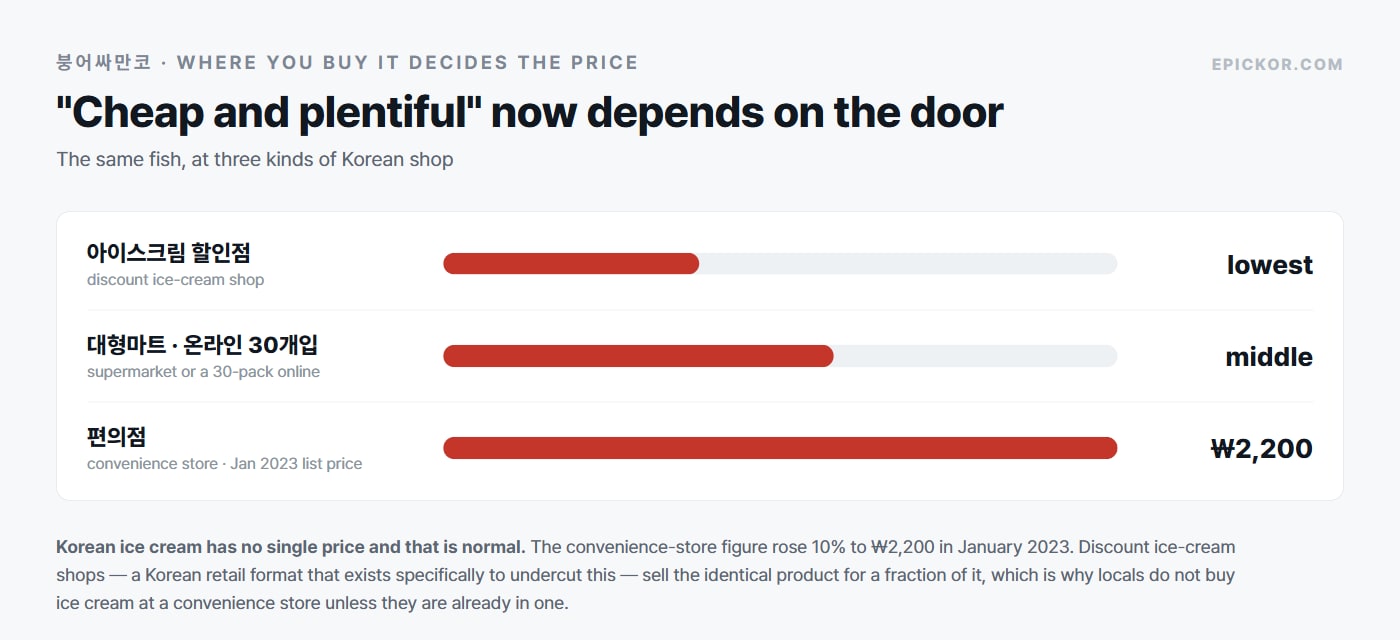
The convenience-store price rose to ₩2,200 in January 2023, a 10% increase. That is the number you will pay standing in a GS25 at midnight, and it is the number that makes visitors raise an eyebrow at a product whose name literally claims to be cheap.
It is also the worst price in the country for it.
Korea has a retail format that barely exists elsewhere: the 아이스크림 할인점, a shop that sells nothing but frozen confectionery at a steep discount, usually from chest freezers, usually with hand-written prices. The same fish costs a fraction there. Supermarkets and online 30-packs sit in between.
So the honest answer to "how much is it" is: it depends entirely on which door you walk through, and Koreans know this, which is why nobody buys ice cream at a convenience store on purpose. If you see a shop with 아이스크림 written large and a lot of freezers, that is the one.
You might like: Nunettine: The Korean Snack Whose Real Name Is Italian
Honest Notes
The name has aged badly, and that is interesting rather than damning. A product called "cheap and plentiful" now lists at ₩2,200 in the most convenient channel. Korean coverage of ice-cream price rises reaches for this product precisely because the name makes the increase quotable.
It is a wafer, so texture is time-sensitive. Eat it soon after buying. A monaka shell that has been sitting half-thawed and refrozen in a shop freezer goes chewy, and a chewy monaka is a sad object.
Red bean is not optional in the original. If you dislike 팥 you want the 초코 크런치 version, not the classic — do not buy the classic hoping the bean is a background note. It is the point.
Sales have come down from the peak. Around ₩36 billion in 2012 and ₩34.5 billion by 2015, in a Korean frozen market that has since fragmented enormously. This is a heritage product holding a position, not a growth story.
If you are chasing the fish shape rather than the ice cream, the pan that makes 붕어빵 — the street pastry the 1990 redesign borrowed from — is the more useful object to own, and it is the version Koreans actually queue for in winter.
FAQ
Q: What does Samanco mean? A: It is a contraction of 싸고 많고 — "cheap, and there's a lot of it." Binggrae's own account is that the sales phrase was shortened into the brand name. 붕어 in front simply means carp.
Q: Is it a cone? A: No. It is an 아이스 모나카 — a crisp wafer sandwich in a fish shape. Taiyaki-style ice cream cones exist and are a different product.
Q: What is the red filling? A: 통팥 syrup — whole red beans rather than smooth paste, running through vanilla ice cream.
Q: Which version should I buy? A: 떡붕어싸만코 if you want the most interesting one; the rice cake stays chewy from frozen, which is harder to engineer than it sounds. The classic if you want the 1990 product.
Q: Why is the price so different between shops? A: Korean frozen confectionery has no fixed retail price. Convenience stores list around ₩2,200; 아이스크림 할인점 discount shops sell the same item far below that.
Sources Checked
- Korean-language reference sources for the 1976 launch of the square 싸만코, the 1 March 1990 launch of the fish-shaped version, the 싸고 많고 name origin, the 통팥 filling, the monaka format, and the variant history including the 2013 chocolate version originally sold as 붕어싸만코 클래식.
- Korean business press for the January 2023 convenience-store price rise to ₩2,200 (up 10%) and for the annual sales figures of roughly ₩36 billion in 2012 and ₩34.5 billion in 2015.
Korean frozen confectionery pricing varies by retail format more than almost any other category; the convenience-store figure is the ceiling, not the norm. Verified August 2026.
You Might Also Like
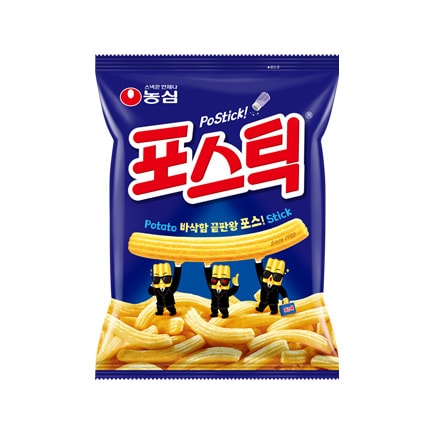
Postick: The Korean Snack That Used to Come With a Ketchup Packet
Postick (포스틱) has been on Korean shelves since 1980, it is only 23% potato, and it shipped with a ketchup sachet until the sachet got too expensive. What it costs now, and the ramyun-powder trick Koreans use on it.
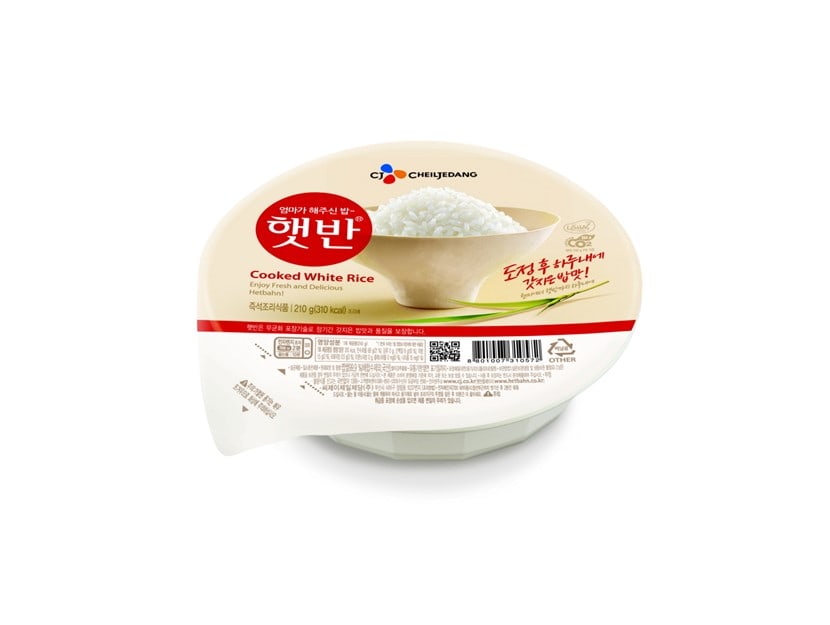
Hetbahn: What Korea's Instant Rice Is Made Of, and How to Heat It Without a Microwave
햇반 is 99.9% Korean rice and water plus 0.1% rice bran extract, sealed in a room cleaner than a hospital ward. The lid prints three cooking times and one of them needs no microwave at all. Prices, varieties, and the mistake almost everyone makes with the film.
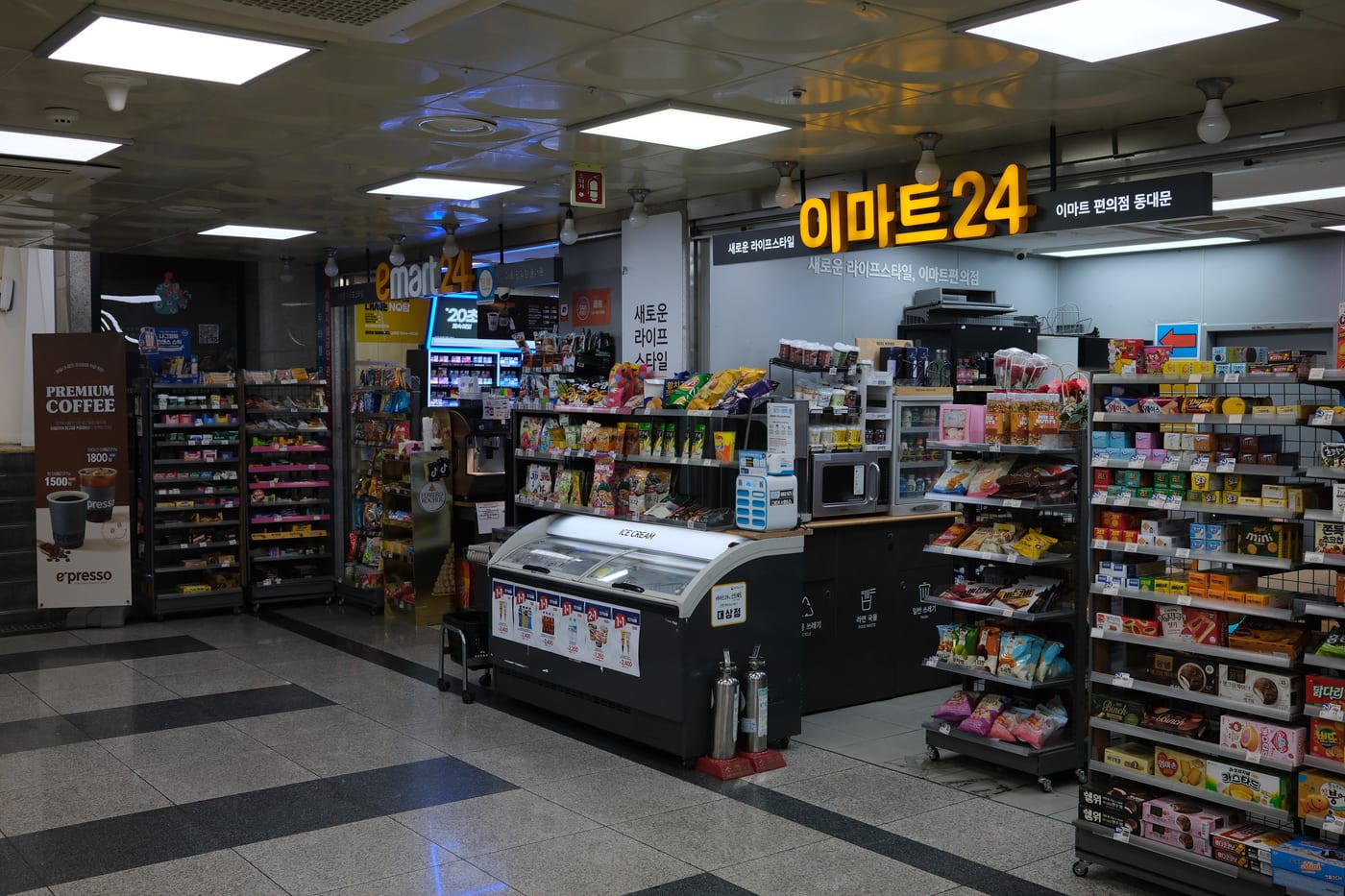
Korean Food Prices in August 2026: What Already Rose, and What Changes on the 25th
Four Korean food makers raised prices within three weeks, and Paris Baguette's 127-item increase lands on 25 August. The exact brands, dates and won amounts, why wheat and corn are behind it, and what it actually changes for a visitor.