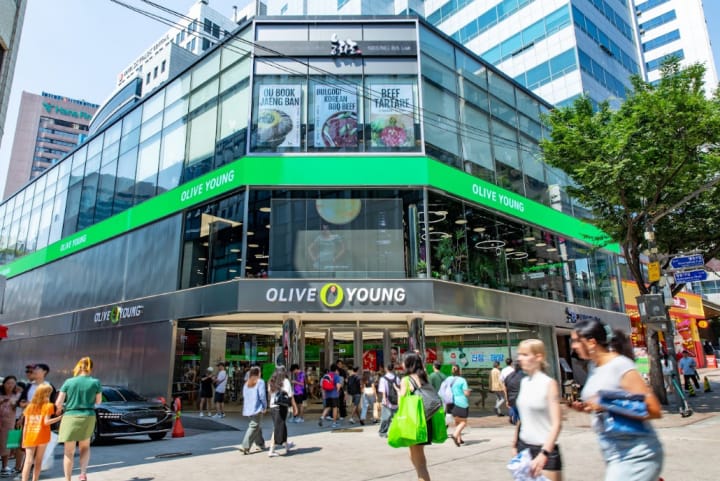
Korea Tourist Shopping Route: Olive Young, Daiso, Musinsa
Korea's new tourist shopping route is not only palaces, duty-free counters, and one big suitcase full of souvenirs anymore.
That old route still exists. Visitors still go to Gyeongbokgung, Myeongdong, Hongdae, Gangnam, and Lotte or Shinsegae. They still buy snacks, masks, albums, and cute gifts. But the center of gravity has moved. A growing number of travelers now build their Korea itinerary around places that feel much more local: Olive Young, Daiso, Musinsa, pharmacies, skin clinics, photo booths, convenience stores, and neighborhood retail streets.
This is the part of Korea that looks ordinary to Koreans but feels oddly addictive to visitors.
You walk into Olive Young for sunscreen and come out with toner pads, lip tint, pimple patches, hair oil, sheet masks, and something your friend on TikTok swore was impossible to find back home. You enter Daiso because it is cheap and leave with travel pouches, socks, kitchen tools, character stickers, and three items you cannot explain but suddenly need. You go to Musinsa to look at Korean fashion "just for five minutes" and start understanding why Seoul street style travels so well online. The ₩1,000 item most likely to end up in a Daiso basket is one nobody plans for — see our guide to Korean exfoliating towels before you buy the colour you assume is gentlest.
Then the route gets more specific. Tourists are not only buying cosmetics. They are checking Korean pharmacies for beauty-adjacent products, booking skin consultations, comparing tax refund rules, and asking which store locals actually use.
In other words, Korea shopping has become a cultural experience.
It is not only about what you buy. It is about seeing how Koreans test, compare, bundle, review, rank, and turn everyday retail into a small ritual.
ROUND LAB 1025 Dokdo Toner — on AmazonAffiliate link. As an Amazon Associate, EpicKor earns from qualifying purchases at no extra cost to you.
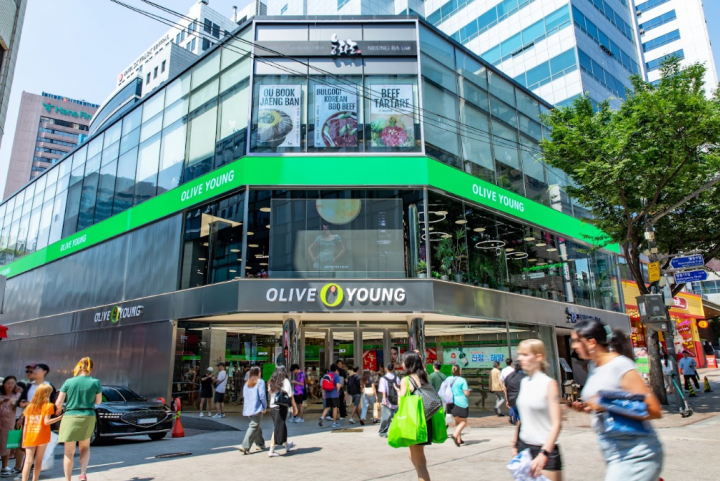
Korea's new tourist shopping route is shifting from classic duty-free stops to everyday retail streets like Olive Young, Daiso, and Musinsa.
Why the Tourist Route Changed
The old foreign-tourist shopping route in Korea was easier to summarize. Airport. Duty-free. Department store. Myeongdong cosmetics. Souvenir snack run. Maybe a luxury counter if the exchange rate felt friendly.
The new route is messier and much more interesting.
Travelers want the products Koreans use in real life, not only products packaged for tourists. They want the store where a Seoul office worker grabs sunscreen after lunch. They want the Daiso where locals buy storage boxes and travel miniatures. They want the pharmacy where a pharmacist can explain a skin-recovery cream — and that counter is where the two guides most useful on a walking-heavy trip live: Korean pain patches and Fucidin vs Madecassol, the wound ointment whose brand name covers two different tubes. One of those tubes is a Daiso item rather than a pharmacy one, which is exactly the kind of split this route rewards knowing. They want the Musinsa branch where the styling looks like what they saw on Korean street-style accounts.
This shift is showing up in business data, not just social media vibes.
The Korea Times reported that, from 2023 to 2024, foreign-customer spending rose sharply at major everyday retailers: Musinsa spending was up 343 percent, Olive Young spending was up 106 percent, and Daiso spending was up 49 percent, while duty-free growth was slower. A later Korea Times report said foreign customers accounted for more than a quarter of Olive Young's offline sales in the first half of 2025. Olive Young also reached 1 trillion won in purchases by visiting foreign tourists from January to November 2025, according to the same outlet.
That is not a small footnote. It means tourists are treating local retail chains as destinations.
The shorthand you may hear is Ol-Da-Mu: Olive Young, Daiso, Musinsa. It sounds like a silly acronym, but it captures a real shift. These three stores cover the modern tourist's most visible Korea-shopping needs:
- Olive Young for K-beauty, sunscreen, toner pads, masks, pimple patches, hair care, body care, and quick comparison shopping
- Daiso for cheap practical goods, travel tools, snacks, stationery, character items, kitchen tools, and tiny "how is this so useful?" products
- Musinsa for Korean fashion, streetwear, basics, accessories, and the offline version of a platform many young Koreans already know
Together, they turn shopping into a route you can actually walk.
The point is not that duty-free is dead. It is that Korea's most interesting tourist shopping now happens in places that feel normal to locals.
That is why the experience is so sticky.
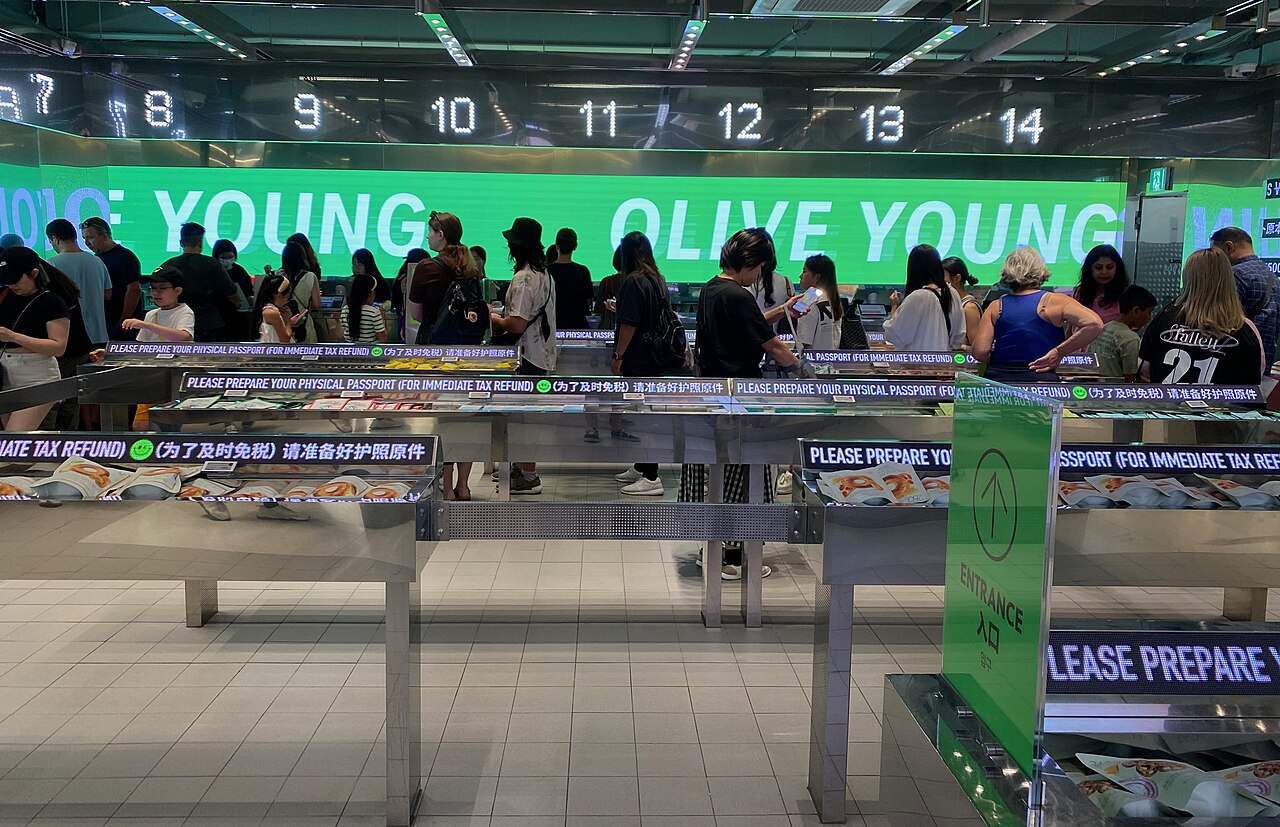
The new route is not only about one store. It is about how ordinary Korean retail stops now work together as a walkable shopping plan.
Beauty-route note: As an Amazon Associate, EpicKor may earn from qualifying purchases. Before you buy a full-size toner in Korea, compare ROUND LAB 1025 Dokdo Toner so you know whether the texture and routine role fit your skin.
See ROUND LAB 1025 Dokdo Toner on AmazonOlive Young Is the New Beauty Landmark
If you only have time for one shopping stop in Korea, many visitors now choose Olive Young.
That does not mean every product there is magical. It means the store solves a very specific tourist problem: Korea has too many beauty products, and Olive Young makes them searchable in real life.
You can compare brands in one place. You can see bestseller tags. You can test textures. You can buy travel-size products. You can grab sunscreen without learning an entire skincare vocabulary. You can see which categories are being pushed right now: toner pads, ampoules, barrier creams, cushion compacts, lip tints, hair treatments, scalp products, and body mists.
For visitors who follow K-beauty online, the store feels like walking into the algorithm.
In this broader shopping-route guide, the main point is simple: Olive Young is usually the first beauty stop, not the whole day. Use it to understand current K-beauty categories, compare a few textures, and decide what actually deserves space in your suitcase before you move on to Daiso, Musinsa, pharmacies, cafes, or your next neighborhood stop.
The safest route-level rule is to choose your category before the shelf chooses for you. If you need sunscreen, start there. If you need a small gift, look at masks, lip products, hand cream, or tools. If you only want to understand the trend, walk the ranking shelves once and leave room in your bag for the rest of the day.
For the detailed Olive Young basket plan, including what to buy, what to skip, and how to avoid overpacking, read EpicKor's Olive Young Korea shopping guide. For the broader skincare context, pair it with the K-beauty ingredients guide, which decodes what snail mucin, cica, propolis and rice actually do before you pick a shelf.
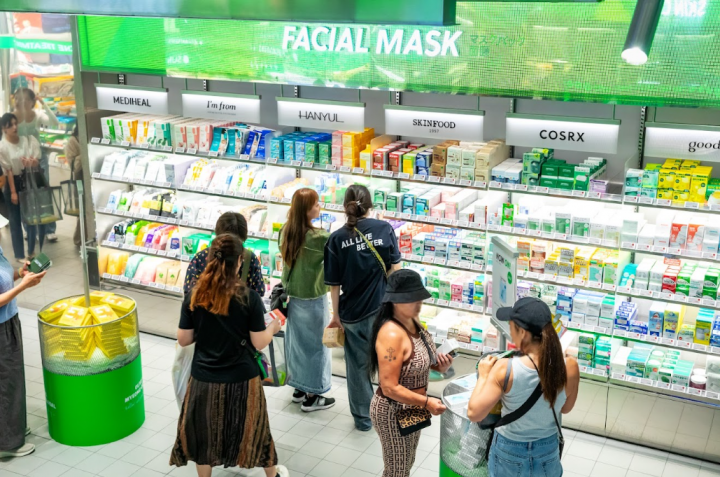
Olive Young works for tourists because it turns online K-beauty curiosity into real-life comparison shopping.
Daiso Is Where Tourists Understand Korean Practicality
Daiso is not glamorous. That is why it works.
Olive Young gives you beauty trends. Daiso gives you Korean practical logic at low cost. It is the place where tourists start with one basket and somehow end up understanding a lot about daily life.
The store is built around small problems:
How do I organize my bag? How do I store food? How do I keep my bathroom cleaner? How do I make a tiny apartment feel less chaotic? How do I wrap a gift quickly? How do I stop my charger cable from looking like a disaster? How do I pack skincare without leaking it all over my clothes?
Korea is good at these micro-solutions. Daiso turns them into aisles.
For travelers, the best sections are usually:
- Travel containers, pouches, laundry nets, and zipper bags
- Socks, hair clips, mirrors, nail tools, and compact grooming items
- Character stationery, stickers, pens, notebooks, and gift bags
- Kitchen tools, chopsticks, food storage, and small tableware
- Cleaning wipes, lint rollers, shoe-care tools, and emergency fixes
- Korean snacks and small seasonal products
This is also why Daiso makes strong short-form content. It is visual, cheap, fast, and full of "I did not know I needed this" moments. A luxury purchase may be impressive, but a tiny 2,000-won item that solves a real travel problem is more shareable.
The risk is volume.
Because each item feels cheap, travelers often buy too many small things. The final basket may not feel expensive, but your suitcase has limits. The local move is to ask one question before buying: will I use this within the next three months?
If the answer is no, take the photo and leave it.
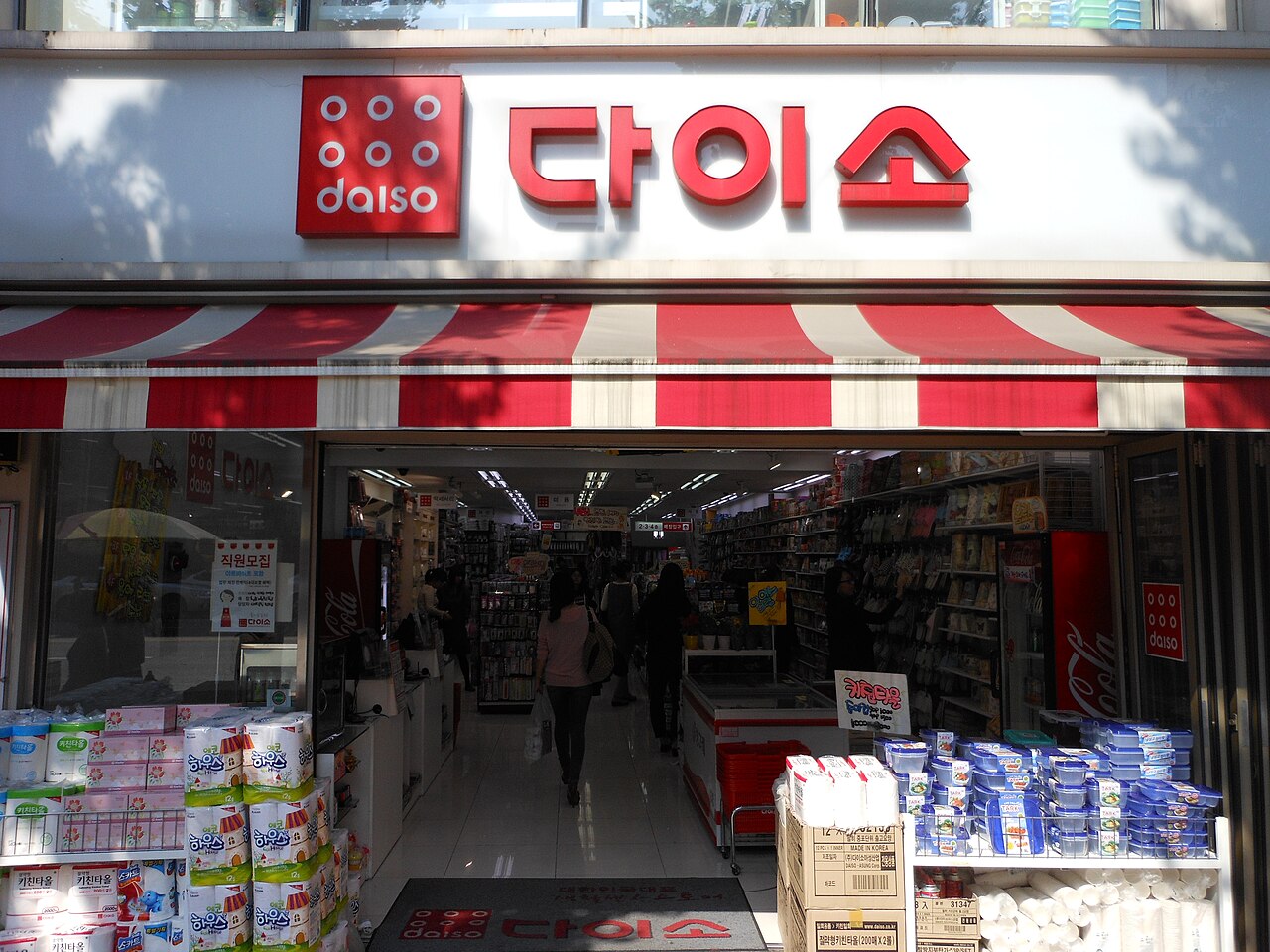
Daiso is less glamorous than beauty retail, but it is one of the easiest places to understand Korean micro-solutions.
Musinsa Makes Korean Fashion Easier to Buy
Korean fashion has always traveled through dramas, idols, street photos, and Instagram. Musinsa makes that influence easier to shop.
For years, many foreign visitors saw Korean fashion on screens but did not know where to buy the less-obvious version of it. Department stores felt expensive. Underground malls felt chaotic. Small boutiques felt intimidating if you did not speak Korean. Musinsa's offline stores help close that gap.
The appeal is not only "Korean clothes." It is curation.
Musinsa sits between streetwear, basics, sneakers, bags, accessories, and young Korean brands. A visitor can see what silhouettes are popular: wide trousers, cropped jackets, oversized shirts, minimalist bags, sporty layers, muted colors, and clean everyday outfits that look casual but intentional.
If Olive Young is the beauty algorithm in store form, Musinsa is the fashion feed turned into racks.
The best way to shop it is to think in outfits, not individual trophies.
Try one Korean-style basic you will actually wear at home:
- A clean oversized shirt
- Wide-leg trousers
- A structured cap
- A simple crossbody or shoulder bag
- A lightweight jacket
- Socks or accessories that add the Seoul-street feel without forcing a full style change
Do not buy something only because it looks cool in Seoul lighting. Ask whether it works with your real wardrobe and climate.
That question saves money.
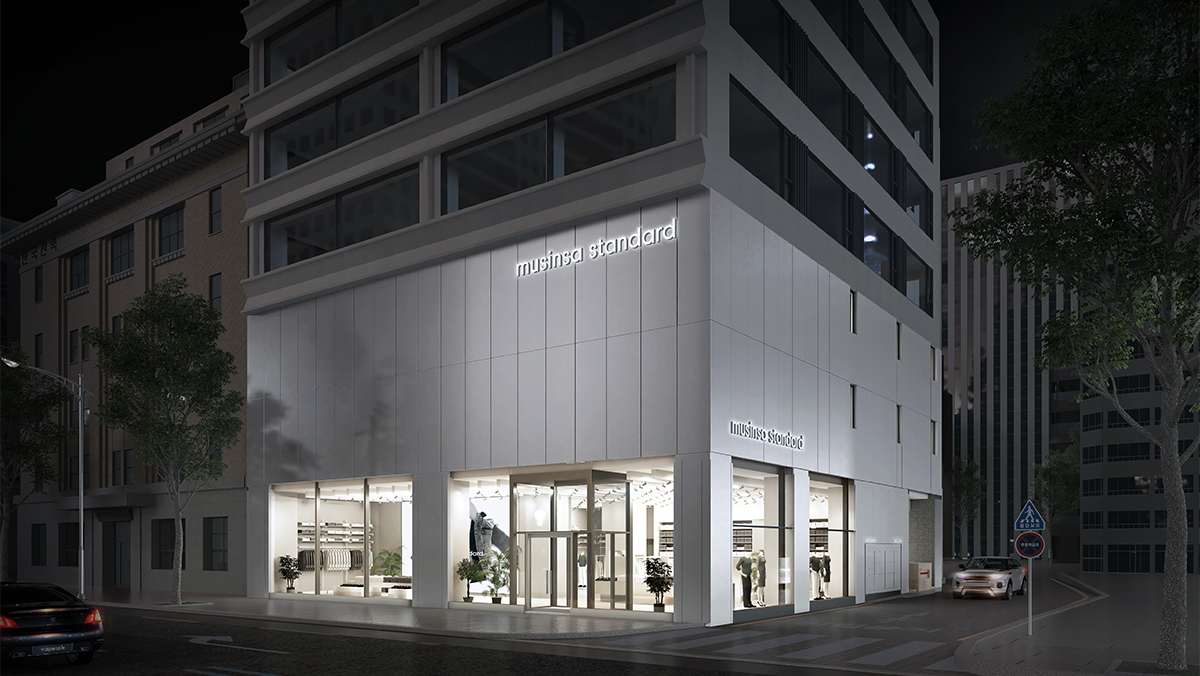
Musinsa turns the Korean fashion feed into racks, fitting rooms, and real outfit decisions.
Pharmacies Are Becoming Beauty Stops Too
The next layer of Korea's shopping route is pharmacies.
This is where the trend becomes more sensitive, because pharmacies are not just another cosmetics store. They are healthcare spaces. That means visitors should treat them with more care than a normal retail stop.
Still, the trend is real. Korea JoongAng Daily reported in September 2025 that pharmacies were becoming tourist attractions as visitors looked for beauty and treatment-adjacent products, with platforms like Creatrip curating pharmacies that offer foreign-language support. Seoul Economic Daily later reported that foreign spending at Korean pharmacies reached 141.4 billion won, or about $103 million, last year, up 142.2 percent year over year.
Why pharmacies?
Because K-beauty has blurred the line between cosmetics, dermatology, and recovery care. Visitors hear about pimple patches, scar gels, barrier creams, medicated ointments, PDRN-related products, acne care, and post-procedure skin recovery. Some of these belong in beauty retail. Some belong in pharmacies. Some require a pharmacist's explanation. Some may not be right for your skin at all.
That is why the rule is simple: do not treat pharmacy shopping like a TikTok treasure hunt.
If you visit a Korean pharmacy, ask clear questions:
- Is this a cosmetic, an over-the-counter medicine, or something else?
- How often should it be used?
- Can it irritate sensitive skin?
- Should it be avoided with retinol, acids, acne medication, or recent skin procedures?
- Is it okay to carry through airport security and into your home country?
Do not buy prescription products without proper medical guidance. Do not copy someone else's skin routine just because it went viral. And do not assume "stronger" means better.
The best pharmacy purchases for travelers are often boring: blister care, cold medicine guidance, basic ointments, oral rehydration, patches, and skin-barrier support. Boring is underrated when you are jet-lagged and walking 20,000 steps a day.
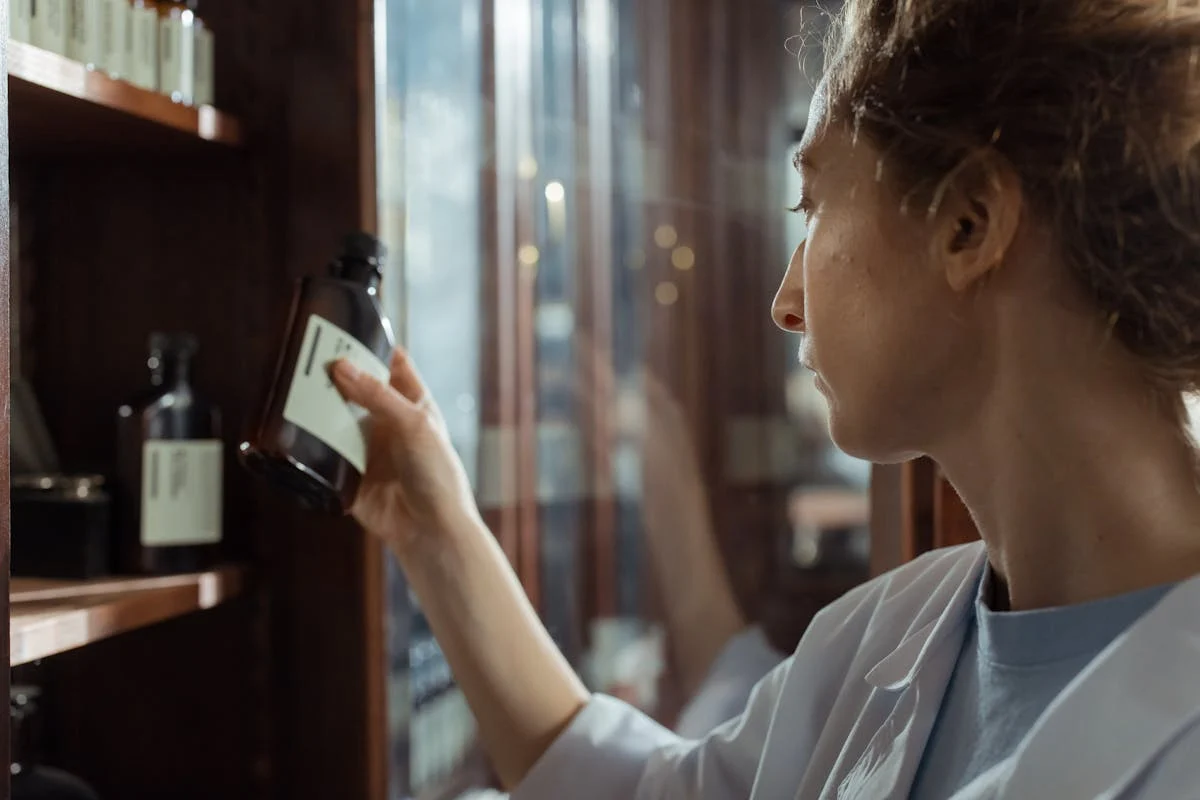
Pharmacy and clinic stops can be useful, but they need clearer questions and more caution than a normal retail basket.
Post-shopping reset: If your travel day includes sunscreen, dust, sweat, and clinic-adjacent skincare shopping, compare ROUND LAB 1025 Dokdo Cleanser as a gentle evening-cleanse reference.
See ROUND LAB 1025 Dokdo Cleanser on AmazonSkin Clinics Are the Highest-Risk, Highest-Planning Stop
Skin clinics are now part of many Korea itineraries, especially for travelers interested in facials, lasers, acne care, pigmentation, pores, lifting, or scalp-related treatments.
But this is not the same as buying toner pads.
Seoul Economic Daily's February 2026 report also noted that Korea's medical tourism spending is shifting toward dermatology and wellness, with dermatology's share of total medical spending rising from 21.1 percent in 2019 to 57.4 percent in 2025. That helps explain why skin clinics now appear in travel-shopping conversations, not only in medical-tourism brochures.
A clinic visit can be useful, but it requires planning. You are dealing with your face, your recovery time, your medical history, your skin type, and your travel schedule. A procedure that looks easy in a video may involve redness, peeling, sensitivity, bruising, swelling, sun avoidance, or follow-up care.
If you are considering a Korean skin clinic, think like a cautious traveler:
- Do research before you fly, not on the sidewalk outside the clinic.
- Check whether the clinic has licensed medical staff and foreign-language support.
- Ask what the procedure does, what it cannot do, and what side effects are possible.
- Avoid aggressive treatments right before a flight, beach trip, wedding, or important photos.
- Do not stack multiple procedures just because the package looks discounted.
- Be honest about medications, allergies, pregnancy, recent isotretinoin use, skin conditions, or previous reactions.
The most viral clinic content often shows the "after" result, not the decision process.
That decision process matters more.
For tourists, a conservative treatment with clear recovery expectations is usually better than a dramatic menu of procedures you barely understand. Korea has excellent clinics, but good clinics still require good judgment from the customer.
How to Build a Smart Korea Shopping Day
The mistake many visitors make is trying to do everything in one day.
Olive Young, Daiso, Musinsa, pharmacies, skin clinics, convenience stores, cafes, photo booths, and street food can all fit into one viral itinerary. But your body may disagree. Seoul shopping involves stairs, crowds, subway transfers, tax refund counters, waiting lines, language friction, and heavy bags.
Build the route like a local would: by neighborhood.
For a beauty-heavy day, choose Myeongdong, Hongdae, Seongsu, Gangnam, or Jamsil and keep the route tight. Start with Olive Young so you can compare prices and categories while your brain is fresh. Add Daiso for practical goods. Add a cafe break before you make expensive decisions. If you want Musinsa, give yourself time to try clothes instead of rushing.
If you plan a skin clinic, do not put it at the end of a chaotic shopping marathon. Keep the day light. Eat properly. Avoid booking a major procedure right before alcohol, sauna, hiking, or intense sun exposure.
Tax refund rules also matter. Some stores offer instant tax refunds, some require a minimum purchase, some locations support the process better than others, and airport refund counters can take time. Bring your passport or a passport copy if the store requires it, keep receipts organized, and do not assume every branch has the same tourist setup.
The best shopping route is not the one with the most stops.
It is the one where you still have energy to enjoy what you bought.
For broader trip planning, pair this route with EpicKor's things to know before traveling to Korea and Korean convenience store breakfast guide.
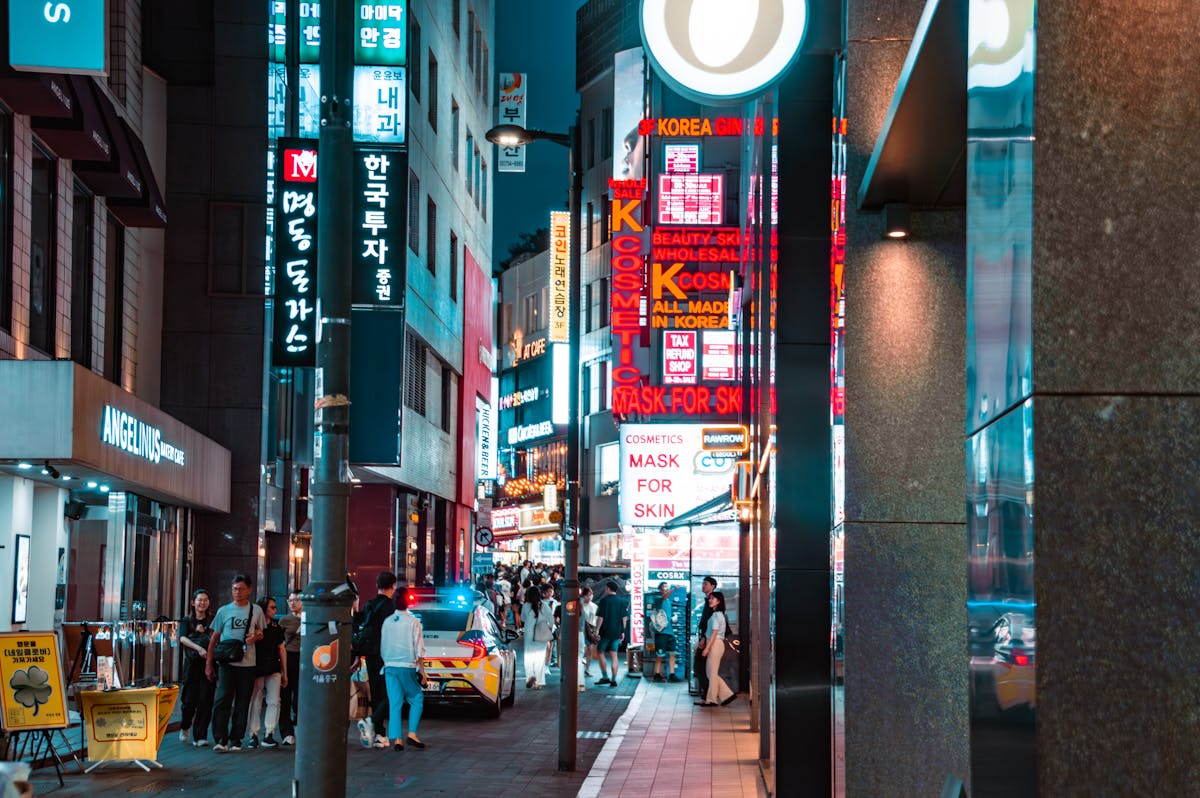
The smartest shopping day is not the one with the most stops. It is the one planned around one area, enough time, and a manageable suitcase.
What This Trend Says About Korea
The rise of Olive Young, Daiso, Musinsa, pharmacies, and skin clinics says something bigger about Korea's tourism appeal.
Visitors are no longer only looking for Korea as a postcard. They want Korea as a system.
They want to see how Koreans shop, compare, fix, style, treat, pack, organize, and optimize daily life. They want the everyday infrastructure behind the export image: the beauty shelves behind K-pop makeup, the convenience store behind Korean snack videos, the fashion platform behind Seoul street style, the pharmacy behind skin-recovery trends, and the clinic culture behind the country's beauty reputation.
That makes the new tourist route powerful.
It is not built around one monument. It is built around repeatable habits. A traveler can go once, buy a few products, go home, use them, watch more content, make a new list, and return with a sharper shopping plan.
That is how Korea turns visitors into repeat visitors.
The most interesting souvenirs are not always the most traditional. Sometimes they are sunscreen, socks, acne patches, a 1,000-won pouch, a Korean brand hoodie, and a receipt long enough to make your suitcase nervous.
That may not sound romantic.
But it is very Korean.
For a low-risk first comparison before an Olive Young run, browse Korean SPF 50 sunscreen options and note which textures, brands, and sizes are worth checking in person.
You might like: Korean Snack Prices From 1 October 2026: Pocky ₩2,200 and 14 Packs That Shrink
FAQ
Q: What is the best first stop for Korea shopping?
Simply put, start with Olive Young if you care about beauty, skincare, sunscreen, hair care, or easy tourist-friendly shopping. Start with Daiso if you want practical low-cost items, travel tools, stationery, snacks, and small gifts. If fashion is your priority, add Musinsa early enough in the day to try things on.
Q: Is Olive Young cheaper in Korea than abroad?
Often yes, but not always for every product. Korea stores may have better local promotions, sets, and stock variety, while your home country may occasionally discount certain brands. Compare unit prices, watch for one-plus-one deals, and avoid buying multiples unless you already know you like the product.
Q: Should tourists visit Korean pharmacies for beauty products?
Yes, but carefully. Pharmacies can be useful for skin-barrier products, patches, ointments, and health items, but you should ask a pharmacist what a product is and how to use it. Do not treat pharmacy products like random cosmetics, especially if you have sensitive skin or use active ingredients.
Q: Are Korean skin clinics safe for tourists?
Many Korean clinics are professional and experienced with foreign visitors, but you still need caution. Check licensing, language support, procedure details, side effects, and recovery time. Avoid aggressive treatments right before flights or important travel plans.
Q: What should I avoid buying in Korea?
Avoid buying large multiples of products you have never tested, prescription-style products without proper guidance, bulky items you cannot pack, and trendy products that do not match your skin, climate, wardrobe, or real habits. A smart Korea shopping haul is useful after the trip, not only exciting during the trip.
You Might Also Like
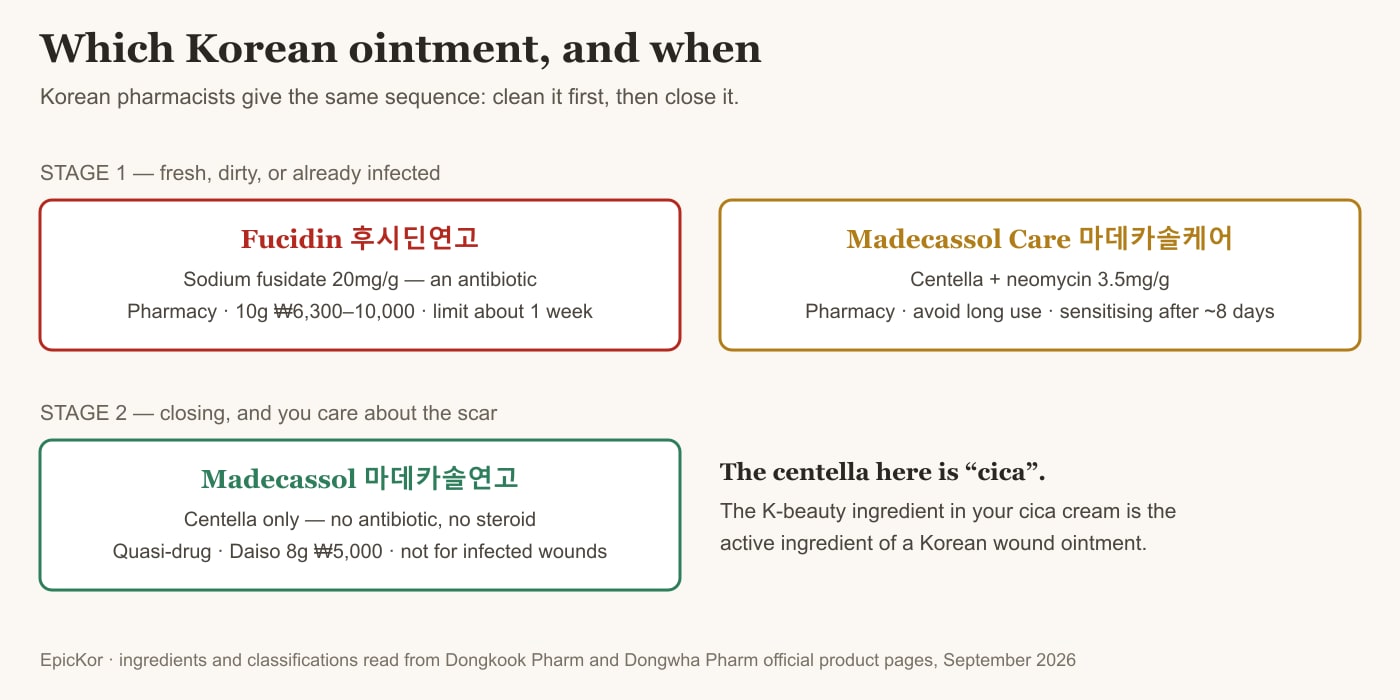
Fucidin vs Madecassol: Which Korean Ointment for Which Wound
Korea's two famous wound ointments are a sequence, not rivals: Fucidin (fusidic acid) while the wound is dirty, Madecassol (centella) once it closes. And Madecassol is two tubes — one contains an antibiotic, and their labels say opposite things.
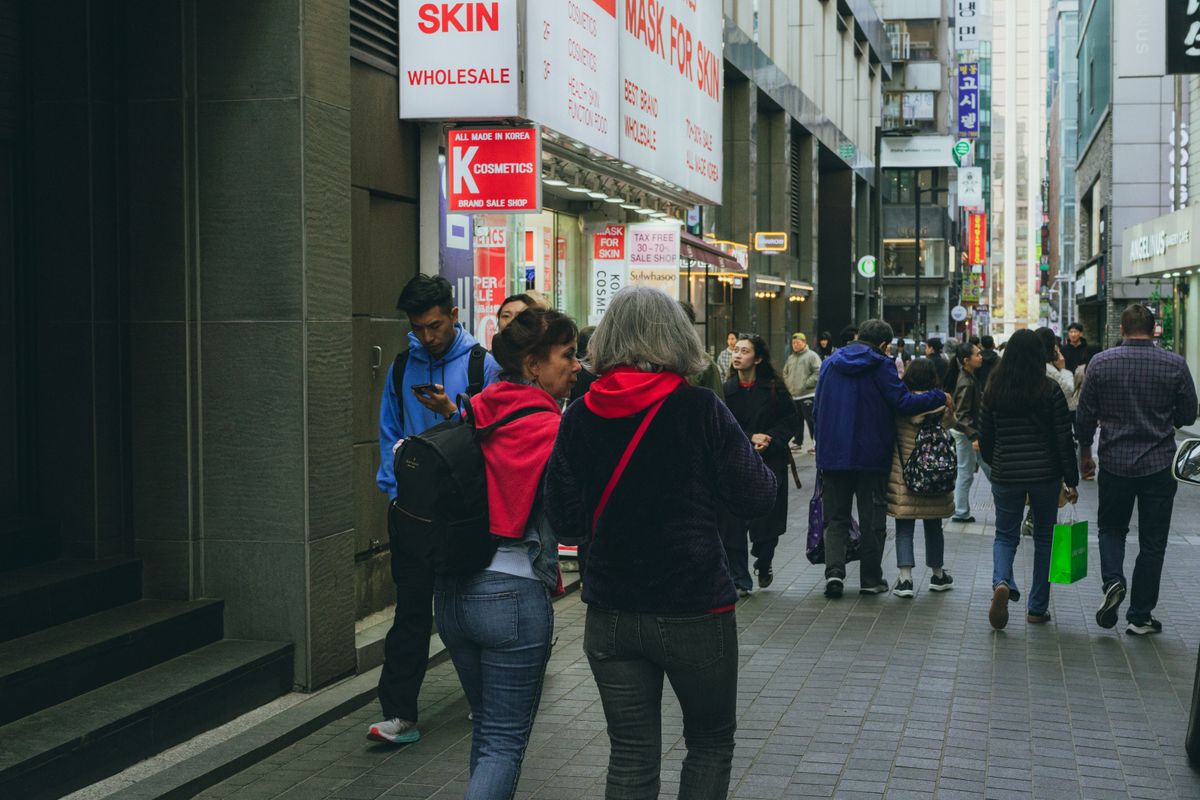
Korea Beauty Clinic vs Olive Young 2026: Buy, Book, or Skip
A Korea beauty clinic vs Olive Young guide for tourists: what to buy, what to book, what to skip, and how to avoid beauty-trip mistakes.
Korea Tax Refund Guide: The ₩15,000 Minimum, Instant Refund Limits, Olive Young, Daiso, Airport Kiosks, and What Changed in 2026
Korea's tourist tax refund starts at ₩15,000 per receipt, with instant refunds under ₩1 million per purchase and ₩5 million a trip. How Olive Young and Daiso do it, what the airport kiosk needs, and the hotel VAT refund that may end early and the medical one that already has.