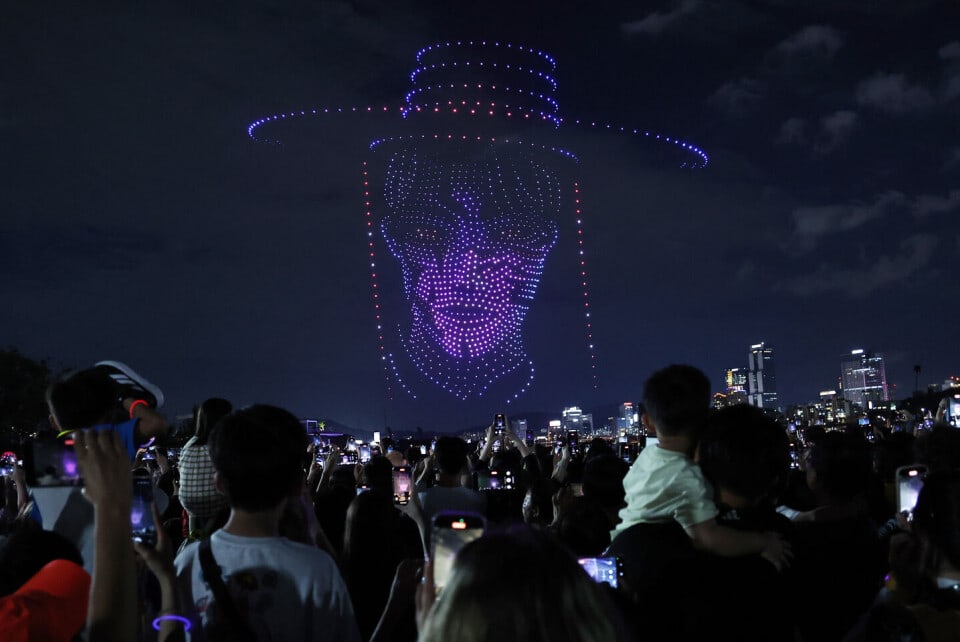
KPop Demon Hunters Korea Guide: Seoul Places and Myths
KPop Demon Hunters Korea guide searches are not only about the movie. They are about what happens after a global hit makes people curious about Korea itself.
Fans watch the film, hear the songs, notice the Seoul energy, and suddenly want to understand the world behind the aesthetic: K-pop fandom, Korean food, city lights, hanok streets, convenience-store snacks, mythology-flavored fantasy, and the feeling that modern Korea can be glossy, funny, emotional, and intense at the same time.
That is the opportunity. A fan does not need a fake "official filming location" list for an animated movie. A fan needs a smart Korea guide that separates movie fantasy from real travel, explains the cultural cues without killing the fun, and gives them a route they can actually use.
This is that guide: unofficial, culture-first, and built for people who finished the movie and thought, "Okay, now I want to know Korea better."
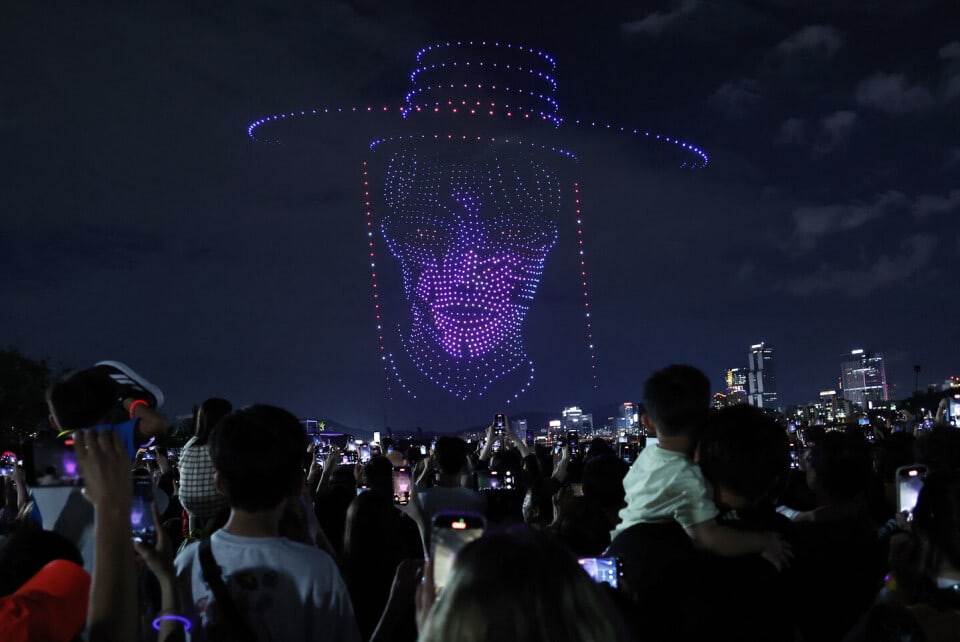
Quick Answer: What Should Fans Explore In Korea?
If KPop Demon Hunters made you curious about Korea, start with five real-world lanes:
- Seoul skyline and night views for the big pop-fantasy mood.
- Namsan, old walls, and hanok neighborhoods for the traditional-meets-modern contrast.
- K-pop fan culture for albums, light sticks, pop-ups, birthday cafes, and photo booths.
- Korean food culture for ramyeon, tteokbokki, convenience-store meals, and street snacks.
- Korean language and symbols for names, lyrics, honorifics, and small cultural details.
The Guardian reported in 2025 that KPop Demon Hunters became Netflix's most-watched film at the time, with more than 236 million views, while also breaking through in music charts and sing-along screenings. That matters for Korea content because a movie at that scale does not only entertain. It creates search behavior.
People start asking what is real, what is fantasy, what foods the characters eat, what Seoul looks like, and how K-pop fandom actually works.
Korean food starter packs — compare on AmazonAffiliate link. As an Amazon Associate, EpicKor earns from qualifying purchases at no extra cost to you.
What The Movie Gets Right About Korea's Pull
The strongest thing about KPop Demon Hunters is not that every detail is a Korea lesson. It is that the story understands how Korean pop culture often blends opposites.
Korea can be futuristic and traditional in the same afternoon. You can shop in a glassy mall, then walk past palace walls. You can watch a polished idol performance, then eat ramyeon in a convenience store. You can see luxury skincare marketing on one block and old market food steam on the next. That contrast is not a gimmick. It is one of the reasons Seoul keeps working as a global imagination machine.
The movie uses fantasy, music, color, performance, and fandom. Real Korea gives fans the raw materials behind that: K-pop systems, beauty shopping, food rituals, urban density, language texture, and the constant collision between old and new.
For more background, EpicKor already has guides to Korean pop-up store culture, Korean four-cut photo booths, Korean ramen trends, and best Korean dramas in 2026. This article connects those pieces through the fan lens.
Do Not Search For "Filming Locations" Like This Is A Live-Action Drama
This is important: KPop Demon Hunters is animated. Treating every Seoul-looking scene as a confirmed filming location can send fans into sloppy travel content.
A better phrase is inspiration route.
An inspiration route does not claim that a specific corner is "where the scene was shot." Instead, it asks: where can a fan feel the same Korean contrast in real life?
That gives you a much better Seoul day. You are not chasing screenshots. You are chasing the real ingredients: skyline, old walls, shopping, food, music, photo culture, and night energy.
| Fan Curiosity | Real Korea Angle | Where To Start | What To Avoid |
|---|---|---|---|
| Seoul skyline | Modern city, night views, tower lights | Namsan, Han River views, high viewpoints | Calling every skyline an official movie location |
| Traditional imagery | Hanok, palace walls, old neighborhoods | Bukchon, palace areas, Naksan-style walks | Treating tradition as costume only |
| K-pop fandom | Albums, pop-ups, cafe events, fan goods | Hongdae, Myeongdong, Seongsu, COEX areas | Buying fake or overpriced goods without checking |
| Food scenes | Ramyeon, tteokbokki, convenience stores, snacks | Convenience stores, markets, snack streets | Doing dangerous food challenges for views |
| Language details | Names, honorifics, romanization, lyrics | Basic Hangeul and travel phrases | Assuming subtitles explain every nuance |
A One-Day Seoul Route For Fans
Here is a simple fan route that does not depend on fake location claims.
Start with a traditional-meets-modern neighborhood. Bukchon, palace-adjacent streets, or old wall walks give you the old rooflines and stone textures that make Korean fantasy visuals feel grounded.
Then move toward a shopping or fan-culture district. Myeongdong works if you want K-beauty, albums, street food, and easy tourist movement. Hongdae works if you want younger music energy, busking, cafes, photo booths, and indie-style browsing. Seongsu works if you want pop-ups, brand spaces, and design-led cafes.
Add a food stop that connects to the fandom mood without turning into a stunt. Ramyeon, tteokbokki, kimbap, Korean fried chicken, convenience-store snacks, or a cafe dessert all make more sense than trying to force one exact movie bite.
End with a night view. Seoul feels different after dark. That is when the pop-fantasy mood clicks: bridges, traffic, towers, neon, apartment lights, and the sense that the city has not powered down.
The Food Lane: Ramyeon, Tteokbokki, Snacks, And Comfort
Korean food in fan culture is rarely just food. It is mood.
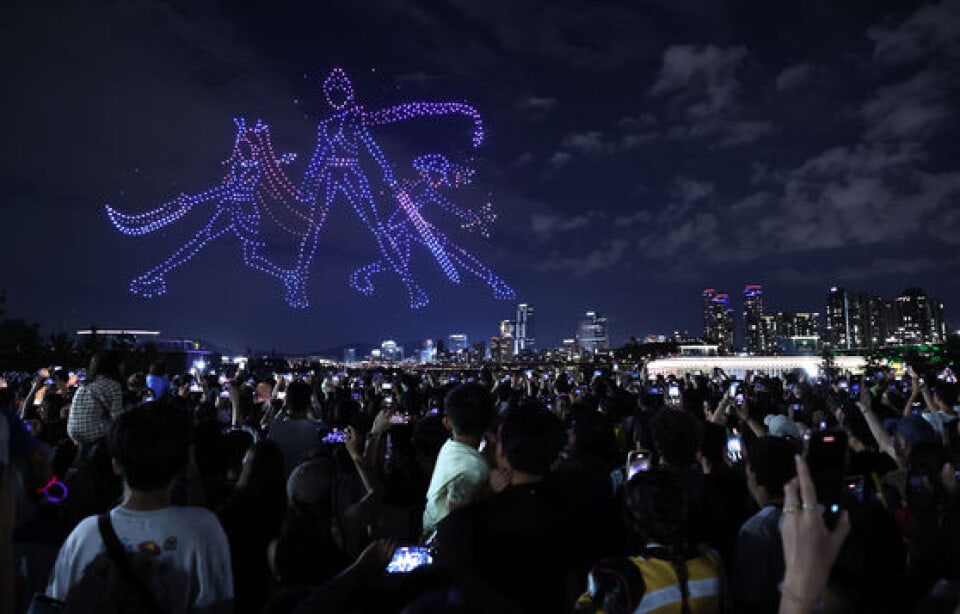
Ramyeon means late-night comfort, convenience-store improvisation, hotel-room recovery, and sometimes social-media chaos. Tteokbokki means heat, chew, street-food energy, and a sauce that photographs well. Korean fried chicken means group watching, delivery culture, and sauces that feel built for sharing. Convenience-store snacks mean "I want to try what locals grab when they are not making a big deal out of it."
If KPop Demon Hunters pushed you toward Korean food, do not start with only the spiciest thing. Start with context:
- Try one convenience-store ramyeon setup.
- Try tteokbokki with other food nearby, not as a dare.
- Try Korean fried chicken with friends.
- Try a market snack when you are already walking.
- Bring home snacks you actually liked, not just packaging that looked viral.
EpicKor's Korean ramen trends guide, Korean grocery store tourism guide, and Korean subway snacks guide are the strongest follow-ups if food is your entry point.
Build a Korea-at-home starter kit carefully: As an Amazon Associate, EpicKor may earn from qualifying purchases. If the movie made you crave Korean food and fandom energy, compare Korean food starter packs, K-pop and K-drama fan goods, and Korean phrasebooks before buying random viral products.
See Korean phrasebooks on AmazonThe Myth And Fantasy Lane
Fans often ask which parts of KPop Demon Hunters are "real Korean mythology."
The safest answer is that the movie uses Korean-flavored fantasy, K-pop, supernatural storytelling, and cultural motifs rather than functioning as a textbook. That is a feature, not a flaw. Pop culture often takes old symbols and turns them into something new.
If you want real context, learn around the edges:
- Korean folk beliefs often include spirits, guardians, luck, mountains, rituals, and moral lessons.
- Traditional performance and masks can use humor, satire, and exaggerated characters.
- Tigers, mountains, goblin-like figures in broader folklore, and protective symbols appear across Korean stories and visual culture.
- Modern K-pop fantasy borrows from global pop, anime, music videos, Korean dramas, and Korean tradition all at once.
The point is not to identify every symbol like a school worksheet. The point is to notice how Korea keeps remixing heritage into modern entertainment.
For readers who want deeper culture, EpicKor's Korean male terms guide, Korean age system guide, and Korean superstitions guide help explain how language and belief shape everyday Korea beyond the movie.
The Fan Goods Lane: Pop-Ups, Albums, Photo Booths
K-pop fandom is not only streaming songs. In Korea, it is physical.
Fans go to birthday cafes. They collect photo cards. They line up for pop-up stores. They visit album shops. They take four-cut photos. They plan outfits for concerts. They buy tiny goods that only make emotional sense if you understand the fandom.
That is why a KPop Demon Hunters fan day should include one fan-culture activity, even if it is not tied to the movie directly.
Good options:
- four-cut photo booth
- album or goods shop
- K-pop cafe zone
- pop-up store district
- themed dessert cafe
- K-beauty shopping route
- small souvenir shop with Korean design goods
Do not overpack the day. Fan culture works better when you leave time for browsing. The thing you remember may be the tiny photo strip, not the big landmark.
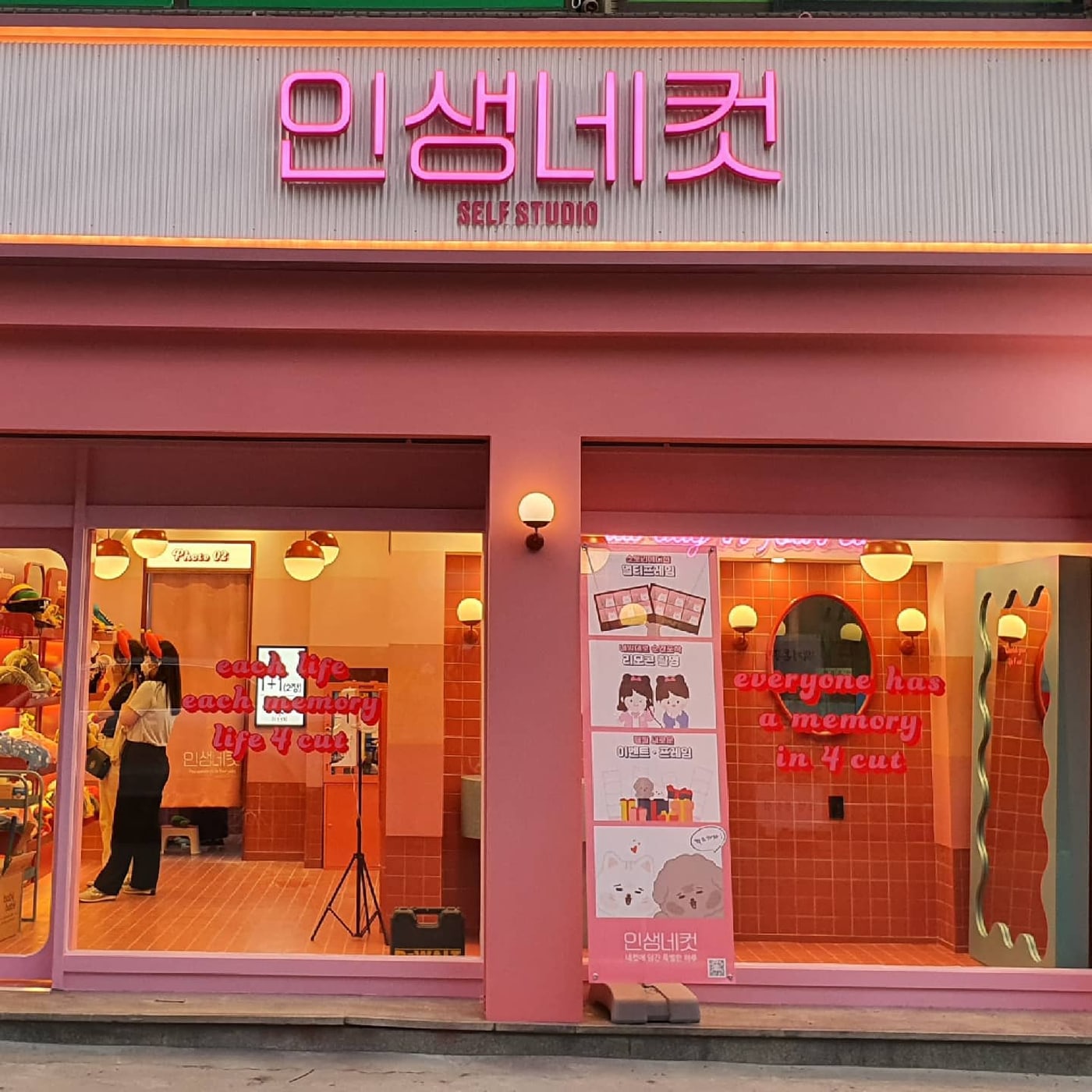
What To Buy Or Bring Home
A smart fan shopping list is not only "merch."
Try categories:
| Category | Why Fans Like It | Where It Fits | Buying Tip |
|---|---|---|---|
| Albums and photo cards | Physical fandom, collecting, display | K-pop shops, pop-ups, online stores | Check official sources if authenticity matters |
| Korean snacks | Easy to share after the trip | Convenience stores, grocery stores, markets | Buy what you tasted, not only what looks cute |
| K-beauty basics | Idol-adjacent beauty culture | Olive Young, brand stores, duty-free | Patch test and avoid overbuying actives |
| Traditional small goods | Color, textile, gift value | Museum shops, markets, palace-area shops | Look for useful pieces, not only display items |
| Language books | Lyrics, names, travel confidence | Bookstores, online, airport shops | Start with Hangeul and phrase basics |
If you are shopping in Korea, pair this with EpicKor's Olive Young guide, Daiso Korea guide, and Korea tax refund guide.
What Fans Should Not Do
Do not treat Korea like a theme park built for one movie.
That sounds blunt, but it protects the trip. Seoul is a living city, not a set. People commute, work, study, date, eat, get tired, and ignore trends that visitors obsess over. The best fan travel is curious without being weird.
Avoid:
- blocking streets for photos
- entering private residential alleys loudly
- assuming every Korean person follows the same K-pop trend
- buying counterfeit goods without understanding what they are
- filming strangers in cafes or shops
- doing spicy food challenges that can actually hurt you
- calling an animated inspiration route an official filming tour
The fun version is better anyway. Learn a few words. Eat something warm. Take photos respectfully. Buy one good souvenir. Visit a real neighborhood. Let the movie be a doorway, not a costume.
A Better Two-Day Plan
If you have two fan-focused days in Seoul, use this:
Day 1: Seoul fantasy and food
- morning: palace or hanok area
- lunch: tteokbokki, noodles, or market food
- afternoon: Namsan or old wall-style walk
- cafe break
- evening: skyline or night-view stop
- late snack: convenience-store ramyeon or dessert
Day 2: K-pop and shopping
- morning: Myeongdong or Hongdae shopping
- lunch: Korean fried chicken, kimbap, or casual restaurant
- afternoon: album/goods shop, four-cut photos, pop-up district
- cafe event or dessert stop
- evening: street lights, busking area, or relaxed dinner
This plan works because it respects both halves of the interest: the Korean visual world and the fandom economy.
Compare before the fandom cart gets chaotic: If you want the Korea mood at home, check K-pop and K-drama fan goods, Korean ramen pots, and Korean culture and history books. The best fan buys should make the world feel bigger, not just fill a shelf.
Why This Topic Will Keep Growing
KPop Demon Hunters has the kind of structure that keeps search alive.
It has songs people replay. It has characters people identify with. It has a fandom layer. It has food cues. It has a Korea curiosity layer. It has sequel speculation and merchandise energy. It is not only one weekend of attention.
For EpicKor, the strongest angle is not entertainment news. Bigger sites can cover awards, cast interviews, and release dates faster. The stronger EpicKor angle is: what does this make people want to understand about Korea?
That includes Seoul routes, Korean words, snacks, ramen, K-pop fan behavior, shopping, beauty, and respectful travel. Those topics connect naturally to existing EpicKor guides and to Amazon-friendly products without turning the article into an ad page.
Bottom Line
KPop Demon Hunters is not a Korea textbook. It is also not "just a cartoon." It is a pop-culture doorway.
Fans who enter through that doorway should not be handed fake filming locations or shallow merch lists. They should get a real Korea path: Seoul views, hanok texture, fan culture, snacks, language, shopping, food, and the difference between fantasy and actual travel.
If the movie made you want Korea, follow that curiosity. Just do it with better routes, better context, and enough respect to let the real country be more interesting than the fantasy.
FAQ
Q: Is KPop Demon Hunters based on real Korean culture?
It uses Korean pop culture, fantasy, Seoul imagery, and Korean-flavored motifs, but it should not be treated as a documentary or mythology textbook. Use it as a doorway into real Korean culture, then verify details through better sources.
Q: Are there official KPop Demon Hunters filming locations in Seoul?
Because the movie is animated, be careful with "filming location" claims. A better travel approach is to build an inspiration route around Seoul skyline views, traditional neighborhoods, fan-culture districts, and Korean food stops.
Q: What should fans eat in Korea after watching the movie?
Start with ramyeon, tteokbokki, Korean fried chicken, convenience-store snacks, and cafe desserts. Do not begin with extreme spice challenges. Food is more fun when it is context, not punishment.
Q: Where should K-pop fans go in Seoul?
Myeongdong, Hongdae, Seongsu, COEX-area shops, album stores, pop-up districts, birthday cafes, and four-cut photo booths are all good starting points. Check current events because pop-ups change quickly.
Q: What is the best souvenir for fans?
Choose one physical fandom item, one food item, and one culture item. For example: photo cards or fan goods, Korean snacks or ramyeon, and a small traditional pouch, book, or language workbook.
You Might Also Like
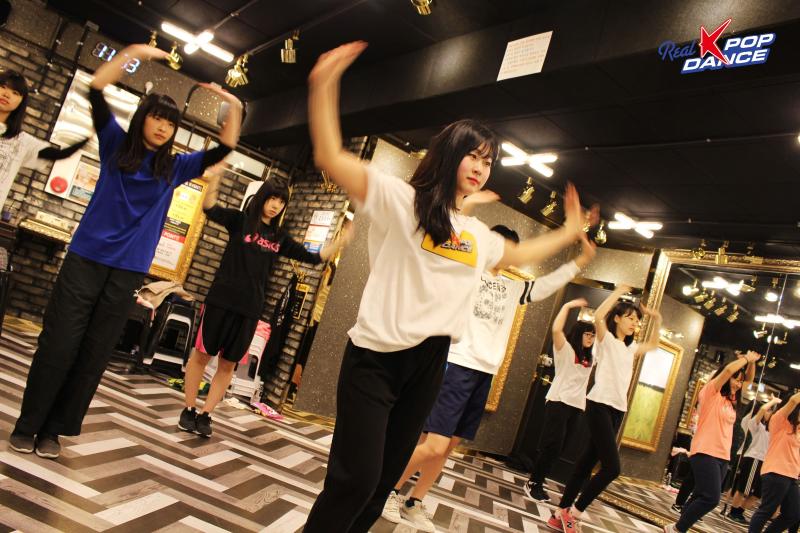
K-pop Idol Training in Seoul 2026: Tourist Class Guide
A realistic Seoul guide to K-pop dance classes, idol training experiences, trainee life myths, booking tips, costs, and etiquette.
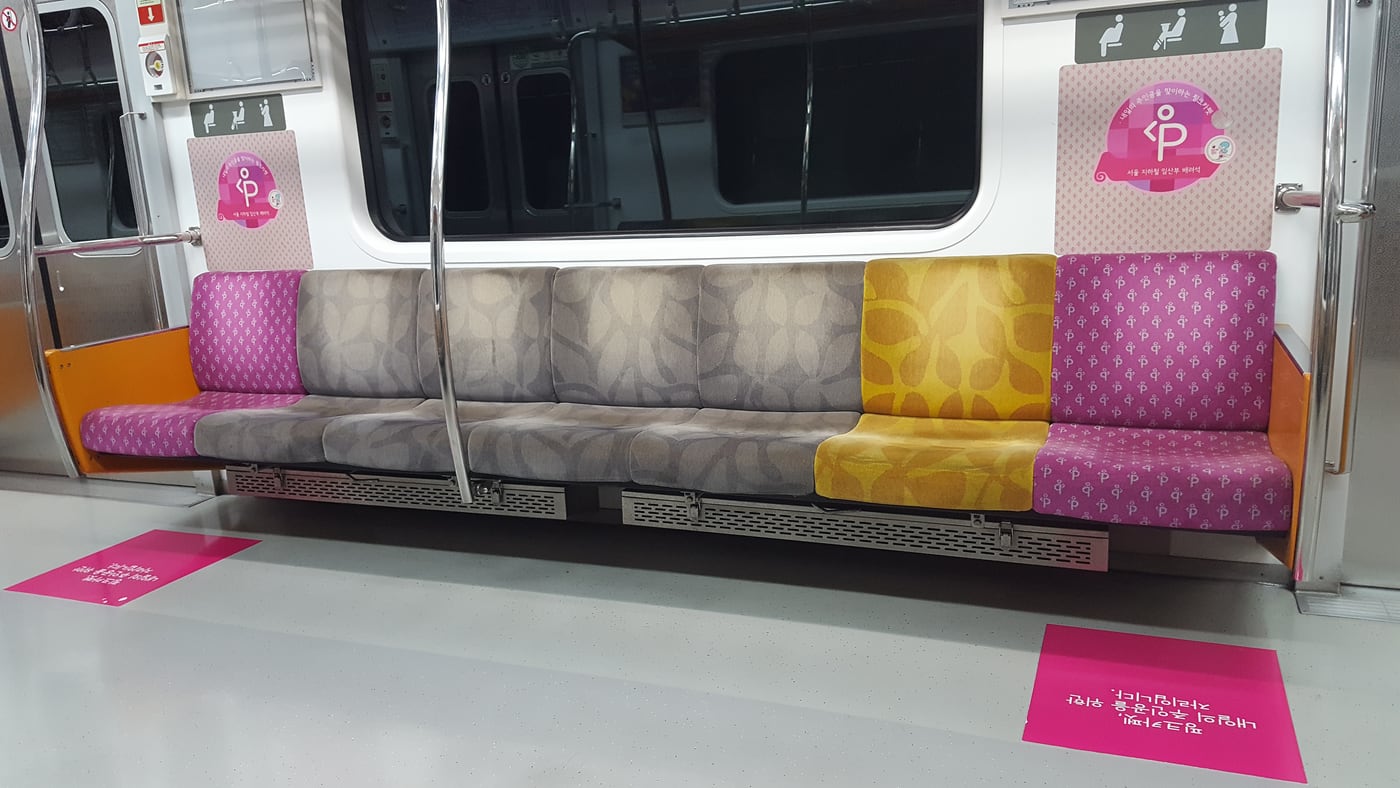
Seoul Deleted Its Women-Only Parking: What Korean Gender Policy Actually Is in 2026
Most English writing on Korean gender policy describes rules that were removed, renamed, or never existed. Seoul scrapped women-only parking in 2023, the ministry was renamed in 2025, and the famous five-point exam bonus went to men and ended in 1999.
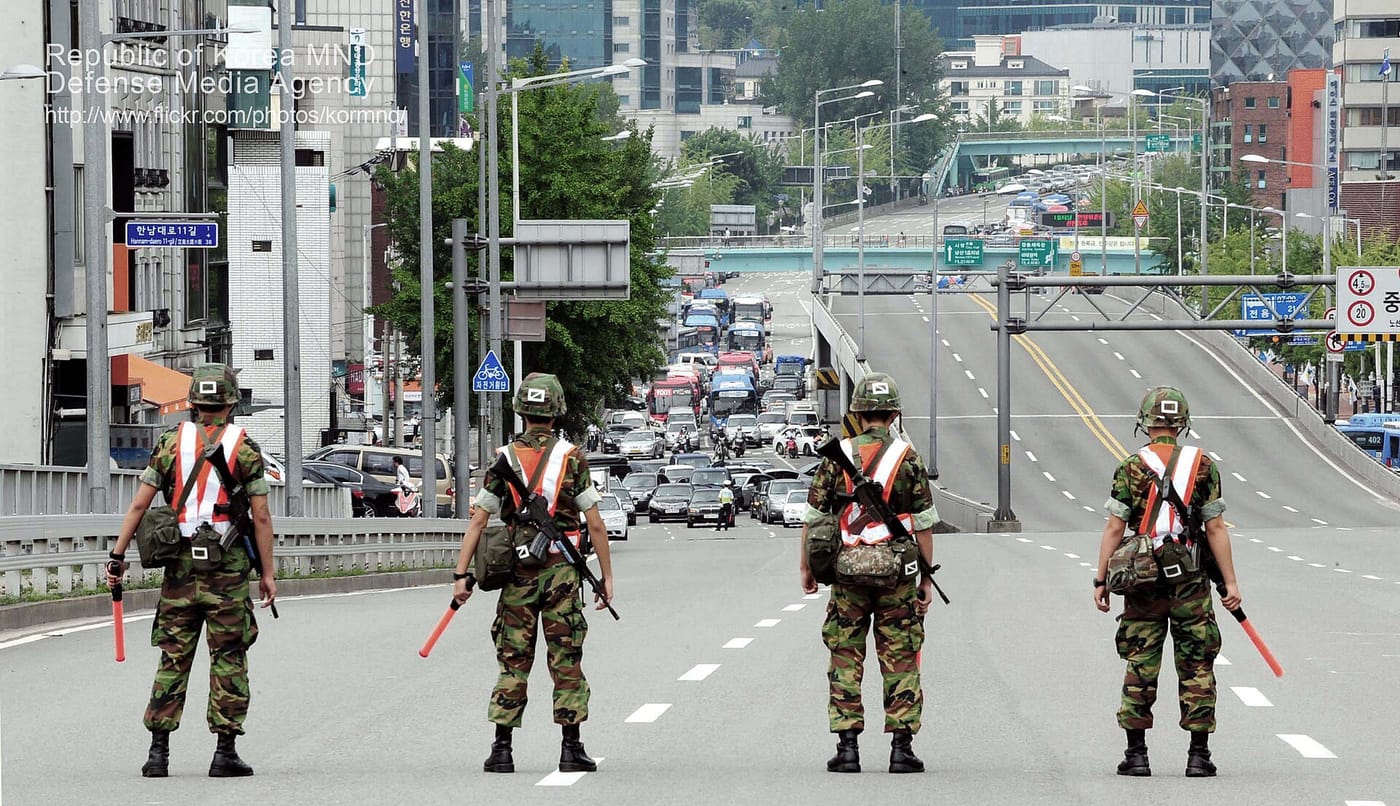
Why Your Phone Screams in Korea: Emergency Alerts, Air-Raid Sirens, and Telling Them Apart
Korea has two alarm systems and visitors confuse them constantly. One is a text on your phone, usually a heat advisory. The other is a street siren that stops traffic. On 20 August 2026 both go off at 2pm, and neither means what you fear.