Korean Superstitions You Should Know Before Visiting Korea
Some Korean superstitions sound funny until you realize people still adjust around them.
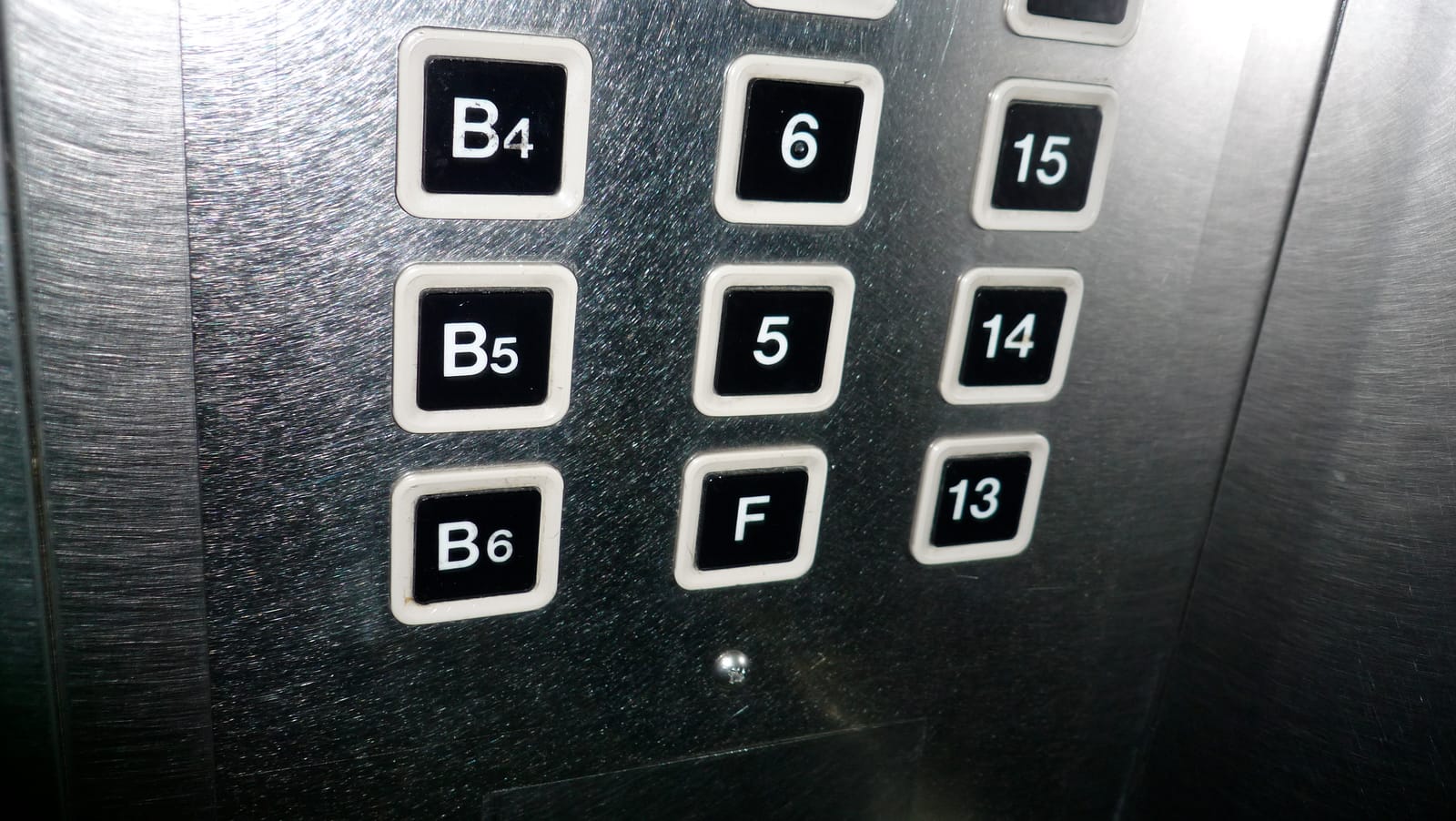
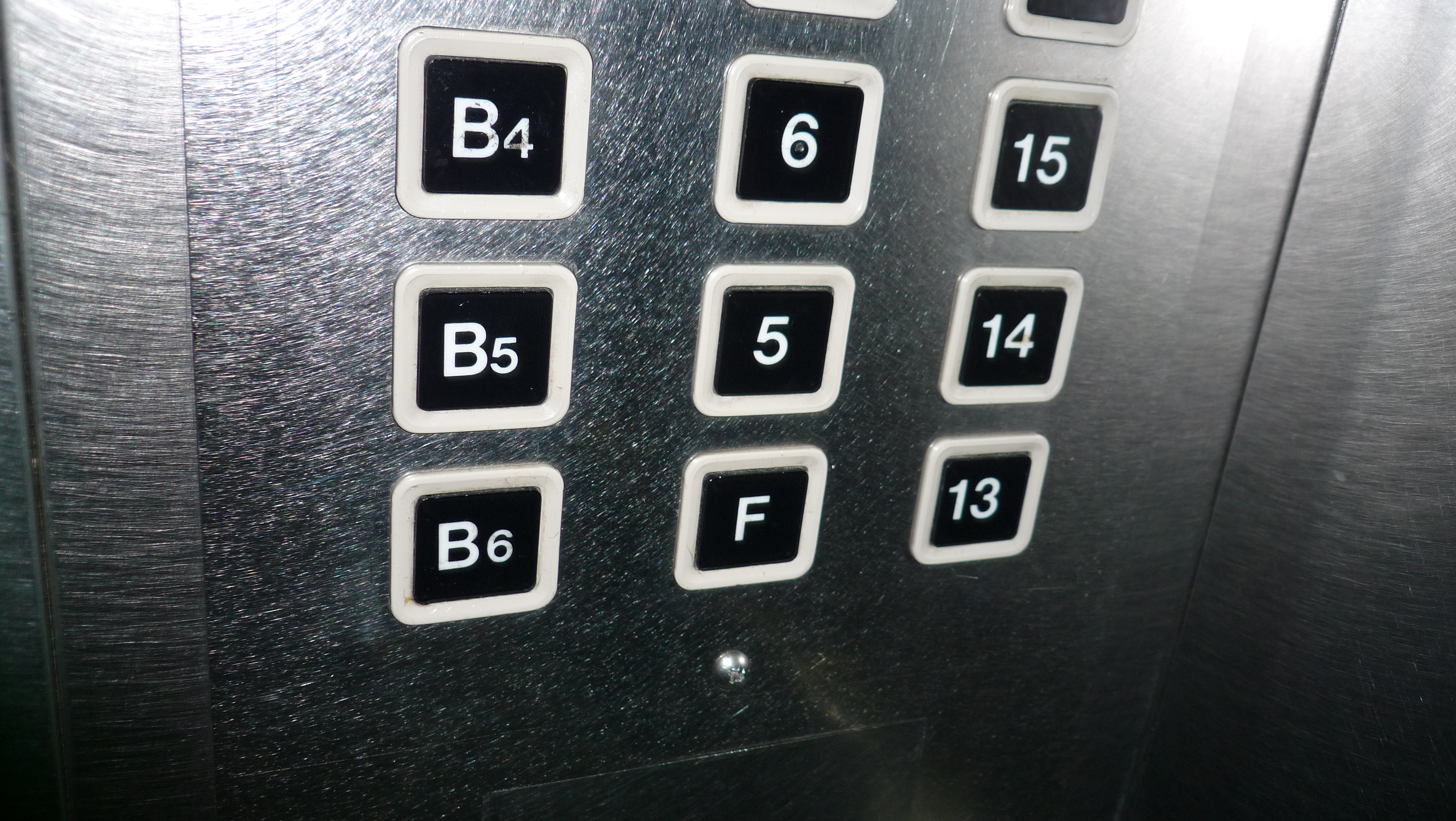
Not everyone believes them. Many younger Koreans treat them as jokes, old warnings, or family habits. But the ideas are still visible enough that travelers run into them: an elevator button marked F instead of 4, someone reacting badly to a name written in red ink, a parent warning about a fan at night, or a friend joking that seaweed soup before an exam is a terrible idea.
That is the important part.
You do not need to believe Korean superstitions to respect them.
You just need to know which ones can make a moment awkward.
Quick Answer: Do Koreans Still Believe Superstitions?
Some do, some do not, and most know at least a few.
For travelers, Korean superstitions are less about belief and more about cultural awareness. A Korean friend may laugh at fan death but still avoid writing a living person's name in red ink. A building manager may not believe the number four is cursed but still label the fourth floor as F because customers feel better that way. A student may joke about not eating seaweed soup before a test because the joke has been passed around for years.
So the safest rule is simple:
Treat Korean superstitions as cultural signals, not scientific facts.
They show how language, death symbolism, old folklore, exams, dating, luck, and daily etiquette mix in Korean life.
Korea JoongAng Daily's explainer on Korean superstitions covers many of the same familiar examples, including the missing fourth floor, red pen names, fan death, Deoksugung Stonewall Path, shoes as a relationship gift, whistling at night, and exam-day seaweed soup. You can read the full article here: Beware fan death and evil mice doppelgangers.
Lonely Planet Korean Phrasebook & Dictionary — on AmazonAffiliate link. As an Amazon Associate, EpicKor earns from qualifying purchases at no extra cost to you.
The Red Ink Rule
If you remember only one rule, remember this:
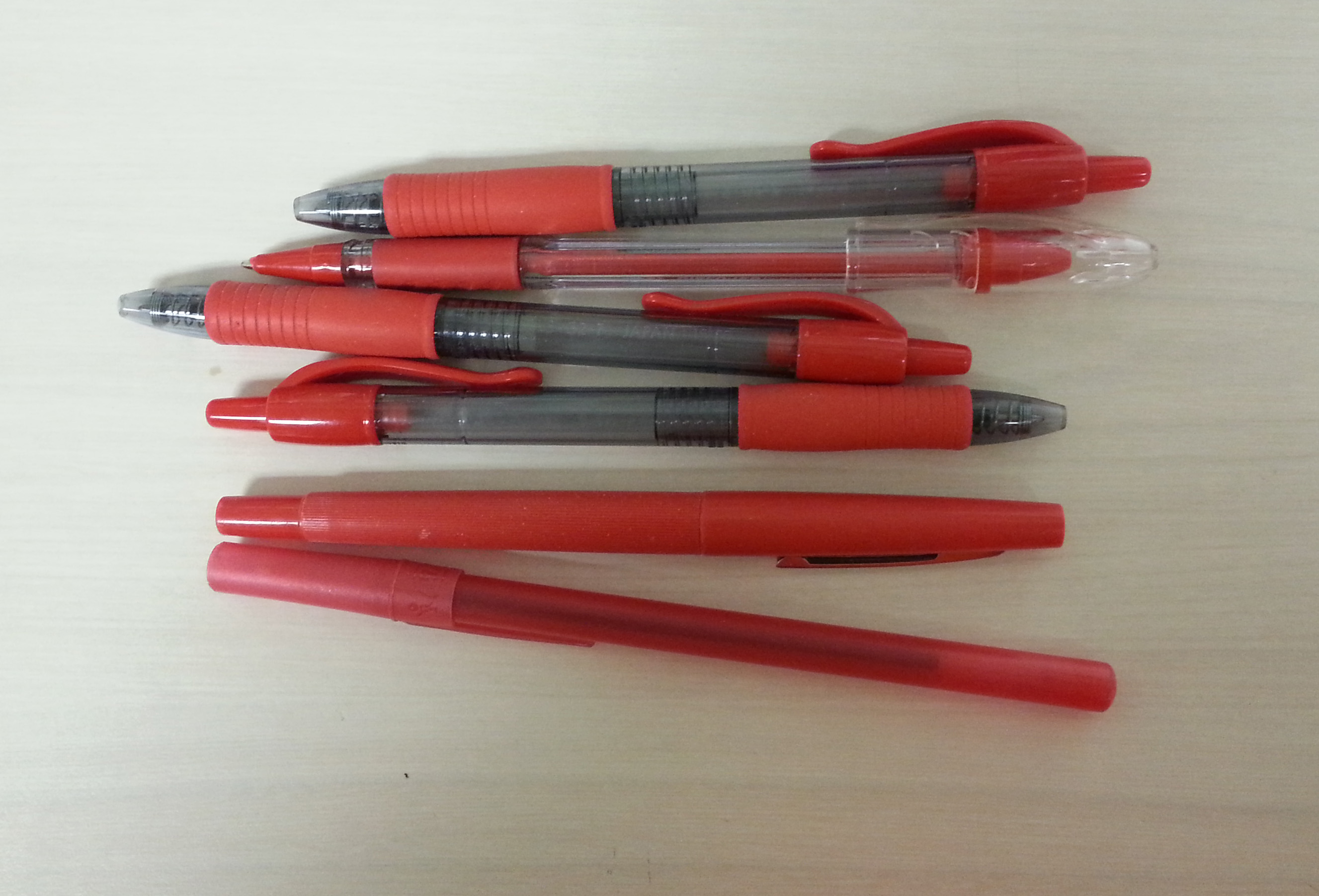
Do not write a living person's name in red ink.
This is probably the most practical Korean superstition for travelers, students, exchange workers, and anyone signing a card. Red is not automatically bad in Korea. Red stamps, seals, signs, and design accents are common. The taboo is much narrower: writing a living person's name in red can be read as unlucky, rude, or death-related.
The reaction depends on the person. Some Koreans may shrug. Others may immediately tell you to rewrite it. Older people are more likely to care, but the rule is widely known enough that avoiding it is easy.
Use black or blue ink for names.
That is it.
This is a good example of how Korean superstition overlaps with etiquette. You might not scare anyone, but you can still create a small "why did you do that?" moment. If you are filling out a birthday card, guestbook, class label, luggage tag, gift note, or envelope, do not test it.
The rule costs nothing to follow.
Why The Number Four Feels Unlucky
The Korean word for four can be pronounced sa. The Sino-Korean reading for death is also sa.
That sound connection is why the number four carries bad-luck energy in Korea, similar to how some Western buildings avoid the 13th floor. In Korea, you may see elevators that skip 4, mark it as F, avoid 44, or quietly soften the number in hospitals, apartments, and commercial buildings.
The superstition is not equally strong everywhere. Plenty of people use the number four without panic. But because the association is old and easy to understand, it still appears in public design.
For travelers, this is mostly a fun observation.
If your hotel elevator goes from 3 to 5 or uses F, nothing mysterious happened. The fourth floor is still there. The building just chose a less unlucky label.
Fan Death: The Famous One
Fan death is the Korean superstition many outsiders hear first.
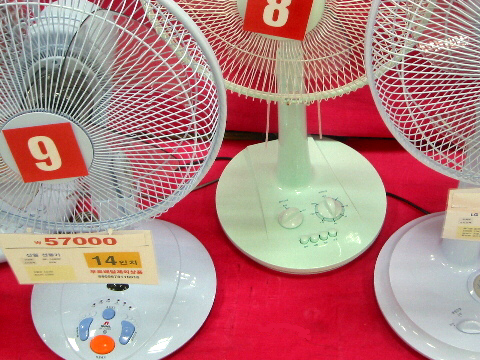
The belief says that sleeping in a closed room with an electric fan running can be dangerous or fatal. Modern science does not support this as a literal death risk in normal conditions. Still, the belief became culturally famous enough that many Korean fans have timers, and older family members may tell someone not to sleep with a fan running all night.
The useful travel advice is not "fear the fan."
The useful advice is "understand the conversation."
If a Korean host, parent, or older coworker says to set the timer, they may be repeating a habit they grew up with. You do not need to argue the physics. Set the timer, crack a window if you want airflow, and move on.
The superstition is a cultural fossil: strange to outsiders, familiar to locals, and still funny because everyone has heard some version of it.
Exam Superstitions Are Serious Jokes
Korea takes education seriously, so exam superstitions have their own emotional weight.
One common example is seaweed soup before a test. Seaweed soup, or miyeokguk, is a beloved birthday food and an important postpartum food in Korea. But before an exam, people joke that the slippery seaweed may make you "slip" and fail. The logic is playful, but the exam anxiety underneath is real.
On the lucky side, sticky foods can be framed positively because they help success "stick." That is why rice cakes and yeot, a sticky traditional candy, are associated with exams and good results.
Nobody should treat this like a rigid rulebook.
But if you are buying a small good-luck gift for a Korean student, do not choose seaweed soup as your symbolic exam food. Choose a practical snack, a coffee card, a small stationery item, or something sticky if you want the joke to land.
This is where EpicKor's guide to Korean work culture connects with daily life. In Korea, performance pressure does not end at the office. It starts early, and exam rituals are one place where pressure becomes folklore.
Etiquette note: As an Amazon Associate, EpicKor may earn from qualifying purchases. If these small rules make Korean conversation feel tricky, compare Korean phrasebooks before your trip so you can handle names, gifts, greetings, and awkward moments with more confidence.
See Korean phrasebooks on AmazonDating Superstitions: Shoes And Stone Walls
Korean dating culture has its own small warnings.
One says you should not give shoes to your partner because they may "run away" from you. The joke is easy to understand: shoes help someone leave. In real life, many couples still buy shoes for each other, especially younger couples. But the superstition is known enough that some people avoid it or add a small symbolic payment so the gift feels less like a breakup omen.
Another famous one is the Deoksugung Stonewall Path in central Seoul. The old warning says couples who walk along the path together will break up. Korea JoongAng Daily explains a practical origin story: the Seoul Family Court used to be near the palace, so couples going to file for divorce would pass by that area. The court moved long ago, but the association stayed.
Should travelers avoid the path?
No.
Deoksugung is beautiful, and the stonewall road is one of Seoul's classic walks. If you are in a relationship and your partner is very superstition-sensitive, maybe do not turn it into a "prove this is fake" joke. Otherwise, enjoy the walk.
The superstition says more about how places collect stories than it does about your relationship.
Night Rules: Whistling, Nails, And Old Fear
Some Korean superstitions belong to night.
You may hear that whistling at night attracts snakes, ghosts, or bad spirits. Another warning says not to cut your nails at night. There are different versions of the story, including one where animals eat the nail clippings and create a dangerous double of you.
That sounds wild now.
But old superstitions often made practical life safer. Before bright electric lighting, cutting nails at night could scatter sharp clippings or cause injury. Whistling at night could disturb people, draw attention, or signal something in a village setting. Over time, practical caution becomes a supernatural rule, and the rule survives even after the practical problem fades.
For travelers, this is not a list of things to fear.
It is a reminder that folklore often protects order. Korea's old night warnings are partly about avoiding bad luck, but they are also about not making noise, not being careless, and not acting strangely when people are trying to sleep.
Lucky Signs: Pigs, Dreams, And Magpies
Not every superstition is negative.
Korea also has lucky signs. Dreaming of pigs can be treated as a money or good-fortune symbol. Some people buy lottery tickets after a pig dream. Magpies have positive associations in Korean folk imagery and are often connected with good news or welcome visitors.
These are softer than the red-ink rule or number-four avoidance. They live more in jokes, family stories, and "maybe this is a sign" conversations.
The interesting thing is how often Korean superstitions turn into social content. Someone dreams of a pig and tells the group chat. Someone sees a magpie and makes a comment. Someone gets a gift and jokes about luck. The superstition becomes a way to narrate the day.
That is part of why they survive.
They give ordinary moments a story shape.
What Travelers Should Actually Do
You do not need to memorize every Korean superstition before visiting Korea.
Learn the few that affect social behavior, then relax.
| Situation | Safe Move | Why It Matters |
|---|---|---|
| Writing someone's name | Use black or blue ink | Red names can feel death-related or rude |
| Elevator skips 4 | Do not overreact | F often means the fourth floor |
| Sleeping with a fan | Use the timer if your host cares | It avoids a pointless argument |
| Exam gift | Choose sticky sweets, coffee, or useful supplies | Seaweed soup can sound like a bad-luck joke |
| Dating gift | Be careful with shoes if your partner is sensitive | The "run away" idea is widely known |
| Night behavior | Avoid loud whistling or messy nail clipping | Even if nobody believes the myth, it can feel rude |
The pattern is simple. When a superstition overlaps with politeness, follow the polite version. When it is just a joke, enjoy the joke. When it is scientifically false, avoid turning the moment into a debate unless the person actually wants that conversation.
Korea is modern, wired, skeptical, fast, and practical.
It is also full of tiny inherited warnings.
Both things can be true at the same time.
Why Superstitions Still Fit Modern Korea
Korean superstitions survive because they are useful in three ways.
First, they give people a way to talk about uncertainty. Exams, health, money, dating, moving, business, and family luck are all uncertain. A superstition turns anxiety into a rule, even if the rule is not rational.
Second, they create shared jokes. If everyone knows the red-pen rule, the number-four rule, or the fan-death rule, people can laugh with almost no explanation. That shared knowledge is culture.
Third, they preserve older ways of reading the world. Before modern medicine, air conditioning, electric lighting, elevators, or standardized exams, people still needed ways to explain danger, bad timing, and unlucky behavior. Some explanations disappeared. Others became family habits.
That is why travelers should not treat Korean superstitions as proof that Korea is irrational.
Every culture has these.
Korea just has its own set, and they are unusually easy to spot because they show up in names, numbers, buildings, appliances, food, and dating.
For more cultural language that hides in daily habits, read EpicKor's guide to Korean proverbs and sayings. Superstitions and proverbs both reveal how a culture turns experience into short, memorable rules.
Culture deep dive: If you like this kind of hidden daily-life context, browse Korean culture and history books. A good background read makes small travel moments feel less random.
FAQ
Q: What is the most important Korean superstition for travelers to know?
Avoid writing a living person's name in red ink. It is easy to avoid and can feel rude or death-related to some Koreans.
Q: Why is the number four unlucky in Korea?
The Korean pronunciation sa can connect the number four with the Sino-Korean reading for death. That is why some elevators use F instead of 4.
Q: Is fan death real?
No, not as a normal scientific claim. But fan death is a famous Korean superstition, and many people still know the habit of using a fan timer.
Q: Is it bad luck to give shoes to a Korean partner?
Some people joke that shoes make the partner run away. Many couples still give shoes, but if the person is superstition-sensitive, choose another gift or make it playful.
Q: Should couples avoid Deoksugung Stonewall Path?
No. It is a beautiful Seoul walk. The breakup superstition is famous, but most visitors can enjoy the path without worrying.
You Might Also Like
What to Call a Stranger in Korea: Jeogiyo, Sajangnim, Imo
You need a waiter's attention in Korea and you do not know their name. Jeogiyo is the safe answer, sajangnim works in any shop, and imo is warmer than a foreigner should risk. Here is what to actually say, and what never to shout.
Korean Gift-Giving Culture: What to Bring and Avoid
Korean gift-giving has actual numbers, and one of them is law: ₩50,000 is a legal ceiling for teachers, journalists and officials. Wedding cash passed ₩100,000 in 2025, holiday gift sets cluster at ₩30,000-50,000, and this is what to bring and what to avoid.
The One Korean Food Foreigners Never Learn to Love: Hamheung Naengmyeon, and Why Koreans Can't See the Problem
Foreigners who eat cheonggukjang and even hongeo still will not pay for this twice. A Korean creator who fed foreigners for years says naengmyeon was the overwhelming number one refusal, and Koreans, who rank it first every summer, cannot see why.