K-pop Idol Training in Seoul 2026: Tourist Class Guide
K-pop idol training is one of the most tempting fantasies in Seoul travel. You see clean dance practice videos, sharp choreography, matching outfits, studio mirrors, and a final three-second clip that looks effortless. Then a travel program offers a "be an idol for a day" class, and the question arrives quickly: is this a fun tourist activity, or is it pretending to be the real trainee system?
The honest answer is both simpler and more useful. A Seoul K-pop dance class can be a memorable way to understand Hallyu from inside a studio instead of only watching it on a screen. A one-day class can teach rhythm, formation, camera awareness, and why choreography feels different when your own body has to remember it. But it is not the same as the long, competitive, monitored life of a real trainee.
This guide explains how to book a Seoul K-pop training experience, what happens in a tourist class, what real trainee life is often misunderstood to mean, what to wear, what not to film, and how to enjoy the experience without turning Korean pop culture into a costume.
Quick Answer: Can Tourists Try K-pop Idol Training in Seoul?
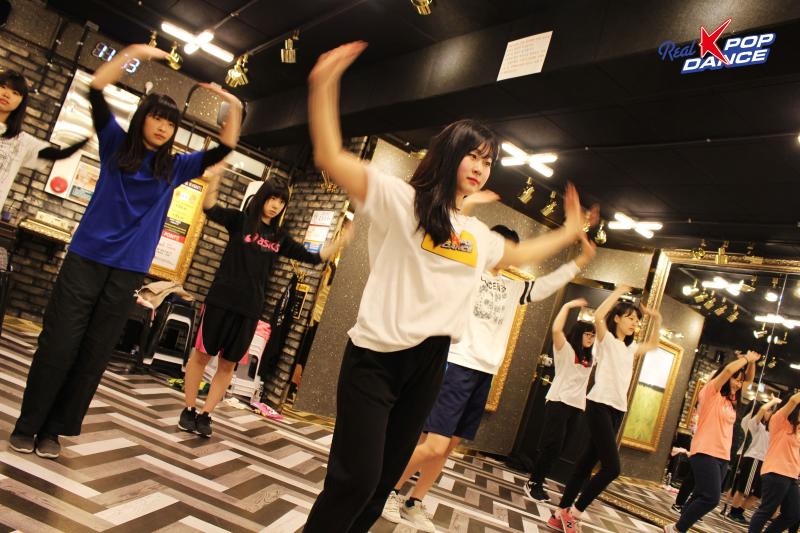
Yes. Tourists can book K-pop dance classes, studio workshops, audition-style experiences, and short Hallyu programs in Seoul. The most visitor-friendly versions are usually one-time dance lessons, studio tours, short choreography sessions, or filming packages. They are built for travelers, not for agency trainees.
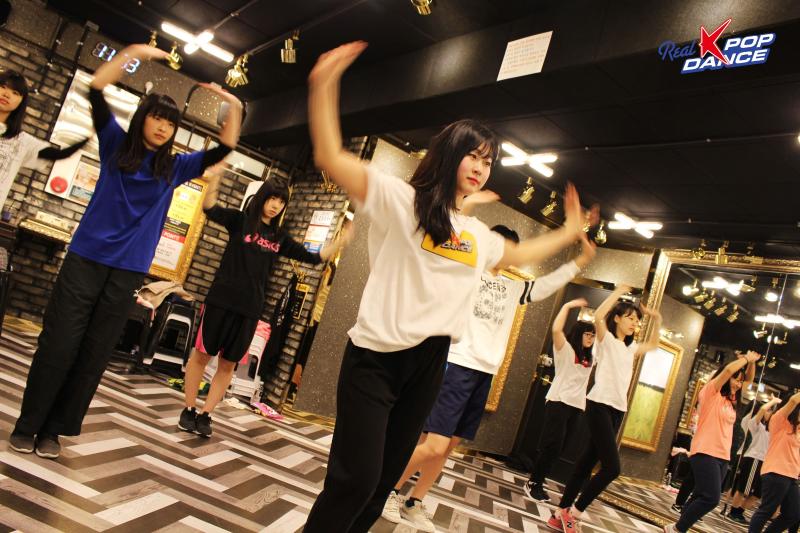
Korea Tourism Organization's K-Culture Signature Tours page lists a Mapo-gu "Real K-POP Dance Experience" that teaches choreography with professional backup dancers and offers English sessions. Visit Seoul has also promoted foreign-tourist K-pop programs such as dance workshops and reels filming connected to entertainment education spaces. Availability, price, schedule, and filming rules can change, so treat official tourism pages as starting points and always confirm with the current booking page before paying.
The right expectation is: you are not joining an agency trainee program. You are borrowing one slice of the training environment for a class. That is still valuable. A good class makes you feel how much repetition, correction, stamina, and timing sit behind one short chorus.
Tourist Class vs Real Trainee Life
A visitor class is usually designed to be safe, fun, and finishable. Real trainee life is designed around selection, improvement, and uncertainty. Mixing those two creates bad expectations.
| Category | Tourist K-pop Class | Real Trainee System | What It Means for Visitors |
|---|---|---|---|
| Goal | Experience choreography, learn a chorus, film a memory, understand the culture better | Prepare for possible debut through years of performance, vocal, language, image, and evaluation training | Enjoy the class as cultural participation, not as a shortcut to debut |
| Duration | Often 60-120 minutes, sometimes with studio tour or filming | Months to years, with repeated evaluations and no guaranteed outcome | A one-day class can show the surface mechanics, not the whole system |
| Pressure | Beginner-friendly correction, group energy, travel pacing | Competition, performance ranking, appearance pressure, schedule strain, and career uncertainty | Do not romanticize trainee pressure as a travel aesthetic |
| Filming | May include allowed reels or final clips depending on program rules | Agency practice rooms and trainee content are controlled environments | Ask before recording; never film other students without consent |
| Best For | K-pop fans, dance beginners, friend groups, solo travelers, families with teens | Audition-selected aspiring performers | Choose a class that matches your body, confidence, and travel schedule |
Capezio canvas dance sneaker — clean indoor shoes for a Seoul K-pop classAffiliate link. As an Amazon Associate, EpicKor earns from qualifying purchases at no extra cost to you.
If your real interest is fandom culture, you may also enjoy our K-pop fandom guide, K-pop photocard guide, and Korean concert fan chant guide. They explain how fans participate around the performance system without pretending to be inside the agency pipeline.
Where Seoul K-pop Classes Usually Fit
Many short classes happen in neighborhoods with entertainment, dance, youth, and tourist infrastructure. Hongdae and Mapo are natural because of dance studios, street performance culture, and visitor traffic. Gangnam and Seongsu can appear in programs connected to entertainment companies, academies, or branded K-culture experiences. Myeongdong sometimes works as a convenient base for tourists, but the studio itself may be elsewhere.
Do not choose only by neighborhood name. Choose by the instructor, class level, language support, filming rules, class size, cancellation policy, and whether the program explains what you will actually do. "K-pop experience" can mean anything from a serious choreography class to a costume-and-photo activity.

What Happens in a Beginner-Friendly Class
A typical beginner class starts with a warm-up and a quick level check. The instructor may teach a chorus or signature section rather than the full song. You will likely learn counts first, then arm paths, then footwork, then transitions, then face direction. If the class includes filming, the last part may be used to clean the routine and record a short take.
The surprising part is how much K-pop choreography depends on details that viewers miss. Your hand angle changes the silhouette. A half-beat delay makes the whole group look soft. A camera-facing move may feel strange in the body because it is designed for the lens, not only the mirror. Even a simple chorus can become a puzzle when footwork, upper body, expression, and formation all arrive together.
If you are not a dancer, that is fine. Pick a beginner class, wear shoes that grip, and choose a song you enjoy enough to repeat many times. The goal is not to look like an idol. The goal is to understand the labor behind the illusion.
Practice before the studio: As an Amazon Associate, EpicKor may earn from qualifying purchases. If you want to feel less lost in class, compare indoor dance sneakers and a portable phone tripod for home practice clips before your Seoul trip.
How Hard Is It?
Beginner classes are usually accessible, but "beginner" does not mean passive. You may sweat. You may forget counts. You may discover that a chorus you have watched 200 times is harder when your feet are involved. This is part of the fun.
If you have knee, ankle, back, or balance issues, read the class description carefully and avoid programs built around intense choreography. K-pop routines can include floor work, jumps, sharp direction changes, fast squats, and repeated upper-body isolations. You can ask whether low-impact modifications are allowed, but do it before the class begins.
For families, a K-pop class can work well with teens who actually want to participate. It is less ideal for very young children unless the program is explicitly designed for kids. For broader family planning in Seoul, pair this guide with our Seoul kids cafe guide once that travel day needs a softer indoor option.
What Real Trainee Life Adds to the Story
The real trainee system should be discussed carefully because it involves minors, aspiration, labor, family sacrifice, image expectations, and unequal outcomes. Academic research on K-pop trainees has described stressors such as school pressure, competition, adaptation to trainee life, uncertainty, physical appearance management, peer conflict, and limited support. That does not mean every trainee has the same experience, but it does mean the polished practice-video fantasy is incomplete.
For visitors, this context matters because it changes the mood of the experience. You can admire skill without turning pressure into entertainment. You can enjoy a tourist class without saying you "became an idol." You can post a reel without copying agency language about diets, evaluations, or debut rankings.
That distinction protects both sides: your experience stays joyful, and the real work behind Korean pop performance stays visible.
Booking Checklist
Before you book, check the practical details. A shiny thumbnail is not enough.
| Check | Why It Matters | Good Sign | Red Flag |
|---|---|---|---|
| Language | Dance correction is physical and fast | Clear English, Korean-English support, or simple demonstrated instruction | No language note and no response to questions |
| Class level | Beginner, intermediate, and audition-style sessions feel very different | Song difficulty, pace, and age suitability are explained | "All levels" but no class structure |
| Filming rules | Studios may restrict recording, faces, music, or behind-the-scenes shots | Rules say what can be filmed and when | Encourages filming strangers without consent |
| Location | Seoul transit time can eat your day | Exact address, nearest station, elevator guidance if needed | Vague "Hongdae area" only |
| Cancellation | Travel schedules change | Written refund/no-show policy | Payment link without terms |
| Instructor claim | "Idol trainer" can be used loosely | Specific background, studio name, or official program relationship | Huge agency claims with no evidence |
What to Wear and Bring
Wear comfortable clothing that lets you raise your arms, bend your knees, and move without checking your outfit every five seconds. Clean indoor sneakers are better than sandals, heavy boots, or slippery fashion shoes. Bring water, a small towel, and a hair tie if needed. If the class allows filming, charge your phone before you arrive and keep storage free.
Do not wear strong perfume in a small studio. Do not bring a large suitcase into the practice room unless the operator says storage is available. Do not assume you can change clothes privately. Seoul studios vary from polished academy spaces to compact rooms in basement buildings.
If you want to prepare lightly, choose one chorus and watch the official dance practice video once for structure, then stop. Over-practicing the wrong version from a mirrored fan tutorial can make the instructor's corrections harder.
Etiquette: The Part That Makes You Look Thoughtful
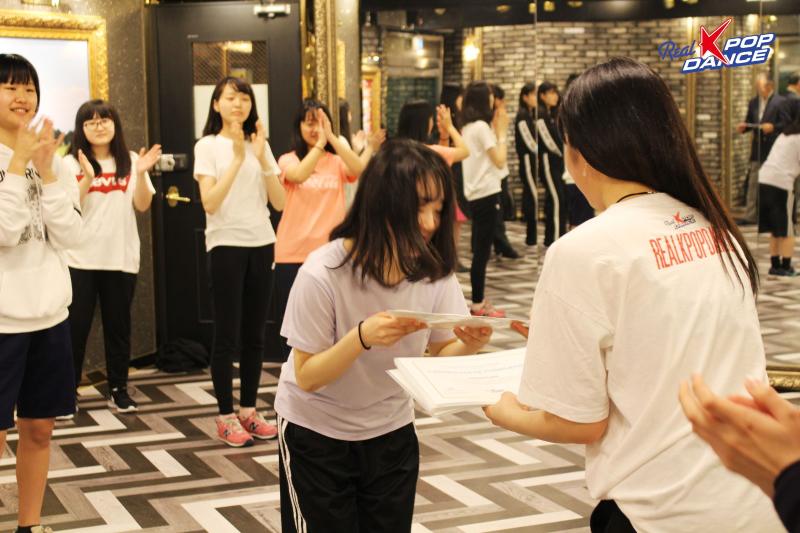
Arrive early. Change shoes if required. Ask before filming. Keep your phone away during instruction unless the teacher invites recording. Do not laugh at classmates who miss counts. Do not grab the front-center position if the instructor is organizing rows. If you post clips, avoid showing other students' faces unless they agreed.
K-pop is global, but the class is still happening in Korea. A studio is not a theme park. Treat the instructor as a working professional, not as a prop in your fandom story.
If Korean honorifics and social boundaries make you nervous, our oppa, samchon, and ahjussi guide is useful context because it explains why familiar Korean words can feel different depending on relationship, age, and setting.
A Good One-Day Seoul Plan
For a low-stress K-pop day, keep the class as the anchor rather than squeezing it between five unrelated stops. Eat a light meal two hours before class. Arrive near the studio early. Take the class. Cool down. Then choose one nearby fan-culture activity: a cafe, album shop, photobooth, street-performance area, or music-store browse.
If you are staying around Hongdae, a dance class can pair naturally with street performances and indie youth culture. If your class is in Gangnam, you can pair it with entertainment-company building walks or cafes, but do not block entrances or film staff and trainees. Fans and visitors are visible in these neighborhoods; respectful distance is part of the culture.
For a shopping follow-up, read our Seoul stationery shopping guide or K-pop photocard protection guide. They are better next steps than buying random merch you do not know how to store.
Pack the small practice kit: Compare wired practice earbuds and small practice notebooks if you want to remember counts, song sections, and corrections after class.
Who Should Skip It?
Skip a K-pop class if you only want a photo, dislike group movement, have an injury that makes fast choreography risky, or would feel upset being corrected in public. Choose a studio tour, music store, concert, fan cafe, or photocard activity instead. Not every Hallyu experience has to involve your body doing counts in a mirror.
Also skip any program that promises agency access, guaranteed auditions, secret trainee pathways, or celebrity contact without clear proof. Real industry access is controlled. Tourism products that sound too close to recruitment deserve extra caution.
Final Take
A Seoul K-pop training experience is worth doing when you treat it as a dance and culture lesson, not as a debut simulation. The best version gives you a physical understanding of K-pop's precision: the count, the angle, the breath, the repeat, the camera, the group line, and the final tiny clip that hides all the effort.
Go for the choreography. Respect the real trainee system. Leave with a better eye.
You might like: K-Pop Concert Tickets in Seoul (2026): Seat Prices, the Passport Name Check and Korea's New Resale Fine
FAQ
Q: Is a K-pop dance class in Seoul beginner-friendly?
Many tourist classes are beginner-friendly, but difficulty varies by song, instructor, and class pace. Choose a class that clearly says beginner or first-timer friendly if you do not dance regularly.
Q: Will I train with real idols or trainees?
Almost certainly not. Visitor classes may be taught by professional dancers, instructors, or people with industry-related experience, but they are not agency trainee programs.
Q: Can I film the class?
Only if the operator and instructor allow it. Some programs include a final filming segment, while others restrict recording during instruction or around other students.
Q: What should I wear to a K-pop class?
Wear flexible clothes and clean sneakers. Avoid sandals, heels, heavy boots, or outfits that stop you from moving comfortably.
Q: Is it okay for older travelers to join?
Yes, if the class welcomes all adults and you choose a suitable level. K-pop classes are not only for teenagers, but you should match the choreography intensity to your body.
Q: Is this different from a real idol trainee program?
Yes. A tourist class is a short paid cultural experience. Real trainee life can involve years of training, competition, evaluation, uncertainty, and personal pressure.
Sources and Useful Links
You Might Also Like

KPop Demon Hunters Korea Guide: Seoul Places and Myths
A KPop Demon Hunters Korea guide for fans: Seoul places, Korean culture, food, fan goods, myths, and safe travel ideas in Korea.
Korean Four-Cut Photo Booth Guide: Poses, Frames, Tips
A 2026 guide to Korea's four-cut photo booth culture, from Life4Cut and Photoism to fandom frames, poses, QR downloads, and tourist tips.
Seoul Deleted Its Women-Only Parking: What Korean Gender Policy Actually Is in 2026
Most English writing on Korean gender policy describes rules that were removed, renamed, or never existed. Seoul scrapped women-only parking in 2023, the ministry was renamed in 2025, and the famous five-point exam bonus went to men and ended in 1999.