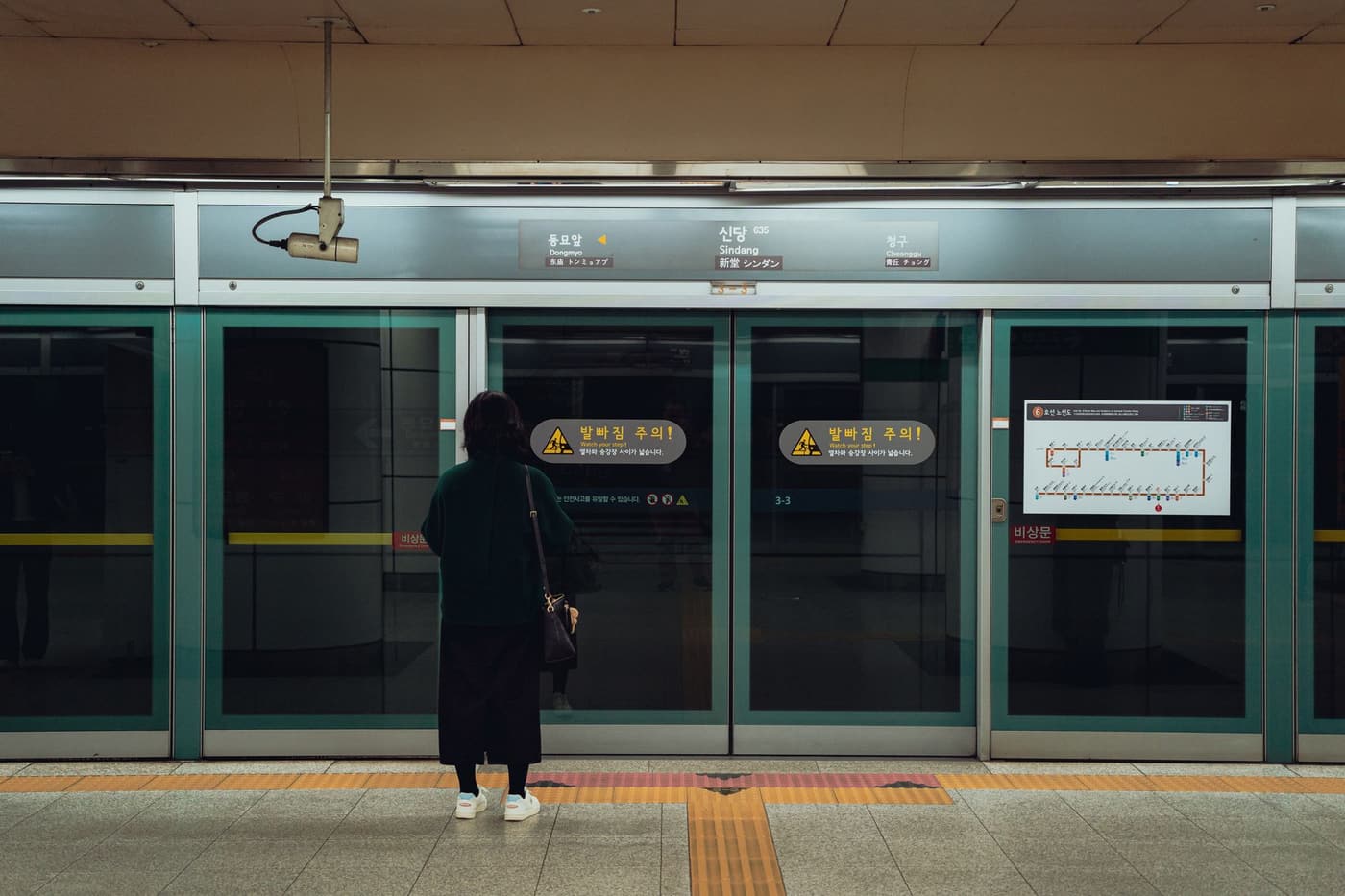
Korean Age System Explained: Why Koreans Seem Older
Most foreigners hear about the Korean age system and immediately think, "Wait, so I get older just by landing at Incheon Airport?" Not exactly. But if you have ever watched a Korean drama, met Korean friends, or filled out a profile on a Korean app, you have probably noticed something strange: age in Korea is not only a number. It is a social signal, a grammar switch, a relationship map, and sometimes a tiny identity crisis.
The confusing part is that Korea has used more than one way to count age. One method makes you one year old at birth. Another adds a year every New Year's Day. The official legal system now uses international age in most cases. And real people, because real life is never as clean as a government notice, may still ask your birth year before they decide how to speak to you.
So if someone in Korea asks, "How old are you?" the safest answer is not always the number you use back home. It is often your birth year.
Why Age Feels So Important in Korea
Age matters everywhere, but Korea gives it a social job. It helps people understand how formal to be, which words to use, who pays first, who pours drinks first, and what kind of friendly teasing is acceptable. You can think of it as one of Korea's quiet social operating systems.
In English, you can meet someone at a cafe, learn that they are five years older than you, and continue speaking almost exactly the same way. In Korean, the relationship may change the moment age becomes clear. If the other person is older, you may use more polite speech. If you are close and the person is older, you might call them oppa, unnie, hyung, or noona, depending on your gender and theirs. If you are the same age, you may become chingu, which literally means friend but socially means something warmer and more equal than "person I just met."
This is why Korean people often ask age earlier than visitors expect. It is not always meant as a nosy question. Sometimes it is practical. They are trying to place the conversation on the right level of politeness.
That does not mean every Korean interaction is stiff or hierarchical. Younger Koreans, international workplaces, and casual friend groups can be relaxed about it. Still, the age question has weight. Even if two people decide to speak casually, they usually need to know whether casual speech is socially comfortable first.
Here is what makes it confusing for visitors: the age number itself has not always meant the same thing. For a long time, a Korean person might say an age that was one or two years higher than their international age. This was not because they were lying, rounding up, or trying to sound mature. They were using a different counting system.
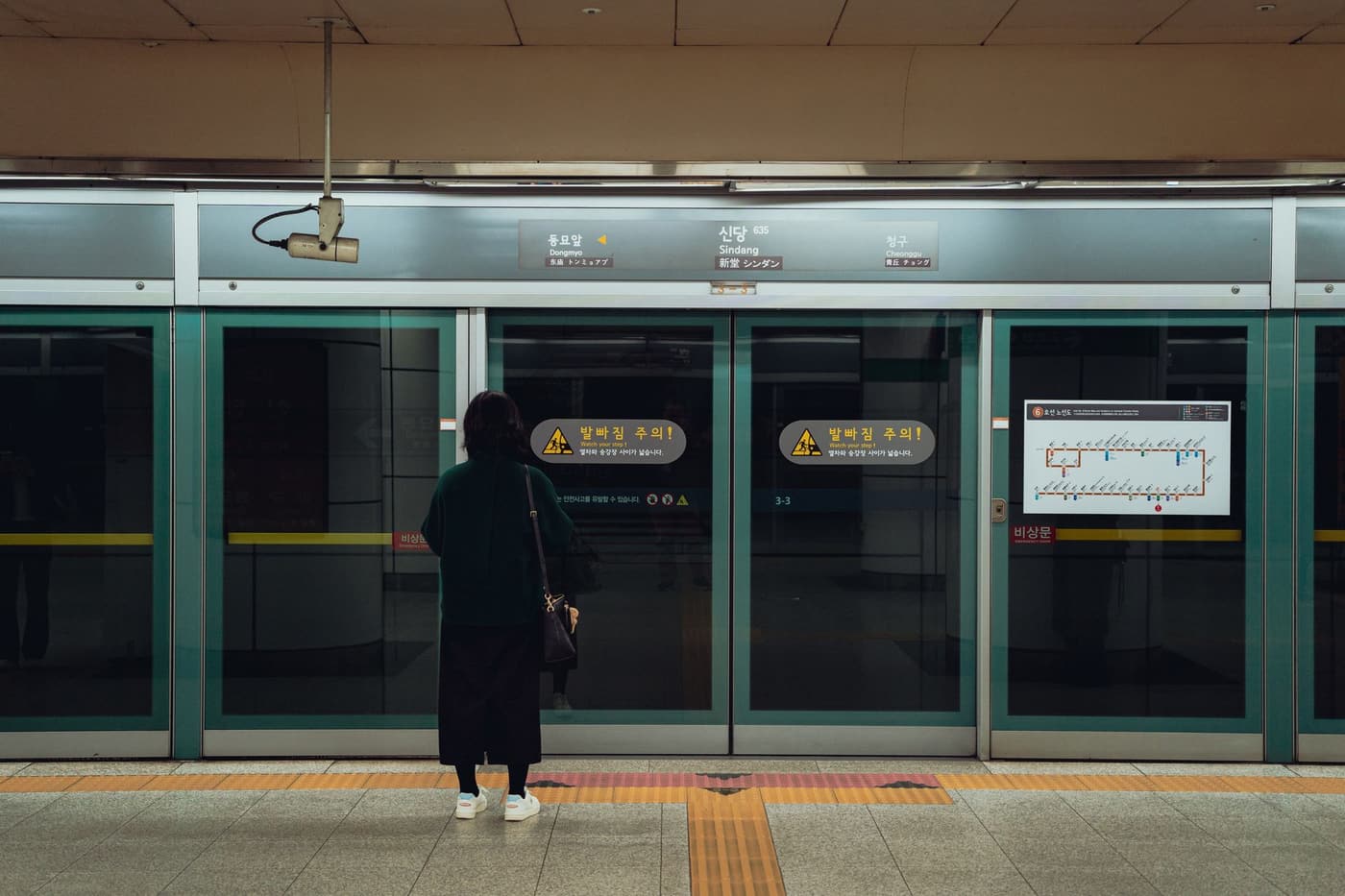
If you are visiting Korea, this matters in small everyday ways. A new Korean friend may ask your birth year before asking your exact age. A language exchange partner may explain that you are "same-age friends" even if your birthdays are months apart. A drama character might speak more politely after realizing someone is older. These moments are not random. They are clues to how Korean social life organizes closeness and respect.
This is also why age in Korea can feel less like a birthday fact and more like a relationship setting. Once the setting is clear, people can relax.
Korean Alphabet with Writing Workbook — compare on AmazonAffiliate link. As an Amazon Associate, EpicKor earns from qualifying purchases at no extra cost to you.
The Three Age Systems People Talk About
When people say "Korean age," they are usually mixing together three different ideas. That is where most confusion starts. Let's separate them.
First, there is international age. This is probably the system you use already. You are zero when you are born, and you turn one on your first birthday. This is now the official standard for most legal and administrative purposes in South Korea.
Second, there is the traditional Korean age system. In this system, a baby is considered one year old at birth. Everyone then gains one year together on New Year's Day, not on their individual birthday. This means a baby born on December 31 could be considered two years old the very next day in traditional Korean age. Yes, that sounds wild if you grew up with international age. No, it does not mean the baby lived two full years. It means the counting method includes the calendar year of birth as year one.
Third, there is year age, sometimes used for rules that depend on birth year rather than birthday. This method looks at the current year minus your birth year. It ignores whether your birthday has happened yet. This kind of age logic can still appear in certain social or rule-based contexts because it is simple and group-friendly.
The quick formulas look like this:
- International age: current age based on your birthday
- Traditional Korean age: one at birth, plus one every New Year's Day
- Year age: current year minus birth year
This is why one person could have different ages depending on the context. Imagine someone born in late 2000. Before their birthday in 2026, their international age might be 25. Their year age would be 26. Their traditional Korean age could be 27, depending on how people are counting. Same person. Different system.
What makes Korean age unique is not simply that the number can be higher. It is that the number has lived inside social habits for a long time. You are not only calculating time since birth. You are also using a cultural shortcut for seniority, speech level, and group belonging.
For visitors, the best move is to stop trying to "win" the math and start asking what context you are in. Is this a hospital form? Use international age. Is this a casual conversation with new Korean friends? Your birth year may be more useful. Is this a drama or older variety show? They may be using traditional Korean age language because that was normal for a long time.
If you want another example of how Korean daily systems can look simple from outside but have hidden rules inside, the Seoul subway etiquette guide is a good next read. The subway is easy to use, but the little social habits around it are where the real Korea shows up.
What Changed With the 2023 Age Law
South Korea made international age the official standard in 2023. This is the part many headlines summarized as "South Koreans became younger overnight." The idea was not that people's lives magically changed. The goal was to reduce confusion in legal, medical, administrative, and public documents.
Before the change, different institutions and everyday conversations could use different age systems. That created headaches. A person might be one age on a legal document, another in casual speech, and another when checking an age-based rule. For something low-stakes, that was just mildly confusing. For formal paperwork, medicine, contracts, or government services, it could become a real problem.
The 2023 change made international age the default for official purposes. In simple terms: if you are dealing with law, public administration, healthcare, or formal documentation, use the age based on your birthday.
But culture does not update like a phone app. You do not wake up one morning, install "International Age 1.0," and suddenly every family dinner, school reunion, and friend group changes its habits. Many Koreans understand the legal change perfectly and still talk about birth year socially. Older relatives may still use familiar traditional language. Media may still explain age differences in ways that reflect older habits. Friends may still ask, "What year were you born?" because that is socially clearer than asking for a number.
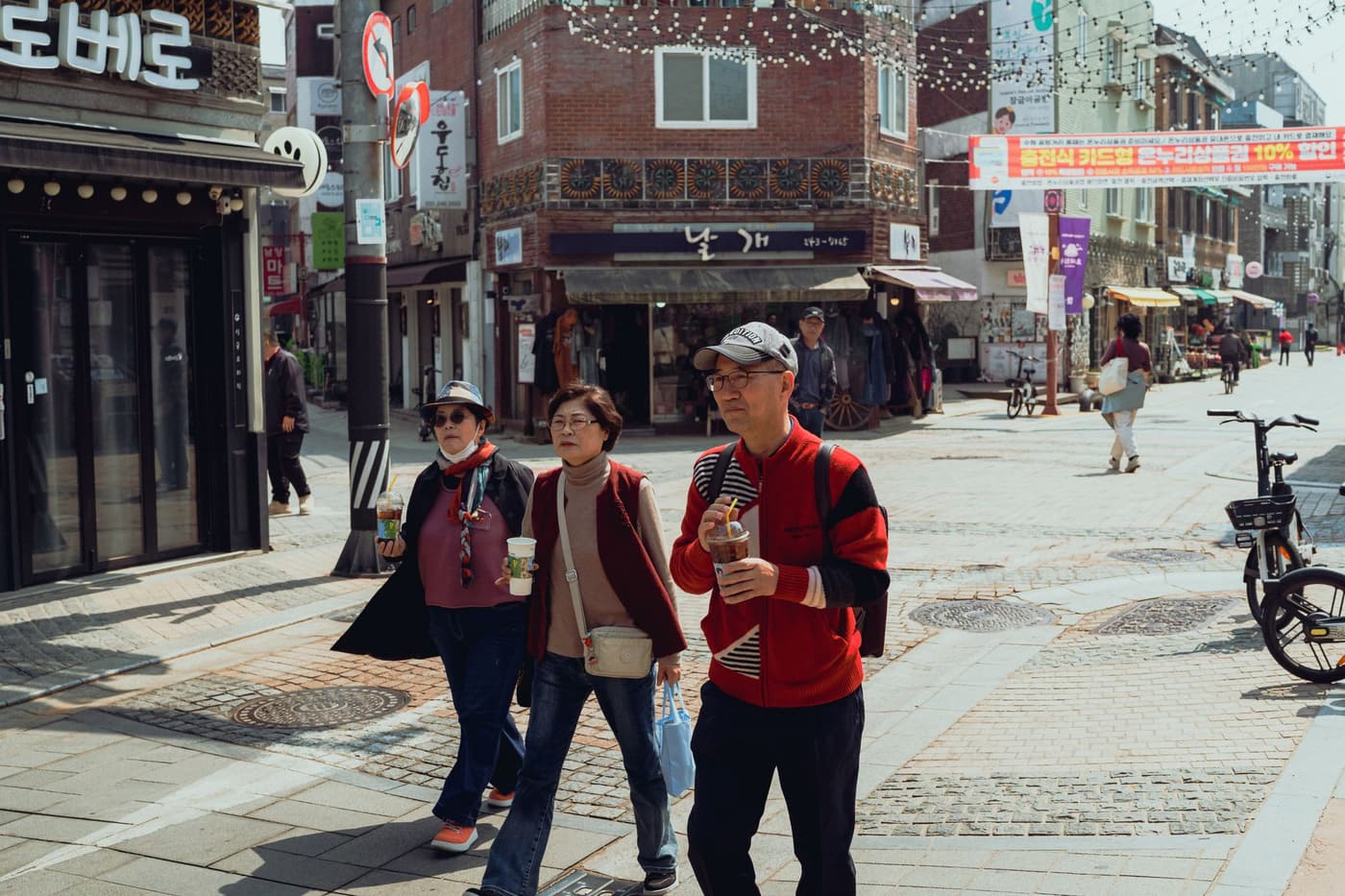
This is the difference between official Korea and social Korea. Official Korea now wants the cleaner number. Social Korea often wants the relationship clue.
If you are filling out a form in Korea, do not overthink it. Use international age unless the form clearly asks for birth year or another standard. If you are speaking with Korean friends, give your birth year and let the conversation sort itself out naturally.
For example, you can say:
"I was born in 1998. In international age, I'm 27."
That sentence does two useful things. It gives Koreans the birth-year information they may actually need for social context, and it gives the official-style age if someone is asking in a practical way.
There is another reason the law did not erase the topic: Korean age is tied to memory. People remember school years, military service timing, social labels, and celebrity ages through birth years. In Korea, people born in the same year often feel a natural peer connection even if one person was born in January and another in December. That birth-year connection does not disappear just because legal documents become simpler.
So yes, the law matters. It made official life clearer. But if you are trying to understand Korean culture, you still need to understand the older age logic because it shaped how people talk, joke, date, introduce themselves, and build friendships.
Korean-age note: As an Amazon Associate, EpicKor may earn from qualifying purchases. If age, birth year, and speech levels made Korean feel more layered than expected, compare Korean Alphabet with Writing Workbook as a first study step.
See Korean Alphabet with Writing Workbook on AmazonHow to Answer When Someone Asks Your Age
Here is the practical part. If you are in Korea and someone asks your age, do not panic and start doing mental gymnastics over lunar calendars, New Year's Day, and whether you were one at birth. Just answer in a way that gives context.
If you are in a formal setting, use international age:
"I'm 27."
If you are in a casual Korean social setting, birth year is often better:
"I was born in 1998."
If you want to be extra clear, combine both:
"I was born in 1998, so I'm 27 in international age."
That little phrase, "international age," is useful because it tells the other person exactly which system you mean. You may hear Koreans say man nai, which refers to full international age. You may also hear people talk by birth year, like "I'm a 98-liner." Among younger Koreans and K-pop fans, birth-year labels are especially common.
This matters because a one-year difference can change how people address each other. Two people born in the same year may quickly become comfortable friends. If one person is older, even by a year, there may be a different rhythm at first. It can soften later, especially among close friends, but the first setting often starts with age.
Does this mean you must perfectly follow Korean hierarchy as a foreigner? No. Koreans usually understand that visitors are not born into the system. You will get grace. But showing that you understand the basic idea goes a long way. It tells people you are paying attention to their culture, not just treating it like a quirky trivia fact.
Age also connects to Korean speech levels. Korean has different ways to speak politely or casually. You do not need to master all of them before your trip, but you should know this: speaking casually to an older person too quickly can feel rude unless they invited it. Speaking politely is the safer default. EpicKor's ajumma meaning guide shows how the same age-and-distance logic can make a familiar-looking noun feel respectful, warm, or rude depending on who says it.
And if you are learning Korean, this is one of those cultural lessons that makes the language suddenly make more sense. Textbooks may teach grammar first, but real Korean conversation is built around relationships. Age is one of the fastest ways people understand that relationship.
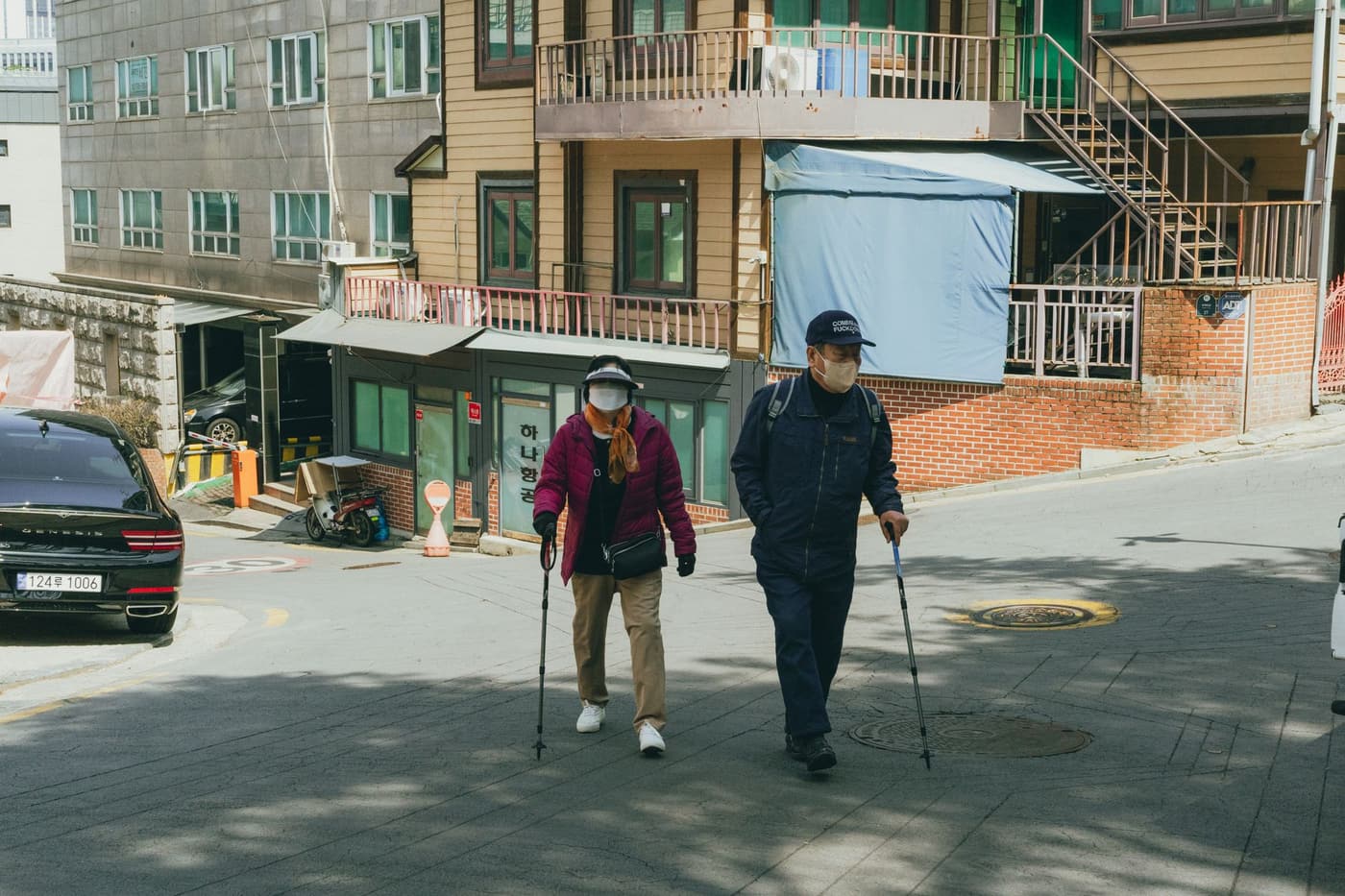
The most important thing is not the math. It is the attitude. If you ask politely, "Should I say my birth year or international age?" most Koreans will understand immediately. They may even laugh, because they know the system is confusing.
That laugh is your way in.
Before you answer in Korean: As an Amazon Associate, EpicKor may earn from qualifying purchases. The Lonely Planet Korean phrasebook covers age, honorifics and first-meeting phrases — which in Korean are the same conversation, since the age answer decides which verb endings come next.
See Lonely Planet Korean phrasebook on AmazonThe Social Meaning Behind Being "Older"
The phrase "Koreans are older" can sound funny from outside Korea, but the deeper point is not that Korea wanted to inflate everyone's age. Traditional age counting came from a world where the calendar year, family position, and social seniority mattered more than the exact number of days since birth.
In many Western contexts, age is individual. Your birthday is your day. You turn one year older on your personal date. In the traditional Korean system, age was more collective. Everyone moved forward together with the new year. That fits a society where group identity, school year, family rank, and public rituals carried strong meaning.
You can still see traces of that in how Koreans talk about people. Birth year can feel like a mini-generation. People born in the same year may share school memories, pop culture references, and social expectations. Someone born just one year earlier can feel like a senior. That does not mean every relationship is rigid, but the frame exists.
This is especially visible in entertainment. K-pop fans often know idols by birth year. Variety shows may joke about who is older, who must speak politely, or who can act like a same-age friend. Korean dramas use age gaps to create tension, comedy, romance, and misunderstanding. If you do not understand the age layer, you miss part of the joke.
It also affects dating. Some people do not care much about age difference. Others do. An older woman-younger man relationship, an older man-younger woman relationship, or a same-age couple can each carry different social expectations depending on the generation and setting. Again, modern Korea is not one single rulebook. Seoul in 2026 is not your grandmother's village. But old patterns still echo.
The 2023 legal reform made official life easier, but it did not erase the emotional vocabulary around age. Koreans may now use international age on documents while still feeling that birth year tells them something socially useful.
That is the key to understanding the whole topic. Korean age is not only a calculation. It is a cultural memory system.
For foreigners, this can actually be freeing once you stop expecting one perfect answer. Use international age for official matters. Use birth year for social clarity. Learn the basic older-younger language if you are studying Korean. And when confused, ask.
Koreans are used to explaining this one.
FAQ About the Korean Age System
Q: What is the Korean age system?
Simply put, the Korean age system is a traditional way of counting age where a person is considered one year old at birth and gains another year on New Year's Day. This can make someone one or two years older than their international age, depending on their birthday and the date.
Q: Does South Korea still use Korean age officially?
Simply put, South Korea now uses international age as the official standard for most legal and administrative purposes after the 2023 reform. In everyday conversation, however, people may still talk by birth year or refer to older habits because those habits are socially familiar.
Q: How old am I in Korea?
Simply put, for official situations, you are your international age: the age based on your birthday. In casual social settings, Koreans may care more about your birth year because it helps them understand whether you are older, younger, or the same age.
Q: Why do Koreans ask your age so early?
Simply put, age helps Koreans choose the right speech level and social tone. It can affect whether people use formal language, casual language, older-sibling terms, or same-age friend language. It is often practical rather than rude.
Q: What should foreigners say when asked their age in Korea?
Simply put, say your birth year and, if needed, your international age. A clear answer like "I was born in 1998, and I'm 27 in international age" prevents most confusion.
The Easiest Rule to Remember
If you remember only one thing, remember this: official Korea uses international age, but social Korea often understands people through birth year.
That one sentence will save you from most awkward moments.
When you fill out a form, book a clinic appointment, check a legal rule, or deal with public administration, use your normal international age. When you meet Korean friends, join a language exchange, talk about K-dramas, or compare ages with Korean coworkers, be ready to share your birth year.
You do not need to pretend you grew up with the system. You do not need to calculate traditional Korean age perfectly in your head. You just need to understand why the question matters.
The Korean age system can look like a strange math trick from outside. From inside Korea, it is part history, part language, part social map. Once you see that, the whole thing becomes less confusing and much more human.
Next time someone in Korea asks how old you are, try answering with your birth year first. You may notice the conversation gets easier right away.
You Might Also Like
Korean University Life: Study Hard, Play Harder Culture Explained
A practical guide to Korean university life: study pressure, campus festivals, MT trips, clubs, exams, drinking culture, and exchange-student reality.
Korean Work Culture: Overtime, Hierarchy, and Hof Fridays
A practical guide to Korean work culture, office hierarchy, overtime rules, hoesik dinners, and how Korean workplaces are changing.
How Many PC Bangs Are in Korea? Count, Prices, and Rules
Korea had 7,243 PC bangs in 2024, down 530 in a year and falling five years straight. Members pay about ₩1,246 an hour, non-members ₩1,459. The official game white paper numbers, what a visit costs, and how to use one.