Korean Pop-Up Store Culture: Why Seoul Lines Up for Limited Drops
In Seoul, a pop-up store is rarely just a store.
It can be a photo zone, a fandom ritual, a limited-edition drop, a brand launch, a cafe collaboration, a mini exhibition, a dating course, a social media set, and a shopping event all at once.
That is why people line up.
Not always because the product is impossible to buy elsewhere. Sometimes the line itself is part of the event. It tells people that something is happening here, right now, and that the moment might disappear next week.
Korean pop-up store culture is one of the clearest ways to understand modern Seoul: fast, visual, brand-aware, fandom-driven, and built for sharing.
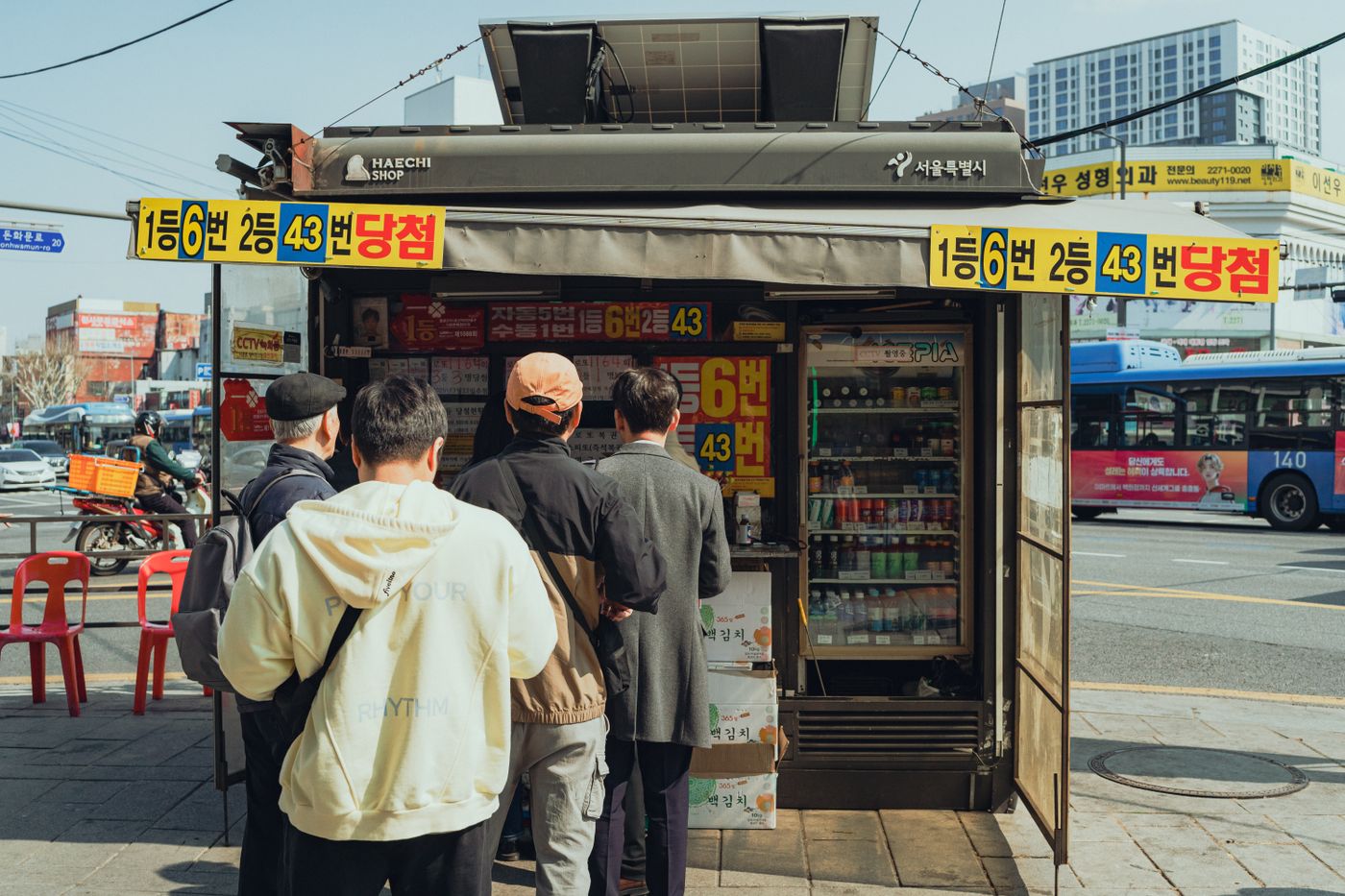
Quick Answer: What Is A Korean Pop-Up Store?
A Korean pop-up store is a temporary retail or experience space that opens for a short period, often around a brand launch, K-pop or K-drama campaign, character collaboration, fashion drop, beauty product, food trend, or limited-edition event.
The most successful pop-ups are designed for both offline attendance and online circulation. Visitors take photos, collect limited goods, receive stamp cards, try samples, post stories, and share the location with friends.
In Seoul, pop-ups often appear in areas such as Seongsu, Hongdae, Yeonnam, Gangnam, Hannam, Myeongdong, and department-store event spaces.
The key idea is simple:
The product matters, but the proof that you were there often matters just as much.
Photocard binder, 168 pockets — on AmazonAffiliate link. As an Amazon Associate, EpicKor earns from qualifying purchases at no extra cost to you.
Why Seoul Became A Pop-Up City
Seoul is perfect for pop-ups because attention moves quickly.
Neighborhoods are dense. Public transport is easy. Cafes and concept stores are already part of daily life. Young consumers are comfortable moving between online hype and offline experience. Brands can create a physical event, let social media spread it, and close before the space gets boring.
Pop-ups also match Korea's culture of seasonal novelty. A cafe changes menus. A beauty brand launches a limited set. A fashion label drops a capsule. A character collaboration appears for two weeks. A drama opens a themed space while the show is still trending.
This creates urgency.
If you wait, you may miss it.
The Pop-Up Is The Content
Many tourists assume the pop-up exists to sell products. That is only partly true.
The pop-up itself is content.
The entrance, the wall color, the mascot, the mirrors, the merchandise table, the photo booth, the packaging, the receipt, the staff uniforms, and even the line outside can all be designed to be photographed.
This is why Korean pop-ups often feel more polished than temporary stores in other countries. They are not just stock on shelves. They are small media sets.
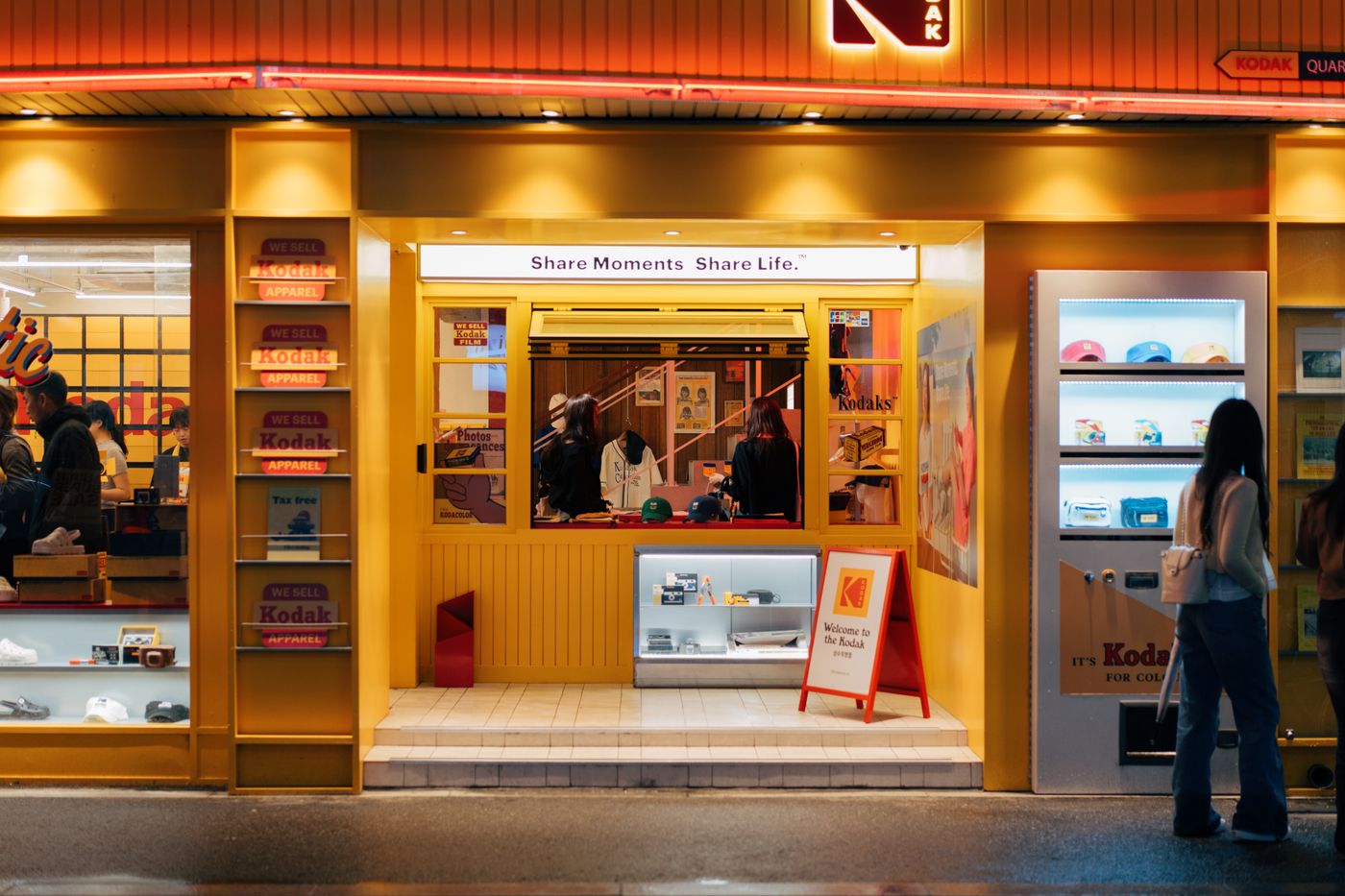
What Usually Gets A Pop-Up?
Korean pop-up culture covers more categories than people expect.
| Category | What the pop-up sells | Why people go | Tourist tip |
|---|---|---|---|
| K-pop | Albums, photocards, merch, themed spaces; use EpicKor's K-pop photocard buying and trading guide for authenticity and storage | Fandom proof and limited goods | Check reservation rules early |
| Beauty | New products, samples, skin tests | Trying formulas before buying | Go on weekday mornings if possible |
| Fashion | Capsules, collabs, exclusive colors | Scarcity and brand identity | Know your size before lining up |
| Food and cafes | Limited drinks, desserts, character packaging | Photos and seasonal novelty | Expect sellouts after lunch |
| Characters | Plushies, stationery, photo zones | Cute design and gift buying | Set a spending limit first |
Seongsu: The Pop-Up Capital
Seongsu is one of the strongest pop-up neighborhoods in Seoul.
The area has old industrial buildings, converted warehouses, cafes, fashion stores, and open streets that make temporary brand spaces feel natural. It is also easy to pair a pop-up visit with coffee, shopping, and dinner.
That matters because a pop-up rarely stands alone. The best Seoul pop-up day is a route:
- Find the event.
- Check the line.
- Visit a cafe while waiting.
- Take photos.
- Buy only what you actually want.
- Walk to another store nearby.
If you want to understand the neighborhood context, EpicKor's Seoul neighborhood guide helps explain why areas like Hongdae, Gangnam, Itaewon, and Seongsu attract different crowds.
Why People Line Up
The line is not always rational in a strict shopping sense.
People line up because:
- limited goods may sell out
- the event may close soon
- early visitors get benefits
- photo zones look better before crowds build
- friends are going together
- fandom rewards participation
- being there creates social proof
Korea's pop-up culture makes time part of the product. A normal store can be visited later. A pop-up cannot.
Fan culture note: As an Amazon Associate, EpicKor may earn from qualifying purchases. If a Seoul pop-up makes you want the fandom side at home, a 168-pocket photocard binder is the purchase that makes a pop-up haul worth carrying home — the cards survive the flight, and it costs less than the duplicate merch you buy because you had nowhere to put them.
See 168-pocket photocard binder on AmazonReservations, Waiting Apps, And Walk-Ins
Some Korean pop-ups allow walk-ins. Others require reservation, queue registration, online tickets, or a waiting system.
The rules depend on the brand and the event. Always check the latest official post before going. Instagram, Naver Map, brand websites, Kakao channels, and department-store event pages are common information sources.
Tourists should look for:
- opening date and closing date
- daily hours
- whether reservations are required
- whether passport or ID is needed
- purchase limits
- payment methods
- restock schedule
- whether photos are allowed
Do not assume the rules will be translated clearly. If the event is major, fan accounts may explain the process faster than the brand does.
The Photo Zone Economy
Photo zones are central to Korean pop-up culture.
A strong photo zone does several things at once. It gives visitors a memory, gives the brand free social media, gives fans proof of attendance, and gives friends a reason to share the event.
This is why even small pop-ups may have mirrors, oversized props, neon signs, themed rooms, sticker machines, receipts, or exclusive packaging.
The photo zone also changes how people move through the store. Visitors may care as much about the order of photos as the order of products.
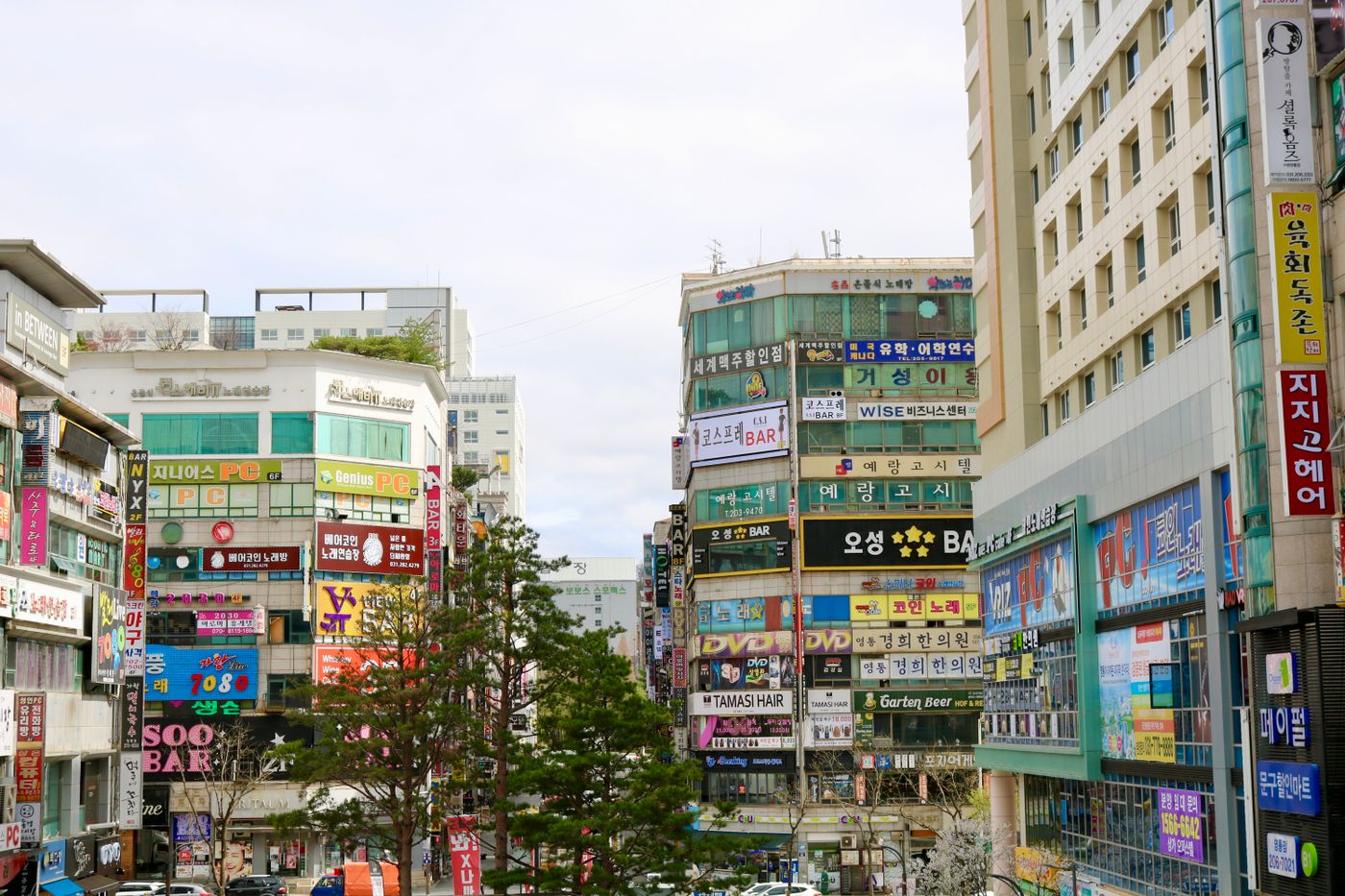
How To Visit A Seoul Pop-Up Without Wasting Your Day
Use this simple plan.
First, choose one anchor pop-up, not five. Seoul is dense, but moving between neighborhoods still takes time.
Second, check whether the event is worth a queue. If the line is long and you only wanted a photo, it may not be worth two hours.
Third, set a budget. Limited goods make people buy quickly.
Fourth, take photos before shopping if the space allows it. Your hands will be full later.
Fifth, have a backup cafe or store nearby. This protects the day if the pop-up is sold out or reservation-only.
What Tourists Should Not Do
Do not block the entrance for photos.
Do not film staff or other visitors closely without permission.
Do not assume English service.
Do not buy fragile merch without thinking about luggage.
Do not join a long line unless you know what the line is for.
That last point sounds obvious, but it happens often. In Seoul, one line may be for entry, another for payment, another for a photo zone, and another for a giveaway.
Pop-Ups And K-Beauty
K-beauty pop-ups are especially powerful because they let people touch textures, test shades, receive samples, and feel the brand identity in person.
This connects directly to shopping stops like Olive Young. Olive Young shows what is popular across brands; a beauty pop-up makes one brand feel like a world.
If beauty shopping is your main reason for visiting Korea, read EpicKor's Olive Young Korea shopping guide before planning your route.
Seoul day-pack shortcut: Pop-up days involve queues, subway rides, photos, and impulse buys. A folding 96L duffel packs flat on the way out and comes home as checked baggage, which is the standard answer to a pop-up haul that outgrew the suitcase.
See folding 96L duffel on AmazonWhy Brands Love Pop-Ups
Pop-ups create urgency without requiring a permanent store.
They also let brands test demand. A fashion label can see whether a capsule attracts lines. A beauty brand can watch which texture people test most. A character brand can measure which goods sell out. A drama or music campaign can keep attention alive between online releases.
For Korean brands, the pop-up is both market research and marketing.
For visitors, it is entertainment.
Night Pop-Ups And Seoul's Shopping Mood
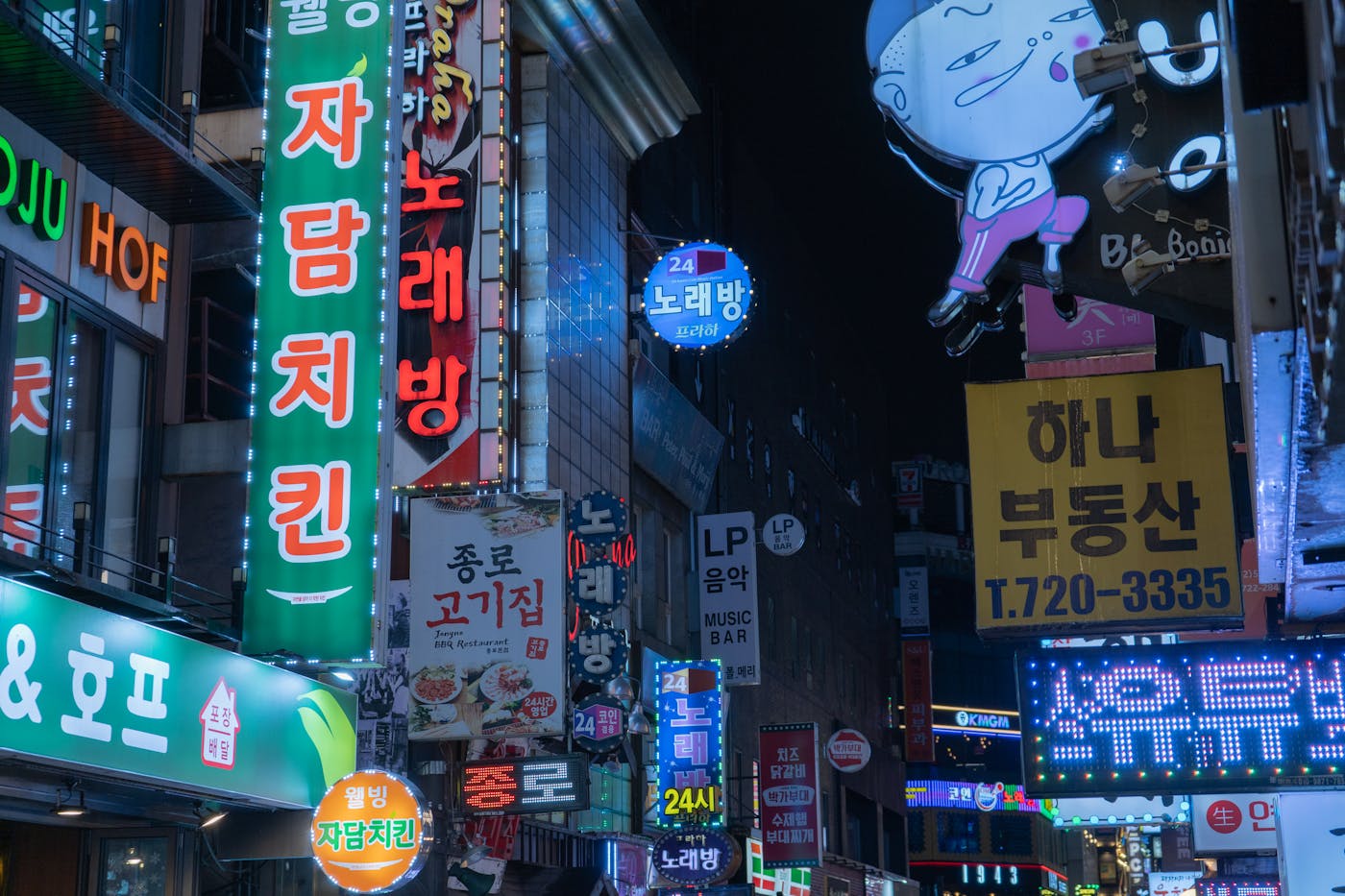
Some pop-ups are daytime events, but Seoul's night shopping atmosphere helps the culture too. Neon signs, cafes, restaurants, fashion stores, and late walks make temporary retail feel like part of a bigger social night out.
This is why a pop-up can become a date course or friend hangout rather than a pure shopping errand.
FAQ
Are Korean pop-up stores free?
Many are free to enter, but popular ones may require reservations, queue registration, or purchase limits. Always check the official event details before going.
Where do I find Seoul pop-ups?
Search Instagram, Naver Map, brand accounts, department-store event pages, and neighborhood hashtags such as Seongsu, Hongdae, Yeonnam, Hannam, and Gangnam.
Do I need to speak Korean?
Not always, but Korean helps with rules, waiting systems, and staff questions. Screenshot key details and use translation apps if needed.
Are pop-ups worth it for tourists?
Yes, if the event matches your interests and fits your route. No, if you are only going because it is viral and the queue will consume half your day.
Final Takeaway
Korean pop-up store culture is not just shopping.
It is a temporary stage where brands, fans, friends, tourists, and social media all meet. The best way to enjoy it is to treat the pop-up as an experience, but keep your time, budget, and luggage realistic.
In Seoul, the limited drop is only part of the story. The real product is the moment.
You Might Also Like
Korean Exfoliating Towels: What the Colours Mean, and How Often to Use One
English listings sell Korean exfoliating towels by a colour code — pink soft, blue coarse, green standard. Korean sources have no such code; green was simply the first one made. The real variable is the soak, and Korean dermatologists cap use at once a week.
Korea's Spam Gift Sets Explained: What the Numbers Mean and Which One to Buy
Spam is a serious Chuseok gift in Korea, and the sets are sold by number. Lower number means bigger box — 1호 is twelve 340g cans, 12호 is eight 200g. The price printed on the box is fiction: every set is selling 40-45% below it right now.
Why Koreans Live in Apartments: Korea's One-Generation Shift
In 1978 only 5.2% of Korean homes were apartments. By 2015 it was 59.9%. That change was not caused by crowding — it was built by a financing system where buyers pay for a building before it exists. Here is how Korea became an apartment country.