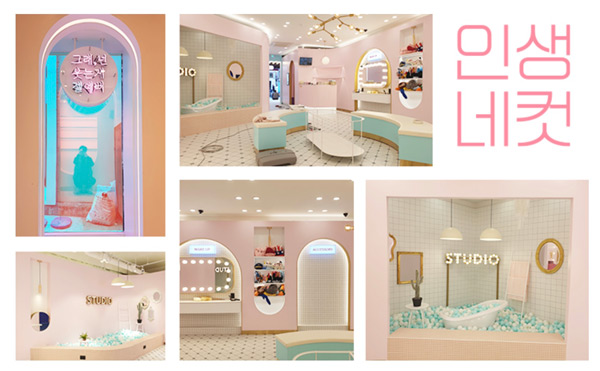
Korean Four-Cut Photo Booth Guide: Poses, Frames, Tips
Korean four-cut photo booths look like a tiny souvenir stop.
That undersells them.
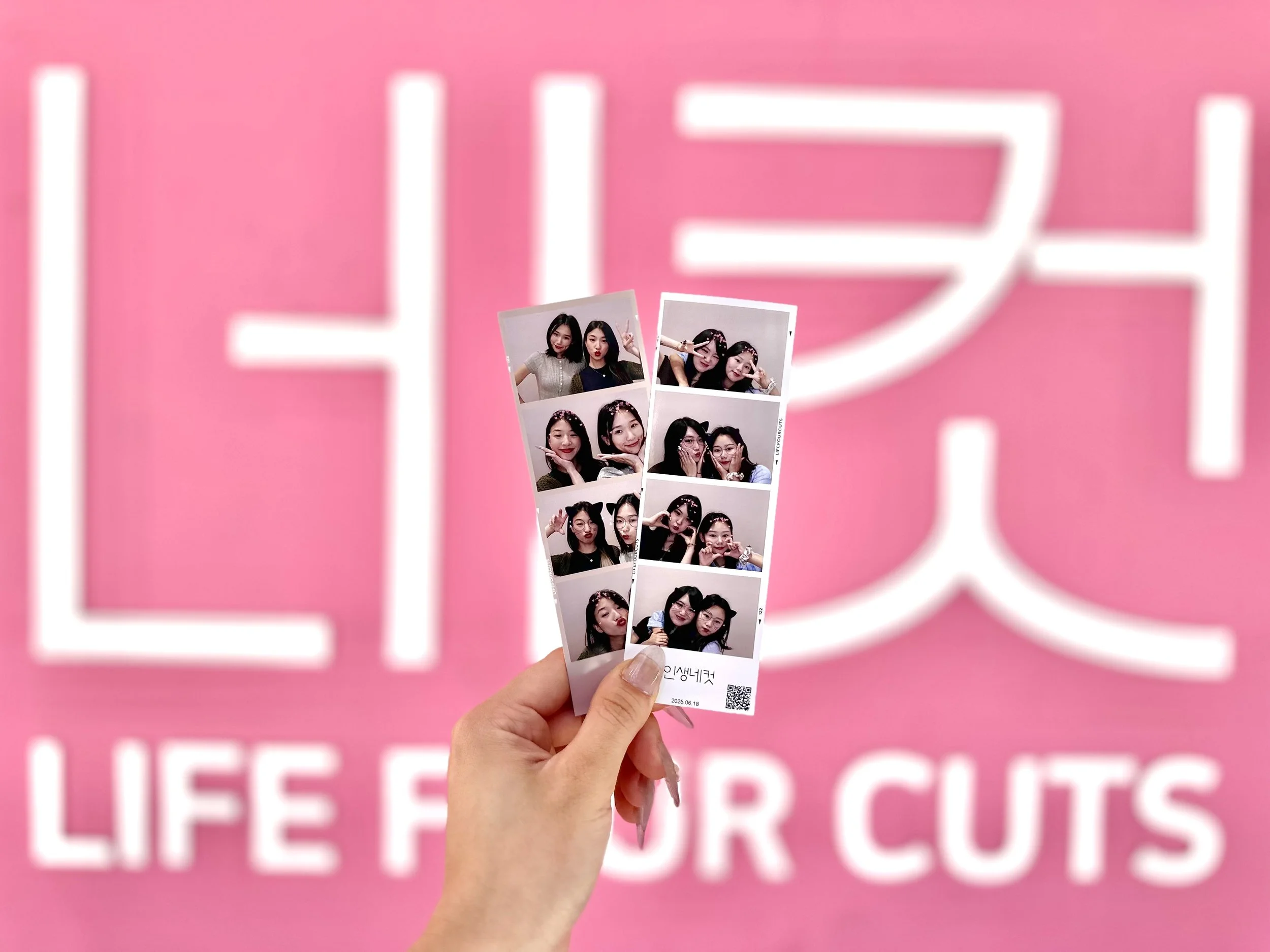
In Korea, the four-cut photo booth is part studio, part social ritual, part fandom object, part proof that you met someone in real life. You walk in with a friend, choose a frame, panic about poses, take a burst of photos, pick the least chaotic four, and walk out with a strip that somehow feels more personal than fifty phone pictures.
The format is simple: four quick photos printed in one strip. The culture around it is not simple at all.
For nearby fandom and souvenir context, pair this with EpicKor's K-pop birthday cafe guide, K-pop photocard guide, and Korean souvenir guide.
Korea Tourism Organization's Visit Korea site describes four-cut photos as quick self-service booth pictures where users choose a frame and print their best takes in a strip. It also notes that unmanned four-cut booths in Korea grew from 1,006 in 2023 to more than 3,000 in 2024, with teens and twenty-somethings making up the majority of users. You can read the official feature on Visit Korea.
That growth explains why the booths are now everywhere in Seoul: Hongdae, Seongsu, Gangnam, Myeongdong, university districts, cafe streets, shopping alleys, and near tourist attractions. For visitors, the question is no longer "Where can I find one?" It is "Which one should I try before my hair gives up?"
K-pop and K-drama fan goods — compare on AmazonAffiliate link. As an Amazon Associate, EpicKor earns from qualifying purchases at no extra cost to you.
Why Four-Cut Photos Feel More Korean Than A Normal Selfie
A phone selfie is endless. A four-cut strip is limited.
That limit is the magic. You only have a few seconds between shots. You cannot edit forever. You have to agree on poses quickly. Someone blinks. Someone laughs too early. Someone forgets the heart pose. Then the machine prints the evidence.
That is why the strip feels alive.
Korean social life often values the small shared ritual: eating from the same table, taking a walk after dinner, matching keychains, exchanging cafe photos, saving receipts from a date, or doing a short activity that marks the day. Four-cut booths fit that pattern perfectly. They are low commitment, cheap enough for a casual stop, and structured enough to feel like an event.
They also solve a modern problem. Phone galleries are huge but forgettable. A printed strip is tiny, but it survives. It goes into a wallet, phone case, notebook, desk corner, luggage pocket, or mirror frame. It becomes the kind of object you accidentally find months later and actually feel something.
That is very different from scrolling past a cloud backup.
The Booth Is A Mini Studio
The best Korean photo booths are not old passport machines with a cute frame. They are designed like compact studios.
Many have mirrors, lighting, hair tools, props, privacy curtains, touchscreens, QR downloads, themed backgrounds, and frame collaborations. The lighting is a huge part of the appeal. Korean booths often flatter skin, brighten the face, and make the result feel cleaner than a random phone selfie in bad restaurant lighting.
The process usually looks like this:
- Choose a booth brand or frame.
- Pick a layout, often vertical four-cut.
- Pay by card or sometimes cash.
- Step inside and watch the countdown.
- Pose quickly through several shots.
- Choose your favorite four.
- Print the strip and save the digital version through a QR code if available.
Do not wait until the countdown starts to invent your poses. That is how people end up doing four versions of the same awkward peace sign. Plan a simple sequence before you pay: normal smile, heart pose, silly pose, close-up, looking-away pose, and final dramatic pose.
If you are traveling with someone shy, start with the easiest poses. The first shot is often the stiffest. The last shot is where the real personality escapes.
Fandom Frames Turn A Booth Into A Hallyu Stop
The most Korea-specific version of the trend is the fandom frame.
Photo booth brands often release limited frames connected to K-pop idols, actors, characters, dramas, birthdays, comeback promotions, or brand collaborations. This turns the booth into something closer to a fan event. You are not just taking a picture. You are taking a picture inside a temporary pop-culture moment.
For international fans, this is one of the easiest Hallyu activities to add to a trip. You do not need concert tickets. You do not need to speak Korean fluently. You just need to find the frame, wait your turn, and know your poses.
That is why four-cut booths work so well near entertainment districts, shopping streets, and areas with young foot traffic. The booth gives fans a physical keepsake without asking them to spend a full afternoon. It is fast, social, and postable.
If your Korea trip already includes K-pop stores, drama filming spots, or webtoon-themed stops, a four-cut booth fits naturally into the day. It is the small activity between bigger destinations.
K-culture keepsake note: As an Amazon Associate, EpicKor may earn from qualifying purchases. If your trip is built around Hallyu stops, compare K-pop and K-drama fan goods before you travel so your photo strips, albums, and small souvenirs have a simple storage plan.
Tourist Tips For Better Four-Cut Photos
The booth is easy. Getting a strip you actually like takes a little strategy.
First, check the frame before you enter. Some frames are cute but crowd the face area. Some are designed for two people, not four. Some celebrity frames leave less room than expected. If the booth shows a preview wall, look closely.
Second, think about clothing contrast. White shirts can look clean in bright booths. Black outfits can look sharp. Tiny patterns can disappear. If you are doing a group photo, one matching color or accessory makes the strip feel intentional without becoming too staged.
Third, save the QR files immediately. Visit Korea notes that booths may offer QR downloads, but links can expire. Do not assume you can find the digital file later after hotel Wi-Fi and exhaustion have swallowed your memory.
Fourth, do not block the strip with props unless that is the joke. Hats, glasses, plush items, and signs are fun, but the frame is small. If the prop covers half your face in every cut, the strip becomes a prop photo instead of your photo.
Fifth, take one "normal" strip before the chaotic one. Many groups want to be funny immediately, but the strip you keep longest is often the clean one where everyone looks like themselves.
Where To Try It In Seoul
You can find four-cut booths across Seoul, but some areas make more sense for visitors.
Hongdae is the obvious starter. It has young energy, late hours, shopping, street life, and plenty of booths. Myeongdong is easy if you are already shopping or staying nearby. Seongsu works well if you want a cafe-and-photo day. Gangnam and Apgujeong are good for polished frames and beauty-adjacent stops. University areas like Sinchon and Konkuk University often have a casual local feel.
The best strategy is not to cross town just for one booth unless there is a specific collaboration. Add it to a neighborhood you already planned. A four-cut photo is better when it feels like part of the day, not a logistical mission.
| Area | Best For | Pair It With |
|---|---|---|
| Hongdae | Friends, nightlife, casual frames | Shopping, busking streets, late cafes |
| Myeongdong | Tourists and quick souvenirs | Beauty shopping, street food, hotels |
| Seongsu | Trendy cafe photos | Cafes, pop-ups, Seoul Forest |
| Gangnam | Polished studio mood | Shopping, clinics, dinner plans |


Why This Trend Travels So Well
Korean four-cut booths are now spreading outside Korea because the format is portable. A booth can appear in a mall, event space, pop-up store, concert venue, campus, or overseas Korean culture district. The printed strip advertises itself every time someone posts it or keeps it in a phone case.
The trend also fits how Hallyu travels. Korean culture often exports a full behavior, not just a product. People do not only watch K-dramas; they want the food, fashion, skincare, cafes, neighborhoods, and photo habits around them. Four-cut booths are part of that lifestyle layer.
This is the same reason Korean webtoons, beauty stores, convenience stores, and cafes travel so well. The audience is not only consuming Korean media; it is learning Korean routines. If webtoons taught global readers to scroll stories vertically, four-cut booths teach travelers to turn a five-minute stop into a collectible social object. For the digital storytelling side of that behavior shift, read EpicKor's guide to Korean webtoons.
That is why a tiny strip can say so much. It says you were there. It says who you were with. It says the day had a mood. And in Korea, where visual memory and social sharing often move together, that is enough to turn a small booth into a cultural stop.
There is also a useful travel lesson here: not every meaningful Korea experience has to be grand. A palace tour explains history. A market meal explains appetite. A four-cut booth explains how young Koreans turn ordinary friendship into a designed memory. It is small, but it is not shallow.
Photo-day packing note: For booth-heavy Seoul days, browse small Korea travel pouches and essentials. A flat pouch keeps strips from bending before they reach your hotel.
FAQ
Q: What are Korean four-cut photo booths?
They are self-service photo booths that take several quick shots and print four selected images in a strip. Many also offer digital downloads through QR codes.
Q: Are four-cut booths only for young Koreans?
No. They are especially popular with teens and people in their twenties, but couples, tourists, families, fans, and friend groups all use them.
Q: How much time should I plan?
Most booths take about 5-10 minutes if there is no line. Add extra time for popular collaboration frames or busy neighborhoods like Hongdae and Myeongdong.
Q: Should I choose a celebrity frame?
Choose it if the frame is the point of the memory. If you mainly want a clean photo of your group, pick a simpler frame with more face space.
Q: What is the biggest mistake tourists make?
They forget to save the QR files right away. Printed strips are great, but the digital version is easier to share and may expire if you wait too long.
You Might Also Like
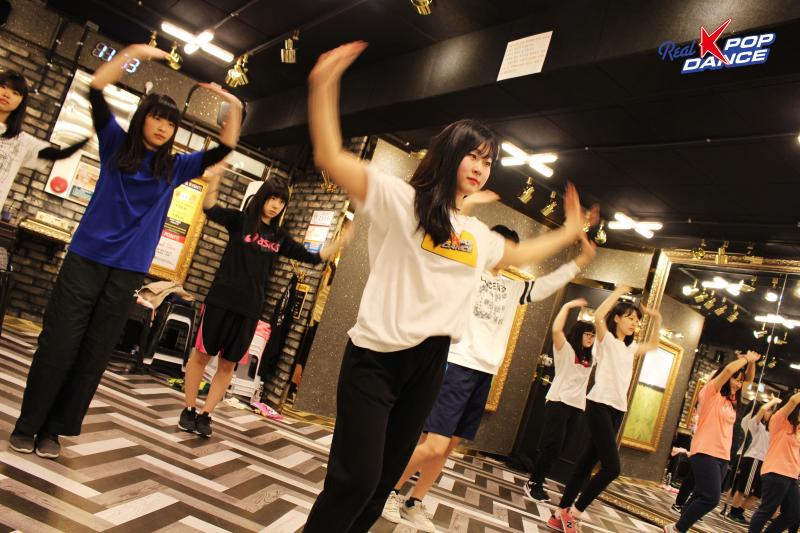
K-pop Idol Training in Seoul 2026: Tourist Class Guide
A realistic Seoul guide to K-pop dance classes, idol training experiences, trainee life myths, booking tips, costs, and etiquette.
Seoul Deleted Its Women-Only Parking: What Korean Gender Policy Actually Is in 2026
Most English writing on Korean gender policy describes rules that were removed, renamed, or never existed. Seoul scrapped women-only parking in 2023, the ministry was renamed in 2025, and the famous five-point exam bonus went to men and ended in 1999.
Why Your Phone Screams in Korea: Emergency Alerts, Air-Raid Sirens, and Telling Them Apart
Korea has two alarm systems and visitors confuse them constantly. One is a text on your phone, usually a heat advisory. The other is a street siren that stops traffic. On 20 August 2026 both go off at 2pm, and neither means what you fear.