Korean Ttukbaegi vs Dolsot, and Why Koreans Never Use Dish Soap
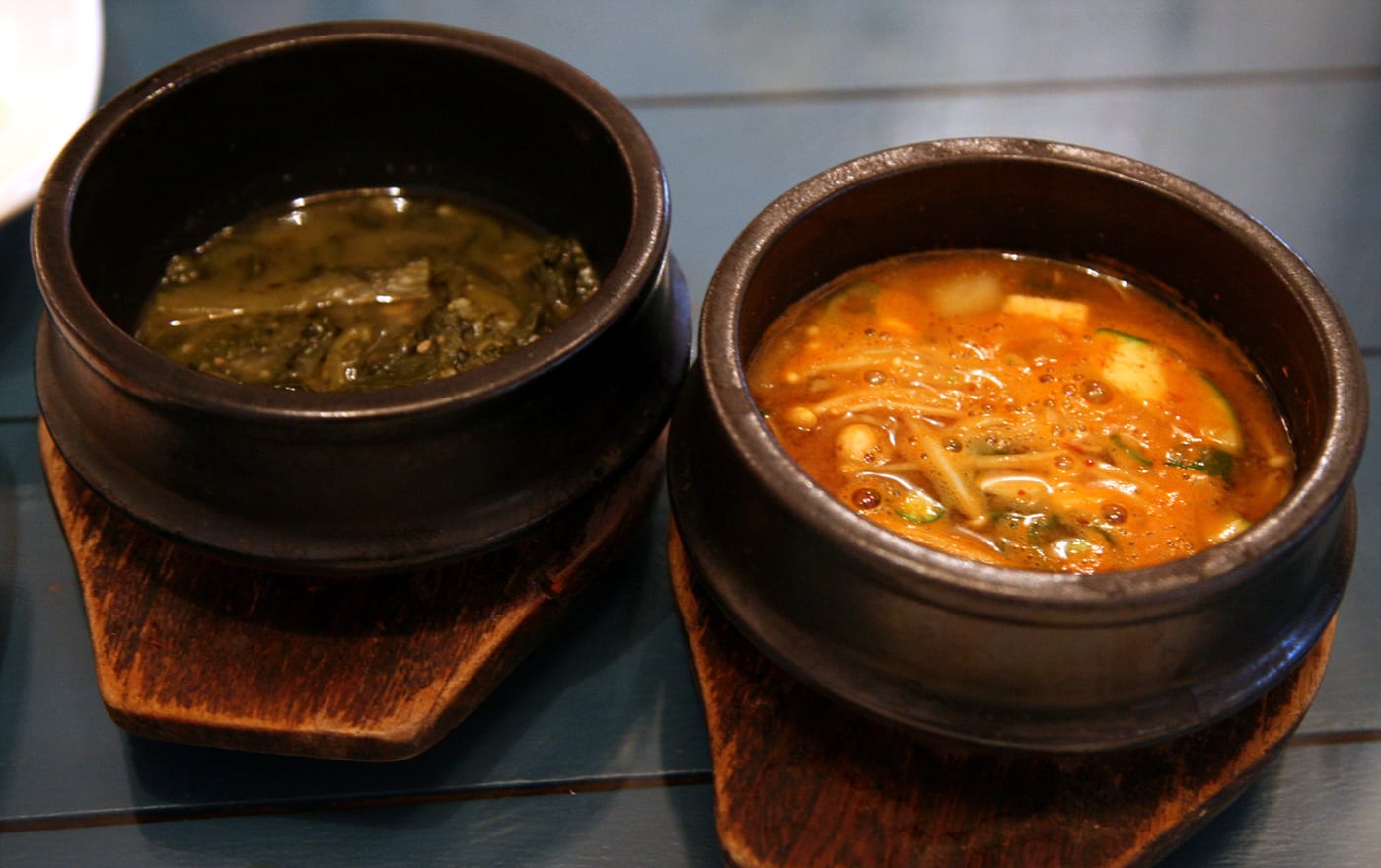
The first thing that surprises people about a Korean stew is not the taste. It is that the stew is still boiling when it reaches the table, minutes after it left the stove, and it keeps boiling while you eat it.
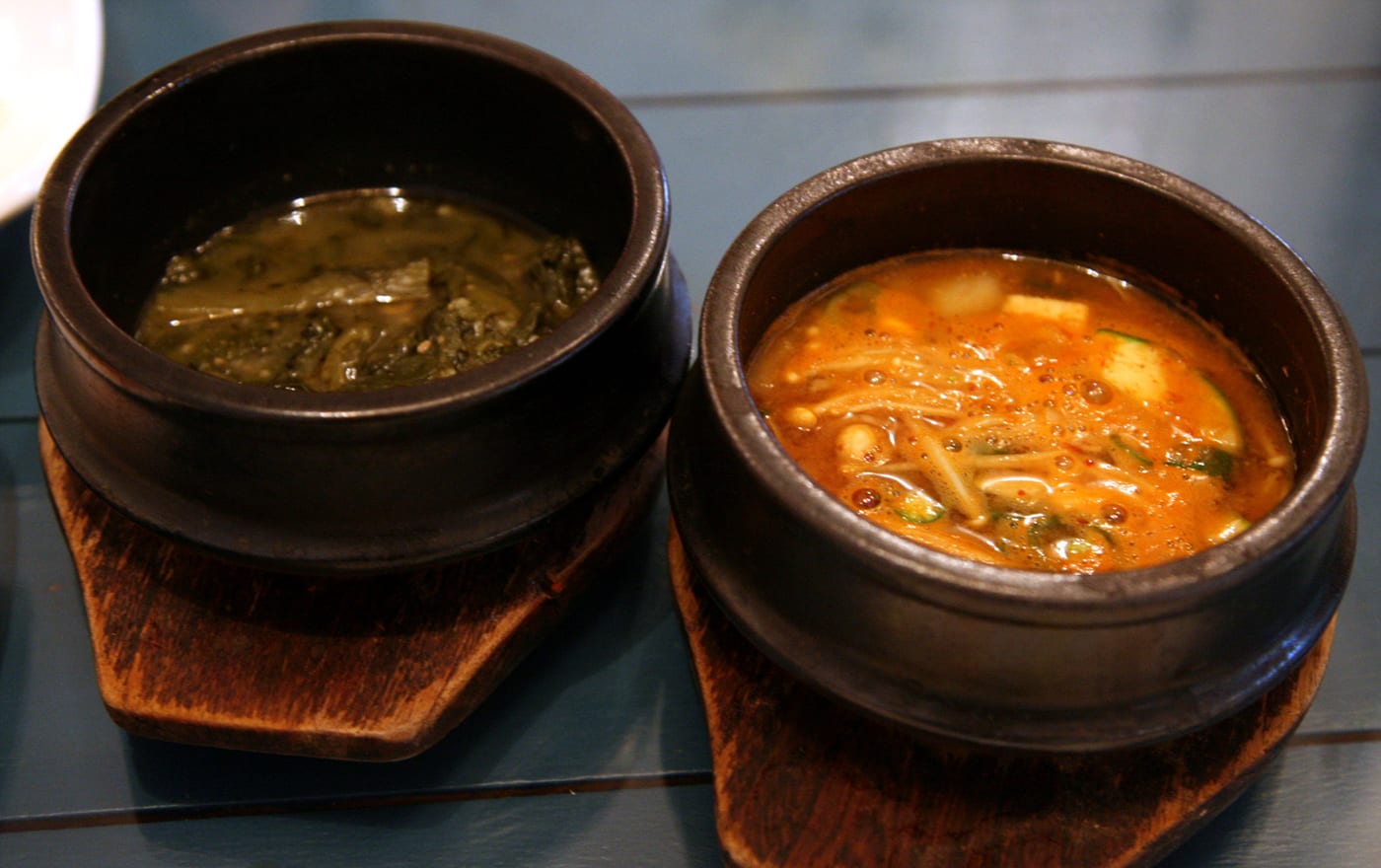
That is not showmanship. It is the pot. A 뚝배기 (ttukbaegi) is fired clay, thick and heavy and slow, and it holds so much heat that it goes on cooking after the burner is off. Korean restaurants set it down on a wooden trivet because the underside will scorch a table.
Everything else about owning one follows from that same material, and most of it is not in the English guides — including the rule every Korean household knows and almost no imported product page mentions: you do not wash it with dish soap.
Quick Guide
| Question | Short answer |
|---|---|
| What is a ttukbaegi? | 뚝배기 — a thick fired-clay pot for stews, soups and steamed egg |
| What is a dolsot? | 돌솥 — literally "stone pot", cut from stone, mainly for rice |
| Which is more useful? | Ttukbaegi, unless your goal is crispy bibimbap rice |
| Can I use dish soap? | No. The clay is porous and holds it. Rice water, salt or baking soda instead |
| Why did mine crack? | Almost always thermal shock — cold water on a hot pot |
| Does it work on induction? | Not a traditional one. Clay has no magnetic layer. Induction-ready versions exist |
| Gas or electric coil? | Both fine. A flat base matters on a coil or ceramic top |
| First thing to do with a new one | 길들이기 — season it by simmering rice water |
A Korean ttukbaegi — the 5.5-inch direct-fire clay stew pot this guide explainsAffiliate link. As an Amazon Associate, EpicKor earns from qualifying purchases at no extra cost to you.
Ttukbaegi vs dolsot: clay against stone
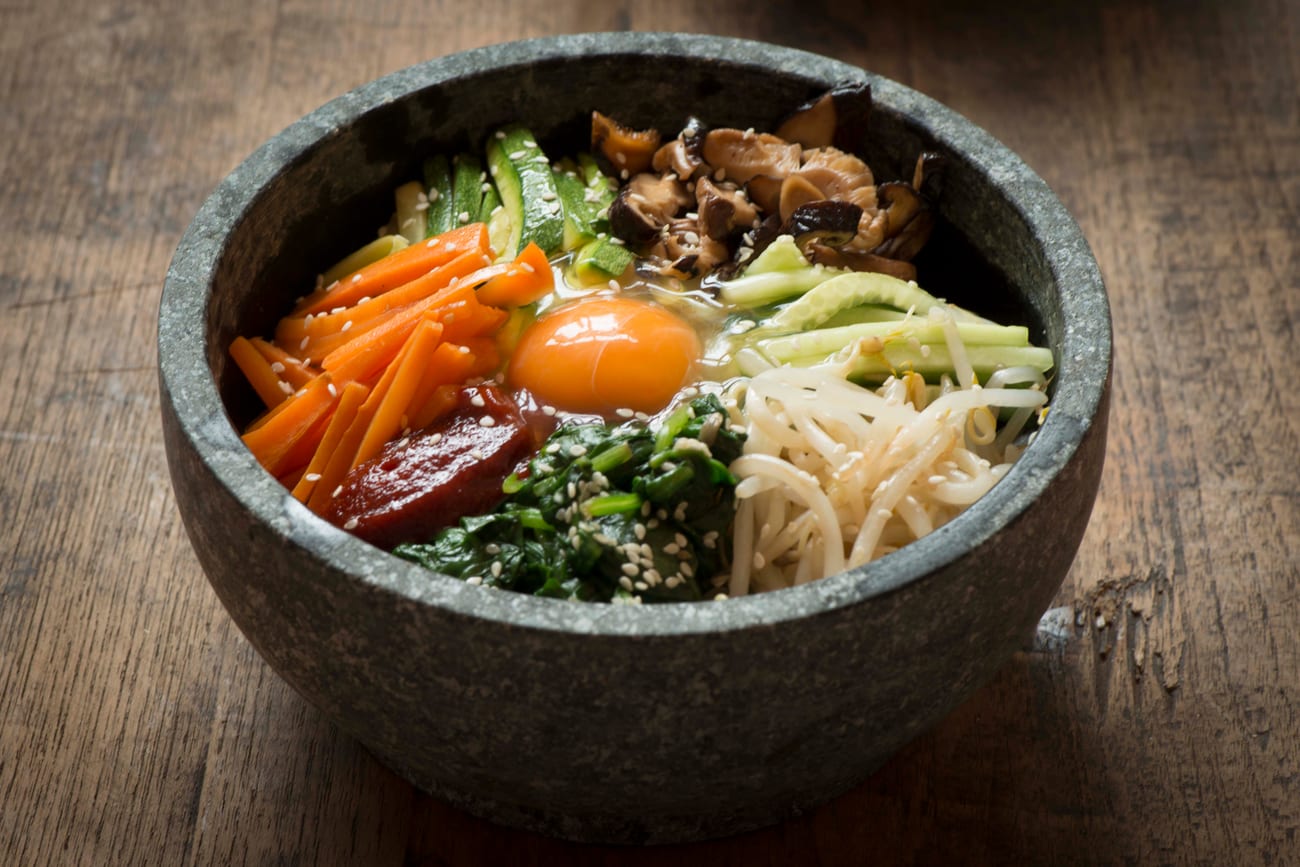
These two get used interchangeably in English writing and they are not the same object. The quickest way to tell them apart is colour and weight: a ttukbaegi is brown or near-black fired clay, a dolsot is grey cut stone.
| 뚝배기 Ttukbaegi | 돌솥 Dolsot | |
|---|---|---|
| Material | Fired clay earthenware | Stone, often granite or agalmatolite |
| Made for | Jjigae, guk, steamed egg, braises | Rice — above all dolsot bibimbap |
| The point of it | Holds heat so the stew keeps simmering | Gets hot enough to crisp rice against the wall |
| Weight | Heavy | Heavier |
| Porous? | Yes — the reason for every care rule below | Much less so |
| If you buy one | The all-rounder | Buy it when you specifically want nurungji |
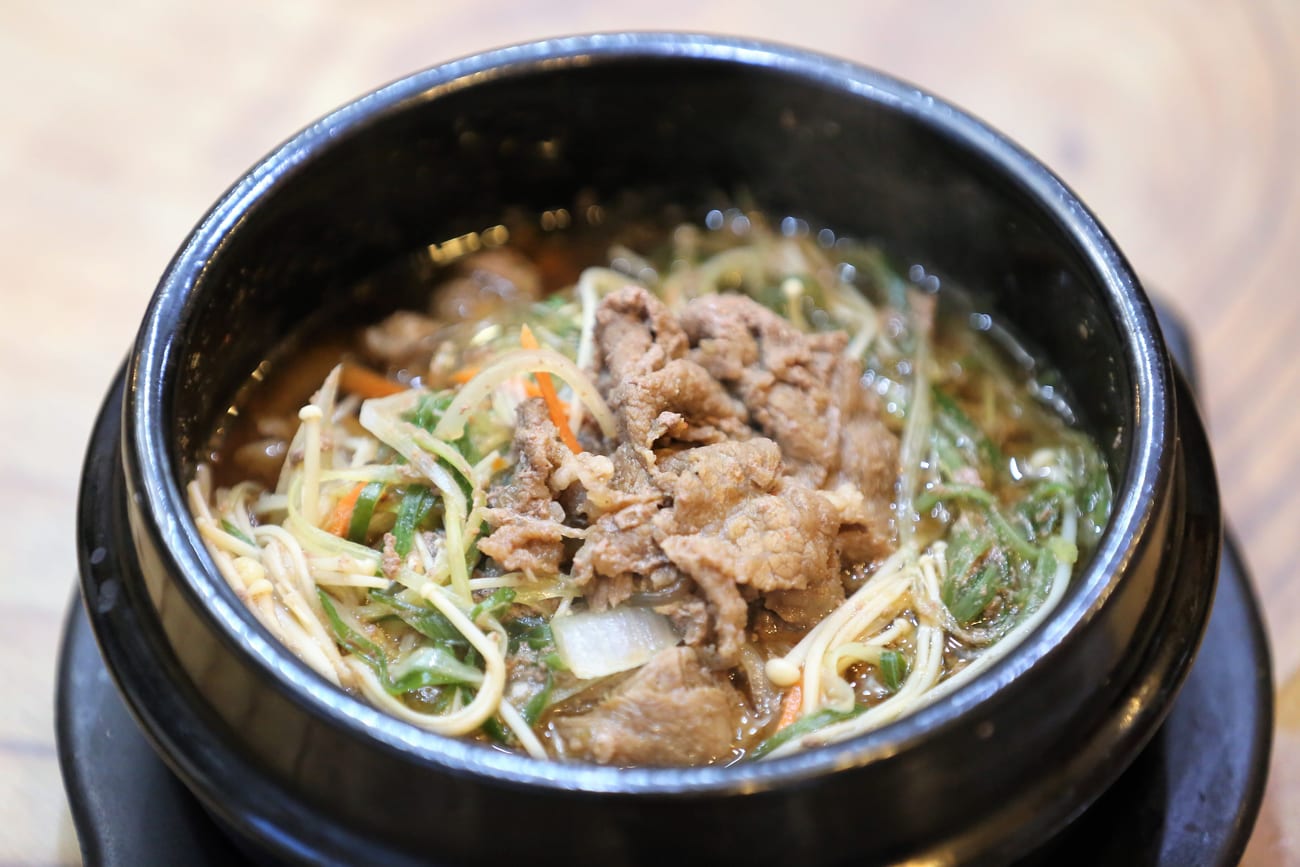
You can cook a stew in a dolsot and rice in a ttukbaegi, and Koreans do both. But if you are buying one pot, buy the ttukbaegi. It covers jjigae, guk, steamed egg (계란찜), braised dishes, and instant ramyeon that arrives at the table still rolling — and it is the pot behind the version of Korean cooking most people are actually trying to reproduce at home.
Why it keeps cooking after you turn the heat off
The useful mental model is that a ttukbaegi is a heat battery, not a pan.
Thin metal transfers heat quickly in both directions: it heats fast and it stops the moment you kill the flame. Thick clay does the opposite. It takes noticeably longer to come up to temperature — genuinely slower than a steel pot, which surprises first-time users who think theirs is faulty — and then it releases that stored heat slowly enough to hold a simmer for several minutes off the burner.
Three consequences worth planning around:
- Start earlier than you think. The pot is part of the cooking time.
- Take it off before it is finished. Residual heat will carry a jjigae past done and reduce it further while it sits. Korean cooks pull it a touch early on purpose.
- It is a serving dish. This is why Korean stews arrive in the cooking vessel — transferring to a bowl would throw away the entire point.
The three rules, all of them consequences of porous clay
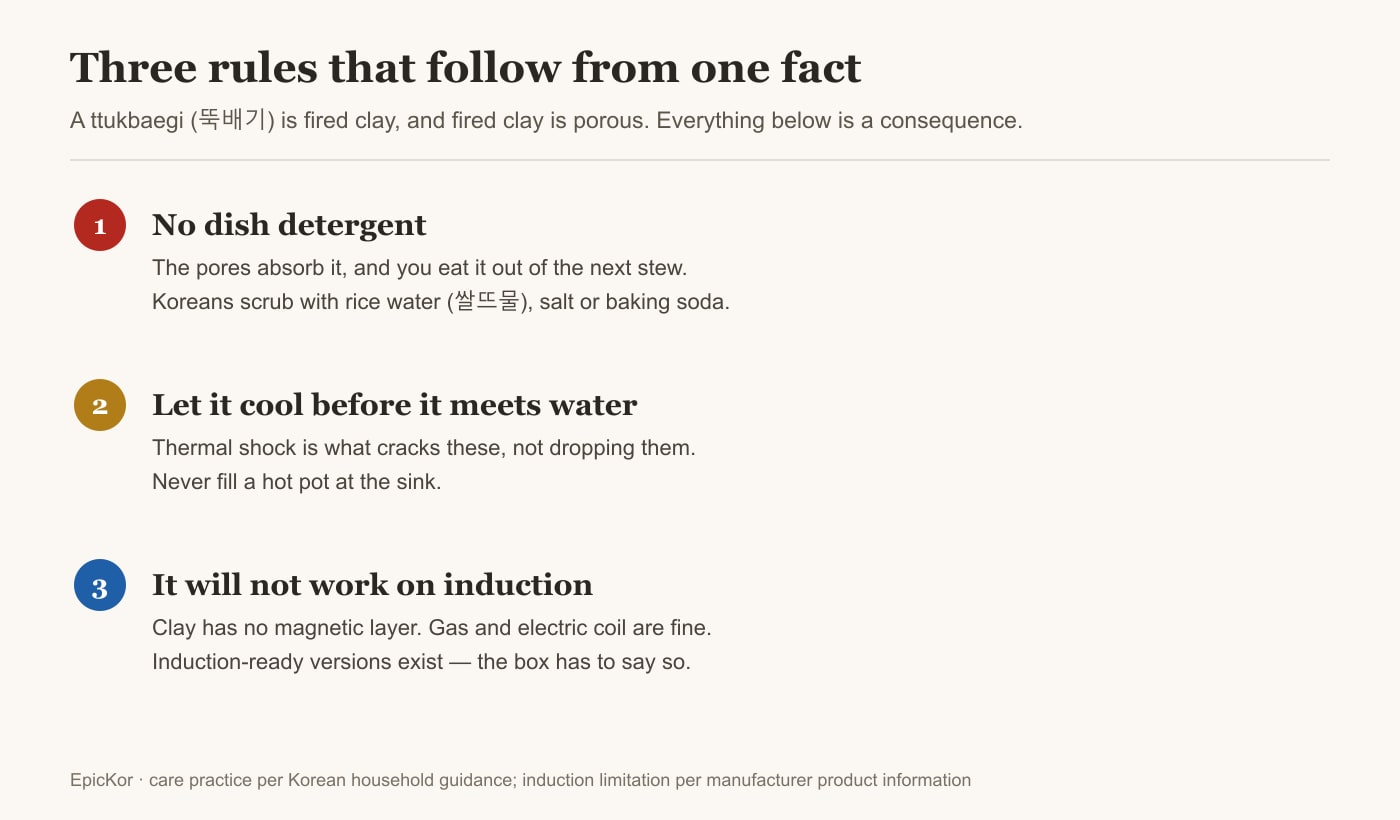
1. No dish detergent
This is the rule that separates people who own a ttukbaegi from people who own a ttukbaegi that tastes faintly of washing-up liquid.
Fired clay is porous — Korean writing about it calls the pores 숨구멍, "breathing holes". Detergent goes into them, water does not fully rinse it back out, and the next time you simmer a stew for twenty minutes you draw it out again into the food. Korean household guidance is blunt about this: use detergent and you end up eating it.
What Koreans use instead:
- 쌀뜨물 (rice water) — the cloudy water from rinsing rice. The starch binds oil and carries it off, which is a real mechanism rather than folklore: the starch surrounds the grease so it lifts and floats away. Korean kitchens use the same trick on kimchi containers, for the same reason.
- Coarse salt as a scrub, with a brush rather than a sponge that has met detergent.
- Baking soda, especially simmered in water for stubborn residue. Rice water plus baking soda brought to a gentle boil combines adsorption with neutralising, which pulls accumulated grease and sour smells back out of the pores.
- Boiling plain water in the pot is the simplest reset after a strong-smelling stew.
Dry it fully, upside down, before storing. A pot put away damp is how ttukbaegi develop a musty smell.
2. Let it cool before it meets water
Nearly every cracked ttukbaegi died of thermal shock, not of being dropped. Clay expands as it heats and contracts as it cools, and doing either fast and unevenly splits it.
In practice that means:
- Do not carry a hot pot to the sink and run the tap into it. This is the single most common way to kill one.
- Do not put a cold, water-filled pot straight onto a high flame. Come up gradually.
- Do not take it from the fridge to the stove. Let it reach room temperature first.
- Never put it in an oven that is already hot unless the maker says it is oven-safe from cold.
A hairline crack is not always fatal — a well-seasoned pot can keep going with one — but it will spread, and a pot that leaks is finished.
3. It will not work on induction
This is the one that ruins the purchase for people who buy without checking, and it is not a defect.
Induction hobs work by inducing a current in ferromagnetic material. Clay has no magnetic layer, so a traditional ttukbaegi simply sits on an induction top doing nothing at all. Gas is ideal, and an electric coil or a radiant ceramic top works provided the base sits flat.
Induction-compatible versions do exist, and they get there by not being pure clay — typically an enamelled cast-iron body shaped like a ttukbaegi, or a clay pot built with a magnetic base layer. They behave differently from earthenware, which is a fair trade if induction is what you have. The box has to say so explicitly. If a listing does not mention induction, assume it does not.
Before you buy the pot, decide the hob. As an Amazon Associate, EpicKor earns from qualifying purchases at no extra cost to you. Check your cooktop first, then compare traditional Korean clay ttukbaegi if you cook on gas or a coil, or an induction-compatible ttukbaegi if you do not — the second category is usually enamelled cast iron in the same shape, and it will say "induction" on the listing rather than leaving you to guess. Buy a lid with it; a lidless pot loses the heat retention that is the whole reason to own one.
Seasoning a new one: 길들이기
Korean households season a new ttukbaegi before first use, a process called 길들이기 — literally "taming it". The purpose is to close and protect those pores so the pot absorbs less and lasts longer.
The common method:
- Rinse the new pot in plain water. No detergent, ever, including now.
- Fill it with 쌀뜨물, the cloudy water from rinsing rice.
- Bring it up on a low flame, let it simmer gently for 10–20 minutes, then turn it off and let it cool in the pot.
- Rinse and dry completely.
A second approach, sometimes used together with the first, is to rub cooking oil over the inside and leave it to sit, which forms a film across the surface. Either way the aim is the same: fill the pores with something harmless before they fill with something else.
Some cooks repeat the rice-water simmer occasionally through the pot's life, particularly after a run of strong-smelling stews. It is the same logic as the cleaning method, applied on purpose rather than as a rescue.
What to actually cook in it
The ttukbaegi is not a specialist. It is the default pot of Korean home cooking:
- Jjigae — kimchi, doenjang, sundubu. A single-serving ttukbaegi is the standard vessel, and the pot is why the last spoonful is as hot as the first.
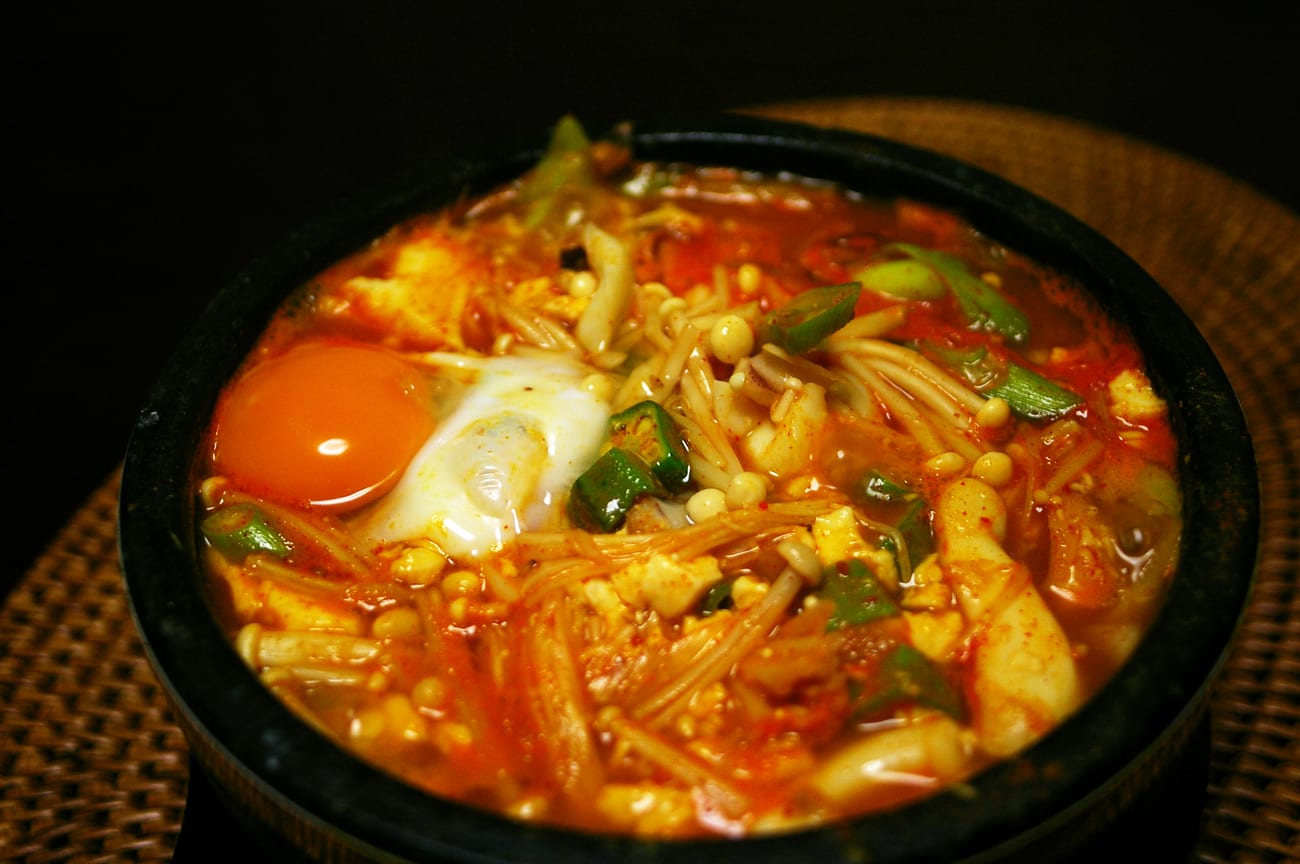
- Sundubu-jjigae especially, because a raw egg cracked in at the table cooks in the residual heat rather than needing more time on the stove.
- 계란찜 (steamed egg) — the puffed, savoury egg custard that rises above the rim. Almost impossible to get right in thin metal, straightforward in clay.
- Guk and soups, when you want them to stay hot through a slow meal.
- Ramyeon, which is not traditional but is extremely common, and is the single easiest way to understand what the pot does — Korean convenience stores sell it by the ttukbaegi-load, and our Korean convenience store food guide covers the rest of that shelf.
This article is the deep dive on one pot. If you are assembling a Korean kitchen from nothing, our Korean cookware starter guide covers the ttukbaegi alongside the ramen pot, the grill pan and the scissors, and is the better place to begin. For the rest of the shelf, whether the aluminium ramen pot is safe answers the one question the starter guide leaves open, doenjang vs gochujang sorts out the two pastes most of these stews start from, what dashida actually is covers the stock powder that goes into a great many of them, and why Korea built a fridge for one food explains the other appliance that seems excessive until you understand what it is protecting.
Buying one: size, lid, base
Size. Korean cooking treats the ttukbaegi as a per-person vessel far more often than as a family pot. A 1인용 single-serving pot, roughly 14–16cm across, covers jjigae for one, steamed egg, and ramyeon, and is the size you will use most. Larger pots exist for sharing but heat slower still and are genuinely heavy to move full.
Lid. Buy one with a lid. Heat retention is the point, and an open pot gives a lot of it away.
Base. On a gas ring, base shape barely matters. On an electric coil or a glass-ceramic top, a flat base matters a great deal — a rounded traditional bottom makes poor contact and heats slowly and unevenly.
Glaze. Most modern ttukbaegi are glazed inside, which reduces absorption compared with unglazed earthenware. It does not make them non-porous, and it does not change the detergent rule.
Price, and where. A ttukbaegi is one of the cheapest serious pieces of cookware you can buy in Korea. Daiso lists a 16cm ttukbaegi at ₩5,000 and an 11cm at ₩2,000 as of September 2026 — and Daiso's own product copy describes the thing in exactly the terms this article does, as a vessel with "느리게 끓고 느리게 식는 특성", slow to boil and slow to cool, meant to go from the stove straight to the table.
Beyond Daiso, homeware shops, department-store kitchen floors, traditional markets and large marts all carry them, with heavier artisan pieces running considerably more. Outside Korea, Korean grocery chains and online sellers stock both traditional and induction-compatible versions, usually at several times the Korean price — which is worth knowing before you decide it is too heavy to pack.
FAQ About Korean Ttukbaegi
Q: What is the difference between a ttukbaegi and a dolsot?
A ttukbaegi (뚝배기) is fired clay earthenware, brown or near-black, made for stews and soups. A dolsot (돌솥) is cut stone, grey, made mainly for rice — above all dolsot bibimbap, where the hot stone crisps a layer of rice against the wall. The ttukbaegi is the more useful single purchase; the dolsot is worth it if you specifically want that crisp rice.
Q: Can I wash a ttukbaegi with dish soap?
No, and this is the rule Korean households treat as non-negotiable. The clay is porous, detergent soaks into the pores, and it comes back out into the next thing you simmer. Use rice water, coarse salt, or baking soda, and boil plain water in it to reset after strong-smelling food.
Q: Why did my ttukbaegi crack?
Almost certainly thermal shock. Running cold water into a hot pot is the usual cause; putting a cold, full pot straight onto high heat is the other. Let it cool before washing, and bring it up to temperature gradually.
Q: Can I use a ttukbaegi on an induction cooktop?
Not a traditional one — clay is not magnetic, so an induction hob will not recognise it. Induction-compatible versions are sold, usually enamelled cast iron in the same shape or clay with a magnetic base layer, and the listing will say so. Gas and electric coil work fine with ordinary earthenware.
Q: How do I season a new ttukbaegi?
Simmer 쌀뜨물 (the cloudy water left from rinsing rice) in it on a low flame for 10–20 minutes, then let it cool in the pot, rinse and dry fully. Some cooks also rub the inside with oil. The point is to fill the pores before something else does.
Q: What size ttukbaegi should I buy?
A single-serving pot around 14–16cm is the one most people use most. Korean cooking often serves jjigae in individual pots, and a smaller pot heats faster and is far easier to lift when full.
Q: Is a ttukbaegi worth buying if I already have a Dutch oven?
For heat retention alone, a Dutch oven does much of the same job. What it does not do is arrive at the table still simmering in a form that suits single servings, or cook steamed egg well. If you cook Korean food often, the ttukbaegi earns its shelf space; if you cook it twice a year, it probably does not.
Bottom Line
A ttukbaegi is a simple object with one property that explains all of its behaviour. It is porous fired clay, so it stores heat, resents sudden temperature change, absorbs what you wash it with, and ignores induction hobs entirely.
Get those four things right and it is close to indestructible — Korean kitchens keep the same pot for years, and it improves as it seasons. Get the detergent wrong and you will spend a long time wondering why your stew tastes slightly of soap, which is a much less interesting mystery once you know the answer.
Sources: care and seasoning practice per Korean household guidance on 뚝배기 cleaning, including the rice-water and baking-soda methods and the reason detergent is avoided; ttukbaegi and dolsot material and use distinctions per Korean and English culinary references; induction incompatibility and the existence of induction-compatible versions per manufacturer and retailer product information, 2026. Individual pots vary — follow the maker's instructions where they differ, especially on oven use and dishwasher safety.
You Might Also Like
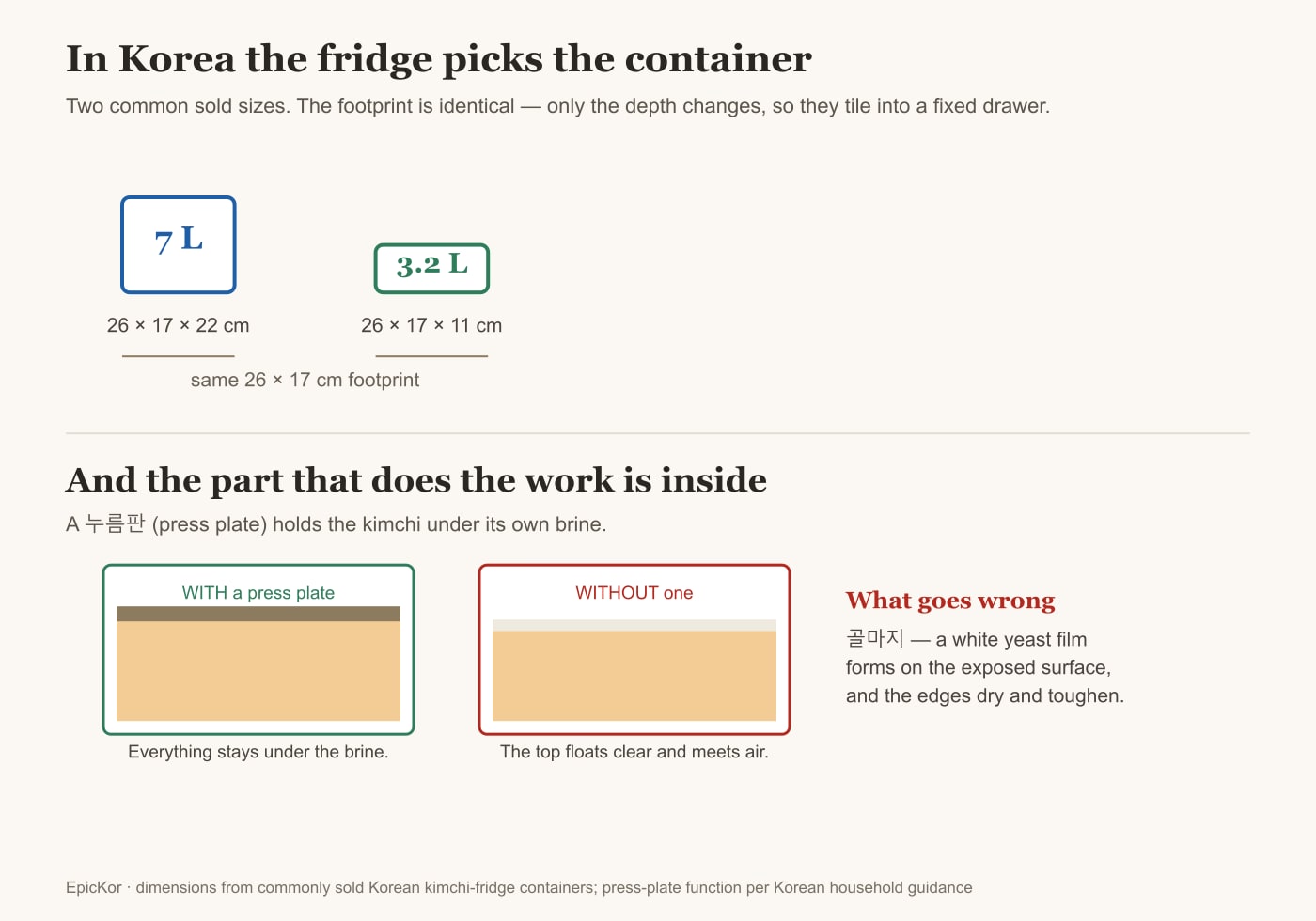
Korean Kimchi Containers: The Press Plate Matters More Than the Lid
English buying guides rank kimchi containers by lid. In Korea the fridge picks the size — 7L and 3.2L share a 26 × 17cm footprint so they tile — and the part that decides whether the kimchi survives is the 누름판, the plate that holds it under its own brine.
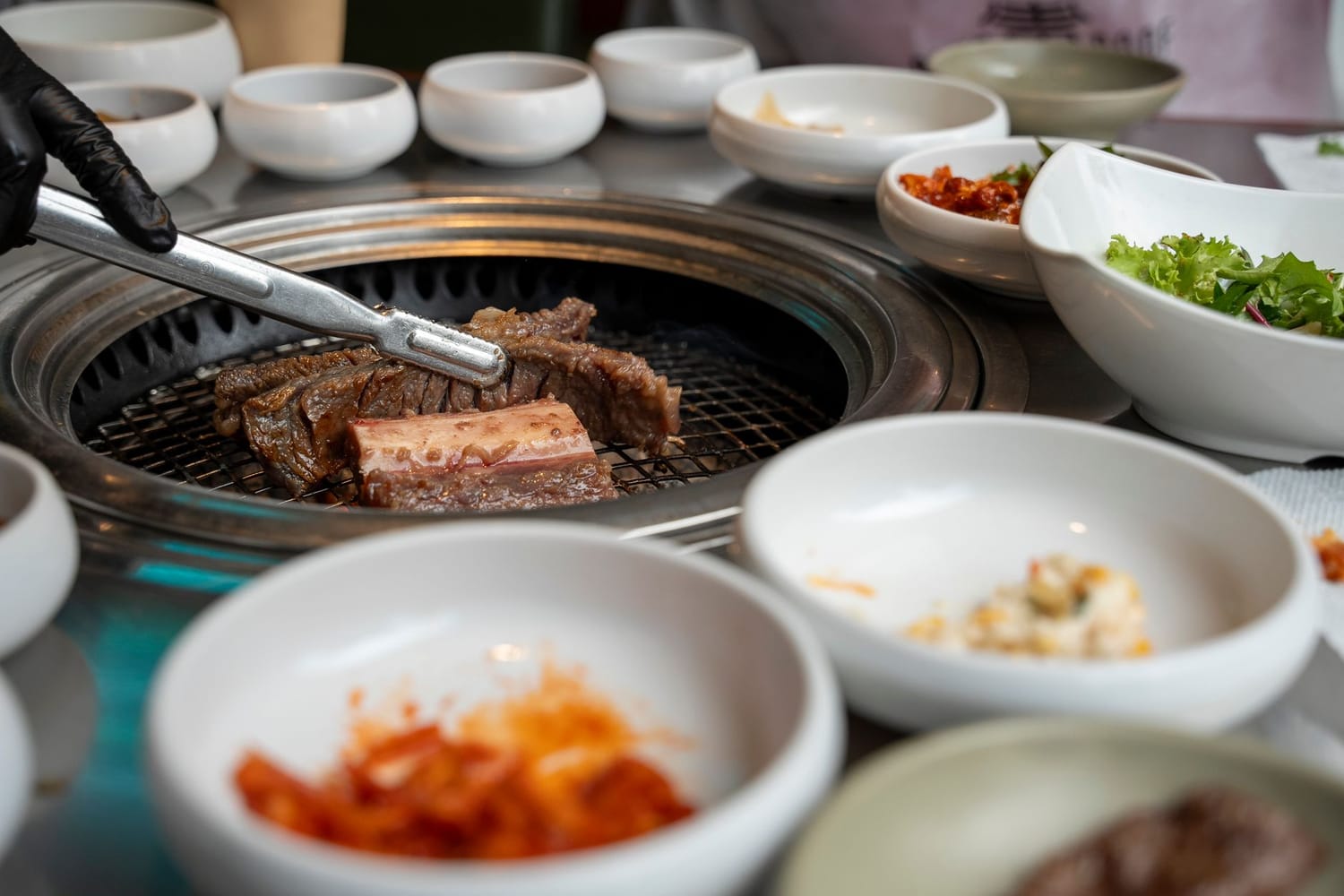
Korean Kitchen Scissors: Why Koreans Cut Meat and Noodles at the Table, and Why It Is Not an Office Scissor
Scissors on a restaurant table look wrong to most of the world and normal to every Korean. The tool is not a desk scissor: thick blades, one serrated edge, big rings, often detachable, built for galbi and cold noodles. Where it came from, and which one to buy.
Korean Sesame Oil: The Label Word That Means It Isn't Sesame Oil
A bottle can look like Korean sesame oil and legally be corn oil carrying a sesame smell — Korea files that as 향미유, a separate food type. Imported oil runs ₩700–1,100 per 100ml; Korean-grown runs ₩5,500–6,700, because Korea grows 8–12% of its own sesame.