Korean Cookware Starter Guide 2026: Pots, Pans, Scissors
A useful Korean cookware guide should stop you from buying a cabinet full of single-purpose equipment. You do not need every pot seen in a Korean restaurant. You need to understand four different jobs: keeping stew fiercely hot, cooking noodles quickly, managing grease on a grill, and cutting food directly at the table.
That is why a practical starter kit begins with ttukbaegi, a light ramen pot, a grill pan, and sturdy kitchen scissors. Each changes the cooking process, not just the appearance of the meal. But each also comes with compatibility, heat, care, and storage questions that matter more than the product photo.
This 2026 guide explains what to buy first, what can be replaced by cookware you already own, and what to check before putting Korean-style cookware on your stove.
Watch the 5-minute episode: Why Korea Brings Scissors to Your Dinner Table — the kitchen scissors in this kit taken apart on screen: the teeth, the pivot that comes apart for washing, the bottle opener, and why they go in checked luggage.
Quick Answer: Which Korean Cookware Should You Buy First?
Buy a ttukbaegi first if you regularly cook doenjang jjigae, kimchi jjigae, sundubu, steamed egg, or small bubbling soups. Buy a ramen pot first if instant noodles are your main Korean meal and you value speed and light weight. Buy a grill pan only if you have good ventilation, a compatible burner, and a realistic grease plan. Buy kitchen scissors and tongs if you already cook meat, noodles, kimchi, or pancakes and want the most versatile upgrade.
If you are unsure, start with scissors and a normal heavy saucepan. Specialized cookware earns its place only when your cooking routine proves that you need it.
| Tool | Best Job | Main Advantage | Main Check Before Buying |
|---|---|---|---|
| Ttukbaegi | Jjigae, soup, steamed egg | Strong heat retention and table service | Stove compatibility and care instructions |
| Dolsot | Rice and crisp-bottom bibimbap | Stores intense heat | True material, weight, seasoning or care |
| Ramen pot | Fast noodles and one-person soups | Light and quick to heat | Material, handle heat, and burner fit |
| Grill pan | Samgyeopsal and tabletop-style grilling | Large cooking surface and grease control | Drainage, ventilation, and heat source |
| Kitchen scissors | Meat, kimchi, noodles, pancakes | Fast portioning without a cutting board | Blade separation, grip, and cleaning |
Korean ramen cooking pot — compare on AmazonAffiliate link. As an Amazon Associate, EpicKor earns from qualifying purchases at no extra cost to you.
Never assume that a product called “Korean,” “stone,” or “induction-ready” behaves like another model with the same label. Follow the manufacturer's instructions for heat source, preheating, thermal shock, washing, and food contact.
Start with the meal you cook most: As an Amazon Associate, EpicKor may earn from qualifying purchases. If that meal is instant noodles, compare this Korean ramen cooking pot for material, capacity, handle design, lid, and stove compatibility before choosing it for its familiar gold color.
See Korean ramen cooking pot on AmazonTtukbaegi and Dolsot Are Not the Same Pot
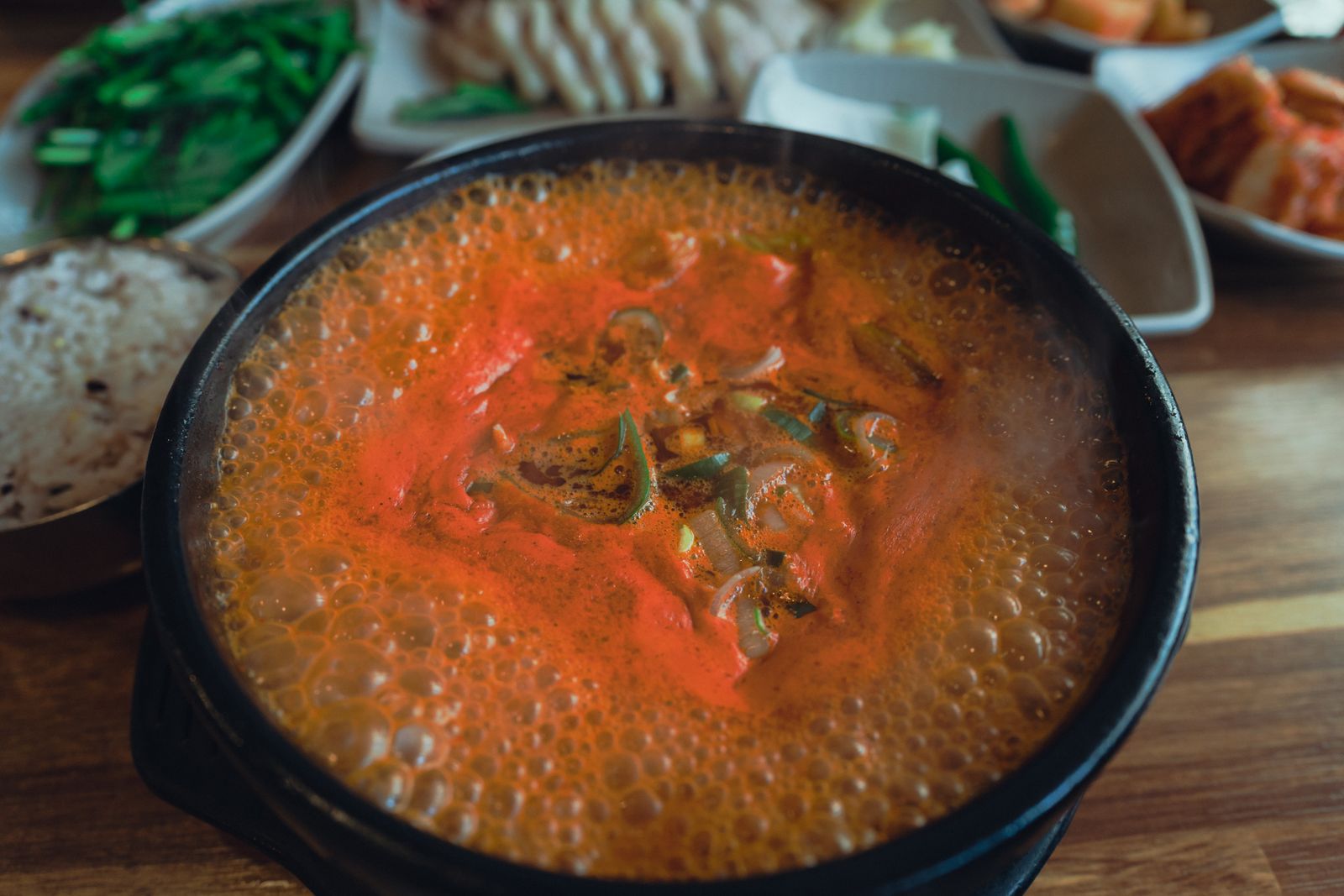
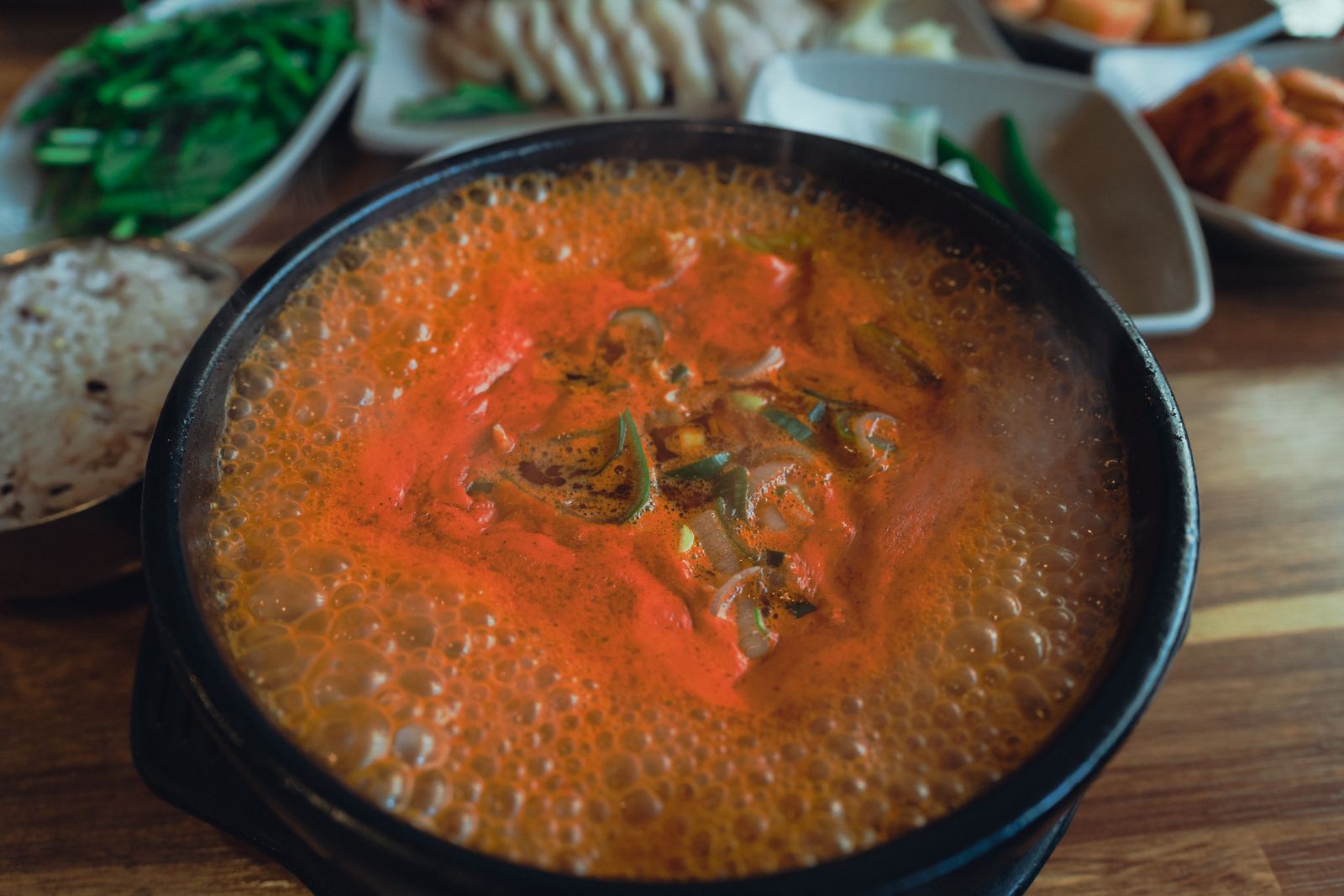
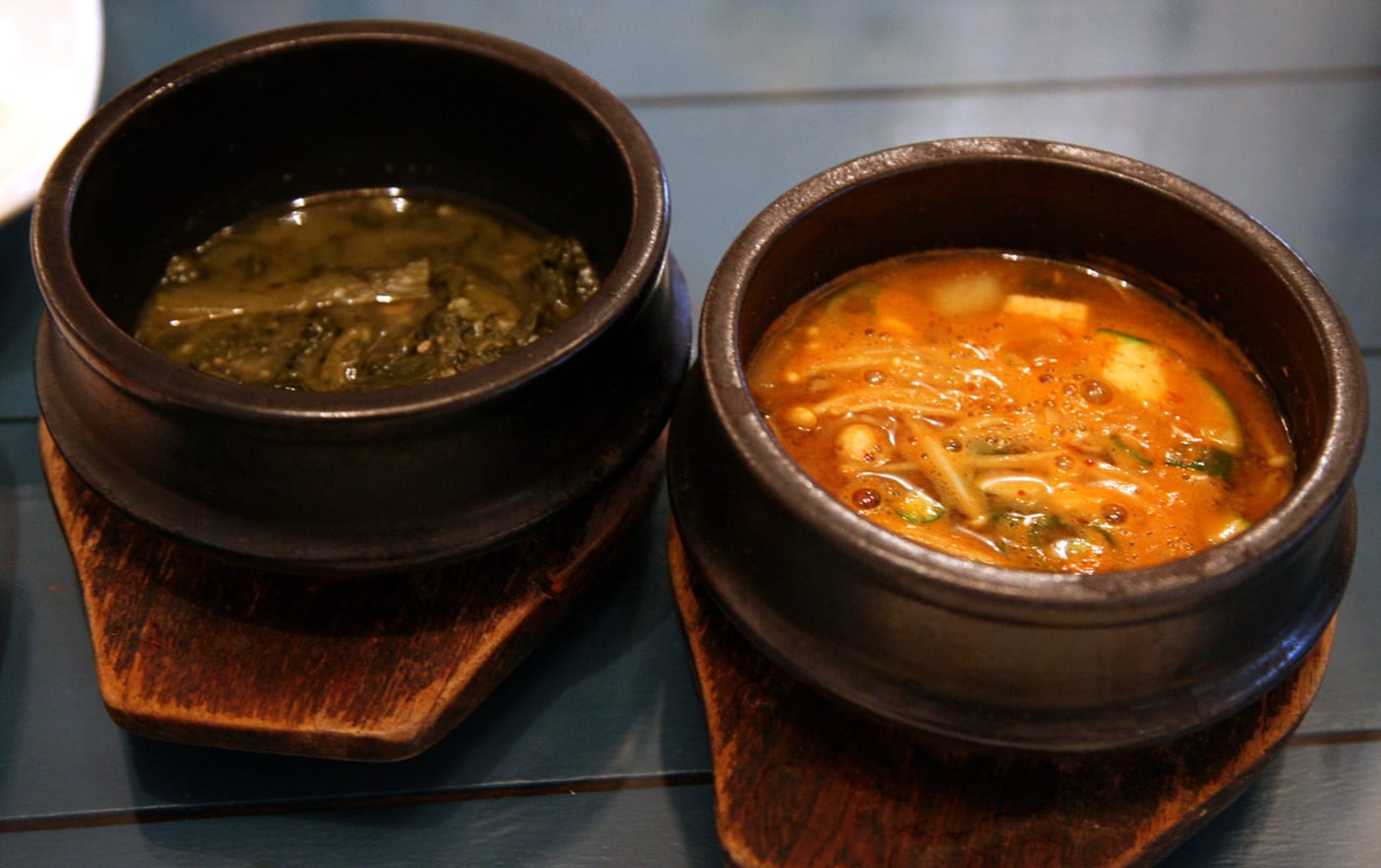
The two names are often mixed together in international listings. Ttukbaegi generally refers to Korean earthenware used for stews, soups, and other dishes served hot. Dolsot refers to a stone pot strongly associated with rice and dishes such as dolsot bibimbap. Material and construction vary in modern products, so the product specification matters more than a marketplace title.
Korea.net's dolsotbap feature explains the traditional appeal clearly: stone cookware helps rice cook evenly and remain hot longer. That stored heat is also what creates the familiar crisp rice at the bottom of dolsot bibimbap. A ttukbaegi delivers a similar table-side impression for stew, but it is not automatically interchangeable with a stone rice pot.
If the ttukbaegi is the piece you are actually buying, our dedicated guide to ttukbaegi vs dolsot and how to care for one goes further than a starter kit can: why porous clay rules out dish detergent, how Koreans season a new pot with rice water, why thermal shock rather than dropping is what cracks them, and what one costs in Korea.
Heat retention changes how you cook. Turn off the burner while a ttukbaegi stew still looks slightly underdone, and residual heat may continue the boil at the table. Leave delicate tofu or egg over full heat until it looks finished, and the dish may overcook while you carry it.
The pot also changes serving behavior. It is cookware and serving ware in one, which reduces transferring but creates a burn hazard. The body, base, lid, and surrounding tray can remain hot. Use a stable heatproof trivet, keep the handle area clear even if the pot has no handle, and warn everyone at the table.
Before buying, confirm:
- Whether the vessel is earthenware, stone, ceramic-coated metal, or another material.
- Whether it is approved for gas, electric coil, glass top, induction, oven, or only specific uses.
- Whether gradual preheating or seasoning is required.
- Whether the lid, tray, or heat diffuser is included.
- Whether the capacity matches one serving or a shared stew.
Do not move a very hot vessel onto a cold or wet surface unless the manufacturer explicitly permits it. Sudden temperature change can damage many kinds of ceramic and stone cookware.
Ramen Pots: Fast, Light, and Easy to Misuse
The familiar Korean ramen pot is designed around speed and directness. It heats a small amount of water quickly, holds one or two portions depending on size, and can move from stove to a simple table setup. Its light construction is part of the appeal.
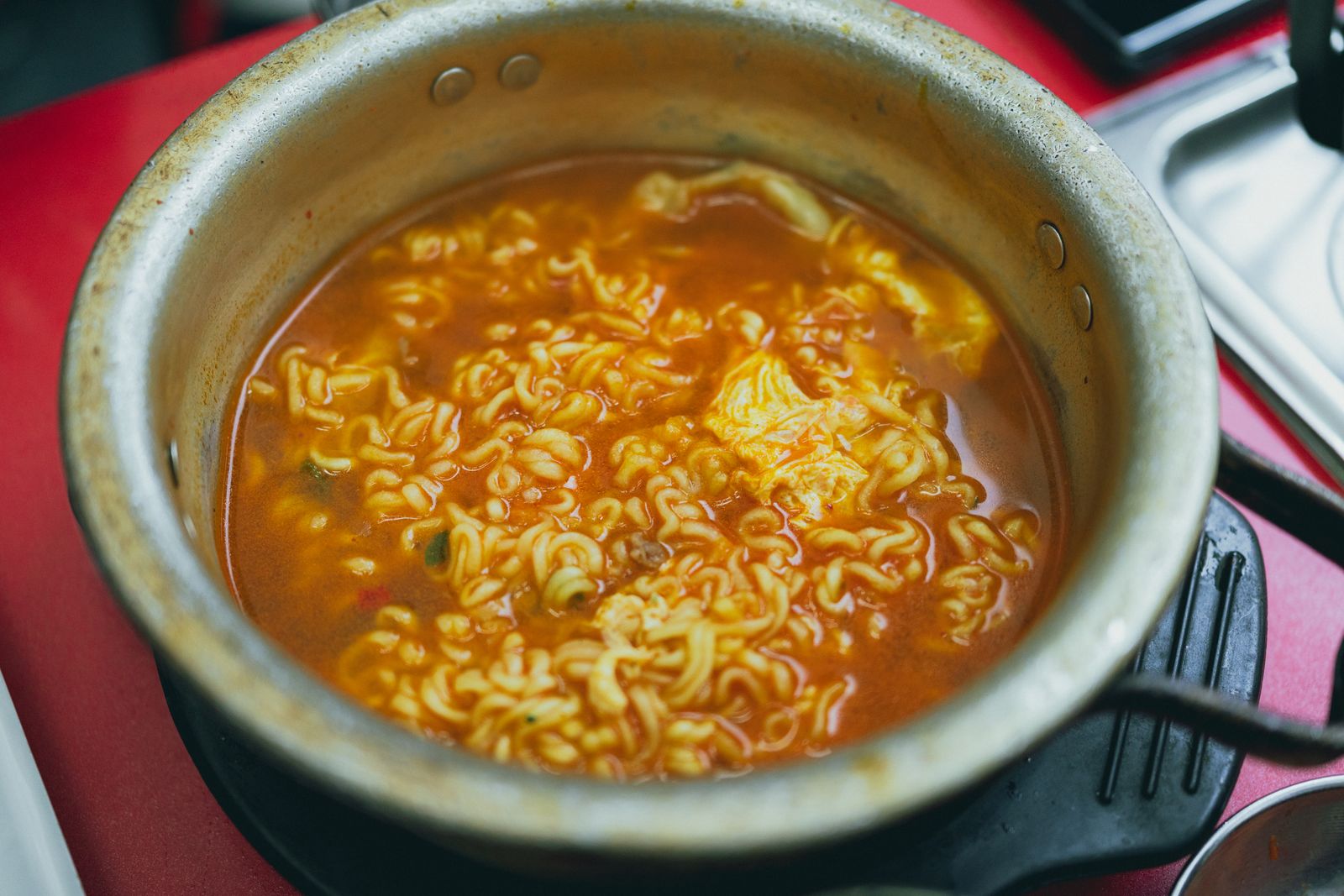
Light does not mean universal. Thin metal reacts rapidly when heat changes, so a small volume can boil over or cook down faster than expected. Some handles become hot. Some pots are not induction compatible. Some coatings require nonabrasive tools. Read the instructions for the exact product.
Choose capacity from your real recipe. A pot filled to the brim leaves no room for noodles, egg, dumplings, green onion, or foam. A very large pot defeats the reason to buy a fast one-person vessel. For most buyers, the useful question is not “What size is authentic?” but “How much water and food do I normally cook without overflow?”
You also may not need one. A small stainless-steel saucepan can cook ramyeon perfectly well, often with easier compatibility and durability. The Korean-style pot is worth considering when low weight, fast heating, and the table experience make you cook the dish more often.
For more noodle context, see EpicKor's Korean ramen trends guide. If your main goal is reliable rice rather than noodles, the Korean rice cooker guide is the better place to spend money first. And if the question you actually have is whether the aluminium is safe, Korea measured that pot by pot — our deep dive on whether the aluminium ramen pot is safe has the numbers.
Grill Pans, Scissors, and the Real Korean BBQ Workflow
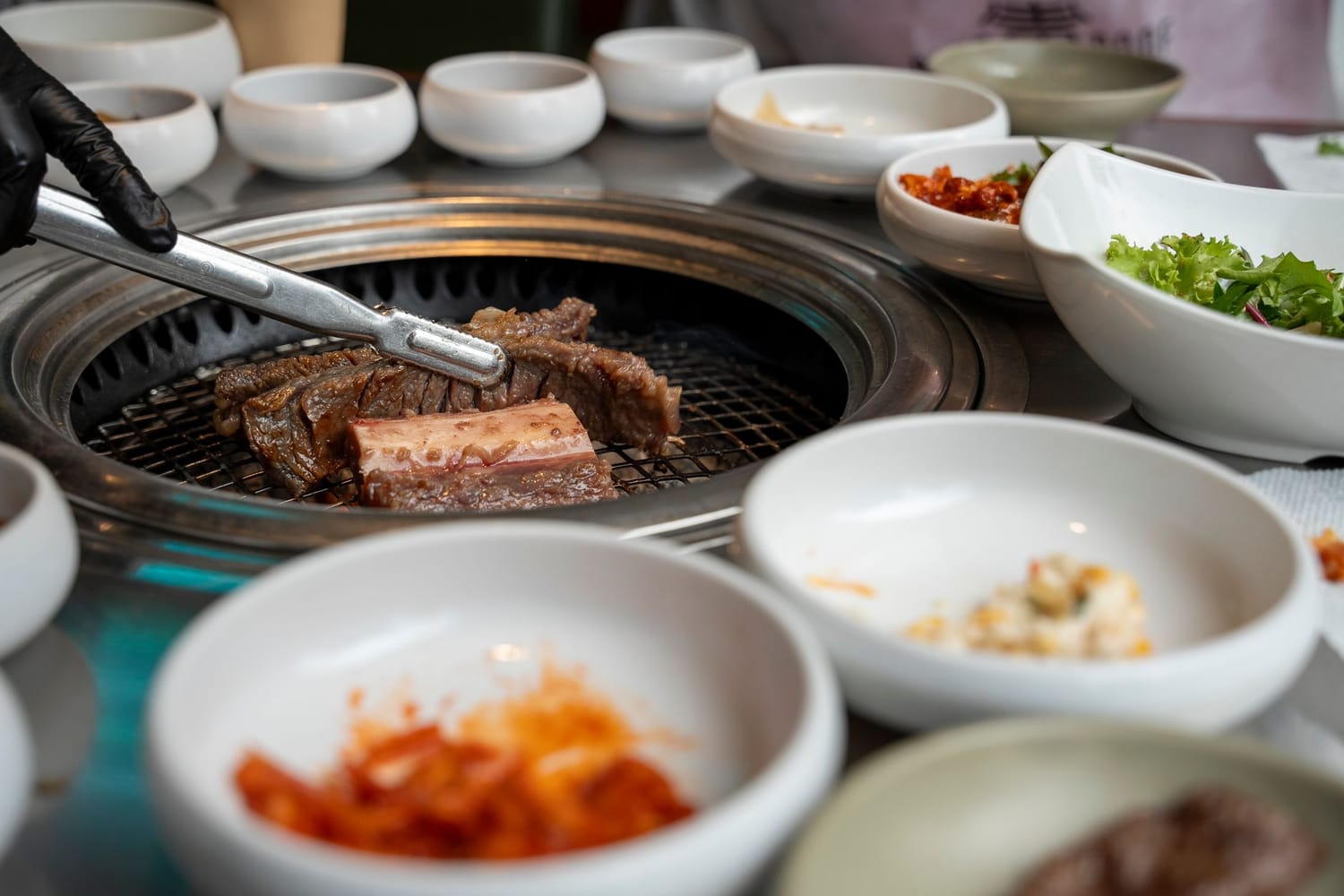
A Korean BBQ setup is a system, not one pan. The pan holds and browns the food. The heat source controls the cooking rate. Tongs separate raw and cooked handling. Scissors portion larger pieces. Ventilation manages smoke and odor. A grease channel or drain changes cleanup.
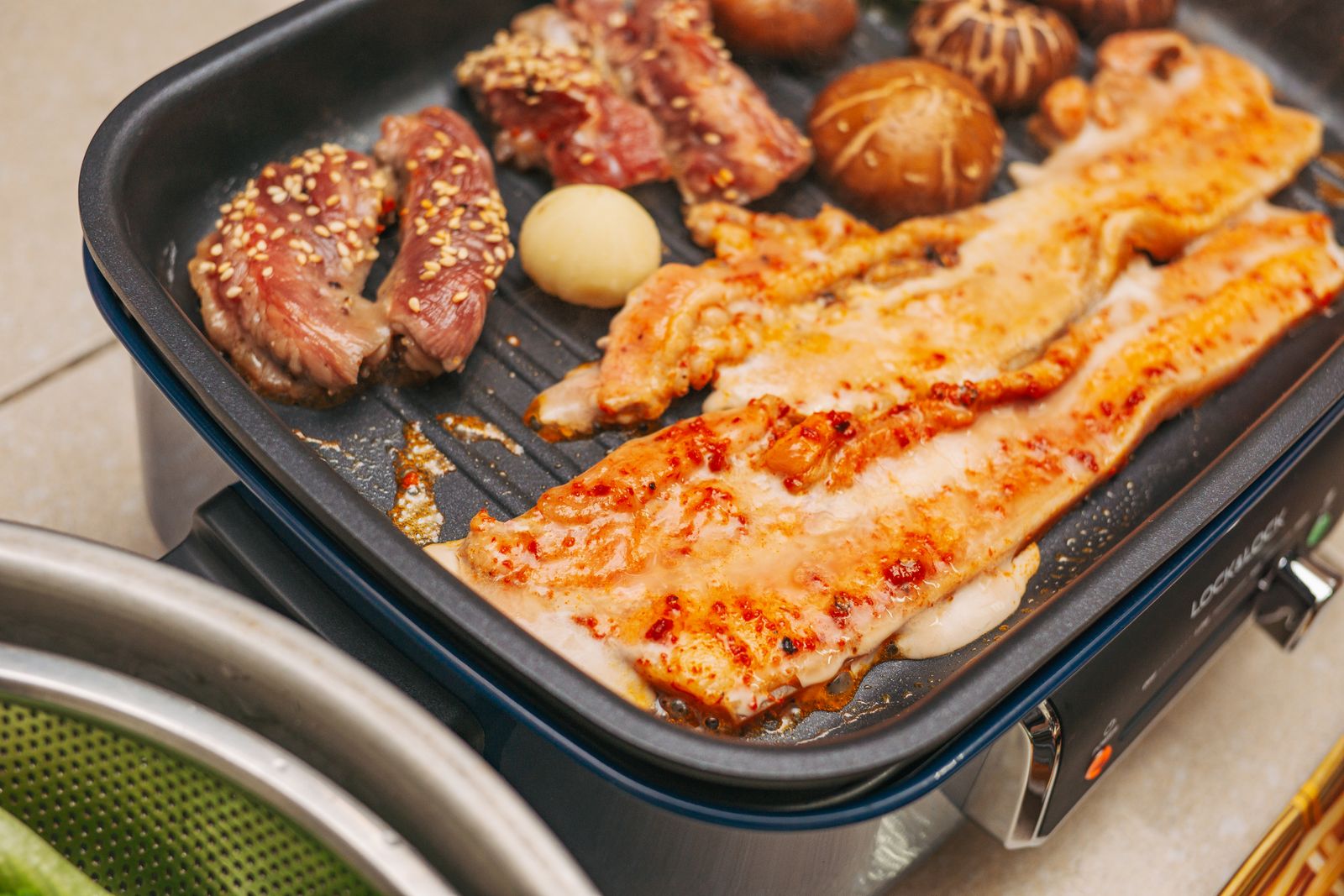
Flat pans, ridged pans, domed pans, and pans with drain openings behave differently. A drain can help move rendered fat away, but only when it leads into a stable, heat-safe container. A ridged surface may create grill marks but can be slower to clean. A large electric grill may be convenient for a group but demands storage space.
Never place an unapproved pan over a portable gas burner or induction unit. Check diameter, stability, maximum heat, ventilation clearances, and whether grease can reach the flame or heating element. Indoor grilling produces smoke, vapor, and odor even when the pan is marketed for indoor use. Use the ventilation and safety practices required for your home and appliance.
Kitchen scissors are the lowest-risk, highest-frequency tool in the group. At Korean BBQ, they cut long strips of meat into bite-size pieces over the grill. At home, they can portion kimchi, trim green onions, cut noodles, divide jeon, or open food packaging. For the cultural side of why scissors feel so normal at Korean tables, read EpicKor's Korean food scissors and practical tools guide. For the restaurant-side noodle habit, the naengmyeon guide explains when cutting cold noodles is practical and when purists prefer leaving them long.
The pajeon and makgeolli rainy-day guide shows where a wide pan and scissors help with jeon, while seven everyday Korean food favorites helps you decide which dishes you will actually cook before buying another specialized tool.
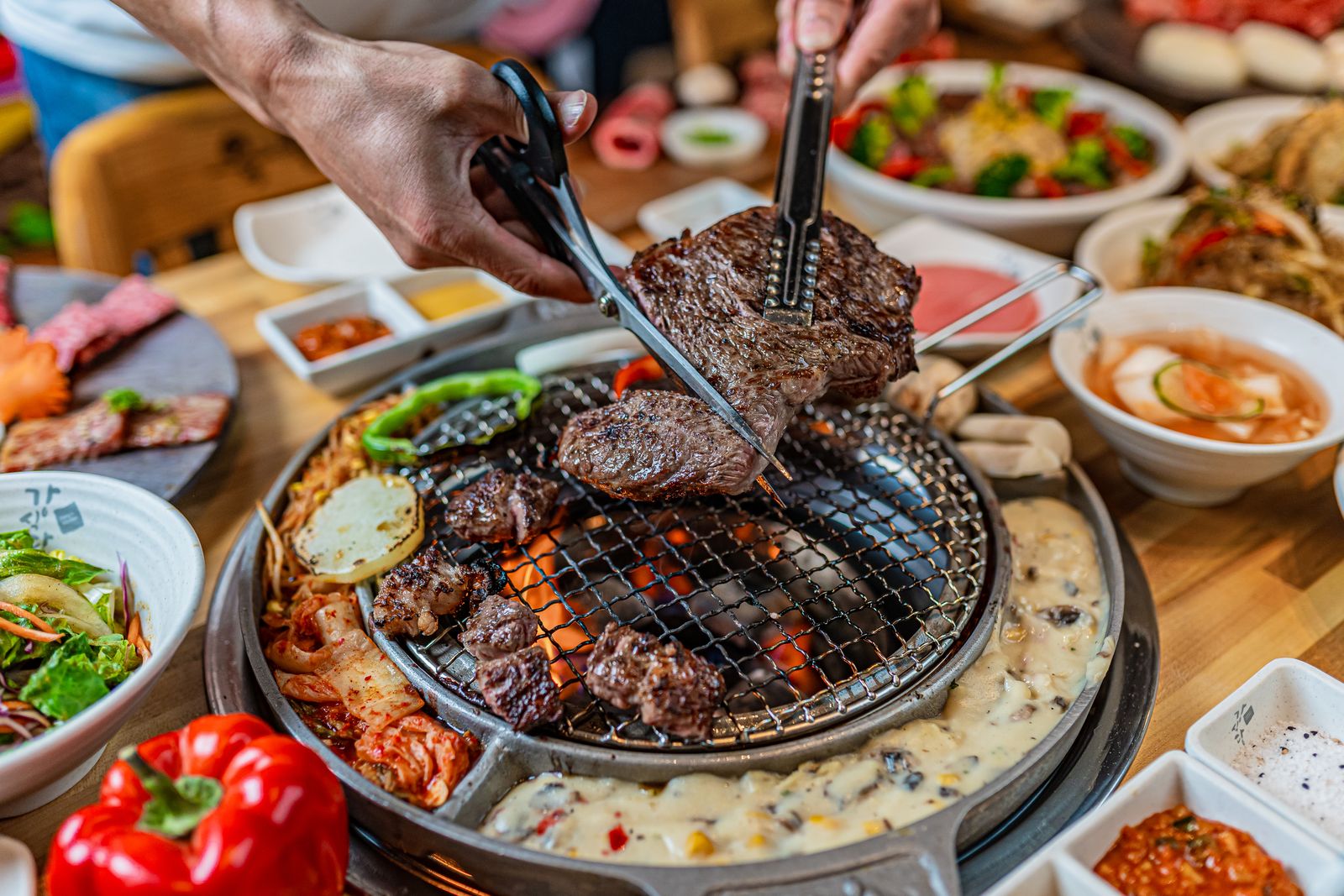
Look for scissors that separate for thorough washing, have a secure pivot, and fit your hand. If you use them on raw meat, clean and sanitize them according to food-safety guidance before using them on cooked food. The simplest method during a meal is to keep separate tools for raw and cooked handling.
Build a controllable grill kit: Compare a Korean BBQ scissors-and-tongs set and a Korean-style grill pan. Buy only after confirming the pan fits your heat source, ventilation plan, storage space, and grease-catching setup.
See Korean BBQ scissors-and-tongs set on AmazonBuild the Smallest Korean Cookware Kit That Works
Start with meals, not objects. Write down the three Korean dishes you actually plan to cook next month. Then choose the tool shared by the most dishes.
| Your Real Routine | Buy First | Use What You Already Own For | Add Later Only If Needed |
|---|---|---|---|
| Jjigae twice a week | One medium ttukbaegi | Rice in current pot or cooker | Second serving-size pot |
| Mostly instant ramyeon | Small compatible ramen pot | Toppings on normal cutting board | Long chopsticks or noodle bowl |
| Home BBQ for two | Scissors and separate tongs | Existing approved skillet | Purpose-built grill pan |
| Bibimbap and crispy rice | Verified dolsot | Vegetables in normal pans | Individual second pot |
| Mixed Korean cooking | Scissors plus heavy saucepan | Most first recipes | Ttukbaegi after the habit sticks |
Measure your cabinet, burner, and sink before ordering. Heavy stone or earthenware can be awkward in a shallow sink. Wide grill pans can block neighboring burners. Long scissor blades may not fit a normal utensil drawer.
When cookware arrives, inspect it before use. Check for cracks, chips, warped bases, loose handles, damaged coatings, or missing instructions. Wash and prepare it exactly as directed. Do one low-stakes first cook rather than serving guests from unfamiliar equipment.
For the food side of the setup, EpicKor's Korean BBQ ssam guide explains lettuce, perilla, sauces, and wrap balance, while the ssamjang guide explains the paste that finishes the wrap. The Korean home BBQ guide covers the meal workflow. The cookware should support that food, not become the main event.
FAQ About Korean Cookware
Q: What is a ttukbaegi?
A ttukbaegi is Korean earthenware cookware and serving ware commonly used for hot stews, soups, and dishes such as steamed egg. Material and appliance compatibility vary by product.
Q: What is the difference between ttukbaegi and dolsot?
Ttukbaegi generally means an earthenware pot used for stew and soup, while dolsot means a stone pot strongly associated with rice and dolsot bibimbap. Modern product labels can be inconsistent, so verify the material.
Q: Can I use a Korean ramen pot on induction?
Only if the exact model is labeled induction compatible. Traditional-looking aluminum pots often do not work on induction unless specifically engineered with a compatible base.
Q: Is a Korean grill pan safe indoors?
Indoor use depends on the exact pan, heat source, ventilation, clearances, and grease control. Follow the manufacturer and appliance instructions; an “indoor” label does not eliminate smoke or fire risk.
Q: Why do Korean restaurants use scissors for meat?
Scissors portion long or thick pieces directly over the grill without moving them to a cutting board. Separate raw and cooked tools or clean them properly between uses.
Q: Do I need special cookware to make Korean food?
No. A saucepan, skillet, knife, cutting board, and rice-cooking method cover many Korean recipes. Specialized tools are worthwhile when they solve a repeated heat, serving, or workflow need.
Buy for the Heat, Not the Photograph
The smartest Korean kitchen does not have the most Korean-looking equipment. It has a pot that matches the stove, a vessel sized for the household, tools that can be cleaned thoroughly, and a safe place for hot cookware at the table.
Start with scissors or one pot. Cook three meals. Notice what slows you down. Then add the next tool because it fixes a real problem. That is how Korean cookware becomes part of your kitchen instead of a themed display.
Sources
You Might Also Like
Korean Kitchen Scissors: Why Koreans Cut Meat and Noodles at the Table, and Why It Is Not an Office Scissor
Scissors on a restaurant table look wrong to most of the world and normal to every Korean. The tool is not a desk scissor: thick blades, one serrated edge, big rings, often detachable, built for galbi and cold noodles. Where it came from, and which one to buy.
Korean Ramen Pots: Is the Aluminium One Safe?
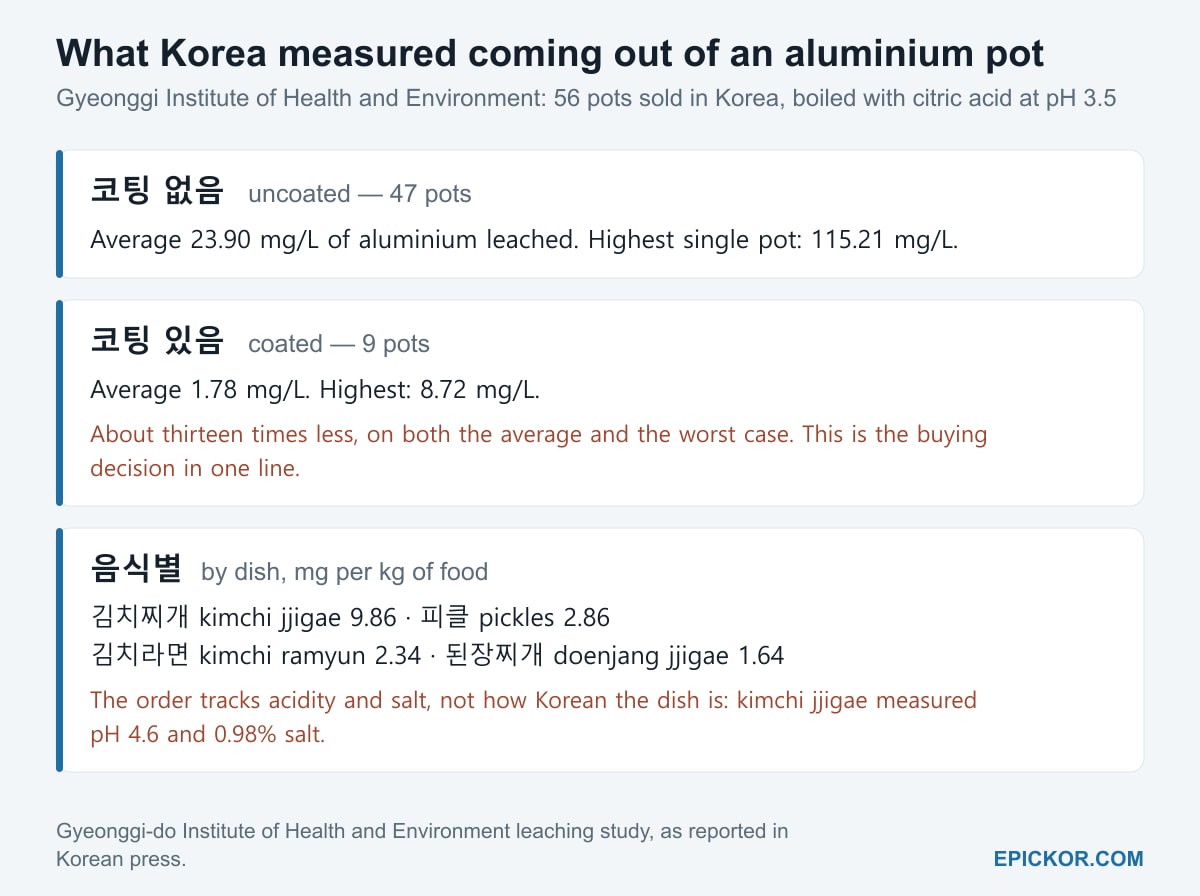
Korea tested 56 aluminium pots with acid at pH 3.5. Uncoated ones leached 23.90 mg/L on average, coated ones 1.78 — thirteen times less. Kimchi jjigae pulled the most of any dish, against Korea's own safe figure of about 17 mg a day.
Korean Ttukbaegi vs Dolsot, and Why Koreans Never Use Dish Soap
A ttukbaegi is fired clay, and fired clay is porous — which decides everything about owning one. No dish detergent, never water it while hot, and it will not work on induction. Here is how it differs from a dolsot and which one you actually want.