
K-Drama Foods Explained: Chimaek, the Ramyeon Line, and That Sandwich
Watch enough K-dramas and you start ordering off a menu you have never held.
Someone has a terrible day: fried chicken and beer appear. Someone says "want to eat ramyeon before you go?" and the music changes. Characters in a life-or-death plot pause, mid-crisis, to eat a very prominently branded sandwich. A childhood flashback means a flat sugar candy with a shape pressed into it.
None of this is random. Every one of those foods carries a meaning Korean viewers read instantly — and most of them you can actually eat, or buy, tonight. This is the guide to the menu: what each food is, the exact scene or line that made it iconic, what it means when a character reaches for it, and where the line between drama and real Korean life sits.
| You keep seeing | It is | It means |
|---|---|---|
| Fried chicken + beer | 치맥 (chimaek) | Comfort, celebration, friendship — the everything-food |
| "Want some ramyeon?" | 라면 먹고 갈래? | Not about noodles. Korea's "Netflix and chill," older than Netflix |
| Noodles from a gold pot lid | 양은냄비 ramyeon | Eating it fast, honestly, at home — intimacy |
| A branded sandwich, again | Subway PPL | Product placement funding the show you're watching |
| Flat candy with a shape | 달고나 (dalgona) | Childhood nostalgia — then Squid Game made it survival |
| Green bottle, tiny glasses | 소주 (soju) | Honesty is about to happen |
| Orange tent at night | 포장마차 (pojangmacha) | The scene where characters finally tell the truth |

Shin Ramyun — on AmazonAffiliate link. As an Amazon Associate, EpicKor earns from qualifying purchases at no extra cost to you.
Chimaek: The Everything-Food
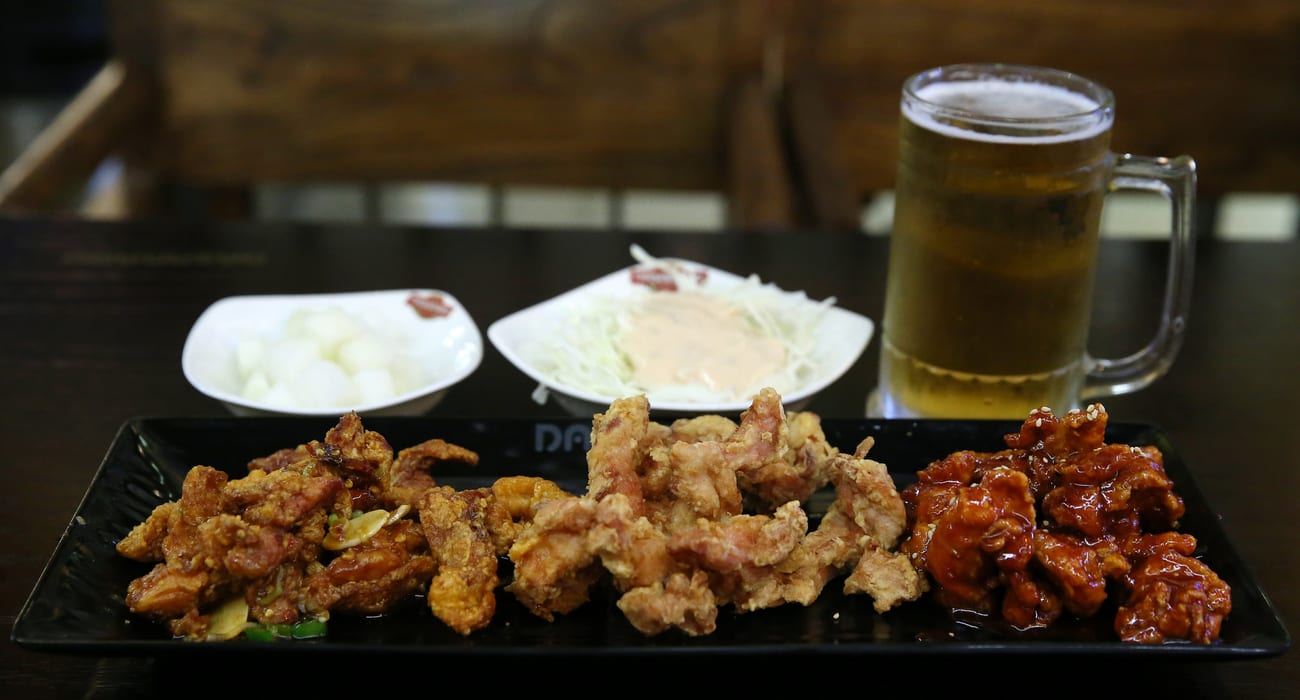
치맥 (chimaek) is a compound word — chikin plus maekju (beer) — and in dramas it is the default answer to almost any emotional state. Got fired? Chimaek. Got promoted? Chimaek. Raining? Chimaek delivery.
The scene that turned it into an export product has a date: 2014, "My Love from the Star." Jun Ji-hyun's character Cheon Song-yi delivers the line that launched a thousand deliveries — "눈 오는 날엔 치맥인데" — "on a snowy day, it should be chimaek." Korean business press documented what happened next: a chimaek craze swept China hard enough that people queued for Korean fried chicken during an avian-influenza scare, posting chicken-and-beer photos as a status ritual. One drama line moved a market.
What a drama will not teach you: Korean fried chicken is its own engineering tradition — typically twice-fried for a thin, hard crackle, sold in a dozen sauce systems (the eternal 후라이드 vs 양념 debate), and eaten communally from the box. The beer is deliberately light lager, because it is the rhythm section, not the melody.
"라면 먹고 갈래?" — The Most Loaded Noodles on Television
When a K-drama character asks someone in, late at night, with the words "want to eat ramyeon and go?", no Korean viewer thinks about noodles. It is the language's most famous romantic euphemism — the Korean "Netflix and chill," except it predates Netflix streaming by a decade.
The origin is precise, and it is a film: "One Fine Spring Day" (봄날은 간다), 2001. Lee Young-ae's character invites Yoo Ji-tae's up with "라면 먹을래요?" — and the detail almost nobody outside Korea knows is that the scripted line was "want some coffee?" The ramyeon was Lee Young-ae's ad-lib, and it stuck so hard that twenty-five years of dramas still quote it. Later in the same film she follows it with "자고 갈래요?" — "want to sleep here?" — which is why the noodles never really meant noodles.
The ramyeon itself matters too. Dramas cook it in the 양은냄비 — the battered gold-colored aluminum pot — and eat it straight off the pot lid. That is real, and there is a reason: the thin aluminum boils fast and loses heat fast, which suits a dish whose whole identity is speed and no ceremony. Eating from the lid is the least-pretense version of feeding someone, which is exactly why directors love it.
The noodle in the pot, statistically, is 신라면 (Shin Ramyun) — Korea's default ramyeon since 1986 — or, in the last decade of dramas and mukbang, the black-bean 짜파게티 or fire-red 불닭.
As an Amazon Associate, EpicKor may earn from qualifying purchases at no extra cost to you. Recreating the scene takes exactly two things: Shin Ramyun, the noodle that is actually in the pot in most of those scenes, and the pot itself — the gold aluminum Korean ramyeon pot, which boils faster than your saucepan and doubles as the bowl. Eat off the lid; that part is mandatory.
See Shin Ramyun on AmazonThe Convenience Store: Korea's Cheapest Film Set
Half of modern K-drama life happens at a convenience store table: instant noodles at the window counter, a banana milk handed over as an apology, triangle kimbap eaten between shifts, and the late-night plastic-table conversation outside.
This one is documentary, not fantasy. Korean convenience stores really do function as kitchens, cafés and neutral meeting ground, and the foods in those scenes — 삼각김밥, 바나나맛우유, cup ramyeon upgraded with a cheese slice — are the country's actual daily diet. We wrote the field guide to it in what Koreans actually buy for convenience-store breakfast, which is the same menu the dramas film.
That Sandwich: The PPL Economy, Explained
Then there is the sandwich. If you have watched "Goblin," "Descendants of the Sun," "Crash Landing on You," or basically any big-budget drama since 2016, you have seen characters — soldiers, CEOs, grim reapers — pause the plot to enjoy a very visible Subway sandwich.
That is PPL (product placement), and it is load-bearing: Korean dramas are expensive, broadcast ad rules are tight, and embedded products fund the production. Subway has been the most aggressive food brand in the game — Korean coverage counts it across essentially every tentpole drama of the last decade.
The results are genuinely absurd in the best way. Korean media reported that Subway's Indonesian business — which had failed and left the market 21 years earlier — was revived on the strength of K-drama exposure, reopening to lines of drama fans. A sandwich chain, resurrected in one country by another country's television. When the branding feels a little loud in your next episode, that is what it is paying for.
Dalgona: From Schoolyard to Squid Game
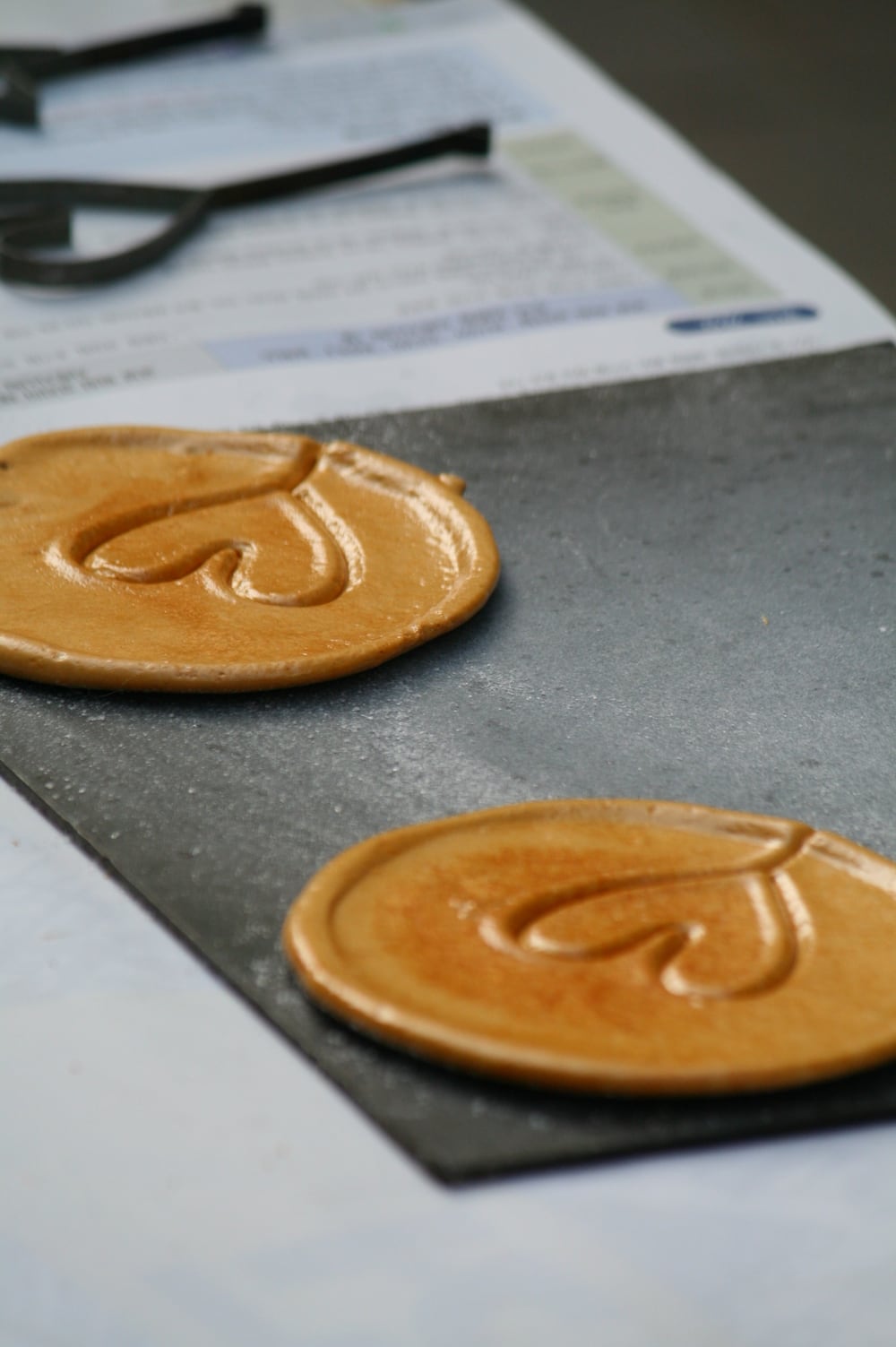
달고나 (dalgona) is melted sugar with a pinch of baking soda, pressed flat with a shape stamped in the middle — a street snack Korean kids bought outside school for decades. The old game was always there: carve out the shape without breaking it and win another candy.
Then "Squid Game" (2021) turned that game lethal, and dalgona went from nostalgia to global object overnight — street vendors in Seoul suddenly had queues of tourists, and "dalgona challenge" kits shipped worldwide.
The honest note dramas skip: it is burnt sugar. It tastes like caramelized nostalgia, which is to say — the game is the product, not the flavor. That is not a criticism; it was always the point.
Soju, the Green Bottle Truth Serum
Every emotional K-drama conversation eventually happens over the green bottle. Soju in dramas is a narrative device: it is how Korean scripts move characters from what they say to what they mean. The tiny glass, the two-handed pour for elders, turning your head away to drink in front of a senior — all real etiquette, compressed into shorthand.
The setting for the deepest confessions is the 포장마차 (pojangmacha) — the orange street tent. Also real, also shrinking in real Seoul, and worth visiting before it becomes purely a set piece; our pojangmacha guide covers how to actually order at one.
Two practical notes for viewers abroad: real Korean soju is a supermarket item in Korea at about ₩1,900, and the reason you may struggle to find the exact drama bottle abroad comes down to liquor law, not popularity — the full story is in how buying alcohol works in Korea. And drama drinking pace is fiction. Nobody outdrinks a chaebol heir and walks home in a straight line.
The drama kit, minus the heartbreak: a dalgona making kit comes with the ladle, stamps and instructions for the schoolyard version of the game, and a set of proper small soju glasses makes the pouring etiquette from the shows make physical sense — the glass is small because refilling each other is the ritual. EpicKor may earn from qualifying purchases at no extra cost to you.
What the Dramas Get Wrong
For balance, the parts that are pure fiction:
- Nobody pays. Watch closely: money almost never changes hands. Real chimaek delivery in Seoul runs ₩20,000–28,000 with fees.
- The portions are a lie. Characters order a full chicken, eat one wing, and leave for a dramatic phone call. Koreans finish the box.
- Perfect makeup survives spicy ramyeon. It does not.
- The fridge is always full of banchan. In young single-household Seoul, the fridge is more honestly described in our convenience store breakfast guide.
- The drinking has no mornings after. Korea's actual relationship with the morning after is an entire haejangguk (hangover soup) culture the dramas mostly skip.
None of this ruins the shows. It is set dressing — but knowing which half is real is exactly what makes a first trip to Korea feel like walking into the screen. And if you need the next show to eat along with, our guide to the best K-dramas of 2026 is the watchlist this menu pairs with.
FAQ
Q: What is the chicken and beer thing in K-dramas?
치맥 (chimaek) — fried chicken with beer, Korea's default comfort-and-celebration meal. The 2014 drama "My Love from the Star" made it a cross-border phenomenon when Jun Ji-hyun's character declared snowy days chimaek days, setting off a documented craze in China. It is real, enormous, and Daegu holds an annual festival for it.
Q: What does "do you want to eat ramyeon" mean in Korean dramas?
It is an invitation to stay the night — Korea's most famous romantic euphemism. It comes from the 2001 film "One Fine Spring Day," where the line was famously Lee Young-ae's ad-lib (the script said coffee). Dramas have quoted it, straight and as a joke, ever since.
Q: Why do K-drama characters always eat Subway sandwiches?
Product placement (PPL) funds Korean drama production, and Subway has been the most aggressive food brand in Korean PPL for a decade — Korean media counts it across nearly every major drama since 2016. The exposure was strong enough that it revived Subway's business in Indonesia 21 years after the chain had failed there.
Q: What is the honeycomb candy from Squid Game called?
달고나 (dalgona) — melted sugar and baking soda pressed with a shape, an old Korean schoolyard street snack. The carve-the-shape game existed long before Squid Game made it lethal; kits for the harmless version are sold worldwide.
Q: Why do Koreans eat ramyeon from the pot?
The gold aluminum 양은냄비 boils fast, cools fast, and doubles as the bowl — the lid is the plate. It suits a food whose identity is speed and zero ceremony, which is also why directors use it as visual shorthand for honesty and intimacy.
Q: Is the food in K-dramas real Korean daily food?
Mostly yes — convenience store meals, chimaek, ramyeon, soju rounds and pojangmacha tents are all documentary. The fiction is in the details: the untouched portions, the absent bills, and the consequence-free drinking.
Sources Checked
- Korean coverage of the 2014 "My Love from the Star" chimaek effect, including the China craze that persisted through an avian-influenza period — Economic Review and contemporaneous Korean reporting
- Korean film records for "One Fine Spring Day" (2001): the ramyeon line, its coffee-script origin as Lee Young-ae's ad-lib, and the follow-up line — KMDb story, Kyeongin Ilbo
- Korean reporting on Subway's K-drama PPL strategy across major dramas and the Indonesian market revival 21 years after exit — Hankook Ilbo, Korea Daily
- Daegu Metropolitan City's Chimac Festival materials (photo used under KOGL Type 1)
- Amazon US listings for Shin Ramyun and Korean ramyeon pots, checked August 2026
You Might Also Like
What They Actually Eat in K-Dramas: Make It at Home
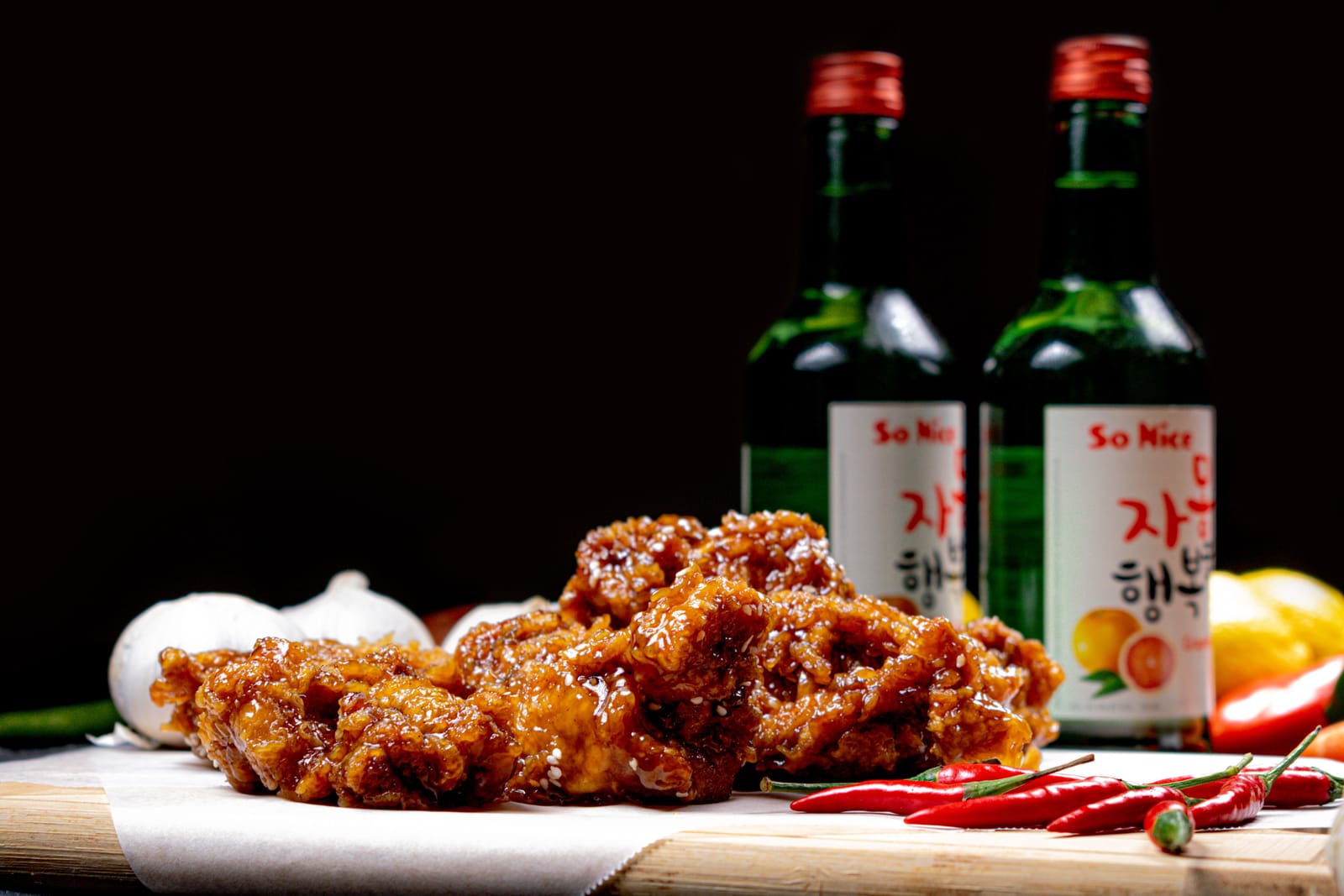
The food you keep seeing in K-dramas, explained: what each dish actually is, why it appears in that scene, and how to make a decent version at home.
Korean Fried Chicken Brands Compared 2026: BHC vs BBQ vs Kyochon
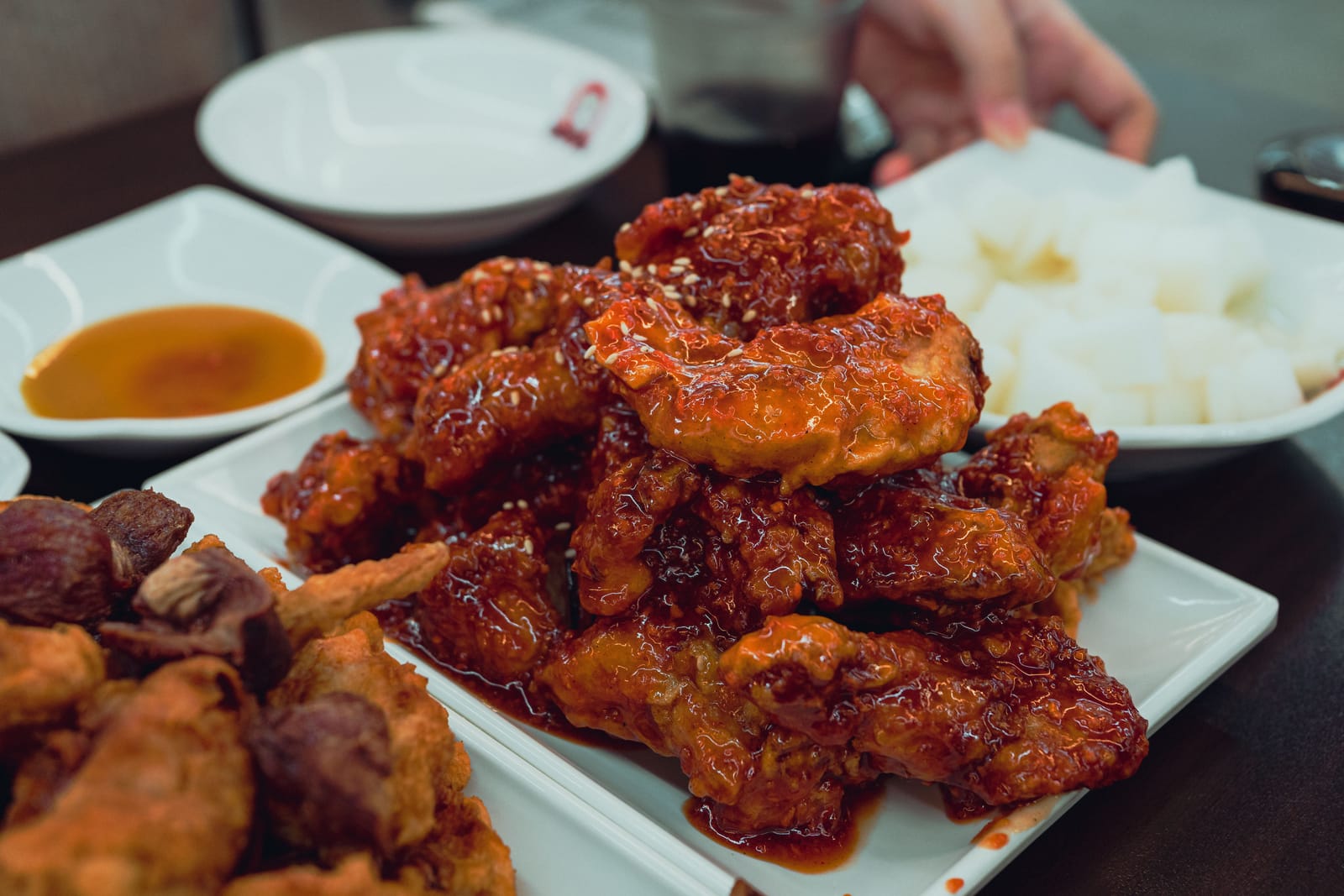
Korean fried chicken brands compared: BHC's Bburinkle, BBQ's olive oil chicken, and Kyochon's soy-garlic style, plus how to order like a local.

Is Korean Beer Really Bad? The North Korean Insult, Cass vs Terra vs Kelly, and the Craft Cans Worth Buying
In 2012 The Economist said North Korea's beer beat the South's, and Korea took it personally. Why Cass tastes the way it does, whether Terra and Kelly fixed it, what killed the 4-cans-for-₩10,000 craft boom, and which convenience-store cans are worth ₩4,500.