Korean Fried Chicken Brands Compared: BHC vs BBQ vs Kyochon Prices
Most foreigners get Korean fried chicken brands wrong in one of two ways. They assume it is all one thing, or they assume the price on the app is the price. Walk down almost any street in Seoul and you will pass BBQ, BHC (bhc치킨) and Kyochon (교촌치킨) within a few blocks, each with a loyal following. They also no longer have one price each: since 2025, the same Kyochon box can cost ₩2,000 more on a delivery app than at the counter.
This guide compares Korea's big three: what each one actually tastes like, what the signature box costs in October 2026, and how to avoid paying the delivery-app markup. There is also a short note on Goobne (굽네치킨), the oven-roasted outsider. If you are new to the category, EpicKor's chimaek and ordering basics guide covers the crunch styles and table etiquette this comparison builds on.
Last updated: 9 October 2026. Kyochon prices were read from Kyochon's own Korean menu page on 9 October 2026. BBQ and BHC prices are each company's recommended prices from their last national price changes, as reported in the Korean press. Store counts are from the franchise disclosures filed with Korea's Fair Trade Commission. Sources are listed at the end.
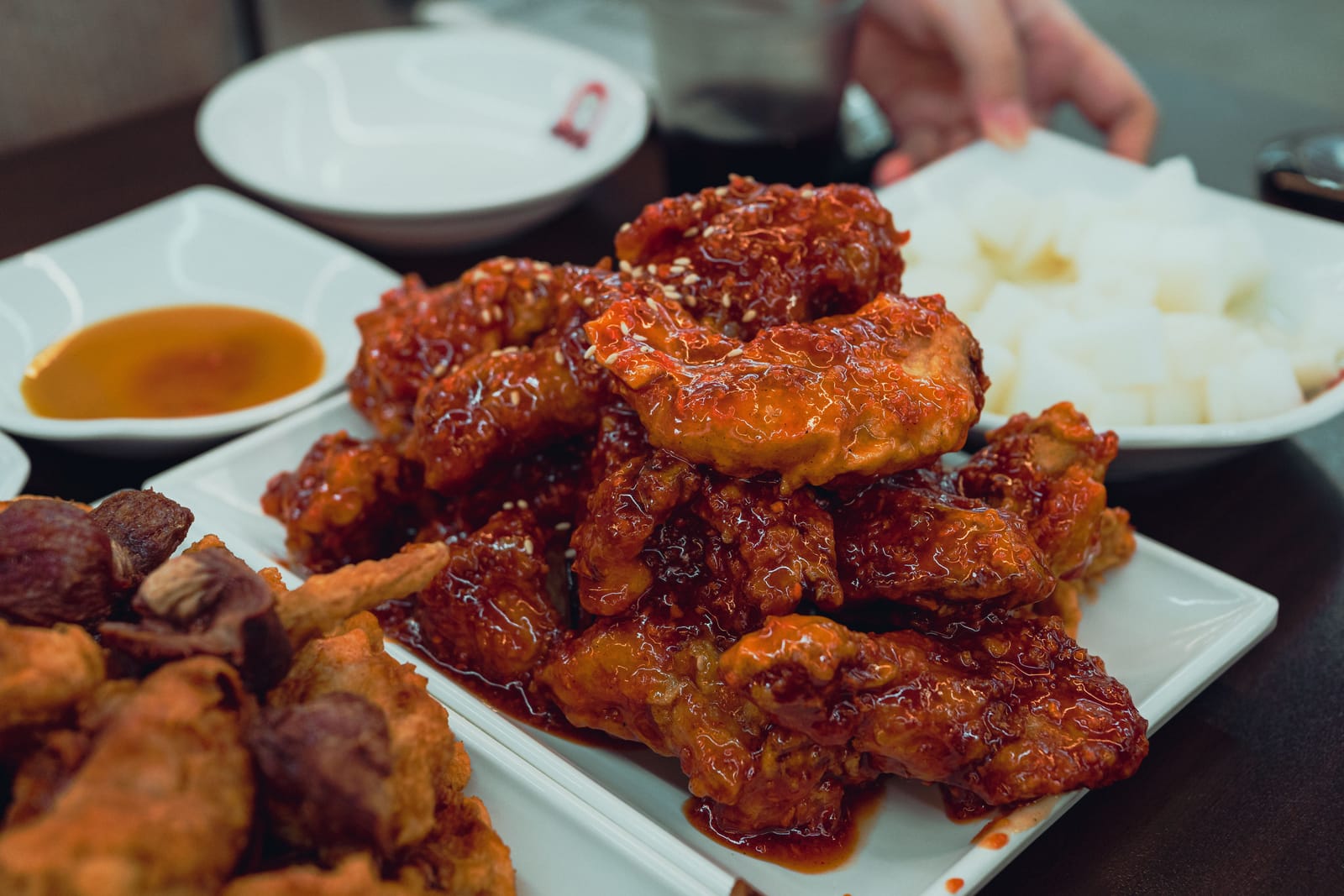
Funtable Korean sauce duo — a soy-garlic glaze and a sweet-spicy glaze, the two styles this comparison turns onAffiliate link. As an Amazon Associate, EpicKor earns from qualifying purchases at no extra cost to you.
Quick Guide: The Big Three and What They Cost
| Brand | Signature order | Price as of October 2026 | Flavour identity | Stores in Korea (end of 2024) |
|---|---|---|---|---|
| BBQ (비비큐) | Golden Olive Chicken, fried (황금올리브치킨 후라이드) | ₩23,000 recommended price | Plain, crisp fried chicken; olive-oil blend frying | 2,316 |
| BHC (bhc치킨) | Bburinkle (뿌링클) | ₩21,000 recommended price; delivery prices set by each store | Sweet-savoury cheese and onion-garlic powder | 2,228 |
| Kyochon (교촌치킨) | Honey Combo (허니콤보) | ₩23,000 in store and in the Kyochon app; ₩25,000 on Baemin and Coupang Eats at most Seoul stores | Thin, crackly skin brushed with soy-garlic or honey glaze | 1,361 |
| Kyochon (교촌치킨) | Soy whole chicken (간장한마리, formerly 교촌오리지날) | ₩19,000 in store | The original soy-garlic style, on a whole bird | — |
Three things in that table matter more than the headline number.
First, these are recommended prices, not fixed ones. Korean franchise headquarters publish a "recommended consumer price" (권장소비자가격), and stores can charge more. Kyochon's own menu page says it directly: "prices may differ from store to store" (매장마다 판매 가격이 상이 할 수 있습니다).
Second, the delivery app is usually the most expensive place to buy. This is "dual pricing" (이중가격제), and it is now normal across all three chains. More on how to avoid it below.
Third, no one has raised the headline price in more than two years. Kyochon last changed its national prices in April 2023, BHC in December 2023, and BBQ in mid-2024. Meanwhile live broiler prices dropped 37.7% between March and September 2026, from ₩5,308 to ₩3,308 a kilogram. On 6 October 2026, Korea's Fair Trade Commission began on-site investigations at all three companies. It is looking at how they set prices, and whether they coordinated with one another. The signature boxes have stayed at about ₩23,000. If prices move in either direction this winter, that investigation is the reason. Check the app before you assume this table still holds.
Mild gochujang (고추장) — the chili paste behind a red yangnyeom glaze If the comparison has you wanting to taste the red side of a half-half box before your trip, this is the base ingredient of the sauce. It's the cheapest way to learn whether you like the sweet-hot style before you order ₩23,000 of it. As an Amazon Associate, EpicKor earns from qualifying purchases at no extra cost to you.
See this gochujang on AmazonBBQ: Golden Olive, and the Olive Oil Footnote
BBQ is short for "Best of the Best Quality". It is the Genesis BBQ group and has nothing to do with American barbecue. The company started in 1995. Its signature product came ten years later: Golden Olive Chicken (황금올리브치킨) launched on 16 May 2005. According to the company, the idea came from chairman Yoon Hong-geun's 2002 trip to Spain. Development took more than three years and around 20,000 taste testers. BBQ said in 2025 that it had sold more than 500 million birds since launch, and that Golden Olive makes up about half of its menu sales.
The order to get is the plain fried version (후라이드). It is the most honest baseline of the three brands: thin, crackling batter and clean chicken flavour, with no sauce to hide behind. If you don't yet know what style you like, start here. Everything else on this list is a variation on this foundation.
The honest footnote: BBQ's English-language marketing still leans on "olive oil", and older guides say BBQ fries in 100% olive oil. That stopped being true on 4 October 2023. Spanish extra-virgin olive oil prices roughly tripled after the droughts, and BBQ switched every store to a "BBQ blended olive oil" (BBQ 블렌딩 올리브오일). The blend is 50% extra-virgin olive oil and 50% sunflower oil. It was the recipe's first change in 18 years. We found no announcement that BBQ has gone back to pure olive oil. The chicken is still light and crisp, but don't pick BBQ for a health claim the oil no longer fully supports.
Price: ₩23,000 for Golden Olive fried, BBQ's recommended price since its mid-2024 increase from ₩20,000. Discount habit: BBQ regularly runs app-only and website-only coupons rather than cutting the menu price. In autumn 2025, for example, its "669 Day" promotion took ₩4,000 off Golden Olive on the BBQ app and website on dates containing a 6 or a 9. If you can order through BBQ's own app, check it first.
Kyochon: The Soy-Garlic Purist (and the Shrinkflation Row)
Kyochon was founded in 1991 in Gumi (구미), in North Gyeongsang Province. That is why some overseas branches call themselves "Kyochon 1991". Its style is precision rather than boldness. The glaze is soy-garlic (간장) or honey (허니), brushed by hand onto an unusually thin, crackly batter that feels closer to a shell than a crust. Nothing on the core menu is aggressively hot. That is why Kyochon is the safest first order for visitors who are unsure how spicy Korean food runs.
Menu names changed in May 2025. On 29 May 2025, Kyochon renamed its menu so that delivery-app customers could tell what they were ordering. "Original" (오리지날) became "whole chicken" (한마리), and the "Kyochon series" became the "soy series" (간장시리즈). If an older guide tells you to order "Kyochon Original", look for 간장한마리 (soy whole chicken) instead. "Honey Original" is now 허니한마리.
Here are the real-world numbers from Kyochon's own menu page, read on 9 October 2026:
- Honey Combo (허니콤보): ₩23,000. Wings and drumsticks only, 880 g before cooking.
- Soy Combo (간장콤보): ₩22,000. Red Combo (레드콤보) and Half-half Combo (반반콤보), soy plus red: ₩23,000 each.
- Soy or honey whole chicken (간장한마리 / 허니한마리): ₩19,000. A size-10 bird, 951–1,050 g.
- Fried whole chicken (후라이드한마리): ₩21,000.
The combos cost more than the whole bird because they contain only the most popular cuts, wings and legs. If your group doesn't care about cuts, the whole chicken is ₩4,000 cheaper and heavier.
The counter-information: from 11 September 2025, Kyochon cut the pre-cooking weight of its boneless (순살) menus from 700 g (600 g for the red-and-honey half-half) to 500 g and mixed breast meat into what had been all leg meat (다리살), without changing the price. The backlash came from customers and from lawmakers, who called it textbook shrinkflation at a National Assembly audit on 14 October 2025. On 23 October 2025, Kyochon said it would restore the original weights and cuts on four boneless menus from 20 November 2025. If you are comparing boneless boxes, read the gram figure on the menu, not just the price.
BHC: Bburinkle and the Store-by-Store Price
BHC is the brand most likely to surprise a first-time visitor, because of one product. Bburinkle (뿌링클) launched in November 2014. According to BHC, the seasoning is a powder of blue cheese, cheddar, onion and garlic, shaken over the fried chicken, and it comes with a white dipping sauce of cheese, yoghurt and cream. It doesn't map onto any Western fried-chicken flavour. It isn't ranch-wing cheesy, and it isn't purely sweet; it eats more like a snack seasoning on a full chicken. It passed 100 million cumulative sales in January 2024.
BHC's corporate story is less folkloric than Kyochon's. It belonged to the Genesis BBQ group until 2013, when it was sold to a private-equity fund (CVCI) and began running independently. It is now the biggest of the three by revenue. In 2025 it reported ₩614.7 billion in sales (separate basis), ahead of BBQ at ₩527.8 billion and Kyochon at ₩517.4 billion. Much of that recent growth came from newer menus such as Kwasak King (콰삭킹), not Bburinkle.
Price: Bburinkle's recommended price has been ₩21,000 since 29 December 2023, when it rose from ₩18,000. Plain fried rose from ₩17,000 to ₩20,000 at the same time. Then the rules changed. From 4 June 2025, BHC let each store owner set their own delivery prices. Within days, about 30% of Seoul-area stores had raised them, mostly by ₩2,000 and some by ₩3,000. So the same Bburinkle can cost ₩21,000 at one BHC and ₩23,000 or more on the app from the store two stations away. There is no single BHC price any more. Compare two or three nearby stores in the app before you order.
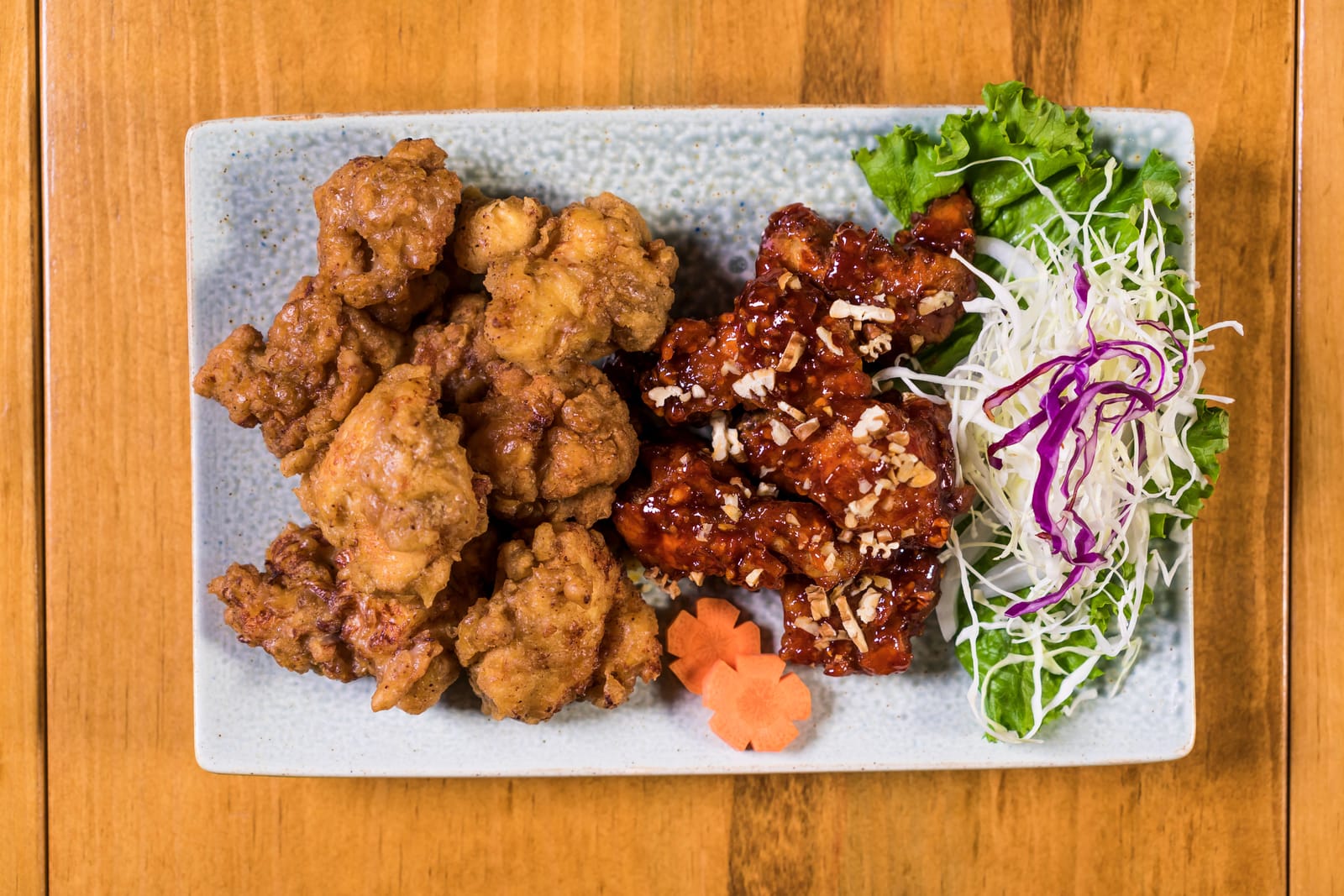
Store Counts: Which One You Will Actually Find
The most recent franchise disclosures, for the end of 2024, give these store counts. BBQ had 2,316 stores (up about 3%), BHC 2,228 (down from 2,276), and Kyochon 1,361 (down from 1,377). These are the disclosures franchisors file with the Fair Trade Commission's franchise information system. In practice, you will find a BBQ or a BHC within walking distance almost anywhere in Seoul. Kyochon has fewer stores, but each one is busier. In the franchise data reported in February 2025, Kyochon's average annual sales per store were about ₩694 million, against roughly ₩547 million at BHC and ₩497 million at BBQ.
That matters for one practical reason. Delivery apps only show stores that deliver to your address. In a quieter neighbourhood, Kyochon may simply not appear, while two BBQs and a BHC do.
Beyond the Big Three: Where Goobne Fits In
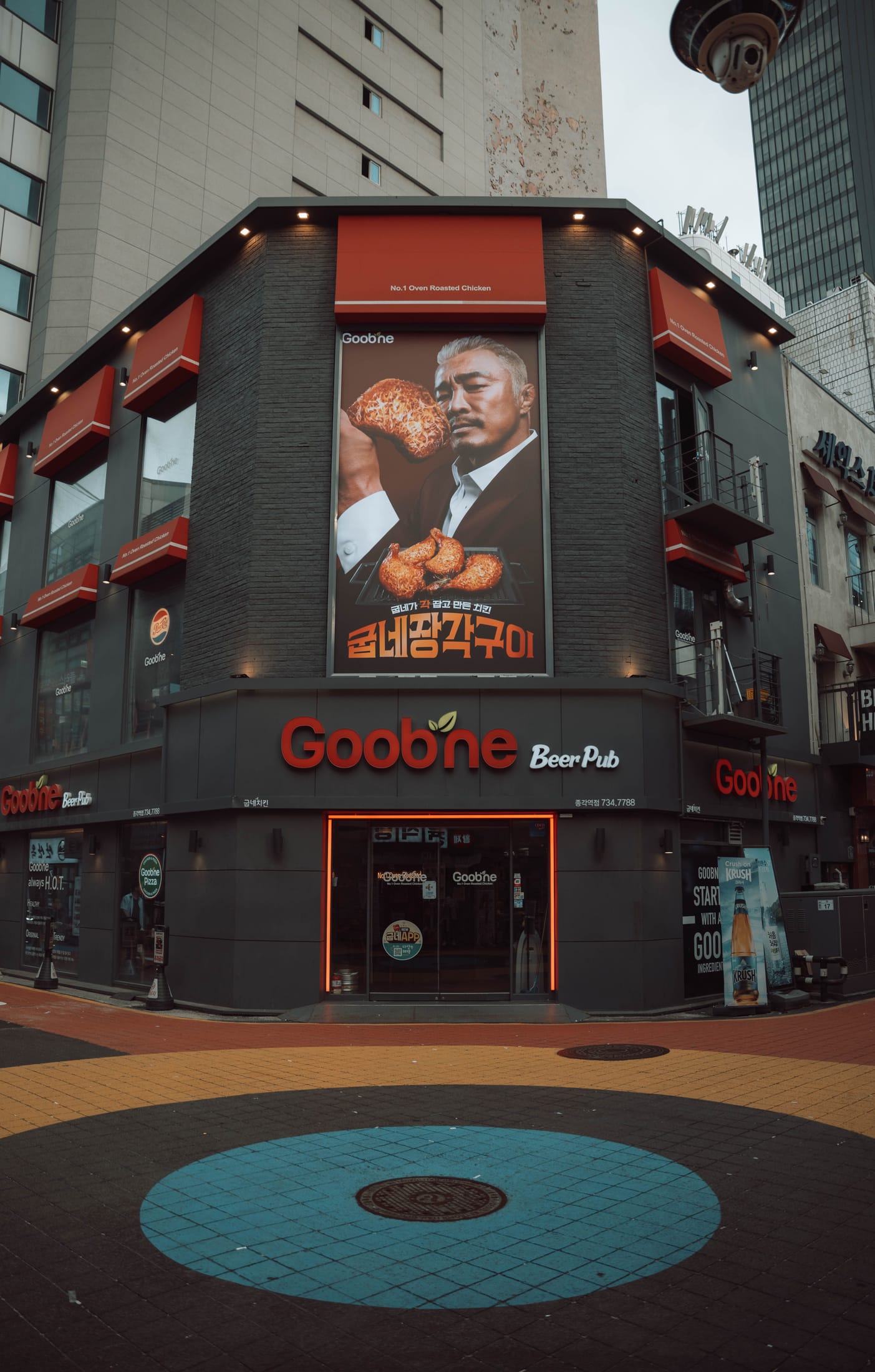
Spend a few days in Korea and you will also run into Goobne (굽네치킨), whose storefronts advertise "No.1 Oven Roasted Chicken". Goobne roasts instead of deep-frying, which makes it the pick for travellers who want Korean chicken without the fryer. It isn't counted among the big three, but it is common enough that you should know it exists.
Delivery App vs Counter: How Not to Pay the Markup
This is the part most English-language guides miss. Delivery apps such as Baemin (배달의민족) and Coupang Eats (쿠팡이츠) charge restaurants a commission. Under the Baemin fee structure that took effect on 26 February 2025, the commission runs from 2.0% to 7.8% depending on the store's sales, on top of a delivery charge that the store also pays. Chicken stores responded by charging more on the apps than at the counter. Kyochon's head office has asked owners to keep this from confusing customers, but it has not stopped them.
What that means for you:
- Pick-up or eat-in is the cheapest way to buy. At Kyochon, the counter price and the Kyochon app price stayed at ₩23,000 for a Honey Combo when Baemin went to ₩25,000.
- The brand's own app is next. BBQ and Kyochon both steer customers to their own apps, and BBQ puts its discount coupons there rather than on Baemin.
- The delivery app is the most convenient and usually the most expensive. On top of the higher menu price, many stores add a customer delivery tip and a minimum order. A ₩23,000 box can cost several thousand won more by the time it reaches your door.
The honest counter-advice: if convenience is worth ₩3,000–5,000 to you after a long day, order through the app. Korean chicken delivery is fast and reliable, and eating it in your room is how most Koreans actually eat it. Just don't use the app price to compare brands, because it says more about the individual store than about the brand. EpicKor's guide to Korean delivery apps and Baemin culture explains how the apps work.
When the neighbourhood shop wins: the big three aren't automatically the best chicken on your street. Independent neighbourhood chicken shops (동네 치킨집) and old-style market whole chickens (통닭) often cost less than a big-brand combo and are fried to order in front of you. If a local shop has a queue of Koreans at 7 p.m., that is a better signal than a famous logo.
The Little Book of Korean Fried Chicken — a short Kindle cookbook on the category If you're chasing the crunch and Seoul is a flight away, the double-fry technique behind the thin, crackly crust is the part worth learning before you try the glazes at home. As an Amazon Associate, EpicKor earns from qualifying purchases at no extra cost to you.
See the cookbook on AmazonHow to Order Like a Local
A few habits separate a tourist order from a local one.
- 반반 (ban-ban, "half-half") is not a special request. It's a standard menu line at nearly every chain, usually plain fried on one side and a sauced style on the other. It's the easiest way to try two styles without committing to a full box of either.
- Chimaek (치맥), chicken plus maekju (beer), is the default pairing rather than a suggestion. If you want to know what the Korean lagers on the table actually taste like, see our Korean beer guide.
- Chicken-mu (치킨무), the white pickled radish cubes, comes free with most orders. Eat it between bites, not just at the end; it is there to cut the grease.
- Size it right. One whole chicken (한마리, han-mari) or one combo feeds two people comfortably, or three with sides. It is not a solo meal. Under-ordering for a group is the classic first-timer mistake.
- Take it outside. Ordering chicken to a Han River park is a Seoul summer ritual; our Hangang night picnic guide explains how it works.
Frequently Asked Questions
Q: How much does Korean fried chicken cost in Korea in 2026? A signature box from BBQ, BHC or Kyochon costs about ₩21,000–23,000 at the recommended price as of October 2026. Kyochon's whole soy chicken is ₩19,000. Delivery-app prices are often ₩2,000–3,000 higher, before any delivery tip.
Q: Why is Kyochon more expensive on Baemin than in the store? Since 19 September 2025, more than 90% of Kyochon's Seoul stores have charged ₩2,000 more on Baemin and Coupang Eats for four combos, including the Honey Combo (₩23,000 to ₩25,000), to cover app commissions. The in-store and Kyochon-app prices did not change.
Q: Is BBQ chicken still fried in 100% olive oil? No. Since 4 October 2023, BBQ has used a blended oil of 50% extra-virgin olive oil and 50% sunflower oil, after Spanish olive oil prices surged. We found no announcement of a return to pure olive oil.
Q: What is Bburinkle chicken? Bburinkle (뿌링클) is BHC's signature menu, launched in November 2014. It is fried chicken shaken in a powder of blue cheese, cheddar, onion and garlic, served with a creamy white dipping sauce. It has sold more than 100 million boxes.
Q: What happened to Kyochon Original? Kyochon renamed it in May 2025. It is now listed as 간장한마리 (soy whole chicken), and Honey Original is 허니한마리.
The Bottom Line
There is no single best Korean fried chicken brand. BBQ is the classic crisp fry, Kyochon the refined soy-garlic glaze with a ₩19,000 whole bird most visitors overlook, and BHC the genre-bending Bburinkle at a price that now depends on the store. At the counter they all cost about the same. The real price gap is between the counter and the delivery app. Order a ban-ban box, add a beer, and you will see why chimaek is close to a national pastime.
Sources
- Kyochon official chicken menu (교촌치킨 메뉴), prices and weights read 9 October 2026
- Edaily (이데일리), 6 October 2026: the Fair Trade Commission's on-site investigation of bhc, BBQ and Kyochon; broiler prices; dates of the last price changes
- SBS Biz, 29 September 2025: Kyochon's delivery-app price rise in Seoul and the boneless weight cut
- Etoday (이투데이), 23 October 2025: Kyochon restores boneless weights from 20 November
- The Fact (더팩트), October 2025: the shrinkflation criticism at the 14 October National Assembly audit and the restored weights
- Smart Today (스마트투데이): Kyochon menu renaming, May 2025
- BizWatch (비즈워치), May 2024: BBQ raises Golden Olive to ₩23,000
- Smart Today (스마트투데이), 2023: BBQ switches to a blended olive oil
- Money Today (머니투데이), June 2025: Golden Olive's 2005 launch and 500 million birds sold
- Metro Seoul (메트로신문), October 2025: BBQ's app-only "669 Day" discount
- Dealsite (딜사이트), December 2023: bhc raises Bburinkle to ₩21,000
- SBS Biz, 5 June 2025: bhc stores set their own delivery prices
- Newsis (뉴시스), October 2024: Bburinkle at ten years, the seasoning and 100 million sold
- Smart Today (스마트투데이), October 2025: 2024 store counts for BBQ, bhc and Kyochon
- Smart Today (스마트투데이), February 2025: average sales per store, from the Fair Trade Commission's franchise data
- Aju Business Daily (아주경제), April 2026: 2025 revenue for bhc, BBQ and Kyochon
- Financial News (파이낸셜뉴스), January 2025: Baemin's 2.0–7.8% tiered commission
You Might Also Like
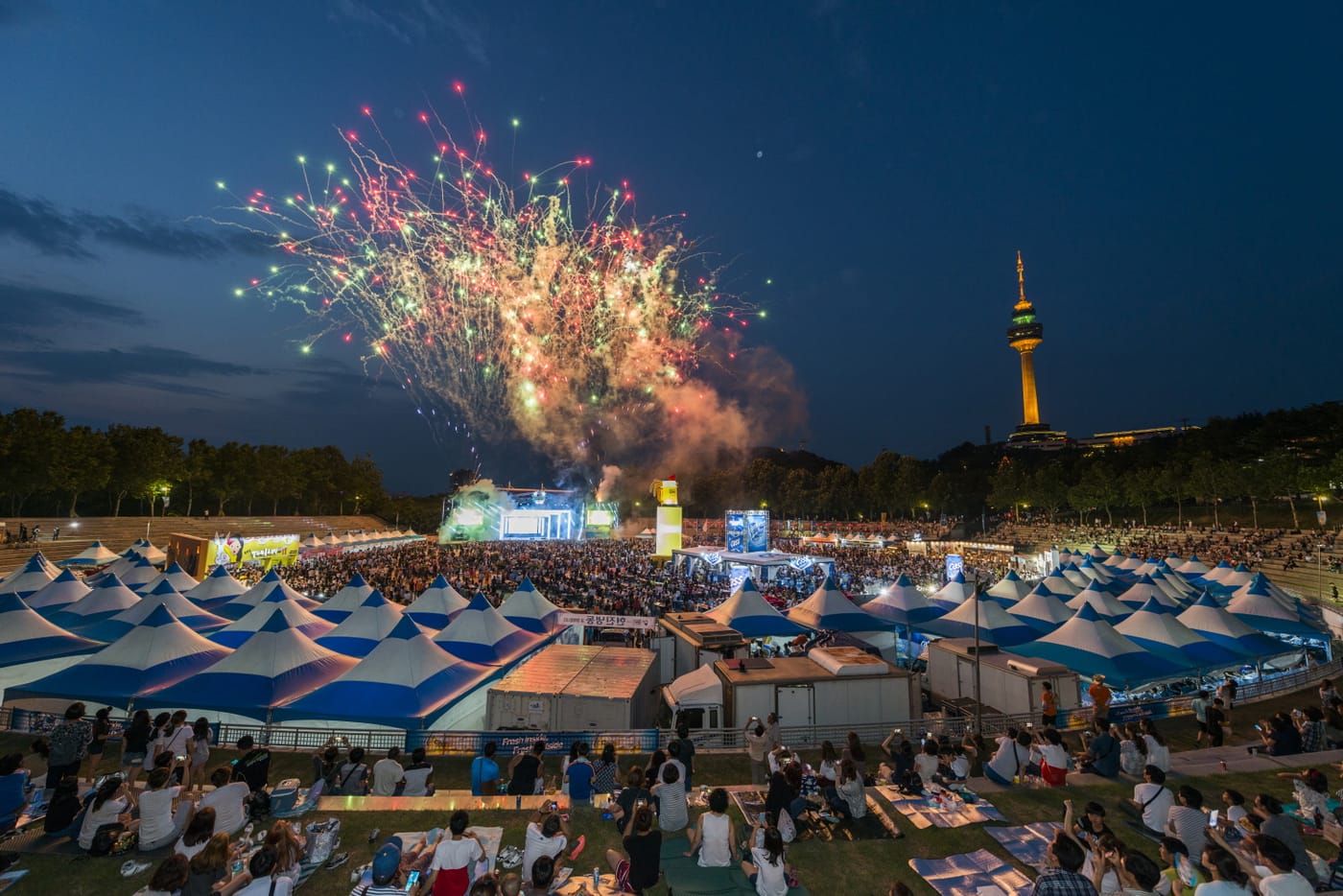
K-Drama Foods Explained: Chimaek, the Ramyeon Line, and That Sandwich
Every K-drama serves the same meals: chicken and beer on a bad day, ramyeon as an invitation, a Subway sandwich nobody ordered. What each food actually is, the scenes that made them famous, and which ones you can buy tonight.
Korean Spice Levels Explained: How Hot Is Korean Food Really?
Korean spice levels explained with real Scoville numbers: gochugaru, gochujang, kimchi, and buldak ramen compared to jalapeño and ghost pepper.
What They Actually Eat in K-Dramas: Make It at Home
The food you keep seeing in K-dramas, explained: what each dish actually is, why it appears in that scene, and how to make a decent version at home.