Why Your Phone Screams in Korea: Emergency Alerts, Air-Raid Sirens, and Telling Them Apart
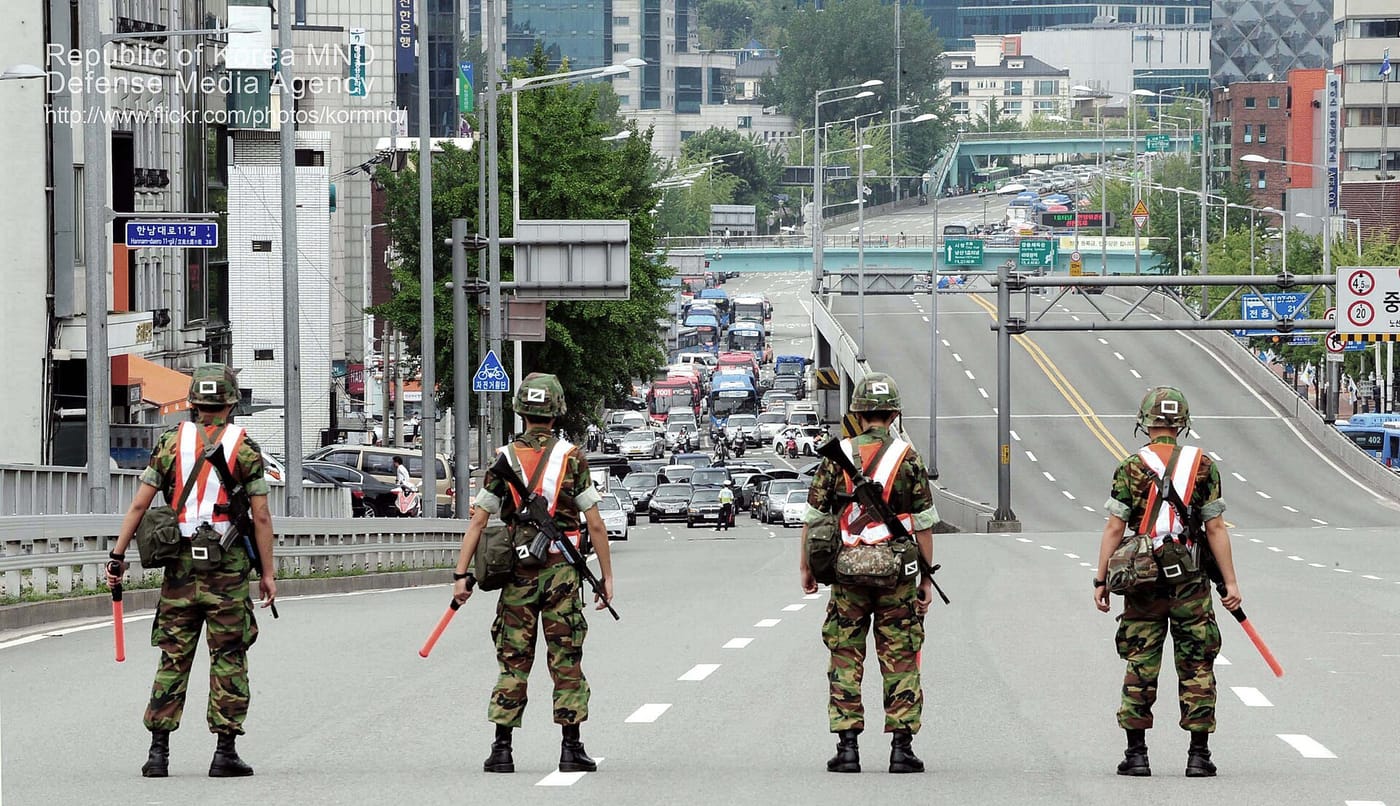
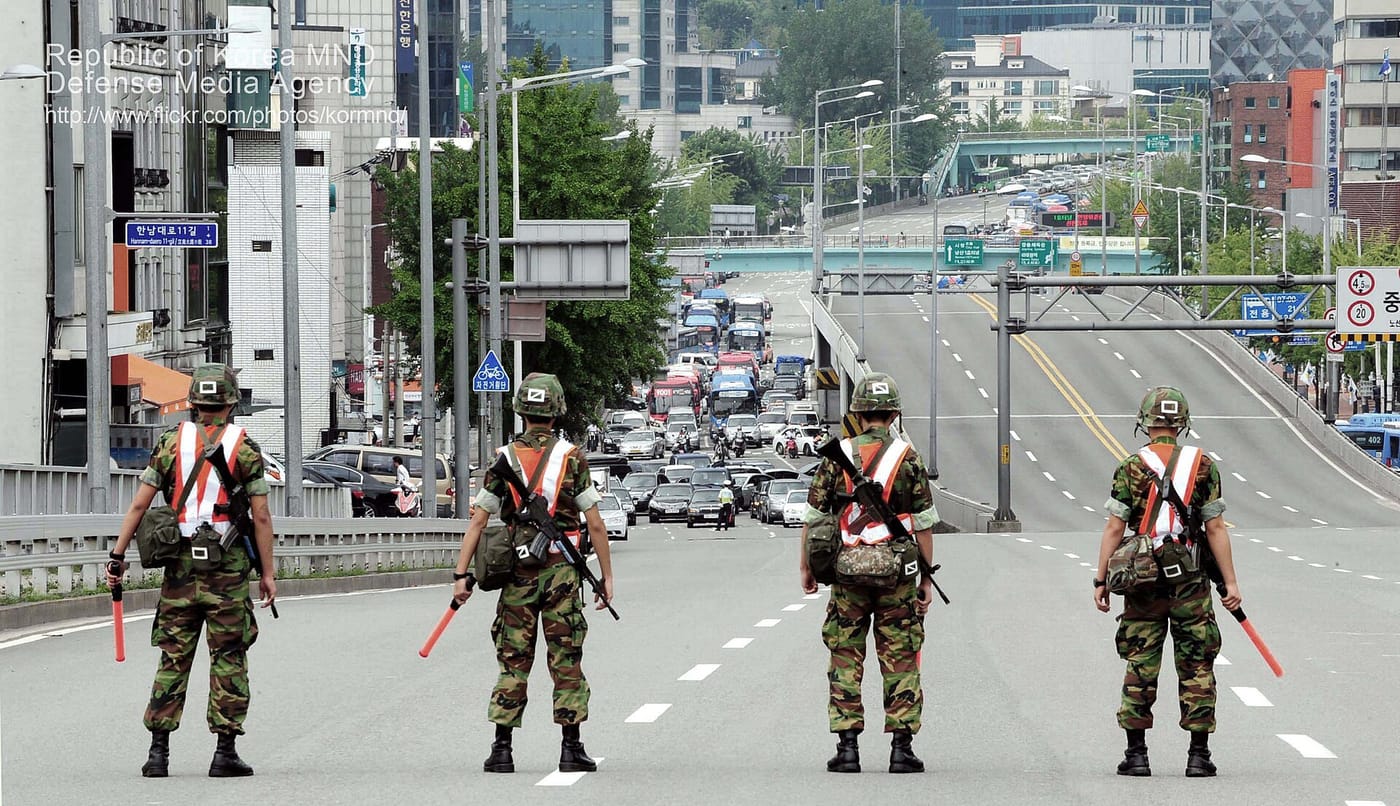
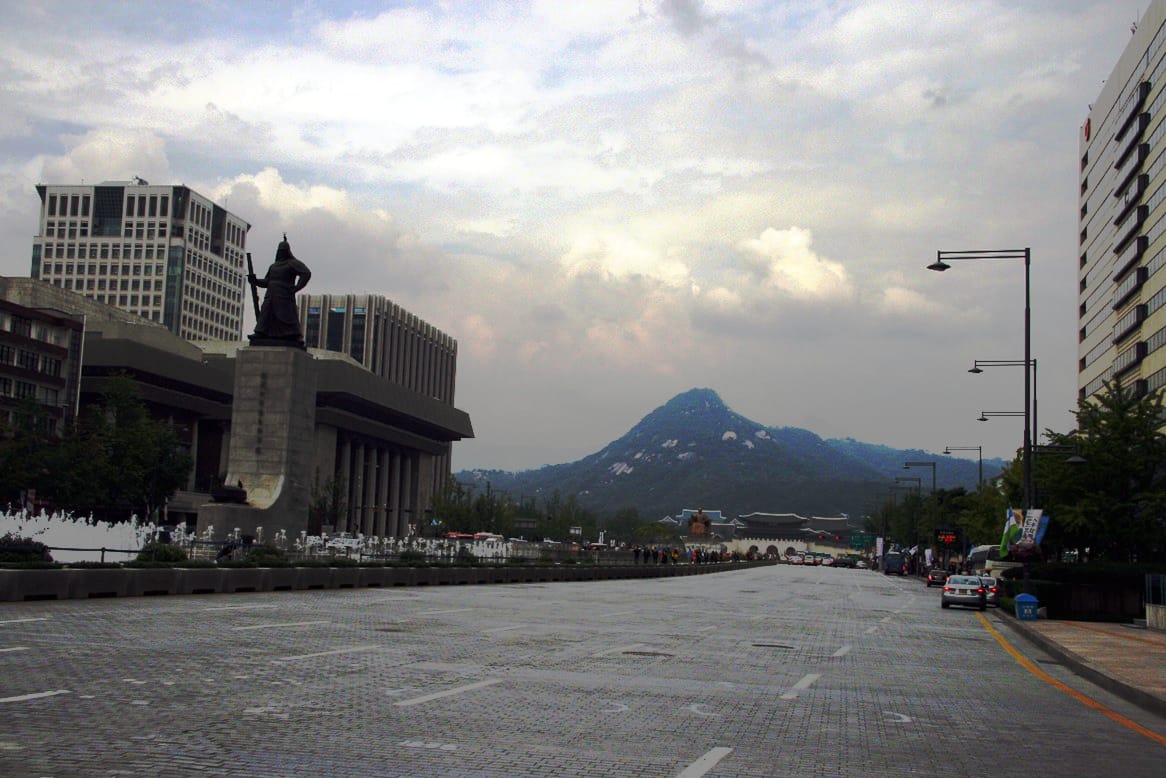
At two o'clock on Thursday 20 August 2026, if you are standing on Sejong-daero in central Seoul, three things will happen at once. Loudspeakers mounted around the city will start a rising-and-falling siren. Your phone will make a noise you cannot silence. And the traffic on the road in front of Gwanghwamun will stop.
None of it means what a visitor's stomach will tell them it means.
But here is the part that actually causes the confusion, and almost nothing written in English separates it properly: Korea has two completely different alarm systems, and they only overlap a few times a year. One lives on the street. One lives in your pocket. On 20 August they fire together, which is exactly why people who have been in Korea for a week cannot tell them apart.
Your phone is the alert system — a dead phone is a missing alert. Anker 10,000mAh power bank, on AmazonAffiliate link. As an Amazon Associate, EpicKor earns from qualifying purchases at no extra cost to you.
The Short Answer
| Street siren (민방위 경보) | Phone alert (재난문자) | |
|---|---|---|
| Where it comes from | Loudspeakers on buildings and poles | Your phone, over cell broadcast |
| How often | A handful of times a year, scheduled | Almost daily |
| What it usually means | A drill | A heat advisory, fine dust, a missing person |
| Physical effect | Roads controlled, pedestrians directed underground | None. It is a text |
| Can you turn it off | Not applicable — it is outdoors | Top tier no. Lower two yes |
| On 20 Aug 2026 | 2:00pm, one minute of rising-falling tone | An unblockable alert fires at the same moment |
If your phone screams and the street is completely normal, it is a phone alert and almost certainly a weather warning. That is the 95% case, and it is not about North Korea.
Two systems, and only one of them is a siren
This distinction is the whole article, so it is worth being exact.
민방위 경보 — the street
The civil defence alarm is a physical, outdoor system: sirens on poles and rooftops, run under Korea's civil defence law. It has defined categories, and each has its own sound:
- 경계경보 (alert warning) — an attack is anticipated
- 공습경보 (air raid warning) — an attack is imminent or under way. One minute of a rising-and-falling tone, roughly five seconds up and three seconds down, repeating
- 화생방경보 — chemical, biological or radiological
- 핵경보 — nuclear
- 경보해제 (all clear) — one minute of a flat, steady tone
The two you would actually hear are the first and the last, and the difference between them is the most useful thing on this page: wavering means alert, steady means it is over.
재난문자 — the phone
The emergency alert text is a broadcast to every handset in a cell area, sent by the Ministry of the Interior and Safety and by local governments. It has three tiers, and they behave differently:
| Tier | Korean | Volume | Can you block it? | Sent for |
|---|---|---|---|---|
| 1 | 위급재난문자 | 60 dB or louder | No | Air raid / alert / CBR warnings and all-clears, earthquakes of magnitude 6.0 or above |
| 2 | 긴급재난문자 | 40 dB or louder | Yes | Terrorism, expected radiological release, serious local emergencies |
| 3 | 안전안내문자 | Normal | Yes | Heat, cold, fine dust, flooding, missing persons — not immediately life-threatening |
The overlap between the two systems is exactly one row of that table. A tier-1 알림 is triggered by a civil defence warning, which is why on 20 August your phone and the street speakers go off together. Every other day of the year, the thing waking you up is tier 3, and it has nothing to do with sirens at all.
You might like: Where to Buy Luggage in Seoul: Namdaemun, Real Prices, and When Not to Bother
You might like: Gwangjang Market's Second Floor: Seoul's Vintage Arcade, and the One Day It's Shut
Anker 10,000mAh power bank — your phone is the alert system, so a dead phone is a missing alert. Korean cities are dense and walkable, which means long days out and no charger; a compact bank matters more here than a spare cable. As an Amazon Associate, EpicKor earns from qualifying purchases at no extra cost to you.
See the Anker power bank on AmazonWhat 20 August actually looks like on the street
The nationwide drill runs 2:00pm to 2:20pm, twenty minutes, as part of 을지연습 (Ulchi exercise), which runs 18 to 21 August 2026 — the 58th time it has been held. Separately, the Korea-US Ulchi Freedom Shield exercise runs 17 to 27 August with about 21,000 troops, roughly 18,000 of them Korean. Those are different things sharing a name and a month; the one that touches you as a visitor is the twenty minutes.
Here is the sequence:
- 2:00pm — the air raid warning sounds. One minute of the rising-falling tone from the street speakers, with a voice announcement.
- 2:00-2:05pm — vehicle control on one section of Sejong-daero in Jung-gu. Cars already on that stretch pull to the right and stop, drivers listen to the radio.
- Through the drill — civil defence marshals, often wearing yellow sashes, direct pedestrians toward the nearest shelter: subway stations, underground shopping areas, basement car parks.
- Around 2:20pm — the all-clear, one minute of steady tone.
What you should actually do: nothing dramatic. Pedestrians are not legally required to enter a shelter, but cooperating with marshals is expected and takes no effort. If you are in a taxi, expect it to stop and the meter to keep running — that is normal and not a scam. If you are indoors, you may not notice at all.
What you should not do: film the soldiers and post it captioned as a real emergency. It is a scheduled drill announced weeks in advance by the Seoul city government and the Prime Minister's Office.
The three tiers, and the one you must not turn off
By day three in Korea most visitors want to switch these off. Some of them you can.
안전안내문자 (tier 3) is the one that goes off constantly. In August it is heat: "폭염경보", stay hydrated, avoid outdoor work between 2pm and 5pm. In spring it is fine dust. Year round it is missing elderly people, road closures, flooding in a district you are not in. This tier is blockable and blocking it is a reasonable choice for a short trip.
긴급재난문자 (tier 2) is rarer and more serious. Blockable, but you probably should not.
위급재난문자 (tier 1) is 60 decibels or louder and cannot be blocked by design. There is no setting for it, on any handset, because it is reserved for national emergencies and major earthquakes. If someone tells you they turned off all Korean alerts, they turned off tiers 2 and 3.
On Android the setting sits under Settings → Safety and emergency → Wireless emergency alerts. On iPhone it is Settings → Notifications, at the very bottom under Government Alerts. In both cases the top tier will either be greyed out or simply absent.
One thing worth knowing before you switch anything off: the alerts are one of the few pieces of Korean public infrastructure that will reach a tourist directly, and Korea gets genuine typhoons in late summer. Turning off tier 3 in August trades a lot of noise for a small amount of risk. That is a real trade, not a free one.
How to get them in English
The alerts themselves arrive in Korean. The fix is the government's own app, and it is genuinely good.
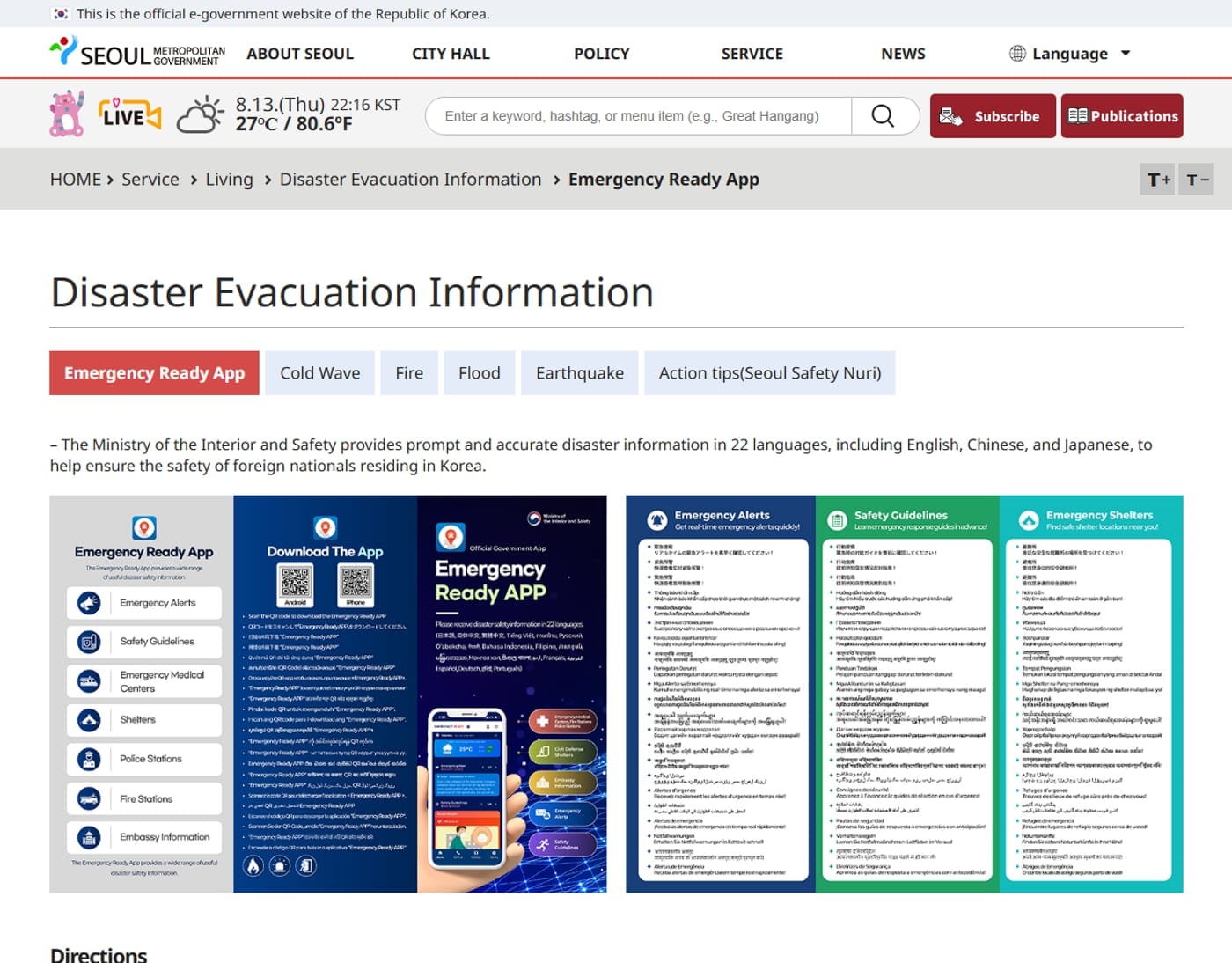
Emergency Ready App is the foreigner-facing counterpart to Korea's domestic 안전디딤돌 app. It carries alerts and guidance in 22 languages including English, Chinese, Japanese, Vietnamese and Thai, and it does more than translate:
- Civil defence shelters near you — the same shelters the marshals point at on 20 August
- Emergency medical centres, police stations, fire stations
- Embassy contact information, which is genuinely hard to find in a hurry
- Step-by-step guidance per disaster type
Install it before you need it. Searching an app store during an actual emergency, on a foreign network, is not a plan.
Why Koreans do not flinch
Here is the thing visitors notice and misread. At 2pm on a drill day, Korean pedestrians keep walking. Office workers glance up and carry on. Nobody looks frightened.
That is not bravado, and it is not denial. It is that a Korean man spends about twenty years inside this system, and everyone else grew up beside it.
| Stage | Length |
|---|---|
| Active service (현역) | 18 months in the Army, including five weeks of basic training. 20 months Navy, 21 months Air Force |
| Reserve forces (예비군) | Assigned through the 8th year after discharge. Training runs about six of those years — a 2-night, 3-day, 28-hour mobilisation camp in years 1-4, then 8 hours plus two 6-hour sessions in years 5-6 |
| Civil defence corps (민방위) | From the 9th year until age 40 — 45 in wartime |
Enlist around twenty, and you are still on a roster in your late thirties. The siren on 20 August is not an unfamiliar sound to the man walking past you; it is a scheduling detail he has been living around since he was a teenager. Korean women are not conscripted, but they grew up with the same drills at school, the same annual siren, the same news cycle.
The armistice that ended fighting in 1953 was never replaced by a peace treaty, which is the structural reason the drills exist at all — our guide to why the Korean War armistice still shapes daily life covers that background. What foreigners read as alarming, Koreans read as maintenance.
South Korea eSIM, 5GB / 15 days — a working Korean number is the half of preparedness that is actually about connectivity. Alerts reach a phone with Korean service; offline maps and a photo-translation app cover the rest. Our Korea eSIM vs SIM guide compares the options. As an Amazon Associate, EpicKor earns from qualifying purchases at no extra cost to you.
See the Korea eSIM on AmazonFAQ About Korean Sirens and Emergency Alerts
Q: I heard a siren in Seoul. Is Korea at war?
A: Almost certainly not. Nationwide civil defence drills are scheduled and publicised in advance — the 2026 one is 20 August, 2:00 to 2:20pm. Real emergency sirens outside a scheduled drill are extremely rare. If in doubt, look at the people around you: if Koreans are still walking to lunch, it is a drill.
Q: What is the difference between the siren and the alert on my phone?
A: They are two separate systems. The siren is outdoor loudspeakers under the civil defence system and it affects the street — roads get controlled, marshals direct pedestrians. The phone alert is a text broadcast that comes in three tiers, and the one that fires almost every day is a weather or missing-person notice with no street effect at all. They coincide only when a civil defence warning is issued, which on a normal year means the August drill.
Q: How do I know if the siren means "warning" or "all clear"?
A: Listen to the shape of the tone. Air raid warning is a wavering, rising-and-falling siren for one minute. The all clear is a flat, steady tone for one minute. Wavering means it has started, steady means it is finished.
Q: Can I turn off Korean emergency alerts?
A: Partly. 안전안내문자 (the daily heat and dust notices) and 긴급재난문자 can be switched off in your phone's government-alert settings. 위급재난문자 — the 60 dB top tier used for air raid warnings and magnitude 6.0+ earthquakes — cannot be disabled on any handset.
Q: How do I get the alerts in English?
A: Install the Emergency Ready App from Korea's Ministry of the Interior and Safety. It carries alert information in 22 languages and also maps civil defence shelters, emergency medical centres and embassy contacts. Install it before your trip, not during an incident.
Q: What do I do if I am in a taxi when the drill starts?
A: The taxi will pull over and stop, and the meter keeps running. This is normal, it is not a scam, and it lasts a few minutes. Drivers are required to stop in a controlled section.
Q: Do I have to go into a shelter?
A: Pedestrians are not legally required to, but civil defence marshals will direct you toward one and cooperating is the expected courtesy. Shelters are ordinary underground spaces — subway stations, basement car parks, underground shopping streets.
The one thing to remember
Wavering siren on the street, steady siren means over, and a screaming phone on any ordinary day is a weather warning. Those three facts cover almost every alarm a visitor to Korea will ever hear.
If you are in Seoul on 20 August, you will get all of it at two in the afternoon, on the busiest tourist street in the city. Now you know it is twenty minutes long, that the taxi meter keeps running, and that the man walking past you unbothered has been doing this since he was twenty.
Related reading on EpicKor: why the Korean War armistice still shapes daily life explains why the drills exist at all, Korea eSIM vs SIM card covers getting a Korean number so alerts actually reach you, and Korea e-Arrival Card vs K-ETA handles the paperwork before you land.
Sources: Drill dates and the Sejong-daero vehicle-control section from the Seoul Metropolitan Government safety notice and the Prime Minister's Office release of 6 August 2026; siren categories and tone patterns from the National Disaster and Safety Portal (safekorea.go.kr); alert tiers, decibel floors and blocking rules from Korean Ministry of the Interior and Safety guidance and Korean press; Emergency Ready App details from the Seoul Metropolitan Government official English site; service and reserve durations from the Military Manpower Administration and Korean statutory guidance. Drill timings can change — confirm on safekorea.go.kr or your local district notice.
You Might Also Like
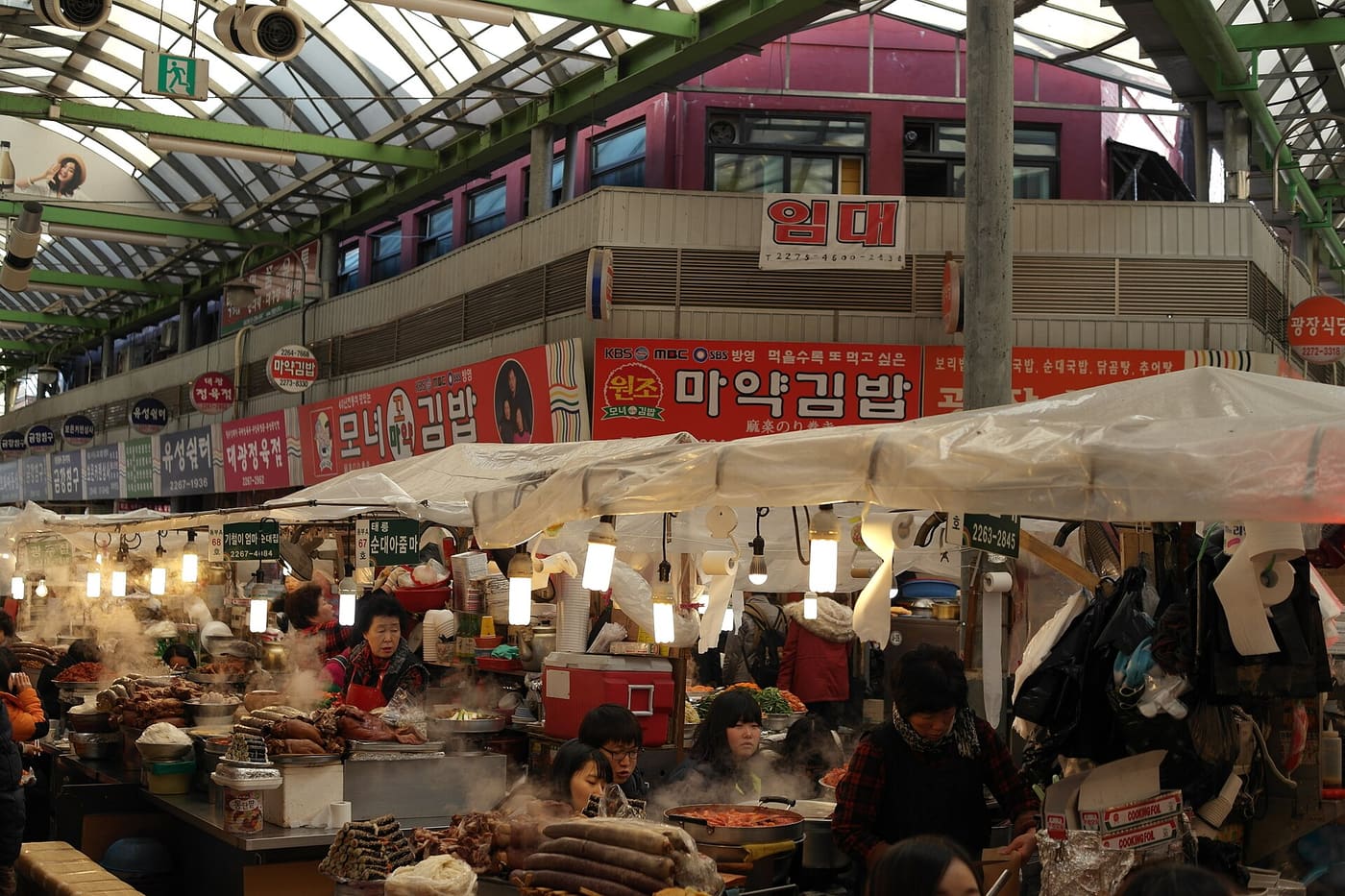
Gwangjang Market's Second Floor: Seoul's Vintage Arcade, and the One Day It's Shut
Everyone knows Gwangjang for the food alley that never closes. Above it is a vintage arcade signed 수입구제 where most items run under ₩20,000 — and it shuts every Sunday, which is exactly when visitors turn up.
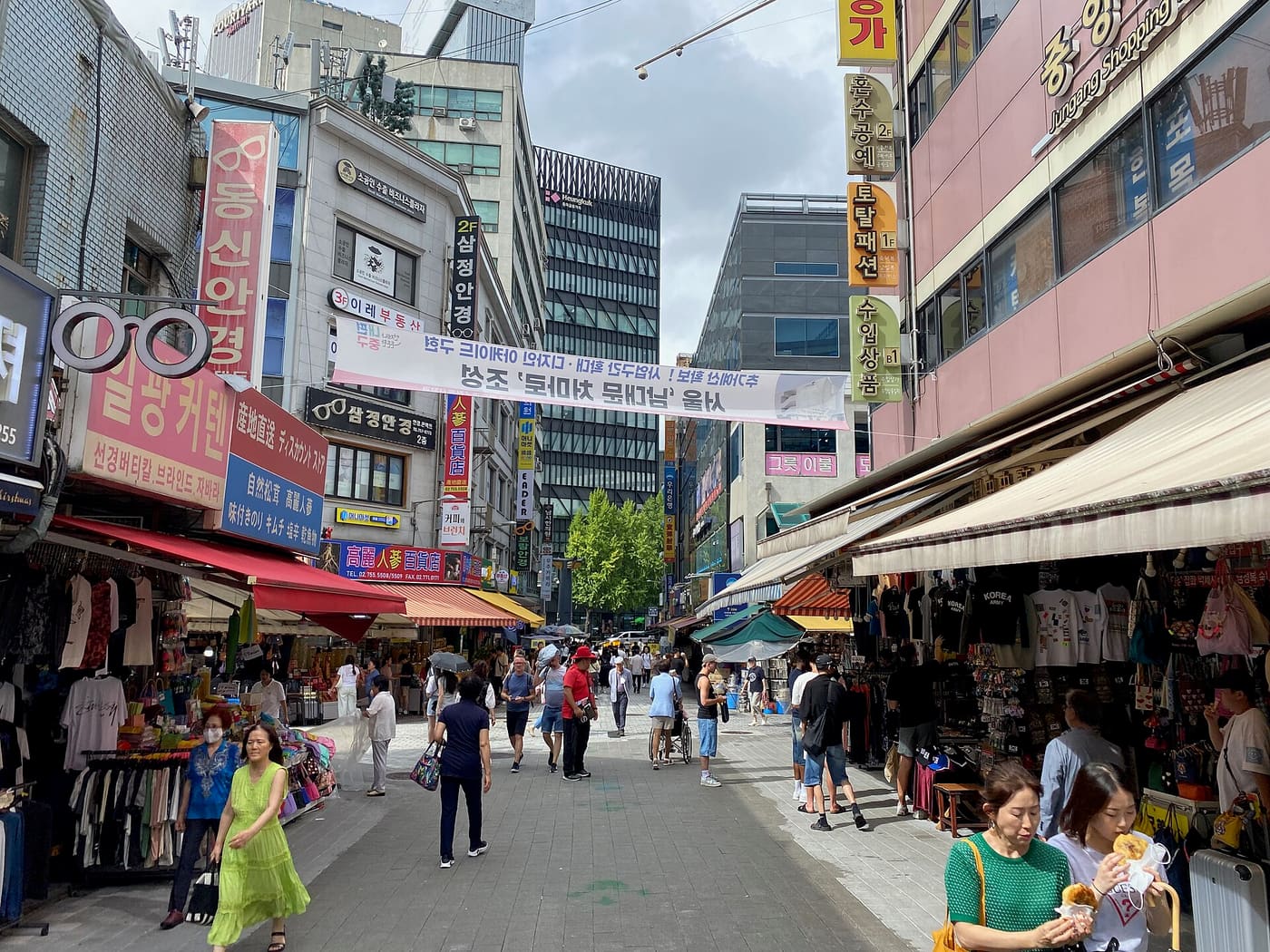
Where to Buy Luggage in Seoul: Namdaemun, Real Prices, and When Not to Bother
You shopped too well and now you need another suitcase. Namdaemun is the answer, but the underground arcade shuts on the 2nd and 4th Sunday, the bag shops close for Chuseok, and a cheap case is not always cheaper than shipping.
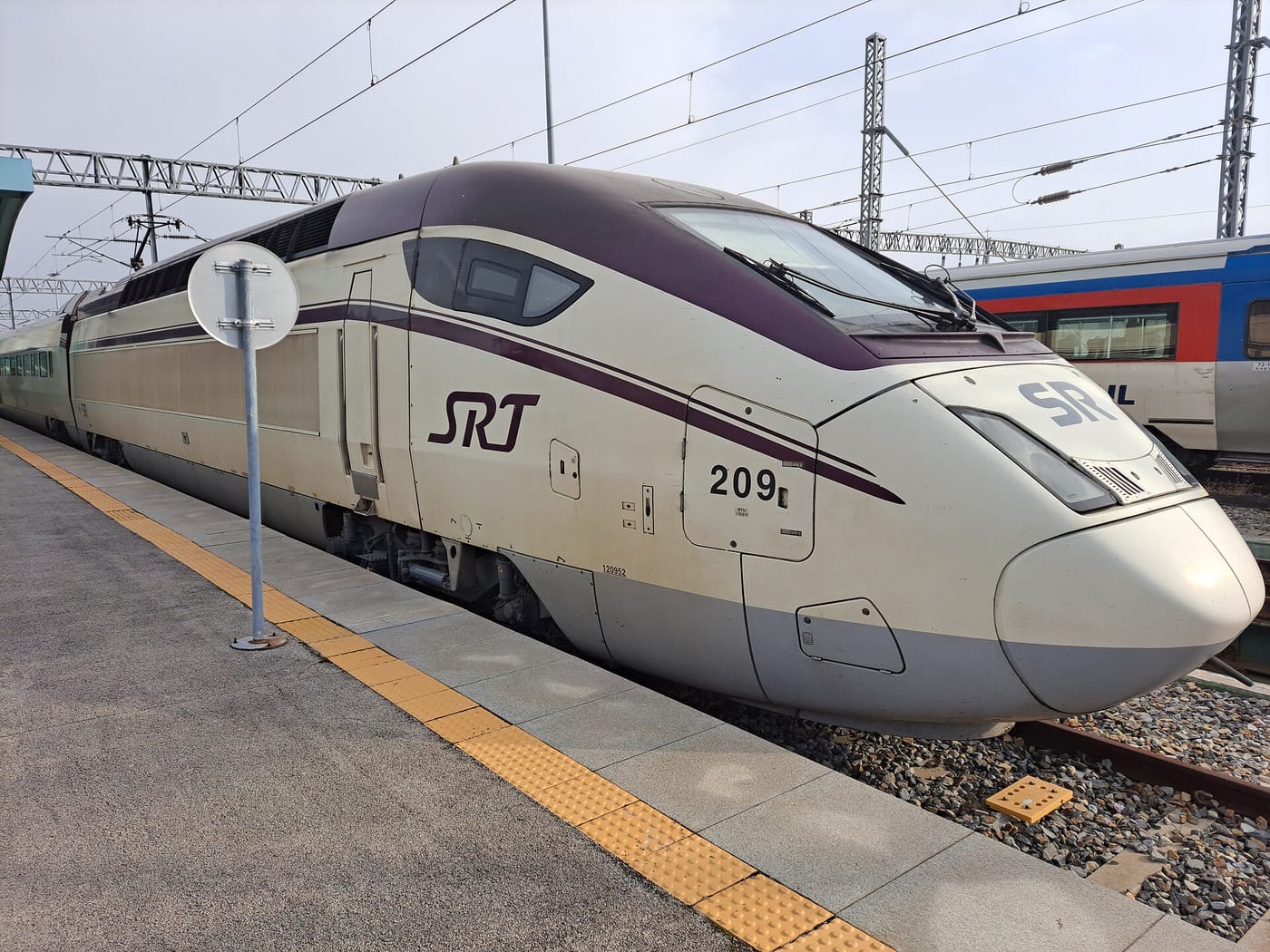
Korea's KTX and SRT Merged on 1 September: Cheaper Fares, One App, One Thing to Do First
Korail and SR merged on 1 September and the SRT is now KTX-Sancheon. Seoul-Busan dropped from ₩59,800 to ₩54,400 that day, not gradually. Chuseok booking runs 7-11 September by route, Suseo on the 10th, and an SR-only account cannot book.