Things to Know Before Traveling to Korea: 2026 Guide
The most important things to know before traveling to Korea are not only attractions. They are the systems that make the trip work: entry checks, arrival forms, transit cards, map apps, payment backups, emergency numbers, etiquette, and weather planning.
Korea can feel extremely convenient once you understand the rhythm. But the first day can be strangely difficult if you arrive with the wrong assumptions. Google Maps may not behave like it does at home. Foreign cards can fail in specific machines. A subway transfer can be easy until your phone battery dies. A restaurant can be friendly but still confusing if you do not know the table rules.
This 2026 Korea travel guide gives you the practical layer first, then points you toward deeper EpicKor guides for each topic.
1. Check Entry Rules Before You Buy the Ticket
Entry rules are the first thing to verify because they depend on nationality, passport type, purpose of travel, and current policy. Do not rely on an old blog post, a TikTok caption, or a friend's trip from last year.
For many visa-free travelers, Korea's K-ETA system may be relevant, although temporary exemptions and eligibility rules can change. The official K-ETA website is the place to check whether your passport requires an application, what the fee is, and how long approval may take.
Korea also operates an electronic arrival-card system for applicable foreign visitors. The official e-Arrival Card site explains who should submit arrival information and when. Requirements can vary by status, so check the official page close to departure.
If this is your first visit, use EpicKor's first-time Korea travel guide for a broader arrival checklist.
| Before Departure | Check Where | Why It Matters | Do Not Assume |
|---|---|---|---|
| K-ETA or visa status | Official K-ETA / embassy / immigration source | Eligibility changes by nationality and policy | That a friend's old exemption applies to you |
| e-Arrival Card | Official e-Arrival Card site | Arrival information may be required before entry | That the airline will solve it for you |
| Passport validity | Your airline and official entry guidance | Airlines can deny boarding if documents fail | That "almost valid" is safe |
| Customs and restricted items | Official customs guidance | Food, medicine, batteries, and goods can have rules | That all Korean souvenirs can travel home |
BAGSMART RFID travel wallet — on AmazonAffiliate link. As an Amazon Associate, EpicKor earns from qualifying purchases at no extra cost to you.
2. Korea Uses Local Map Logic
Korea is very digital, but visitors often get surprised by maps. Local apps such as Naver Map and KakaoMap are widely used for transit, walking, restaurants, business hours, and place details. Google Maps can still be useful for general orientation, but it may not provide the same walking, transit, or local-business depth that travelers expect in other countries.
Install at least one Korean map app before arrival. Search your hotel, save the address in English and Korean, and screenshot the area around your accommodation. If you are taking a taxi, having the Korean address is more useful than saying an English hotel name.
For movement around Seoul, EpicKor's Naver Map guide and Seoul subway etiquette guide are worth reading before your first full day.
3. T-money Still Makes Transit Easier
A transit card makes Korea simpler. T-money and compatible transportation cards are used across much of the country for subway and bus rides, and they remove the stress of buying single tickets repeatedly.
You can usually buy or recharge a transit card at convenience stores and station machines, but details vary by location. Cash is still useful for some top-ups, especially if a machine or store does not accept your foreign card for that transaction.
Keep the card accessible but separate from your passport. You will tap in and out often. If you are traveling with children, older family members, or a group, build extra time at gates; nothing makes a transfer feel longer than one person hunting through every pocket for the card.

Organize the arrival-day essentials: As an Amazon Associate, EpicKor may earn from qualifying purchases. Compare travel document organizers before juggling passport, cards, tickets, and receipts through the airport.
4. Bring More Than One Payment Option
Korea is card-friendly, but that does not mean every foreign card works everywhere. Some kiosks, transit machines, online reservations, local apps, small vendors, or unmanned systems may reject foreign cards or expect domestic payment flows.
Bring at least two cards from different networks if possible, and keep a small amount of Korean won for backup. Do not carry all payment methods in one wallet. If you plan to shop heavily, check your bank's foreign-transaction rules before departure.
For Korea's self-service side, EpicKor's Korean kiosk guide and automated convenience culture guide explain where foreign travelers can get stuck.
5. Learn the Safety Numbers Before You Need Them
Korea often feels safe to visitors, but safety is not the same as invincibility. Learn the core numbers:
- 112 for police.
- 119 for fire and emergency medical help.
- 1330 for Korea Travel Hotline support, including travel information and interpretation assistance.
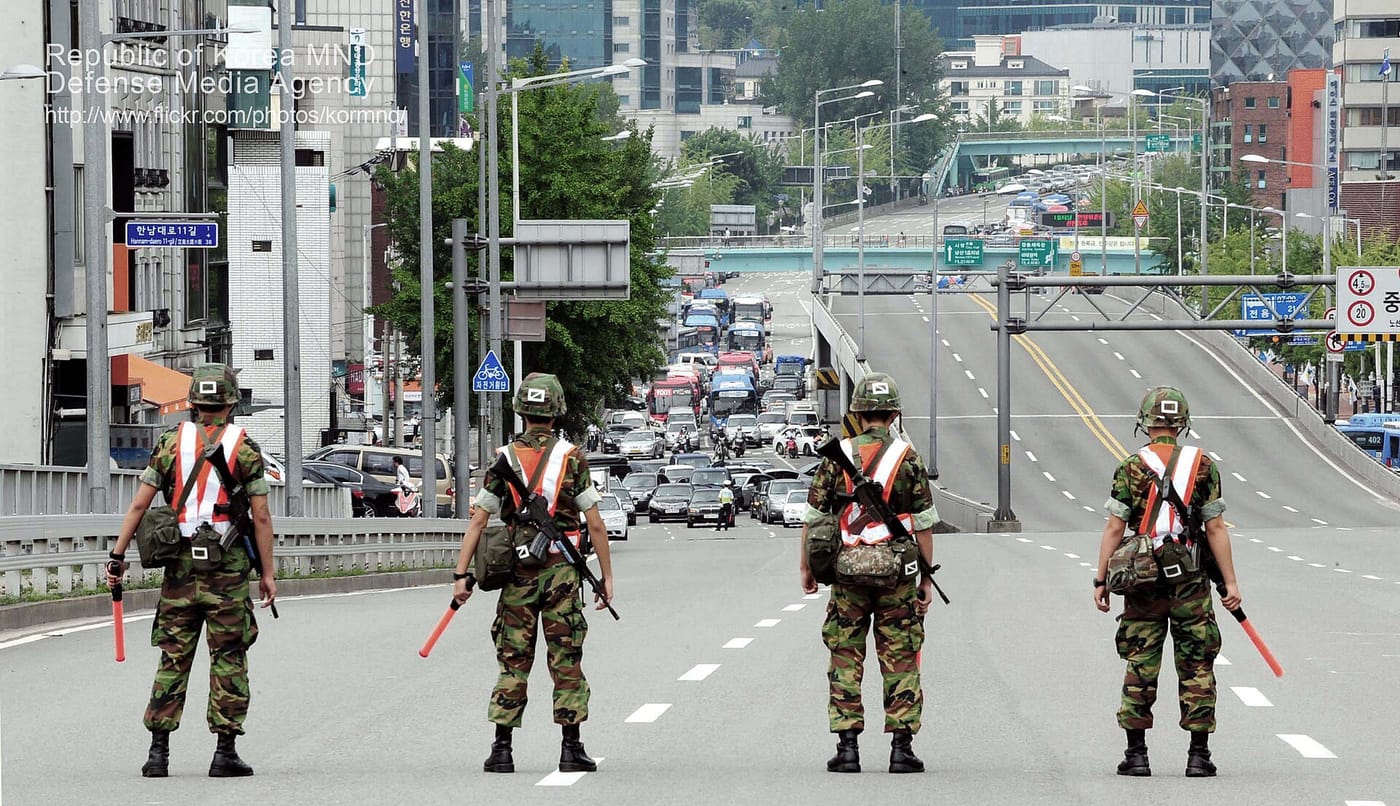
One more thing in this category will happen to you whether you prepare or not: your phone will scream. Korea pushes emergency alerts at a volume and frequency that startles visitors, and there is a nationwide civil-defence drill with sirens every August. EpicKor's guide to Korean emergency alerts explains which tiers you can safely mute, which one you must not, and how to receive them in English.
Save your hotel address, embassy contact, travel insurance details, and a trusted contact offline. If you lose something, report it quickly through the venue, transit operator, police, or official lost-property channels. EpicKor's unique things in Korea guide explains the lost-item trust system without pretending theft never happens.
6. Pack for Seasons, Not Just Aesthetic
Korea has real seasons. Summer can be humid, stormy, and exhausting. Winter can be dry, windy, and icy. Spring can bring fine dust and sharp temperature swings. Autumn is beautiful but crowded in famous areas.
Pack for the actual month:
- Summer: breathable clothes, water habit, sun protection, compact umbrella.
- Rainy season: shoes that can handle wet pavement, not only cute sandals.
- Winter: layers, gloves, warm socks, and shoes with grip.
- Spring/fall: light layers and air-quality awareness.
If your trip is built around snow, slopes, or outdoor ice, pair this packing list with EpicKor's Korea winter travel guide before you lock hotels or day trips.
If you plan outdoor days, read EpicKor's Seoul hiking guide before treating mountain trails like casual city walks.
| Travel System | What to Prepare | Common Mistake | EpicKor Follow-Up |
|---|---|---|---|
| Entry | K-ETA/visa/e-Arrival check | Using outdated third-party advice | First-time Korea guide |
| Navigation | Naver Map or KakaoMap plus saved hotel address | Depending only on familiar map habits | Naver Map guide |
| Transit | T-money or compatible card | No small cash or recharge plan | Subway etiquette guide |
| Payment | Two cards plus some cash | Assuming every kiosk accepts foreign cards | Korean kiosk guide |
| Safety | 112, 119, 1330, hotel address offline | Only saving details inside a dead phone | Unique things in Korea |
7. Etiquette Will Save You More Trouble Than Phrases
You do not need fluent Korean to be a good visitor. You do need basic etiquette.
Remove shoes when the entrance tells you to. Keep public transit quiet. Use two hands in formal exchanges. Do not block narrow stairs or subway doors. Avoid filming strangers closely. In restaurants, wait a moment before digging into shared food if you are with hosts or elders.
These small behaviors matter because Korea is dense. One person's noise, bag, camera, or confusion can affect many people quickly.
EpicKor's Korean etiquette guide goes deeper into shoes, two-hand manners, indirect refusals, dining, and nunchi.
8. Do Not Overtrust "Korea Is Safe" Content
Korea's safety reputation is one reason many visitors love it. Night streets can feel active. Convenience stores stay open late. Transit is organized. Lost items sometimes return in ways that surprise travelers.
Still, do not turn that reputation into careless behavior. Watch your drink. Keep your phone charged. Use licensed taxi platforms or official transit. Avoid sleeping in public places. Do not leave your passport in an open bag. If you are solo, share your plan with someone.
The best attitude is calm, not careless.
9. Food Plans Need Allergy and Timing Backups
Korean food is one of the best reasons to travel, but it can be hard for people with strict allergies, vegetarian needs, halal/kosher needs, or low spice tolerance. Broths, sauces, kimchi, banchan, and fried foods may include ingredients that are not obvious from the English menu.
Save allergy phrases in Korean. Use translation apps, but do not assume machine translation understands kitchen cross-contact. For strict needs, research restaurants ahead of time and keep a backup meal plan.
Also check timing. Some restaurants close between lunch and dinner. Some famous places sell out. Some cafes are more about photos than food. A convenience store backup is useful, not embarrassing.
For everyday eating context, read EpicKor's Korean convenience-store food guide, banchan guide, and Seoul restaurant reservation guide.
10. Your Phone Is the Travel Hub
In Korea, your phone is navigation, translation, camera, payment check, restaurant search, train planner, emergency contact, and sometimes ticket wallet. A dead phone is not a small inconvenience; it can break the day.
Bring a power bank, cable, and backup plan. Download offline copies of your hotel address, passport scan, insurance, flight details, and key reservations. If you are using an eSIM or SIM card, activate it before you are standing in a noisy arrivals hall if possible.
For a longer itinerary, EpicKor's month in Seoul guide explains how small logistics compound across many days.
Do not let battery decide the day: Navigation, translation, photos, and transit planning all compete for power. Compare portable power banks for travel before your first long Seoul route.
A Simple 24-Hour Arrival Plan
For your first 24 hours, keep the plan boring on purpose:
- Clear entry with documents ready.
- Get connected through SIM, eSIM, or roaming.
- Save your hotel address in Korean and English.
- Get or recharge a transit card.
- Withdraw or exchange a small amount of backup cash.
- Eat somewhere easy.
- Sleep before building an ambitious second day.
Korea rewards energy, but it also punishes overpacked first days. Save the all-day palace-market-cafe-shopping-nightlife plan for when you know how the systems feel.

FAQ
Q: Do I need K-ETA to travel to Korea in 2026? It depends on your nationality, passport, and current exemption rules. Check the official K-ETA site and your local embassy or airline guidance close to departure.
Q: What is the e-Arrival Card for Korea? It is Korea's electronic arrival-information system for applicable foreign visitors. Check the official e-Arrival Card site to see whether and when you need to submit it.
Q: Can I use Google Maps in Korea? You can use it for some orientation, but local apps such as Naver Map and KakaoMap are usually better for detailed walking, transit, and business information.
Q: Do foreign credit cards work in Korea? Often, yes, especially in major shops and hotels. But some kiosks, machines, apps, and small vendors may fail, so bring backup cards and some cash.
Q: What emergency numbers should travelers know in Korea? Use 112 for police, 119 for fire or emergency medical help, and 1330 for Korea Travel Hotline support and travel interpretation.
Q: What is the biggest first-time Korea travel mistake? Arriving without a local map app, transit-card plan, document check, phone-battery backup, and hotel address saved offline. These small systems matter more than another saved cafe.
Sources and Further Reading
- Official K-ETA application site
- Official Korea e-Arrival Card site
- VISITKOREA - Korea Travel Hotline 1330
- VISITKOREA - Emergency numbers and travel safety
- VISITKOREA - Transportation cards
- Korea Customs Service
Video Insight: Travel Tips for Korea
You Might Also Like
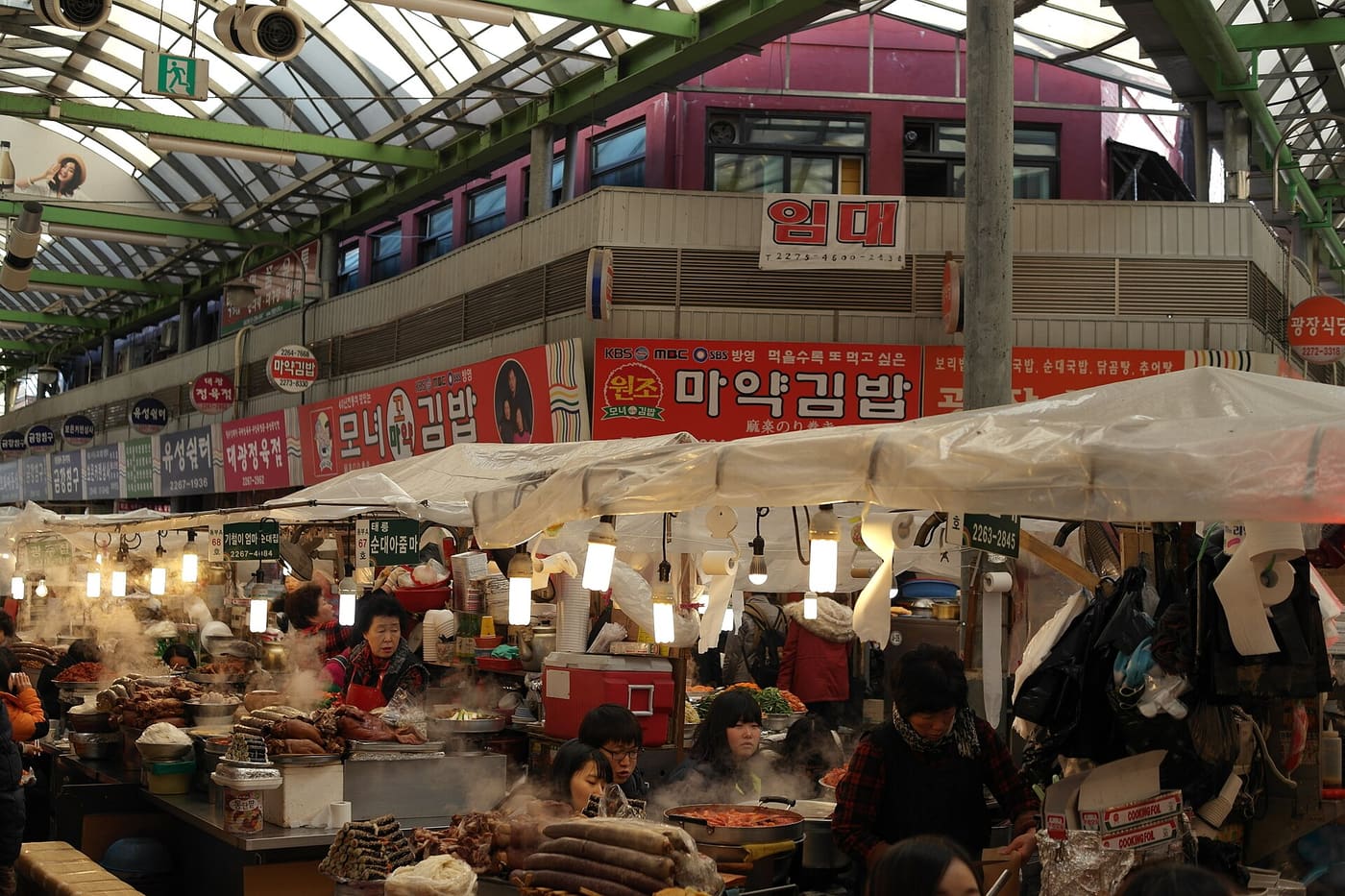
Gwangjang Market's Second Floor: Seoul's Vintage Arcade, and the One Day It's Shut
Everyone knows Gwangjang for the food alley that never closes. Above it is a vintage arcade signed 수입구제 where most items run under ₩20,000 — and it shuts every Sunday, which is exactly when visitors turn up.
Where to Buy Luggage in Seoul: Namdaemun, Real Prices, and When Not to Bother
You shopped too well and now you need another suitcase. Namdaemun is the answer, but the underground arcade shuts on the 2nd and 4th Sunday, the bag shops close for Chuseok, and a cheap case is not always cheaper than shipping.
Why Your Phone Screams in Korea: Emergency Alerts, Air-Raid Sirens, and Telling Them Apart
Korea has two alarm systems and visitors confuse them constantly. One is a text on your phone, usually a heat advisory. The other is a street siren that stops traffic. On 20 August 2026 both go off at 2pm, and neither means what you fear.