Why the Korean War Armistice Still Shapes Daily Life in Seoul
One of the strangest facts about modern South Korea is that a visitor can drink coffee in Seoul, shop in a packed department store, ride the subway home after midnight, and still be living in a country shaped by a war that did not end with a peace treaty. The Korean War fighting stopped in 1953 through an armistice, not a final peace agreement. That distinction still matters.
It does not mean Seoul feels like a front line every day. Most daily life in South Korea is ordinary: school, work, cafes, traffic, dating, delivery apps, festivals, military service, elections, and weekend trips. But the armistice quietly shapes institutions, news cycles, military service, emergency planning, the DMZ, diplomacy, and the way Koreans learn to separate serious risk from repeated tension.
This guide explains the armistice in practical terms, why many South Koreans appear calm during North Korea-related headlines, what the DMZ actually represents, and how travelers should think about safety without either panicking or becoming careless.
Books on Korean history and modern society — compare on AmazonAffiliate link. As an Amazon Associate, EpicKor earns from qualifying purchases at no extra cost to you.
Quick Answer: Is South Korea Still Technically at War?
The Korean War fighting stopped with the Korean Armistice Agreement signed on July 27, 1953. Because the armistice was not a peace treaty, many explainers say the war has not formally ended. In practical terms, the armistice created mechanisms to stop active fighting, including the Military Demarcation Line and the Demilitarized Zone, while the political division of the peninsula remained unresolved.
For visitors, this does not mean Seoul is a daily war zone. South Korea is a highly developed country with normal tourism, business travel, public transit, nightlife, and international events. It does mean that security developments can affect news, border-area access, military posture, civil-defense messaging, and travel advisories. Travelers should monitor official guidance from their own government and Korean authorities rather than relying on viral posts.
The safest mental model is balanced: the armistice is real, the military risk is real, and daily life is also real. Koreans are not calm because nothing matters. Many are calm because the tension has been part of the national background for decades, and institutions are built around managing it.
| Term | Plain Meaning | Why It Matters | Visitor Takeaway |
|---|---|---|---|
| Armistice | An agreement to stop active fighting | It is not the same as a peace treaty | Headlines often reference this unresolved status. |
| Military Demarcation Line | The line separating opposing forces | It is the center line inside the DMZ structure | Do not treat border areas casually. |
| DMZ | Buffer zone across the peninsula | It is symbolic, military, ecological, and political | Visit only through approved routes and current rules. |
| Travel advisory | Government guidance for citizens abroad | It can change with events | Check official sources before and during travel. |
What the 1953 Armistice Actually Did
The armistice was designed to stop the fighting and establish military arrangements, not to resolve the entire political future of the Korean Peninsula. The United Nations Command describes the armistice as the agreement that ended open hostilities, while the DMZ and related mechanisms were created to reduce direct military confrontation.
That is why the word "technically" appears so often. Technically, the war was not ended by a peace treaty. Practically, South Korea built one of the world's most advanced economies under that unresolved structure. Both statements can be true at the same time.
For international readers, this matters because Korean security news often sounds contradictory. One week there may be missile headlines, balloon incidents, military drills, border-area restrictions, or diplomatic statements. The same week, Seoul cafes are full, concerts happen, travelers arrive, and locals complain about rent or restaurant waits. The contradiction is not fake. It is the lived reality of an advanced society built beside a frozen conflict.
Historical context helper: As an Amazon Associate, EpicKor may earn from qualifying purchases. If the armistice topic makes Korea feel hard to read, compare books on Korean history and modern society before reducing the peninsula to headlines.
Why South Koreans Often Seem Calm
Foreign visitors may be surprised when a North Korea-related headline does not visibly change the mood in Seoul. There are several reasons. First, repeated exposure creates habituation. A risk that appears shocking to an outsider may be familiar to people who grew up with drills, military service, family stories, news alerts, and periodic escalations.
Second, South Korea has institutions built around readiness: conscription, military alliances, civil-defense systems, emergency messaging, and a public that has heard security news for decades. That does not make people fearless. It makes many people practiced at distinguishing routine tension from an immediate personal emergency.
Third, daily life has to continue. People cannot pause school, work, childcare, dating, business, tourism, and medical appointments every time the news cycle becomes tense. Normalcy is not denial; it is a survival strategy.
It is also important not to romanticize calm. Some Koreans are deeply concerned about security, some are politically divided over how to respond, and some are simply exhausted by the topic. There is no single Korean emotional response.
The DMZ Is Not a Theme Park
The DMZ attracts visitors because it is visually and historically powerful. It is also easy to misunderstand. It is not just a tourist attraction and not just a scenic border. It is a military buffer zone created by the armistice system. Access depends on current conditions, approved operators, security rules, and sometimes sudden restrictions.
If you visit a DMZ-related site, follow the guide's instructions, bring required identification, avoid jokes near military areas, and do not wander beyond permitted zones. Photography rules can vary by location. Border-area access can change quickly when military or diplomatic conditions shift.
At the same time, DMZ tourism can be meaningful when handled responsibly. It can help visitors understand separation, family division, war memory, ecology, and the strange coexistence of military tension and daily life. The point is to learn, not to collect a danger selfie.
For broader travel planning, pair this with EpicKor's first-time Korea guide, Korea travel cheat-code guide, and Suwon history guide. They help place the DMZ inside a larger Korea trip rather than making conflict the only story.
Travel Safety: What Visitors Should Actually Do
Most visitors to Seoul will never interact directly with the armistice beyond news headlines, museum exhibits, DMZ tours, or emergency-alert curiosity. Your practical safety tasks are simpler: monitor official travel advisories, keep your phone connected, know emergency numbers, follow local instructions, and avoid unauthorized border-area activity.
If your government updates travel guidance, read the full advisory rather than only the headline. If Korean authorities send emergency alerts, translate them carefully and look for official follow-up. If you are on a group tour, follow the tour operator and security instructions. If you are near a demonstration, military facility, or restricted zone, do not film aggressively or argue with police/military staff.
For immediate emergencies in Korea, call 112 for police and 119 for fire or ambulance. For non-emergency travel information and interpretation, Korea's 1330 travel helpline is useful. EpicKor's first-time Korea safety section covers these basics in more detail.
| Situation | Better Response | Avoid | Why |
|---|---|---|---|
| Missile or border headline | Check official advisories and local notices | Sharing unverified panic posts | False context spreads quickly during tense news. |
| Emergency alert in Korean | Translate, confirm source, wait for official updates | Ignoring it or overreacting immediately | Alerts vary from weather to security to missing persons. |
| DMZ tour | Follow ID, clothing, photo, and movement rules | Joking, wandering, or filming restricted areas | It is a controlled military-adjacent environment. |
| Political conversation | Listen first and ask careful questions | Turning the peninsula into a debate game | War memory and division are personal for many families. |
Why Normal Seoul Is Part of the Story
The most important thing to understand is that South Korea's resilience is not only military. It is social and economic. Seoul's subway runs, students study, restaurants open, idols release music, hikers go to mountains, office workers complain about meetings, and families plan weekends. That ordinariness is not separate from the security environment. It is the society's answer to it.
This is why foreign coverage can feel strange to Koreans. International media often arrives when tension spikes, then leaves when the drama fades. Koreans remain inside the long middle: not war, not peace, not panic, not indifference. Just life.
For travelers, respecting that complexity matters. Do not tell Koreans they should be more afraid. Do not treat tension as entertainment. Do not assume calm means ignorance. And do not let fear erase the rest of the country: food, language, film, beauty, design, technology, hiking, temples, markets, and daily kindness.
Related EpicKor Guides
- Welcome, First Time in Korea - emergency numbers, arrival setup, and practical first-trip safety.
- Korea Tourist Cheat Codes - route planning by travel style, not panic or checklist pressure.
- How to Avoid Conflict in Korea - useful if security, history, or national-identity topics come up in conversation.
- Top Jobs in Korea - helpful background on conscription-adjacent social expectations and work culture.
- Korean Reserve Force Guide - explains reserve training, lunch boxes, and why military duty still appears in everyday Korean life.
- Suwon and Hwaseong Fortress Guide - a calmer way to understand Korean history through place.
Language basics before sensitive topics: If you plan to ask Koreans about history, politics, or family memory, compare Korean phrasebooks first so your questions sound more respectful and less like a debate prompt.
See Korean phrasebooks on AmazonFAQ
Q: Did the Korean War officially end? A: The fighting stopped with the 1953 Korean Armistice Agreement, but there was no final peace treaty. That is why many sources describe the conflict as unresolved.
Q: Is Seoul safe to visit despite the armistice? A: Seoul is a normal global city for tourism and business, but travelers should monitor official advisories and local instructions because security conditions can change.
Q: Why do South Koreans seem calm about North Korea headlines? A: Many people have lived with recurring tension for decades, alongside military service, public alerts, and institutions built around readiness. Calm does not mean the issue is unimportant.
Q: Can tourists visit the DMZ? A: Often yes through approved routes or tour operators, but access can change. Follow current rules, bring required ID, and treat the area as serious, not as a casual photo set.
Q: What emergency numbers should I know in Korea? A: Call 112 for police and 119 for fire or ambulance. For non-emergency tourist information and interpretation, use the 1330 Korea Travel Helpline.
Q: Should I avoid talking about North Korea with Koreans? A: You do not have to avoid the topic completely, but ask respectfully, listen more than you debate, and remember that division and war memory can be personal.
Sources and Further Reading
- United Nations Command: Korean Armistice Agreement
- United Nations Command: DMZ overview
- Republic of Korea Ministry of National Defense: English information
- VISITKOREA: disaster safety services for international visitors
Video Insight: Life in the DMZ Shadow
You Might Also Like
South Korea Explained: K-Pop, Growth, Tragedy, and Resilience
A clear guide to South Korea's compressed development, Hallyu soft power, historical trauma, safety reforms, and why modern Korea feels intense.
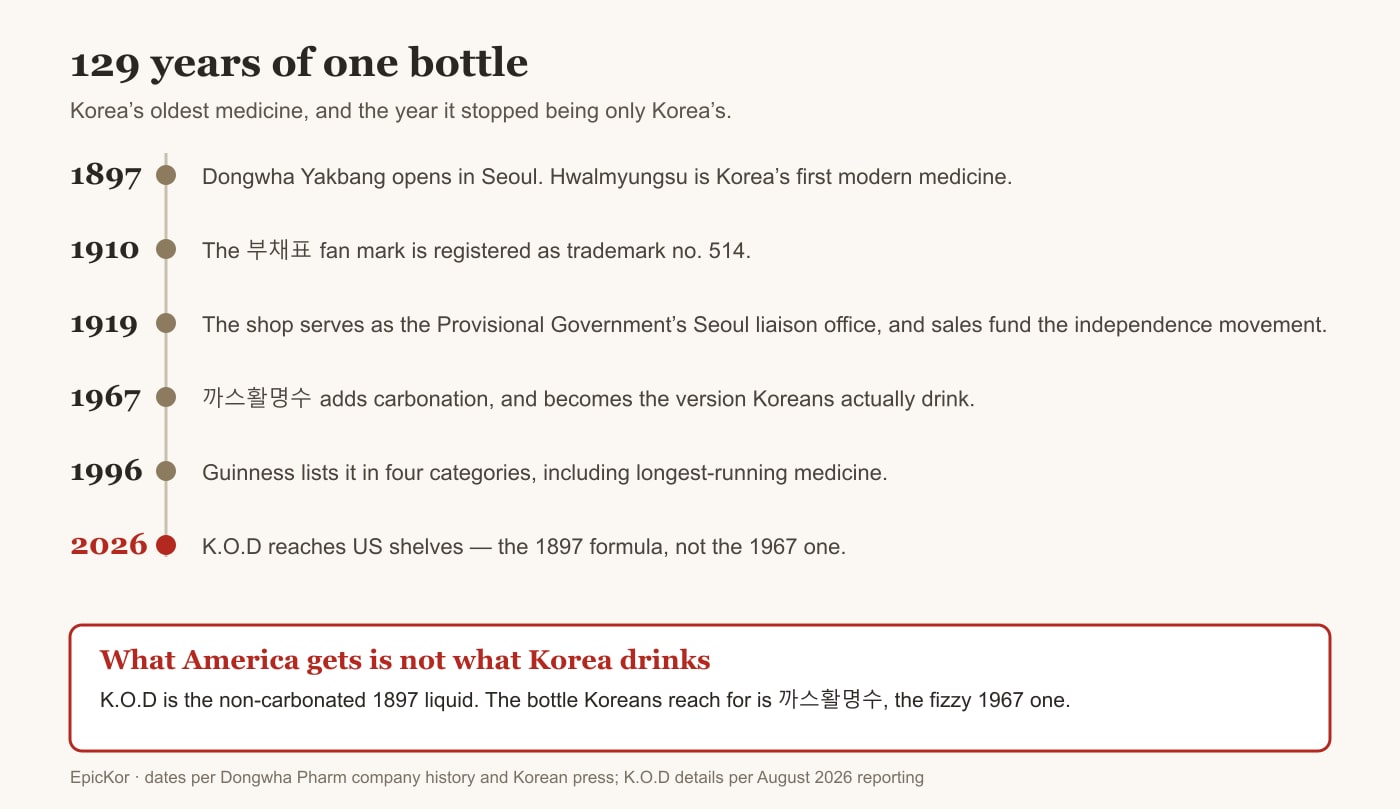
Hwalmyungsu: Korea's Oldest Medicine Reaches America Without the Fizz
Hwalmyungsu is 129 years old, Korea's first modern medicine, and it lands on US shelves this month as K.O.D. The version America gets is the non-carbonated 1897 one — not 까스활명수, the fizzy 1967 bottle Koreans actually reach for.
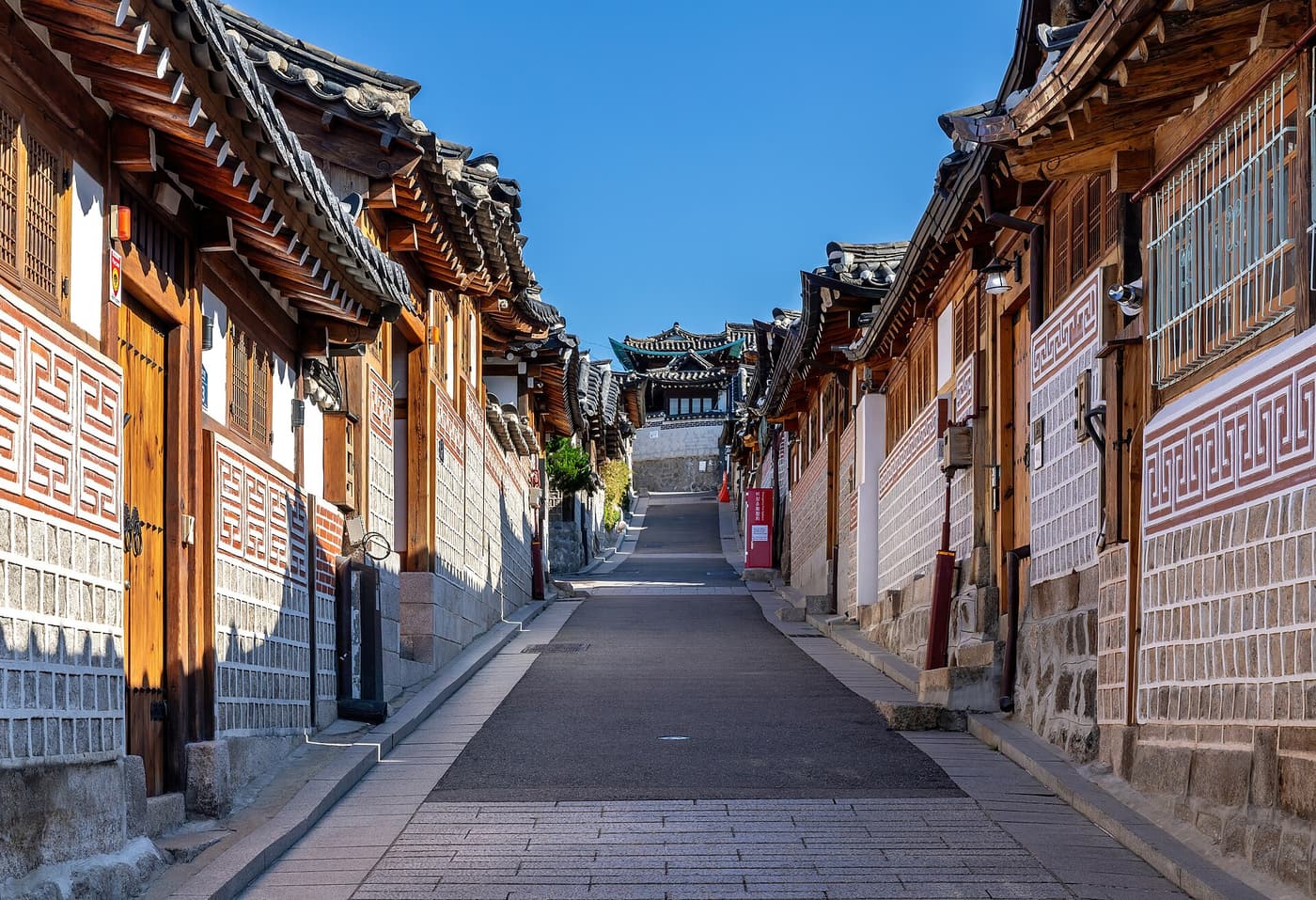
Bukchon Hanok Village, Seoul: The Village That Now Has Legal Visiting Hours
Bukchon is Korea's first Special Management Area for tourism. Since November 2024 the red-zone street has been closed to sightseeing after 5pm, with a ₩100,000 fine enforced from March 2025. It was also built by the same developer as Ikseon-dong.