Unique Things in Korea: Small Conveniences, Trust, and Transit
Unique things in Korea are often small. They are not always dramatic landmarks or viral attractions. Sometimes the thing visitors remember most is a button that cancels an elevator mistake, a warm bus-stop seat in winter, a restaurant call bell, or a lost wallet that somehow finds its way back.
That is the real pattern: Korea is very good at micro-convenience. The country has dense cities, fast public transit, long workdays, severe seasonal weather, and a strong expectation that daily systems should reduce friction. The result is a travel experience where tiny design choices feel surprisingly thoughtful.
This guide explains the unique things you may notice in Korea, what they actually mean, and how not to over-romanticize them. Korea is not perfect. Theft exists. Systems vary by building and city. But the small conveniences are real, and they tell you a lot about how Korean daily life is organized.
The Pattern: Korea Solves Small Frictions
Many visitors describe Korea as convenient, but that word is too broad. The better description is friction-aware. Korean cities often reduce small moments of uncertainty: how to call a server, where to return a lost item, how to move through transit, how to pay quickly, how to stay warm while waiting, or how to recover from a wrong elevator press.
This is partly technology, partly density, and partly social expectation. In a high-density city like Seoul, small delays multiply quickly. A bus stop without shelter, a restaurant without an easy service signal, or a subway system without climate control can affect thousands of people every day.
The same dense-city logic appears on moving day too: EpicKor's Korean moving guide explains why ladder trucks and packing movers became such a visible part of apartment life.
If this is your first trip, read EpicKor's first-time Korea travel guide alongside this article. The conveniences make more sense once you understand arrival, payment, transit, and etiquette basics.
1. Elevator Cancel Buttons
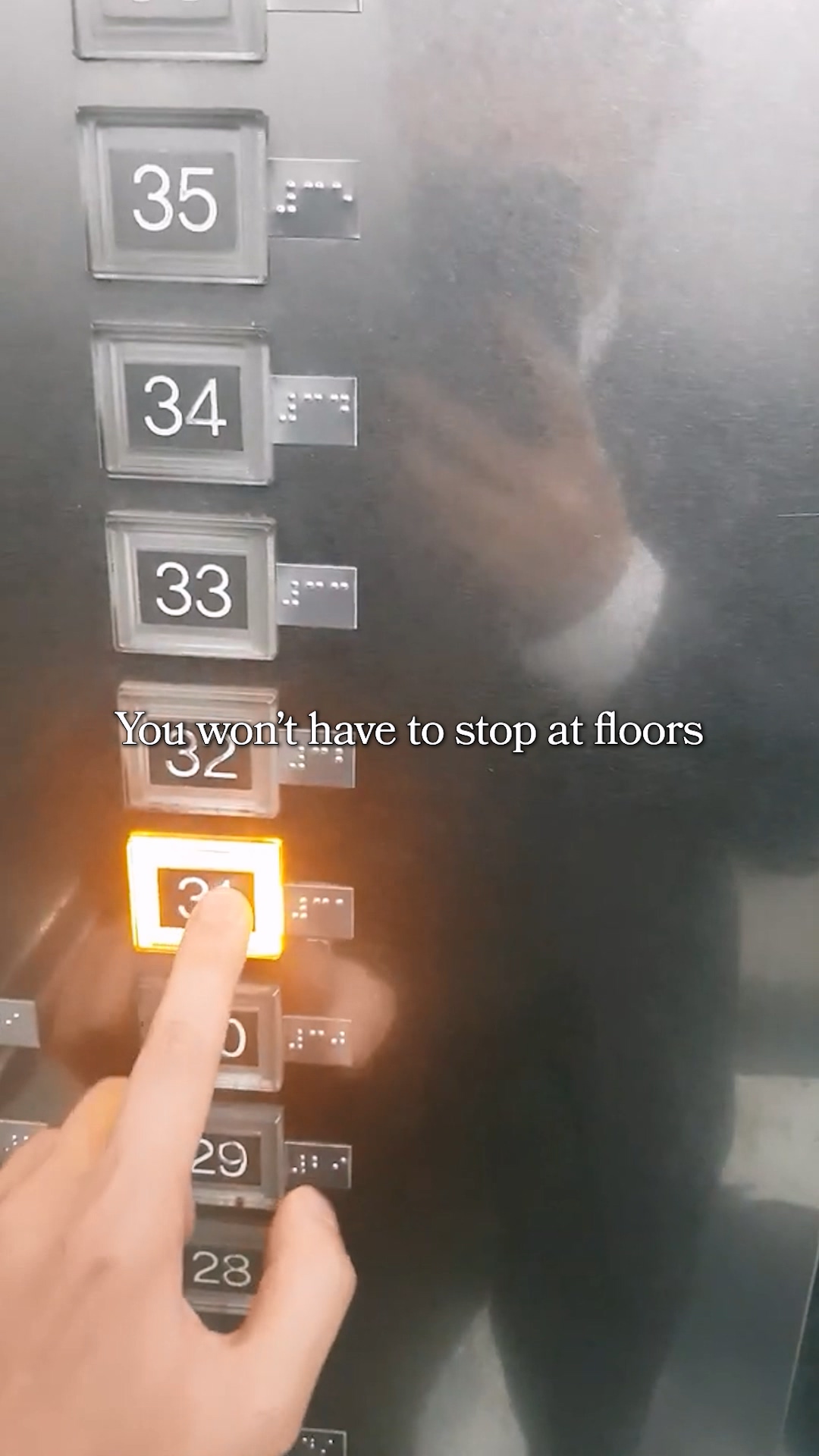
One of the most shared "only in Korea" discoveries is the elevator cancel trick. In many Korean elevators, if you press the wrong floor, you can cancel it by double-pressing or long-pressing the same button. The exact method varies by elevator model, and not every building supports it, but the feature is common enough that many residents treat it as normal.
The emotional effect is bigger than the technology. In a high-rise apartment, office tower, or hotel, a mistaken button can waste time for everyone. A cancel function tells users, "Mistakes happen, and the system should let you recover."
That is a very Korean kind of convenience: small, practical, and quietly satisfying.
2. Restaurant Call Bells
Restaurant call bells are another small feature that visitors remember. Instead of waving aggressively or trying to catch a server's eye, many Korean restaurants place a button on or near the table. Press it, and staff know your table needs help.
This fits Korean dining culture well. Meals can be fast, shared, noisy, and side-dish heavy. A button reduces awkwardness and lets diners ask for water, extra banchan, scissors, tongs, or another order without turning the room into a performance.
Not every restaurant has one. Very small, old, luxury, or foreign-style restaurants may operate differently. But when you see a bell, use it naturally. One press is enough.
For meal etiquette, especially side dishes and refills, EpicKor's Korean banchan guide gives useful context.
Pack for frictionless Korea days: As an Amazon Associate, EpicKor may earn from qualifying purchases. If this unique things in Korea guide is helping you plan, compare Korea travel essentials before buying random gadgets.
3. Heated Bus-Stop Seats
Korean winters can be brutally cold, especially when wind moves through wide roads and open bus stops. Seoul has expanded heated seats at bus stops as part of winter traffic welfare, and the city has publicly described the installation of heated bus-stop seating for rider comfort.
This is one of the best examples of Korea's public-comfort mindset. A heated seat does not change the whole commute, but it changes the worst few minutes. That matters when people rely on buses before sunrise, after work, or during a cold snap.
Visitors should not expect every bus stop to have heated seating. Coverage varies. But when you find one on a freezing day, it feels almost absurdly kind.
4. Subway Climate Control
Seoul has also discussed automatic climate control on subway trains to improve passenger comfort. Anyone who has ridden transit during a crowded summer or cold winter knows why this matters. In a dense subway system, air temperature is not a small detail. It affects patience, crowd comfort, and even whether people choose transit over taxis.
The Korean transit experience is built from many layers: screen doors, clear transfer signs, frequent trains, app-based navigation, convenience stores near stations, and climate expectations. The result is not always luxurious, but it is usually highly legible.
If you are planning routes, EpicKor's Seoul subway etiquette guide is a useful next read because comfort also depends on passenger behavior.
5. Lost Items and the Trust Feeling
Travelers often hear stories about laptops left on cafe tables or wallets returned with cash still inside. These stories are not fake, but they need careful wording. Korea is not a theft-free fantasy. You should still protect your passport, phone, wallet, and bags.
What is real is the trust feeling. Public behavior, CCTV, dense social spaces, and formal lost-item systems make many visitors feel safer than they expected. Seoul provides lost-and-found guidance for travelers, and Korea's LOST112 system helps people search for reported lost property across participating police and public channels.
The practical advice is simple: do not test the system by leaving valuables unattended. But if you lose something, act quickly. Contact the venue, transit operator, police lost-property channel, or LOST112. Keep photos of your passport and item details stored securely.
| Convenience | Why It Feels Unique | Traveler Tip | Do Not Assume |
|---|---|---|---|
| Elevator cancel | Lets users recover from a small mistake | Try double-press or long-press if needed | Every elevator uses the same method |
| Restaurant call bell | Removes awkward server signaling | Press once and wait | All restaurants have bells |
| Heated bus-stop seats | Public comfort appears at street level | Use them in winter without overthinking | Every stop is equipped |
| Lost-item systems | Formal recovery channels support trust | Report quickly with item details | Valuables are automatically safe |
6. Convenience Stores as Daily Infrastructure
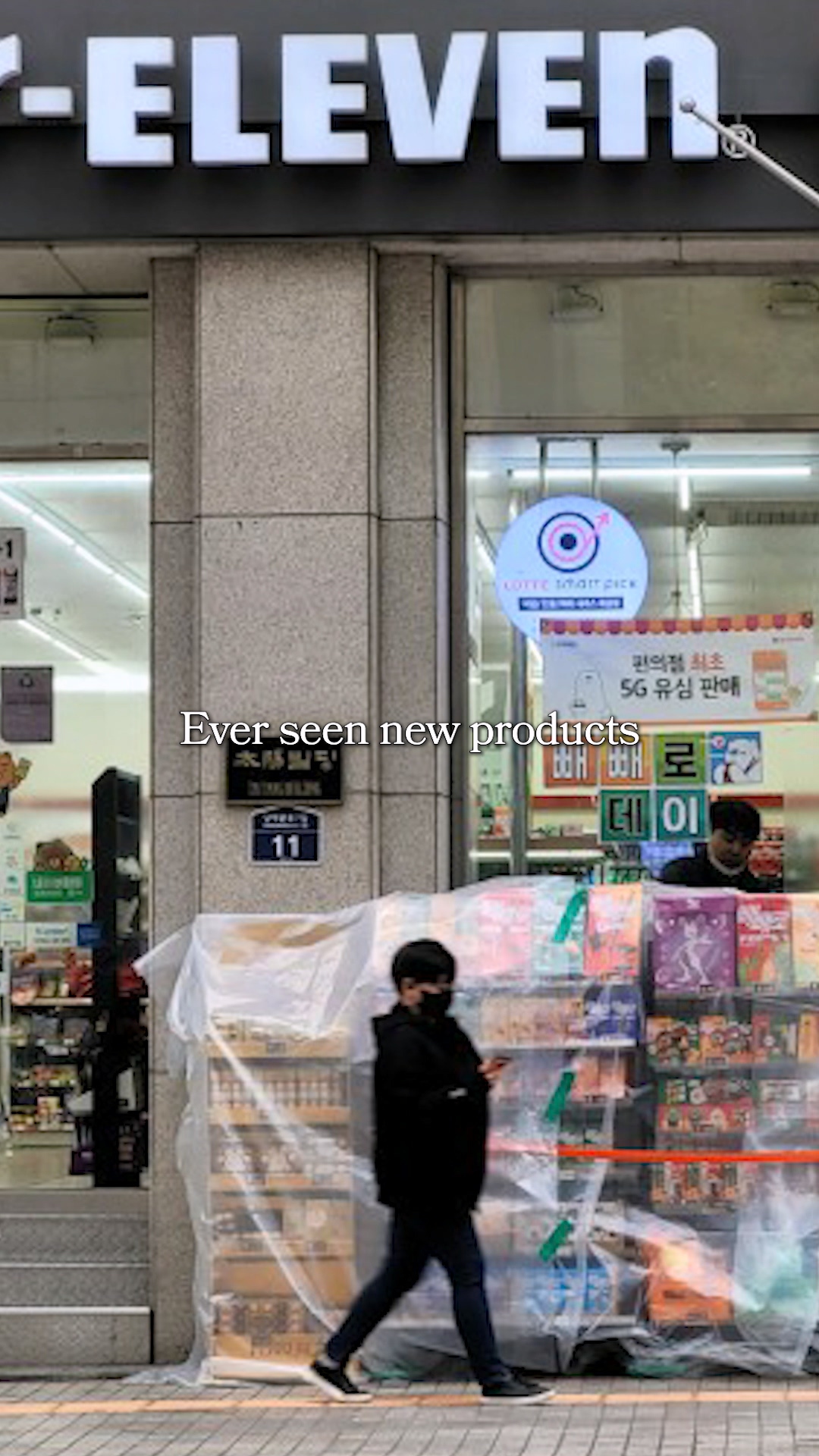
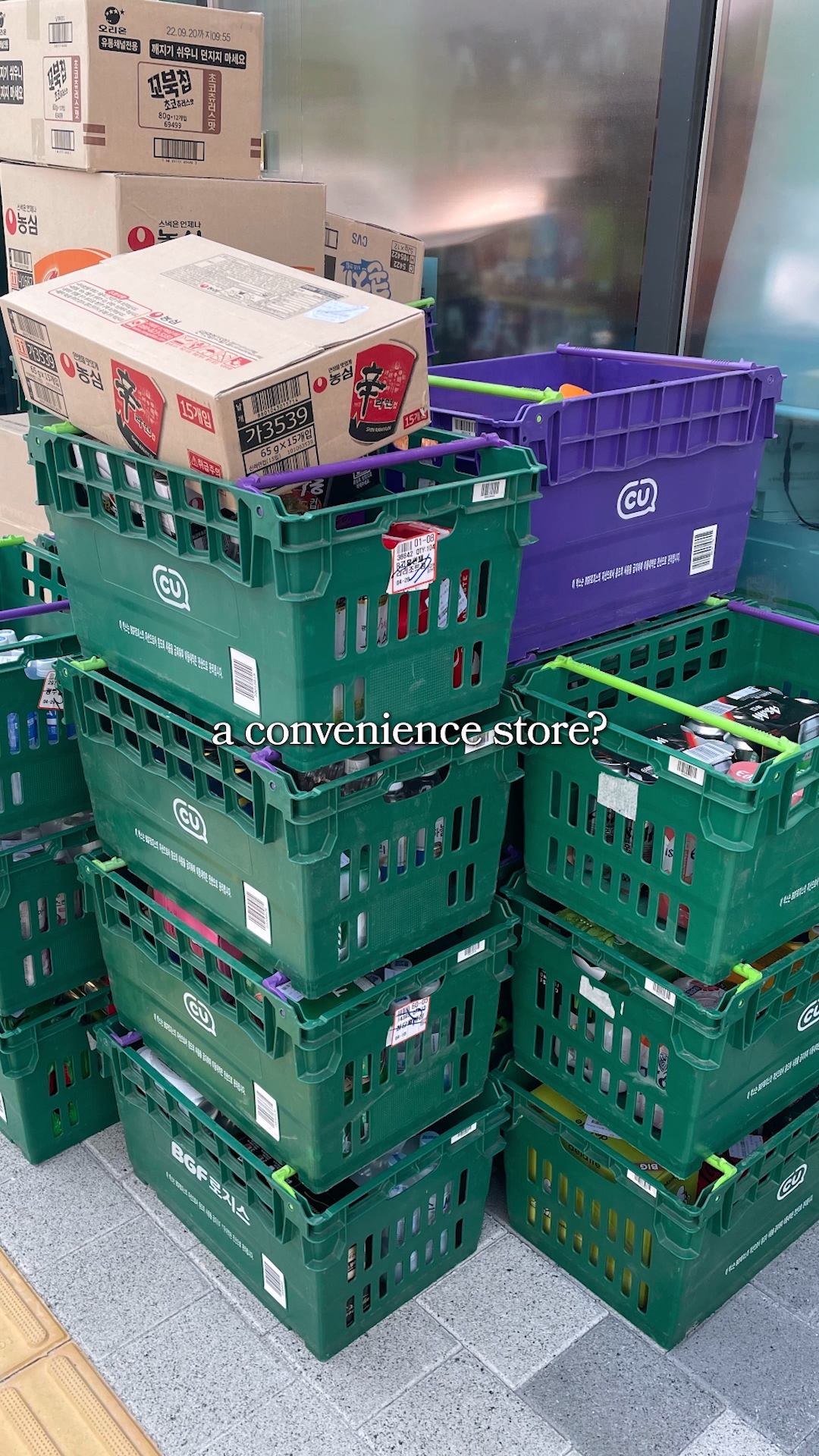
Korean convenience stores are not just snack shops. They are light infrastructure. You can buy meals, drinks, umbrellas, chargers, basic medicine-like comfort items, socks, stationery, and seasonal goods. Many locations also connect to delivery, parcel, ATM, or payment services, depending on the store and area.
For travelers, this changes the rhythm of a day. You do not have to solve every need before leaving the hotel. If rain starts, a convenience store may have umbrellas. If your schedule runs late, you can still find a meal. If you want to understand everyday Korean food, the convenience store is a surprisingly useful classroom.
EpicKor's Korean convenience-store food guide explains what to buy without turning your dinner into a random snack pile.
7. Public Spaces That Expect Weather
Korea's seasons are extreme enough that public design often anticipates discomfort. Summers can be humid and rainy. Winters can be dry, windy, and sharply cold. You will see umbrellas, sun shades, cooling shelters, heated seats, indoor underground passages, and station-linked malls playing quiet roles in daily life.
This is why locals plan by micro-route. A good Seoul route is not only "go from A to B." It is "stay underground for this transfer," "use this station exit," "buy water before the hill," or "carry an umbrella even if the morning looks fine."
If rain is in the forecast, EpicKor's Korean rainy-day food guide is a good companion because food culture adapts to weather too.
Protect your phone-heavy travel day: Navigation, translation, photos, and payment checks drain batteries fast. Compare portable power banks for travel before a long Seoul itinerary.
8. The QR, Kiosk, and Self-Service Layer
Korea's convenience culture also includes kiosks, QR menus, app orders, pickup shelves, and self-service counters. In some places, this feels wonderfully efficient. In others, it can be stressful if the interface is only in Korean or a payment method is not foreign-card friendly.
This is where the "unique" feeling cuts both ways. The system is smooth for people already inside it. Visitors may need a backup plan: a staffed counter, a translation app, cash, a second card, or a simpler restaurant.
Do not read every self-service system as coldness. Often it is about speed, labor pressure, and high customer volume. But do give yourself margin if you are tired, hungry, or traveling with children.
What These Conveniences Say About Korea
The common thread is not that Korea has invented every convenience. Other countries have call buttons, lost-property offices, warm public seating, and good transit too. What feels distinctive is the density of these small features in ordinary life.
Korea often turns a minor irritation into a system. The wrong elevator button can be canceled. The server can be called without shouting. The winter bus stop can be warmed. The lost wallet can enter a searchable process. The convenience store can patch a failed plan.
That is why these details stick in memory. They are not tourist attractions, but they shape the feeling of travel.
A Sensible First-Day Convenience Plan
On your first day in Korea, set yourself up to notice these small systems without depending on them too much. Save your hotel address in Korean and English. Keep a power bank. Carry one physical card and a little emergency cash. Learn how to use the subway app of your choice. Photograph your passport page and store the image securely.
Then let the city do what it does well. Use a convenience store for water. Press the restaurant bell politely. Try the elevator cancel trick if you make a mistake. Warm up at a heated bus seat if you find one. If you lose something, report it quickly instead of assuming it is gone forever.
Small conveniences are most powerful when you meet them halfway.
| Traveler Situation | Korea Convenience to Use | Backup Habit | Related EpicKor Guide |
|---|---|---|---|
| Wrong floor in a hotel elevator | Try canceling the selected button | Let the ride continue if it does not work | First-time Korea travel |
| Need help at a restaurant | Use the table call bell | Make eye contact and say a simple excuse me | Banchan culture |
| Long winter bus wait | Look for heated seating or shelter | Move through nearby indoor passages if available | 24-hour Seoul route |
| Lost phone, wallet, or bag | Check venue, transit, police, and LOST112 channels | Keep item photos and card-blocking contacts ready | Month in Seoul guide |
FAQ
Q: Are these things really only found in Korea? Not literally. Many countries have similar features. What feels Korean is how often small conveniences appear together in dense everyday settings.
Q: Do all Korean elevators let you cancel a floor button? No. Many do, but behavior depends on the elevator model and building. Try a double-press or long-press, and move on if it does not work.
Q: Is it safe to leave a laptop unattended in a Korean cafe? It may be common to see, but visitors should not treat it as a guarantee. Korea often feels high-trust, yet theft and mistakes still happen.
Q: What should I do if I lose something in Seoul? Contact the venue or transit operator first, then use official lost-and-found channels such as Seoul guidance or LOST112 when appropriate.
Q: Are restaurant call bells rude? No. If a bell is provided, it is meant to be used. Press once, wait, and keep requests clear.
Q: What one item helps most with Korea convenience travel? A reliable power bank is extremely useful because navigation, translation, photos, payment checks, and transit planning all depend on your phone.
Sources and Further Reading
- Seoul Metropolitan Government - Automatic climate control on subways
- Seoul Metropolitan Government - Heated seats in bus stops
- Visit Seoul - Lost and Found
- LOST112 - Lost property service information
- Stripes Korea - Korea restaurant tips
Video Insight: Only in Korea
You Might Also Like
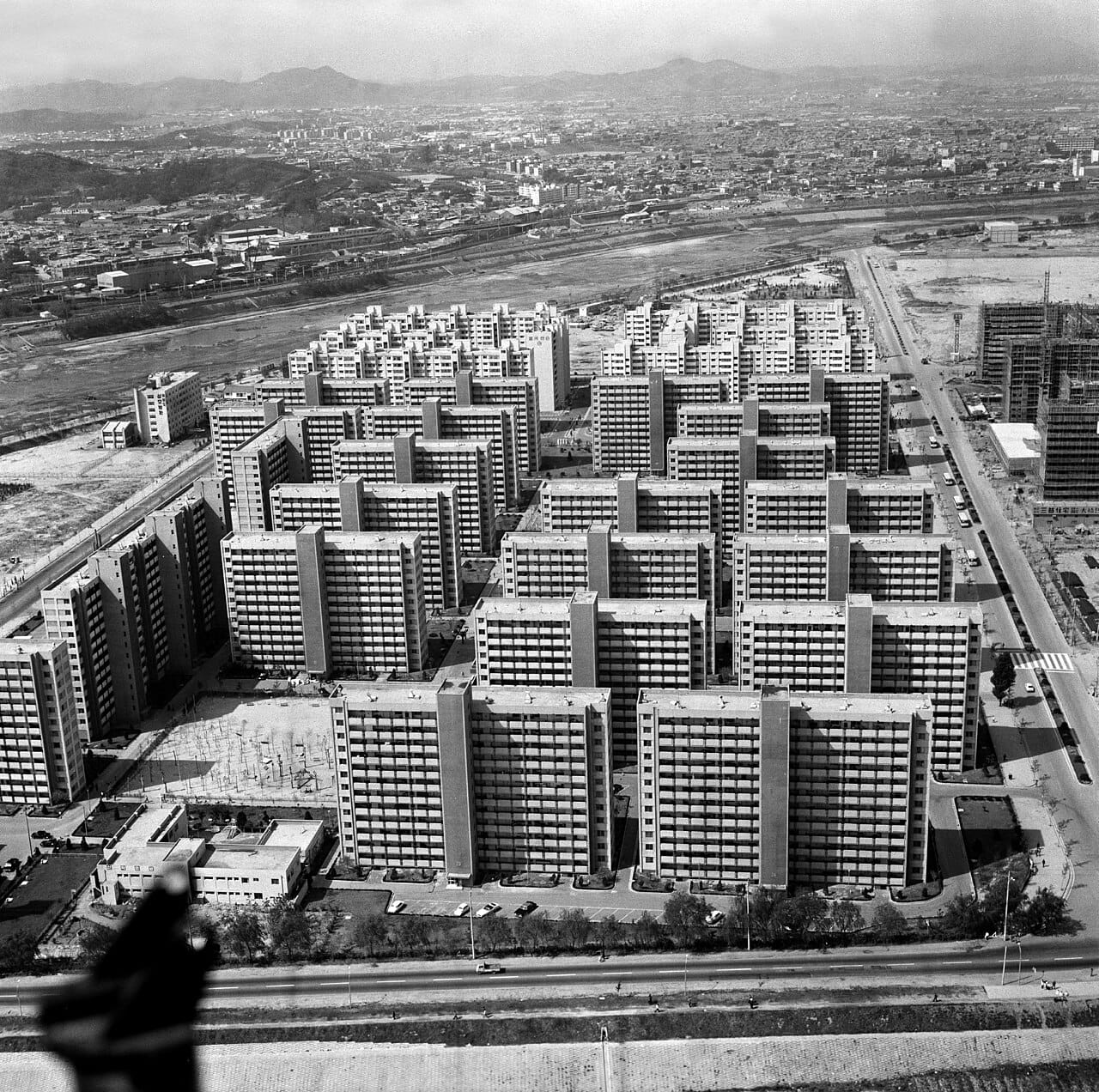
Why Koreans Live in Apartments: Korea's One-Generation Shift
In 1978 only 5.2% of Korean homes were apartments. By 2015 it was 59.9%. That change was not caused by crowding — it was built by a financing system where buyers pay for a building before it exists. Here is how Korea became an apartment country.
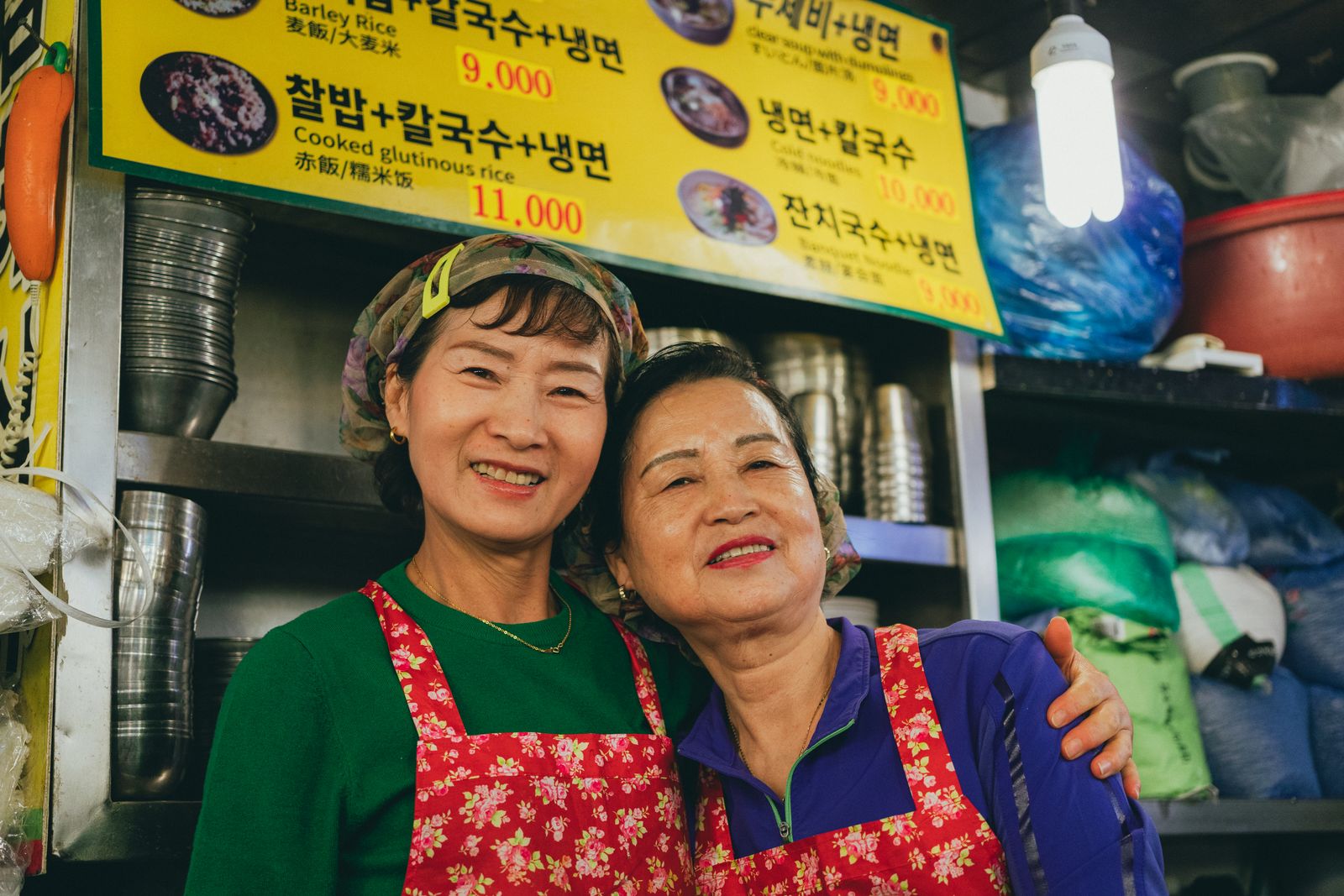
Ajumma Meaning: Is This Korean Word Rude? Ahjumma and Imo Explained
Learn what ajumma means in Korean, why it can sound rude, how it differs from ajumeoni and imo, and what travelers should say instead.
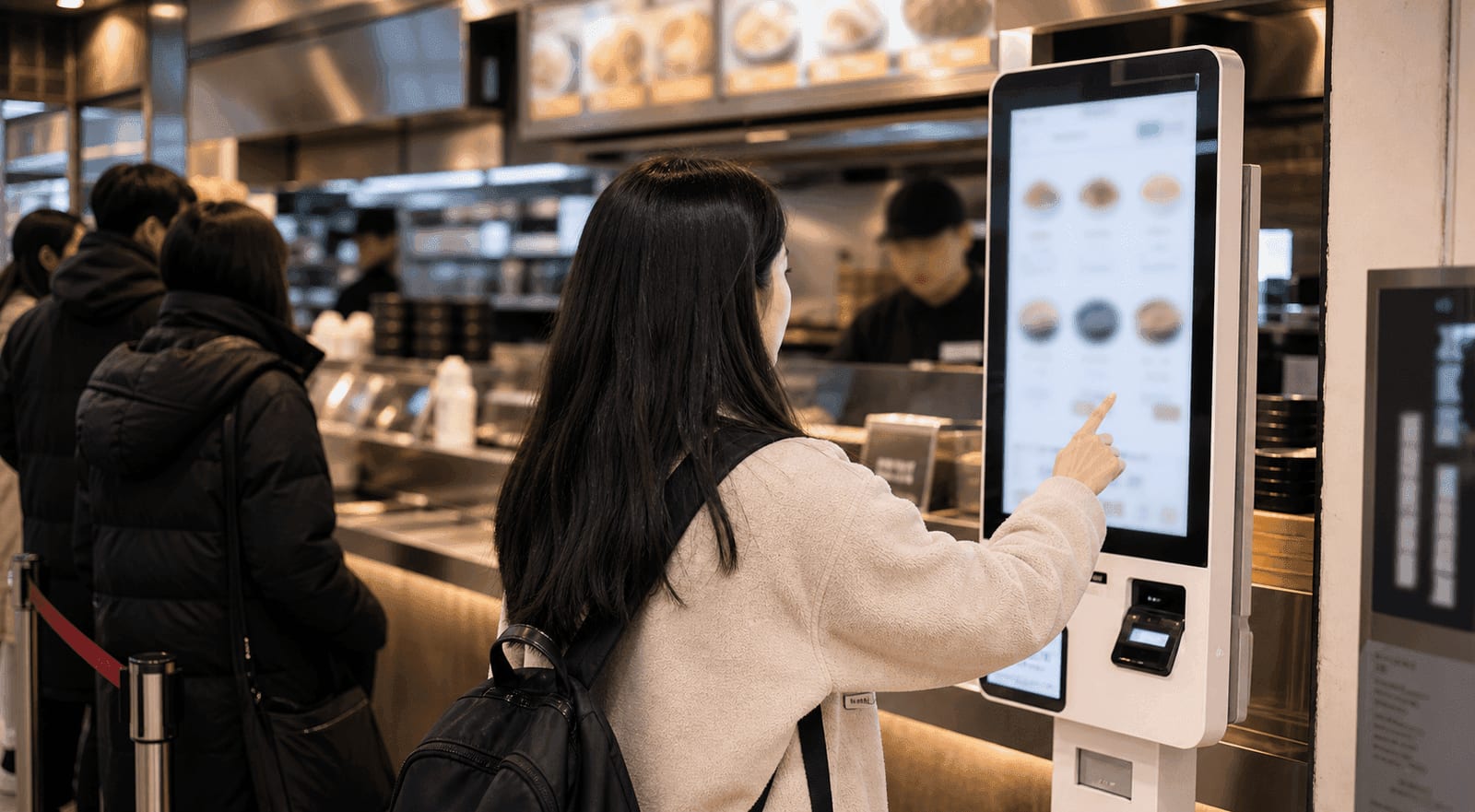
Korean Kiosk Panic Guide: How To Order Food In Seoul
A Korean kiosk panic guide for Seoul travelers: how to order food, choose menus, pay, handle pickup numbers, avoid mistakes, and stay calm.