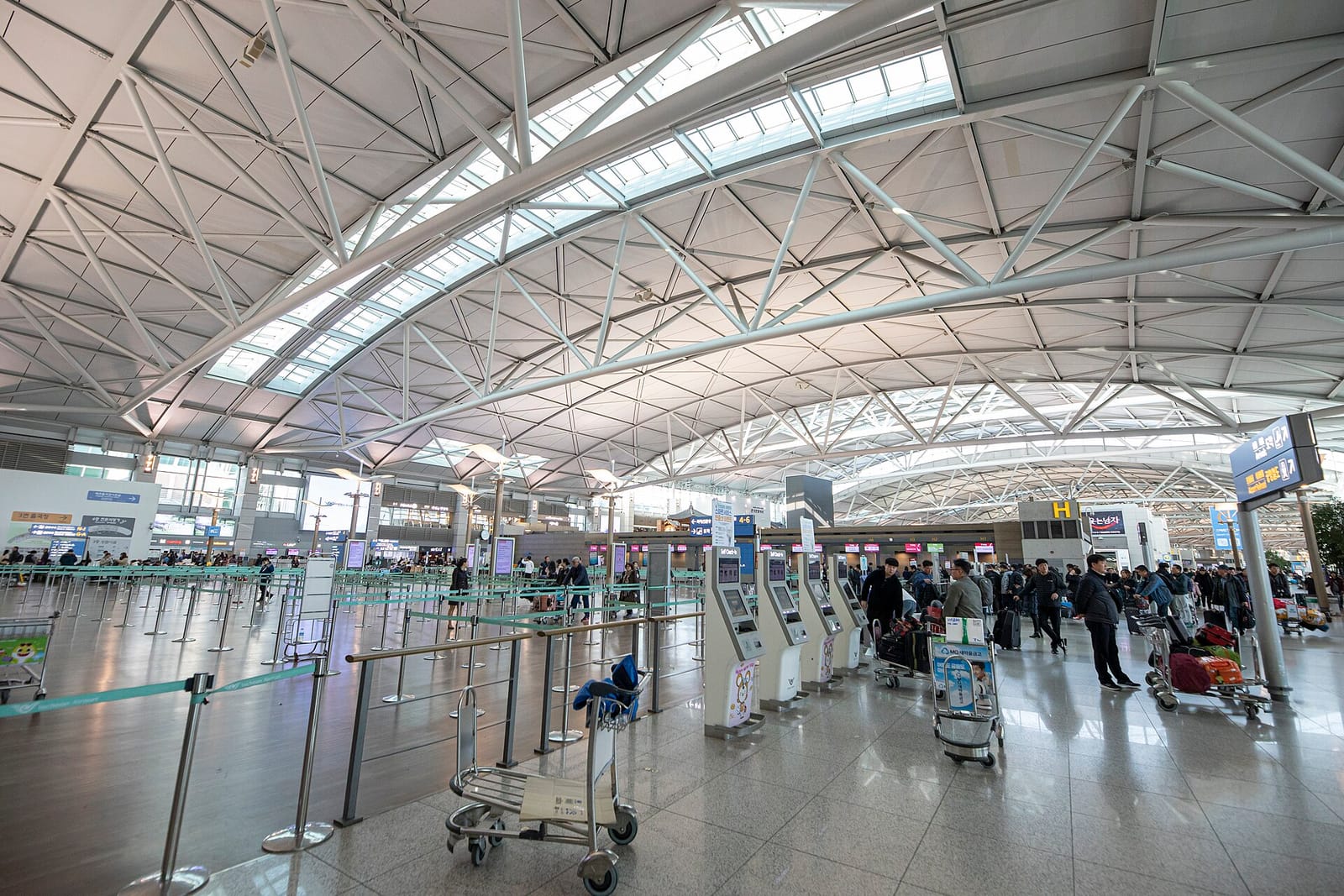
First Trip to Korea: 20 Essential Travel Tips for 2026
A first trip to Korea becomes much easier when you prepare four things before landing: check the entry rule for your own passport, submit the official e-Arrival Card if required, install a Korean map app, and keep both a bank card and some Korean won. After arrival, buy a rechargeable transit card, save your hotel's address in Korean, and remember the emergency numbers 112 and 119.
This guide is current as of July 17, 2026. Immigration eligibility, fares, opening hours, and app features can change, so verify variable details on the linked official sites shortly before departure.
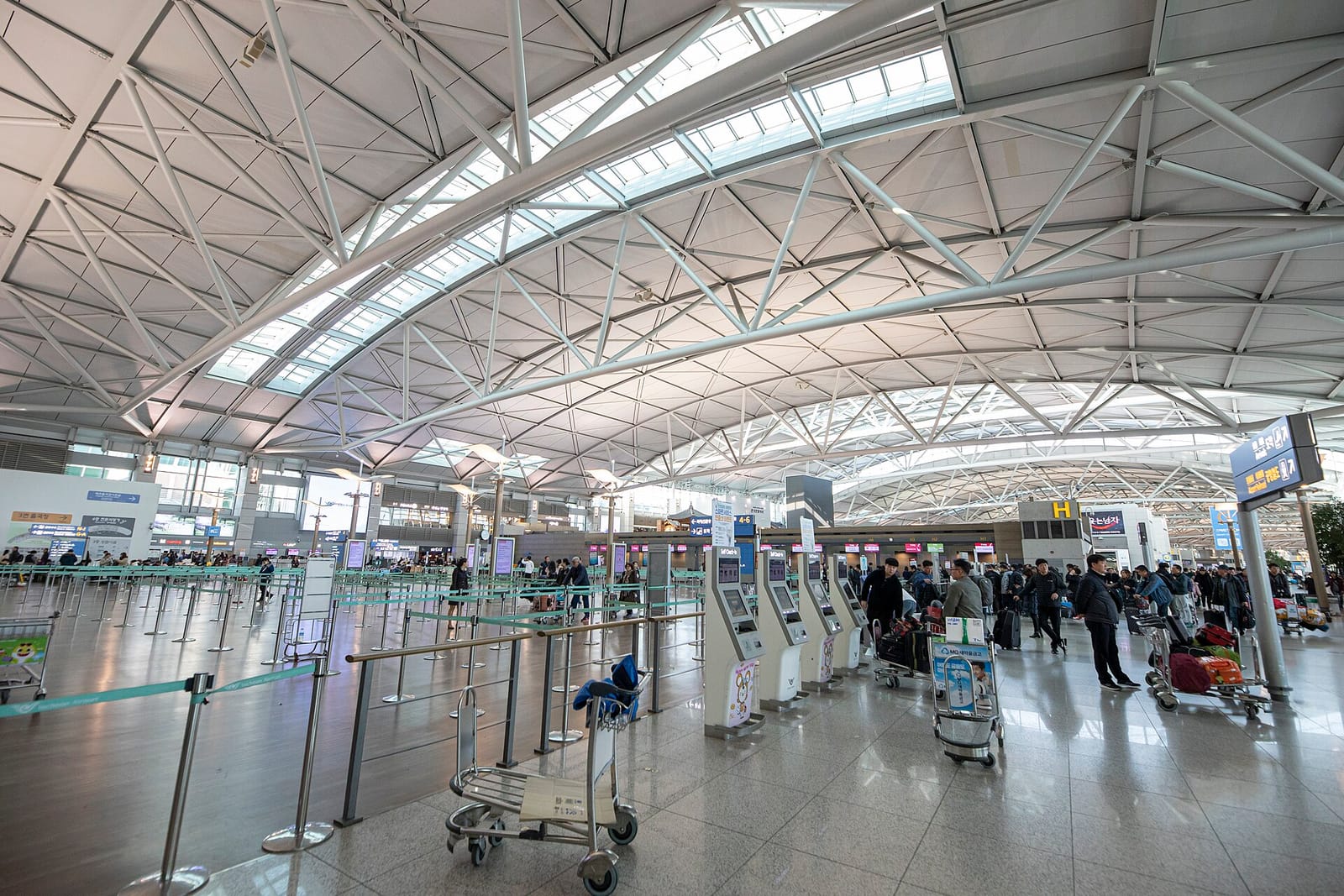
Incheon Airport is well signed, but completing entry forms and choosing an airport transfer before landing makes the first hour much calmer.
Before You Fly: Passport, K-ETA, Visa, and e-Arrival Card
Entry requirements depend on nationality, passport type, purpose, and length of stay. Do not rely on an influencer's checklist or assume a friend's rule applies to you. Check the Republic of Korea embassy or consulate responsible for your country and the official K-ETA website.
For 2026, Korea extended the temporary K-ETA exemption for nationals of the countries and regions already covered through December 31, 2026. That is not a worldwide exemption. The official system shows an “K-ETA Exempt” message for eligible nationality selections. A traveler who is exempt may still apply voluntarily, pay the fee, and receive the arrival-card benefit attached to a valid K-ETA.
From 2026, foreign arrivals who do not hold an applicable exemption from the arrival card generally complete Korea's e-Arrival Card online within the three days before arrival. Valid K-ETA holders, registered foreign residents, and certain other groups are exempt. Use only e-arrivalcard.go.kr; the government form is free. Prepare your passport, flight details, accommodation address, and contact information.
Keep offline copies of your first accommodation's name, address, and phone number. The address is useful at immigration, for a taxi, and if mobile data fails. Check that your passport validity satisfies both Korea's rule and your airline's boarding policy.
| Before-flight task | Where to verify | When to do it | Common mistake |
|---|---|---|---|
| Visa or visa-free eligibility | Korean embassy/consulate | Before booking nonrefundable travel | Using a rule for another nationality |
| K-ETA status | Official K-ETA site | Before departure | Assuming the 2026 exemption covers everyone |
| e-Arrival Card | Official e-Arrival Card site | Within 3 days before arrival | Paying an unofficial form service |
| Accommodation address | Your confirmed booking | Save before boarding | Keeping it only inside an online app |
| Insurance and medication | Insurer and Korean customs guidance | Several weeks ahead | Assuming every prescription can be imported freely |
BAGSMART RFID travel wallet — on AmazonAffiliate link. As an Amazon Associate, EpicKor earns from qualifying purchases at no extra cost to you.
Choose Your Incheon Airport Transfer Before Landing
The right transfer depends on where you stay, how much luggage you have, and when you land. AREX trains connect Incheon Airport with Seoul Station. The nonstop Express Train and all-stop service are different products, with different stops and ticketing. An airport limousine bus can be easier when its stop is near your hotel and you have a large suitcase. A taxi provides door-to-door travel but costs more and can be delayed by traffic.
Check the last departure for the exact terminal and service if you arrive late. Do not plan around a remembered timetable. Incheon Airport's official transportation pages list current railway, bus, taxi, and late-night options. Terminal 1 and Terminal 2 are separate; verify your airline and arrival terminal.
If your accommodation is outside central Seoul, compare a direct bus with traveling through Seoul Station. The train is not automatically fastest after you include transfers, station walking, and stairs. EpicKor's Incheon Airport to Seoul transfer guide helps compare the main routes.
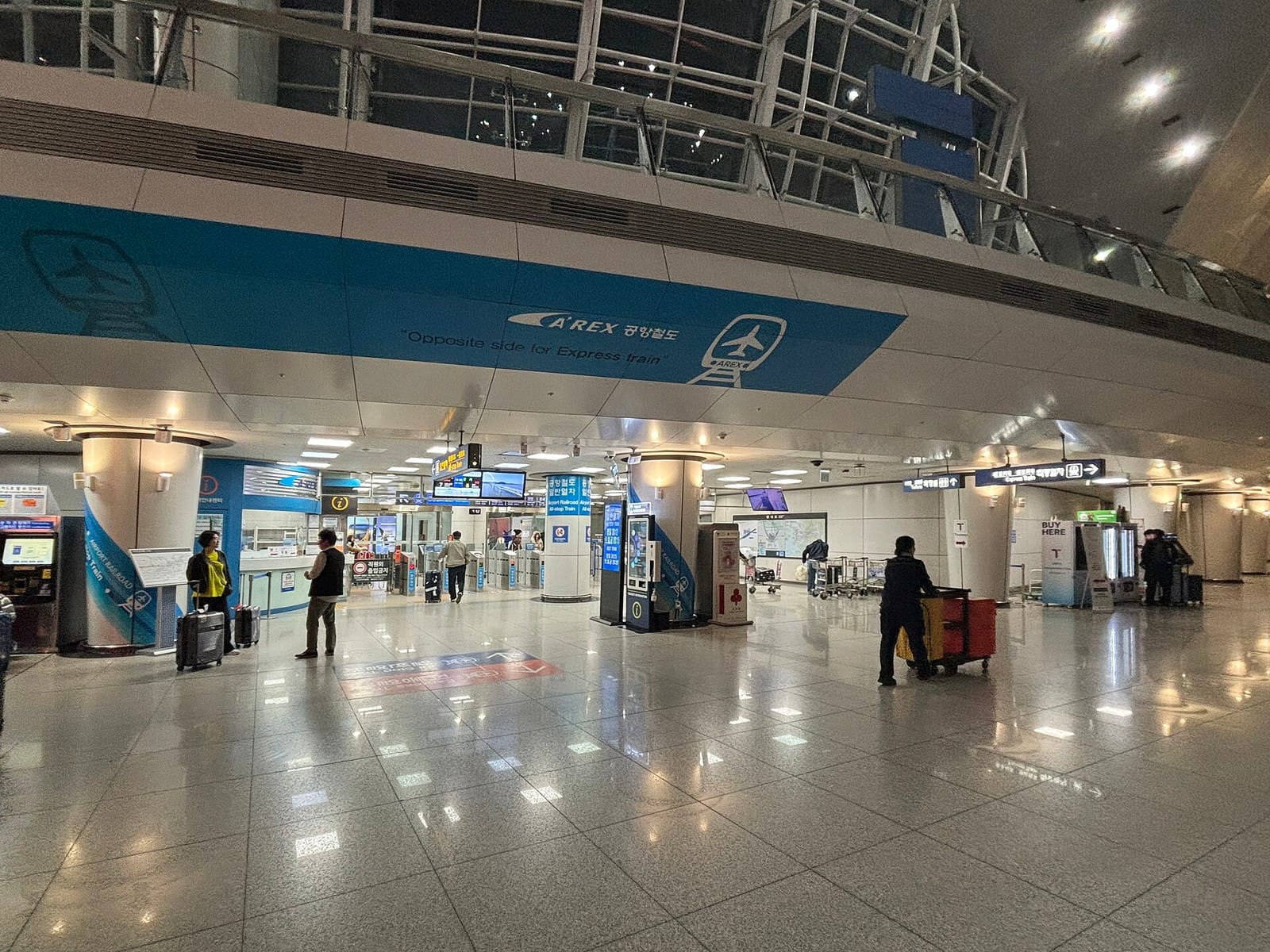
AREX is convenient for many Seoul routes, but a bus may reduce transfers when your hotel is far from Seoul Station.
Buy and Use a Transit Card Correctly
A rechargeable T-money card works on most city buses and subways and can be used for some taxis and small purchases. Cards are sold at many convenience stores and station vending points; the card and stored balance are separate costs. Cash top-up is still the dependable assumption at ordinary machines and convenience stores, so keep a few small won notes.
Tap when entering and leaving the subway. On buses, tap when boarding and again when exiting so the system can calculate the fare and transfer. Transfer discounts depend on the journey, timing, and transport rules; do not describe every second ride as “free.” If two people travel together, each should have a card for normal subway use.
Other products, including mobile transit services and tourist payment cards, may fit particular phones or spending needs. The lowest-friction first trip is often a physical T-money card plus a separate international credit card. That setup avoids making one app responsible for both movement and money.
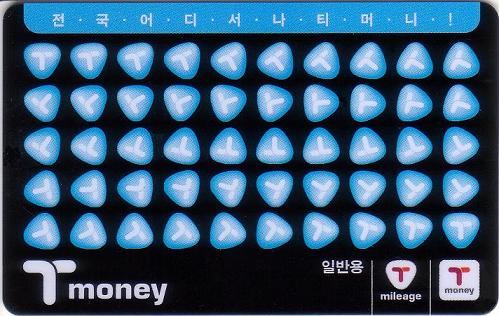
A physical T-money card is a simple fallback even if you also use a tourist payment card or mobile wallet.
Install Korean Navigation and Translation Apps
Install Naver Map or KakaoMap before departure. Both provide public-transport routing and local place data that visitors often find more complete than foreign map services in Korea. Search quality improves when you paste a Korean venue name or road address. Save your hotel, airport terminal, and first few destinations while connected to reliable Wi-Fi.
Even a little Hangeul helps with station names, menu words, and copied addresses. If Korean text still feels like a wall, read EpicKor's beginner Hangeul and Korean learning guide before your trip.
For subway trips, check the destination direction, line number and color, transfer station, and exit number. The exit matters: emerging on the wrong side of a major road can add a long walk. Bus routing is excellent but first-time visitors should confirm the bus number and final direction because several stops can have similar English names.
Papago and Google Translate can both help, but translation is most reliable with short, plain sentences. Download offline language support where available. Keep the Korean text for allergies, your hotel, and essential medical information as a screenshot.
Keep the documents together: As an Amazon Associate, EpicKor may earn from qualifying purchases. Compare a compact travel document organizer for your passport, insurance details, transit card, and paper backup; do not store every critical item in one checked bag.
See travel document organizer on AmazonSet Up Mobile Data Without Locking Yourself Out
An eSIM suits a compatible unlocked phone; a physical tourist SIM works when eSIM is unavailable; and a Wi-Fi router can serve a group. Check whether a plan is data-only because some reservations need local SMS or calling.
Follow the provider's activation instructions, keep the eSIM QR code off the phone that must scan it, and disable unwanted home-network roaming. Public Wi-Fi is not a dependable navigation plan.
Korea uses 220V, 60Hz electricity and round two-pin sockets. Check each device's input label: many chargers accept 100-240V and need only an adapter, while single-voltage heat appliances may not.
Cards Work Widely, but Carry Some Won
Cards are widely accepted, but foreign cards can fail. Markets, transit-card top-ups, lockers, and older machines may require cash or a domestic payment method.
Carry two cards separately. When offered dynamic currency conversion, compare the rate; paying in won normally lets your card network convert the charge.
Use authorized exchange services and check ATM fees. A “global ATM” label does not guarantee acceptance, and a stranger should never take your card to “fix” a problem.
Restaurant, Cafe, and Convenience-Store Basics
Casual restaurants may use a table, counter, kiosk, or tablet, while water and side dishes can be self-service. Some require one main dish per person or a minimum barbecue order; check the menu.
Ask before refilling side dishes, return trays where signed, and sort waste by the labels. Tipping is generally not expected in ordinary restaurants, cafes, taxis, or salons; follow any stated service charge.
For allergies, carry a Korean card stating the ingredient and severity. Vegetarian dishes can contain anchovy stock, fish sauce, broth, or egg, so ask about the base.
Public Etiquette That Actually Helps
Stand to the side before boarding a subway and let passengers exit. Keep calls and videos quiet on public transport. Priority seats are intended for people who need them, and some carriages mark seats for pregnant passengers. Large backpacks are easier to control when carried low or held in front in a crowded train.
Queueing is normal, but the line may form around a numbered ticket system. At escalators, local standing conventions can change, so follow posted guidance rather than a blog's permanent left-or-right claim. Do not photograph strangers closely, especially children, without permission.
Shoes come off in many homes and some traditional accommodations or restaurants. Look at the entrance and follow the host. In public restrooms, put toilet paper in the bowl unless a sign specifically says otherwise; separate bins may be for sanitary products. EpicKor's Korean public restroom guide covers bidets, emergency buttons, and accessible facilities in more detail.
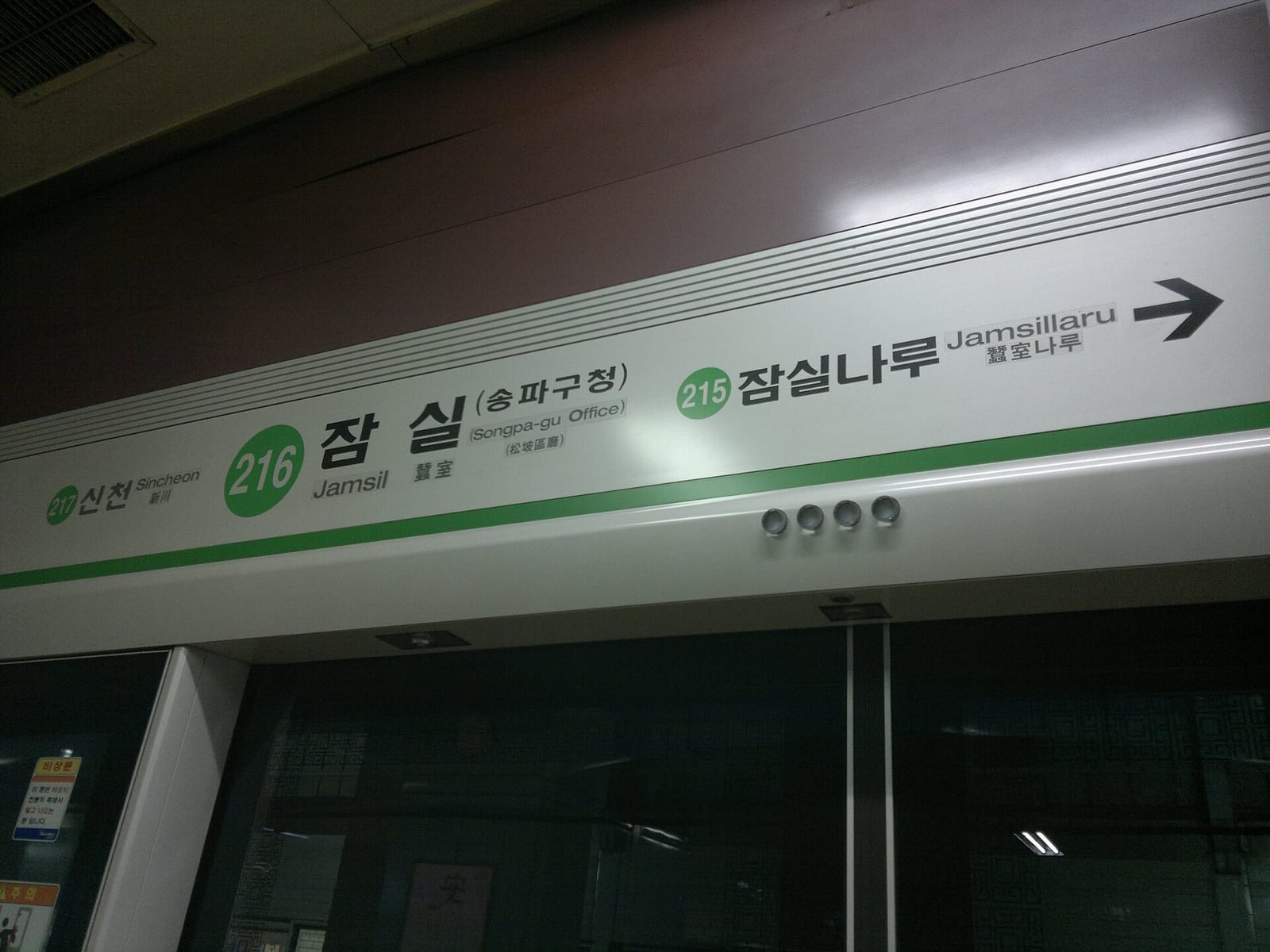
Line direction, transfer station, and exit number are more useful than memorizing a whole metro map.
Weather, Clothing, and Air-Quality Planning
Korea has hot, humid summers and cold winters, with regional variation. Check the Korea Meteorological Administration forecast before each day trip.
Use layers in spring and autumn. In summer, carry water and plan indoor breaks. Obey closures around streams and underpasses during heavy rain.
For family days or bad-weather backups, EpicKor's Korea theme parks guide helps compare Lotte World, Everland, and Korean Folk Village before you commit to a full-day route.
Comfortable shoes matter because Seoul combines station corridors, slopes, and palace grounds. EpicKor's Korea travel mistakes guide is a useful packing check.
Protect navigation time: Compare a flight-safe portable travel power bank before departure. Maps, translation, photos, and eSIM data can drain a phone quickly; check your airline's current carry-on and capacity rules.
See portable travel power bank on AmazonEmergency Numbers and Help for Travelers
Call 112 for police and 119 for fire or ambulance. The Korea Tourism Organization advises callers who do not speak Korean to say “English please” or “Interpreter please.” Save your current address or a nearby building name because location information speeds assistance.
For non-life-threatening tourist information and interpretation, contact the 1330 Korea Travel Helpline. VISITKOREA lists phone and chat options and multiple supported languages. The government-backed Emergency Ready and Baro Emergency Reporting apps can provide multilingual safety information, but app functions can change; an app does not replace 112 or 119 during immediate danger. If security headlines make the trip feel confusing, EpicKor's Korean War armistice and daily-life guide explains the difference between normal Seoul travel and the peninsula's unresolved armistice structure.
Travel insurance should cover the activities you plan and provide an assistance number you can call from Korea. Carry essential medication in original packaging with a prescription or doctor's letter when appropriate, and verify controlled-drug import requirements in advance.
| Need | Number or service | Use it for |
|---|---|---|
| Police | 112 | Immediate danger, crime, or urgent police help |
| Fire or ambulance | 119 | Fire, rescue, or medical emergency |
| Tourist help | 1330 | Travel information and non-emergency interpretation |
| Immigration questions | 1345 | Visa, stay, and immigration guidance |
| Lost property | LOST112 website | Searching or reporting items handled by police |
A Low-Stress First 24 Hours
Do not schedule a timed palace tour immediately after landing. Immigration queues, baggage, SIM setup, and the airport transfer can vary. Reach your accommodation, confirm payment access and mobile data, buy a transit card, eat something simple, and take a short neighborhood walk.
For day one, choose one major sight and one nearby backup. Group destinations by area instead of crossing Seoul repeatedly. Save the last train time, but leave enough money for a taxi in case fatigue or a missed connection changes the plan. If your arrival day becomes a full city sampler, use the 24-hour Seoul route guide to pace markets, cafes, dinner, late-night transit, and the way back. If you are also trying to read social warmth, eye contact, and Korean first-impression cues, the Suzy first-love image guide explains the celebrity-culture version without turning it into a dating stereotype.
Korea rewards curiosity more than speed. The “ppalli-ppalli” reputation for doing things quickly does not require a visitor to rush. A realistic route, current official information, and room to change your mind will produce a better first trip than a checklist with 12 neighborhoods in one day.
If you are not sure what kind of Korea trip you are building, use the Korea travel cheat codes guide to choose by interest: food, shopping, Hallyu, history, wellness, or slow-stay travel.
If that first trip turns into a longer stay, read the one-month Seoul living guide before booking accommodation. A month-long visit changes the decision from sightseeing order to neighborhood rhythm, laundry, transit cards, app friction, and realistic weekly pacing.
If your first trip includes an intercity bus, rental car, ski shuttle, or regional day trip, read the Korean highway rest area guide too. Rest stops are part of the travel rhythm, not just bathroom breaks.
You might like: What You Cannot Bring Into Korea: jerky, mango, Adderall and CBD are banned, sleeping pills need a permit, and the fine is ₩1–10 million
Frequently Asked Questions
Q: Do I need a K-ETA to visit Korea in 2026?
It depends on nationality and travel status. Some nationalities remain temporarily exempt through December 31, 2026, while others require K-ETA or a visa. Verify on the official K-ETA and embassy sites.
Q: Is Korea's e-Arrival Card free?
Yes, the official government e-Arrival Card is free. Travelers who need it submit within the three days before arrival at e-arrivalcard.go.kr. Avoid paid look-alike services.
Q: Should I buy T-money at Incheon Airport?
It is convenient if you will use public transit soon. Availability and designs vary by seller; remember that the physical card price and rechargeable balance are separate.
Q: Does Google Maps work in South Korea?
It has useful features, but many visitors find Naver Map or KakaoMap more complete for local place search and public-transport routing. Install at least one Korean map app.
Q: Can I travel in Korea without cash?
Cards are widely accepted, but some transit top-ups, markets, lockers, and small machines still need cash. Carry a modest amount of won and a backup card.
Q: What number should a tourist call in a Korean emergency?
Call 112 for police and 119 for fire or ambulance. For non-emergency travel information and interpretation, use the Korea Tourism Organization's 1330 helpline.
Official Sources
You Might Also Like

Seoul Night Guide: Hangang, Cafes, Markets, and Transit
A practical Seoul night guide for Hangang drone shows, late cafes, markets, neighborhoods, transit, safety, and realistic after-dark planning.

What Does Pali Pali Mean? Korea's Fast Culture
What does pali pali mean in Korean? Learn Korea's fast culture through restaurants, delivery, subway life, kiosks, and everyday speed.
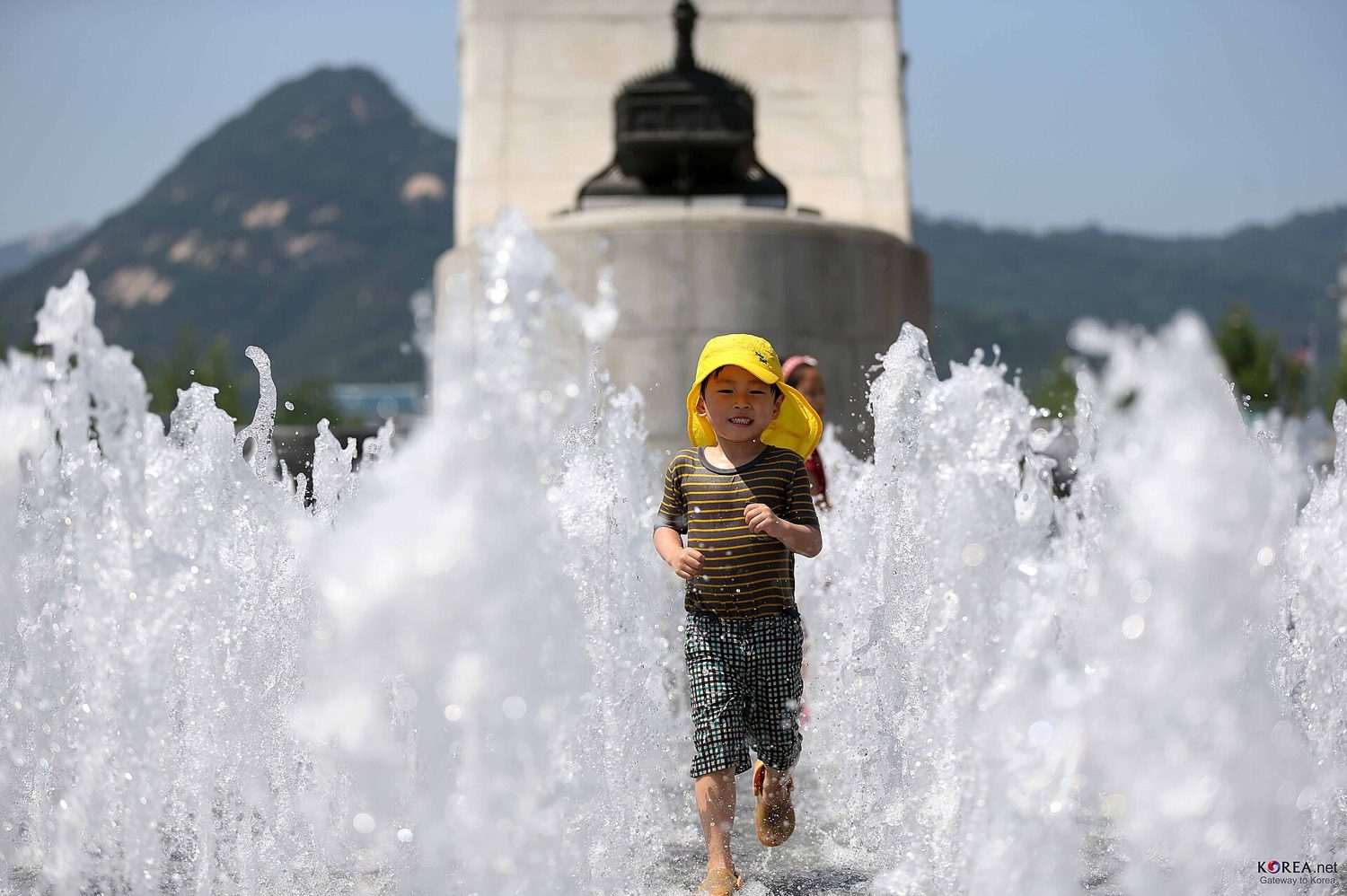
Is Korea Kid-Friendly? What Foreign Parents Report — and What Korean Data Shows: Strangers Who Hand Out Tangerines, 114 No-Kids Zones, and the 68% Who Accept Them
Foreign parents say older Koreans shower babies with snacks and department-store nursing rooms beat London's. Korean data adds 114 no-kids zones, 68% public acceptance, and 64% of Korean parents who feel watched. What that means for your trip.