K-Brand Explained: Why Korea's K-Prefix Travels
The K-prefix is everywhere now: K-pop, K-drama, K-food, K-beauty, K-fashion, K-content, K-culture, K-tourism. Sometimes it is useful. Sometimes it is lazy marketing. But it is not random. The letter K has become a fast global signal that points to Korea's entertainment, food, beauty, design, language, fandom, and lifestyle exports.
The useful question is not whether the K-brand is "powerful." It clearly is. The better question is how it works. Why does one drama make someone buy Korean snacks? Why does one idol group make fans learn Hangeul? Why does Korean sunscreen sit beside Netflix watchlists and Seoul itineraries? Why can a small pouch, a bowl of tteokbokki, or a photocard feel like part of the same cultural system?
This guide explains the K-brand without treating it like magic. It is a mix of cultural quality, repeat exposure, platform distribution, fan labor, government support, private-sector skill, product usability, and the emotional way people attach a country to everyday choices.
Bokjumeoni pouch — compare on AmazonAffiliate link. As an Amazon Associate, EpicKor earns from qualifying purchases at no extra cost to you.
Quick Answer: What Does K-Brand Mean?
K-brand means the broad global recognition of Korean culture and products through the "K-" label. It includes pop culture such as K-pop and K-drama, but also food, beauty, fashion, language, tourism, design, games, webtoons, and even business interest in Korean companies. For the fashion-specific version of that loop, EpicKor's Korean streetwear guide explains how Seoul silhouettes, shopping districts, and sizing work in practice.
The Ministry of Culture, Sports and Tourism and KOFICE's 2025 Overseas Hallyu Survey covered 26,400 respondents across 28 regions who had experienced Korean cultural content. Korea.net later reported that the 2026 Overseas Hallyu Survey found 69.7% of 27,400 Korean-content-experienced respondents from 30 countries had a positive perception of Hallyu. Those surveys are not a perfect measure of every global consumer, but they show that Hallyu is now a measurable international cultural field, not just a fan anecdote.
The K-prefix matters because it shortens discovery. A viewer who liked a Korean drama may search Korean food. A K-pop fan may buy photocards, skincare, snacks, or a Seoul flight. A food traveler may learn about kimchi, ssamjang, cookware, and markets. A beauty shopper may end up reading about Korean sunscreen, clinics, and neighborhood shopping. EpicKor's own funnel depends on that loop: culture interest turns into travel and shopping intent, which can naturally support useful affiliate links.
| K-Brand Lane | What People Notice First | What It Can Lead To | EpicKor Guide To Pair |
|---|---|---|---|
| K-pop | Music, choreography, idols, fandom | Photocards, concerts, Seoul travel, language learning | K-pop photocard guide |
| K-drama | Emotion, actors, fashion, places | Streaming, food cravings, filming-location travel | Netflix K-drama guide |
| K-food | Kimchi, BBQ, noodles, snacks | Restaurants, groceries, cookware, cooking at home | Ssamjang guide |
| K-beauty | SPF, skincare texture, packaging | Olive Young, routines, clinics, product comparison | Korean sunscreen guide |
| K-travel | Seoul, Busan, Jeju, neighborhoods | Hotels, transit, shopping, day trips | Korea travel cheat codes |
Where the Word Korea Comes From
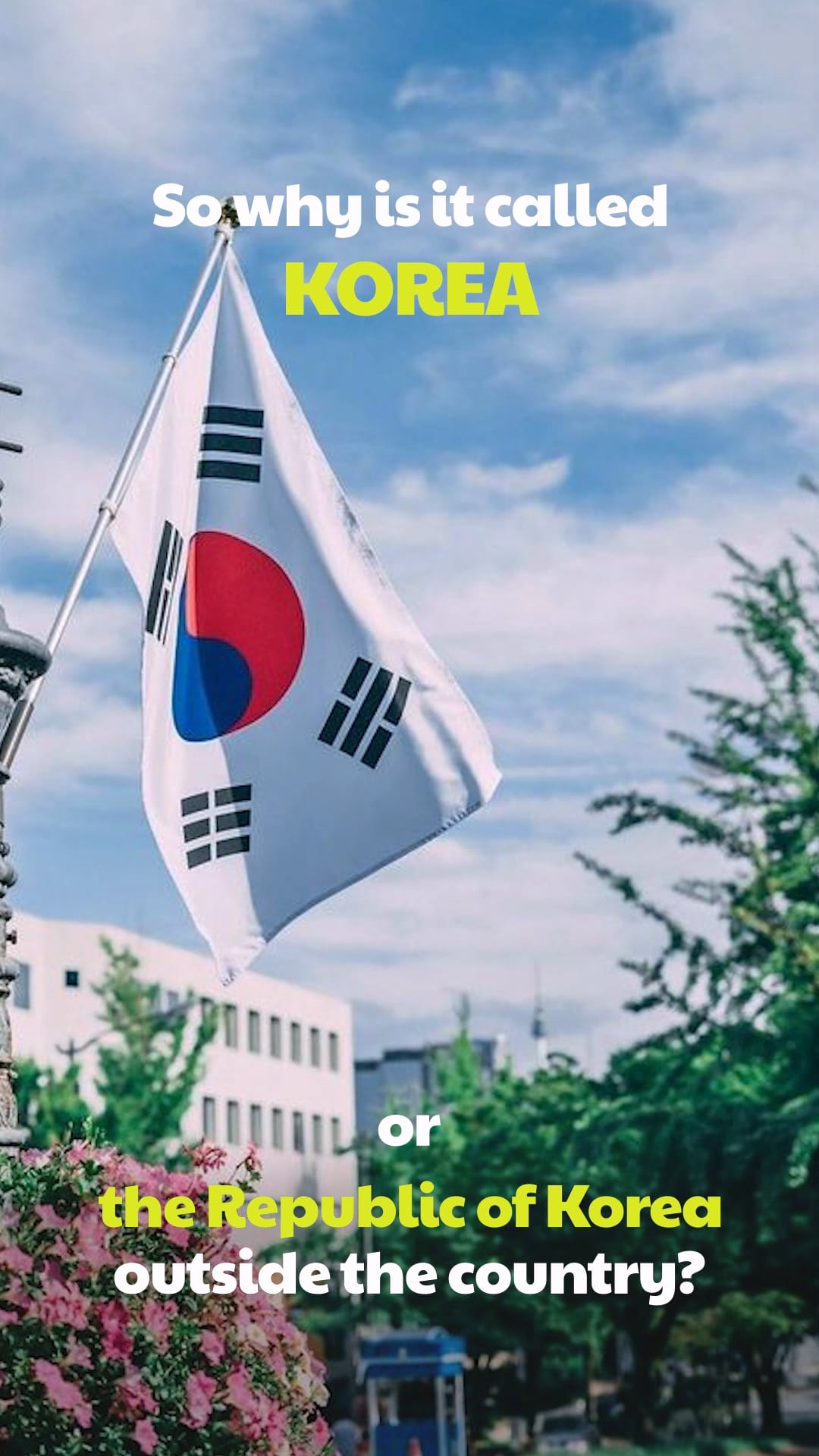
The K in K-brand points to Korea, but the word Korea itself has a long historical path. The Academy of Korean Studies' Encyclopedia of Korean Culture explains that the English name Korea originates from Goryeo, a state whose name was transmitted through international contact and became the basis for foreign names such as Korea/Corea. See the AKS entry on national names for the fuller Korean-language context.
That history matters because modern K-branding is not only a pop-culture abbreviation. It sits on top of older names, national identity, language, foodways, and symbols. Korea.net's official Overview of Korea explains Hangeul, the Taegeukgi, the mugunghwa, the national anthem, and other basic identity markers. In recent years, Hangeul's visual structure has also become part of design, fashion, merchandise, and cultural branding.
So the K-prefix is modern, but it borrows weight from deeper identity. That is why a Korean flag hat, Hangeul tote, kimchi museum, or traditional pouch can sit beside K-pop albums and still feel connected.
K-brand souvenir angle: As an Amazon Associate, EpicKor may earn from qualifying purchases. If the global "K" label interests you, a simple Bokjumeoni pouch is a small example of tradition becoming a modern gift object.
See Bokjumeoni pouch on AmazonHow Hallyu Turns Attention Into Products
Hallyu works because it rarely stays in one lane. A drama creates an actor crush. The actor wears a coat, eats a food, uses a neighborhood, or appears in an ad. The viewer searches the place, the song, the snack, the skincare, the phrase, or the filming location. Social platforms then turn that curiosity into lists, hauls, subtitles, edits, memes, reviews, and travel plans. For the platform-specific version of this loop, EpicKor's Korean celebrity Instagram ranking guide explains how followers become fashion, fandom, and brand power, while EpicKor's South Korea explained guide gives the wider national context behind K-pop, rapid growth, tragedy, and resilience.
That is why K-branding feels unusually connected. The same person can watch a drama, buy Korean ramen, learn basic Hangeul, save a Seoul cafe, compare sunscreen, and plan a trip. The emotional bridge is not always rational, but the behavior is real.
For EpicKor, the editorial opportunity is to help readers move from vague interest to useful decisions. If someone discovers Korea through a show, the next helpful article might be what Korean dramas to watch first, why Korean webtoons feed K-drama adaptations, how to start learning Hangeul and Korean, what Koreans eat for breakfast, how to use Naver or Kakao maps, or where to stay in Seoul. Trust grows when the next step is practical, not just promotional.
K-Pop, K-Drama, K-Food, and K-Beauty Are Different Engines
K-pop is the fandom engine. It is fast, organized, social, and collectible. Fans translate, vote, stream, buy albums, collect photocards, attend tours, and build communities. The products are not only music. They are identity, membership, and proof of care.
K-drama is the emotional engine. It gives viewers characters, places, clothes, food, and phrases they can attach to. Drama fans may not behave like idol fandoms, but their long-tail behavior is powerful: watchlists, actor interest, food cravings, OST playlists, and Korea travel dreams.
K-food is the sensory engine. It converts attention into taste. Someone who has never visited Korea can still buy gochujang, ssamjang, ramyeon, honey yakgwa, kimchi, or cookware. Food is often the easiest first physical contact with Korea.
K-beauty is the routine engine. It fits daily life because skincare is repeated. Sunscreen, cleanser, toner, cushion, lip tint, and sheet masks can become habits, not just souvenirs. That repeatability is why K-beauty can turn cultural curiosity into recurring purchases.
K-travel is the conversion engine. A trip turns all of the above into one real-world decision: where to stay, what to eat, what to buy, what to watch, what to pack, and what to compare before departure.
| Engine | Emotional Hook | Commercial Behavior | Risk |
|---|---|---|---|
| K-pop | Belonging and support | Albums, photocards, concerts, merch | Over-collecting and fake goods |
| K-drama | Character attachment | Streaming, snacks, travel, fashion | Confusing fiction with real Korea |
| K-food | Craving and memory | Groceries, restaurants, cookware | Buying products without knowing use |
| K-beauty | Routine and texture | SPF, skincare, makeup, clinic travel | Ingredient mismatch or trend chasing |
| K-travel | Place desire | Flights, hotels, tours, shopping | Overpacked itinerary |
Why the K-Prefix Can Also Mislead
The K-prefix is useful, but it can flatten Korea. Not every Korean product is high quality. Not every trend reflects daily Korean life. Not every Korean person loves the same dramas, idols, foods, beauty products, or travel routes. The prefix can make a huge country feel like one mood board.
Good K-brand content should avoid three mistakes. First, do not treat Korea as only pop culture. Korea also includes labor, politics, regional life, older generations, small businesses, religious spaces, schools, offices, and ordinary routines. Second, do not treat every product as authentic just because it says Korean. Third, do not make readers feel that buying something is the only way to participate.
The better approach is curiosity plus usefulness. Explain the cultural context, then help the reader make a small good decision: what to watch, what to eat, what to pack, what to buy, what to skip, what to verify, and how not to be weird at the table.
How to Read K-Brand Like a Smart Traveler or Shopper
Use the K-prefix as a doorway, then ask a second question. If the product is K-beauty, what skin type, climate, ingredient, and return policy matter? If the attraction is K-drama-related, is it a real neighborhood with residents, or a commercial photo stop designed for fans? If the food is marketed as Korean, is it a useful pantry item, a novelty snack, or a product that needs context to taste good?
This second-question habit protects both trust and money. It keeps a traveler from buying every souvenir with Hangeul on it, and it keeps a shopper from assuming one viral item represents Korea. It also creates better affiliate decisions. A good recommendation should help a reader compare, pack, cook, protect, store, or understand something. It should not simply say "Korean equals cool."
For EpicKor's purpose, that is the sweet spot. The reader arrives through culture, then gets a practical next step: compare a useful product, choose a route, understand a food, or avoid a common mistake. K-brand becomes most valuable when it turns attention into informed action. The same logic applies to corporate personalities: the Chung Yong-jin and Shinsegae guide shows how public-facing Korean retail leadership can create both consumer attention and reputational risk.
Wear the Korea signal lightly: For travel days, fan events, or simple souvenir styling, compare this Korean flag dad hat only if the design fits your actual use.
FAQs About K-Brand and Hallyu
Q: What does K-brand mean? A: It refers to Korea's recognizable cultural and product identity across areas such as K-pop, K-drama, K-food, K-beauty, K-fashion, K-tourism, language, design, and lifestyle.
Q: Is Hallyu the same as K-brand? A: Not exactly. Hallyu means the Korean Wave, especially the spread of Korean cultural content. K-brand is broader because it can include products, tourism, design, national image, and consumer behavior around Korea.
Q: Why does the K-prefix work so well? A: It is short, searchable, and connected to repeated positive experiences. A person may discover Korea through music, drama, food, skincare, or travel, then move into other Korean categories.
Q: Where does the name Korea come from? A: The English name Korea is commonly traced to Goryeo, an earlier Korean state whose name traveled through international contact and became the basis for foreign names such as Korea/Corea.
Q: Is every K-branded product authentic or good? A: No. The prefix is a signal, not a guarantee. Check sources, labels, reviews, ingredients, and whether the product actually fits your needs.
Q: How should travelers use K-brand interest responsibly? A: Use it as a doorway. Enjoy dramas, music, food, and beauty, but also learn basic etiquette, support local businesses respectfully, and avoid treating real neighborhoods as only filming sets.
Bottom Line
The K-brand travels because it gives people many doors into Korea. One person enters through a song, another through a drama, another through sunscreen, barbecue, Hangeul, a Seoul cafe, or a museum gift.
The strongest version of K-brand is not hype. It is connection. It turns attention into understanding, and understanding into better choices: what to watch, eat, buy, learn, and visit.
You Might Also Like

Korean Cinema Guide: Iconic Films and Lines to Know
A practical Korean cinema guide explaining iconic films, famous lines, cultural context, where to start, and how to watch without missing the point.
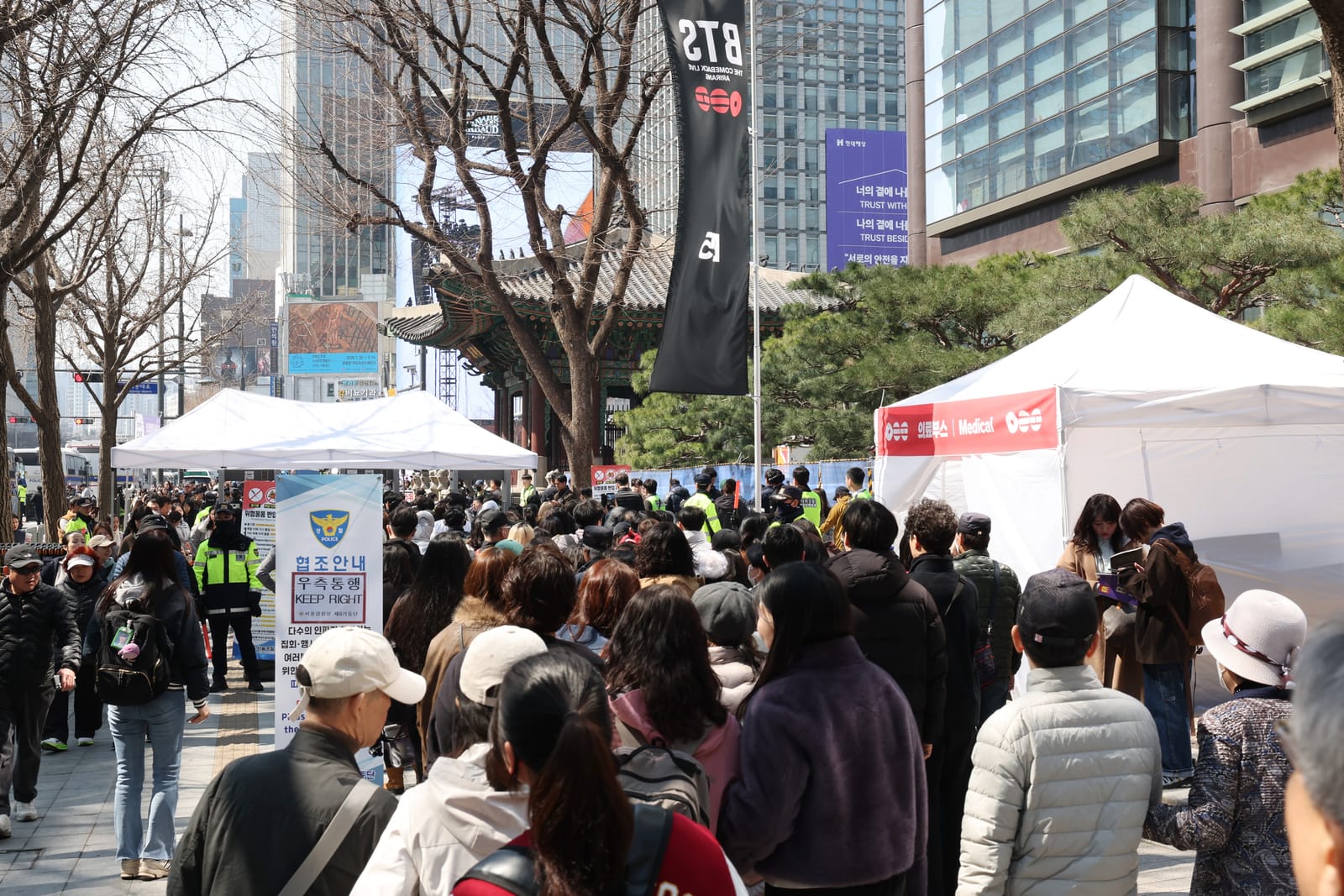
Have All BTS Members Finished Korean Military Service? 2026 Status
Yes — all seven finished. Jin was discharged 12 June 2024, J-Hope 17 October 2024, and RM, V, Jimin, Jung Kook and SUGA between 10 and 21 June 2025. Full dates, why SUGA served longer, and what BTS did after the uniforms came off.
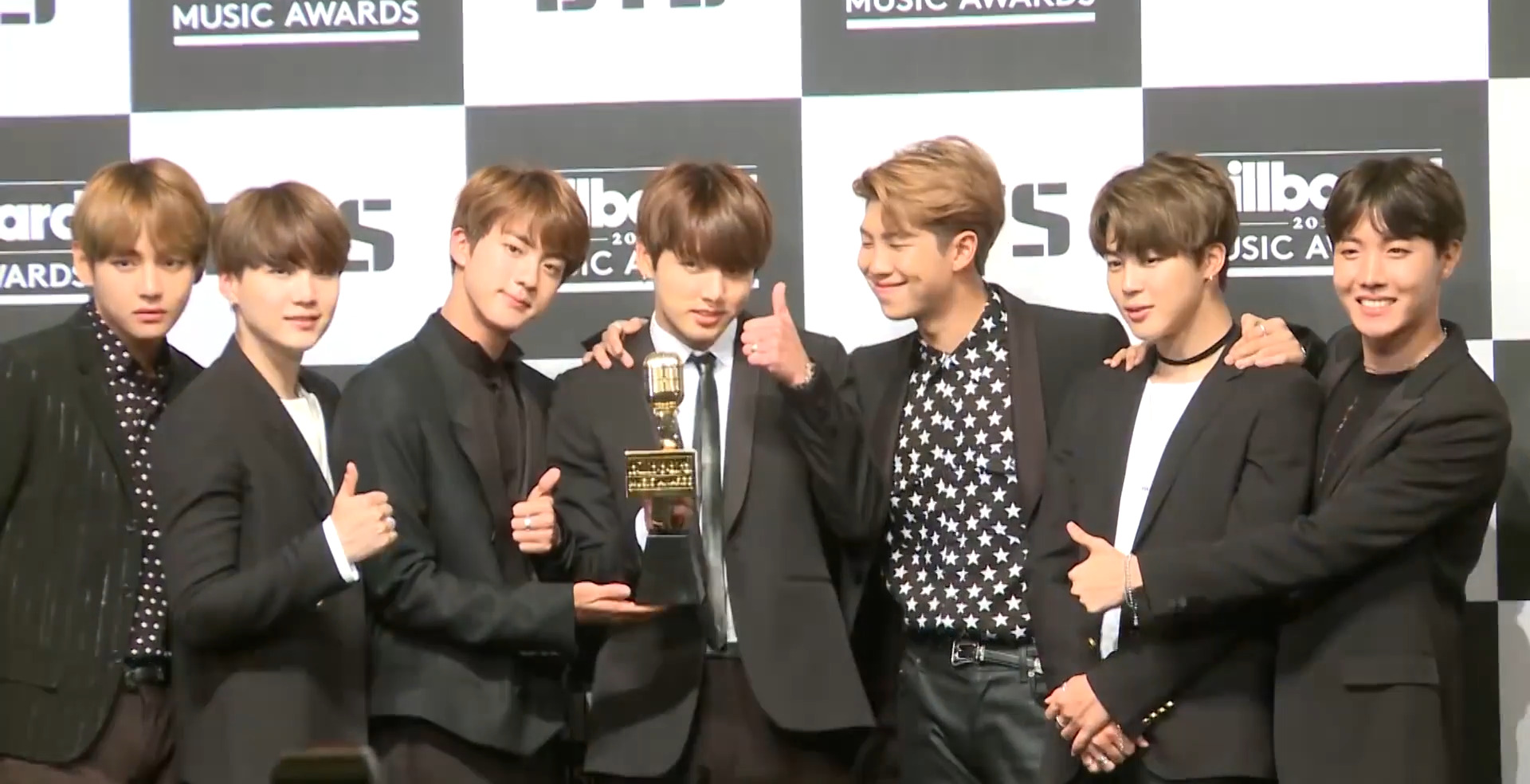
BTS Part 2: The Korean Group's English Gamble and the ARMY Machine
How BTS beat Justin Bieber's 6-year Billboard streak, spoke at the UN, and became the first Korean act to hit No. 1 on the Hot 100.