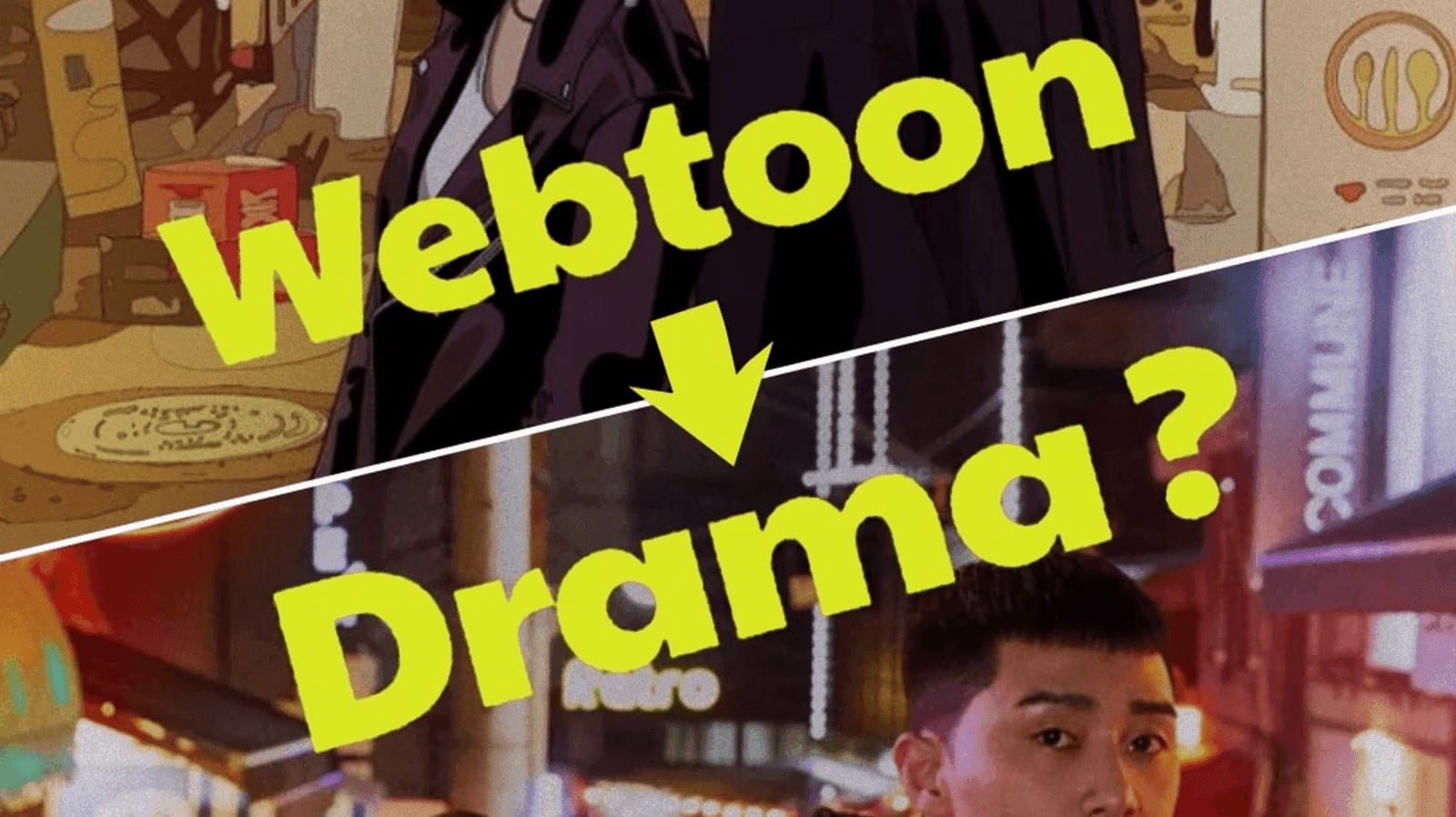
Why Korean Webtoons Become K-Dramas, and What Changes
Korean webtoons are not just online comics. They are one of the engines behind modern Korean screen culture. If you have watched a K-drama, Korean thriller, school romance, revenge story, or fantasy series and later learned it came from a webtoon, you have already met the system.
The basic format is simple: mobile-first, vertical-scroll episodes released regularly on digital platforms. The business effect is bigger. Webtoons let stories gather readers, comments, fandoms, character attachment, and proof of demand before a studio spends money on a drama or film. That is why Korean webtoons now matter to readers, streaming viewers, IP companies, and anyone trying to understand the next layer of Hallyu.
This guide explains what Korean webtoons are, why they adapt so well into dramas, what Naver Webtoon and Kakao changed, how global readers should start, and what to avoid if you are new to the format.
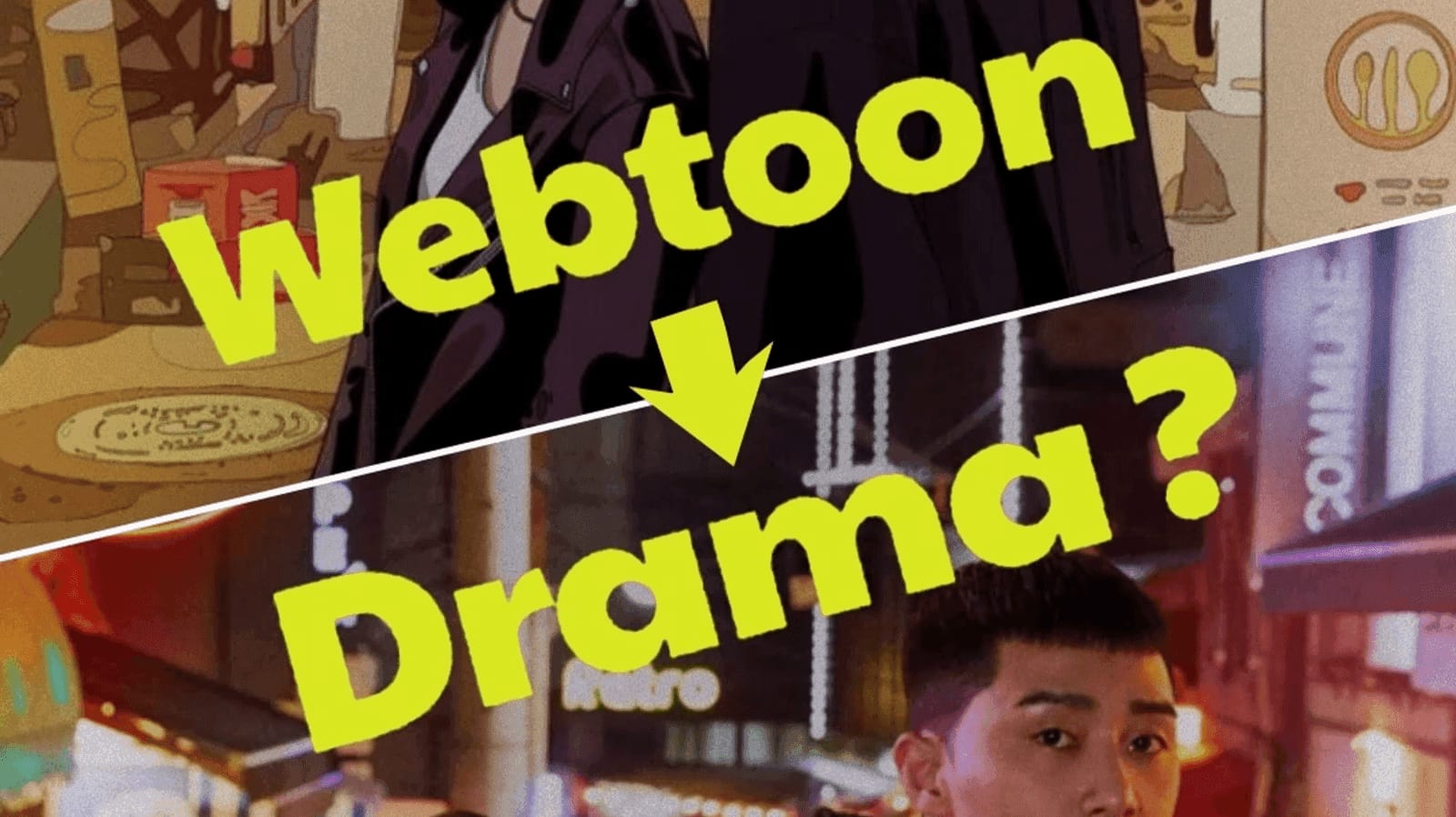
What Is a Korean Webtoon?
This guide is about what happens when a webtoon becomes a drama. If you want the medium itself — manhwa versus manga, reading direction, the Naver and Kakao platforms, and how to start reading — EpicKor covers that in Korean Webtoons Explained. Here we stay on the adaptation pipeline.
A Korean webtoon is a digital comic designed primarily for phone reading. Instead of turning pages, you scroll down. Panels stack vertically, pacing is controlled by empty space, facial close-ups, long reveals, and episode endings that push readers to continue.
This seems like a design detail, but it changes storytelling. A webtoon can make a punchline land after a long scroll, hide a monster reveal below the fold, or make a romantic pause feel longer through white space. The reader's thumb becomes part of the timing.
For beginners, the easiest way to think about webtoons is this: manga and print comics were often page-native; Korean webtoons became phone-native. That phone-native format made them easy to translate, distribute, share, and adapt for streaming.
K-pop and K-drama fan goods — compare on AmazonAffiliate link. As an Amazon Associate, EpicKor earns from qualifying purchases at no extra cost to you.
Why Webtoons Became a K-Drama Pipeline
Webtoons are useful source material because they already test three things screen producers care about: concept, character, and audience. A successful webtoon shows that readers understand the premise, return for episodes, argue about characters, and care about the ending.
That does not mean every good webtoon becomes a good drama. Adaptation still needs casting, pacing, budget, writing, and cultural translation. But webtoons reduce some uncertainty. They provide character designs, story arcs, key scenes, audience comments, and a visible fan base.
The Korean phrase often used around this logic is OSMU, or one-source multi-use. A story can begin as a webtoon, then expand into drama, film, animation, games, merchandise, overseas translations, and fan communities. EpicKor's Choi Min-sik and Korean cinema guide explains the actor-led side of Korea's screen boom; webtoons show the IP-led side.
| Webtoon Strength | Why It Helps Adaptation | Viewer Result | Beginner Tip |
|---|---|---|---|
| Serialized episodes | Story is already paced in hooks | Cliffhangers feel natural | Read the first 5-10 episodes before judging. |
| Reader comments | Creators and platforms can see reactions | Popular characters become obvious | Notice which scenes readers quote. |
| Strong visual identity | Characters, colors, and worlds are pre-designed | Drama marketing has a clear look | Compare poster art with original panels. |
| Mobile distribution | Stories travel across countries quickly | Fans arrive before a show launches | Check whether an official translation exists. |
The Business Milestone: WEBTOON on Nasdaq
Korean webtoons stopped being a niche fandom topic partly because the companies behind them became global media businesses. In June 2024, WEBTOON Entertainment announced the pricing of its U.S. initial public offering and said its shares were expected to begin trading on the Nasdaq Global Select Market under ticker WBTN on June 27, 2024.
That listing mattered symbolically. It told global investors that the mobile-scroll comic format created and scaled from Korea was now a serious entertainment platform model. NAVER's own coverage framed WEBTOON Entertainment as a company that helped create and nurture the mobile vertical-scroll web-comic industry.
For readers, the practical meaning is simpler: webtoons are no longer only "the thing a drama was based on." They are a primary discovery layer. If you follow Korean culture only through Netflix or Disney+, you often meet stories after they have already been tested by webtoon readers.
Webtoon-to-drama watch setup: As an Amazon Associate, EpicKor may earn from qualifying purchases. If a webtoon sends you into a K-drama binge, compare K-pop and K-drama fan goods without assuming every item is official merchandise.
Naver, Kakao, and the Platform Layer
Korean webtoon culture is not only about creators. It is also about platforms. Naver Webtoon helped globalize the vertical-scroll format through WEBTOON, while Kakao's webtoon and story ecosystem became powerful across Korea and Japan.
Platforms matter because they decide discovery: daily rankings, genre categories, recommendation modules, translation timing, paid episodes, creator programs, and global releases. A strong platform can turn a local romance, revenge story, office comedy, or fantasy into a multilingual fan object.
This is why webtoons fit Korea's wider cultural export system. K-pop uses platforms and fandom tools. K-drama uses streaming platforms. K-beauty uses marketplace and review systems. Webtoons sit in the same ecosystem: repeat exposure, strong visual identity, low-friction sharing, and a clear next step. EpicKor's K-brand guide explains how those culture-to-product loops work across categories.
How to Start Reading Korean Webtoons
Start with official apps or official translated releases. This keeps creators and rights holders in the loop, reduces translation confusion, and helps you avoid pirated sites that often have poor quality or unsafe ads.
Pick by genre rather than hype. If you like school dramas, start with romance or coming-of-age. If you like Kingdom or darker Korean thrillers, look for horror, revenge, or survival stories. If you like Korean workplace humor, office comedy can be easier than fantasy because the cultural setting is recognizable.
Do not worry if the first few episodes feel slower than a TV pilot. Webtoons often build character habits before major plot turns. The rhythm is closer to "daily return" than "two-hour movie."
The Format Problem Nobody Warns Readers About
Here is the structural reason adaptations feel different, and it has nothing to do with budget or casting.
A webtoon has no pages. It is one continuous vertical strip, and its pacing tool is empty space — a long scroll of nothing before a reveal, a single panel held alone, a face isolated with white above and below it. The reader controls the speed with a thumb. Tension is built by making someone scroll.
A drama cannot do that. Screen time runs at a fixed rate whether the viewer is ready or not. So every moment a webtoon paced with scrolling has to be rebuilt with something television actually has: music, a held camera, an actor's face, a cut.
That single translation problem produces most of the complaints readers have:
- Reveals land flatter. What took ten seconds of deliberate scrolling becomes two seconds of screen time
- Interior monologue disappears or turns into narration. Webtoons show thought in text panels; drama has to voice it, cut it, or act it
- Art style cannot survive. Full-colour, exaggerated proportions and stylised expressions become a real human face in real lighting
- Episode rhythm changes completely. A webtoon episode ends on a cliff every week by design; a drama has to fit 12 to 16 hours of arc
None of this is a failure of the adaptation. It is a different medium solving the same story with different tools, and knowing that in advance is the difference between enjoying an adaptation and feeling cheated by it.
Why Korean studios buy webtoons in the first place
The commercial logic is unusually clean, and it explains the volume.
- The story is already market-tested. A webtoon with millions of readers has proven its premise before a single won of production money is spent. That is risk reduction no original screenplay can offer
- The audience arrives attached. Readers are a built-in launch audience who will watch the first episode out of loyalty and argue about it publicly, which is free marketing
- The visual planning is half done. Panels function as an informal storyboard — character design, key scenes, and shot framing already exist on the page
- Platforms own both ends. Naver and Kakao run the webtoon platforms and have production and distribution arms, so a hit comic can be moved into production inside the same corporate group
That last point is the part most foreign coverage misses. In Korea the comic platform and the studio are frequently the same company, which removes the licensing friction that slows adaptation elsewhere.
What Changes When a Webtoon Becomes a Drama?
Adaptation usually changes the story. Some characters are merged. Side plots disappear. Violence may be softened or intensified. Romance can be expanded. Endings can change if the original webtoon is still ongoing or if the drama needs a different season structure.
Casting also changes meaning. A drawn character can be exaggerated, but a live actor brings age, voice, image, fandom, and public persona. That can make a story more grounded, but it can also disappoint readers who imagined the character differently.
The healthiest approach is to treat the webtoon and drama as related versions, not as a test where one must defeat the other. Read the webtoon for pacing and interior tone. Watch the drama for acting, music, production design, and social atmosphere.
| If You Like... | Try This Webtoon Lane | Why It Works | EpicKor Pairing |
|---|---|---|---|
| K-drama romance | School, office, fantasy romance | Character attachment builds episode by episode | Korean drama guide |
| Thrillers | Survival, revenge, horror, crime | Scroll reveals create strong suspense | South Korea overview |
| Korean pop culture | Entertainment-industry or fandom stories | It connects music, celebrity, and online identity | Celebrity Instagram guide |
| Visual storytelling | Action, fantasy, supernatural | Color and vertical panels create motion-like scenes | Korean cinema guide |
Read First or Watch First?
The question readers actually ask, and there is a defensible answer either way.
Watch first if you want to enjoy both. Going in without the source means the drama gets judged on its own terms, and you can read the webtoon afterwards for the fuller version — the extra subplots and interior monologue read as bonus material rather than as things that were taken away.
Read first only if you are prepared to be a critic. Readers who know the source spend the first episodes checking it against memory, and that is a different, less forgiving experience.
A middle path that works: read the first few episodes of the webtoon to see whether the premise is for you, then stop and watch the drama, then finish the webtoon. You get the hook, then the adaptation on clean terms, then the full story.
One practical warning: if the webtoon is still ongoing, the drama may invent an ending. That is not a spoiler risk in the usual direction — the drama can spoil nothing, because the source has not finished. It can, however, commit to a resolution the webtoon later contradicts.
Common Beginner Mistakes
The first mistake is assuming webtoons are only for teenagers. Many famous titles do target young readers, but the format also supports horror, office life, family drama, crime, historical fantasy, social satire, and adult romance.
The second mistake is reading only illegal translations. Besides the rights issue, unofficial versions can flatten jokes, names, honorifics, and emotional nuance. Korean is a context-heavy language; a casual line can carry age, hierarchy, intimacy, or insult. If that interests you, EpicKor's Korean learning and Hangeul guide is the natural next read.
The third mistake is assuming the drama is always the "real" version. Sometimes the webtoon has more interior monologue, darker tone, or longer world-building. Sometimes the drama improves structure. Check both if the story matters to you.
Are Webtoons Good for Learning Korean?
They can help, but only if you use them carefully. Webtoons expose you to short dialogue, sound effects, casual speech, texting style, honorifics, and repeated expressions. That makes them more fun than a vocabulary list.
But webtoons can also be difficult because characters use slang, dialect, fantasy terms, or deliberately rude speech. Beginners should not copy every line into real conversation. Use webtoons for listening to tone and recognizing patterns, then confirm usage through a proper course, dictionary, or teacher.
For a simple learning path, read one episode in translation, then compare a few Korean panels. Look for names, repeated verbs, honorific endings, and emotion words. You do not need to decode everything at once.
How Webtoons Fit EpicKor's Korea Funnel
Webtoons are useful for EpicKor because they connect culture curiosity to practical next steps. A reader may discover Korea through a drama, then ask why so many shows are adapted from webtoons, then want to learn Hangeul, understand Korean school culture, compare snacks for a watch night, or plan a Seoul trip around filming locations.
That is the healthy path: entertainment opens the door, but useful guides keep the reader moving. Webtoons should not be treated as a random trend. They are one of the bridges between Korean creative industries and everyday reader action.
After the screen, read deeper: If webtoons make you curious about Korea beyond one show, compare Korean culture and history books before choosing a broad explainer.
FAQs About Korean Webtoons
Q: What is a Korean webtoon? A: It is a digital comic, usually built for vertical smartphone scrolling, with serialized episodes and platform-based discovery.
Q: Are webtoons the same as manga? A: No. There is overlap in fan culture, but webtoons are usually color, mobile-scroll, and platform-native, while manga is historically page-based and print-rooted.
Q: Why do so many K-dramas come from webtoons? A: Webtoons give producers proven concepts, character designs, audience feedback, and an existing fan base before adaptation.
Q: Should I read the webtoon before watching the drama? A: Either order works. Reading first gives more context; watching first can make the webtoon easier to enter.
Q: Are webtoons good for Korean study? A: They are useful for exposure, but beginners should confirm slang and honorifics through structured learning resources.
Q: Where should beginners read webtoons? A: Start with official apps or licensed translated releases so the translation is safer and creators are supported.
Final Take
Korean webtoons matter because they sit at the meeting point of phones, fandom, platforms, and screen adaptation. They are not replacing dramas or films. They are feeding them, testing them, and giving global audiences a new way to meet Korean stories before they become the next streaming hit.
Sources
You Might Also Like

Best Korean Dramas on Netflix 2026: What to Watch First
A 2026 Netflix K-drama guide to what to watch first, from Squid Game to emotional, medical, youth, and historical genre picks.
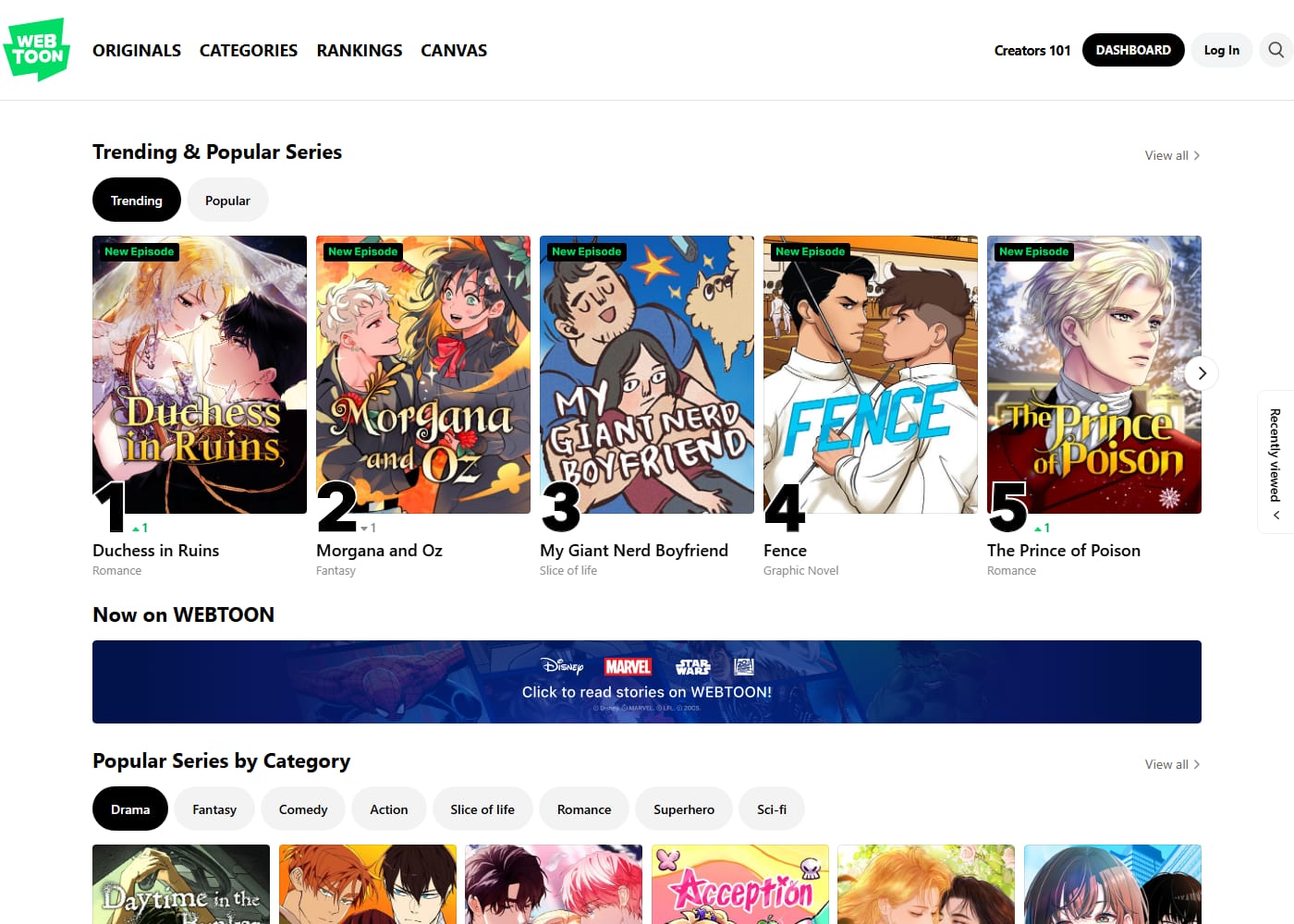
Where to Read Korean Webtoons: Naver vs Kakao, and the App Confusion
Is WEBTOON the same as Naver Webtoon? Where do Koreans actually read? Which apps are legal? The platform map nobody explains — Naver's Nasdaq-listed empire, Kakao's wait-until-free invention, and the right app for how you read.

Korean Reality Dating Shows Compared: Single's Inferno vs. I Am Solo vs. Heart Signal
Single's Inferno, I Am Solo, Heart Signal, and Transit Love compared: real formats, real viewership records, real couples, and which one to watch first.