BTS Part 2: The Korean Group's English Gamble and the ARMY Machine
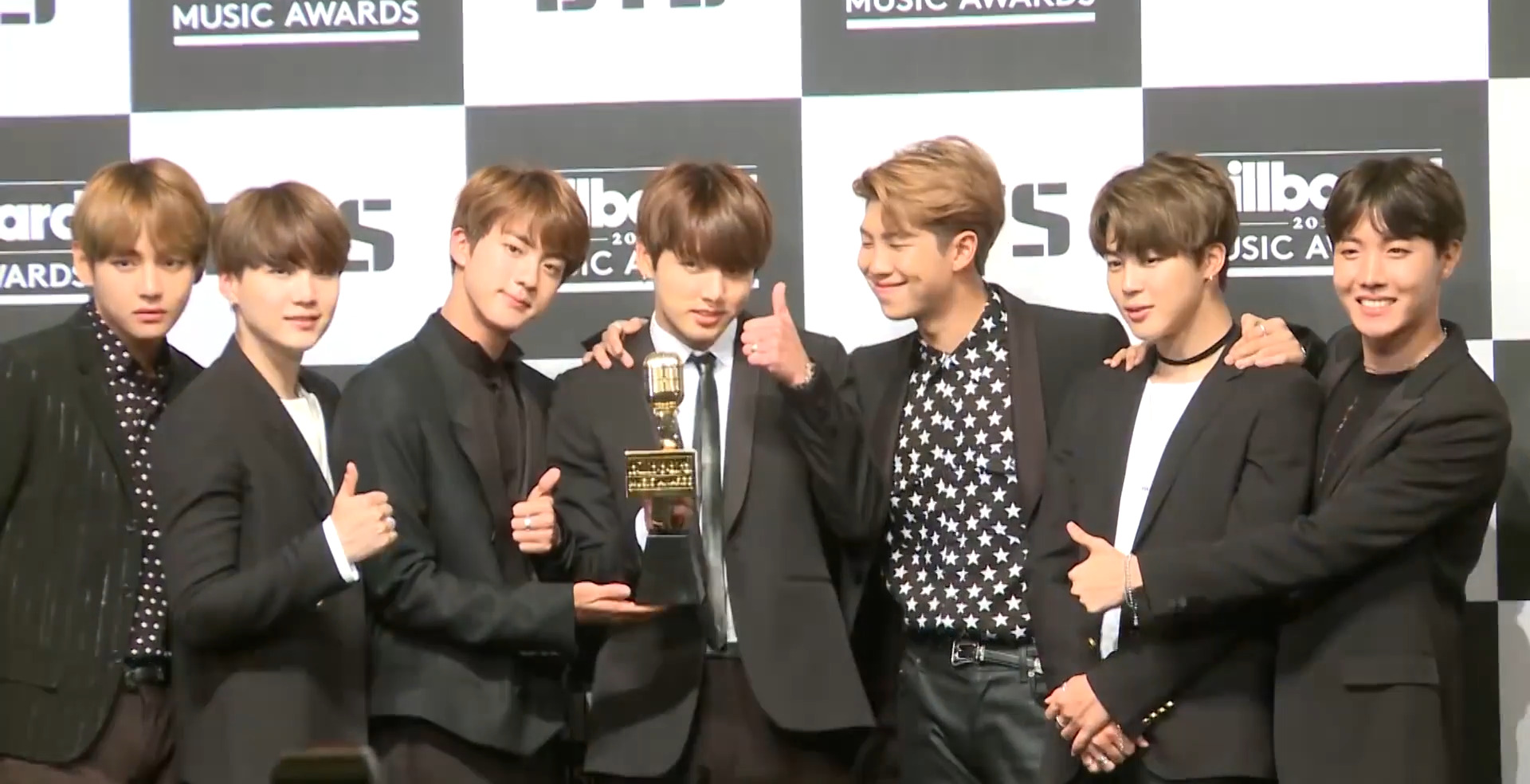
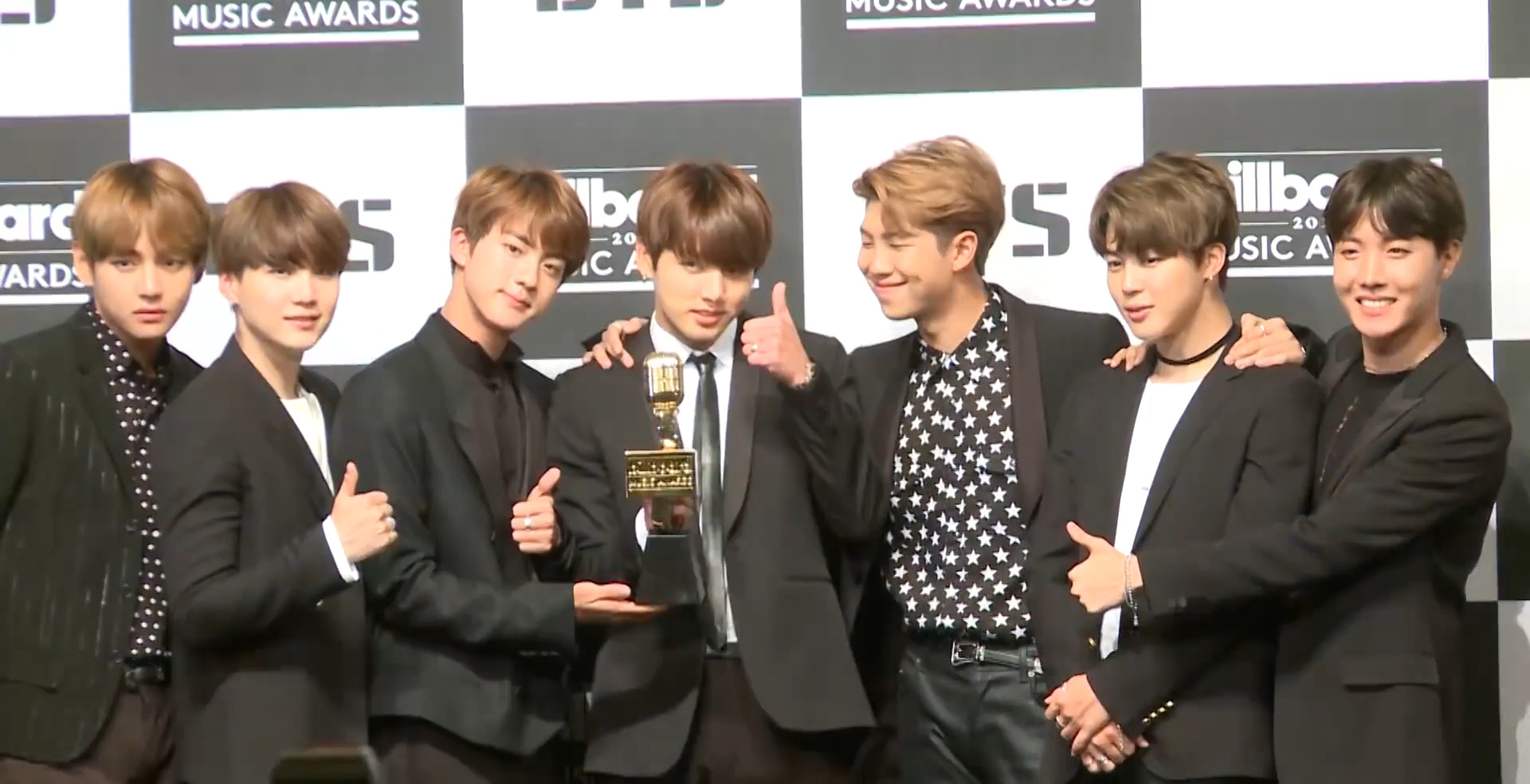
Since the Billboard Music Award for Top Social Artist was created, one person had won it every single year: Justin Bieber. Six years straight. In May 2017, that streak ended — and it didn't end because of a hit single or a marketing campaign. It ended because a seven-member group from a label that had nearly gone bankrupt four years earlier out-voted him.
That single detail is the key to understanding BTS's entire Billboard-and-beyond era, which Part 1 of this series picks up from their trainee years. The award wasn't a critics' pick or a sales chart. It was decided by fan voting and social engagement — the exact terrain where an unusually organized, globally distributed fanbase could beat a fanbase that, however large, was not built the same way. BTS didn't out-market Justin Bieber. Their fans out-organized his.
What ARMY Actually Is
"Fandom" undersells what ARMY became by 2017. It functioned less like a fan club and more like a distributed organization with departments: members who translated every interview, tweet, and broadcast into a dozen languages within hours; members who tracked airplay and coordinated radio requests city by city; members who ran streaming and voting pushes with the same discipline as a campaign office. None of this was run by Big Hit. It was built by fans, for free, because the company genuinely could not have afforded to build it themselves.
That mattered enormously in a category decided by public voting. A label with a bigger marketing budget can buy billboards and radio ads. It cannot buy an organized, borderless volunteer network that already exists and already cares. BTS had the second thing before they had the first.
This wasn't an abstract "passionate fans" story either. It was infrastructure. Country-specific ARMY accounts tracked local radio stations that took listener requests and organized coordinated call-in pushes. Translation teams split shifts across time zones so that a livestream at 2 a.m. in Seoul had usable subtitles within the hour for fans waking up in Europe or the Americas. None of that required Big Hit's approval or budget — it ran in parallel to the company, sometimes ahead of it, built by people who had never met each other in person and were coordinating anyway.
Understanding fandom as a real force: As an Amazon Associate, EpicKor may earn from qualifying purchases. If you're getting into BTS deep enough to start collecting, compare photocard sleeves and toploaders before your first cards get creased in a bag.
The World's Biggest Stage for a Cause, Not a Comeback
A year after the Billboard win, BTS took a different kind of stage. On September 24, 2018, RM stood at the podium of the United Nations General Assembly in New York and delivered a speech as part of a partnership with UNICEF's Generation Unlimited initiative and the group's own "Love Myself" anti-violence campaign. It was not a promotional stop. There was no album to plug. RM spoke about self-acceptance and finding your own voice, addressing an audience of world leaders and diplomats rather than a stadium of fans.
BTS returned to the UN General Assembly in 2021, this time as a full group and in an official capacity: President Moon Jae-in appointed all seven members as special presidential envoys, and on September 20, 2021, each member addressed the assembly in Korean, through translation, before the group closed with a filmed performance of "Permission to Dance" shot around the UN complex. Reports at the time noted over a million people watched the address online — an unusual number for a UN General Assembly session, and a clear sign of how far the group's platform had grown beyond music charts.
The Love Myself campaign itself is worth pausing on, because it shows the ARMY-and-BTS relationship working in the opposite direction from a chart push. A portion of album and merchandise profits went to UNICEF's anti-violence programs, and fans contributed directly on top of that. By UNICEF's own accounting, the campaign had raised over $1 million by November 2018, climbed to roughly $3.6 million by 2021, and has continued to grow since — while generating close to 5 million tweets and tens of millions of likes, retweets, and comments along the way. That's the same organized fan network that won Billboard categories and pushed chart debuts, redirected toward a cause instead of a competition. It's the same muscle, used for something other than winning.
Why "Just Sing in English" Isn't the Real Story
It's tempting to compress everything that happened between 2017 and 2020 into one line: "BTS started singing in English and that's when they blew up." The real sequence is messier, and more interesting, than that.
For years, BTS and their producers had actively avoided full English-language tracks, worried that singing entirely in a second language would feel inauthentic — a betrayal of the group's identity rather than a natural extension of it. That resistance didn't disappear because of a marketing meeting. It changed because of one specific song. When the demo for "Dynamite" came in — an upbeat, disco-inflected track written with them in mind — the members have said the fit simply felt right in a way earlier English-language pitches hadn't. RM later described it as feeling almost inevitable rather than calculated.
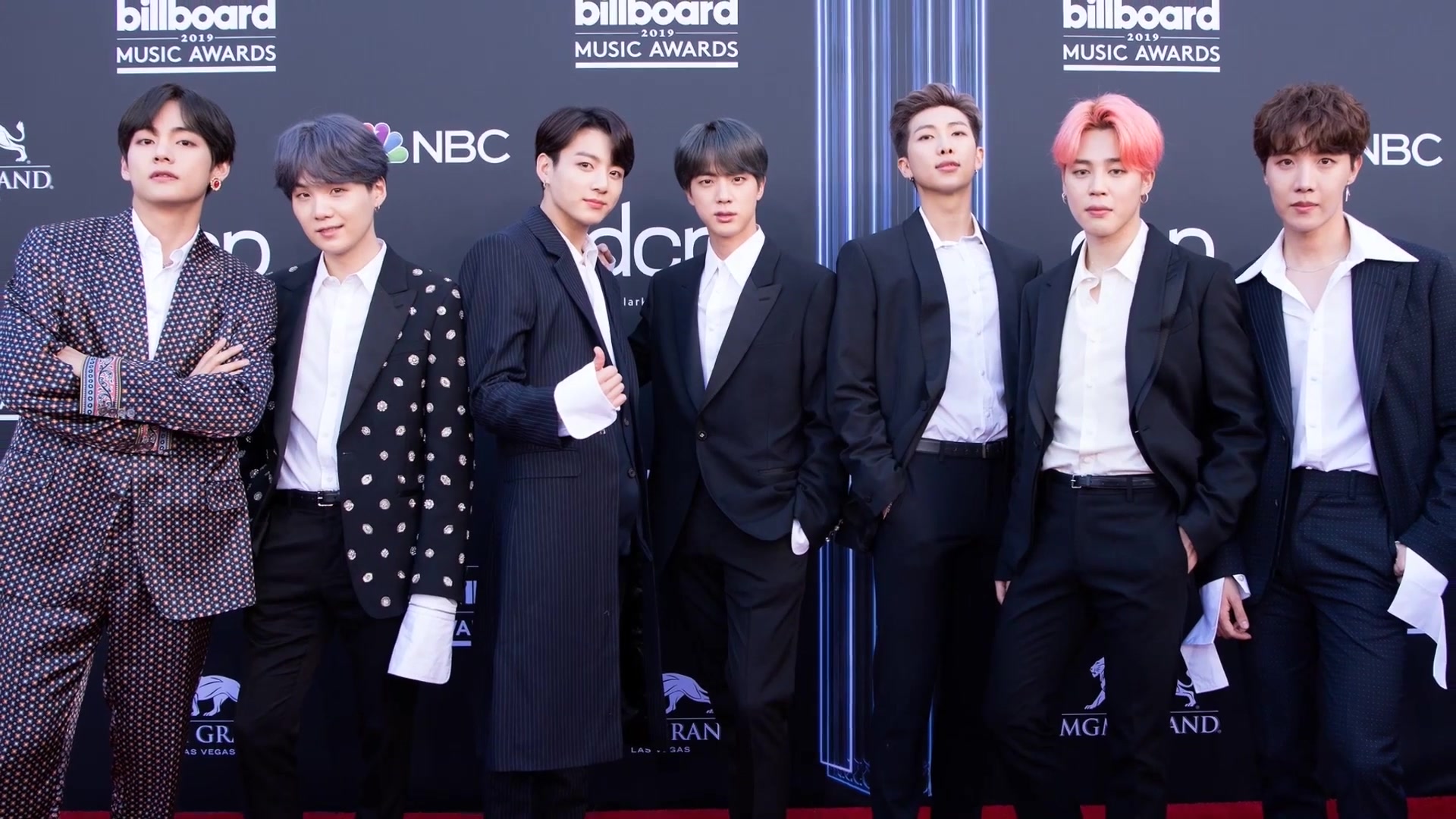
The timing mattered too. "Dynamite" arrived in August 2020, in the middle of a pandemic that had shut down touring entirely — the one thing BTS could reliably do better than almost anyone else. A deliberately upbeat, radio-friendly single, in the language most global radio programmers default to, filled a gap that touring normally would have. On the chart dated September 5, 2020, "Dynamite" debuted at No. 1 on the Billboard Hot 100 — the first song by any South Korean act, in any genre, to top that chart, and the first time BTS had released a single entirely in English.
The Combination That Actually Worked
Neither half of this explains BTS on its own. An organized, borderless fanbase without a song built to travel on English-language radio could win social-media categories but not necessarily top a singles chart built on airplay and streams from listeners who had never heard of ARMY. A crossover-ready English single without that fanbase's coordinated streaming and promotion in the first 48 hours — the exact window that decides a chart debut — might have opened respectably and faded, the way plenty of international crossover attempts do.
What actually happened was both at once: a fanbase that could mobilize a No. 1 opening week, attached to a song built to hold new listeners once it had their attention. That combination is the real answer to "why did BTS succeed when other acts with similar ambitions didn't." It wasn't one gamble. It was a fanbase-built platform meeting, at the right moment, a song built to use it.
And "Dynamite" wasn't a one-off fluke, which is the detail that actually proves the combination worked rather than just getting lucky once. "Butter" followed in 2021 and spent ten weeks at No. 1 — one of the longest Hot 100 reigns of the entire decade. "Permission to Dance" reached No. 1 the same year. So did "My Universe," a collaboration with Coldplay. Including "Dynamite," BTS has landed seven different songs at No. 1 on the Hot 100, a run that stretched from 2020 into a 2026 chart-topper as well. A single breakout hit can be a fluke of timing. A seven-song run across six years is a system working the way it was built to.
For the wider context of what ARMY does beyond streaming pushes — collecting, travel, event culture — EpicKor's BTS reference guide and K-pop photocard guide cover the fan-side economy this all fed into.
Following the discography this era produced: As an Amazon Associate, EpicKor may earn from qualifying purchases. Browse K-pop and K-drama fan goods if this era's albums and photocards have you wanting a physical starting point.
None of this era ended the story. It set up the version of BTS that, within two years, would step away from the group's most active promotional period for two years of mandatory military service — and then walk back onto a stage even bigger than Billboard. Part 3 covers that.
Frequently Asked Questions
Q: What was BTS's first major American award?
Top Social Artist at the 2017 Billboard Music Awards, won May 21, 2017. It ended Justin Bieber's six-year winning streak in the category and made BTS the first K-pop act ever nominated for, or to win, a Billboard Music Award.
Q: When did BTS speak at the United Nations?
RM first addressed the UN General Assembly on September 24, 2018, as part of a UNICEF partnership. All seven members returned on September 20, 2021, as special presidential envoys appointed by President Moon Jae-in.
Q: When did BTS hit No. 1 on the Billboard Hot 100?
"Dynamite" debuted at No. 1 on the chart dated September 5, 2020 — the first song by any South Korean act to top the Hot 100, and BTS's first entirely English-language single.
Q: Did BTS always plan to release an English single?
No. The group had previously avoided full English-language tracks over authenticity concerns. That changed specifically with "Dynamite," a song the members said felt like a natural fit rather than a calculated crossover move — released during a pandemic period when touring, their usual strength, wasn't possible.
Q: What role did ARMY play in these wins?
A significant one. Both the 2017 Billboard win (decided by fan voting and social engagement) and Dynamite's chart-topping opening week relied on ARMY's organized, largely volunteer-run translation, streaming, and promotion network — built by fans, not the label.
Q: Was "Dynamite" BTS's only Billboard Hot 100 No. 1?
No. It was the first of seven: "Dynamite" (2020), "Savage Love" with Jawsh 685 and Jason Derulo (2020), "Life Goes On" (2020), "Butter" (2021, ten weeks at No. 1), "Permission to Dance" (2021), "My Universe" with Coldplay (2021), and "Swim," from 2026's Arirang, their first full-group album after military service.
Q: How much has the Love Myself campaign raised for UNICEF?
By UNICEF's own reporting, the campaign — funded by album and merchandise profits plus direct fan contributions — raised over $1 million by November 2018 and roughly $3.6 million by 2021, with continued fundraising since.
Sources
- Billboard: BTS's Top Social Artist win ends Bieber's streak, 2017
- Korea.net: BTS at the UN General Assembly, 2018
- Consequence: BTS's third UN appearance as special presidential envoys, 2021
- AOL/AP: BTS's "Dynamite" debuts at No. 1 on the Hot 100
- The List: The real reason BTS recorded "Dynamite" in English
You Might Also Like
Have All BTS Members Finished Korean Military Service? 2026 Status
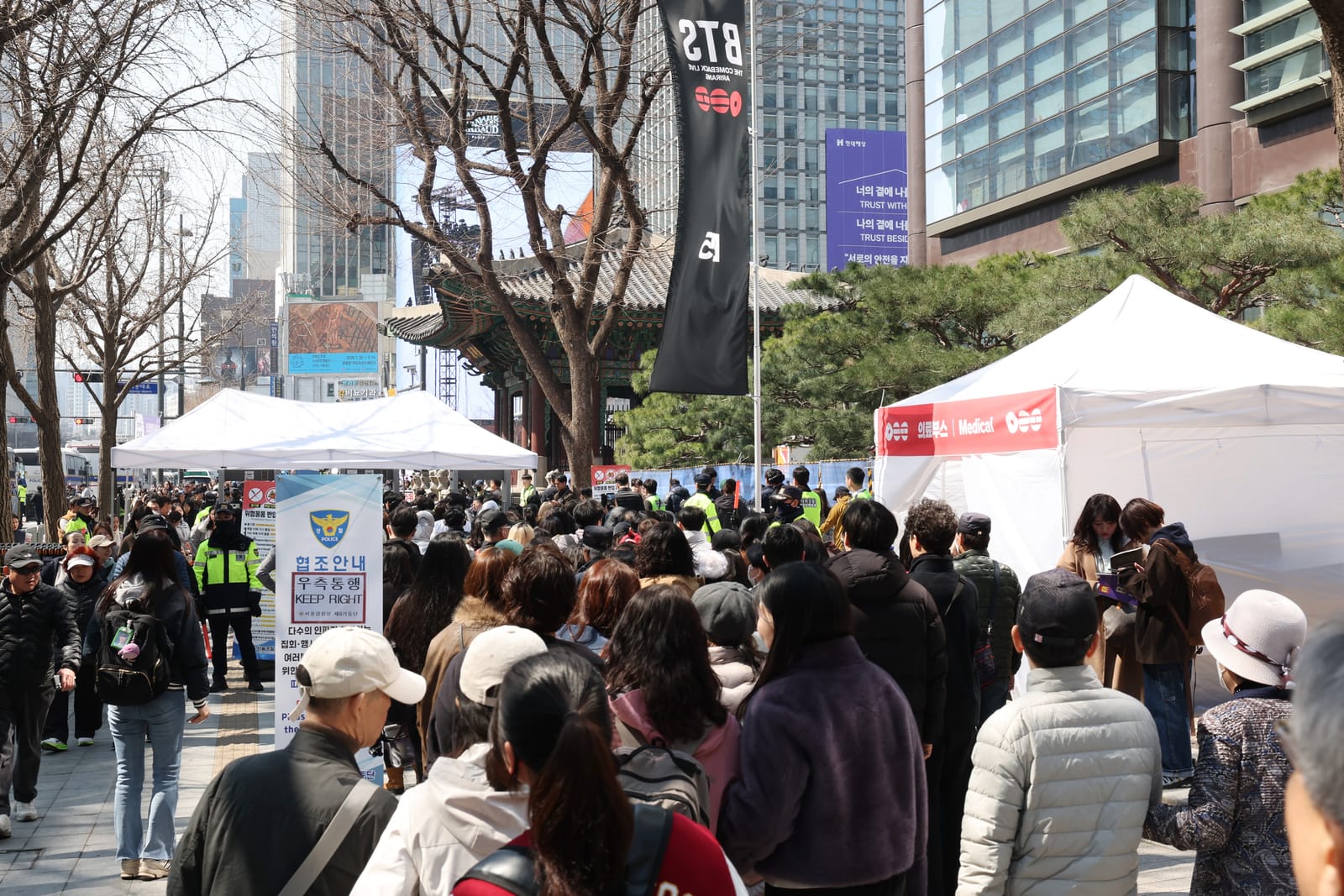
Yes — all seven finished. Jin was discharged 12 June 2024, J-Hope 17 October 2024, and RM, V, Jimin, Jung Kook and SUGA between 10 and 21 June 2025. Full dates, why SUGA served longer, and what BTS did after the uniforms came off.
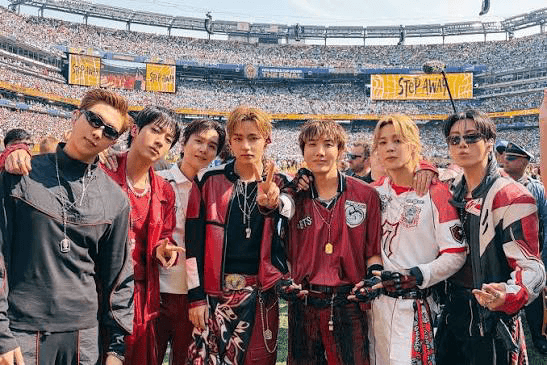
BTS Part 1: Seven Unknown Korean Trainees at a Label With No Money
How BTS went from a nearly bankrupt Korean label and one teenage rapper to the FIFA World Cup Final stage. Part 1 of EpicKor's BTS history series.
BTS Guide 2026: The Korean Group's Members, ARMY, and Military Return
A current BTS guide for new fans explaining the seven members, ARMY, military-service return, discography, social impact, K-pop context, and how to start.