Seoul in 24 Hours: Safe Nightlife, Transit, and Food Route
Seoul is one of the rare cities where a traveler can start with a sunrise market, cross the river for lunch, spend the afternoon in a palace or design district, eat barbecue after dark, drink coffee near midnight, ride a late-night bus, and still find a convenience store glowing at 3 a.m. The "city that never sleeps" phrase sounds like a cliche until you actually plan a Seoul day that refuses to end.
But a strong 24-hour Seoul plan should not mean cramming every landmark into one exhausted blur. The best version uses Seoul's real rhythm: early market workers, office commuters, lunch crowds, cafe afternoons, dinner groups, late-night streets, and safe ways to get back. This guide gives you a practical route and explains why Seoul feels unusually possible after dark.
Seoul is not risk-free. You still need basic travel sense, especially with alcohol, taxis, crowds, phone battery, and last-train timing. But the city's dense transit, 24-hour businesses, late-night buses, convenience stores, and public lighting make it easier to move through the night than many first-time visitors expect.
Quick Answer: Can You Experience Seoul in 24 Hours?
Yes, you can experience Seoul meaningfully in 24 hours if you choose one clear route: morning market or palace, midday neighborhood walk, afternoon cafe or shopping area, evening Korean meal, night view or nightlife district, then a safe late-night return. You cannot "finish" Seoul in one day, but you can understand why the city feels fast, layered, and unusually alive at night.
For a first-timer, the safest route is to stay within a central arc: Gwangjang Market or Jongno in the morning, Bukchon or Gyeongbokgung for heritage, Euljiro or Myeongdong for lunch and shopping, Hangang or Namsan for evening, then Hongdae, Euljiro, or Gangnam for night food. This keeps transit simple and avoids wasting the day on long cross-city jumps.
The key is to plan your return before the night begins. Seoul's subway does not run all night. The official Seoul bus information lists Owl Bus fares separately from regular buses, and Seoul's city materials describe Owl Buses as late-night routes designed for the hours after subway and standard bus service becomes limited. Use Naver Map or KakaoMap, confirm the last subway, and know whether an Owl Bus, taxi, or short walk will get you back.
| Time Block | Best Seoul Move | Why It Works | Watch Out For |
|---|---|---|---|
| 06:00-09:00 | Market breakfast, stream walk, or palace-area calm | Seoul feels local before tourist crowds build | Some cafes and shops open later than visitors expect. |
| 09:00-13:00 | Palace, Bukchon edge, Insadong, or museum | Heritage areas are easier before peak heat or crowds | Check closure days and ticket rules. |
| 13:00-18:00 | Lunch, shopping, design district, cafe rest | This is when Seoul's consumer culture shines | Do not underestimate walking distance between stations. |
| 18:00-23:30 | BBQ, pocha, night view, Hongdae/Euljiro/Gangnam | Evening is the emotional center of Seoul travel | Last train timing matters. |
| 23:30-05:00 | Owl Bus, taxi, convenience store, sauna, or hotel return | The city stays functional after midnight | Alcohol, phone battery, and fatigue become the real risks. |
Portable power banks — compare on AmazonAffiliate link. As an Amazon Associate, EpicKor earns from qualifying purchases at no extra cost to you.
Before Sunrise: See the Working City
If you are awake early from jet lag, use it. Seoul before 8 a.m. feels very different from Seoul after lunch. Streets are cleaner, traffic begins to thicken, delivery scooters appear, office workers move toward subway lines, and market districts start their practical day before trend-focused neighborhoods wake up.
For a classic early route, base yourself around Jongno, Euljiro, or Dongdaemun. You can walk near Cheonggyecheon, look at Gwangjang Market's morning rhythm, or start with a simple convenience-store breakfast if restaurants are not open yet. If you prefer quiet, walk around palace-area streets before tour groups arrive. The goal is not Instagram volume. The goal is to see Seoul as a city of routines.
Early morning is also the right time to test your navigation setup. Save your hotel address in Korean, confirm your nearest subway station, and make sure your payment method works. EpicKor's Korea payment guide, Korea eSIM guide, and Naver/Kakao map guide are worth reading before you try to freestyle the whole day.
Morning to Lunch: Heritage Without the Marathon
For a first 24-hour route, choose either heritage Seoul or shopping Seoul in the morning. Do not try to do both deeply before lunch. A heritage route might include Gyeongbokgung, Bukchon edges, Insadong, Jogyesa, and a simple lunch nearby. A shopping route might focus on Myeongdong, Namdaemun, or Seongsu depending on your interests.
If you choose the palace area, protect your energy. Many visitors burn out because they walk from Gyeongbokgung to Bukchon to Insadong to Myeongdong with no real break. The distances look small on a map but stack up quickly, especially in heat, rain, or winter wind. Build in a cafe stop and treat it as part of the itinerary, not a failure.
If you choose markets, go with curiosity rather than a checklist of viral foods. Gwangjang Market, Namdaemun, and nearby alleys are working food and shopping spaces, not just content sets. Carry cash or a transit/card pouch, keep your bag controlled in crowds, and step aside before filming or translating menus. If you want a broader food foundation, pair this with EpicKor's Korean convenience-store food guide and Korean banchan culture guide.
First-day Seoul kit: As an Amazon Associate, EpicKor may earn from qualifying purchases. A 24-hour route drains phone battery fast, so compare portable power banks before you depend on maps, translation, photos, and late-night transit.
Afternoon: Let Seoul Be Stylish
Afternoon is when Seoul becomes a lifestyle city. This is the best time for Seongsu cafes, museum gift shops, stationery stores, beauty shopping, department-store food halls, or a slower neighborhood walk. If the weather is bad, move indoors deliberately instead of forcing outdoor sightseeing. Seoul is excellent at indoor urban travel.
For a design-and-cafe afternoon, Seongsu works well. For classic shopping density, Myeongdong and nearby department stores are easier. For a calmer culture route, pick a museum or bookstore. For K-beauty, Olive Young and department-store cosmetics floors can become a practical research stop rather than random shopping.
The main trap is overcommuting. Seoul's subway is excellent, but crossing the city repeatedly eats time and energy. If your morning was around Jongno, an afternoon in Euljiro, Myeongdong, or Yongsan is smoother than jumping to every trending district. If your hotel is in Hongdae, save Hongdae's night energy for later and spend the afternoon somewhere that connects easily back.
Evening: Dinner Is the Main Event
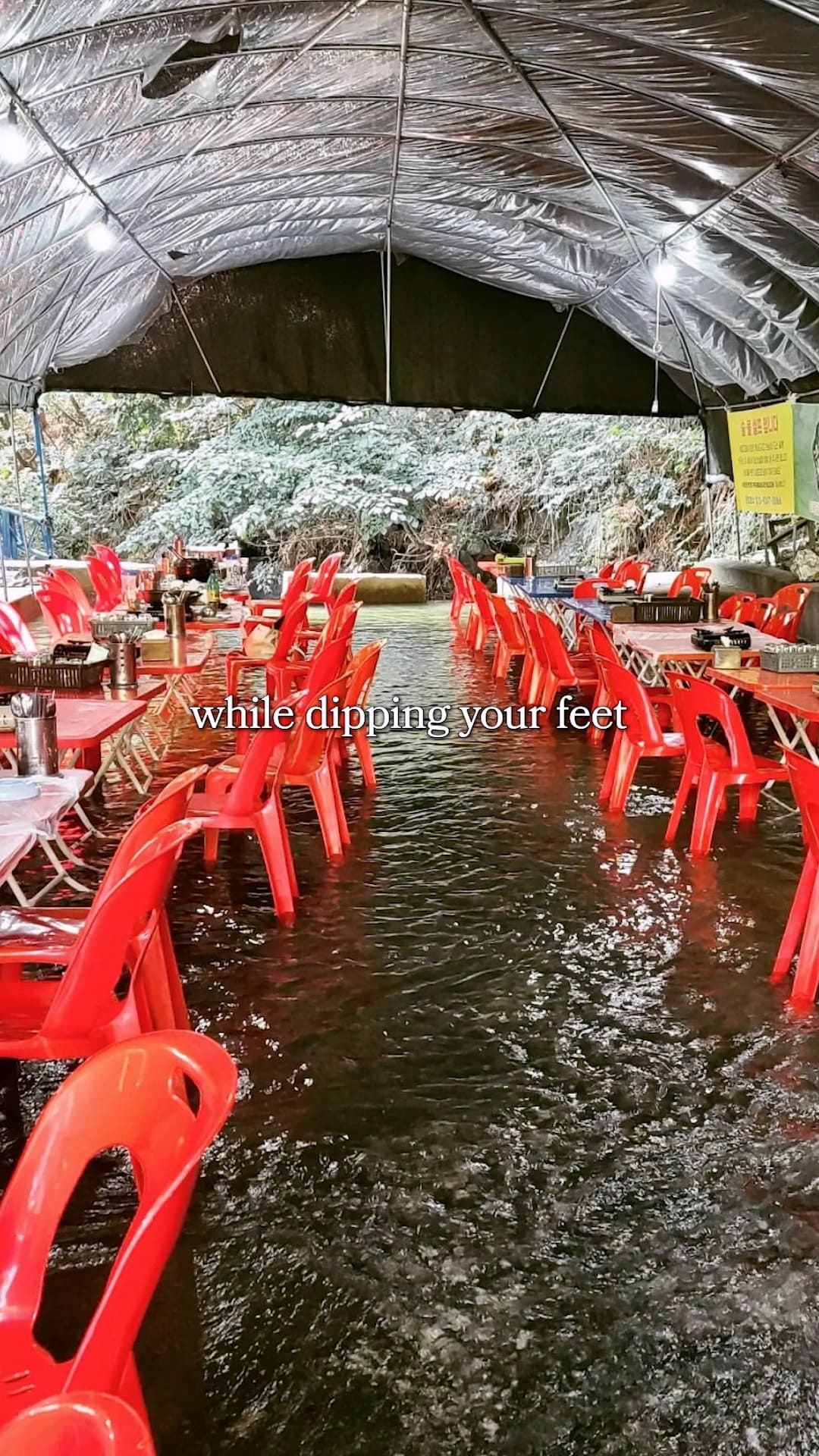
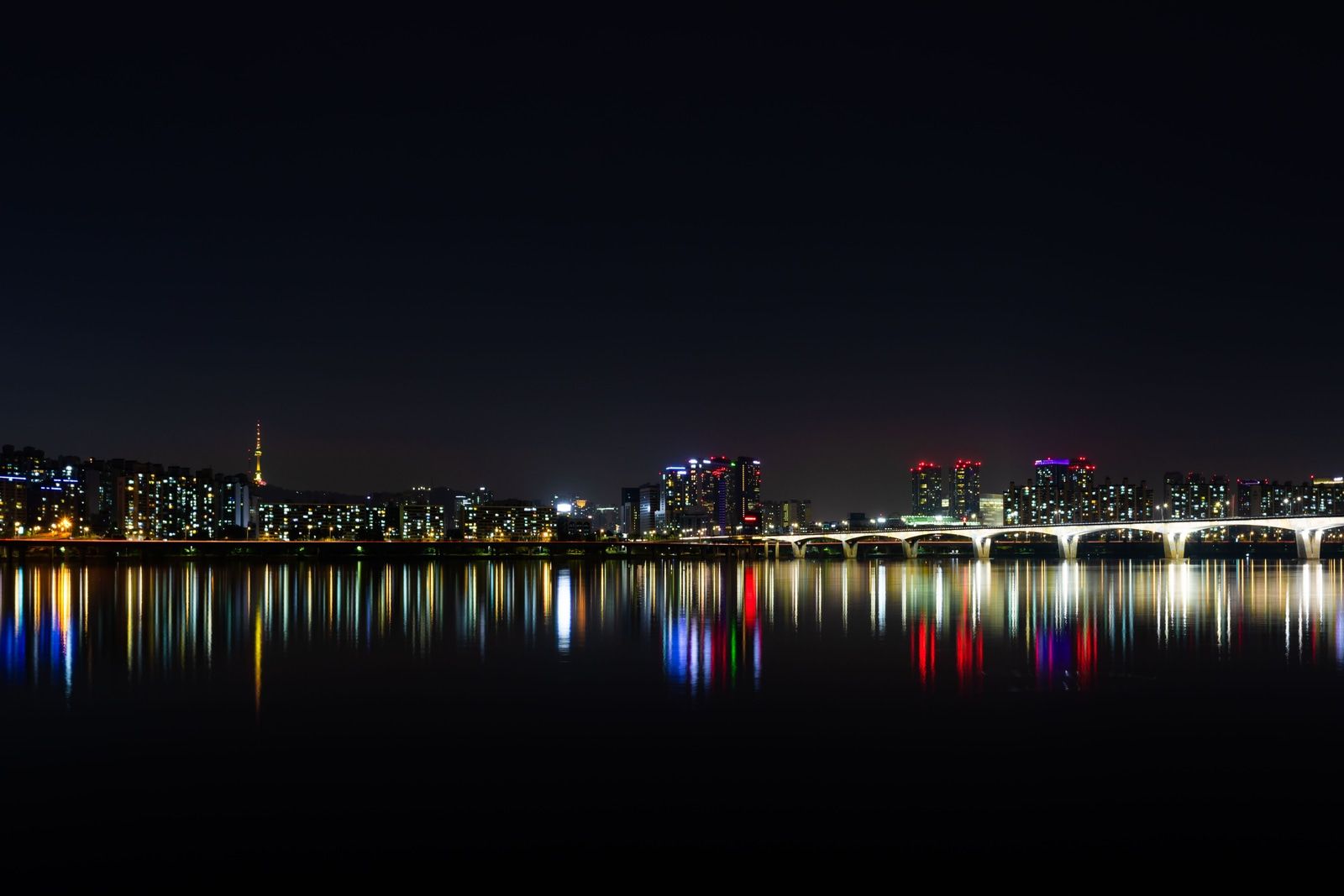
Evening is where Seoul starts to feel cinematic. Restaurants fill, office groups gather, couples meet, students move through station areas, and neon signs become part of the city's emotional texture. If you only have one dinner, choose a meal that creates a social memory: Korean BBQ, dakgalbi, pojangmacha-style snacks, jokbal, bossam, kalguksu, or a market-food crawl.
If you drink, understand the rhythm. Korean dinner-and-drink culture often moves in rounds: meal, second place, maybe karaoke or late snack. You do not have to follow that pattern to the end. In fact, travelers often have a better night when they choose one strong meal and one after-dinner walk rather than chasing every possible round.
Good evening zones depend on mood. Euljiro is atmospheric and central. Hongdae is younger and louder. Yeonnam is better for cafes and relaxed walking. Gangnam is polished and busy. Jongno has older alleys and classic food. Itaewon/Hannam offers more international variety. Wherever you go, mark the route home before ordering another drink.
After Midnight: How Seoul Keeps Moving
Seoul feels safe at night partly because it rarely becomes empty all at once. Convenience stores, taxis, karaoke rooms, late restaurants, PC rooms, and some saunas keep pockets of activity alive. The official Seoul Metropolitan Government page on Owl Buses describes them as nighttime buses operating roughly between midnight and 5 a.m., created to serve late-night commuter demand. Seoul's later materials also explain that the city expanded night bus service to more routes and rides as late-night demand continued.
Still, the subway will not rescue every plan. Last-train times vary by line, direction, weekday, and station. Owl Bus routes do not cover every hotel conveniently. Taxis can be harder to catch in nightlife districts at peak closing times. The simplest traveler rule is this: decide your return method before midnight, not after you are tired.
Use Naver Map or KakaoMap for late-night routing, check whether your route starts with an "N" bus, and compare taxi pickup points away from the most crowded exit. If you are alone, stay in lit areas, keep your battery reserve, and avoid following strangers into second locations. Seoul is comparatively comfortable at night, but comfort is not permission to turn off judgment.
| Late-Night Option | Best For | Pros | Limit |
|---|---|---|---|
| Subway before last train | Travelers who can leave before midnight-ish | Cheap, predictable, easy to navigate | Not 24-hour; times vary by line and direction. |
| Owl Bus / N bus | Central late-night routes and budget returns | Designed for post-subway hours | Routes may not stop near your exact hotel. |
| Taxi or ride-hail | Groups, tired travelers, awkward routes | Door-to-door and useful after drinks | Surge demand and pickup friction in nightlife zones. |
| 24-hour sauna/jjimjilbang | Flexible rest, not a hotel replacement for everyone | Korean cultural experience plus recovery | Rules, luggage, and comfort levels vary. |
| Convenience-store reset | Short pause, water, snack, battery planning | Easy and everywhere | Do not linger outside too long if exhausted. |
A Sample 24-Hour Seoul Route
Here is a realistic route for a first-time visitor staying somewhere central or west-central:
Start around Jongno or Euljiro with a quiet morning walk and simple breakfast. Move to Gyeongbokgung or Insadong for heritage texture, then have lunch around Jongno, Myeongdong, or Euljiro. Spend the afternoon in Seongsu for cafes and design shops, or choose Myeongdong/department-store food halls if you want shopping efficiency. At sunset, go to Namsan, Hangang, or a rooftop/viewpoint depending on weather. Eat dinner in Euljiro, Hongdae, Jongno, or Gangnam. After dinner, choose one night layer: a pocha, a cafe, coin karaoke, a river walk, or people-watching in Hongdae. Return by subway if possible; otherwise use a planned Owl Bus or taxi.
That is enough. A 24-hour Seoul route should leave you with one or two strong memories, not fifteen half-seen locations. If you have more days, EpicKor's Seoul one-month guide, Seoul travel cheat-code guide, and Yongsan hotspot guide can help you expand the route without turning every day into a marathon.
What to Pack for a Long Seoul Day
Pack lighter than you think, but do not skip essentials. A power bank matters because maps, photos, translation, messaging, and mobile payments all pull from the same battery. A small pouch helps with transit card, hotel card, passport copy, and receipts. Comfortable shoes matter more than a perfect outfit. Seoul is stylish, but it is also a stair city.
Weather decides the rest. In summer, carry water, sunscreen, and a compact umbrella. During jangma rainy season, protect your phone and shoes. In winter, late-night wind can feel much colder after you stop walking. In spring and fall, temperature swings between afternoon and midnight can surprise visitors.
If you plan to shop, leave bag space. Seoul snacks, beauty items, stationery, books, and small souvenirs accumulate quickly. For a practical shopping setup, see EpicKor's Korea souvenir guide, Olive Young K-beauty guide, and Seoul stationery shopping guide.
Safety Notes for a 24-Hour Seoul Plan
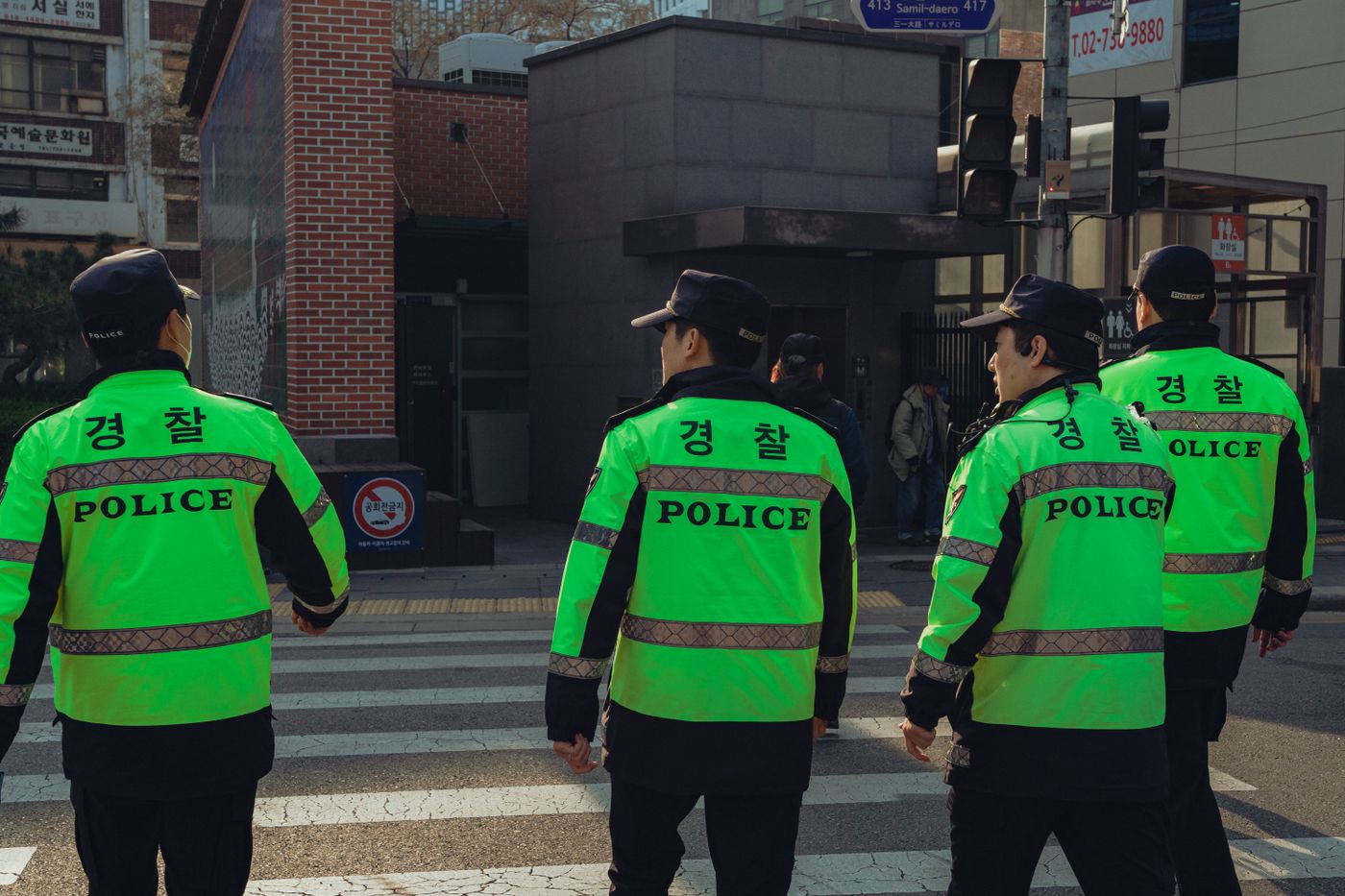
Seoul is widely experienced by travelers as safe, especially compared with many large cities, but you should avoid turning that reputation into overconfidence. Most travel problems are not dramatic crimes; they are dead phones, missed trains, lost hotel addresses, too much alcohol, wrong taxi pickup points, and exhaustion.
Keep your accommodation name and address saved offline in Korean. Do not rely only on Google Maps for local routing. Avoid leaving bags unattended just because you see locals do it in cafes. If you drink, alternate with water and decide your return method early. If a street feels too quiet, move toward a brighter road or station area.
Women traveling alone often report that Seoul night walks feel more comfortable than expected, but personal safety still depends on route, awareness, and boundaries. Use the city's infrastructure: lit main streets, convenience stores, transit hubs, and taxi options. Confidence is good. Performing invincibility is not.
Small-item control: For a long Seoul day, compare travel card pouches so your T-money card, room key, cash, and backup card do not scatter across jacket pockets after midnight.
Related EpicKor Guides
- Living in Seoul for a Month - for readers who want to turn a 24-hour taste into a longer stay.
- Korea Tourist Cheat Codes - practical shortcuts for routes, apps, shopping, and food decisions.
- What to Drink in Korea Other Than Soju - useful for night plans that do not revolve only around alcohol.
- Korean Highway Rest Areas - if your Seoul day becomes part of a longer Korea route.
FAQ
Q: Is Seoul safe at night for travelers? A: Seoul is generally comfortable at night for many travelers because of lighting, density, late businesses, transit, and taxis. But it is not risk-free. Plan your return, protect your phone battery, avoid overdrinking, and stay on well-lit routes.
Q: Does Seoul public transit run 24 hours? A: No. The subway does not run all night. Seoul has late-night Owl Bus routes and taxis, but you need to check your exact route and timing in Naver Map or KakaoMap before assuming you can get back easily.
Q: What is the best area for one night in Seoul? A: For first-timers, Euljiro/Jongno, Hongdae/Yeonnam, Myeongdong edges, or Yongsan/Itaewon can work well depending on your hotel and mood. Choose a zone with food, transit, and a simple way back.
Q: Can I visit palaces, markets, cafes, and nightlife in one day? A: Yes, if you keep each part selective. Do one heritage cluster, one shopping or cafe area, one dinner, and one night activity. Trying to cover every famous district will make the day feel like transit homework.
Q: What should I carry for a 24-hour Seoul route? A: Carry a charged phone, power bank, transit card, small cash, hotel address in Korean, comfortable shoes, weather gear, and a small pouch for cards. In summer or rainy season, add water and an umbrella.
Q: Is an Owl Bus easy for tourists to use? A: It can be easy if the route matches your hotel, but it is not as universal as the subway. Look for late-night routes often beginning with "N," confirm the stop location, and compare taxi options if the bus requires a long walk.
Sources and Further Reading
- Seoul Metropolitan Government: city bus and Owl Bus fare information
- Seoul Metropolitan Government: Owl Bus overview
- Seoul Metropolitan Government: night bus expansion
- Seoul Metropolitan Government: autonomous mobility and underserved-hour transit
Video Insight: Seoul in 24 Hours
You Might Also Like
Korea Lost and Found Guide: Phone, Wallet, Passport
A practical Korea lost and found guide for tourists: what to do after losing a phone, wallet, passport, or subway item in Seoul.
Galaxy Robot Park Seoul: Is Korea's New Robot K-pop Theme Park Worth It?
Galaxy Robot Park: Seoul's new humanoid robot K-pop theme park. What's actually there, who built it, and whether it's worth visiting.
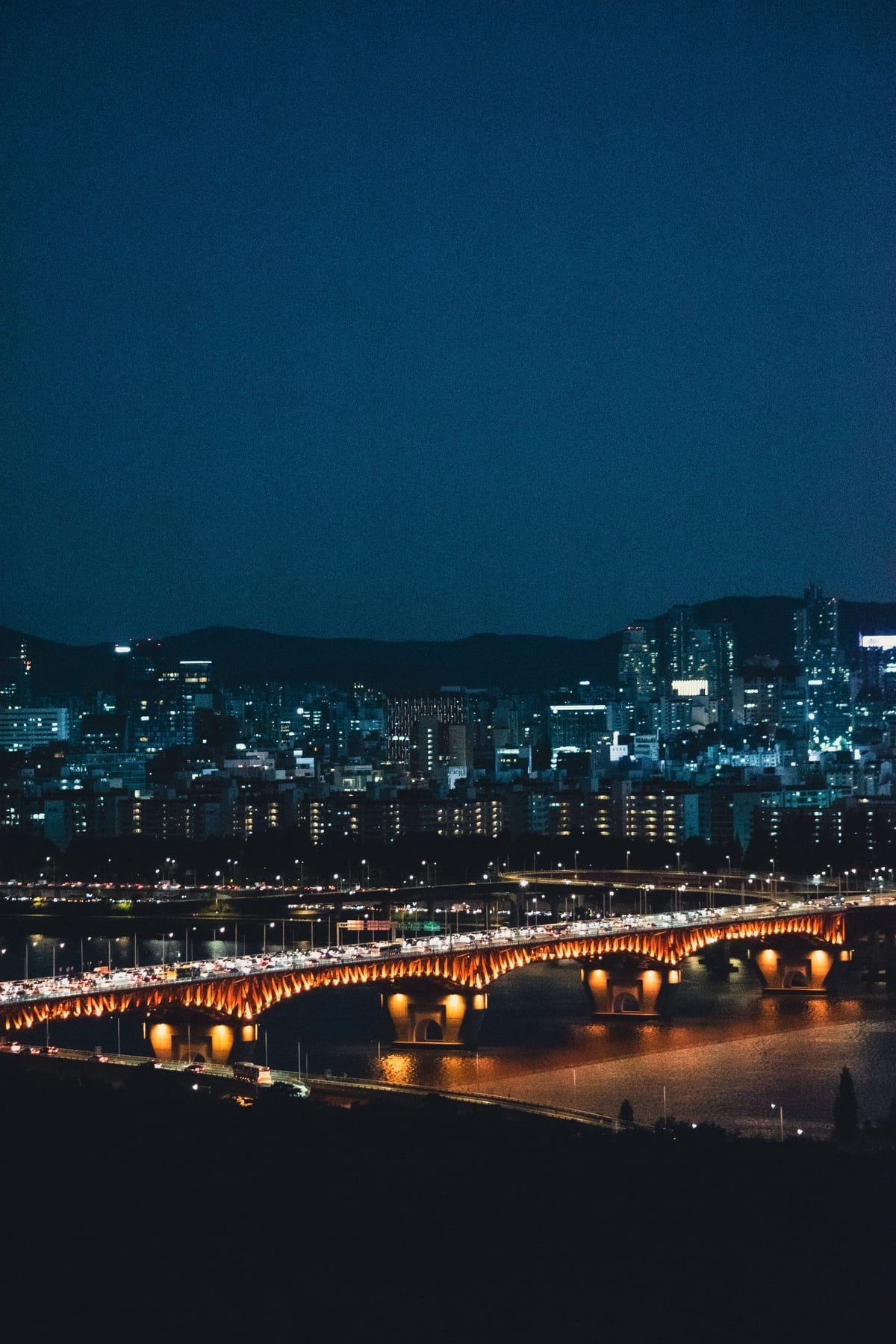
Yongwangsan Skywalk vs N Seoul Tower: Seoul's Free New Night View, Compared
Yongwangsan Skywalk is Seoul's new free, 24-hour night-view walkway in Yangcheon-gu. Here's how it actually compares to N Seoul Tower and Seoul Sky.