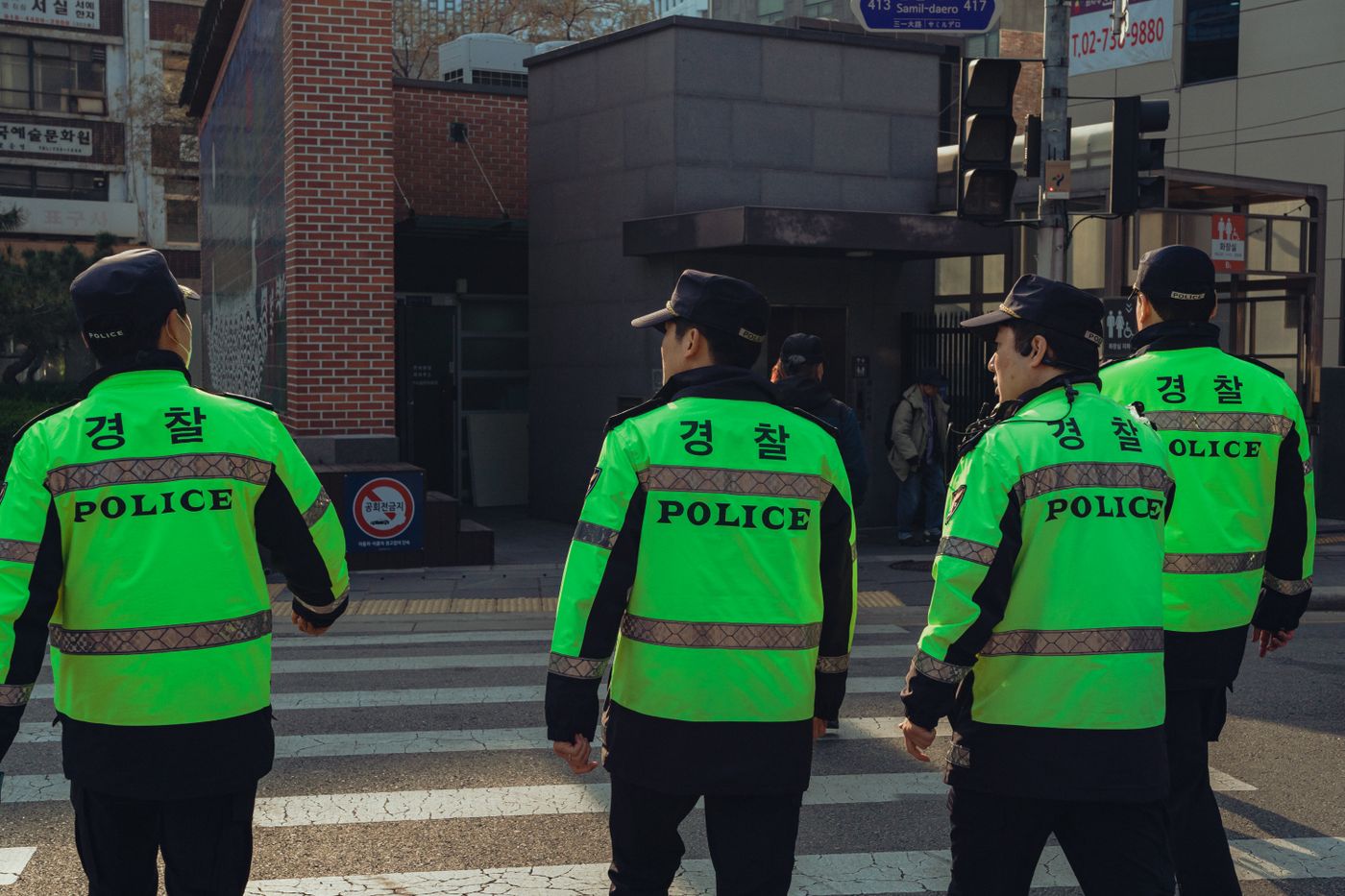
Korea Lost and Found Guide: Phone, Wallet, Passport
Korea lost and found can feel weirdly calm after the first panic.
You reach for your phone on the subway platform. Nothing. You tap your jacket. Nothing. You check the tote bag that already contains receipts, sunscreen, a half-empty water bottle, and three things you bought because a convenience store had cute packaging. Still nothing.
Then the strange Korea moment begins: your item may not be gone forever. It may be sitting at a subway station office, a police lost-and-found desk, a bus company office, a cafe counter, or the national lost-property system. Korea is not magic, and theft can happen anywhere. But the process is more organized than many visitors expect, especially for phones, wallets, cards, and items left on public transport.
Quick Answer: What Should You Do First?
If you lose something in Korea, do these steps in this order:
- Stop moving for one minute and write the exact place, time, route, store, or vehicle number.
- If it happened in a subway station, go to the station office or ticket window immediately.
- If it happened in a taxi, collect the license plate, receipt, payment record, or ride-app history.
- If it happened in a cafe, restaurant, hotel, store, museum, or clinic, call or revisit the exact branch.
- Search or report through Korea's national lost-property site, Lost112.
- For a passport, contact your embassy or consulate after checking the last location.
- For cards and phones, block payment access quickly.
Do not start by running across Seoul in a panic. Start by making your memory useful.
The International IBS Centers' English living guide notes that Seoul subway lines operate lost-and-found centers and that unclaimed subway items can later move to police lost-property channels. The same guide advises riders who leave an item on a subway car to contact station staff with the direction of travel and car details. That is the core principle: the more precise your details, the more searchable your item becomes.
BAGSMART RFID travel wallet — on AmazonAffiliate link. As an Amazon Associate, EpicKor earns from qualifying purchases at no extra cost to you.
The First Ten Minutes Matter
The first ten minutes are not about heroics. They are about information.
Write down:
- Date and time.
- Station, exit, platform, or store branch.
- Subway line, direction, and destination.
- Train car number if you remember it.
- Taxi license plate, receipt, or payment time.
- Seat, table, locker, counter, or restroom location.
- Item description, color, brand, case, stickers, wallet contents, or lock screen image.
This sounds boring until you are standing in front of a station employee trying to explain that your black phone disappeared somewhere between "the coffee place" and "the train with many people." In Korea, staff often move quickly if you give usable details. If you give only vibes, they can only give sympathy.
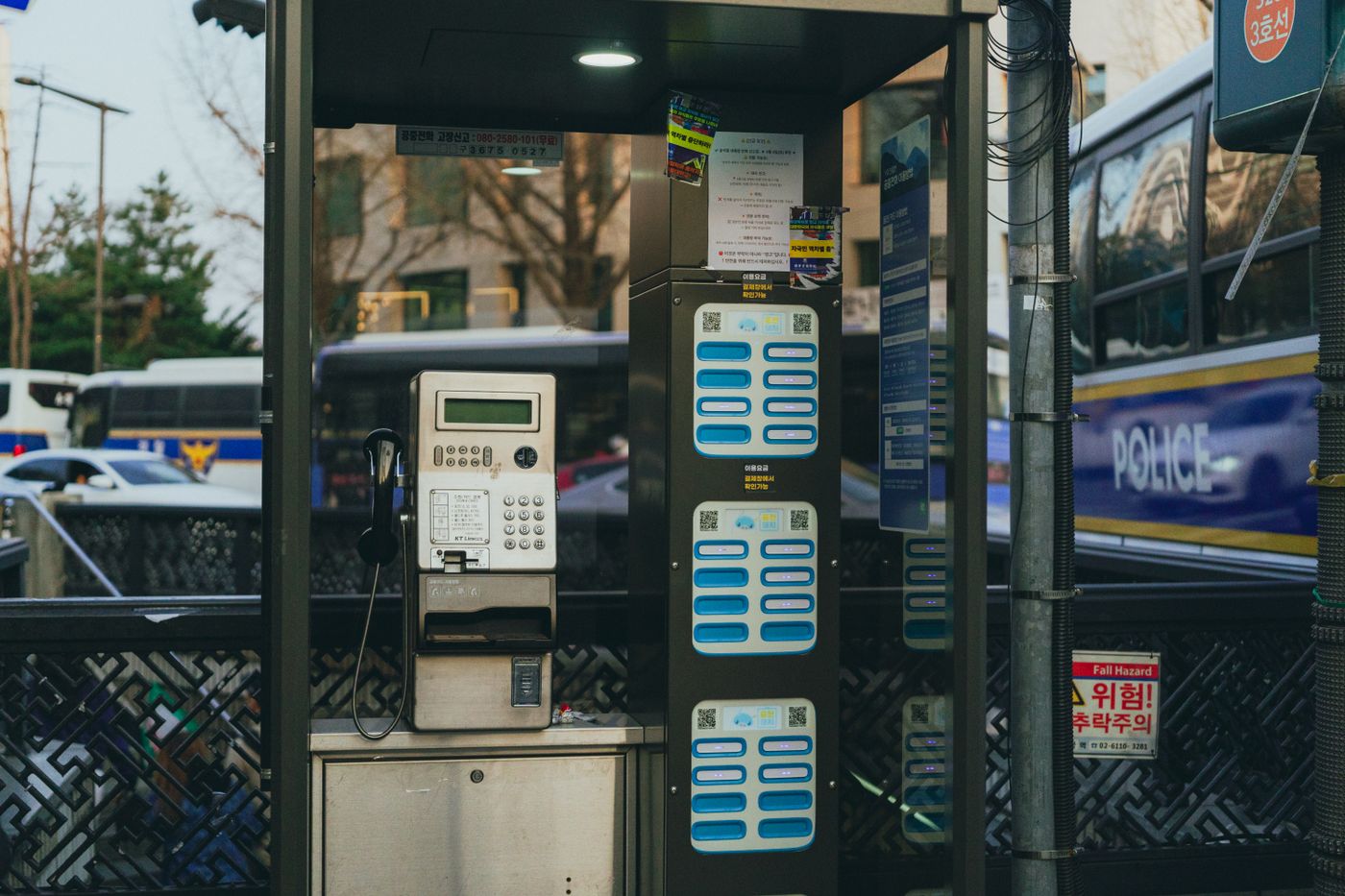
If You Lost It On The Subway
Subway losses are common because Korea makes you move in layers: stairs, escalators, platforms, transfers, gates, exits, and convenience stores hidden inside stations.
The best move is to go to the nearest station office, ticket window, or customer-service point. Tell staff:
- Which line you were on.
- Which direction the train was going.
- Where you boarded and exited.
- The approximate time.
- The item description.
- The car number if visible or remembered.
If you left the item on a train, station staff may contact the line's lost-and-found center or the next station. If the item is found later, it may be held by the transit operator first and then transferred if unclaimed. That transfer path is exactly why you should also check Lost112 if the first station cannot immediately help.
The practical phrase is simple:
Mulgeon-eul ilheobeoryeosseoyo. It means "I lost something."
Add the object:
| English | Korean | How to use it |
|---|---|---|
| Phone | hyudaepon / haendeupon | My phone is missing |
| Wallet | jigap | My wallet is missing |
| Passport | yeogwon | My passport is missing |
| Bag | gabang | My bag is missing |
You do not need perfect Korean. A translated note with route details may work better than a brave but blurry sentence.
If You Lost A Phone
A lost phone is two problems at once: the physical object and the digital life inside it.
First, try calling it. If it rings at a cafe counter, the day may become funny instead of tragic. If it is off, do not assume the worst immediately. A dead battery, subway signal issue, or staff storage can all make a phone feel unreachable.
Second, lock it through your phone ecosystem if you can. Use Find My iPhone, Find My Device, Samsung Find, or your carrier's tools. If payment apps or cards are active, freeze them. If your phone has your hotel key, email, bank apps, messaging apps, or passport photo, treat it as a security problem, not just a souvenir problem.
Third, check the last place before the map pin. Location tools are useful, but Seoul has underground malls, subway levels, tall buildings, and dense commercial streets. A location circle may cover several floors and several businesses.
Build a small anti-panic kit: As an Amazon Associate, EpicKor may earn from qualifying purchases. Before a Korea trip, compare travel document organizers, travel card pouches, and simple tracker tags so your passport, cards, and transit card are not all loose in one bag.
See travel document organizers on AmazonIf You Lost A Wallet Or Card
If your wallet is gone, split the task into recovery and damage control.
For recovery, report it to the place where it likely disappeared. For damage control, block cards quickly. If you used a foreign card in Korea, open your bank app or call the bank from your hotel. If a Korean travel card, transit card, or WOWPASS-style card is involved, follow that service's support route. Policies differ, so do not assume cash balance can be restored.
If your wallet includes your passport, immigration card, driver's license, student ID, or health insurance card, list the contents when you report it. Korean staff often sort lost items by visible ID, item type, and location. A "black wallet" is weaker than "black wallet with a California license and blue transit card."
If You Lost A Passport
A lost passport is the one case where optimism should not slow you down.
First, check the last controlled place: hotel desk, locker, airport train counter, cafe, clinic, airport bus stop, or taxi. Many passports are not stolen; they are left in a scanner tray, pouch, reception desk, or bag pocket that felt obvious at the time.
Second, contact your embassy or consulate. Requirements vary by nationality, and emergency travel documents are not issued on your personal timeline. You may need a police report, passport photo, proof of identity, travel itinerary, and time for processing. Confirm the exact requirements with your embassy, not a random travel forum.
Third, do not plan a tight airport departure after losing a passport. Even if the passport is found, getting it back may require office hours, identity verification, and transit time across the city.
Use this rule: if the lost item can stop you from leaving Korea, treat it as urgent.
Taxi, Bus, Cafe, Hotel, And Locker Cases
Korea's taxis, buses, cafes, hotels, and lockers each have their own recovery logic.
For taxis, the best evidence is a receipt, app history, card transaction time, license plate, or taxi company name. If you paid cash and kept no receipt, recovery becomes much harder. Take taxi receipts seriously in Korea, especially late at night or when carrying luggage.
For buses, record the bus number, direction, boarding stop, exit stop, and time. City bus operators can sometimes check with drivers or depots, but vague reports travel poorly.
For cafes and restaurants, branch matters. Seoul has chains with many locations on the same street. "The Starbucks in Hongdae" is not enough. Save the map pin or receipt when you sit down.
For hotels, ask the front desk to call in Korean if you are struggling. Hotel staff cannot solve every problem, but they often know how to phrase the call more clearly than a nervous tourist using live translation.
For lockers, photograph the locker bank, station, locker number, QR screen, and receipt before leaving. This sounds excessive until the locker brand, station floor, or deadline becomes important.
Where Lost Items Go
Korea's lost-property path often has stages.
An item may first sit at the place where it was found: station office, cafe counter, taxi company, museum desk, hotel, or bus depot. If no one claims it, it may move to a larger lost-and-found center or police system. Lost112 is the national police lost-property service where found items can be searched and reports can be filed.
That means you may need to check more than once. A bag lost at 11:00 a.m. may not appear online at 11:10 a.m. A subway item may move from train to station to line center. A wallet may be turned in by a stranger hours later. The system is organized, but it is not instant.
What Not To Do
Do not accuse staff without evidence. Do not post someone's face online because you think they took your item. Do not share passport photos publicly while asking for help. Do not hand your phone password to a stranger. Do not rely on one translation screenshot for a complicated report.
Also, do not keep all essentials in one pouch. The neat little "passport, card, cash, transit card, hotel key, backup card" bundle feels efficient until it disappears as a single unit.
A Better Packing Setup
The best Korea lost-and-found story is the one you never need.
Before leaving your hotel, separate your essentials:
- Passport in one protected place.
- Main card in wallet.
- Backup card somewhere else.
- Transit card in an easy pocket.
- Phone with lock screen contact or emergency message if comfortable.
- Digital copies stored securely, not only on the phone.
- Hotel address saved offline.
For broader trip prep, pair this with EpicKor's Korea summer packing list and Korea travel essentials guide. Lost items often happen when travelers are hot, late, overpacked, and switching apps at the same time.
Separate the important stuff: A slim pouch system is not glamorous, but it can save a Korea day. Compare Korea travel essentials and portable power banks before a long Seoul itinerary.
See portable power banks on AmazonFAQ About Korea Lost And Found
Q: Is Korea safe enough that lost items usually come back? Korea has strong lost-and-found systems, especially around public transport, but no country can guarantee recovery. Report quickly and give precise details.
Q: Can tourists use Lost112? Yes, tourists can search and use the Lost112 system, and the service has foreign-language support options. If you struggle, ask hotel staff or a Korean speaker to help with the report.
Q: What should I do if I left something on the subway? Go to station staff as soon as possible. Give the line, direction, time, boarding station, exit station, and item description. Then check the relevant lost-and-found path again later.
Q: What if my passport is missing? Check the last location, then contact your embassy or consulate. Requirements and processing times depend on nationality, so verify directly with the official office.
Q: Should I report a lost wallet to police immediately? If it includes ID, cards, passport, or valuable items, yes. Also block cards quickly. For an item lost in a specific business or vehicle, contact that place as well.
Final Take
Losing something in Korea is awful, but it is not always the end of the story.
The system rewards calm details. Station, time, route, branch, receipt, car number, wallet contents, and item description matter. Panic creates motion; information creates searchability.
So if your phone, wallet, passport, or bag disappears in Seoul, take one breath. Turn your memory into a report. Ask the nearest staff. Check Lost112. Block what needs blocking. Then keep checking. Korea may not hand your item back instantly, but it gives you a real process to follow.
You Might Also Like
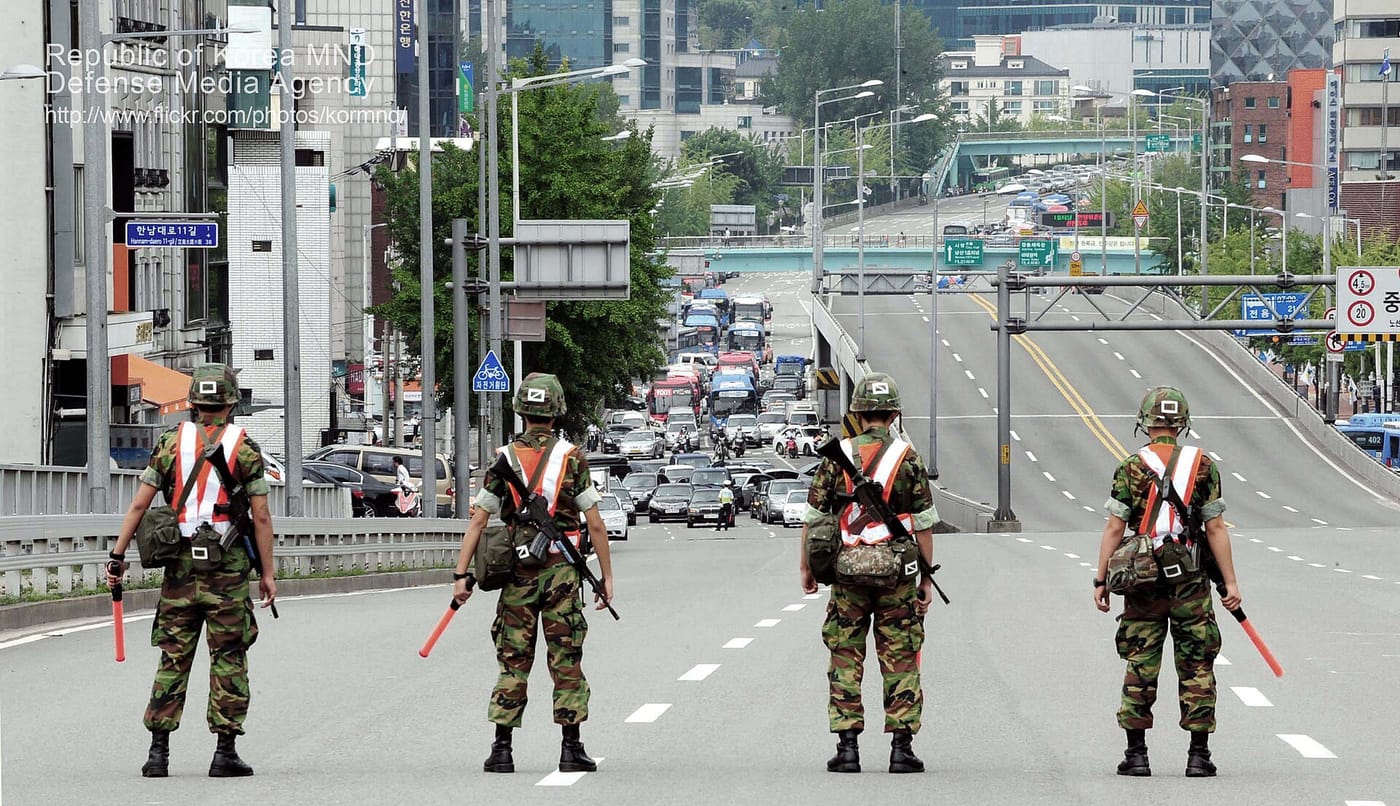
Why Your Phone Screams in Korea: Emergency Alerts, Air-Raid Sirens, and Telling Them Apart
Korea has two alarm systems and visitors confuse them constantly. One is a text on your phone, usually a heat advisory. The other is a street siren that stops traffic. On 20 August 2026 both go off at 2pm, and neither means what you fear.
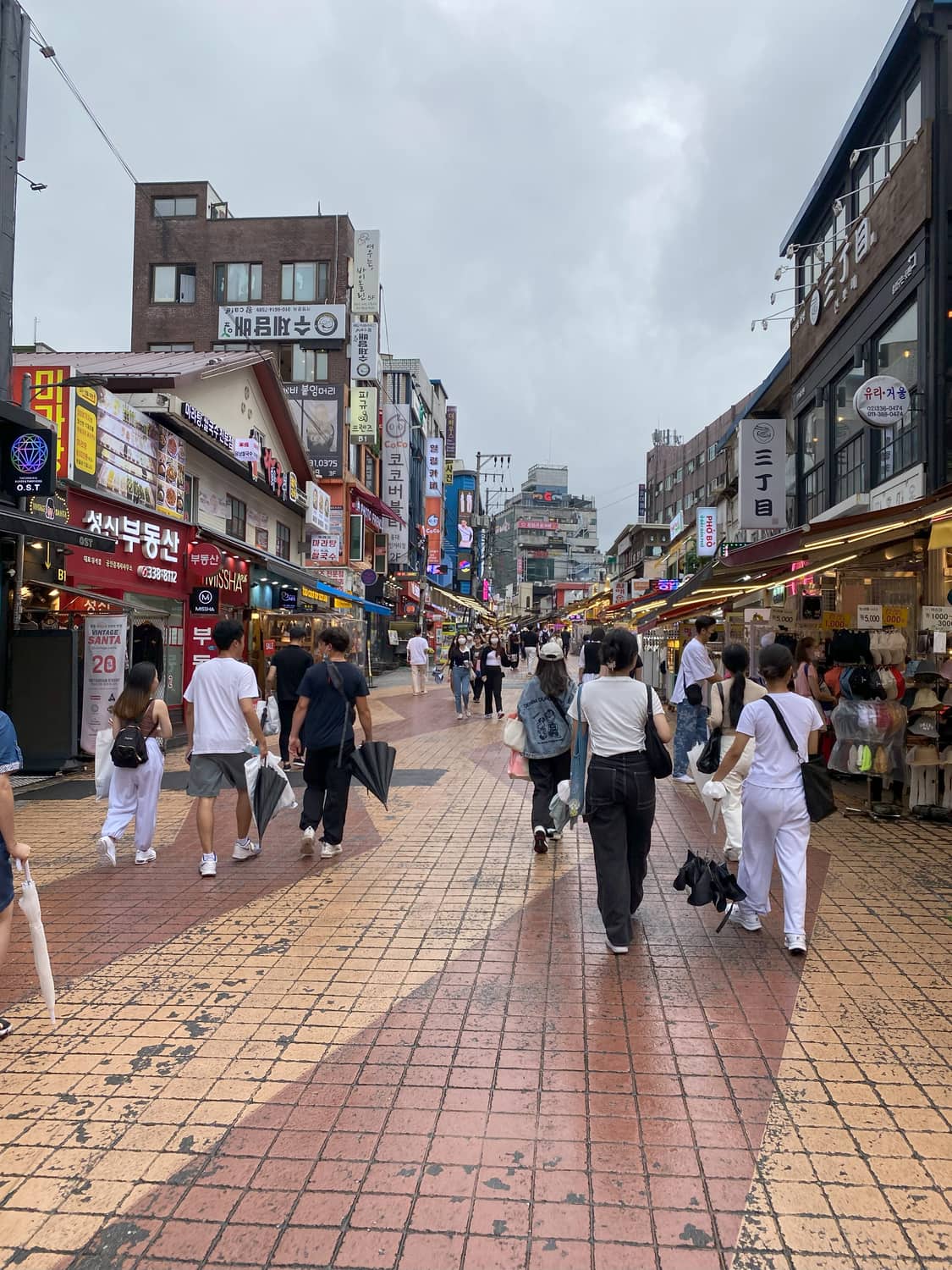
Do Koreans Speak English? Ask Someone Under 35 — What Actually Happens on a Seoul Street
Yes, if you ask the right person. Stop a Korean in their twenties or thirties on a Seoul street and you will almost always get an answer in English. The forum answer that says otherwise is twenty years old. Who to ask, how to ask, where English is built in.
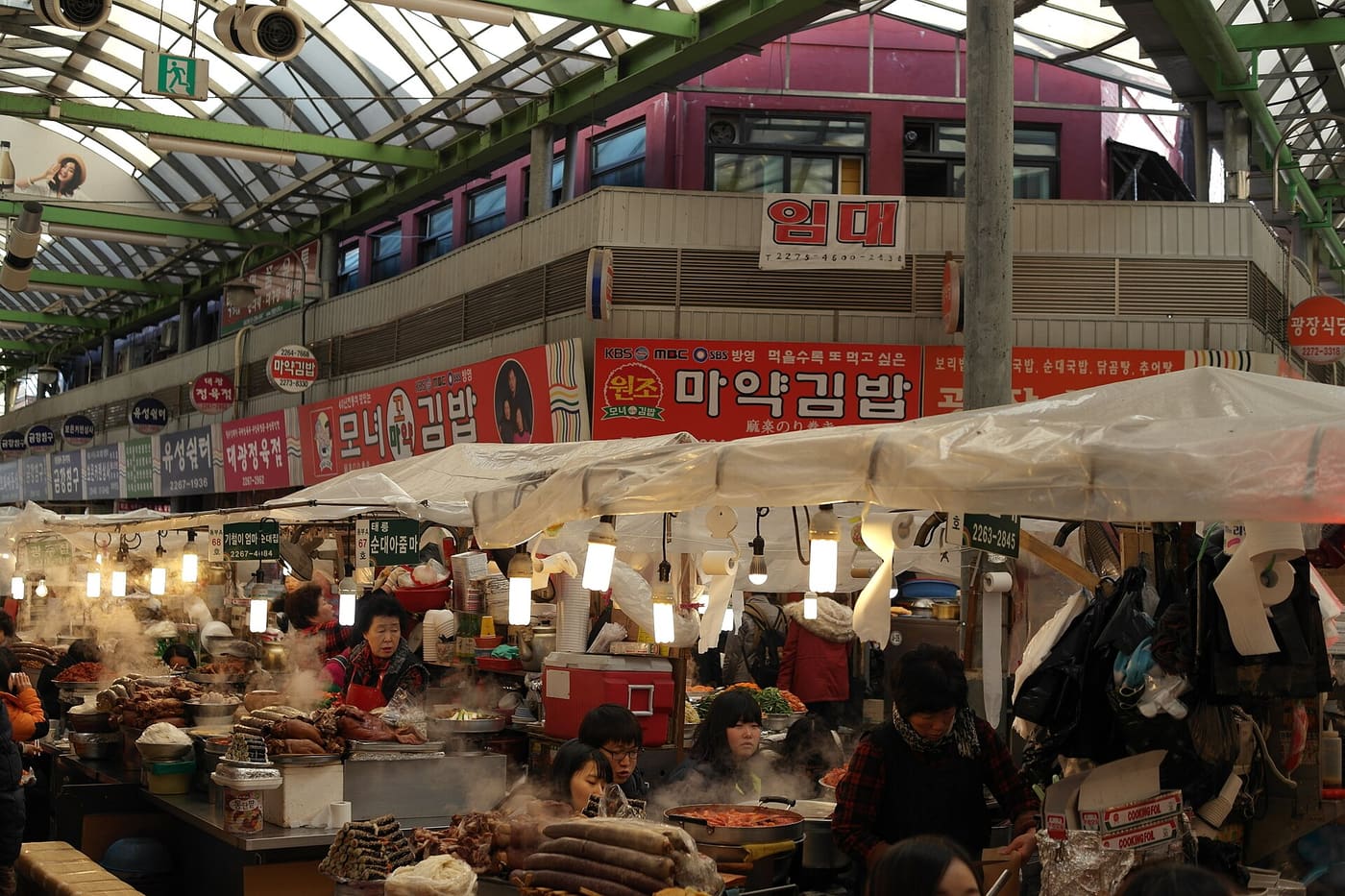
Gwangjang Market's Second Floor: Seoul's Vintage Arcade, and the One Day It's Shut
Everyone knows Gwangjang for the food alley that never closes. Above it is a vintage arcade signed 수입구제 where most items run under ₩20,000 — and it shuts every Sunday, which is exactly when visitors turn up.