Korean Highway Rest Areas: Food, Facilities, and Travel Tips
Korean highway rest areas, called hyugeso in Korean, can surprise first-time travelers because they are not just bathroom stops. They can be food courts, snack markets, regional-product showcases, coffee stops, family reset points, EV-charging nodes, bus-break locations, and small glimpses of Korea's road-trip culture.
If you are traveling by intercity bus, rental car, private van, or domestic tour, the rest-area stop may become one of the most memorable parts of the route. That is not a joke. Korean rest areas are famous for foods such as sotteok-sotteok sausage-and-rice-cake skewers, walnut cakes, roasted potatoes, udon, pork cutlet, regional soups, and seasonal snacks. Some stops are known for scenic views or specialty dishes. Others are simply efficient places to use the restroom, buy water, and reset before the next highway stretch.
This guide explains how Korean highway rest areas work, what to eat, how to use them on bus tours or rental-car trips, what payment and timing issues matter, and how to avoid the mistakes that make a short stop stressful.
Korean snack options — compare on AmazonAffiliate link. As an Amazon Associate, EpicKor earns from qualifying purchases at no extra cost to you.
Quick Answer: Why Are Korean Rest Areas Special?
Korean rest areas are special because they combine practical driver safety with food culture and regional travel. Korea.net's 2024 article on expressway rest-area food, using Korea Expressway Corporation recommendations, highlights regional dishes such as pork cutlet at Anseong Rest Area, samgyetang at Geumsan Ginseng Land Rest Area, makguksu at several Gangwon-route stops, and snack collections including walnut cakes, roasted potatoes, tteokbokki, sotteok-sotteok, and more. See Korea.net's guide to tasty food at highway rest areas.
Korea.net's earlier Monthly KOREA article also explains how expressway rest stops evolved from simple snack stops into destination-like facilities with famous foods and conceptually distinct spaces. It notes Korea's highway network and rest-stop culture as part of road travel. See Rest or Restaurant Stop?.
For travelers, the key is simple: do not treat the rest area as wasted time. It is a useful food, bathroom, coffee, snack, and stretch break. But do not over-shop or miss your bus departure because you got hypnotized by skewers. The rest area is fun because it is efficient.
| Traveler Type | Best Use of a Hyugeso | Watch Out |
|---|---|---|
| Intercity bus passenger | Bathroom, water, one snack, stretch | Bus leaves fast; note the plate number and departure time. |
| Rental-car traveler | Meal, coffee, restroom, route reset | Do not drive tired after overeating. |
| Family | Toilets, snacks, child reset, simple meal | Keep children close in parking areas. |
| Food traveler | Regional dishes and signature snacks | Some famous items are route-direction specific. |
| EV driver | Charging and break planning | Check charger availability before relying on one stop. |
What to Eat First
Start with the classics. Sotteok-sotteok is the most famous modern rest-area snack: sausage and rice cake on a skewer, usually glazed with a sweet-spicy sauce. Hodu-gwaja, walnut cakes filled with sweet red bean paste, are easy to carry and share. Tonggamja, roasted potatoes, are simple and satisfying. Udon, ramyeon, tteokbokki, fried dumplings, fishcake, and skewers are common enough that even picky eaters can usually find something.
For a meal, choose by route and hunger. Pork cutlet, gukbap, noodles, bibimbap, soup, and regional specialties appear at different stops. Korea.net's rest-area food article shows how some stops are known for local or signature dishes rather than generic highway food. If you are on a tour or bus with only 15 minutes, do not attempt a full meal unless the guide confirms enough time. If you are driving, you can slow down and use the rest area as lunch.
Food travelers should remember that rest-area dishes are convenience food with regional pride, not fine dining. The magic is context: a hot skewer after two hours in traffic, walnut cakes for the car, soup during winter travel, coffee before the next leg, and a bathroom stop that does not feel depressing.
If Korean road food interests you, pair this with EpicKor's Korean convenience-store food guide, Korean snacks and food souvenirs guide, and Korea travel cheat codes guide.
Road snack mood at home: As an Amazon Associate, EpicKor may earn from qualifying purchases. If Korean rest-area snacks made you curious, compare Korean snack options before your next road-trip night or watch party.
Facilities: Toilets, Shops, EV Charging, and Wi-Fi
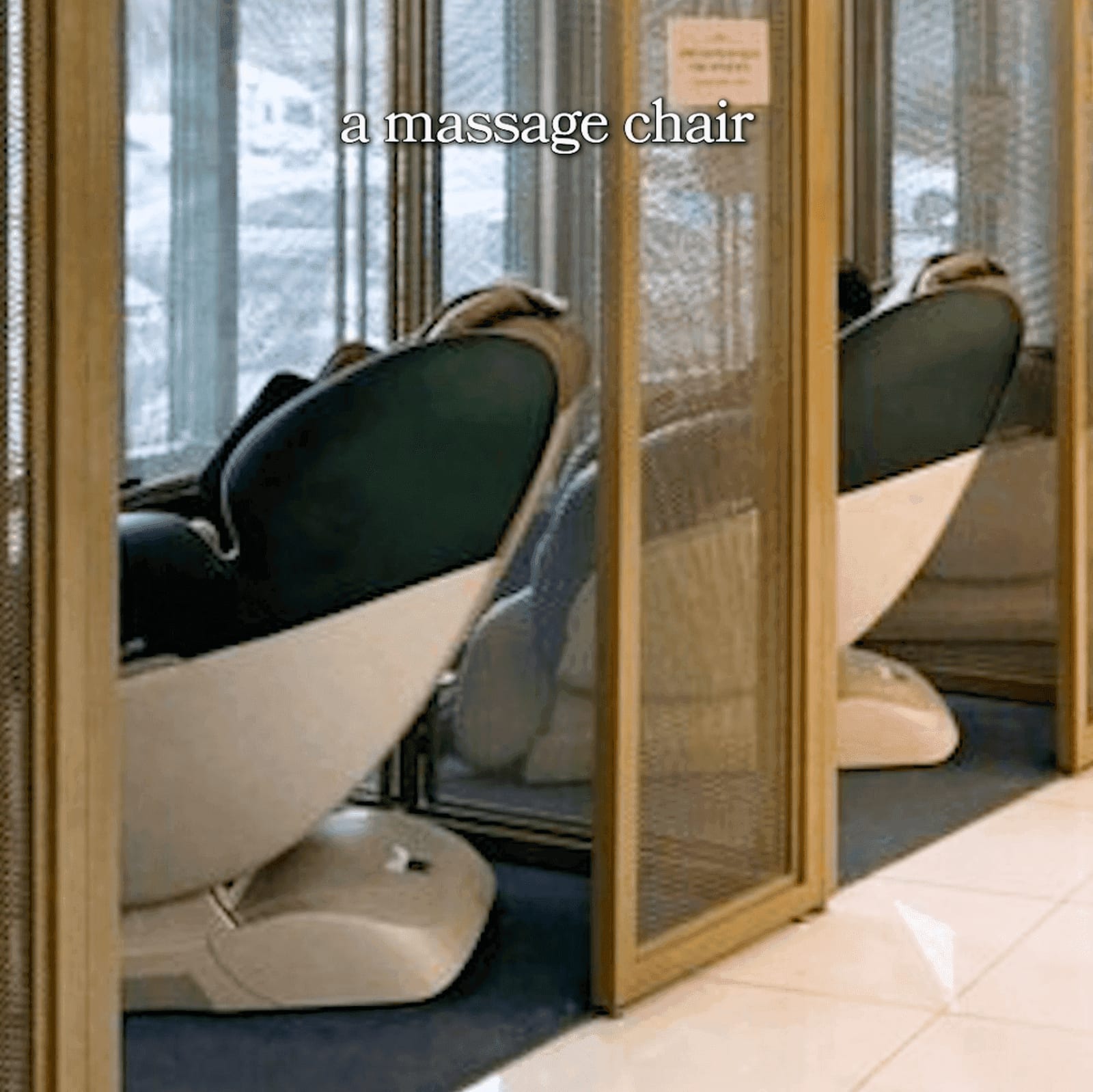
The basic facilities are usually restrooms, food court or snack counters, convenience store, coffee, parking, and information signs. Larger rest areas may include regional product shops, outdoor seating, scenic viewpoints, children's spaces, brand stores, pet zones, EV chargers, or specialty restaurants. Facilities vary by route and operator, so do not assume every rest area has everything.
MOLIT has also treated rest areas as part of road safety and convenience. In 2025, the Ministry of Land, Infrastructure and Transport announced additional Smart Rest Complex locations on general national highways, describing them as integrated rest areas using digital-based smart technologies to provide road users with relaxing and cultural spaces. See MOLIT's English notice on integrated rest areas on general national highways.
For a wider look at Korea's self-service and machine-assisted daily life, read EpicKor's Korea automated convenience guide, from Hangang ramyeon machines to unmanned food stores.
In July 2026, Korean policy reporting said MOLIT announced a rest-area operation reform plan aimed at improving expensive food prices and weak service, including cheaper food pricing structures and more 24-hour convenience-store access from future operation changes. Because implementation details can vary, treat this as a policy direction rather than a guarantee at the exact stop you visit.
Bus Tour and Intercity Bus Rules
If you are on an intercity bus or group tour, the most important rule is time. Look at the bus, remember the license plate or company color, note where it parked, and ask exactly how many minutes you have. Many travelers lose calm not because the rest area is confusing, but because every bus looks similar when they return with snacks.
Use the restroom first. Then buy water or snack. Then take photos only if time remains. Do not join a long food line unless you know the bus stop is long enough. If the guide says 15 minutes, that is not a full meal stop. If you are traveling with children or older relatives, agree on a meeting point before everyone scatters.
Payment is usually straightforward in modern facilities, but carry a backup card and some cash. For broader payment setup, use EpicKor's Korea payment guide. If you are navigating routes independently, the Naver/Kakao map guide is more useful than relying only on foreign map apps.
| Stop Length | Realistic Plan | Do Not Do |
|---|---|---|
| 10 minutes | Restroom and water only | Order hot food or browse gifts. |
| 15 minutes | Restroom plus one fast snack | Join a long noodle or cutlet line. |
| 20-25 minutes | Restroom, snack, coffee, quick stretch | Forget bus location. |
| 30+ minutes | Simple meal if line is short | Assume every dish will be instant. |
| Self-driving | Meal, rest, driver recovery | Rush when tired. |
Driving Safety and Rest-Area Etiquette
Rest areas exist because drivers need breaks. Do not treat them only as food content. If you are driving, use the stop to stretch, hydrate, check fatigue, and switch drivers if needed. If you feel sleepy, a snack is not enough. Rest longer.
Parking lots can be busy during holidays such as Seollal and Chuseok. Watch for buses, children, delivery trucks, and cars backing out. Do not stand in traffic lanes for photos. Keep pets controlled. Throw trash in the correct bins. If the rest area is crowded, move efficiently and be patient with staff.
Families should choose a clear meeting point. Couples and friend groups should not separate with dead phones. Solo travelers should keep valuables close and avoid leaving bags unattended while ordering.
How to Add Rest Areas to a Korea Itinerary
Build rest areas into the route instead of treating them as accidents. If you are going from Seoul to Busan by car, a planned meal stop can make the day feel less punishing. If you are going to Gyeongju, Jeonju, Gangneung, Sokcho, or a ski resort, choose one rest stop as the official stretch-and-snack point rather than stopping only when everyone is already tired.
On guided tours, ask the guide whether the rest-area stop is a restroom break or a meal break. That one question changes everything. A restroom break means you should move fast. A meal break means you can explore the food court and maybe try a route-specific dish. For self-driving trips, check the direction of travel because some famous rest-area foods are available on one side of the expressway, not always both.
Do not let a rest-area stop replace local food at the destination. Use it as a bridge: one snack, one coffee, one regional curiosity, then continue. The best road-trip food memory is often small enough to fit in your hand.
For long Korea travel days: A small phone-power backup helps with maps, tickets, translation, payment, and bus timing. Compare portable travel power banks before a road-heavy Korea itinerary.
See portable travel power banks on Amazon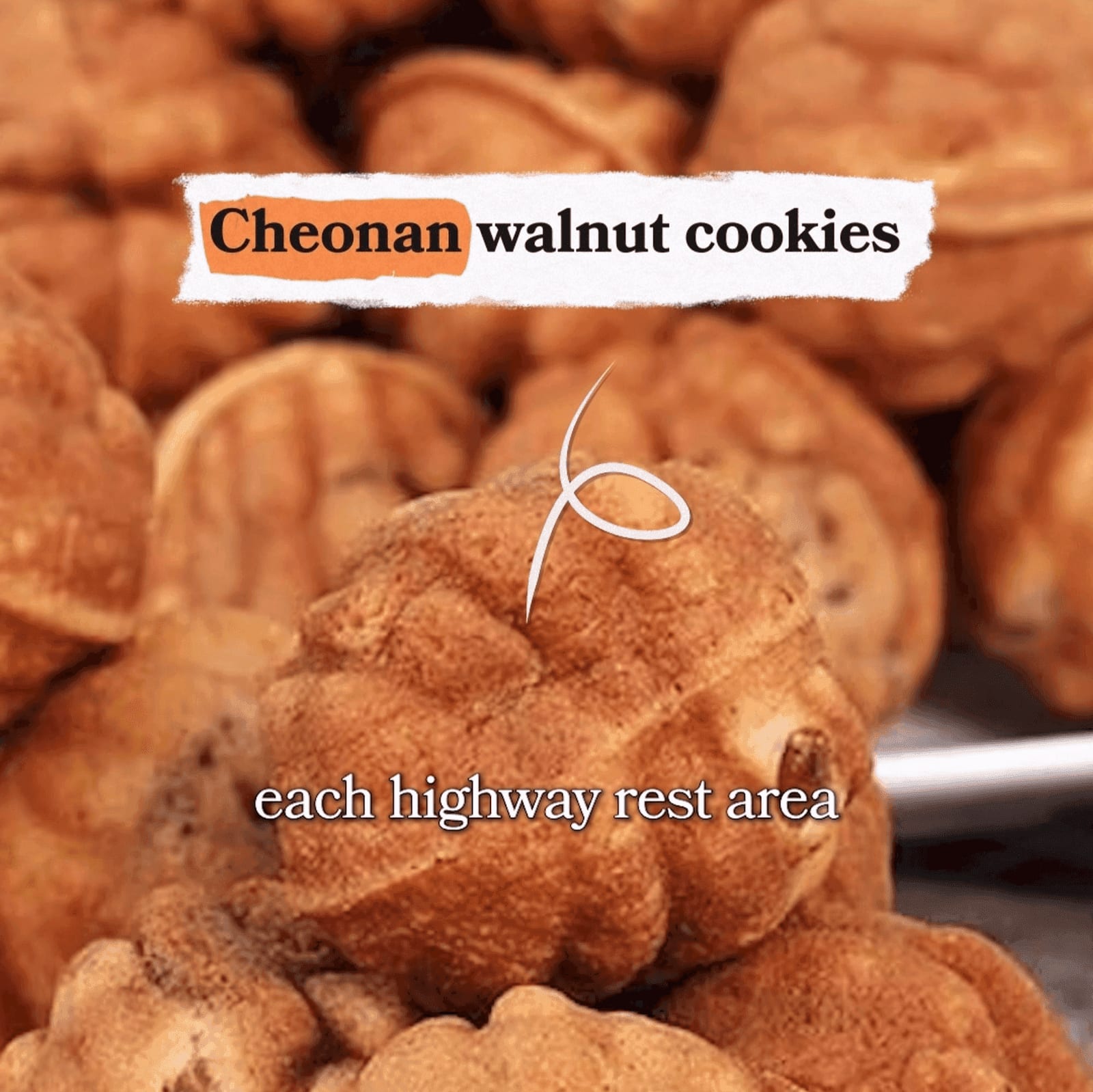
FAQs About Korean Highway Rest Areas
Q: What is a hyugeso? A: Hyugeso means rest area or rest stop. In Korea travel, it usually refers to highway or road facilities with toilets, food, shops, parking, and other driver/passenger services.
Q: What food should I try at a Korean rest area? A: Start with sotteok-sotteok, walnut cakes, roasted potatoes, udon, tteokbokki, fishcake, or a regional specialty dish if you have enough time.
Q: Can bus passengers buy food during rest stops? A: Yes, but time is limited. Use the restroom first, remember your bus, and buy only food that can be ordered and eaten or carried quickly.
Q: Do Korean rest areas accept cards? A: Many modern rest areas do, but carry a backup card and some cash. Payment conditions can vary by vendor, machine, and route.
Q: Are Korean rest areas good for families? A: Yes, especially because toilets, snacks, drinks, and stretching space help reset the trip. Keep children close in parking areas and agree on a meeting point.
Q: Are rest areas open 24 hours? A: Some services may be available late, but not every restaurant or shop is open 24 hours. Korea's 2026 policy direction includes expanded convenience access, but check the specific stop and time.
Bottom Line
Korean highway rest areas are worth noticing because they turn infrastructure into culture. They help drivers rest, feed families, sell regional foods, and give travelers a quick taste of Korean road life.
Use them well: restroom first, bus location saved, one good snack, payment backup, and enough time to get back calmly. If you are driving, treat the stop as a safety reset first and a food adventure second.
You Might Also Like
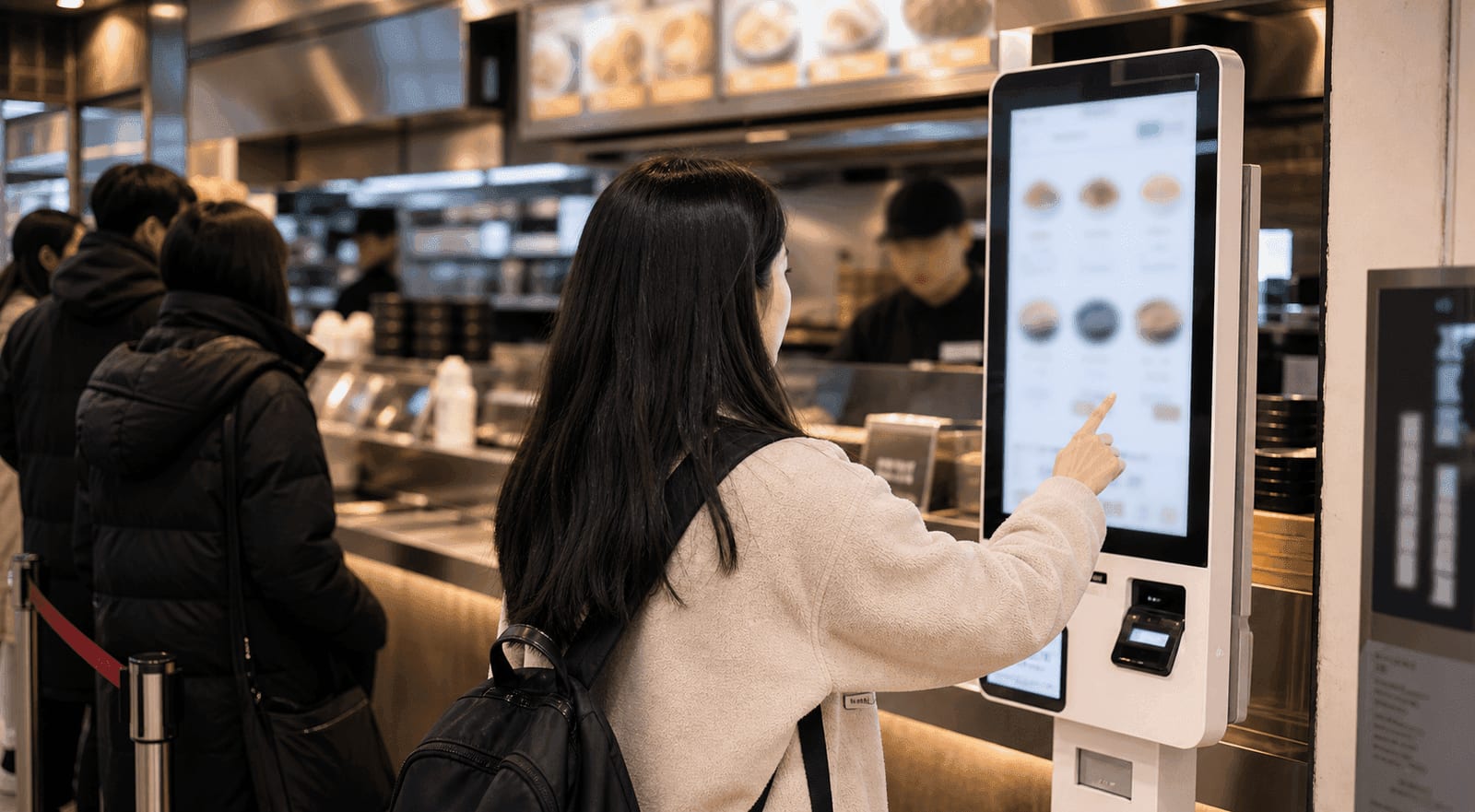
Korean Kiosk Panic Guide: How To Order Food In Seoul
A Korean kiosk panic guide for Seoul travelers: how to order food, choose menus, pay, handle pickup numbers, avoid mistakes, and stay calm.
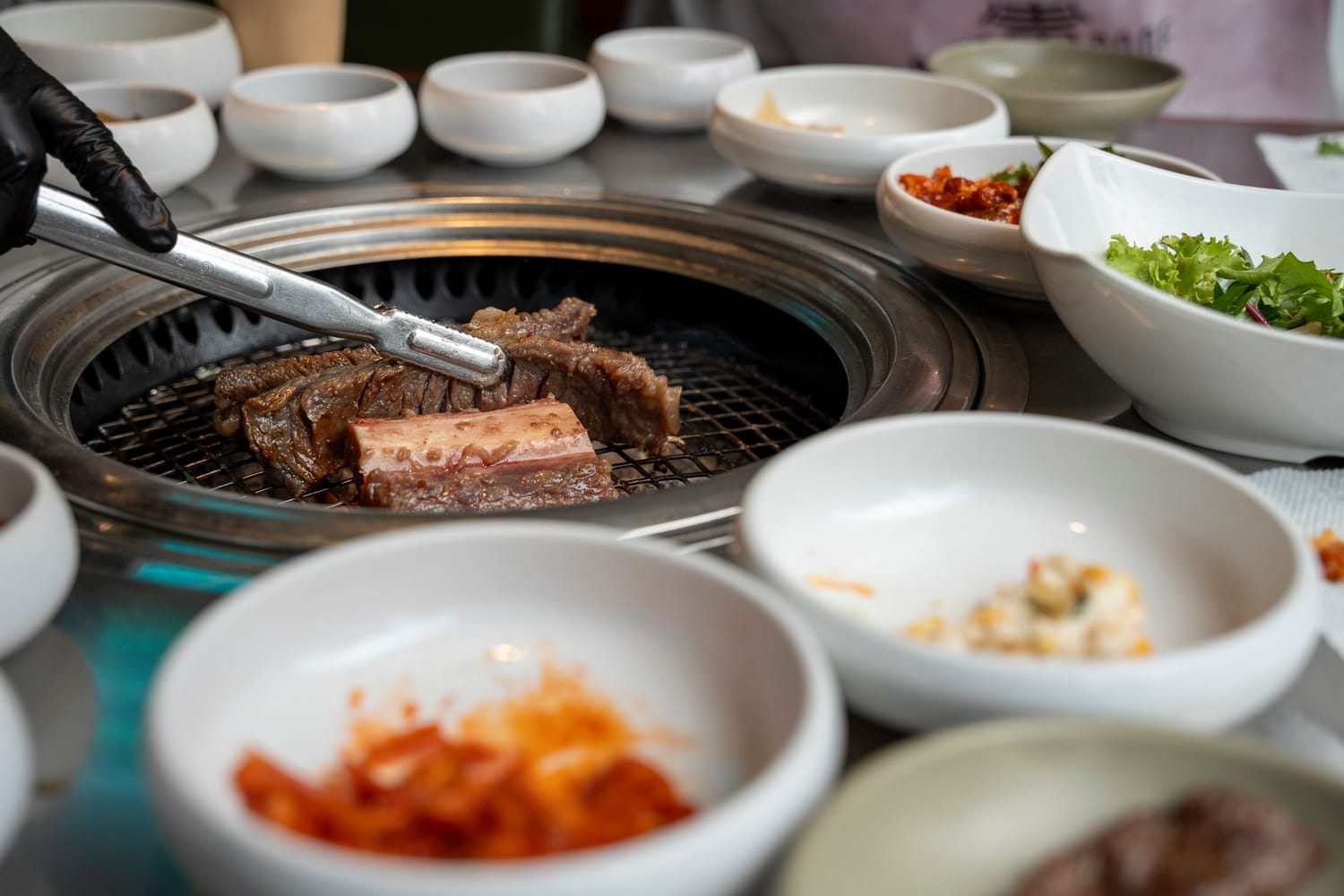
Korean Kitchen Scissors: Why Koreans Cut Meat and Noodles at the Table, and Why It Is Not an Office Scissor
Scissors on a restaurant table look wrong to most of the world and normal to every Korean. The tool is not a desk scissor: thick blades, one serrated edge, big rings, often detachable, built for galbi and cold noodles. Where it came from, and which one to buy.
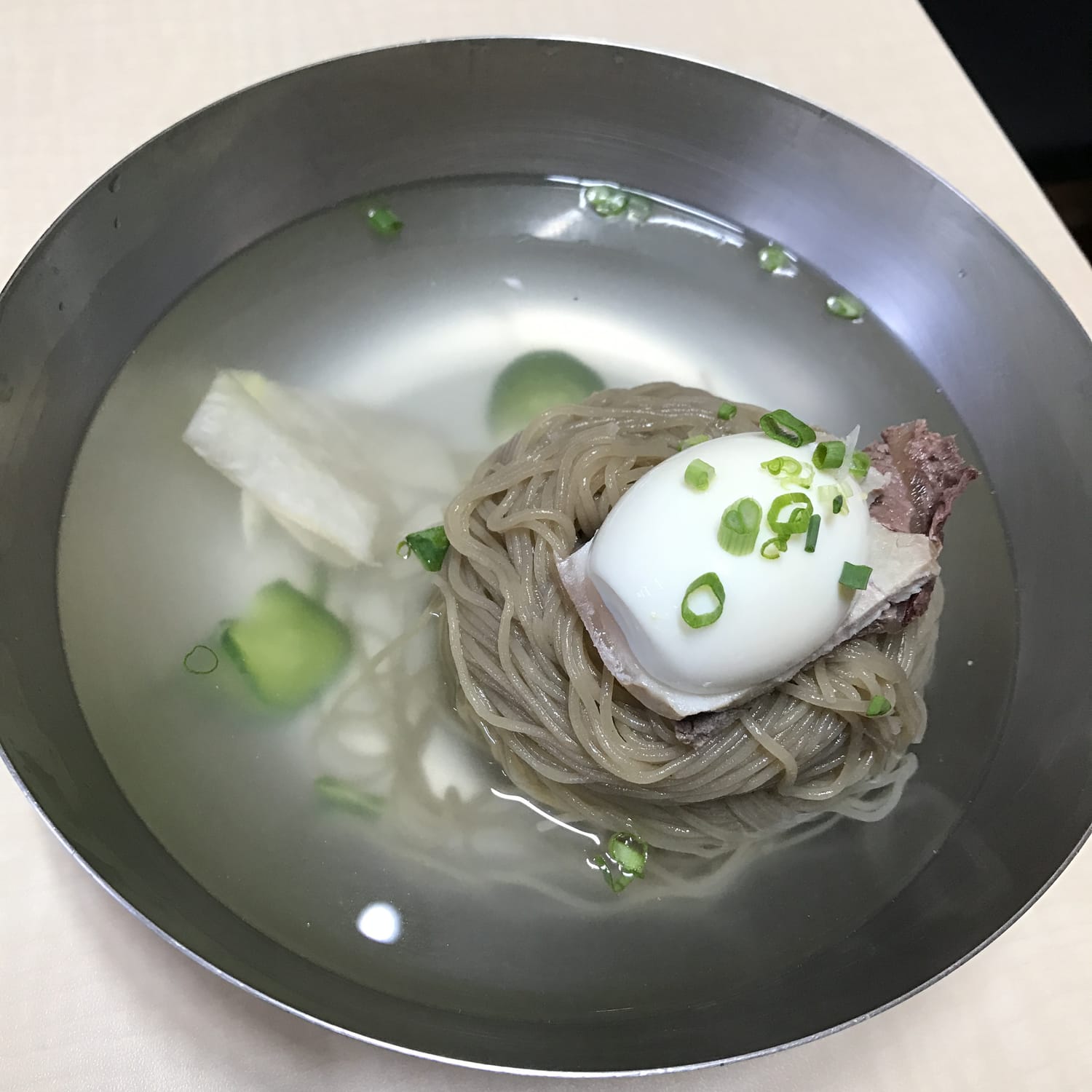
The One Korean Food Foreigners Never Learn to Love: Hamheung Naengmyeon, and Why Koreans Can't See the Problem
Foreigners who eat cheonggukjang and even hongeo still will not pay for this twice. A Korean creator who fed foreigners for years says naengmyeon was the overwhelming number one refusal, and Koreans, who rank it first every summer, cannot see why.