Korean Red Ginseng Guide: Benefits, Safety, and Buying Tips
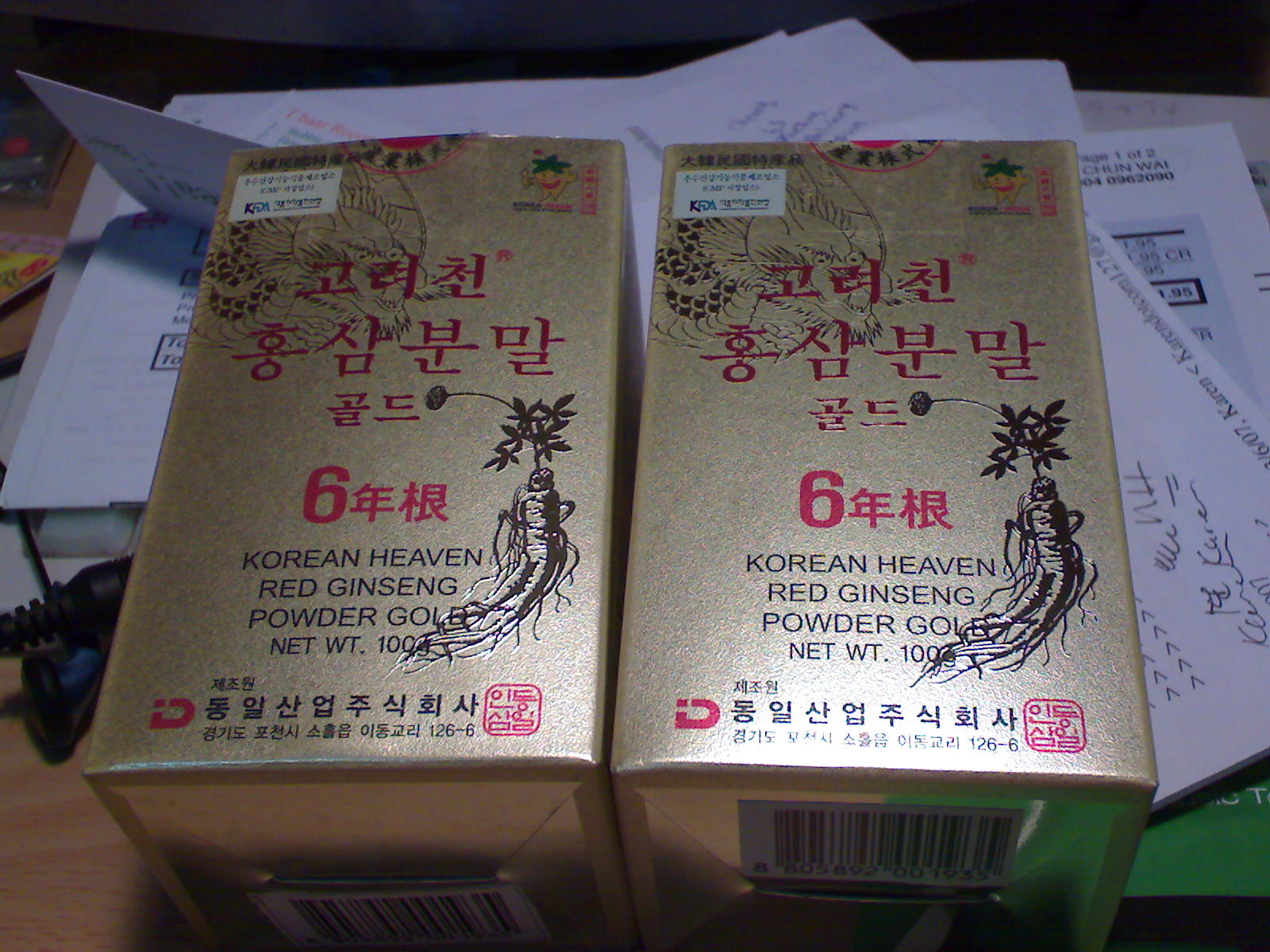
Korean red ginseng is one of Korea's most recognizable wellness gifts, but it should be understood carefully: it is a food or supplement category, not a cure-all. In Korea, red ginseng can appear as extract, sticks, capsules, tea, candy, jelly, tonic drinks, or premium gift sets. The packaging often looks serious, the price range can be wide, and the health language can be confusing for first-time buyers.
This guide explains what Korean red ginseng is, how to compare product formats, what to check on a Korean health-functional-food label, and when to be cautious. It is written for travelers, gift buyers, and Korea-culture readers, not as medical advice. If you take medication, are pregnant or breastfeeding, have diabetes, have a bleeding disorder, have an autoimmune condition, or are preparing for surgery, speak with a qualified healthcare professional before using ginseng products. For related Korean food context, pair this with EpicKor's samgyetang guide, Korean traditional market guide, and Korean convenience store food guide.
The Short Answer
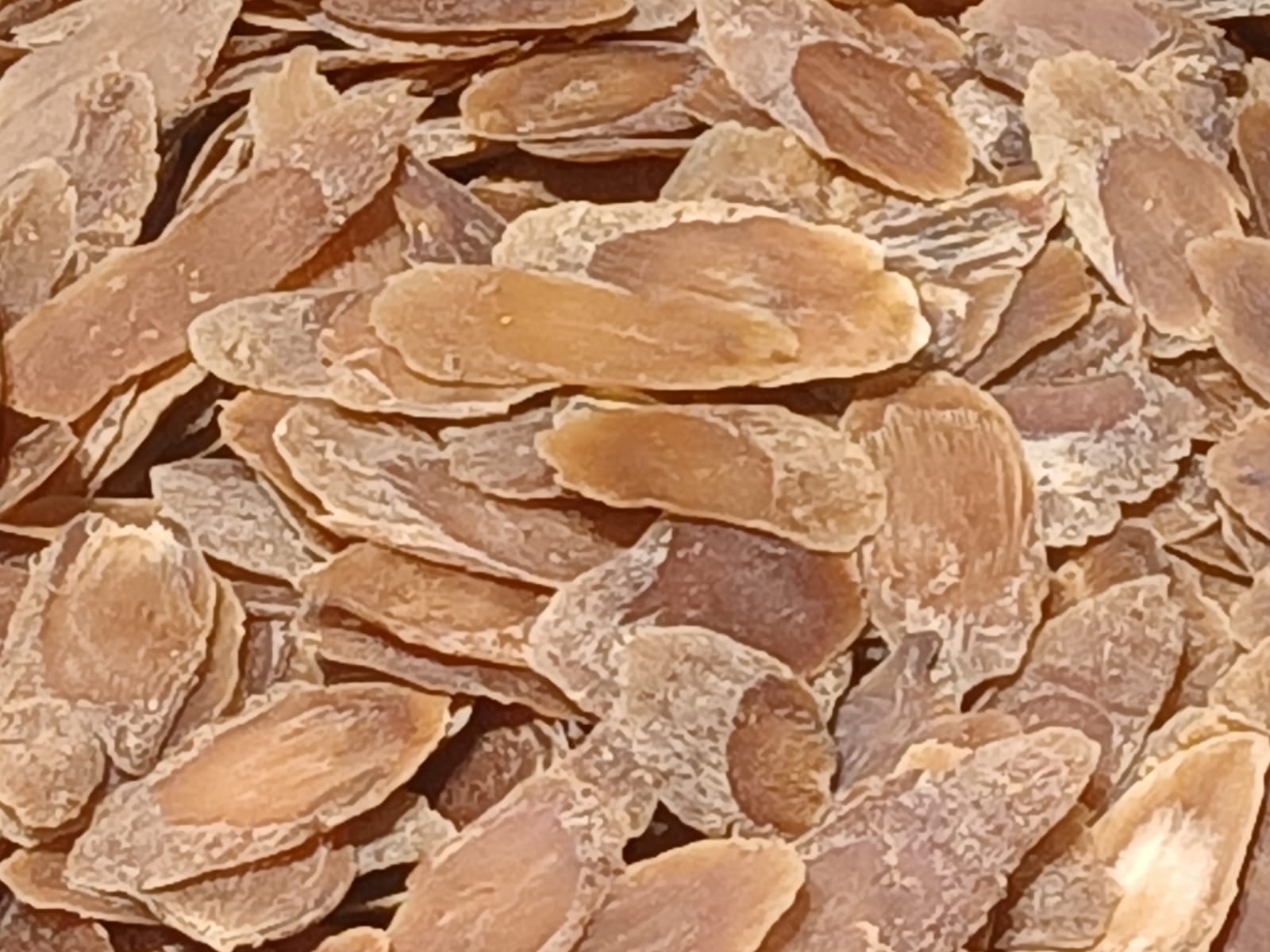
Korean red ginseng usually refers to Panax ginseng that has been steamed and dried, then made into extracts, sticks, capsules, teas, or gift products. The active compounds often discussed are ginsenosides, but the practical buying question is simpler: What format is this, what does the label say, how much should be taken, and is it appropriate for the person using it?
The safest first step is to avoid miracle claims. Look for clear labeling, serving instructions, expiry date, manufacturer/importer information, and realistic function language. Korean labels reward this kind of reading in general — our guide to Korean yuja tea works through a jar whose front says 80% while the fruit content is 40%, using nothing but the numbers the label itself prints. Korea's Ministry of Food and Drug Safety explains that health functional food labeling must include key information such as product name, ingredients, expiry date, product functions, intake instructions, and a statement that the product is not a pharmaceutical product for disease prevention or treatment.
| Buyer question | What to check | Why it matters |
|---|---|---|
| Is this a supplement or candy? | Product category, function label, serving instructions | Ginseng candies and drinks may contain small amounts compared with extracts. |
| How strong is it? | Serving size, extract percentage, ginsenoside information if provided | Similar-looking boxes can differ a lot. |
| Who should avoid it? | Medication use, pregnancy, breastfeeding, diabetes, surgery, bleeding risk | Ginseng can interact with health conditions and medicines. |
| Is it a good gift? | Recipient age, taste, customs rules, label language, suitcase weight | Premium does not always mean practical. |
Korean red ginseng search — compare on AmazonAffiliate link. As an Amazon Associate, EpicKor earns from qualifying purchases at no extra cost to you.
What Red Ginseng Means in Korea
Red ginseng has a strong cultural position in Korea because it sits at the intersection of food, medicine-adjacent tradition, gift culture, agriculture, and premium branding. It is commonly associated with respect and care, especially around Chuseok, Lunar New Year, parent gifts, business gifts, and health-conscious family shopping.
That cultural weight is why red ginseng gift sets can feel almost ceremonial. A box may communicate more than "I bought you a supplement." It can say: I thought about your energy, your age, your schedule, and your well-being. Whether the recipient actually wants to take ginseng is a separate question, which is why practical buying still matters.
Product Formats Compared
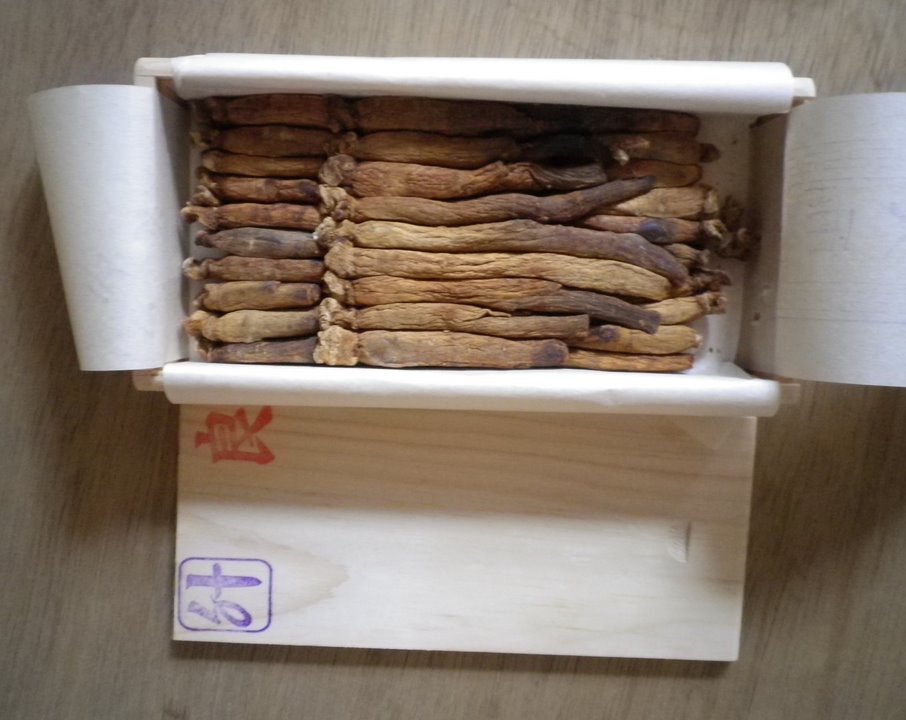
Red ginseng products are not interchangeable. Some are everyday convenience formats; others are premium gift formats. Some are bitter and concentrated; others are sweet, diluted, or snack-like. If you are buying outside Korea, search listings can mix all of these together, so read carefully.
| Format | Best for | Watch out for | Beginner fit |
|---|---|---|---|
| Extract jar | People who already use ginseng and want control over serving size | Strong taste, spoon measurement, higher price | Medium |
| Stick pouches | Travel, office drawers, simple daily routine | Sugar content, actual extract amount, pack count | High |
| Capsules/tablets | People who dislike bitter flavor | Serving amount and other added ingredients | Medium |
| Tea or drink | Casual tasting and gift sampling | May be mild or sweetened | High |
| Candy/jelly | Souvenir or flavor curiosity | Often more snack than supplement | High for gifts, low for function |
| Premium gift set | Parents, elders, business gifts | Price, suitcase space, recipient suitability | Depends on recipient |
Compare labels before buying: As an Amazon Associate, EpicKor may earn from qualifying purchases. If you are shopping outside Korea, use a broad Korean red ginseng search to compare format, serving size, ingredient list, and seller details instead of choosing only by the most premium-looking box.
What the Research Can and Cannot Say
It is tempting to treat red ginseng as a guaranteed energy or immunity product. Be more careful. The U.S. National Center for Complementary and Integrative Health notes that Asian ginseng has been promoted for many uses, but evidence is limited or mixed for areas such as fatigue, cognitive function, flu, and diabetes. NCCIH also says short-term oral use up to six months appears safe for most people, while questions remain about long-term safety.
That does not make ginseng useless. It means the honest framing is: some people use it as part of a wellness routine, Korean culture treats it as an important health-oriented gift, and buyers should compare products realistically. Do not use it to replace medical care, prescribed medication, sleep, nutrition, or professional advice.
Safety Cautions That Matter
NCCIH notes several caution areas. Asian ginseng may interfere with blood clotting, may affect blood sugar, may worsen some autoimmune disorders, and may interact with medicines such as blood pressure medication, statins, antidepressants, and warfarin. NCCIH also advises avoiding Asian ginseng for infants, children, and people who are pregnant or breastfeeding because of safety concerns.
The practical rule is simple: the more medically complex the person is, the less casual the gift should be. A red ginseng candy souvenir is one thing. A concentrated extract for someone taking multiple medications is different. When in doubt, choose a non-ingestible Korean gift, Korean tea with clear ingredients, or a food item with fewer interaction concerns.
How to Read a Korean Health Functional Food Label
If you are shopping in Korea, look for the health functional food context rather than only decorative packaging. MFDS explains that health functional food labels include the product name, raw materials, expiration date, manufacturer information, product functions, intake instructions, and the statement that the product is not a pharmaceutical product for disease prevention or treatment.
That last part matters. It keeps the product in the right mental category. A responsible red ginseng product can describe recognized functions within approved rules, but it should not act like a prescription drug or a guaranteed cure. If a seller uses extreme claims, that is a reason to pause, not a reason to trust it more.
| Label item | Good sign | Red flag |
|---|---|---|
| Product identity | Clear format: extract, stick, capsule, tea, drink | Only vague wellness words |
| Serving instructions | Specific daily amount and usage notes | "Take as much as needed" style claims |
| Ingredients | Ginseng plus clearly listed additions | Hidden sweeteners, caffeine, or mystery blends |
| Function language | Moderate, label-based statements | Cures disease, reverses aging, guarantees immunity |
| Seller information | Traceable manufacturer/importer and expiry date | No expiry, no contact, no source clarity |
Brand and Heritage Signals
Korea Ginseng Corporation is one of the most internationally recognizable Korean red ginseng names. KGC's English materials describe roots going back to the Samjeonggwa office established in 1899, a focus on six-year-old ginseng, contract farming, safety testing, and a long cultivation and processing period. Those details explain why premium Korean red ginseng can be expensive and brand-driven.
Still, do not buy only because a box looks prestigious. A premium jar may be a poor choice for someone who hates bitter flavors. A stick pouch may be more useful for an office worker. A tea or candy may be better as a casual souvenir. The best product is the one that matches the recipient, label, and use case.
Build a practical Korea wellness gift basket: If concentrated ginseng feels too serious, compare a Korean red ginseng tea search with broader Korean food starter packs so the gift feels useful rather than medically loaded.
Buying in Korea vs Buying Online
In Korea, red ginseng is sold in department stores, duty-free shops, pharmacies, health-food stores, supermarkets, brand shops, markets, and airport retail. Department stores and duty-free shops are easier for premium gift sets. Markets and souvenir areas may be cheaper or more casual, but label clarity becomes more important. Airport shops are convenient, though not always the cheapest.
Online buying is convenient, especially outside Korea, but it needs extra caution. Check whether the product is shipped by a reliable seller, whether the label is in a language you can read, whether the expiry date is visible, and whether the listing is clear about quantity and serving size. If a listing uses aggressive disease claims, choose another product.
Quick Buying Plan
For yourself, start small: a tea, a few stick pouches, or a modest capsule product with clear labeling. Notice taste, tolerance, and routine fit before buying a large jar. For a gift, ask whether the recipient actually uses supplements. If they take medication or have health conditions, avoid concentrated products unless they have already confirmed ginseng is appropriate for them.
For travelers, remember customs rules. Some food and supplement products may face restrictions depending on destination country, ingredient, and quantity. Keep packaging sealed, keep labels visible, and do not assume every health product can cross borders freely.
Sources and Further Reading
- Korea MFDS explanation of health functional food labeling.
- NCCIH provider digest on herb-drug interactions, including Asian ginseng.
- NCCIH tips on how herbs can interact with medicines.
- NCCIH on colds, flu, and complementary health approaches.
- Korea Ginseng Corporation heritage overview.
- Korea Ginseng Corporation company overview.
FAQ
Q: Is Korean red ginseng medicine?
No. It is generally sold as food, supplement, or health functional food depending on product and market. It should not be treated as a drug or a replacement for medical care.
Q: What is the easiest red ginseng format for beginners?
Stick pouches, teas, and drinks are usually easier than concentrated extract jars. They are simpler to portion and less intimidating for first-time users.
Q: Who should be cautious with Korean red ginseng?
People taking medication, pregnant or breastfeeding people, children, people with diabetes, bleeding concerns, autoimmune conditions, or planned surgery should seek professional advice first.
Q: Does red ginseng boost immunity or energy?
Some products are marketed around wellness functions, but evidence is not a guarantee for every person. Use cautious language, follow labels, and do not rely on ginseng to treat illness.
Q: Is an expensive Korean red ginseng gift set always better?
Not always. A premium set may be impressive, but the best gift depends on the recipient's taste, health situation, routine, and whether they actually want ginseng.
Q: What should I check before buying red ginseng online?
Check format, serving size, ingredient list, expiry date, seller reliability, label language, and whether the listing avoids unrealistic disease or anti-aging claims.
You Might Also Like

Carbo Buldak Guide: Why Korea's Creamy Spicy Ramen Went Global
A practical Carbo Buldak guide explaining the Korean ramen's creamy heat, viral growth, buying tips, cooking tweaks, and spice-safety notes.
Korean Snacks Guide: What to Buy, Taste, and Pack
A practical Korean snacks guide comparing Turtle Chips, honey-butter flavors, seaweed snacks, convenience-store finds, souvenirs, and packing tips.
Korean Kitchen Scissors: Why Koreans Cut Meat and Noodles at the Table, and Why It Is Not an Office Scissor
Scissors on a restaurant table look wrong to most of the world and normal to every Korean. The tool is not a desk scissor: thick blades, one serrated edge, big rings, often detachable, built for galbi and cold noodles. Where it came from, and which one to buy.