International School Tuition in Korea: Fees by School, Who Can Enrol
Last updated: 18 October 2026. Fees were read from each school's own 2026–27 fee page or fee PDF on 18 October 2026. The second fee table comes from the Ministry of Education's disclosure portal for foreign schools (isi.go.kr, 2026 filing). Admission rules were read on Korea's official legislation site (law.go.kr). Sources are at the end. Dollar figures use ₩1,342 to the US dollar (Federal Reserve rate, 9 October 2026), the latest rate published as of 18 October 2026.
International school tuition in Korea runs from about ₩19 million ($14,200) a year at the cheapest English-medium foreign school to almost ₩60 million ($44,600) at the most expensive, once the dollar part of the bill is counted. Most schools quote two prices at once, a won part plus a dollar part, which makes the headline number look smaller than what parents actually pay.
As of October 2026, here is what each school charges for the 2026–27 year, read from the schools' own fee schedules. We then checked them against a source most English guides never use: the fee figures each school files with the Korean government. You will also find the one-off charges that never appear on the tuition line, and the legal rule that decides whether your child can enrol at all.
This is a spin-off of our piece on Korea's ban on English kindergarten entrance tests, which covers the cheaper rung below this one.
Your child will meet Hangul on the first day in Korea: a Korean Alphabet with Writing Workbook gets them reading signs before the move, on AmazonAffiliate link. As an Amazon Associate, EpicKor earns from qualifying purchases at no extra cost to you.
Quick Guide: international school fees in Korea, 2026–27
Tuition per year, youngest and oldest grade, from each school's own 2026–27 fee schedule. "≈ total" adds the dollar part to the won part at ₩1,342 to the dollar.
| School | Where / type | Youngest grade, per year | Oldest grade, per year | One-off fees for a new student |
|---|---|---|---|---|
| Chadwick International (채드윅송도국제학교) | Songdo, Incheon / free-economic-zone school | ₩28,590,000 + $16,230 (≈ $37,500) | ₩33,670,000 + $19,090 (≈ $44,200) | ₩400,000 application, ₩1M matriculation, ₩5M capital development |
| Seoul Foreign School (서울외국인학교) | Seoul / foreign school | ₩18,280,000 + $7,185, part-day pre-K (≈ $20,800) | ₩33,370,000 + $14,955 (≈ $39,800) | ₩450,000 application, ₩650,000 registration, ₩5.5M entrance |
| NLCS Jeju | Jeju / international school | ₩20,704,990 + $12,000 (≈ $27,400) | ₩29,023,910 + $16,814 (≈ $38,400) | ₩400,000 application, ₩3M capital fee, ₩5M refundable deposit |
| Branksome Hall Asia | Jeju / international school | ₩21,762,000 + $14,148 (≈ $30,400) | ₩26,640,000 + $17,294 (≈ $37,100) | ₩3M deposit (non-refundable, counted against tuition) |
| Dwight School Seoul (서울드와이트외국인학교) | Seoul / foreign school | ₩28,083,000, full-day preschool (≈ $20,900) | ₩36,334,000 (≈ $27,100) | ₩100,000 application, ₩300,000 assessment, ₩5M development fund |
| Korea International School, Pangyo (한국외국인학교) | Seongnam, Gyeonggi / foreign school | ₩19,500,000 + $9,590 (≈ $24,100) | ₩27,740,000 + $12,470 (≈ $33,100) | ₩400,000 application, ₩400,000 registration, ₩4M entrance |
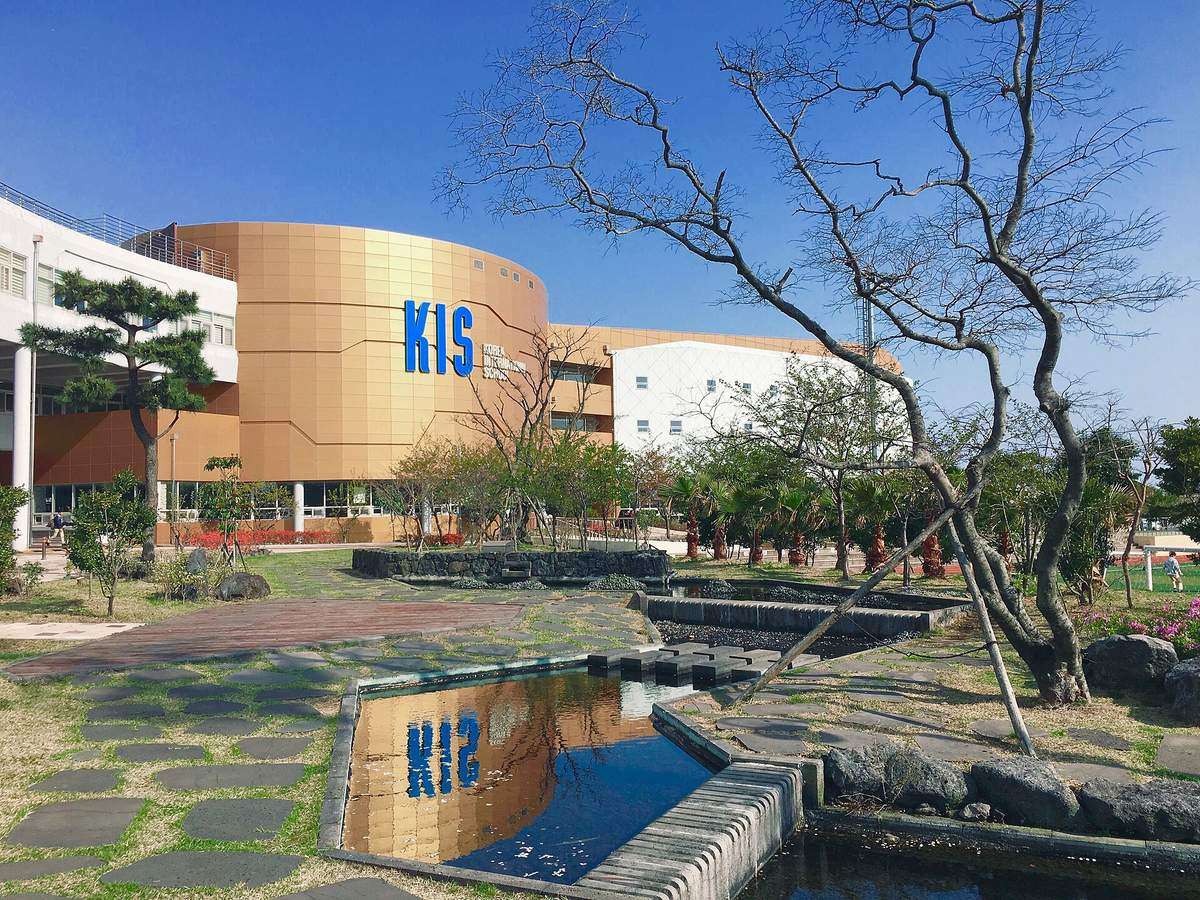
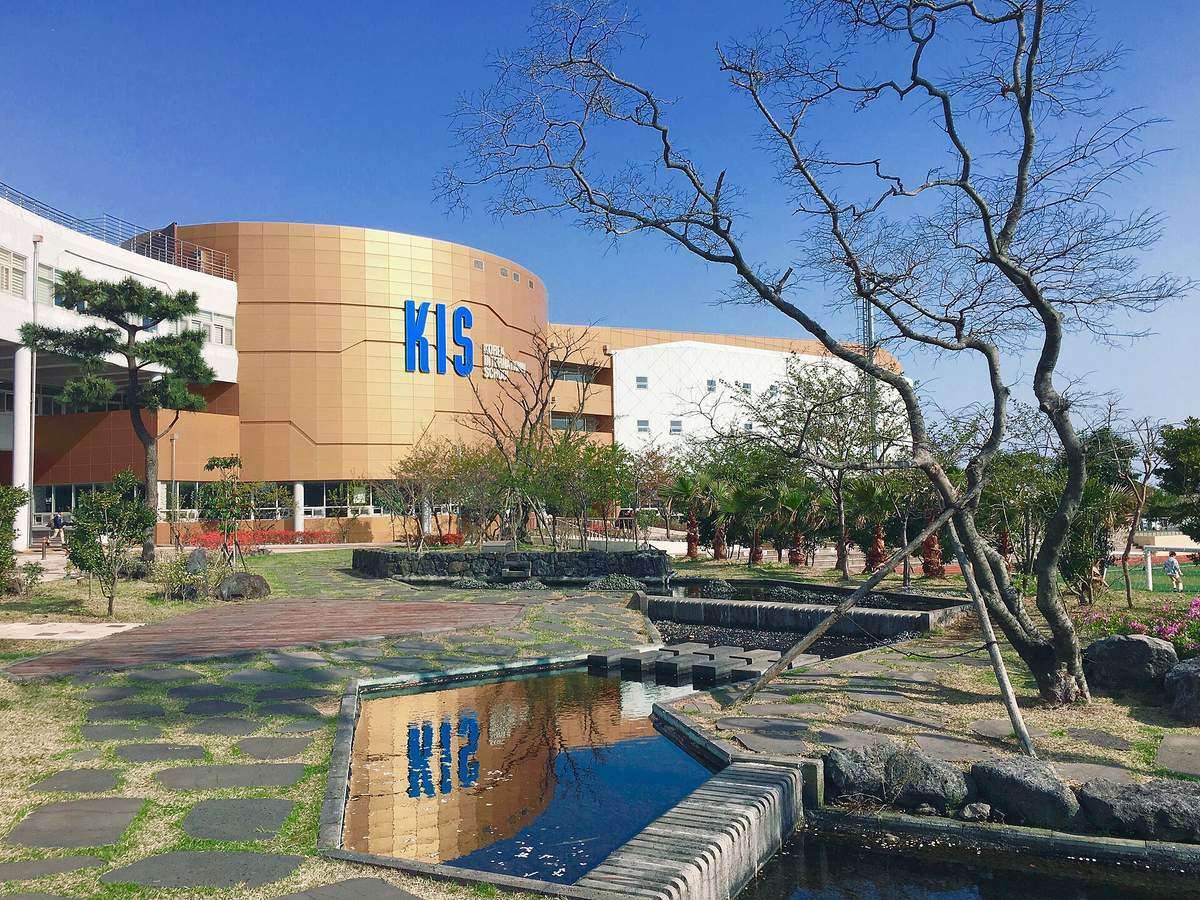
| KIS Jeju | Jeju / international school | ₩17,340,000 + $8,764 (≈ $21,700) | ₩24,960,000 + $12,528 (≈ $31,100) | ₩400,000 application, ₩3M entrance, ₩3M enrolment deposit |
| St. Johnsbury Academy Jeju | Jeju / international school | ₩24,588,000 + $9,161 (≈ $27,500) | ₩27,458,000 + $10,226 (≈ $30,700) | ₩400,000 application, ₩5M registration (capital) fee |
| Seoul International School (서울국제학교) | Seongnam, Gyeonggi / foreign school | ₩18,880,000 + $6,720, PK3 (≈ $20,800) | ₩27,840,000 + $9,900 (≈ $30,600) | ₩500,000 application, ₩4M initial registration |
KIS Jeju bills per semester; the figures above are two semesters added together. Dulwich College Seoul, Yongsan International School of Seoul and the schools outside Seoul did not publish a full 2026–27 schedule we could read, so they appear in the government-filing table further down.
Korea: The Impossible Country by Daniel Tudor: the expat parent's background read. A former Economist Seoul correspondent explains the competition, the hierarchy and the exam culture your child's classmates grow up in. It is the most useful single book for understanding why these schools fill up. As an Amazon Associate, EpicKor earns from qualifying purchases at no extra cost to you.
See Korea: The Impossible Country on AmazonTwo prices on one bill: why the fees come in won and dollars
Eight of the nine schools above charge a won part and a dollar part, and you pay both. NLCS Jeju says so plainly in its fee policy: tuition "should be paid in both KRW and USD currencies." KIS Pangyo issues every family two virtual bank accounts, one for each currency. Dwight School Seoul is the exception: its schedule is in won only.
That split matters for three reasons:
- The headline number is not the price. Seoul Foreign School's high-school year reads "₩33,370,000", but the $14,955 on top adds about ₩20 million at October 2026 rates.
- You carry the currency risk. If you earn in won, a weaker won makes the dollar part dearer. At ₩1,342 the $14,955 costs ₩20.07 million; at ₩1,450 it would cost ₩21.68 million.
- If you earn in dollars, it cuts the other way. A US-paid family is less exposed on the dollar part but pays the won part at whatever the rate is on the due date.
Fees also rise every year. Dwight's K–12 tuition went from ₩35,276,000 in 2025–26 to ₩36,334,000 in 2026–27, up 3.0%. Chadwick's high-school tuition, as filed with the government in won, went from ₩57,615,300 in 2025 to ₩59,892,000 in 2026, up 4.0%. Budget for a rise of 3–5% each year your child is enrolled.
You might like: How Much Is Rent in Seoul? Jeonse vs Wolse, Deposits and What Foreigners Pay
What the schools tell the Korean government
Every foreign school (외국인학교) and free-economic-zone school must file its basic data each year on the Ministry of Education's foreign school information portal (외국교육기관 및 외국인학교 종합안내, isi.go.kr), run by the National Research Foundation of Korea. The page is in Korean only, and its fee figures (납입금 현황) are one figure per level, in won, with the dollar part already converted. The 2026 filing is labelled September 2026, so it covers the current school year.
The conversion makes it a useful check. Seoul Foreign School's filed high-school tuition is ₩53,910,000. Its fee page says ₩33,370,000 plus $14,955, which works out to the same total at about ₩1,374 to the dollar. KIS Pangyo and Chadwick convert at the same rate. So the filing is not a different or hidden price: it is the same tuition bill, with the dollar part priced in won. Entrance fees, buses and other charges sit in separate columns of the filing, not in the tuition figure.
The table shows 15 of the English-medium schools, the larger ones and one or two per region, sorted by filed high-school tuition.
| School (Korean name on the portal) | City | Kindergarten tuition | High school tuition | Entrance fee (입학금) as filed |
|---|---|---|---|---|
| Chadwick International (채드윅송도국제학교) | Incheon | ₩50,883,500 | ₩59,892,000 | ₩6,400,000 |
| Seoul Foreign School (서울외국인학교) | Seoul | ₩44,540,000 | ₩53,910,000 | ₩6,150,000 |
| Dulwich College Seoul (덜위치칼리지서울영국학교) | Seoul | ₩42,740,000 | ₩46,660,000 | ₩400,000 |
| International School of Busan (부산국제외국인학교) | Busan | ₩27,130,000 | ₩45,380,000 | ₩300,000 |
| Korea International School, Pangyo (한국외국인학교 판교) | Seongnam | ₩32,673,000 | ₩44,869,000 | ₩400,000 (₩4.4M for elementary and up) |
| Seoul International School (서울국제학교) | Seongnam | ₩34,671,960 | ₩42,680,100 | ₩4,000,000 |
| Taejon Christian International School (대전외국인학교) | Daejeon | ₩29,987,752 | ₩42,551,008 | ₩4,800,000 |
| Asia Pacific International School (아시아퍼시픽국제외국인학교) | Seoul | ₩33,839,360 | ₩42,126,160 | ₩4,400,000 |
| Gyeonggi Suwon International School (경기수원외국인학교) | Suwon | ₩29,019,472 | ₩41,059,400 | ₩5,300,000 |
| Busan Foreign School (부산외국인학교) | Busan | ₩27,440,000 | ₩40,460,000 | ₩8,500,000 |
| Dwight School Seoul (서울드와이트외국인학교) | Seoul | ₩30,833,330 | ₩36,334,000 | ₩400,000 |
| Yongsan International School of Seoul (서울용산국제학교) | Seoul | ₩31,020,000 | ₩36,130,000 | ₩1,500,000 |
| Daegu International School (대구국제학교) | Daegu | ₩22,900,000 | ₩31,900,000 | ₩3,000,000 |
| Gwangju International School (광주국제외국인학교) | Gwangju | ₩19,800,000 | ₩26,600,000 | ₩4,000,000 |
| Pyeongtaek International Christian School (평택크리스천외국인학교) | Pyeongtaek | ₩19,068,691 | ₩21,622,375 | ₩4,370,000 |
Three things stand out:
- Chadwick is the most expensive school in Korea on this measure, at almost ₩60 million ($44,600) for a high-school year.
- Dulwich College Seoul files ₩42.74 million for kindergarten and ₩46.66 million for high school, more than Dwight or YISS at every level.
- Outside Seoul it gets much cheaper. Gwangju and Pyeongtaek Christian file under ₩27 million for a high-school year.
Read the table with care. Schools fill in the form themselves, the "entrance fee" column mixes application fees, registration fees and entrance fees from school to school, and the portal does not capture everything. Dwight, for example, files a separate "other" line of ₩18,167,000, exactly half its tuition. That is probably its "Full Quest" learning-support programme, which its fee schedule prices at 50% of tuition.
You might like: What Are SKY Universities in Korea? SNU, Korea, Yonsei
Who can enrol: foreign school, free-zone school or Jeju international school
The word "international school" covers three legally different kinds of school in Korea. The fees look alike. The admission rules do not. The ministry's portal sets them side by side in its "제도비교" (system comparison) page:
| Foreign school (외국인학교) | Free-economic-zone school (외국교육기관) | Jeju international school (제주 국제학교) | |
|---|---|---|---|
| Law | Elementary and Secondary Education Act Art. 60-2; Regulation on Foreign Schools and Foreign Kindergartens | Special Act on Foreign Educational Institutions in Free Economic Zones and Jeju | Jeju Special Self-Governing Province Act |
| Stated purpose | Educating foreign residents' children and Koreans returning from abroad | Better living conditions for foreign investors | Raising Koreans' foreign-language ability |
| Who can apply | Foreign nationals' children; Korean nationals with 3+ years abroad; some children of naturalised citizens | No residence rule | No residence rule |
| Cap on Korean nationals | 30% of places; a provincial office can raise it by up to 20 points (to 50%) | 30% of places for K–12; can rise to 50% | No cap |
| How many | 38 schools | 3 K–12 schools: Chadwick, Daegu International, Calvin Manitoba | 4 schools: NLCS Jeju, Branksome Hall Asia, St. Johnsbury Academy Jeju, KIS Jeju |
The 3-year rule is in Article 10 of the Regulation on Foreign Schools and Foreign Kindergartens (외국인학교 및 외국인유치원의 설립·운영에 관한 규정). It defines the Koreans a foreign school may admit as "a Korean national who has lived abroad for a total of three years or more" (외국에서 거주한 기간이 총 3년 이상인 내국인). Paragraph 3 caps them at 30% of the school's places. It was reworded on 8 April 2025 so that a provincial superintendent can raise the share "within 20 percent" by local rule.
What this means in practice:
- A dual-national child counts as Korean. If one parent is Korean and your child holds Korean nationality, the 3-year rule and the quota apply.
- The three years are cumulative, not continuous ("총 3년"). Expect to be asked for proof, such as entry-exit records.
- Jeju has no rule at all. That is why Korean families with no years abroad move to Jeju Global Education City: it is the main legal route for them into an English-medium school.
- The diploma question. Under Article 12 of the same regulation, a Korean graduate's foreign-school diploma counts as a Korean one only if the school teaches Korean pupils at least two subjects, including Korean language and social studies (with Korean history), for 102 hours a year each, taught by teachers holding a Korean teaching licence.
Not every foreign school teaches in English. Of the 38 on the portal, 22 are English-medium, 10 are Chinese schools for the ethnic-Chinese community (화교 schools), and the other 6 are Japanese, French, German and Mongolian.
You might like: Is Korea Kid-Friendly? What Foreign Parents Report
Jeju: four schools, no quota, and a boarding bill
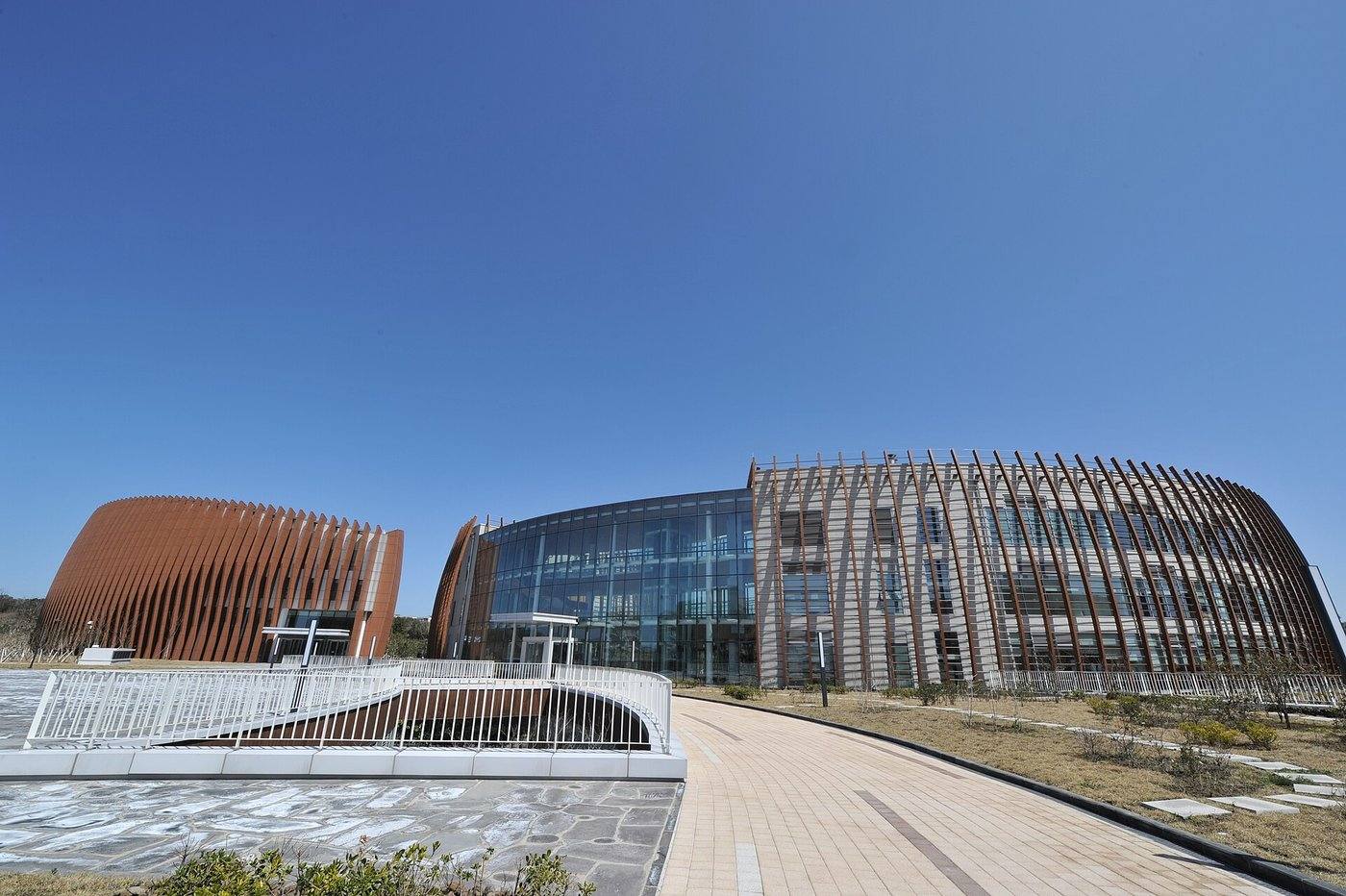
Jeju Global Education City (제주영어교육도시) in Seogwipo has the four schools with no residence rule and no cap on Korean pupils. Korean pupils there must still take Korean language and social studies. Because many families live on the mainland, boarding is the extra line that changes the total most:
- NLCS Jeju: boarding ₩14,912,340 a year for Years 3–6, ₩17,259,780 for Years 7–11 and ₩17,679,780 for the Sixth Form, plus a one-off ₩500,000 boarding capital fee. Meals are billed separately by the caterer.
- Branksome Hall Asia: ₩21,520,000 a year for full-time boarding, or ₩17,192,000 for weekdays only (Grades 6–12).
- St. Johnsbury Academy Jeju: ₩16,922,000 a year (Grades 6–12), plus a ₩500,000 boarding registration fee.
- KIS Jeju: ₩8,450,000 a semester for Grades 8–12, single rooms only. Dormitory meals are paid to the catering company.
So a Sixth Former boarding at NLCS Jeju costs about ₩46.7 million plus $16,814 a year before meals, buses and trips, roughly $51,600.
The costs that are not on the tuition line
Every school separates tuition from the rest. In a first year, the "rest" adds roughly a fifth to a quarter: about 20% at Seoul Foreign School and Chadwick, and about 26% at Dwight, counting entrance fees and the bus.
| Cost | Examples, 2026–27 | Refundable? |
|---|---|---|
| Application / assessment | ₩400,000–₩500,000 at most schools; Dwight ₩100,000 + ₩300,000 assessment | No |
| Entrance, capital or development fee | SFS ₩5.5M; Chadwick ₩5M; Dwight ₩5M (and ₩3.5M again in year two); SJA ₩5M; KIS Pangyo ₩4M; SIS ₩4M; NLCS ₩3M | No |
| Deposits | NLCS ₩5M acceptance deposit (refundable after at least one full term); KIS Jeju ₩3M enrolment deposit, plus a ₩3M re-enrolment deposit twice a year | Varies |
| School bus | Chadwick ₩6.3M; NLCS ₩4.66M–₩4.87M; SFS ₩4.2M; SJA ₩4.24M; KIS Jeju ₩4.22M; Dwight ₩3.96M; KIS Pangyo ₩3.25M–₩3.6M; SIS ₩3M (all per year) | Partly, by date |
| Lunch | Chadwick ₩7,250 (PK–G4) or ₩8,350 (G5–12) a meal; Dwight ₩7,500 a day (₩11,000 halal) | Pay as you go |
| Exams and senior year | Dwight ₩1M MYP exams (G10) and ₩1.5M Diploma exams (G12); SFS ₩450,000 and KIS Pangyo ₩400,000 senior fee | No |
| Programme fees | KIS Jeju ₩550,000 twice a year; Dwight's Quest learning-support programme at 50% of tuition where required | No |
Worked example: a new Grade 9 student at Seoul Foreign School who takes the bus pays ₩450,000 + ₩650,000 + ₩5,500,000 + ₩33,370,000 + ₩4,200,000 = ₩44,170,000 plus $14,955, about $47,900, before lunch, trips and uniforms.
You might like: Korea's Exam Day: Why Planes Stop for Suneung and How to Plan Around It
Against the cheaper rungs: English kindergarten and hagwon
For Korean parents, international school is the rung above the English kindergarten. Our English kindergarten piece has the full numbers. In short:
- English kindergarten averaged ₩1,545,000 ($1,150) a month in the government's 2024 survey, about ₩18.5 million ($13,800) a year before books and buses.
- Seoul Foreign School's part-day pre-K is ₩18,280,000 plus $7,185, about ₩27.9 million ($20,800). A full day there is about ₩44.5 million on the government filing.
- Hagwon for school-age children cost ₩604,000 ($450) a month per participating student in 2025, about ₩7.2 million a year.
So an international school costs two to three times a typical English kindergarten year and five to eight times a typical hagwon budget. It also replaces school itself, while a hagwon is an add-on to free public schooling.
If you're moving to Korea with children
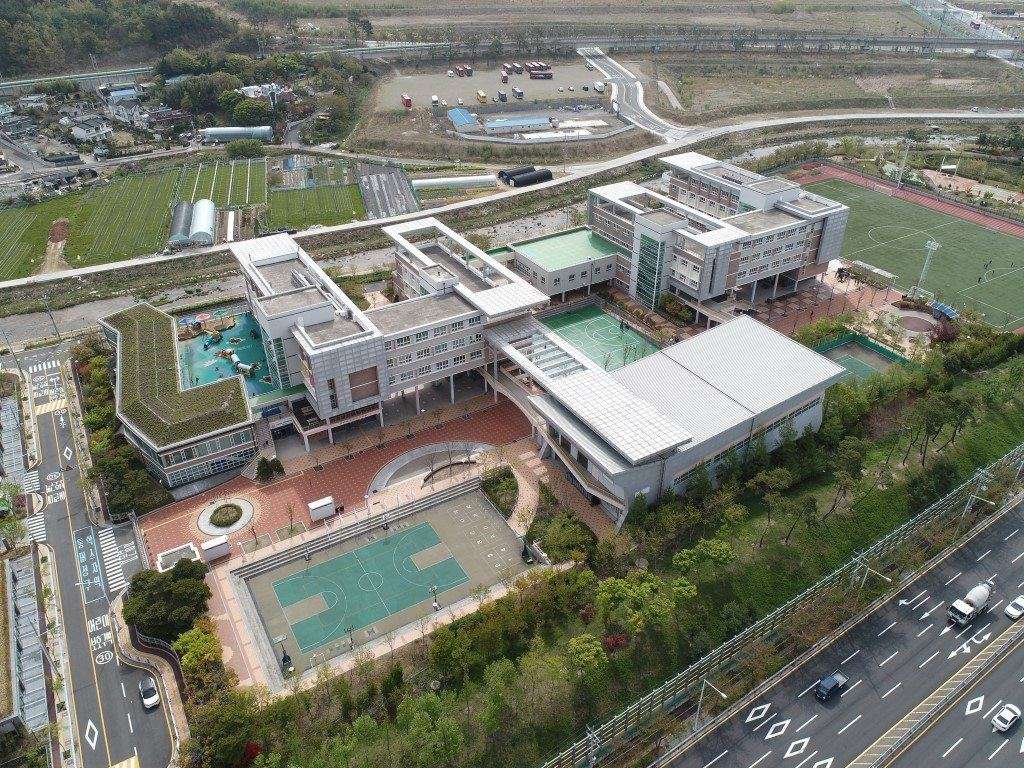
A short decision path, in the order families usually work through it:
- Check your child's nationality first. A foreign-national child can apply to any of the three school types. A Korean or dual-national child needs three cumulative years abroad for a foreign school, or goes to a free-zone school (30% cap) or Jeju (no cap).
- Ask about places before you sign a lease. The Korean-national quota fills first at popular schools, and some grades run waitlists. Ask the admissions office directly for your child's grade.
- Ask whether your employer pays. Many relocation packages cover tuition. They often stop short of capital fees, buses and boarding, so get those lines in writing.
- Budget year one separately. Add application, entrance or capital, deposit and bus to the tuition figure. Then add about 3–5% a year for increases.
- Price the commute. A ₩4–6 million bus fee is often cheaper than living next to the school. Our Seoul rent guide has the housing side.
Sogang Korean 1A (3rd edition, 2024): the parents' first Korean textbook. Your child will hear Korean in class even at an English-medium school, and school notices and bus messages often arrive in Korean. This is the beginner book Sogang University's own language programme uses. As an Amazon Associate, EpicKor earns from qualifying purchases at no extra cost to you.
See Sogang Korean 1A on AmazonWhen an international school is the wrong buy
Not every family needs one. It is probably the wrong buy if:
- Your child is young and you are staying long-term. Korean public elementary and middle schools charge no tuition, admission or textbook fees, high school has been free since 2021, and a foreign child with alien registration can apply to the local school directly.
- You are a Korean family without three years abroad and you are not ready to move to Jeju. No amount of money gets around Article 10. Be wary of anyone who says otherwise.
- You want a Korean diploma. Check the school meets the 102-hour Korean and social-studies rule in Article 12, or your child's diploma may not count.
- You cannot handle a 3–5% rise every year. Over a 13-year run from kindergarten, that compounds into a much bigger final-year bill.
- The draw is the boarding school in Jeju but the child is 11. Ask yourself whether the ₩15–22 million boarding line is buying education or distance.
FAQ
Q: How much does an international school in Korea cost per year?
A: For 2026–27, tuition runs from about ₩19 million ($14,200) at the cheapest English-medium foreign schools outside Seoul to almost ₩60 million ($44,600) for a high-school year at Chadwick International, once the dollar part is converted. Most Seoul schools fall between ₩36 million and ₩54 million for high school on the government's 2026 filing.
Q: Why do Korean international schools charge in both won and dollars?
A: The fee pages do not give a reason; they simply bill a won part and a dollar part, and families pay both. The dollar part moves with the exchange rate, so a weaker won makes it dearer for won earners. Dwight School Seoul bills in won only.
Q: Can Korean children attend international schools in Korea?
A: Yes, but with limits. At a foreign school (외국인학교) a Korean national needs three or more cumulative years abroad, and Korean nationals may fill at most 30% of places (up to 50% by local rule). Free-economic-zone schools such as Chadwick have no residence rule but the same 30% cap. Jeju's four international schools have no residence rule and no cap.
Q: What is the cheapest international school in Korea?
A: Among English-medium foreign schools on the 2026 government filing, Pyeongtaek International Christian School is the lowest (₩19.07 million for kindergarten, ₩21.62 million for high school). International Christian School in Gyeonggi (₩20.45 million to ₩23.29 million) and Gwangju International School (₩19.8 million to ₩26.6 million) follow. In Seoul, the small Korea Kent Foreign School (₩27.1 million) and Korea Foreign School (₩27.95 million) file the lowest high-school tuition; among the large Seoul schools, Dwight and YISS file about ₩36 million.
Q: Are there extra fees on top of tuition?
A: Yes. Expect a ₩400,000–₩500,000 application fee, a one-off entrance, capital or development fee of ₩3–5.5 million, a ₩3–6.3 million bus fee, lunch, exam fees and, in Jeju, boarding of ₩15–22 million a year.
Sources
- 2026–27 fee schedules, all read 18 October 2026: Chadwick International; Seoul Foreign School; NLCS Jeju fee policy (PDF); Branksome Hall Asia; Dwight School Seoul 2026–27 (PDF) and 2025–26 (PDF); KIS Pangyo (PDF); KIS Jeju; St. Johnsbury Academy Jeju; Seoul International School.
- Government filings (납입금 현황 and school lists, 2026 filing) and the system comparison table: 외국교육기관 및 외국인학교 종합안내 (isi.go.kr), Ministry of Education / National Research Foundation of Korea, read 18 October 2026.
- Admission rules: 외국인학교 및 외국인유치원의 설립·운영에 관한 규정, Arts. 10 and 12 (as amended 8 April 2025), National Law Information Center (law.go.kr), read 18 October 2026.
- English kindergarten and private-education figures: see the sources in our English kindergarten article (Ministry of Education and Statistics Korea surveys for 2024 and 2025).
- Exchange rate: Federal Reserve H.10 via FRED (DEXKOUS), ₩1,342.13 on 9 October 2026.
The short version: read every Korean international school fee as "won plus dollars plus one-off fees". Check the school's government filing for the all-in won figure. And before anything else, check whether the law lets your child through the door.
You Might Also Like
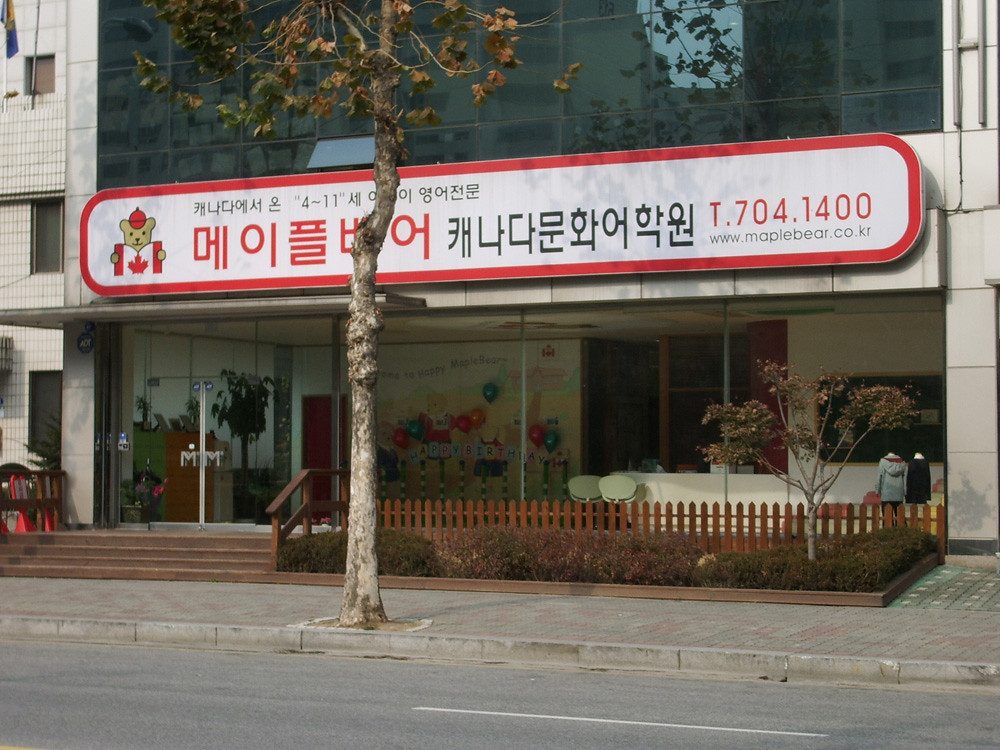
Korean English Kindergarten Ban: Why Korea Outlawed Entrance Tests for Preschoolers, and What Parents Pay
Since 1 October 2026 it is illegal in Korea to test a preschooler to get into an English kindergarten, the '4-year-old exam' (4세 고시). Fines reach ₩3 million. What the law says, what English kindergartens cost, and the ladder to medical school.
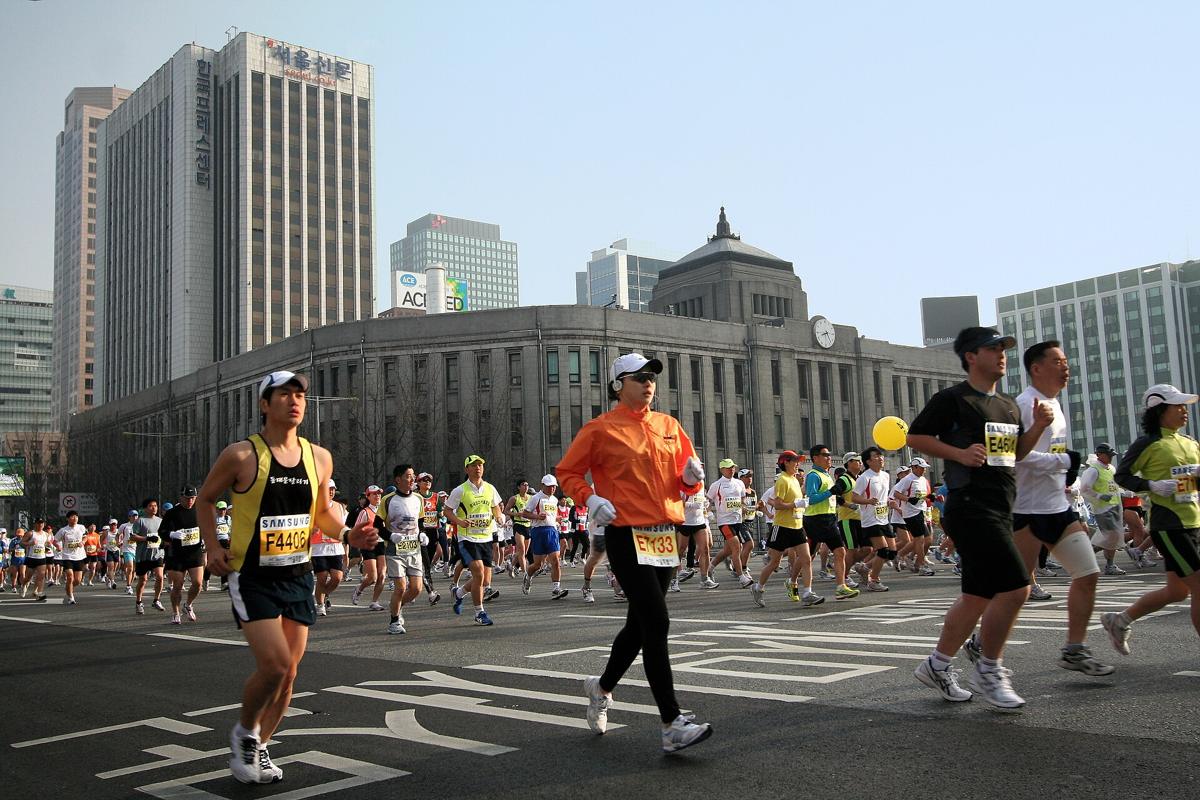
Korean Marathon Runner Died in Seoul: Korea's Running Backlash, Rules and Real Costs
A runner in her twenties collapsed 500 m from the finish of Seoul's 11 October half marathon. Then came the 'memorial run' row, the dog-shaped GPS route through Seochon's alleys and ₩1.49M watches. Korea's running backlash, the rules and the costs.
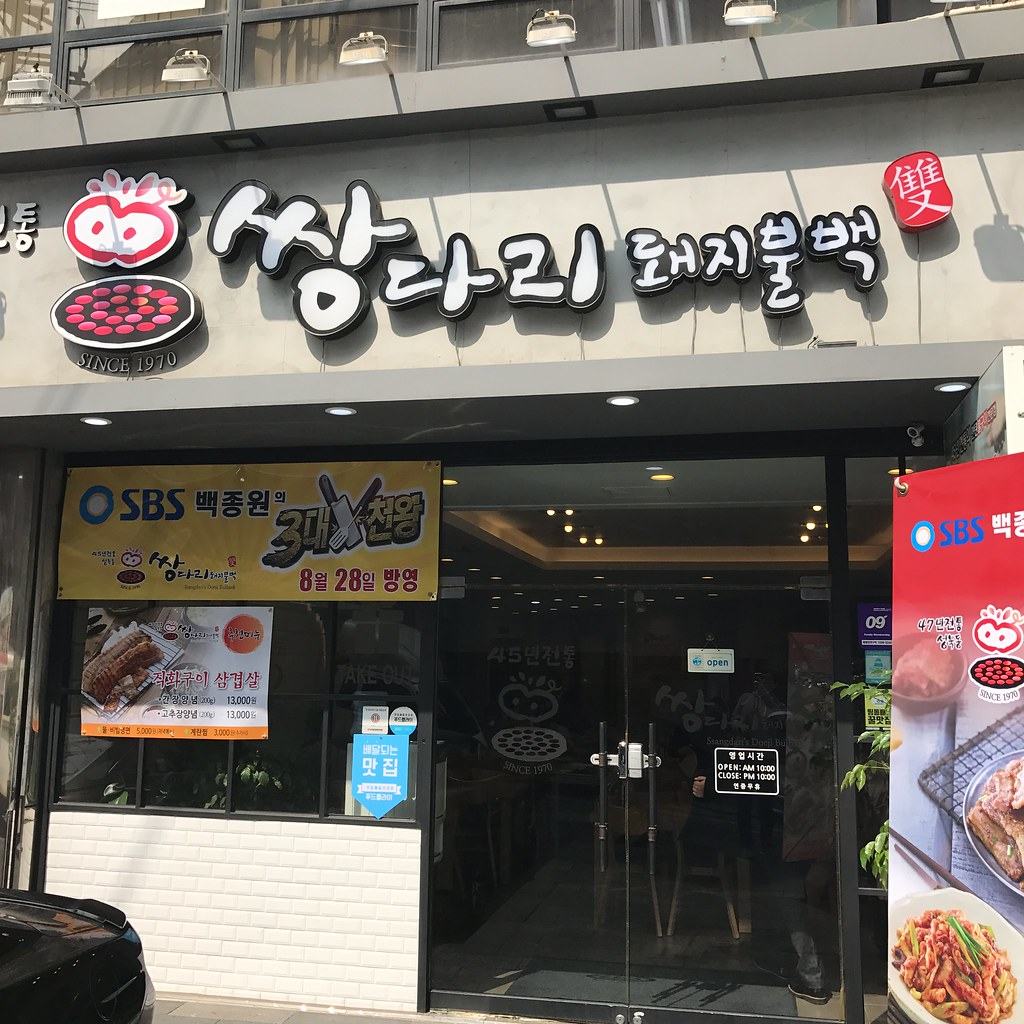
Gisa Sikdang in Seoul: Where Korean Taxi Drivers Eat, What to Order and What It Costs
Seoul's taxi-driver diners aren't cheap any more: the pork bulbaek Yeonnam-dong's 24-hour Gamnamujip sold for ₩9,000 in 2019 is listed at ₩13,000 now. Where gisa sikdang still cluster, what to order, and how they work.