Korean English Kindergarten Ban: Why Korea Outlawed Entrance Tests for Preschoolers, and What Parents Pay
Last updated: 17 October 2026. The law text was read on Korea's official legislation site (law.go.kr) on 17 October 2026. Statistics come from Statistics Korea and the Ministry of Education, as reported by Korean news agencies. School fees were read from each school's own fee page on 17 October 2026. Sources are at the end. Dollar figures use about ₩1,342 to the US dollar (Federal Reserve rate, 9 October 2026).
Everyone has heard about Korea's university entrance exam, the day planes stop flying so students can hear the listening test. The newer story is how early the race now starts.
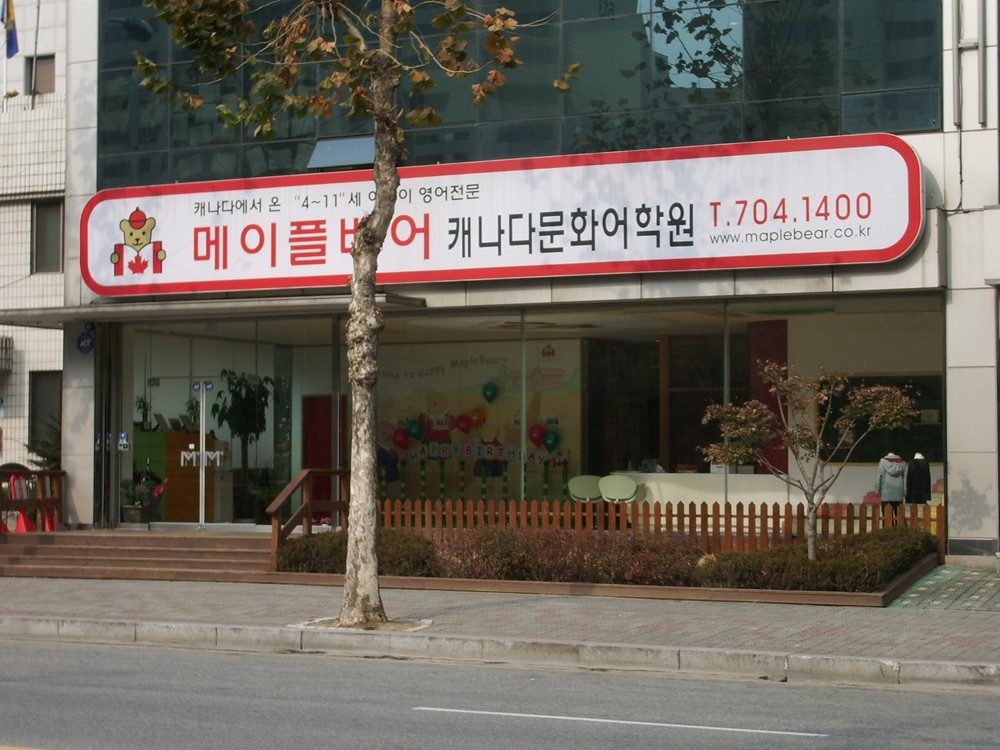
In Korean parenting slang, 4세 고시 (sase gosi, "the 4-year-old exam") is the entrance test a child sits to get into an English kindergarten (영어유치원, yeongeo yuchiwon, or just "영유"). 7세 고시 ("the 7-year-old exam") is the test at the end of kindergarten to get into the top maths and English academies that feed Seoul's most competitive schools. The word gosi is borrowed from Korea's civil-service and bar exams. Parents chose it on purpose.
On 1 October 2026, a change to the Hagwon Act (학원법) made those tests illegal. An academy that tests a preschooler for admission or class placement can now be fined up to ₩3 million ($2,240), ordered to stop teaching for up to a year, or have its registration cancelled. Here is what the law actually says, what these schools cost, and where the ladder leads next: international schools and, at the top, medical school.
Why a 10 p.m. hagwon curfew exists: Amanda Ripley's The Smartest Kids in the World follows three American exchange students, one through a year at a Korean high school, on AmazonAffiliate link. As an Amazon Associate, EpicKor earns from qualifying purchases at no extra cost to you.
Quick Guide: Korea's education ladder and what each rung costs (2026)
| Rung | Korean term | Who it's for | Typical cost | 2026 status |
|---|---|---|---|---|
| English kindergarten | 영어유치원 (영유); legally 유아 대상 영어학원 | Ages 3 to school entry (about 3–6 in international age) | Average ₩1,545,000 ($1,150) a month (2024 survey); the priciest found charged ₩3.1 million (2023) | Entrance and placement tests banned from 1 Oct 2026 |
| Entrance test | 레벨테스트 (level test), "4세 고시", "7세 고시" | Preschoolers applying to academies | Prep classes for the test itself | Fine up to ₩3 million; closure up to 1 year |
| After-school academies | 학원 (hagwon) | Elementary to high school | ₩512,000 a month per elementary child who attends (2025) | Legal; the ban covers preschoolers only |
| Foreign school | 외국인학교 | Foreign children; Koreans with 3+ years abroad | Seoul Foreign School: ₩18.28M + $7,185 to ₩33.37M + $14,955 a year (2026–27) | Korean nationals capped at 30% of places |
| International school | 국제학교 (Jeju, free economic zones) | Anyone in Jeju; Korean children with no residence rule | NLCS Jeju: ₩20.7M + $12,000 to ₩29.0M + $16,814 a year (2026–27) | No cap on Korean students in Jeju |
| Medical school prep | 초등 의대반 (elementary "med-school class") | Primary-school pupils | Varies by academy | Not covered by the new ban |
| Medical school | 의대 (uidae) | University entrants | Entry quota 3,548 for 2027 | Up 490 from 2026 |
Education Fever by Michael J. Seth: the history behind the 4-year-old exam. A University of Hawai'i Press study of why Korean parents have spent so heavily on schooling since 1945. It is the most useful single book if you want the "why" behind the hagwon. As an Amazon Associate, EpicKor earns from qualifying purchases at no extra cost to you.
See Education Fever on AmazonWhat the English kindergarten ban actually says
The new rule is Article 12-2 of the Hagwon Act (학원법 제12조의2), titled "Ban on recruitment tests for young children" (유아 대상 모집시험 등의 금지). It was added by Act No. 21501, promulgated on 31 March 2026, and took effect on 1 October 2026.
In plain English, it says:
- Academy owners, teachers and private tutors may not give a young child (유아) any test or evaluation for recruitment or to sort children into classes by level.
- One exception: after a child has enrolled, and with the parent's prior consent, the academy may "diagnose" the child by observation or interview to plan teaching.
A 유아 (yua) in Korean law is a child from age 3 until they start elementary school, under the Early Childhood Education Act (유아교육법). That covers both "exams." A 4세 고시 is taken around age four. A 7세 고시 is taken in the final kindergarten year, before school starts.
The enforcement decree (시행령) was promulgated on 29 September 2026. According to the Education Ministry's briefing on it, the ban covers:
- written, oral, practical and interview tests;
- anything that ranks children by ability;
- using results of outside tests that certify a particular ability (in press reports, scores such as TOEFL or TOEIC) to decide admission.
The allowed post-enrolment check must be written up as a description, with no score, rank or pass/fail, and parents must consent in writing or electronically.
Penalties are set in the Act and the decree:
- Fines (과태료): ₩1 million for a first offence, ₩2 million for a second, ₩3 million for a third or later (decree Schedule 5).
- Academies: registration cancelled, or teaching suspended for up to one year.
- Small tutoring centres (교습소): closure, or suspension for up to six months.
- Reporters: the decree adds rewards for people who report violations.
The vote:
- The bill was led by Rep. Kang Kyung-sook (강경숙) of the Rebuilding Korea Party.
- The National Assembly's Education Committee passed it by cross-party agreement on 9 December 2025.
- The plenary vote on 12 March 2026 was 186 for, 4 against and 12 abstentions.
- The original draft also banned tests after enrolment. The committee softened that into the observation-and-interview exception.
What is not law yet. On 1 April 2026 the Education Ministry also proposed a second package:
- no teacher-led academic lessons for children under 36 months;
- a cap of 3 hours a day and 15 hours a week for older preschoolers;
- fines raised to ₩10 million and penalties of up to half an academy's revenue.
That package needs another amendment to the Hagwon Act and is still a proposal as of October 2026. If you read "Korea capped English kindergarten hours," that is not yet true.
You might like: Korea's Exam Day: Why Planes Stop for Suneung and How to Plan Around It
How a "4-year-old exam" happened
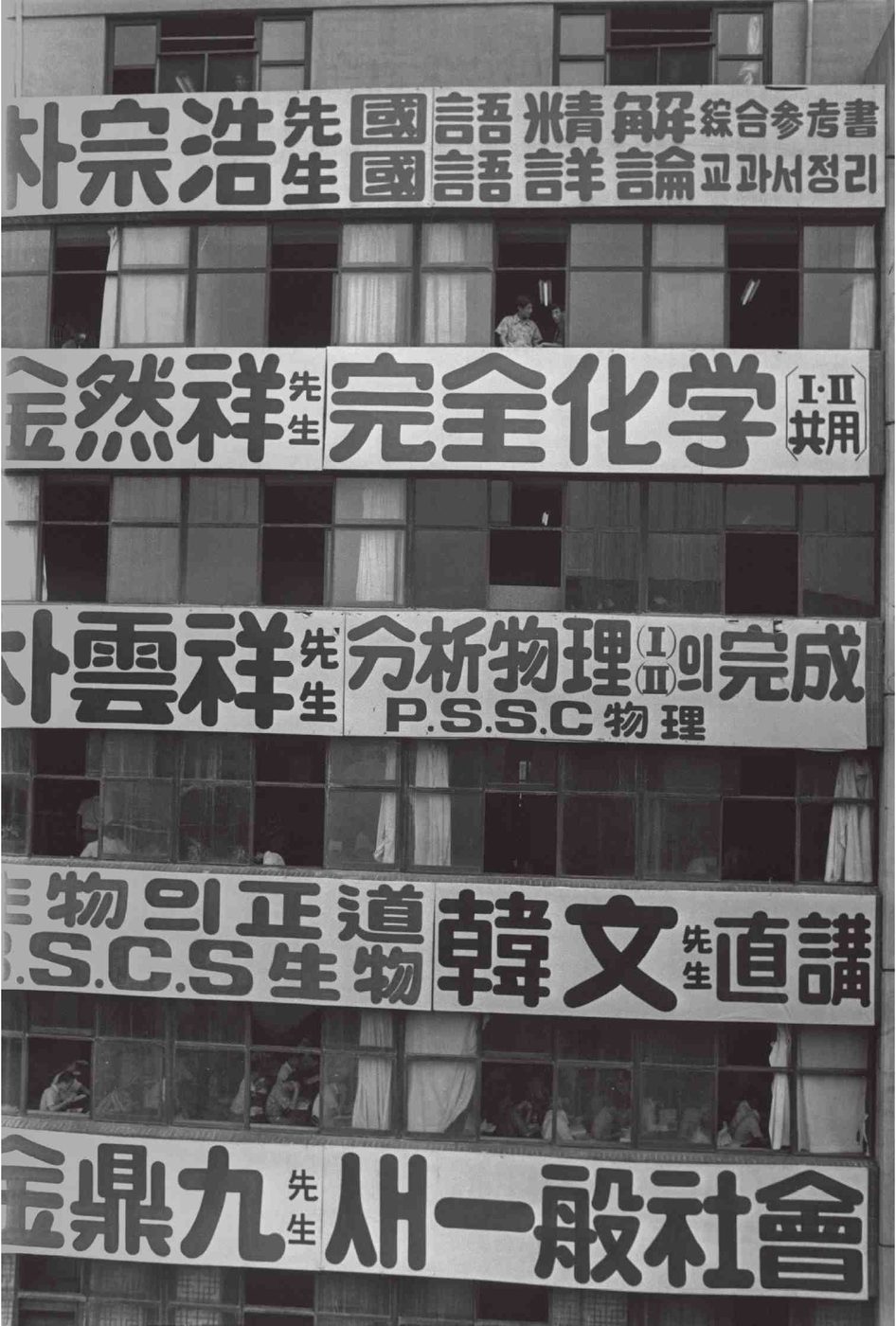
Korea's academy streets are older than its economic miracle. In 1971 cram schools in Jongno, central Seoul, hung banners for star teachers' chemistry and physics courses down the side of the building, as the photo below shows. What changed is the age of the students.
English kindergartens grew because English became the subject parents most feared their children would fall behind in, and ordinary kindergartens do not teach in English all day. Parents who wanted full-day English turned to academies that call themselves kindergartens.
The numbers, from Korean sources:
- Growth: the Education Ministry counted 615 preschool English academies in 2019. The number peaked at 842 in 2023 and was 814 in 2025, still 32% above 2019. Seoul and Gyeonggi Province, which surrounds it, hold about two-thirds of them (249 and 273 in May 2025).
- The 2025 inspection: between May and July 2025 the ministry inspected 728 half-day-or-longer English academies. 23 ran level tests before admission: 3 for entry and 20 for class placement. Inspectors found 384 violations of other rules at 260 academies.
- The rights ruling: in August 2025 the National Human Rights Commission called the "7-year-old exam" a children's-rights problem and urged the Education Ministry to survey and restrict early private tutoring.
The phrase spread because the tests were real. Parents described:
- children practising phonics and interview answers months in advance;
- prep classes for the entrance test itself;
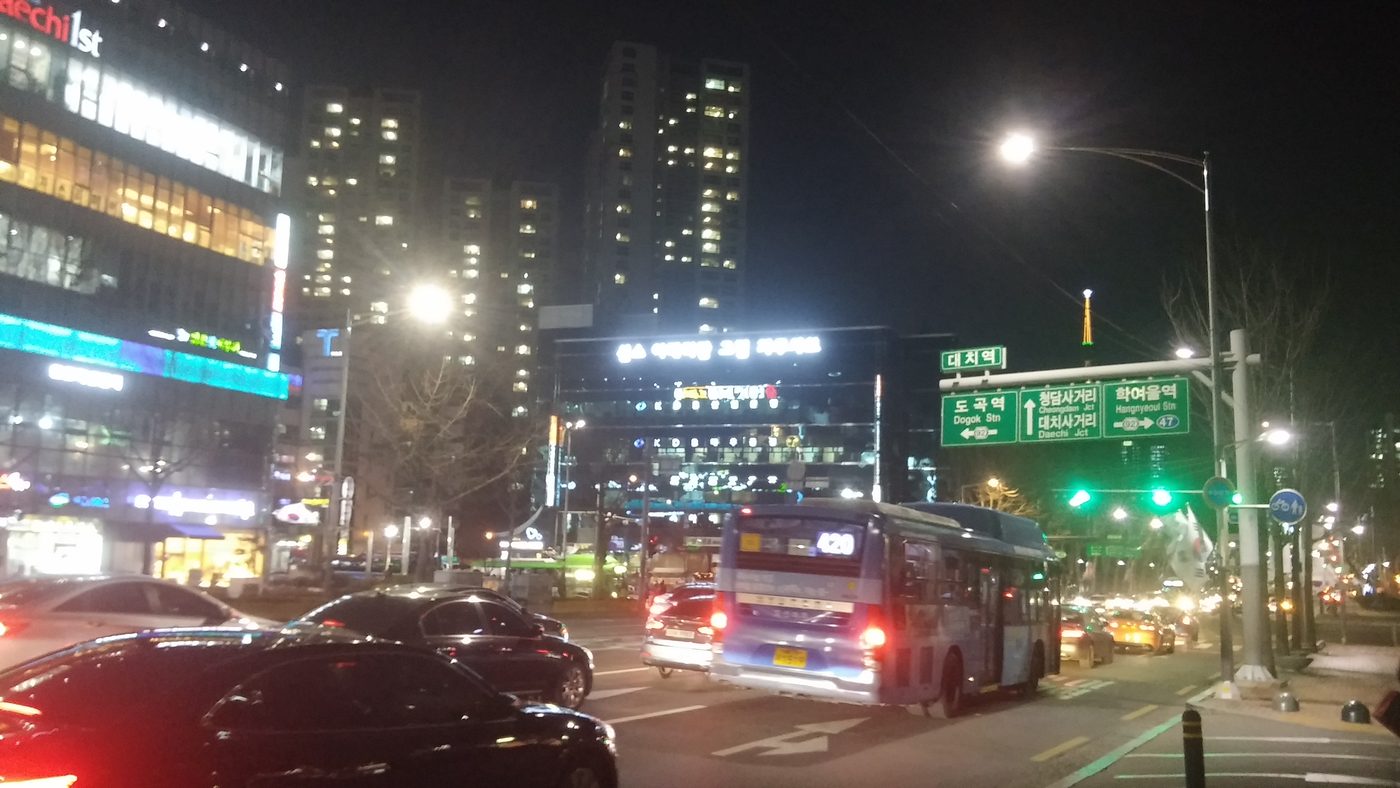
- in 7세 고시, maths and English tests that decide which elementary-age classes at the big Daechi-dong academies a child can join.
What it costs: English kindergarten fees and Korea's private education bill
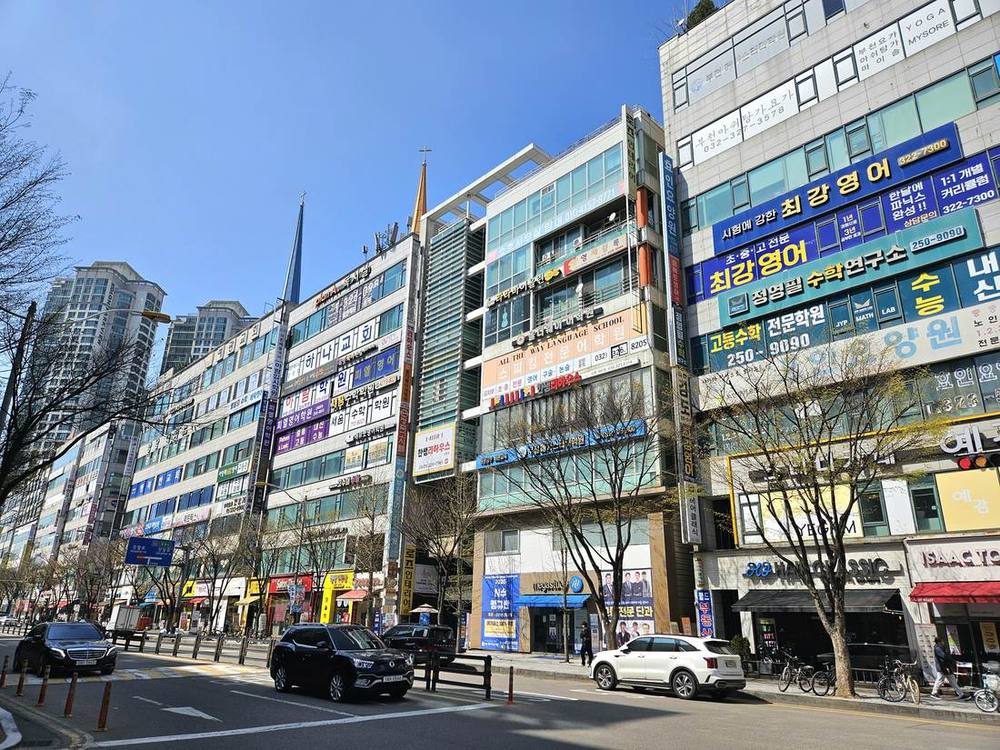
English kindergarten fees. The government's first survey of preschool private education ran from July to September 2024. It was a pilot survey of 13,241 children, not yet an official national statistic. It found:
- ₩1,545,000 ($1,150) a month on average for a half-day-or-longer English kindergarten;
- close to ₩30 million ($22,000) a year once textbooks and bus fees are added, by Kyunghyang Shinmun's count;
- ₩3.1 million ($2,310) a month at the most expensive school, as reported by MBC in March 2023. It is the highest monthly fee we found reported.
How many under-6s are in private lessons at all. The same 2024 survey found 47.6% of children under six had some form of paid tuition. The share rises steeply with age:
| Age | Share in paid tuition (2024) |
|---|---|
| 2 and under | 24.6% |
| 3 | 50.3% |
| 4 | 68.9% |
| 5 | 81.2% |
Families paid ₩332,000 a month per participating child. Households earning ₩8 million or more a month spent about 6.7 times what households under ₩3 million spent.
Then school starts. Statistics Korea's school-age survey for 2025, published on 12 March 2026, found:
- Total spending fell for the first time since 2020, to ₩27.5 trillion ($20.5 billion).
- Participation fell to 75.7% of students.
- Spending per participating student hit a record ₩604,000 ($450) a month. It passed ₩600,000 for the first time.
- In Seoul the figure was ₩803,000.
- Elementary pupils: 84.4% attend, at ₩512,000 a month per participant.
- English is the biggest single subject, at ₩281,000 a month per participant.
In short, fewer children, but more money spent on each one. That is the economics behind the 4-year-old exam.
You might like: Hell Joseon and N-Po Explained: Why Some Young Koreans Feel Stuck
The argument: protect children, or let parents choose?
For the ban:
- Teachers. In a July 2025 survey of 1,733 early-childhood directors and teachers by the parents' group 사교육걱정없는세상 (World Without Worries About Private Education), 91.7% called English-academy level tests a human-rights violation. 87.5% backed regulating the academies.
- Unions. The national public kindergarten teachers' union welcomed the law.
- The minister. Education Minister Choi Kyo-jin (최교진) has called level tests on small children possible "emotional abuse" (정서적 학대).
Against it, or sceptical:
- The academies. The Korea Hagwon Federation (한국학원총연합회) has argued that limiting preschool tuition violates parents' constitutional right to choose their child's education.
- The teaching argument. A federation official told Kyunghyang that parents want their child's level assessed objectively and taught accordingly.
- Parents. Some parents say the government is blocking private options without making public kindergartens good enough to replace them.
- How widespread it is. In a Seoul education office survey of 10,606 parents released in March 2026, 29% said their child attends or attended an English kindergarten. That is not a fringe choice.
What happens next. Korean reporters have already listed the workarounds:
- asking for TOEFL or TOEIC Junior scores (now banned too, under the decree's outside-test rule);
- asking for videos of the child speaking English;
- admitting only children from the academy's own feeder classes;
- simply moving the test to after the child starts school. Parents have already named that the "8세 고시" ("8-year-old exam").
Because the law protects 유아 (preschoolers) only, a test given to a first-grader is outside it. As of mid-October 2026 we found no report of a fine issued under the new article.
The next rung: international schools and foreign schools
For the families at the top of the English kindergarten market, the next question is whether their child can skip the Korean school system altogether. Korean law has three different kinds of English-medium school, and the rules for Korean children differ sharply.
- Foreign schools (외국인학교). These are "miscellaneous schools" under the Elementary and Secondary Education Act (초·중등교육법 제60조의2). There are 38 nationwide. They exist for foreign children and returning Koreans. A Korean national may enrol only after living abroad for a cumulative three years or more. Korean nationals may fill at most 30% of places. A provincial superintendent can raise that to 50%. Dual nationals count as Korean.
- Foreign education institutions in free economic zones (외국교육기관). There are three K–12 schools, including Chadwick International in Songdo, Incheon. Entry carries no residence rule, but Korean students are capped at 30% of places, with the same superintendent top-up.
- Jeju international schools (제주 국제학교). There are four in Jeju Global Education City: NLCS Jeju, Branksome Hall Asia, St. Johnsbury Academy Jeju and KIS Jeju. The Jeju Special Act says their purpose is to improve Koreans' foreign-language ability. There is no residence rule and no cap on Korean students, though Korean students must take Korean and social studies.
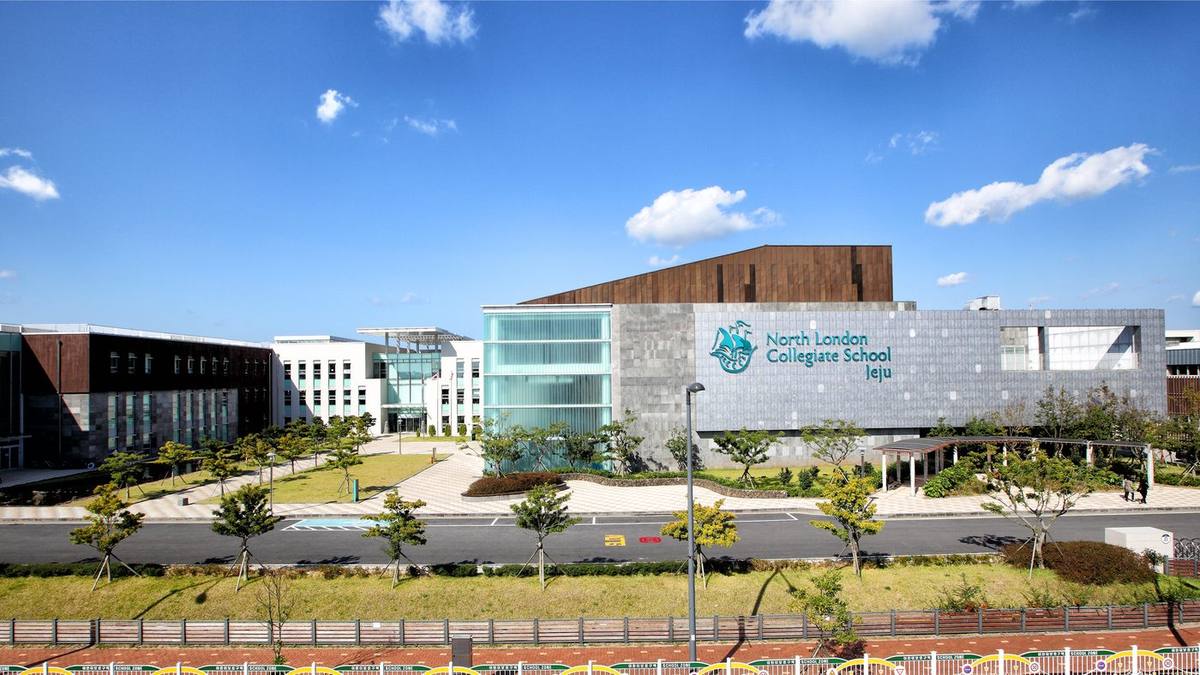
Tuition, 2026–27 school year, from each school's own fee page. Most charge a won part plus a US-dollar part. Boarding, entrance fees and buses are extra.
| School | Type | Youngest grade, per year | Oldest grade, per year |
|---|---|---|---|
| NLCS Jeju | Jeju international school | ₩20,704,990 + $12,000 (about $27,400) | ₩29,023,910 + $16,814 (about $38,400) |
| KIS Jeju | Jeju international school | ₩17,340,000 + $8,764 (about $21,700) | ₩24,960,000 + $12,528 (about $31,100) |
| Seoul Foreign School | Foreign school, Seoul | ₩18,280,000 + $7,185 (part-day pre-K, about $20,800) | ₩33,370,000 + $14,955 (about $39,800) |
| Korea International School, Pangyo | Foreign school, Gyeonggi | ₩19,500,000 + $9,590 (about $24,100) | ₩27,740,000 + $12,470 (about $33,100) |
Seoul Foreign School also charges a ₩5.5 million entrance fee, and KIS Pangyo charges ₩4 million. Set against those fees, a ₩1.5 million-a-month English kindergarten, about ₩18.5 million a year, starts to look like the cheaper rung of the same ladder.
You might like: What Are SKY Universities in Korea? SNU, Korea, Yonsei
The top of the ladder: Korea's medical school fever
Ask Korean parents where all this is meant to end, and many will say 의대 (uidae, medical school). To many parents, a doctor's licence looks like the safest career in the country.
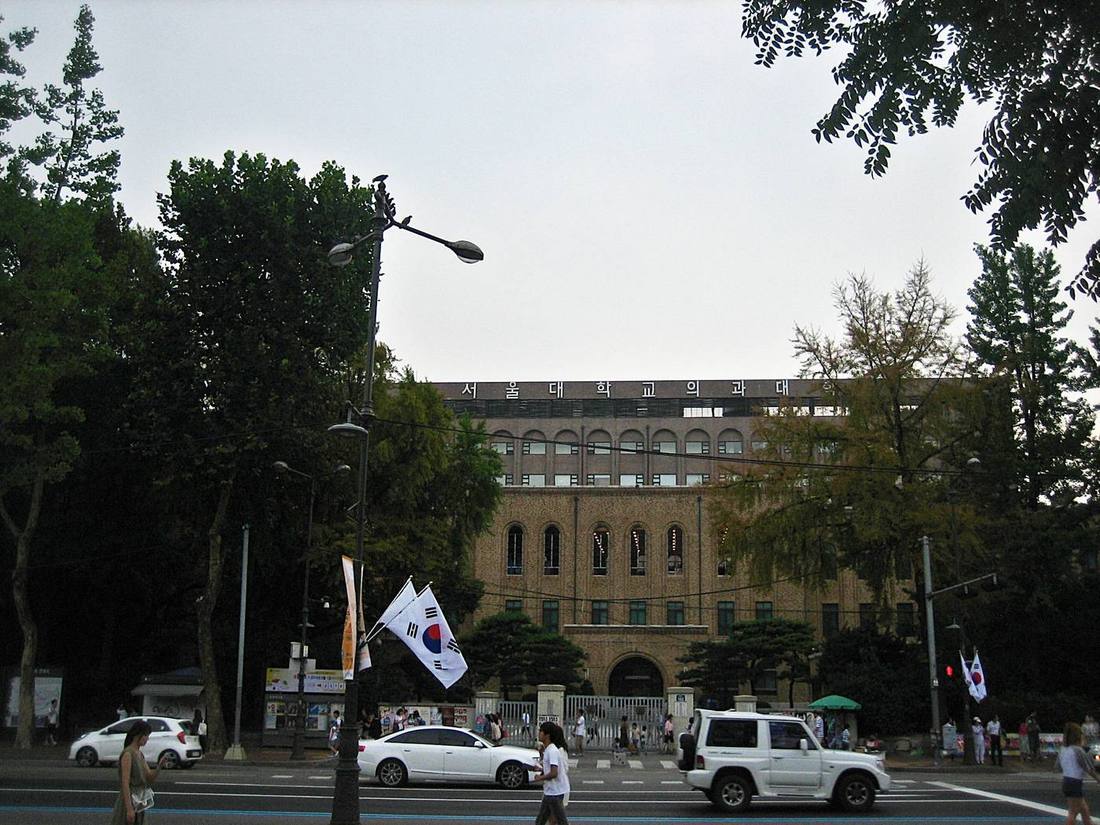
The quota saga, in numbers:
- 2006–2024: total medical school places were frozen at 3,058 a year for 18 years.
- 6 February 2024: the health ministry announced 2,000 more places a year. Trainee doctors walked out, and the dispute lasted more than a year.
- 2025 entry: universities recruited 4,567, 1,509 more than before.
- 17 April 2025: the government put 2026 entry back to 3,058.
- 10 February 2026: the 2027 quota was set at 3,548, up 490. The extra places go through a new regional-doctor track (지역의사전형) at 32 medical schools outside Seoul. Further rises are planned for 2028–2031.
The race reaches all the way down. In July 2024, 사교육걱정없는세상 found 89 academies running 136 "medical-school classes" (의대반) for elementary pupils; 28 of those academies were in Seoul. A fifth-grade textbook at one included university-level matrix determinants. The new Hagwon Act article does not cover these classes, because their pupils are no longer preschoolers.
Re-takers (N수생) are part of the same story. For the 2027 Suneung on 19 November 2026, the exam board received:
- 173,706 applications from graduates who are retaking the exam, 31.5% of all applicants;
- 196,473, or 35.6%, once GED-route candidates are added, the highest share since the 2004 exam.
In January 2025 Korean media reported an admissions analysis that found 79.3% of the 1,171 regular-round (정시) entrants at 33 medical schools in 2024 were re-takers.
If you're an expat parent or a Korean-American family moving back
This is where the numbers become decisions.
Foreign parent on a work visa:
- English kindergarten: it is a hagwon, so you simply pay and enrol. As of October 2026 the academy may not test your child first.
- Korean public school: a foreign child with alien registration can apply directly to the local elementary school. National and public schools charge no tuition, admission or textbook fees for elementary and middle school, and high school has been free since 2021. Ask the school whether it offers Korean-language support.
- Foreign and international schools: open to your child without the 3-year rule. Budget the fees in the table above, plus buses and entrance fees.
Korean-American or dual-national family moving back:
- Your child counts as a Korean national for foreign-school admission. You need three cumulative years abroad, and you compete for the 30% of places reserved for Korean nationals.
- Some public schools run returnee classes (귀국학생 특별학급) where the superintendent has set them up.
- Diplomas: a foreign-school diploma counts as a Korean diploma only if your child completes at least 102 hours a year each of Korean and social studies (including Korean history).
- No 3-year record? Jeju's international schools are the main route with no residence test.
Curious reader: the 4-year-old exam is not an act of cruelty. It is a rational response to three things:
- a system where the university entrance exam decides so much;
- a job market split between a few secure careers and everything else;
- parents with one child and a lot of money to spend on that one chance.
The ban removes one test. It does not remove the reasons for it.
Bee-bim Bop! by Linda Sue Park: a Korean-American picture book for the kids. A rhyming story by the Newbery Medal winner about a girl helping her mother cook bibimbap. It is an easy first Korean-culture book for a child heading to Korea, with no tests attached. As an Amazon Associate, EpicKor earns from qualifying purchases at no extra cost to you.
See Bee-bim Bop! on AmazonWhen an English kindergarten is a poor buy
- If you are an English-speaking family. Your child already gets English at home. You would be paying around ₩1.5 million a month for something they already have. A Korean-medium kindergarten teaches them Korean, the language they will need here.
- If you'll stay only a year or two. Fees run for the full term, and many academies charge entrance and material fees on top.
- If the academy still asks for a test. As of 1 October 2026 that is illegal for preschoolers. Report it to the local education office (교육지원청) rather than paying for test prep.
FAQ
Q: Did Korea ban English kindergartens?
A: No. English kindergartens, legally academies (학원), are still legal. What Korea banned, from 1 October 2026, is testing a preschooler for admission or class placement (Hagwon Act Article 12-2). Proposed limits on hours are not yet law.
Q: What is the "4-year-old exam" (4세 고시) in Korea?
A: It is slang for the entrance or level test some English kindergartens gave children of about four. "7세 고시" is the test in the last kindergarten year to get into competitive elementary-age academies. Both are now illegal for preschoolers.
Q: How much does an English kindergarten cost in Korea?
A: About ₩1,545,000 ($1,150) a month on average, according to the government's 2024 pilot survey. With books and buses, that comes to nearly ₩30 million a year. The most expensive school reported by MBC in March 2023 charged ₩3.1 million a month.
Q: What is the penalty for testing a preschooler?
A: A fine of ₩1 million for a first offence, rising to ₩3 million. The academy can also have its registration cancelled or teaching suspended for up to one year.
Q: Can Korean children attend international schools in Korea?
A: At Jeju's four international schools, yes, with no residence rule and no cap. At foreign schools (외국인학교), a Korean national needs three or more years living abroad, and Korean nationals are capped at 30% of places. The cap can rise to 50% by local rule.
Q: How many places do Korean medical schools have in 2027?
A: 3,548, decided on 10 February 2026. That is up 490 from 3,058 in 2026, with the extra places on a regional-doctor track outside Seoul.
Sources
- The ban, Article 12-2, and fines in Article 23: 학원의 설립·운영 및 과외교습에 관한 법률, Act No. 21501 (promulgated 31 March 2026, in force 1 October 2026), National Law Information Center (law.go.kr), read 17 October 2026. The enforcement decree is Presidential Decree No. 36703 (promulgated 29 September 2026).
- Decree details (banned test forms, fine tiers, reporter rewards): Newspim, 22 September 2026 and Segye Ilbo, 22 September 2026.
- Committee passage: Herald Economy, 9 December 2025. Plenary vote: Sidae Ilbo via Nate, 12 March 2026.
- The 1 April 2026 ministry plan, the 615-to-814 count and the rights commission's recommendation: Newsis, 1 April 2026 and Hankyoreh via Nate, 2 April 2026.
- Human Rights Commission opinion, August 2025: Weekly Kyunghyang, 25 August 2025. Ministry counts by year (842 in 2023): Segye Ilbo, 10 June 2025.
- 2025 inspection of 728 academies: Segye Ilbo, 4 September 2025. ₩3.1 million monthly fee and 2023 count: MBC, 24 March 2023.
- Workarounds, the "8세 고시", federation quote, ₩30 million a year, the regional counts and the Seoul parent survey: Kyunghyang Shinmun, 28 March 2026.
- Teacher survey: Herald Economy, 23 July 2025 (사교육걱정없는세상). Minister's comment: Money Today, 4 June 2026. Parents' choice argument: Seoul Economic Daily via Nate, 14 March 2026.
- 2024 preschool private education pilot survey (Ministry of Education and Statistics Korea): MBC, 13 March 2025 and Korea Education Newspaper, 31 July 2026.
- 2025 school-age private education survey (Statistics Korea and Ministry of Education, 12 March 2026): Newsis, 12 March 2026 and Etoday, 12 March 2026.
- School types and admission rules: Elementary and Secondary Education Act Art. 60-2, the Regulation on Foreign Schools and Kindergartens (Art. 10, 12), the Special Act on foreign education institutions and its decree (Art. 7), and the Jeju Special Self-Governing Province Act (Arts. 223–228), via law.go.kr; school counts from the Ministry of Education's foreign school information portal (isi.go.kr), read 17 October 2026.
- 2026–27 fees: NLCS Jeju, KIS Jeju, Seoul Foreign School, KIS Pangyo (PDF), all read 17 October 2026.
- Medical school quotas: Newsis, 6 February 2024; Aju News, 24 May 2024; report of 10 February 2026 on the 2027 quota.
- Elementary 의대반 survey (사교육걱정없는세상, July 2024): Etoday. 2027 Suneung applicants (Korea Institute for Curriculum and Evaluation, 8 September 2026): Wikitree, 8 September 2026. 2024 medical entrants who were re-takers: report of 26 January 2025.
- Exchange rate: Federal Reserve H.10 via FRED (DEXKOUS), ₩1,342.13 on 9 October 2026.
The short version: since 1 October 2026, no academy in Korea may test a preschooler to let them in. The English kindergartens, the ₩1.5 million monthly fees and the road to medical school are all still there.
You Might Also Like
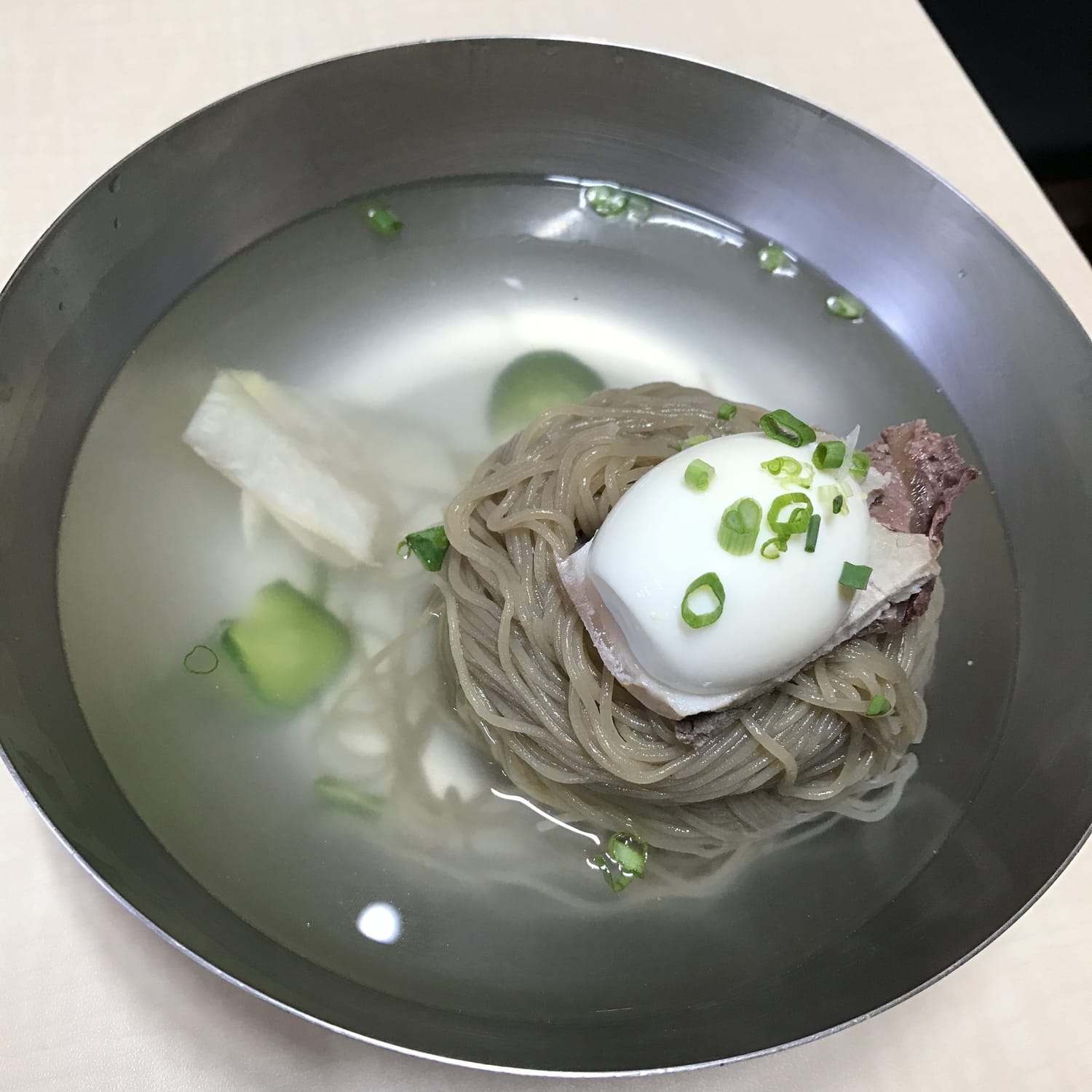
The One Korean Food Foreigners Never Learn to Love: Hamheung Naengmyeon, and Why Koreans Can't See the Problem
Foreigners who eat cheonggukjang and even hongeo still will not pay for this twice. A Korean creator who fed foreigners for years says naengmyeon was the overwhelming number one refusal, and Koreans, who rank it first every summer, cannot see why.
Korean Stare Meaning: Why Koreans Stare at Foreigners, and How to React
The Korean stare almost always means curiosity, not hostility: outside central Seoul a non-Asian face is still rare. Sometimes it means you broke a quiet public rule. How to tell which, and the nod and 안녕하세요 that end it.
Why Koreans Seem Cold to Foreigners: The Gap Between How Korea Sees Itself and How You See It
Foreigners abroad rate Korea 82.3% favourable. Foreigners living in Korea rank Koreans 39th of 46 countries for friendliness, and 84% of Koreans say they would not trust a stranger. Where the gap comes from, and how to get to the other side of it.