Korean Wedding Guest Guide: Money, Dress Code, and Customs
Arrive with the envelope already filled — Korean 축의금 money envelope set, on AmazonAffiliate link. As an Amazon Associate, EpicKor earns from qualifying purchases at no extra cost to you.
A Korean wedding can move surprisingly fast. You may greet the couple before the ceremony, hand cash to a reception desk, watch a 20- or 30-minute program, take a group photo, and eat at a buffet while another wedding begins nearby. That efficiency can feel very different from an all-day reception.
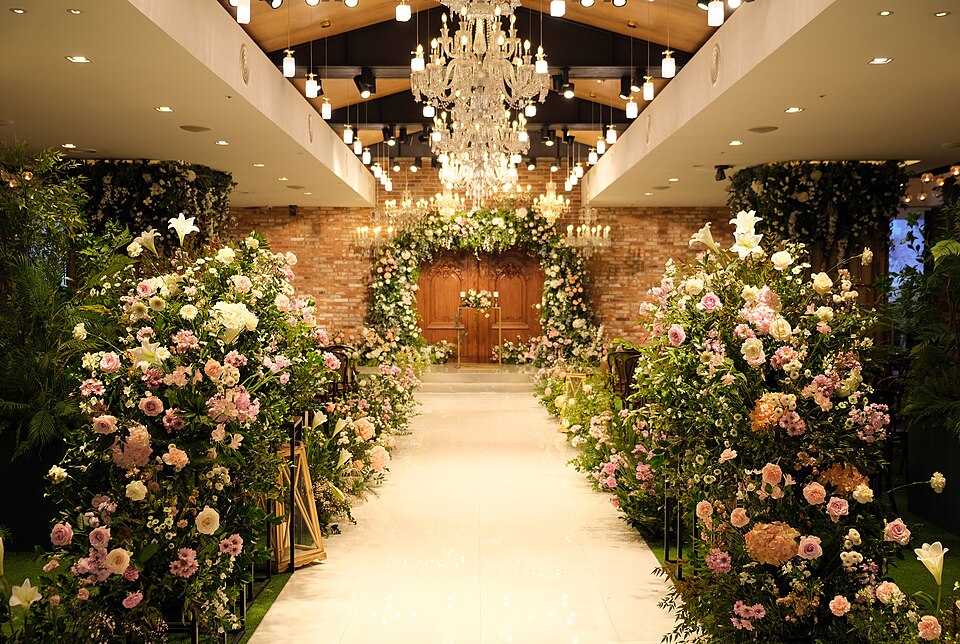
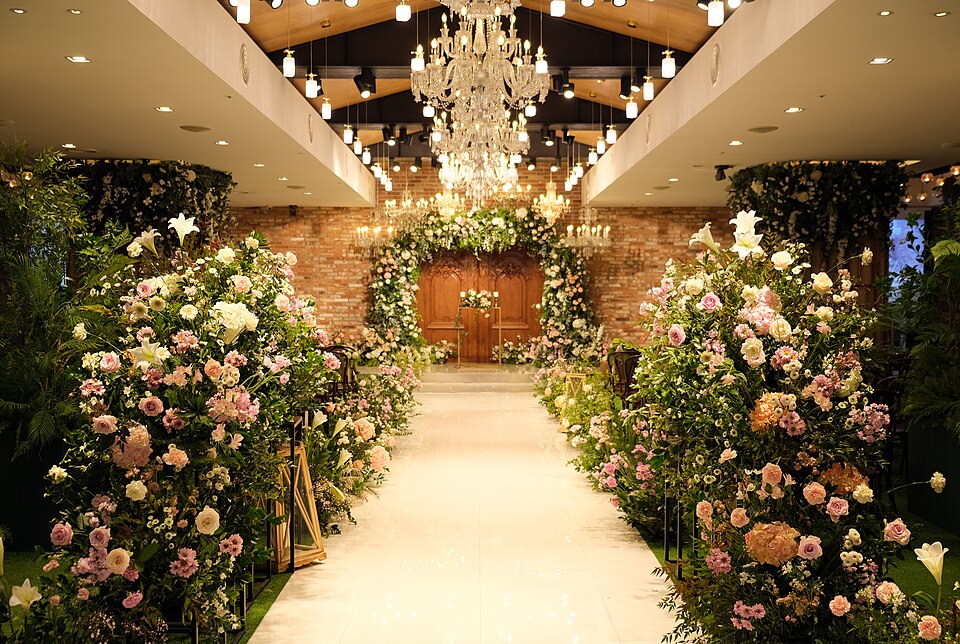
There is no single Korean wedding format. Hotel weddings, dedicated wedding halls, church ceremonies, outdoor events, small restaurants, destination weddings, and traditional ceremonies all work differently. Families also choose which customs to keep. The safest approach is to follow the invitation and the couple—not a K-drama or a rigid list of "Korean rules."
This guide is for a foreign guest attending a typical modern wedding in South Korea. It explains the invitation, congratulatory money, dress code, ceremony flow, meal ticket, family greetings, and traditional elements you may see.
Quick Answer: What Should a Guest Do?
Arrive about 30 minutes early, bring clean Korean won in a plain envelope unless the couple told you to transfer digitally, write your name clearly, check in at the correct family's desk, greet the couple briefly, follow staff directions for seating and photos, and use the meal ticket or instructions you receive.
| Moment | What usually happens | Best guest move |
|---|---|---|
| Invitation | Mobile or paper invitation lists time, venue, transit, and bank details | Confirm attendance and read every venue note |
| Arrival | Separate reception desks may represent the bride's and groom's sides | Use the side connected to the person who invited you |
| Cash gift | Your envelope is recorded and a meal ticket may be issued | Write your full name legibly |
| Ceremony | A compact program includes entrances, vows, remarks, song, and bows | Sit promptly and silence your phone |
| Photos | Family, relatives, friends, or colleagues are called in groups | Join only when your group is invited |
| Meal | Guests may eat before or after the ceremony, depending on the venue | Follow the ticket and floor signs |
If anything conflicts with this table, the invitation and onsite staff win. A small outdoor ceremony will not operate like a multi-floor Gangnam wedding hall.
Read the Mobile Invitation Carefully
Many Korean couples send a mobile invitation, or mobile cheongcheopjang. It may include the couple's names, ceremony date and time, map links, nearest subway station, parking instructions, venue floor, shuttle details, contact buttons, photos, and bank-account information.
Do not search only the building name and assume you are done. Large venues can have several halls with ceremonies starting close together. Save the exact hall, floor, and couple's names. Korean map apps often handle venue entrances better than an overseas map service; EpicKor's Naver Map guide explains how to save Korean addresses and exits.
Reply when the couple asks for an attendance count. Buffets, assigned meals, and transport may depend on it. If you cannot attend after accepting, tell the couple as early as possible rather than disappearing on the day.
How Much Congratulatory Money Should You Give?
The cash gift is called chug-uigeum or chuk-ui-geum (축의금). There is no universal amount that fits every relationship, income, venue, and year. Online charts that declare one mandatory number can make a social custom look more exact than it is.
Choose an amount based on closeness, your financial situation, whether you are attending and eating, and any pattern already established in your relationship. Colleagues sometimes follow a workplace norm. Close friends and relatives may give more. Students or guests with limited income should not treat an expensive hotel venue as an invoice.
If you are unsure, discreetly ask a trusted Korean friend who understands the same workplace or social circle. Do not ask the couple to price your friendship.
Korean 축의금 money envelope set — arriving with it already filled and written reads as prepared. The hall desk keeps a stack of plain white ones and will hand you one free, so this is optional; our gift-giving guide has the amounts Koreans actually use. As an Amazon Associate, EpicKor earns from qualifying purchases at no extra cost to you.
See the envelope set on AmazonHow to Prepare and Submit the Envelope
Use a clean white envelope. Wedding-hall desks often have spare envelopes, but preparing yours beforehand is calmer. Write your name so the family can identify the gift later. If several people are giving together, list the group or names clearly enough to avoid confusion.
At a typical venue, there may be separate desks for the two families. Go to the side of the bride or groom who invited you. Hand over the envelope, sign the guest book if requested, and receive any meal ticket or parking validation. The desk may record the gift amount. That bookkeeping is part of a long-running system of reciprocal support, not a public performance.
Digital transfers are increasingly common, especially when someone cannot attend, because mobile invitations may display account details. Use only details sent by the couple through a trusted channel. Confirm the account holder before transferring and avoid posting bank information in a public group.
For other Korean gift situations, including housewarmings and workplace visits, see EpicKor's Korean gift etiquette guide.
Korean Wedding Guest Dress Code
The default is polished, respectful, and comfortable enough for stairs, standing, photos, and a buffet. A suit, blazer, dress, skirt, trousers, blouse, or comparable smart outfit can all work. You do not need to wear hanbok unless the couple specifically asks.
Avoid an outfit that resembles bridal wear, especially a full white or ivory formal dress. Black is common and not automatically inappropriate, but an all-black funeral-like look can feel severe; styling and the venue matter. Very casual sportswear, beach clothes, nightclub outfits, giant logos, or anything that demands attention in family photos is a poor default.
Check the weather and venue. Summer humidity, winter cold, outdoor lawns, hotel ballrooms, and church seating create different needs. Comfortable formal shoes are more useful than painful shoes you cannot stand in for the photo call.
| Venue | Safe direction | Watch for |
|---|---|---|
| Dedicated wedding hall | Standard semi-formal guest clothing | Many floors, crowded elevators, quick turnover |
| Luxury hotel | More formal tailoring or dress | Assigned seating, longer meal, stricter schedule |
| Church | Modest semi-formal clothing | Religious portions and congregation customs |
| Outdoor or small wedding | Invitation-led smart attire | Grass, weather, transport, longer social time |
| Traditional ceremony | Respectful formal clothing unless hanbok is requested | Ritual space, bows, photography boundaries |
Arrive Early, Because the Venue May Be Busy
Thirty minutes early is a useful target for a standard wedding hall. It gives you time to find the floor, choose the correct reception desk, use the restroom, greet people, and sit before the entrance.
Some venues host ceremonies in rapid succession. The lobby can contain two sets of families and hundreds of guests. Check the couple's names on the sign instead of following a crowd. Elevators may be slow, and parking queues can erase your buffer.
If you are late, do not interrupt the entrance. Follow an usher and enter quietly when directed. Send an apology later rather than creating a scene at the door.
What Happens During a Modern Ceremony?
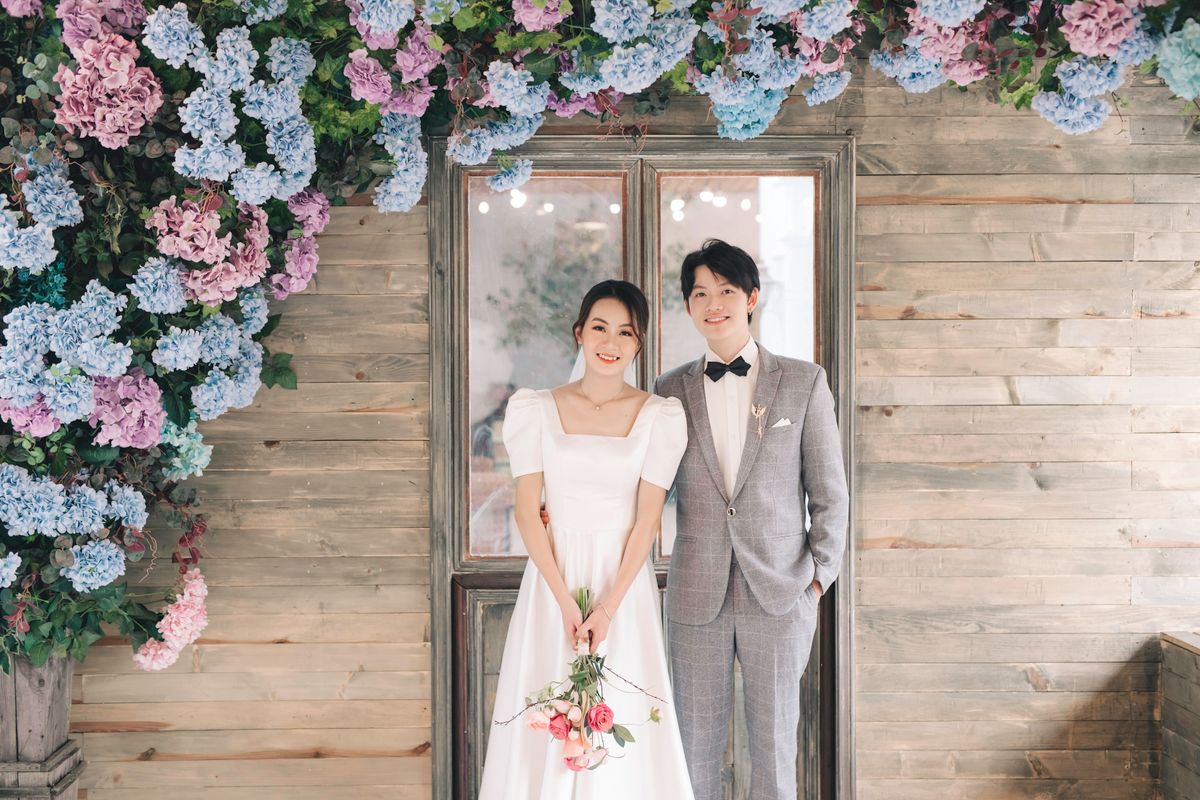
A modern program may include the mothers lighting candles, the groom's entrance, the bride's entrance, vows or a declaration, a speech, a congratulatory song, bows to parents and guests, and the couple's exit. Some ceremonies have an officiant; others use a host and a no-officiant format.
The pace can be brisk. That is a venue model, not proof that the marriage matters less. Dedicated halls coordinate staff, lighting, music, photography, family waiting rooms, food, and several ceremonies in one day.
Keep your phone silent. Photograph only when the couple and venue allow it, and do not step into the professional photographer's aisle. The couple paid for a clear view; a guest's phone should not become the center of the official frame.
Group Photos and the Buffet
After the ceremony, staff may call immediate family, extended relatives, friends, classmates, or colleagues for separate group photos. Listen for your category. If you are unsure, ask the person who invited you or follow friends from the same group.
The meal may be a buffet, a set course, or a restaurant meal. In a large wedding hall, guests sometimes eat before the ceremony if timing is tight. That is not automatically rude if the venue and family designed the schedule that way. Do not assume the couple will sit at every table; they may be changing clothes, greeting families, taking photos, or moving to another ritual.
Use the meal ticket you received, return shared dishes neatly, and do not take large amounts of buffet food away. If you have allergies or dietary restrictions, ask the couple or venue before the day; a crowded buffet line is a poor place to negotiate complex requirements.
What Are Sang-gyeon-rye and Seu-deu-me?
Sang-gyeon-rye (상견례) is a formal meeting between the two families, often over a meal. It is a chance to meet, discuss plans, and establish a comfortable relationship. It should not be described as a corporate merger or a universal interrogation of status. Families vary enormously, and couples increasingly set their own boundaries.
Seu-deu-me or seu-de-me (스드메) abbreviates studio, dress, and makeup. It refers to a common wedding-preparation bundle rather than a sacred tradition. Couples may book a package, choose each vendor separately, skip studio photos, hold a small wedding, or spend more on a venue or honeymoon instead.
Statistics Korea reported 222,000 marriages registered in 2024, up 14.8% from 2023. Korea.net later reported about 240,000 marriages in 2025, the highest total in seven years. Those figures describe registrations, not one uniform wedding lifestyle.
Pyebaek and Traditional Wedding Elements
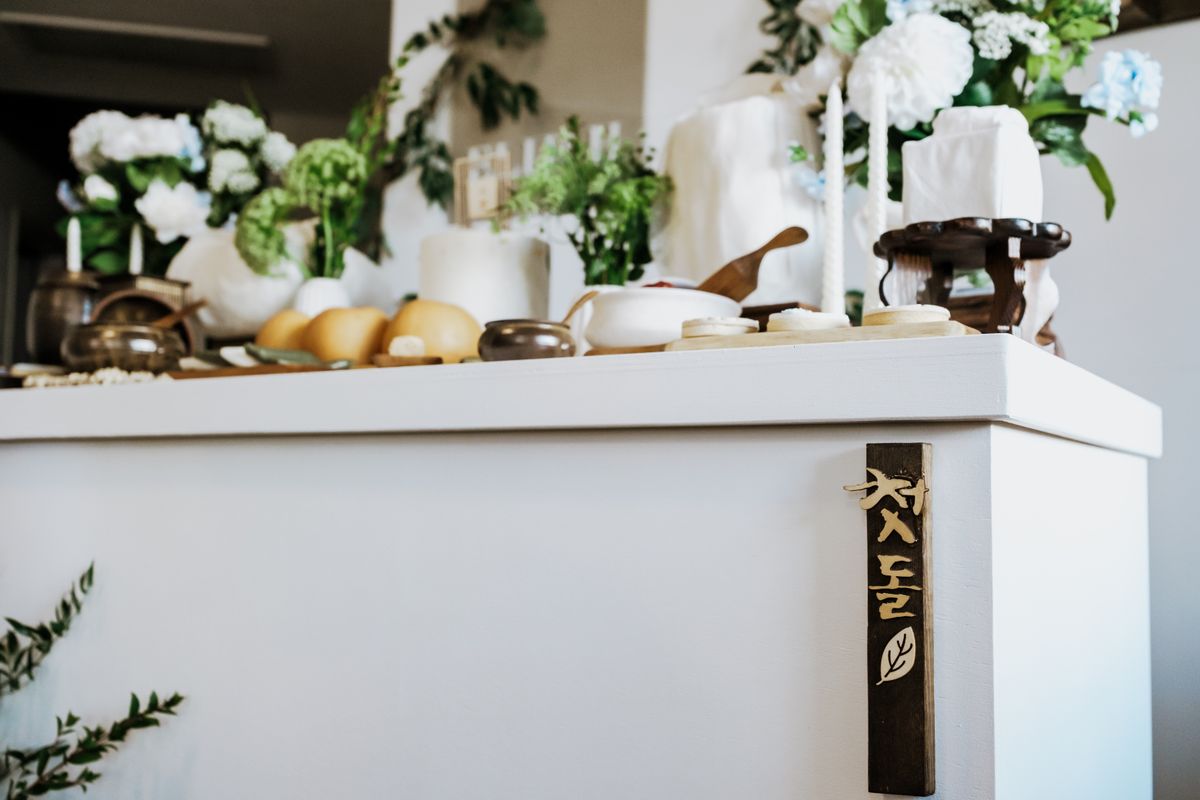
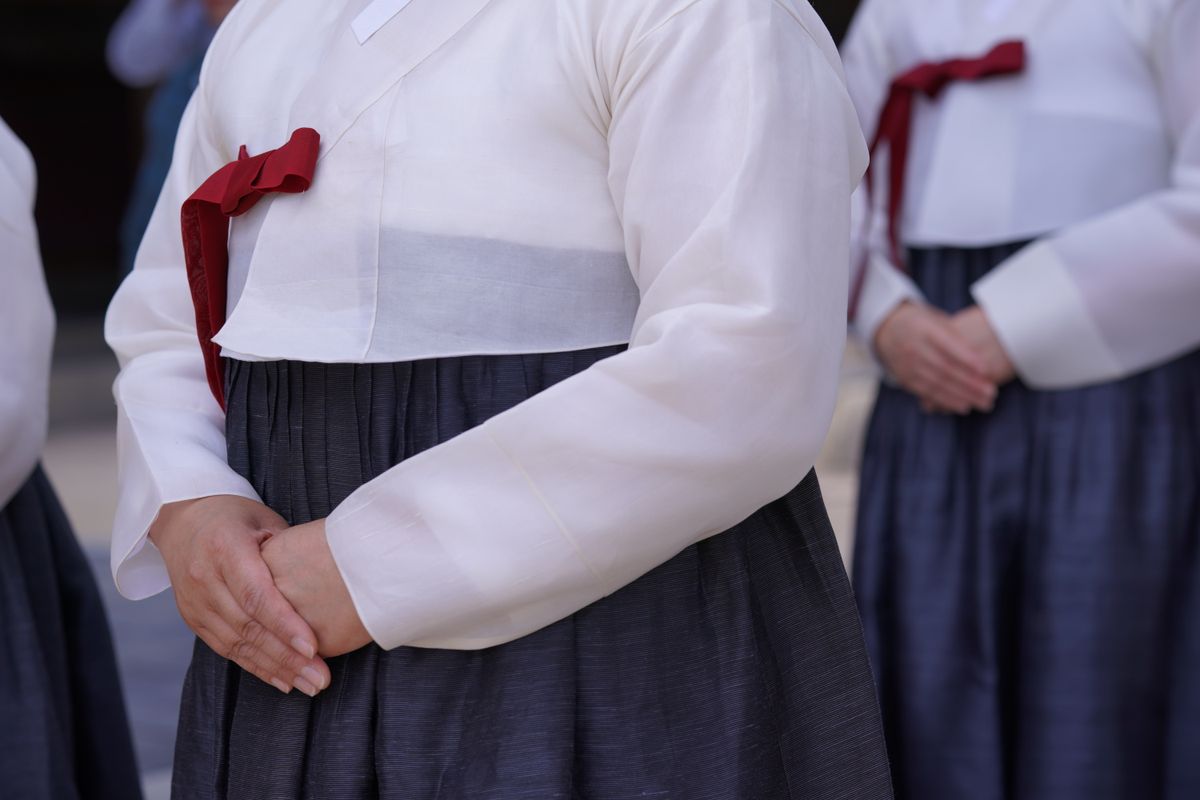
Pyebaek (폐백) is a family ritual in which the newly married couple, often wearing hanbok, bows and greets family members. Dates and chestnuts may be used symbolically, and families can adapt who participates. In many modern weddings it happens privately after the main ceremony; other couples omit it.
The couple's mothers may wear formal hanbok at a modern wedding. Color conventions exist, but families coordinate their own clothing. A guest should not assume every hanbok or bow has the same meaning.
Traditional honrye ceremonies use different clothing and ritual sequences from a modern white-dress wedding with a short pyebaek afterward. If you are interested in wearing hanbok in Seoul outside a family ceremony, EpicKor's hanbok rental and palace etiquette guide explains respectful use.
Etiquette for a Foreign Guest
Your foreignness is not a problem. Most couples will be happy that you came. The best etiquette is practical:
- Learn the couple's Korean names so you can identify the correct hall.
- Bring the address in Korean and save a screenshot of the invitation.
- Ask before bringing a plus-one or child.
- Keep congratulations brief if a line is forming.
- Use two hands when offering an envelope if that feels natural, but do not perform exaggerated etiquette.
- Do not turn pyebaek, hanbok, or family bows into comic content.
- Avoid filming guests closely without permission.
- Follow the couple's preference on social posting and face visibility.
If your Korean is limited, a simple gyeolhon chukahaeyo (결혼 축하해요), meaning "congratulations on your marriage," is enough. You do not need a memorized speech.
Lonely Planet Korean Phrasebook & Dictionary — one useful phrase, not a performance. A clear greeting and the venue name are more useful than forced honorifics; the phrasebook has the romanisation and audio for the two lines you actually need. As an Amazon Associate, EpicKor earns from qualifying purchases at no extra cost to you.
See the phrasebook on AmazonCommon Wedding Guest Mistakes
The most common mistakes are logistical, not dramatic. Guests arrive at the wrong hall, forget the couple's names, enter during the processional, write an unreadable name on the envelope, lose the meal ticket, or assume every wedding follows a social-media checklist.
Another mistake is treating congratulatory money as a buffet price. It is a social gift, even though venue meal costs influence current conversations. Give within your means and relationship. Do not publicly compare envelopes or pressure a lower-income guest.
Finally, avoid calling Korean weddings cold or transactional just because a large hall runs quickly. Some couples prefer that format; others choose long small weddings. Efficiency is one characteristic of a venue system, not a complete judgment on the people inside it.
FAQ About Korean Weddings
Q: Do I have to give cash at a Korean wedding? Cash is the most common gift at many modern Korean weddings, but follow the couple's invitation. Close family, international guests, or small weddings may handle gifts differently.
Q: How much money should a foreign guest give? There is no universal amount. Base it on your relationship, finances, attendance, and the norms of the relevant friend or workplace group. Ask a trusted local privately if needed.
Q: Can a guest wear black to a Korean wedding? Yes. Black and dark suits are common. Style the outfit as wedding guest attire rather than funeral clothing, and follow any dress code on the invitation.
Q: Can I wear white to a Korean wedding? Avoid a full white or ivory formal outfit that could resemble bridal wear. A white shirt under a suit or a small amount of white is normally different.
Q: Should I eat before or after the ceremony? Follow the venue and family instructions. Some wedding halls allow guests to eat before the ceremony, while hotels and smaller weddings may serve a scheduled meal afterward.
Q: Do all Korean couples perform pyebaek? No. Pyebaek is optional in many modern weddings. Some couples hold it privately, some adapt it, and others skip it completely.
Sources and Update Note
This guide was updated on July 17, 2026. Practices vary by family and venue; use the invitation as the final authority.
You Might Also Like
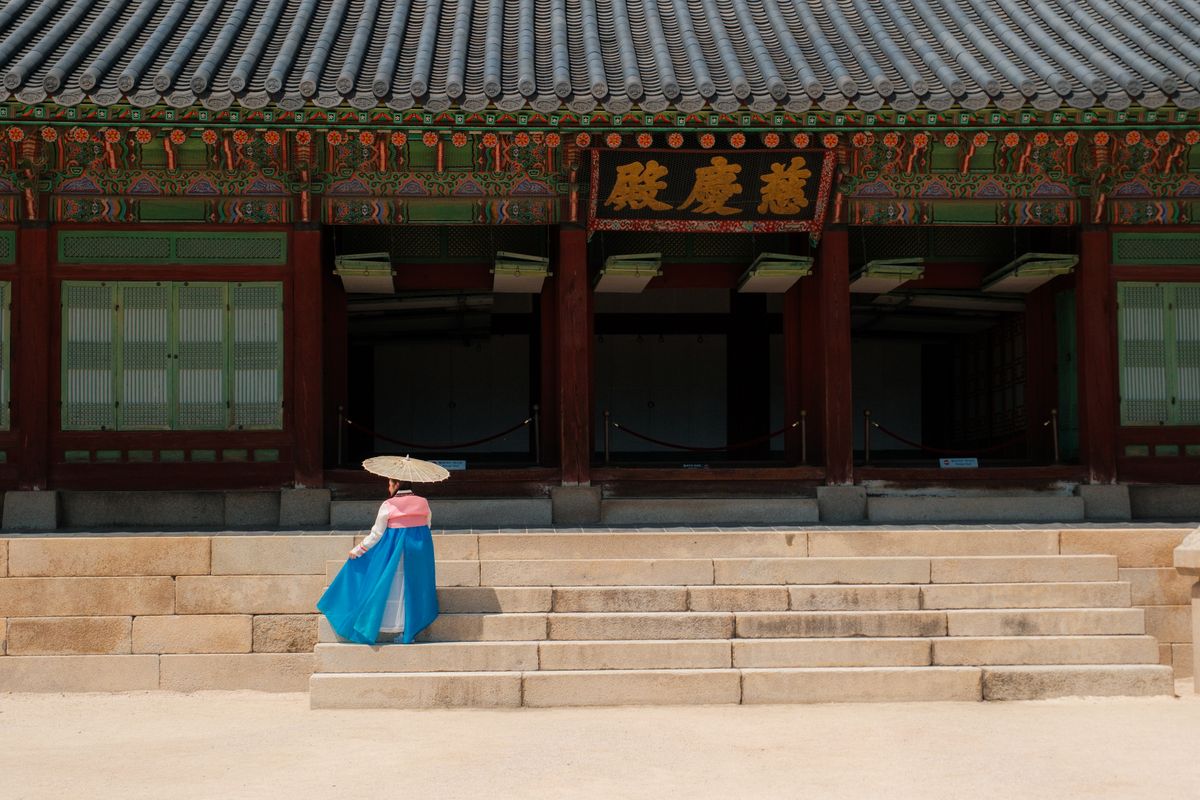
Hanbok Rental in Seoul: Palace Photos and Etiquette
Plan hanbok rental in Seoul in 2026 with palace photo routes, free-entry expectations, etiquette, rental timing, and tourist mistakes.
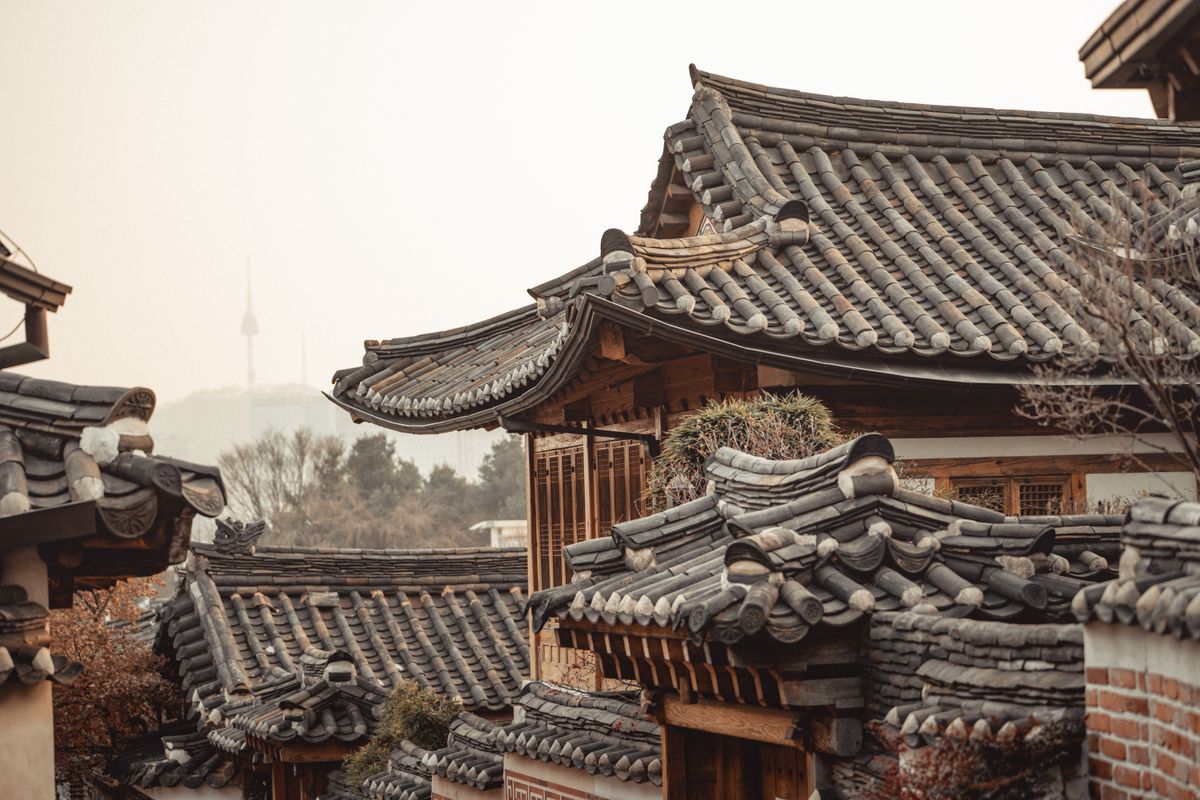
Korean Floor Culture: Shoes, Ondol, Slippers, Low Tables
A Korean floor culture guide explaining shoes-off homes, ondol heating, slippers, low tables, floor sitting, and guest etiquette.
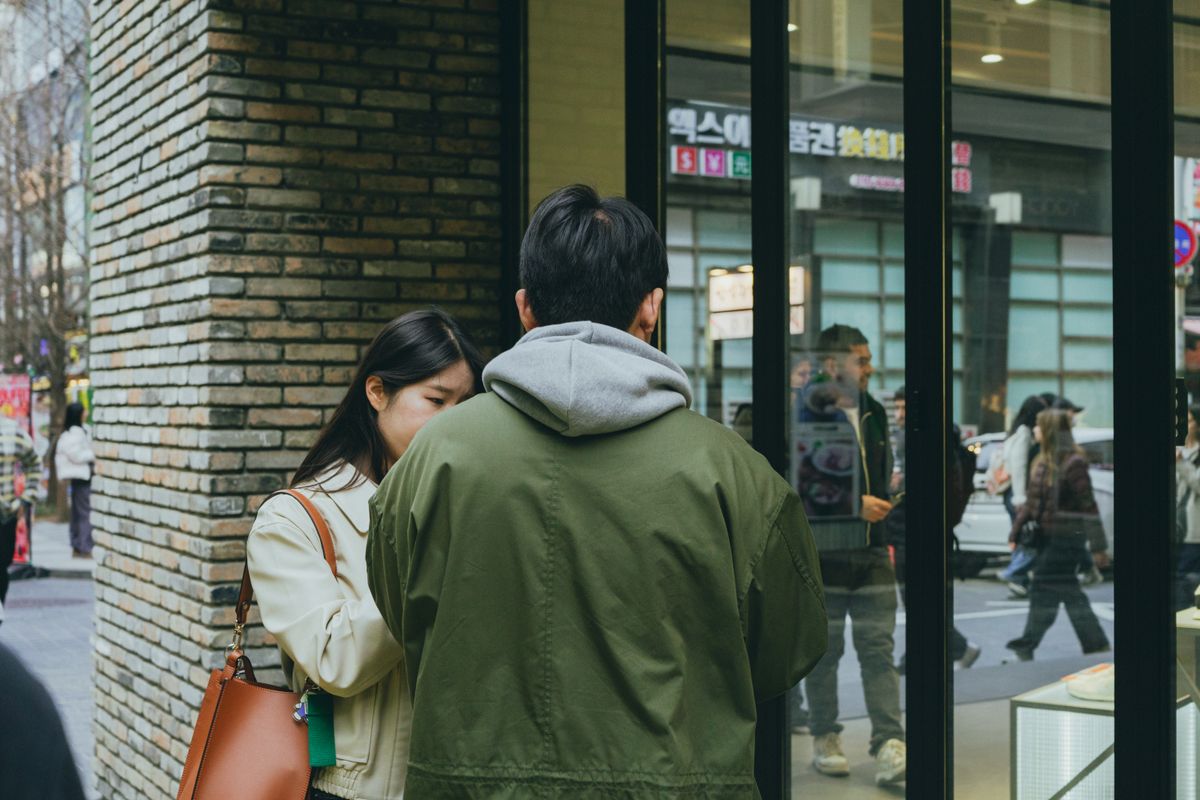
What to Call a Stranger in Korea: Jeogiyo, Sajangnim, Imo
You need a waiter's attention in Korea and you do not know their name. Jeogiyo is the safe answer, sajangnim works in any shop, and imo is warmer than a foreigner should risk. Here is what to actually say, and what never to shout.