K-Beauty Ingredients Decoded 2026: Snail, Cica, Propolis, Rice
Walk into a Korean beauty store and you'll notice something odd: the bottles aren't selling you a feeling. They're selling you an ingredient. "The Niacinamide 15." "Snail 96." "Centella 100." Korean K-beauty ingredients get printed on the front of the box in big letters, often with the exact percentage attached.
That's genuinely useful once you can read it — and confusing until you can. Most people buy their first Korean product because a video told them to, then have no idea whether the second bottle duplicates the first.
This guide decodes the four ingredients you'll see everywhere — snail mucin, cica, propolis, and rice — plus the supporting actives, how to read a Korean label, and how to build a routine that doesn't fight itself.
ROUND LAB 1025 Dokdo Toner — compare on AmazonAffiliate link. As an Amazon Associate, EpicKor earns from qualifying purchases at no extra cost to you.
Why Korean Products Are Named After Ingredients
Western skincare marketing tends to sell an outcome: "radiance," "age defense," "glow drops." Korean brands more often lead with the raw material and let you do the math. What makes this approach unique is that it treats the shopper as someone who will compare formulas, not just brands.
You'll see three patterns on Korean packaging. First, the hero ingredient as the product name — "Snail Mucin Essence," "Rice Toner," "Propolis Ampoule." Second, a number attached to the ingredient, like 96, 100, or 15. That number usually refers to the percentage of that ingredient in the formula, though brands define it differently, so treat it as a strong hint rather than a lab report. Third, a texture word — toner, essence, serum, ampoule, cream — telling you where it sits in your routine.
None of this means a higher number is automatically better. A 100% ingredient product can be less effective than a well-built 5% formula with supporting humectants, and very high concentrations of some actives are more likely to irritate. The point of ingredient-forward labeling isn't to win a numbers race. It's to let you avoid buying four bottles that all do the same job.
One honest caveat before we go further: cosmetics are cosmetics. In Korea, cosmetic products are regulated by the Ministry of Food and Drug Safety, and general skincare is not permitted to claim it treats disease. Nothing here is medical advice, results vary a lot by person, and if you have a persistent skin condition, a dermatologist beats a shopping list.
The Big Four: Snail, Cica, Propolis, and Rice
These four show up in almost every Korean skincare haul. Here's what each actually is and who tends to reach for it.
| Ingredient | What It Actually Is | Commonly Used For | Often Suits |
|---|---|---|---|
| Snail mucin | Filtered snail secretion (listed as snail secretion filtrate) | Lightweight hydration and a soft, bouncy finish | Dehydrated or dull-looking skin |
| Cica (centella) | Extract of the Centella asiatica plant, including madecassoside | Calming products aimed at visibly stressed or reactive skin | Sensitive, easily flushed skin |
| Propolis | Resin collected by bees, used as an extract | Rich hydration and a glowy finish | Dry or dull skin (avoid if allergic to bee products) |
| Rice | Rice water, rice bran, or fermented rice extract | Softening, brightening-style products with a gentle feel | Beginners and sensitive skin |
Snail mucin is the ingredient that made a lot of people curious about K-beauty in the first place. It's a filtered secretion, it feels slippery rather than sticky, and it layers well under a moisturizer. If the texture bothers you, that's a real reason to skip it — there's no rule that says you must.
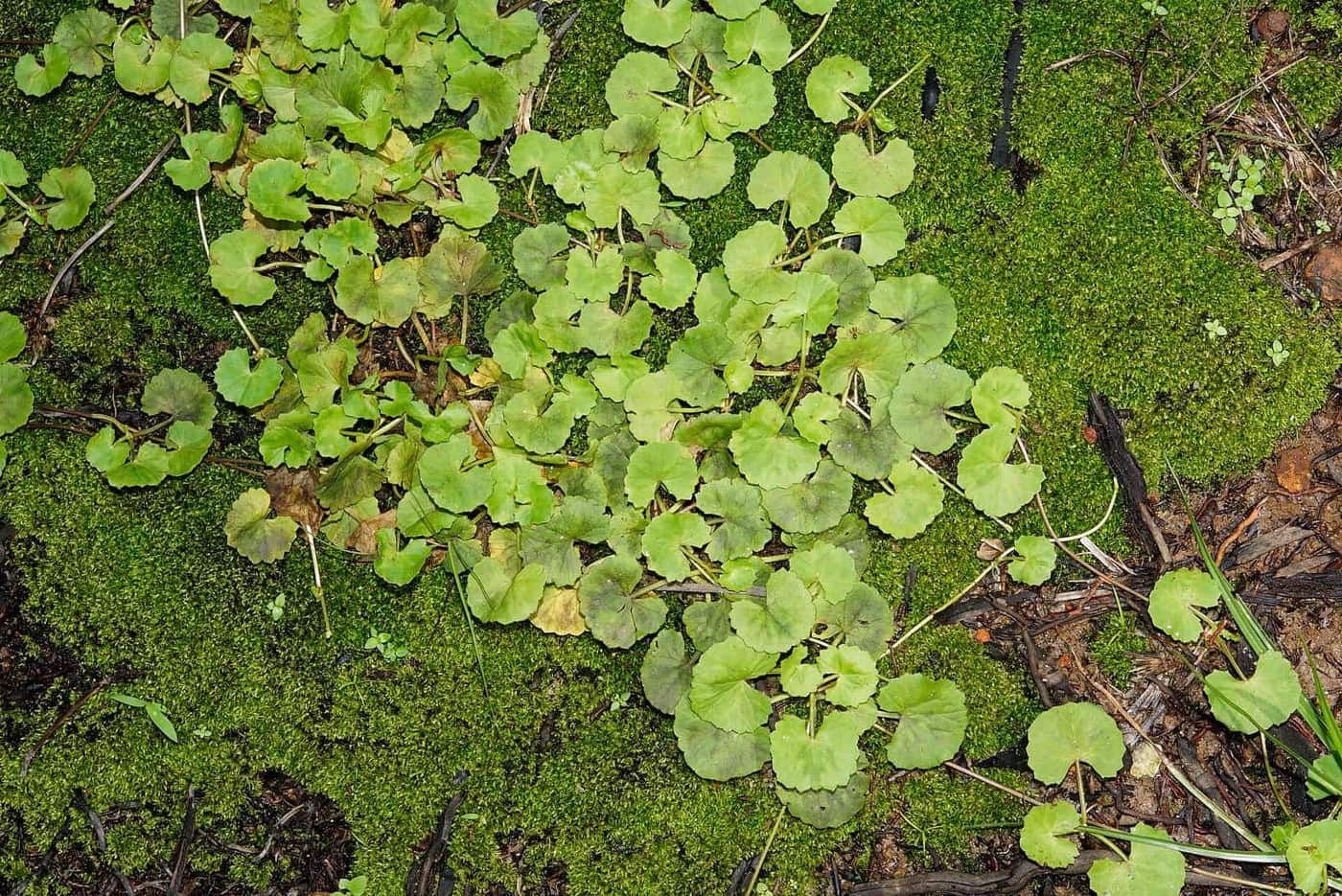
Cica is short for Centella asiatica, a plant whose extracts are used across Korean "calming" lines. You'll see it as centella, madecassoside, or asiaticoside on the ingredients list. It's the go-to marketing angle for products aimed at redness-prone or over-exfoliated skin.
That marketing angle has a source. Centella was in a Korean pharmacy product long before it was in a cosmetic one — it is the active ingredient of 마데카솔 (Madecassol), a wound ointment sold in Korea for decades, which is why cica is pitched at damaged skin rather than at glow. Our guide to Korea's two standard wound ointments covers what that tube actually contains, and why the ₩5,000 tube from Daiso is not the same as the pharmacy version.
Propolis brings a noticeably richer, honey-like slip and shows up in glow-focused ampoules. One practical warning: if you have a bee or honey allergy, skip it entirely. Rice is the gentlest of the four — rice water and rice bran extracts appear in toners and cleansers built around a soft, low-drama feel, which makes them a reasonable starting point if your skin reacts to everything.
Start with one ingredient, not five: As an Amazon Associate, EpicKor may earn from qualifying purchases. A simple, widely used option is the ROUND LAB 1025 Dokdo Toner, or compare Korean snail mucin essences side by side before committing to a full routine.
See ROUND LAB 1025 Dokdo Toner on AmazonThe Supporting Cast: Acids, Niacinamide, and Ceramides
Two of those four now have a product each that dominates its shelf abroad, and both are worth reading as buying decisions rather than ingredient theory: COSRX's snail essence, the best-selling K-beauty item on Amazon, and Anua's heartleaf toner, 77% extract of a Korean herb whose name means "fish-smell grass".
Beyond the four headliners, Korean labels lean on a second tier of actives that are worth recognizing because they're the ones most likely to overlap or clash.
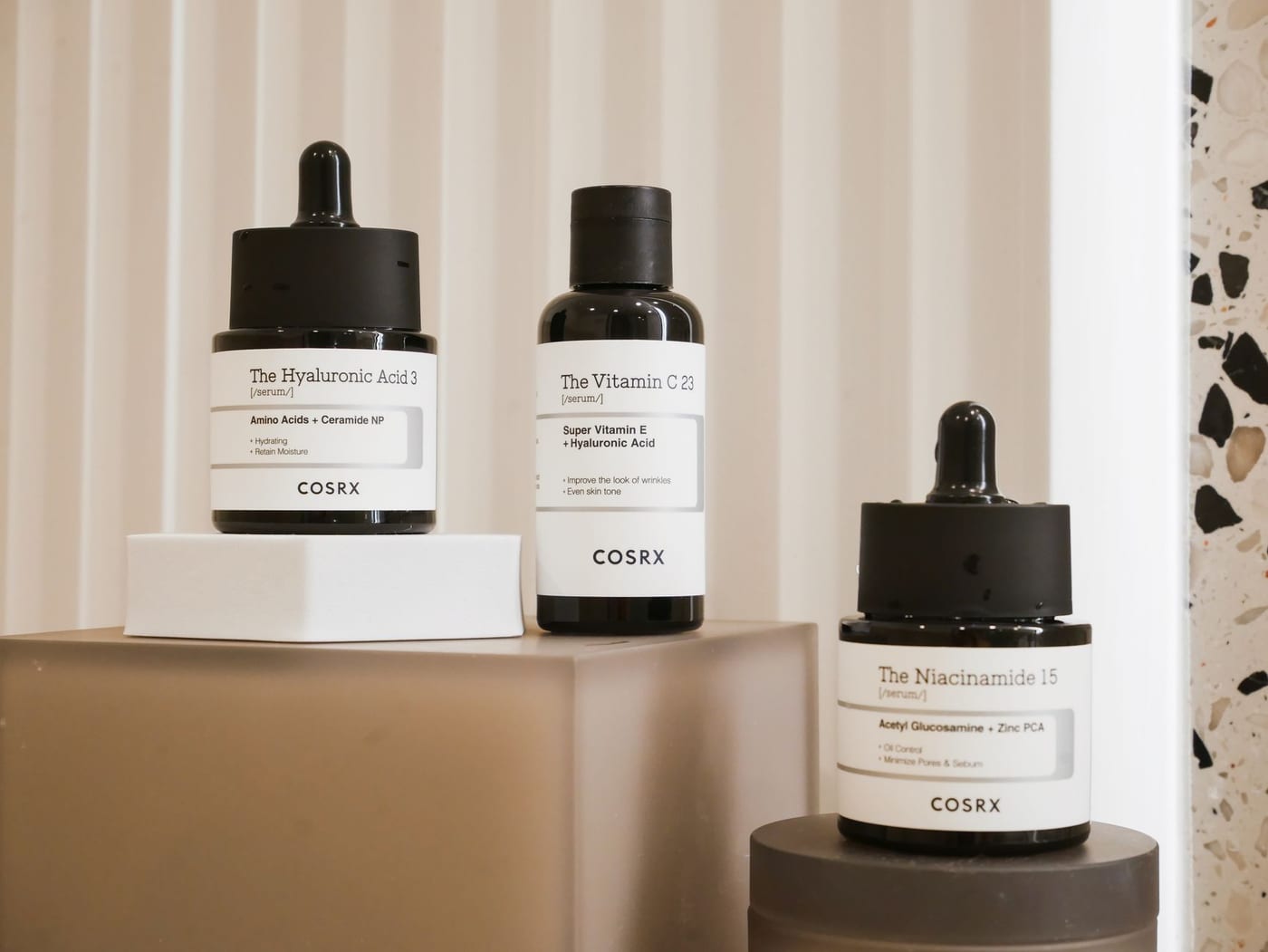
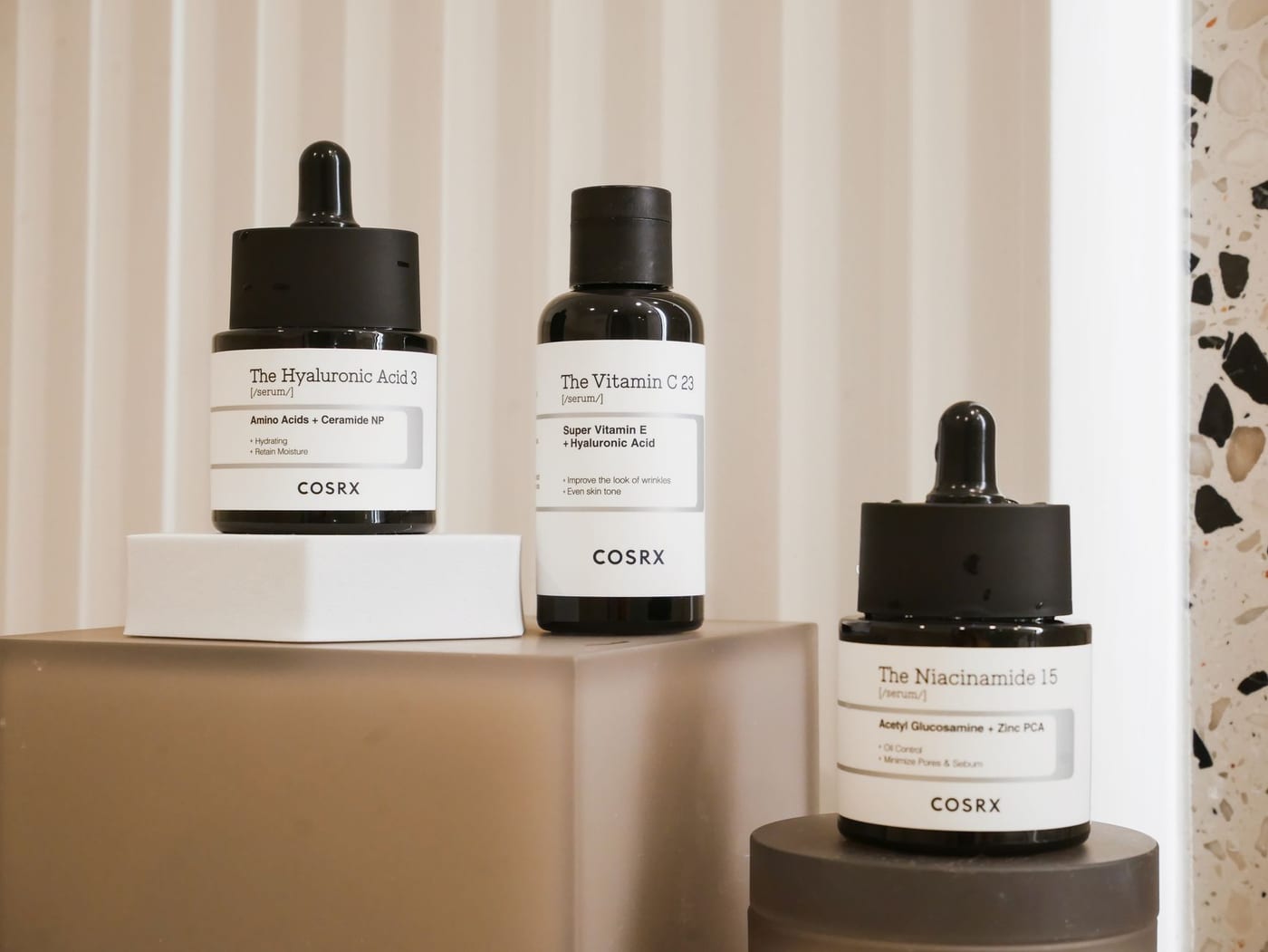
Hyaluronic acid is a humectant — it holds water. It's in almost everything and rarely causes problems. Niacinamide (a form of vitamin B3) appears in products aimed at oil control and evening out skin tone; the "15" in a name like The Niacinamide 15 refers to concentration, and higher percentages irritate some people. Vitamin C shows up as L-ascorbic acid or gentler derivatives, usually in morning products. Ceramides are barrier-support lipids used in creams built for dryness.
The practical rule is simple: don't stack three strong actives you've never used before in the same week. Introduce one, give it time, and keep a plain moisturizer and sunscreen as your constants. EpicKor's Korean skincare routine order guide covers the layering sequence in detail, and if you want a deeper look at one trending active, the Korean PDRN skincare guide explains that category separately.
How to Read a Korean Label Without Guessing
The vocabulary trips people up more than the chemistry. Here's the shorthand you'll see on Korean shelves and boxes.
| Label Term | What It Usually Means | Where It Goes |
|---|---|---|
| Toner (토너) | Thin liquid used right after cleansing | First step, on damp skin |
| Essence (에센스) | Lightweight hydrating layer, often the brand's signature | After toner |
| Serum / Ampoule (세럼 / 앰플) | More concentrated active step; ampoule is usually the strongest | After essence |
| Cream (크림) | Seals in the layers below | Last step at night |
| Number on the front (96, 100, 15) | Concentration hint for the named ingredient | Compare, don't chase |
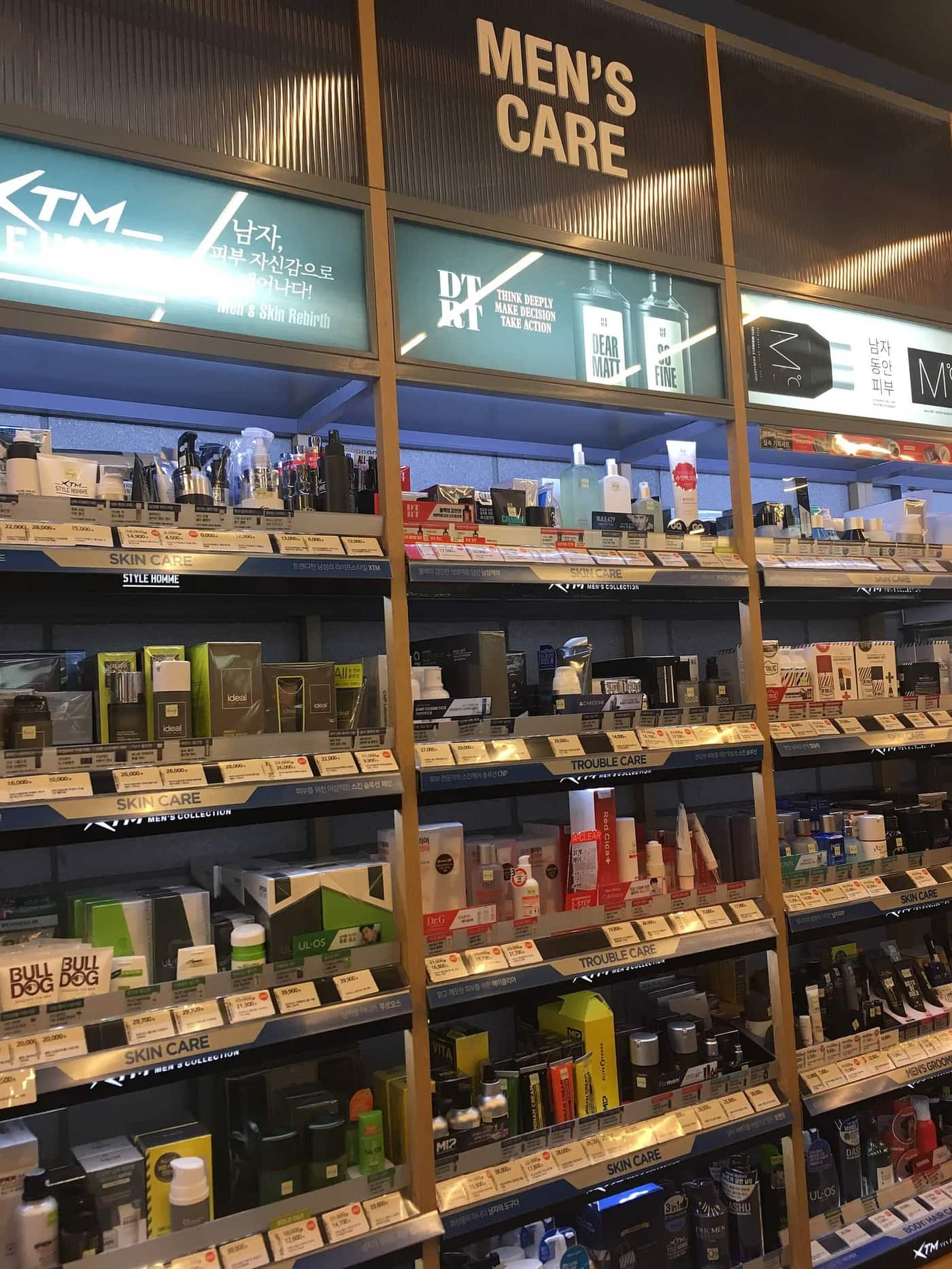
In stores, prices are marked in won and shelves are usually grouped by concern — skin care, trouble care, men's care — rather than by brand. That grouping is a shortcut: find the section that matches your issue, then read the front of the boxes for the ingredient names you now recognize. For a full shopping route through Korea's beauty retailers, see EpicKor's Olive Young guide.
Building a Simple Ingredient-Led Routine
You do not need ten steps. A workable starting routine is four: cleanse, hydrate, treat, protect. Cleanse with something gentle. Hydrate with a toner or essence built on rice, hyaluronic acid, or snail if you like the texture. Treat with one active you've chosen deliberately — cica if your skin is reactive, niacinamide if you're targeting oil and tone. Protect with sunscreen every morning, which matters more than any serum you'll buy; EpicKor's Korean sunscreen guide compares the popular formulas.
Three habits make the difference. Patch test a new product on a small area for a few days before putting it on your whole face. Change one variable at a time, so when something goes wrong you know the culprit. And give a product several weeks before judging it — skin turnover isn't fast, and switching every five days tells you nothing.
Build the kit, not the collection: Compare Korean beauty starter sets before buying full sizes of five separate products. A small cleanser, one hydrating layer, one active, and a sunscreen will teach you more about your own skin than a shelf of half-used bottles.
Frequently Asked Questions
Q: What is snail mucin in Korean skincare? Snail mucin is a filtered snail secretion, listed on ingredient labels as snail secretion filtrate. It's used in essences and creams for lightweight hydration and a soft finish. It feels slippery rather than sticky, and products often advertise a high percentage such as 92 or 96.
Q: What does "cica" mean on Korean products? Cica is short for Centella asiatica, a plant whose extracts (including madecassoside and asiaticoside) appear in Korean calming lines. It's most often marketed for skin that looks red, stressed, or over-exfoliated.
Q: Do the numbers like 96 or 100 mean the product is stronger? They usually indicate how much of the named ingredient is in the formula, but brands define them differently, and higher isn't automatically better. A well-formulated lower percentage with supporting ingredients can outperform a near-pure one, and very high concentrations of some actives irritate more easily.
Q: Is propolis safe for everyone? No. Propolis is a bee-derived resin, so anyone with a bee, honey, or pollen allergy should avoid it. As with any new product, patch test first.
Q: Which K-beauty ingredient should a beginner start with? Rice-based or hyaluronic-acid products are the gentlest entry points because they're hydrating without being strong actives. Add one targeted ingredient such as cica or niacinamide only after your basic routine is stable.
Q: Can I use snail mucin, cica, and vitamin C together? Often yes, but don't introduce them all at once. Start with one, wait a couple of weeks, then add another. If you're using a strong vitamin C or exfoliating acid, keep the rest of the routine simple and always wear sunscreen during the day.
The Bottom Line
Once you can read the front of a Korean box, the whole category gets less intimidating. Snail for slip and hydration, cica for calm, propolis for glow, rice for gentleness — and a number that's a hint, not a promise. Pick one ingredient that matches an actual problem you have, give it a real trial, and let your routine grow from evidence instead of hype.
Next time you're standing in a Korean beauty aisle, ignore the packaging design and read the ingredient line first. Then check EpicKor's Korean skincare routine order guide to put your picks in the right sequence.
Sources and further reading:
You Might Also Like
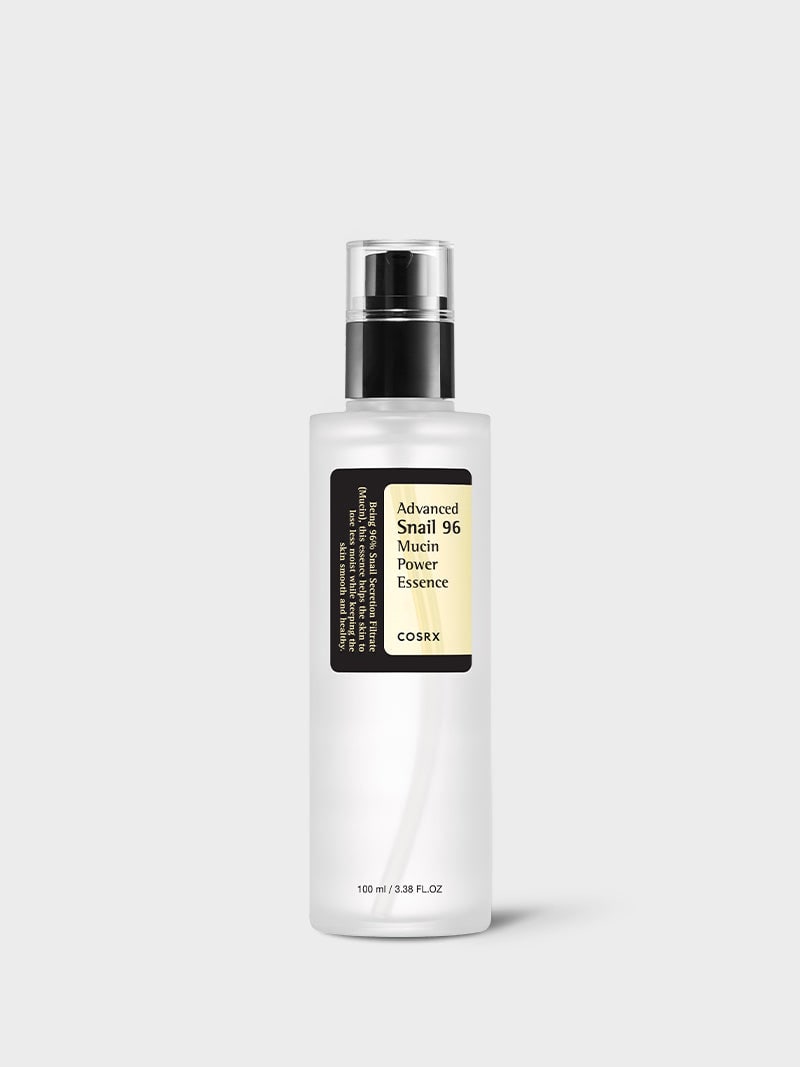
COSRX Snail Mucin: The Korean Essence That Tops Amazon, Explained Honestly
The best-selling Korean beauty product on Amazon is 96% snail secretion. What the number on the bottle really means, how the mucin is actually collected, what Koreans pay versus what you pay, and who should skip it.
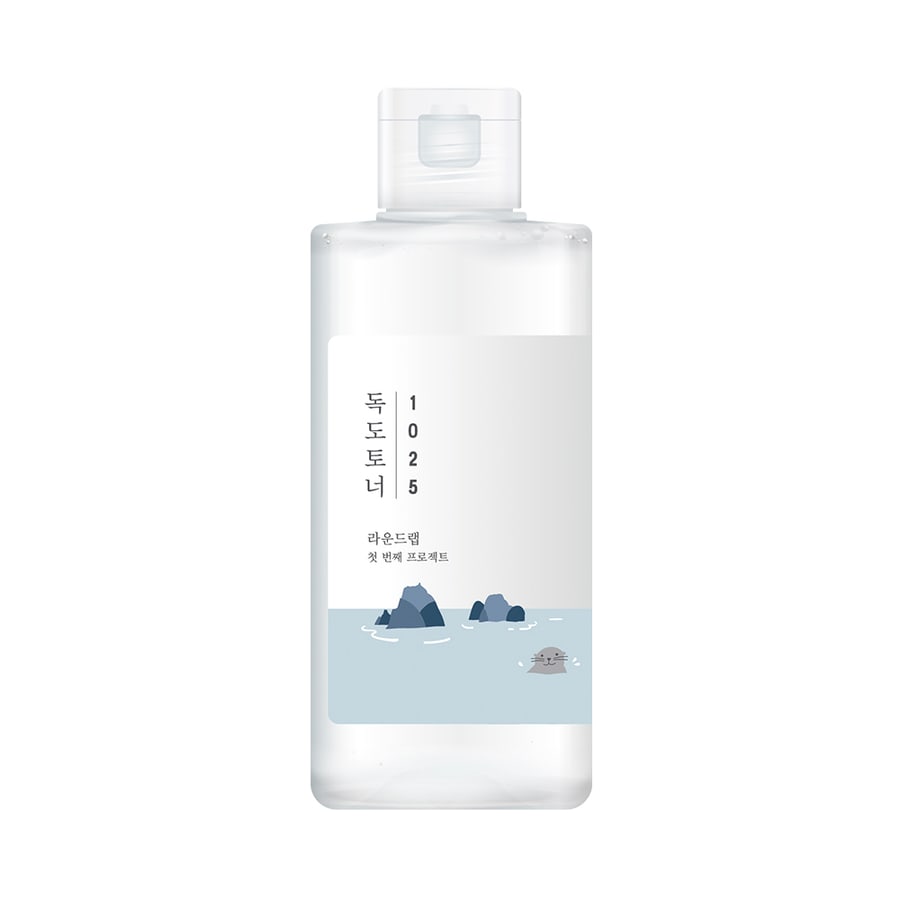
Round Lab Dokdo Toner: Korea's Six-Time No.1 Toner Is Named After a Date
The 1025 in Korea's best-selling toner means October 25 — Dokdo Day. Deep-sea water from Ulleungdo, six straight Olive Young toner awards, a word-of-mouth rise with no ad budget, and a ₩600 billion acquisition by the Beauty of Joseon company.
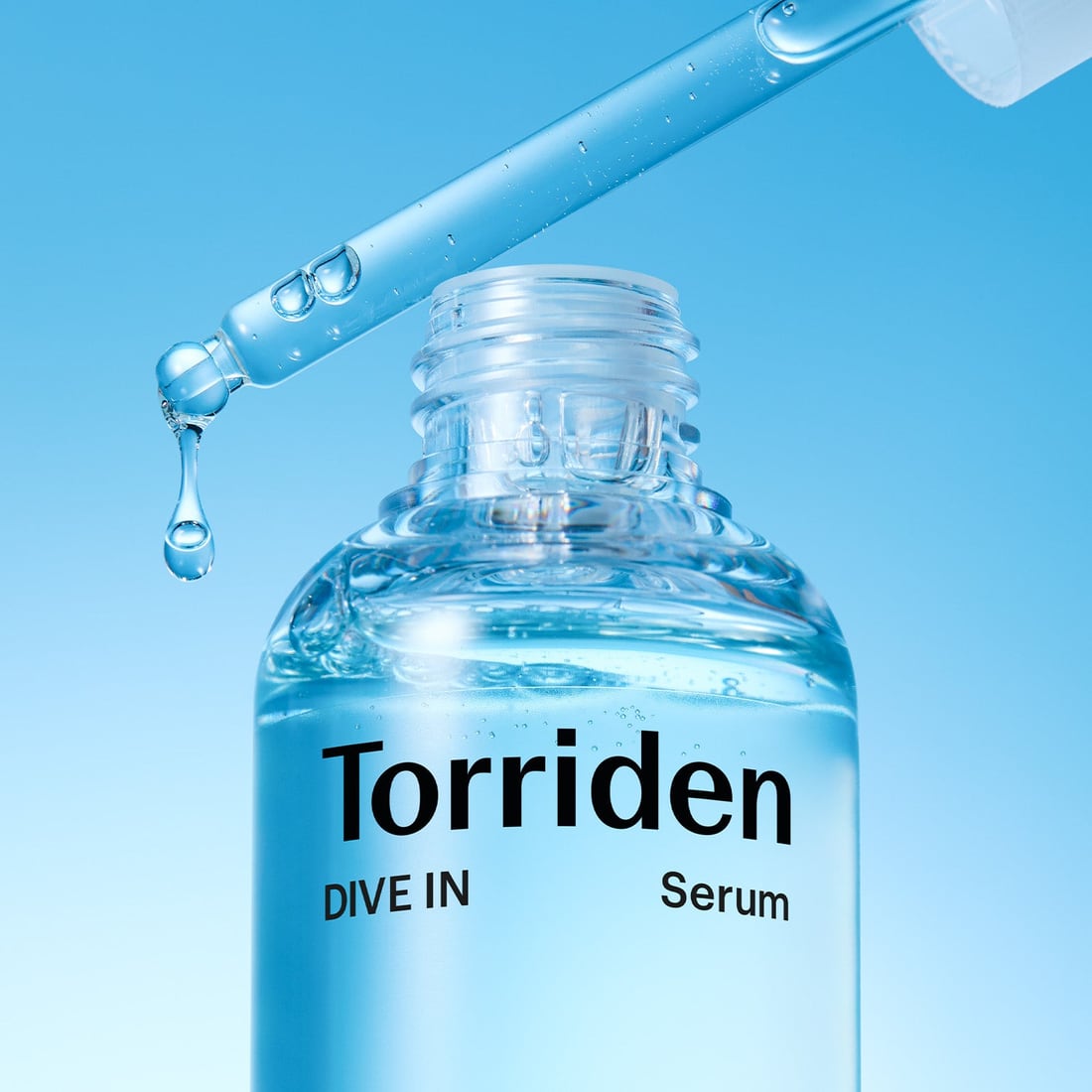
Torriden Dive-In Serum: Korea's Most-Awarded Hydrator, Explained Honestly
Thirteen million bottles, four straight Olive Young awards, and a formula built by leaving things out. What low-molecular hyaluronic acid actually does, what Koreans pay versus you, and who should skip the most-awarded serum in Korea.