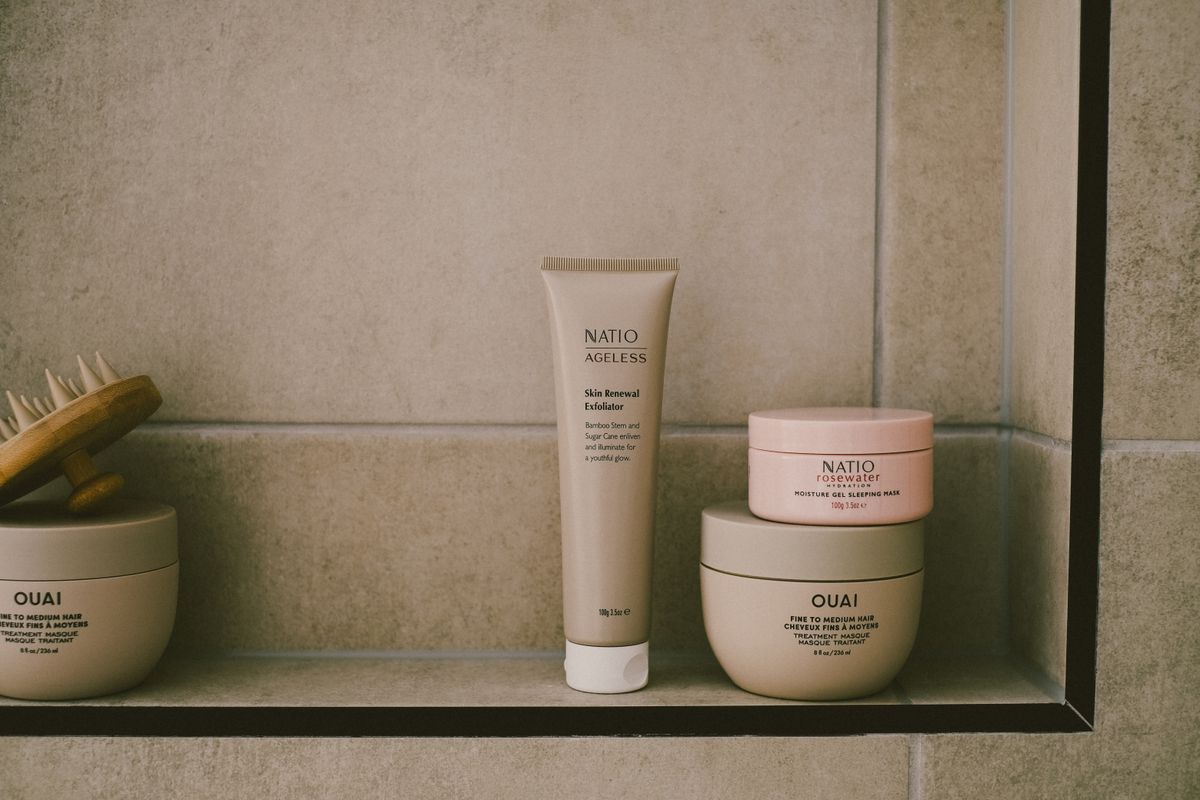
Korean PDRN Skincare Guide: Salmon DNA and Spicules
Korean PDRN skincare is the kind of beauty trend that sounds fake until you realize everyone is asking about it seriously.
Salmon DNA. Exosomes. Spicules. Growth factors. Peptides. Skin longevity. Barrier repair. The 2026 K-beauty shelf no longer sounds like a simple skincare aisle. It sounds like a small lab wearing cute packaging.
That is exactly why tourists need a calmer guide. Korea is a great place to explore new beauty categories, but a viral ingredient is not the same as a good purchase. PDRN may be interesting. Exosomes may be interesting. Spicules may be useful for certain people. But the smartest Korea beauty haul is still built around your actual skin, your travel schedule, and whether a product makes sense after the trip is over.
Quick Answer: Should You Buy Korean PDRN Skincare In 2026?
Yes, but only with measured expectations.
Buy Korean PDRN skincare if you want to explore the new "skin recovery" side of K-beauty and you are choosing a gentle topical product from a reputable brand. Do not buy it expecting an at-home serum to behave like an in-clinic injectable treatment.
Use this rule:
- PDRN serum or cream: interesting, but judge the whole formula.
- Exosome skincare: exciting language, but evidence and sourcing vary.
- Spicule products: potentially effective-feeling, but not for every skin barrier.
- Peptides, ceramides, panthenol, cica, niacinamide: less dramatic, often more reliable.
- Sunscreen: still the product tourists most consistently need in Korea.
In 2026, K-beauty is moving from "glass skin" into "skin longevity." Beauty media has been tracking PDRN, exosomes, spicules, peptides, and barrier-repair ingredients as the new conversation. Allure has covered the caution side of PDRN, while Real Simple's K-beauty trend reporting points to the same shift toward biotech-flavored skincare. The opportunity is real. So is the marketing fog.
If you are already planning a Seoul shopping route, pair this with EpicKor's Olive Young Korea shopping guide, Korea beauty clinic vs Olive Young guide, and Korea tax refund guide.
Korean beauty starter products — compare on AmazonAffiliate link. As an Amazon Associate, EpicKor earns from qualifying purchases at no extra cost to you.
What PDRN Actually Means
PDRN means polydeoxyribonucleotide.
In beauty conversations, it is usually described as salmon-derived DNA fragments used in skin-repair or skin-rejuvenation contexts. That phrase alone is enough to make the trend go viral. It feels scientific, strange, and very Korean-beauty-coded.
But the tourist question is not "Is this ingredient famous?" The tourist question is: "Should this go in my basket?"
The answer depends on product type. PDRN in a professional treatment is not the same as PDRN in a shelf-stable topical cream. A serum must survive formulation, packaging, storage, bathroom heat, oxygen exposure, and your skin barrier. Even experts who are curious about PDRN often separate in-clinic use from over-the-counter skincare. That distinction matters.
So when you see PDRN on a Korean skincare product, ask four questions:
- What else is in the formula?
- Is it positioned as calming, hydration, elasticity, or repair?
- Does it include proven support ingredients such as niacinamide, ceramides, peptides, panthenol, or hyaluronic acid?
- Is the texture something you can use consistently?
If the product only sells the salmon-DNA story and gives you no practical routine reason, skip it.
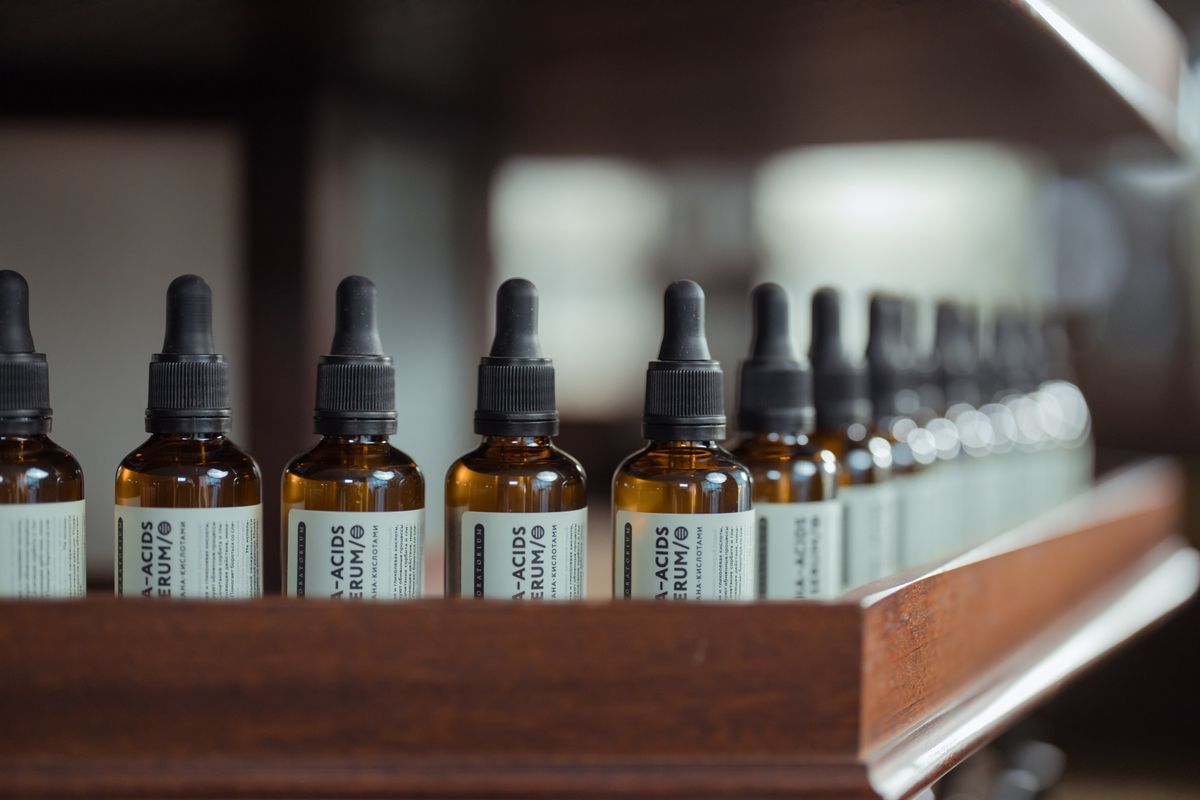
PDRN, Exosomes, Spicules, And Peptides Compared
The easiest way to understand 2026 K-beauty is to separate the buzzwords by what they are trying to promise.
| Ingredient Trend | What It Usually Promises | Tourist Buying Risk | Smarter Move |
|---|---|---|---|
| PDRN | Repair, elasticity, recovery, skin longevity | Topical claims can sound stronger than evidence | Buy only if the whole formula is gentle and useful |
| Exosomes | Cell communication, regeneration, post-treatment recovery | Sourcing, regulation, and proof vary widely | Treat as experimental unless a trusted professional explains it |
| Spicules | Tingling delivery system, texture renewal, active penetration | Can irritate compromised or sensitive skin | Patch test and avoid before beach, festival, or heavy sun days |
| Peptides | Firmness support, barrier support, slow-aging routine | Less viral, but easier to overbuy in layers | Choose one peptide product, not five |
| Cica, ceramides, panthenol | Barrier comfort, calming, recovery | Not flashy enough for social media | Use these to support riskier actives |
The most important line in that table is not the PDRN line. It is the barrier-support line.
Korean skincare is good at turning exciting ingredients into pleasant textures. That is why tourists overbuy. A product can feel elegant and still be too much for your skin when stacked with acids, retinoids, spicules, vitamin C, exfoliating pads, and sun exposure.
Build the safe layer first: As an Amazon Associate, EpicKor may earn from qualifying purchases. Before chasing PDRN or exosome claims, compare Korean beauty starter products, Korean SPF 50 sunscreens, and Korean sun sticks so your routine has a boring, reliable base.
See Korean SPF 50 sunscreens on AmazonWhat Tourists Should Actually Buy
If you are shopping in Korea, divide your basket into three zones.
Zone one is the reliable base. This includes sunscreen, cleanser, moisturizer, lip care, body sunscreen, and barrier-repair basics. These are easy to use during the trip and easy to continue at home.
Zone two is the fun discovery layer. This includes toner pads, sheet masks, sleeping masks, calming ampoules, hair masks, and lip tints. This is where Korea feels most enjoyable because you can compare textures and small formats without risking your whole routine.
Zone three is the experimental trend layer. This is where PDRN, exosomes, spicules, high-strength actives, and treatment-adjacent products live. Limit this zone. One experimental product is research. Six experimental products are a suitcase full of confusion.
The best Korea beauty haul for 2026 might look like this:
- One sunscreen for daily use.
- One sun stick for reapplication.
- One gentle cleanser.
- One moisturizer or cream your skin tolerates.
- One soothing product for barrier recovery.
- One fun mask or toner pad pack.
- One trend product only if the formula makes sense.
That is not boring. That is how you avoid returning home with five products you are afraid to open.
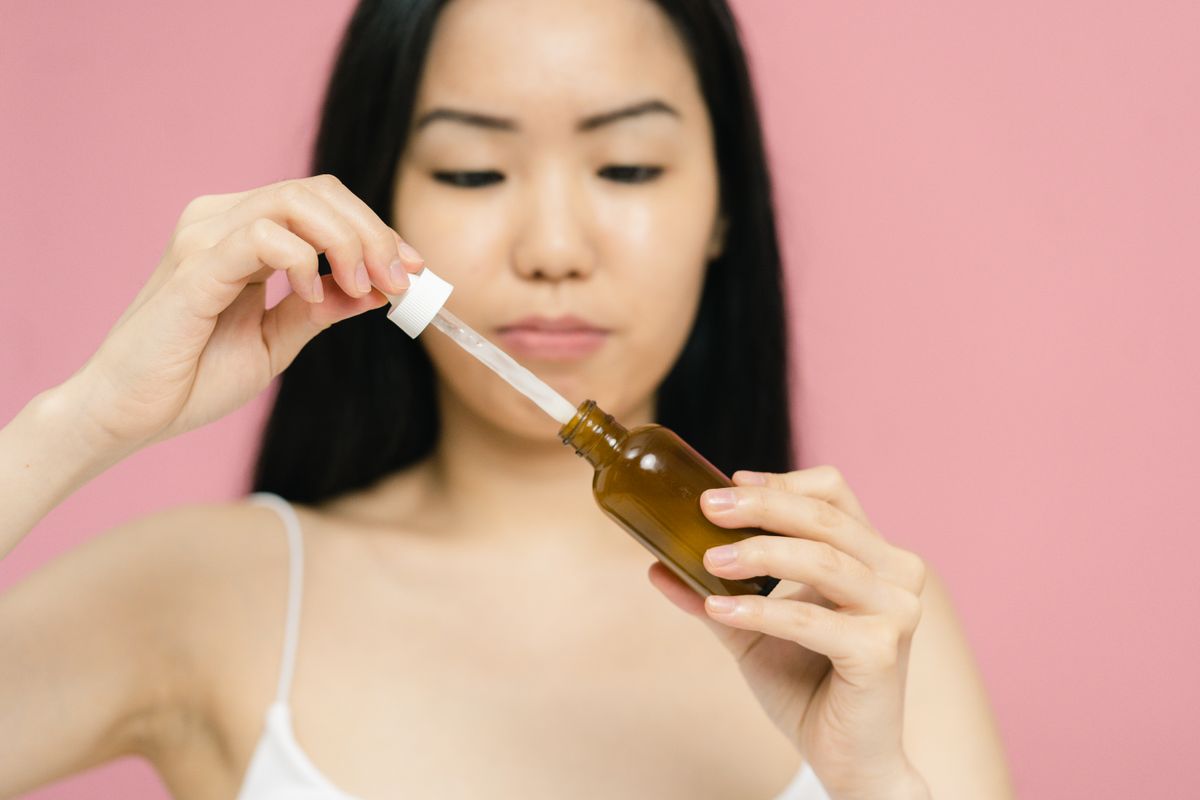
When To Avoid PDRN, Spicules, Or Exosomes
Avoid experimental skincare when your skin is already angry.
Do not test a spicule product the night before a palace day, beach day, summer festival, Waterbomb-style event, or long outdoor itinerary. Do not try a strong active if you are sunburned, peeling, recovering from a clinic visit, or using prescription acne medication. Do not use an exosome or PDRN product as a replacement for medical treatment.
Also be careful if you have:
- very reactive skin
- eczema, rosacea, or dermatitis
- known fish or marine-derived ingredient concerns
- a history of product allergies
- recent laser, peel, microneedling, or clinic treatment
- a packed travel schedule with no recovery window
Patch testing is not glamorous, but it is still the smartest beauty habit. Try a small area first. Wait. If the product tingles, burns, itches, or makes your skin feel hot in a bad way, stop. Korea has too many good cafes and neighborhoods for your trip to become a face-emergency subplot.
Where To Shop In Korea
Olive Young is the obvious first stop because tourists can compare categories quickly. But it is not the only beauty environment.
You may also see beauty products in department stores, pharmacies, brand flagships, duty-free shops, pop-ups, and clinics. Each place has a different buying mood.
Olive Young is best for comparison. Brand flagships are best when you already know the brand. Department stores can be good for premium beauty and gift sets. Duty-free can work when you know exactly what you want and have enough airport time. Clinics are not shopping venues, even if they sell post-care products.
For PDRN or exosome claims, be more skeptical when the sales pitch sounds like a procedure result in a bottle. A topical product may support a routine. It should not promise to rewrite your skin in a week.
If you are shopping near Myeongdong, Hongdae, Seongsu, Gangnam, or Jamsil, build breaks into the day. Beauty shopping gets worse when you are tired. Your standards drop. Your basket grows. Your phone battery dies. Your tax refund receipts disappear.
A Smart 2026 K-Beauty Basket
Here is a practical basket for a tourist who wants to understand the trend without losing control.
| Basket Slot | Best Category | Why It Converts Into Real Use |
|---|---|---|
| Daily protection | Korean sunscreen or sun stick | You will use it during the trip and after returning home |
| Recovery | Cica, panthenol, ceramide cream | Useful after flights, heat, masks, and walking days |
| Texture discovery | Toner pads or sheet masks | Easy souvenir, easy test, low commitment |
| Trend slot | PDRN, peptide, or spicule product | One controlled experiment is enough |
| Home routine | Cleanser or moisturizer | Most likely to become a repeat purchase |
The biggest mistake is buying only trend slots. A haul made of nothing but PDRN, exosomes, spicules, retinol, acid pads, and brightening serums may look exciting on a bed photo, but it is hard to use safely.
How This Connects To Clinics
PDRN and exosomes are also discussed in clinic contexts, which is why the vocabulary gets confusing.
If a dermatologist or clinic uses a treatment after consultation, that is a different category from a tourist grabbing a serum from a shelf. Do not blur the two. A topical product is a cosmetic purchase. A clinic service is a medical or aesthetic decision with consent, risk, downtime, and aftercare.
If you are considering a clinic, read EpicKor's Korea beauty clinic vs Olive Young guide first. If you are not ready for aftercare rules, stick to retail beauty. Korea is still one of the best places in the world to learn textures, compare sunscreen, buy toner pads, and understand the rhythm of skincare without booking anything.
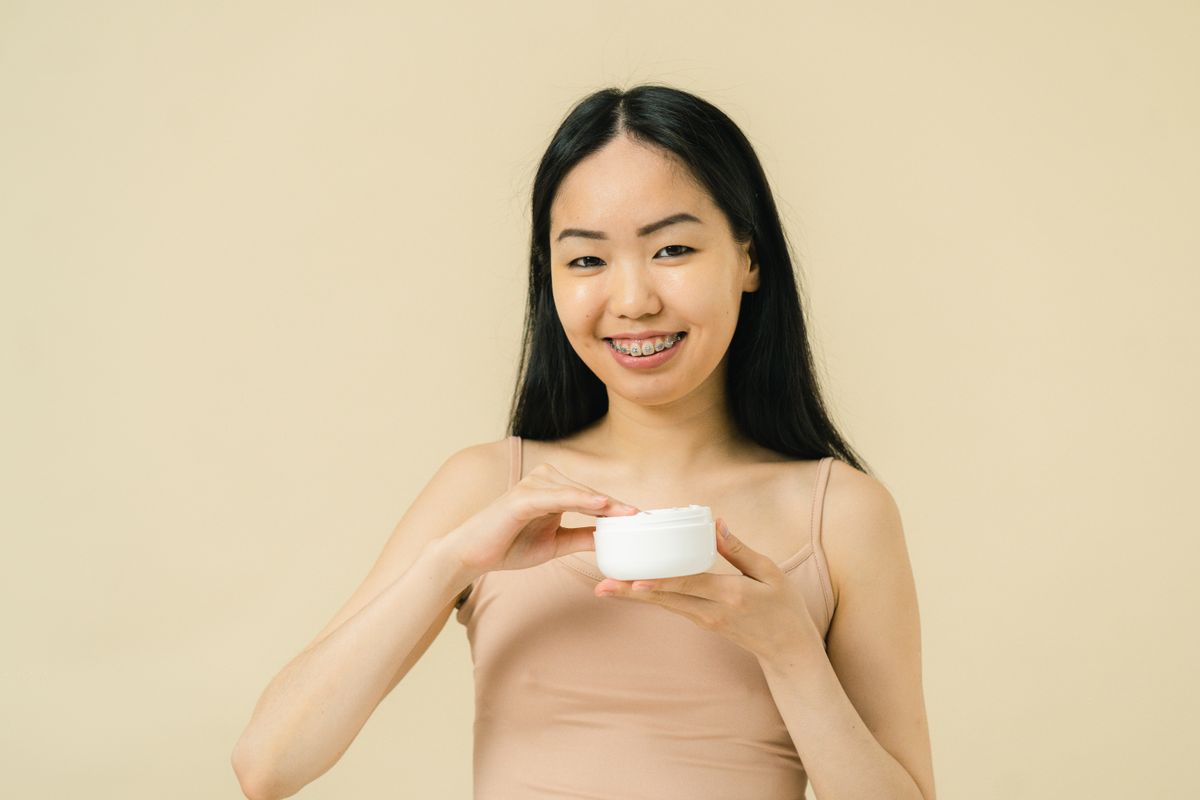
Compare before filling the suitcase: If your Korea beauty list is getting too experimental, use Korean beauty starter products and Korean sunscreens as a reality check. If a category is easy to compare at home, save your Seoul luggage space for items you can test in person.
See Korean sunscreens on AmazonFAQ
Q: Is PDRN skincare the same as salmon sperm injections?
No. A topical PDRN serum or cream is not the same as an in-clinic injectable or professional treatment. Treat shelf products as skincare, not as a substitute for medical or aesthetic procedures.
Q: Are exosome skincare products safe?
Some topical products may be sold as cosmetics, but exosome sourcing, claims, and evidence vary. Be careful with strong claims, especially around injectables or post-procedure use. Ask a licensed professional if a treatment is involved.
Q: Are spicule products good for tourists?
Only for some people. Spicules can create a prickly or active feel, which may be too much for sensitive skin, sun-exposed skin, or a busy travel schedule. Do not test them right before outdoor plans.
Q: What is the safest K-beauty purchase in Korea?
Sunscreen, sun sticks, gentle cleansers, moisturizers, sheet masks, toner pads, and barrier-care products are usually safer than experimental trend products. Still patch test if your skin is sensitive.
Q: Should I buy PDRN at Olive Young?
You can, but buy it as one controlled experiment. Check the full ingredient list, texture, brand credibility, and your skin condition. Do not buy multiple PDRN products just because the word is trending.
The Bottom Line
Korean PDRN skincare is worth understanding because it shows where K-beauty is going in 2026: more clinical language, more ingredient storytelling, more crossover between retail beauty and treatment culture.
But the best tourist buyer is not the person who buys the strangest bottle. It is the person who knows which products belong in daily life, which belong in a clinic conversation, and which belong in the "interesting, but not for my face this week" pile.
In Korea, the beauty shelf moves fast. Your skin does not have to.
You Might Also Like
Korean Body Care Guide 2026: The New K-Beauty Routine
A Korean body care guide for 2026 covering body sunscreen, exfoliating towels, lotion, back acne care, scalp tools, and what to buy.
Korean Skincare Routine Order 2026: Simple AM and PM Steps
Build a practical Korean skincare routine in the right order, with simple morning, night, sensitive-skin, and travel versions.
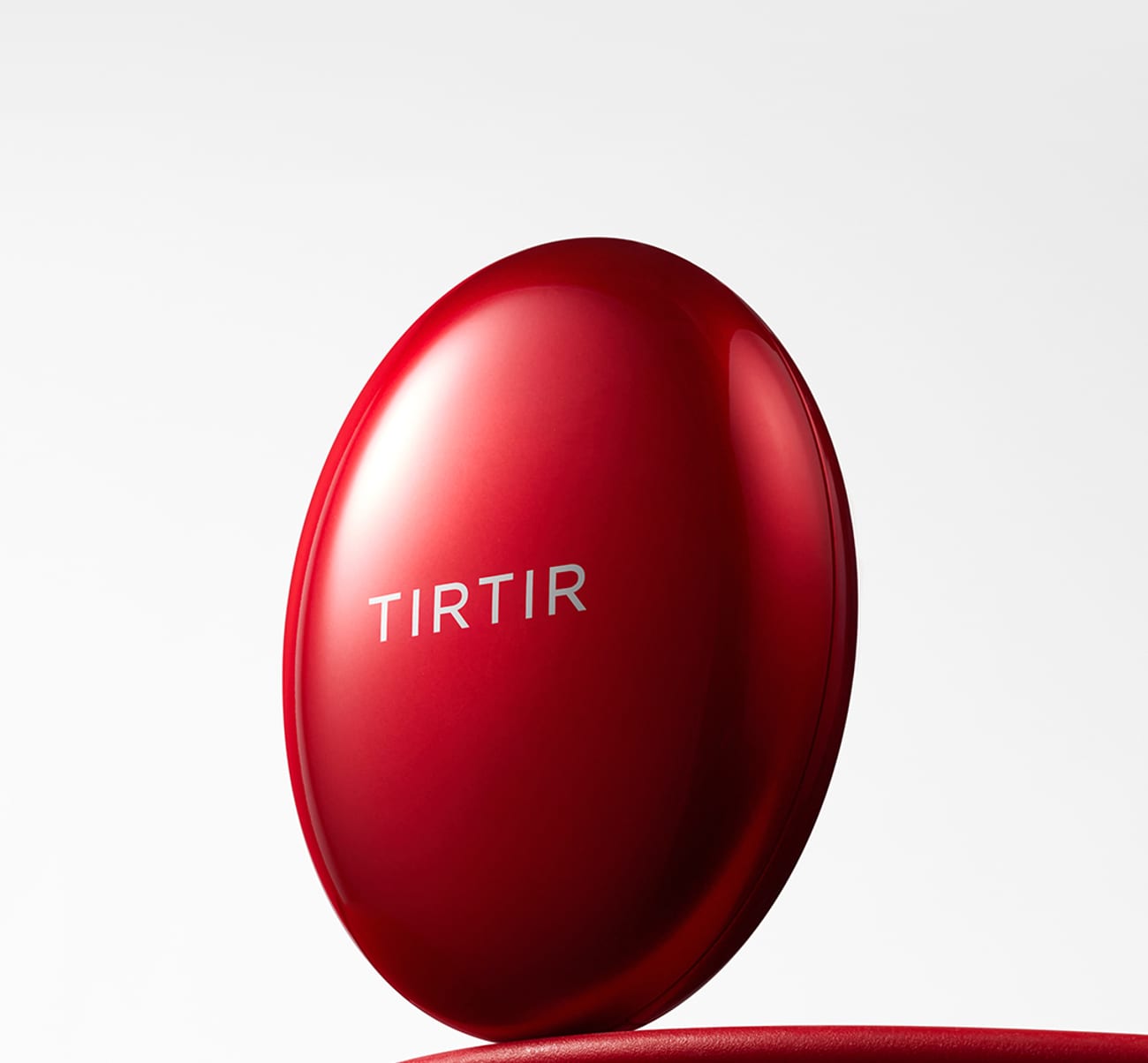
Korean Cushion Shades: 17, 21, 23, and the 45-Shade Change
TIRTIR now sells 45 cushion shades in Korea, from 10C to 55N — the old 17/21/23 ladder is no longer the whole story. What the numbers mean, what cushions cost in won, why the refill is half price, and how to test before you buy.