Round Lab Dokdo Toner: Korea's Six-Time No.1 Toner Is Named After a Date
Korea's best-selling toner is named after a date.
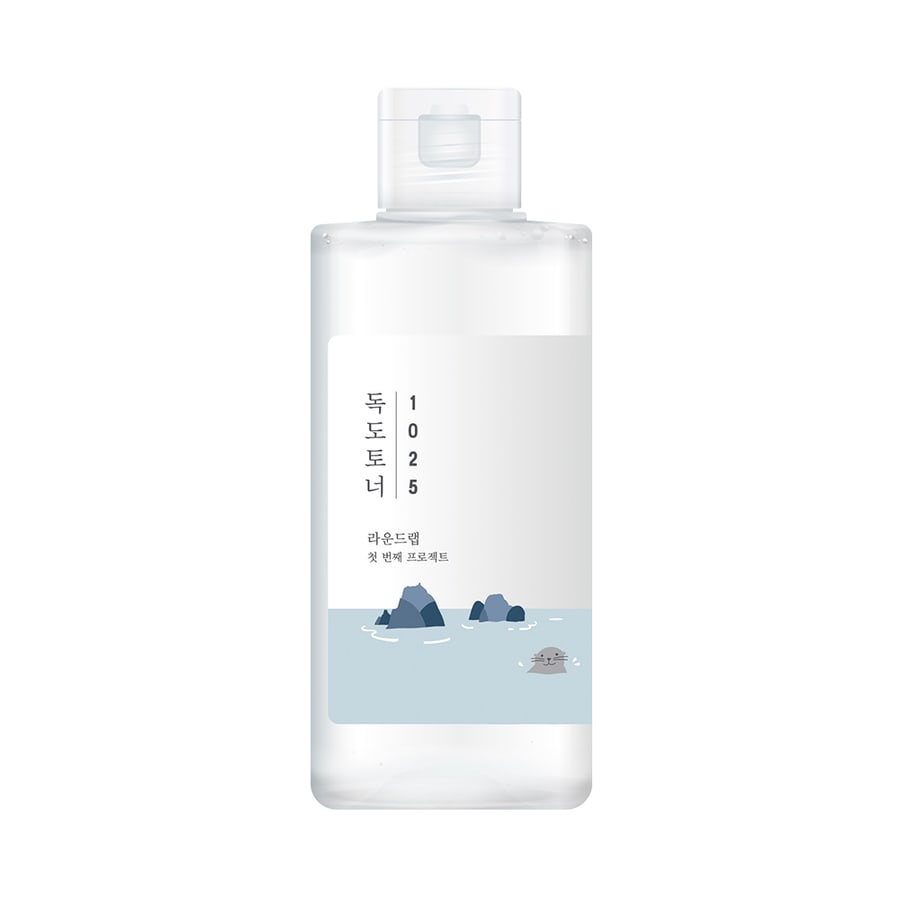
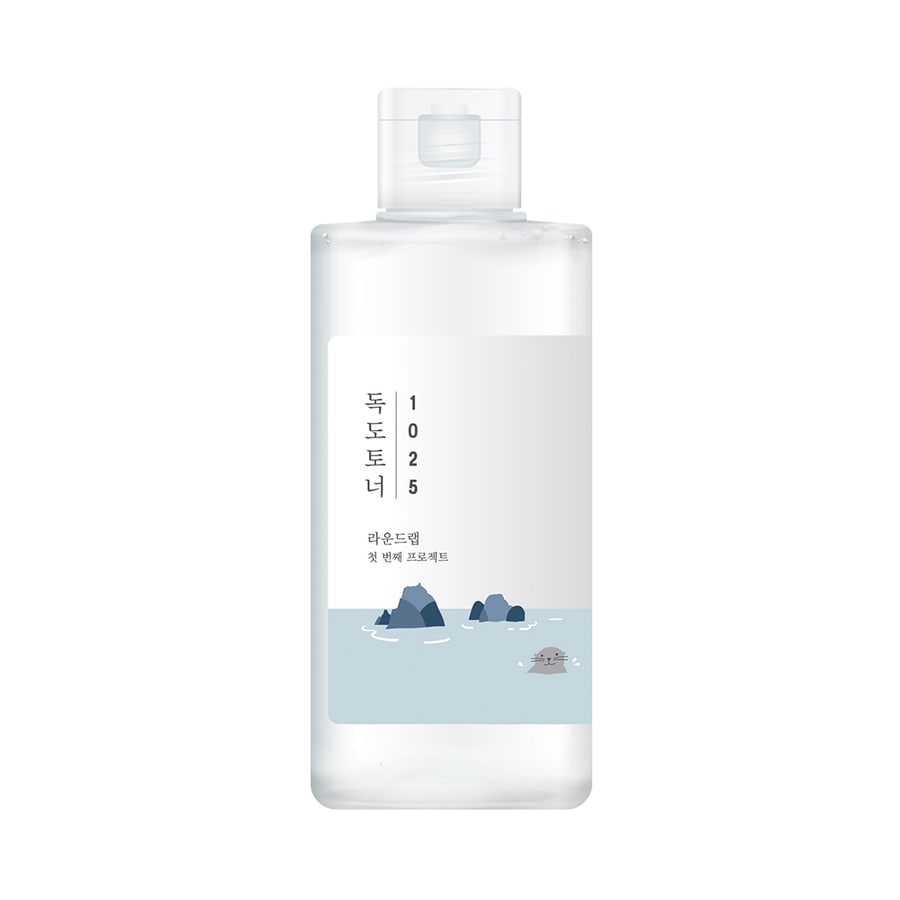
The 1025 on the bottle of 라운드랩 1025 독도 토너 (Round Lab 1025 Dokdo Toner) is October 25 — 독도의 날, Dokdo Day — and the label's little ink drawing is the islets themselves. The water inside is drawn from the deep sea off 울릉도 (Ulleungdo), the island next door. It is the rare skincare product whose entire identity — name, number, artwork, water source — is a map reference.
It is also, more practically, the toner that has won Olive Young's toner category six years running, built a company from ₩36 billion to ₩116 billion in revenue in four years with essentially no advertising, and was just bought — by the company behind Beauty of Joseon — for around ₩600 billion. This is the fourth stop in our K-beauty product series: what the bottle actually does, the quiet-growth story, the acquisition wave it just joined, and who should pick the other toner instead.
| Question | Short answer |
|---|---|
| What is it | A watery daily toner — gentle exfoliation plus mineral-rich deep-sea water |
| The name | 1025 = October 25, Dokdo Day; the label art is the islets; the water is from Ulleungdo |
| Who makes it | Round Lab (Seorin Company, founded 2017) — grown on reviews, not ads |
| The record | Olive Young Awards toner category #1, six consecutive years through 2025 |
| The twist | Acquired ~100% for about ₩600 billion by Goodai Global — Beauty of Joseon's company — closing 2025 |
| Korea price | 200ml refill around ₩10,900–11,900; bundles cycle constantly — August 2026 |
| US availability | Amazon: 200ml and 500ml, sets with the lotion and cleanser; discounts routine |
| Skip it if | You want active-strength exfoliation or the calming-first route — see below |
Dokdo Toner 100ml — on AmazonAffiliate link. As an Amazon Associate, EpicKor earns from qualifying purchases at no extra cost to you.
The Name, Briefly and Honestly
For readers outside Korea: 독도 (Dokdo) is a pair of small islets in the East Sea that Korea administers and holds with deep national attachment (Japan also claims them, as Takeshima — a long-running dispute this skincare article will not adjudicate). October 25 is Dokdo Day, and naming a mass-market toner 1025 Dokdo — then putting the islets on the label and sourcing the water from neighboring Ulleungdo's deep sea — reads to Korean consumers roughly the way a "Yosemite" outdoor brand reads to Americans, with an extra patriotic charge.
The marketing genius is that the name gave an unadvertised product a story people repeat — exactly what you need when your growth plan is word of mouth. Which was, literally, the plan.
What It Actually Does
Strip the geography off and the formula is a low-irritation daily reset toner: watery texture, mild exfoliation that clears dead surface cells without the sting of an acid product, and mineral content from deep-sea water doing light hydration work. It is fragrance-free and built for sensitive skin — the reviews that made it famous are overwhelmingly from people whose skin tolerates very little.
The honest placement, in the now-familiar frame of this series: this is maintenance, not treatment. It will not resurface like a real acid, brighten like vitamin C, or calm a flare like heartleaf. What it does is make the rest of a routine work better — a clean, non-greasy first layer that most skin types can use twice a day indefinitely. Korean users treat it as the neutral default toner: the one you use when you want your toner to do its quiet job and get out of the way.
The toner decision, since we now cover three: reactive, flushed skin → Anua's heartleaf. Dry, tight skin wanting a hydration layer → Torriden's Dive-In (a serum, but it occupies the same slot). Normal-to-oily skin wanting daily freshness and mild turnover → this one. One is enough.
The Company: Growth With No Megaphone
Round Lab is the brand of 서린컴퍼니 (Seorin Company), founded in 2017 by co-CEOs 이영학 and 정서린. The Dokdo Toner's rise is the industry's favorite case study in unpaid growth: no celebrity, no TV, early years with barely any marketing spend at all — just review platforms doing the talking, then the 2019 Olive Young shelf placement that lit the fuse.
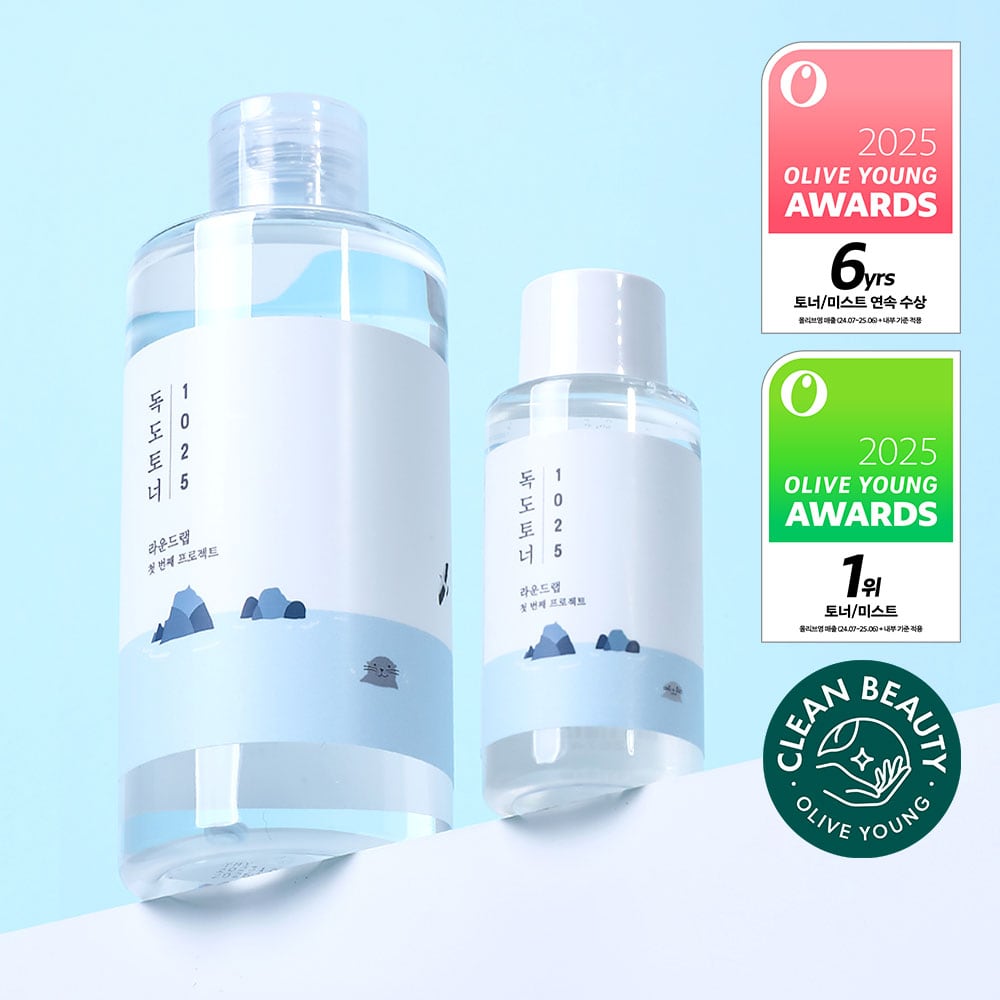
The numbers after that: revenue of ₩36.4 billion in 2020 → ₩53 billion → ₩57.2 billion → ₩115.6 billion in 2023, with Olive Young alone worth over ₩100 billion a year. And the streak that defines the brand: first place in Olive Young's toner category six consecutive years through the 2025 awards — the longest-running category lock in the awards, worn as a badge on the product cards themselves.
The ₩600 Billion Twist
Here is the part that connects three articles on this site. In 2025, Goodai Global — the company behind Beauty of Joseon — signed to acquire 100 percent of Seorin Company for a price reported at just over ₩600 billion, with the deal closing that August, financed with acquisition loans and convertible bonds.
Zoom out and the pattern is unmistakable: Amorepacific bought COSRX for ₩935 billion; Goodai — itself an indie-turned-empire — is now rolling up Round Lab while Korean coverage openly debates whether it is building "Korea's L'Oréal." The era of the independent K-beauty hit brand is consolidating in real time. For a buyer, nothing in the bottle changes; for anyone reading K-beauty as an industry, the indie shelf you discovered five years ago is quietly becoming three holding companies.
As an Amazon Associate, EpicKor may earn from qualifying purchases at no extra cost to you. The entry bottle is the Dokdo Toner 100ml on Amazon US (the 200ml listing currently has no in-stock offer); daily users graduate to the 500ml, which is the best per-ml buy in the line — this is a toner people pour, not drop. If you are building the routine from zero, the toner + lotion duo is the pairing the brand designed together.
See Dokdo Toner 100ml on AmazonHow Koreans Actually Use It
Poured, not dropped. The 500ml size exists because Korean users soak a cotton pad or pour it into palms twice daily — it is a volume product, closer to a liquid cleanser step than a precious serum.
The 닦토 (wipe-toner) habit. Applied on a pad and swept across the face after cleansing, it does a second gentle cleanse plus mild exfoliation — the specific use the formula is built around, and the reason the texture is this thin.
Under everything, morning included. No acid-style photosensitivity concerns at this gentleness; it is a morning product as much as a night one.
Paired with its own lotion. The Dokdo line's lotion is the standard seal; the duo exists because the two were formulated as a set.
The Other Round Lab Bottle Everyone Asks About
Round Lab's second pillar is the 자작나무 수분 선크림 — Birch Juice Moisturizing Sunscreen — and its search results carry a telling phrase: "korean version." Buyers have noticed that the bottle sold on US shelves is not identical to the one sold in Seoul, and they hunt specifically for the Korean original.
The reason is not quality games — it is law. US sunscreen rules restrict which UV filters may be sold, so the American-market version is reformulated around the FDA's approved list, while the Korean version keeps the newer filter set Korean formulas are famous for. It is the exact regulatory gap our Korean sunscreen deep-dive explains, playing out on one product's label — and why "korean version" became a search term at all. If SPF is what brought you to Round Lab, read that piece first; our seven-pick sunscreen guide then covers where the Birch Juice line fits.
Who Should Skip It
- Anyone wanting visible exfoliation. This is maintenance-grade turnover. If you want glow-by-Friday, you want a real acid product used deliberately — different tool.
- The redness-first face. Calming is heartleaf's lane; the Dokdo Toner is neutral, not soothing-specialized.
- Fragrance lovers, again. Like the rest of this series' minimalists, it smells of nothing by design.
- Anyone who already owns a daily toner they like. The differences between good mild toners are small; the switch is rarely worth it mid-bottle.
The three-toner decision in one line each: Dokdo for the neutral daily reset, Anua heartleaf when redness is the complaint, and Torriden Dive-In when dryness is. Pick by your skin's loudest complaint; owning all three solves nothing twice. EpicKor may earn from qualifying purchases at no extra cost to you.
See Dokdo on AmazonFAQ
Q: What does 1025 mean on the Round Lab Dokdo Toner?
October 25 — Dokdo Day in Korea. The toner is named for the Dokdo islets, carries a small drawing of them on the label, and uses deep-sea water drawn near neighboring Ulleungdo. The number is a date, not a formula code.
Q: What does the Dokdo Toner actually do?
It is a low-irritation daily toner: watery, fragrance-free, mildly exfoliating, with mineral-rich deep-sea water for light hydration. It maintains clear, smooth skin rather than treating anything — no acid-level resurfacing, no brightening, no targeted calming.
Q: Is Round Lab still an independent brand?
No. Seorin Company, Round Lab's operator, was acquired — 100 percent, for a reported price just over ₩600 billion — by Goodai Global, the company behind Beauty of Joseon, in a deal that closed in 2025. The formula and lineup continue unchanged; the ownership joined K-beauty's consolidation wave alongside Amorepacific's COSRX purchase.
Q: How much is the Dokdo Toner in Korea?
As of August 2026, the 200ml refill pack sells around ₩10,900–11,900, and Olive Young cycles bundle promotions on the 200ml and 500ml constantly — it is one of the chain's permanent flagship deals. On Amazon US the 200ml and 500ml list with routine discounts; check current prices rather than assuming.
Q: Dokdo Toner vs Anua Heartleaf Toner — which one?
Pick by complaint. Dokdo is the neutral daily-reset toner: mild exfoliation, no specialization, suits nearly everyone. Heartleaf is the calming specialist for red, reactive skin. If your skin is uncomplicated, Dokdo; if it flushes and stings, heartleaf.
Q: Why did the Dokdo Toner win so many Olive Young awards?
Six straight toner-category wins through 2025, and the boring answer is the honest one: it is inoffensive in the best sense — cheap enough to repurchase, gentle enough for the most sensitive reviewers, effective enough to notice. Products with no dealbreakers win longevity contests, and awards streaks are longevity contests.
Sources Checked
- Korean coverage of Round Lab / Seorin Company: the 2017 founding by co-CEOs Lee Young-hak and Jung Seo-rin, word-of-mouth growth into the 2019 Olive Young entry, and revenue of ₩36.4bn (2020) → ₩115.6bn (2023) — Yakup's hit-product analysis, CJ Newsroom on the ₩100bn Olive Young channel milestone
- The awards streak: toner-category first place five consecutive years through 2024 per Sisa Magazine, extended to six through the 2025 awards per the brand's own current Olive Young product cards and 2025-awards community coverage
- The acquisition: Goodai Global's definitive agreement for 100% of Seorin Company at a reported low-₩600bn price, August 2025 closing, financed via acquisition loans and convertible bonds — Invest Chosun, Cos'in Korea
- Olive Young listings for current Korean pricing (200ml refill ₩10,900–11,900) and the product imagery used here, checked August 2026; Amazon US listings for the 200ml/500ml and sets
You Might Also Like
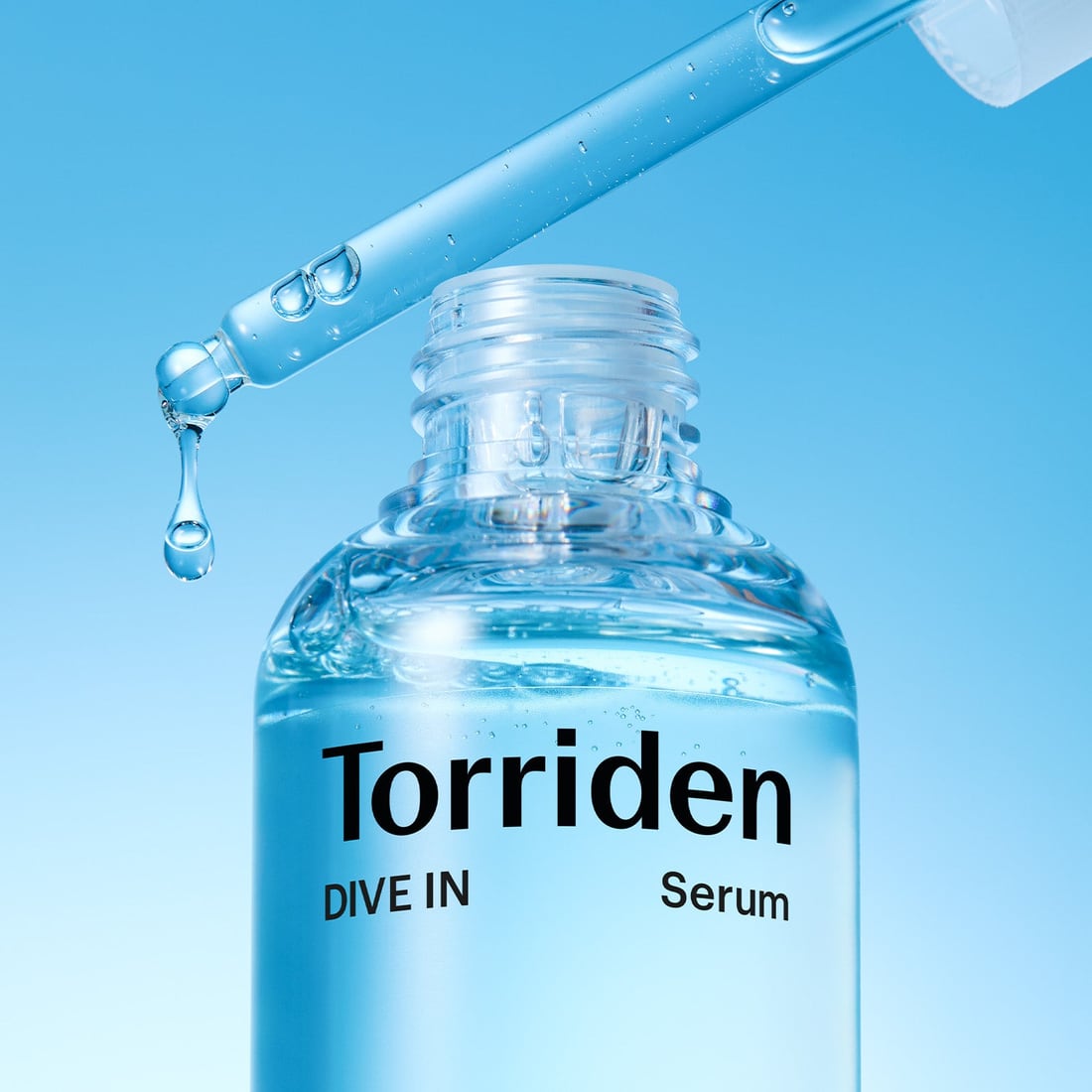
Torriden Dive-In Serum: Korea's Most-Awarded Hydrator, Explained Honestly
Thirteen million bottles, four straight Olive Young awards, and a formula built by leaving things out. What low-molecular hyaluronic acid actually does, what Koreans pay versus you, and who should skip the most-awarded serum in Korea.
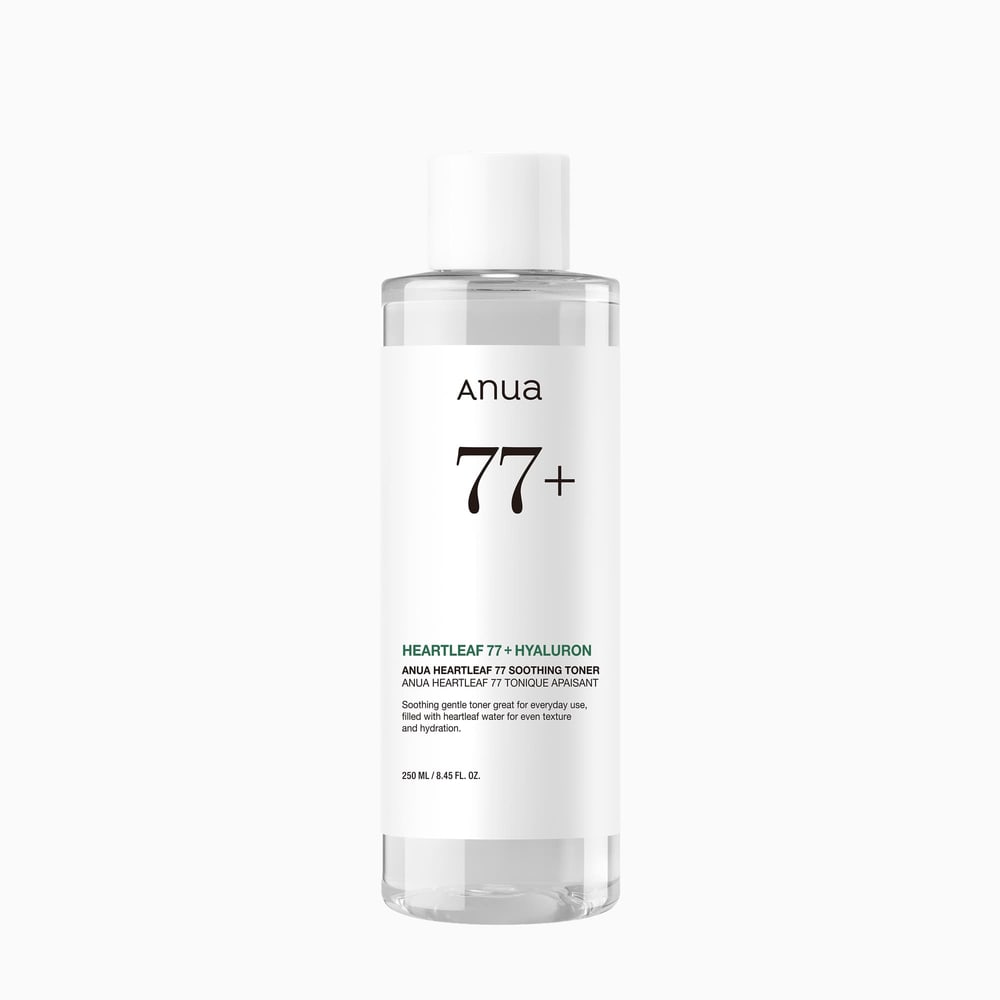
Anua Heartleaf 77 Toner: The Korean Weed That Smells Like Fish and Topped Amazon
The toner filling American shelves is 77% extract of a Korean herb whose name means fish-smell grass. What heartleaf actually is, the two Seoul National University classmates behind Anua, real prices in Korea and the US, and who should skip it.
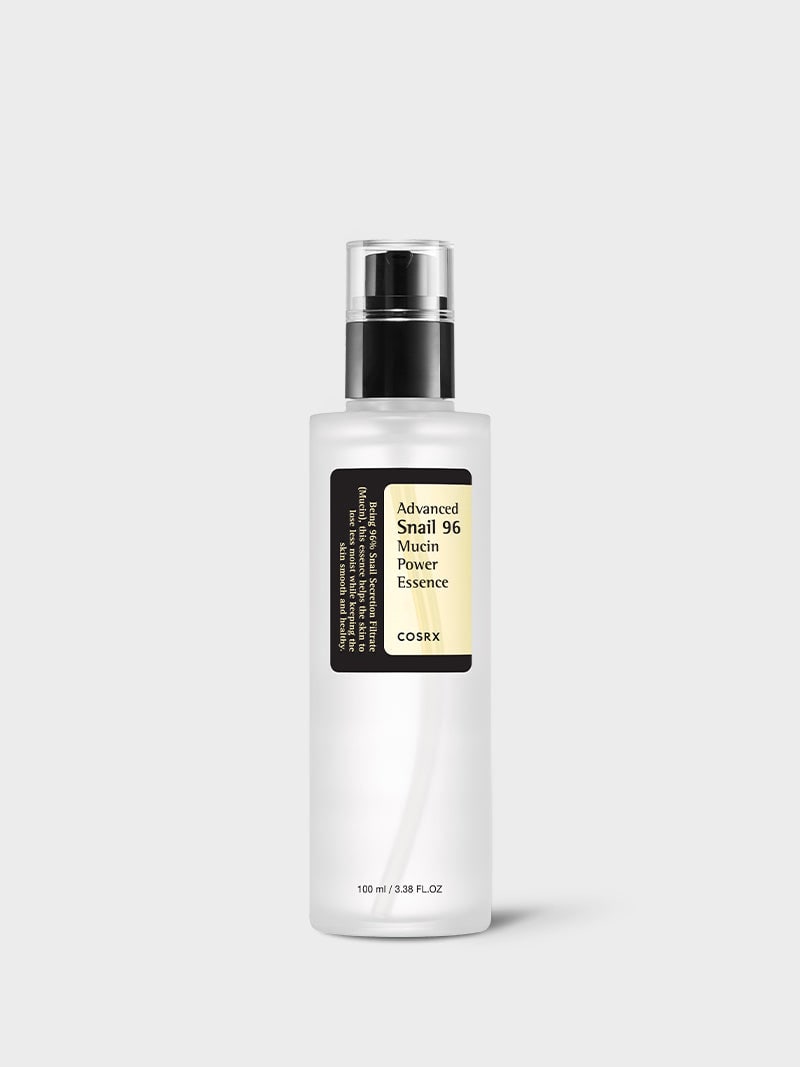
COSRX Snail Mucin: The Korean Essence That Tops Amazon, Explained Honestly
The best-selling Korean beauty product on Amazon is 96% snail secretion. What the number on the bottle really means, how the mucin is actually collected, what Koreans pay versus what you pay, and who should skip it.