Korean Concert Sing-Alongs: Ttechang, Fan Chants, and Noraebang
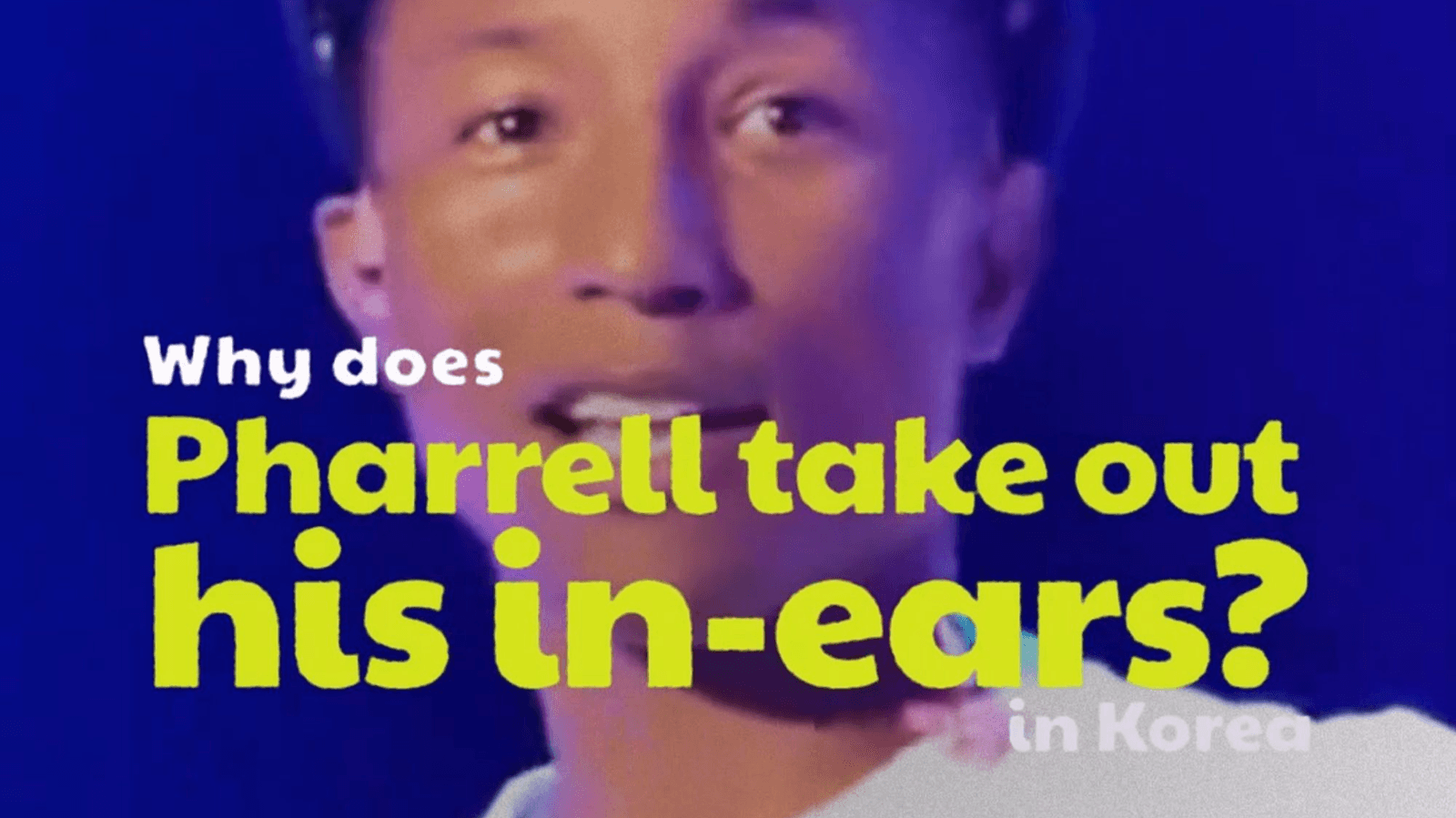
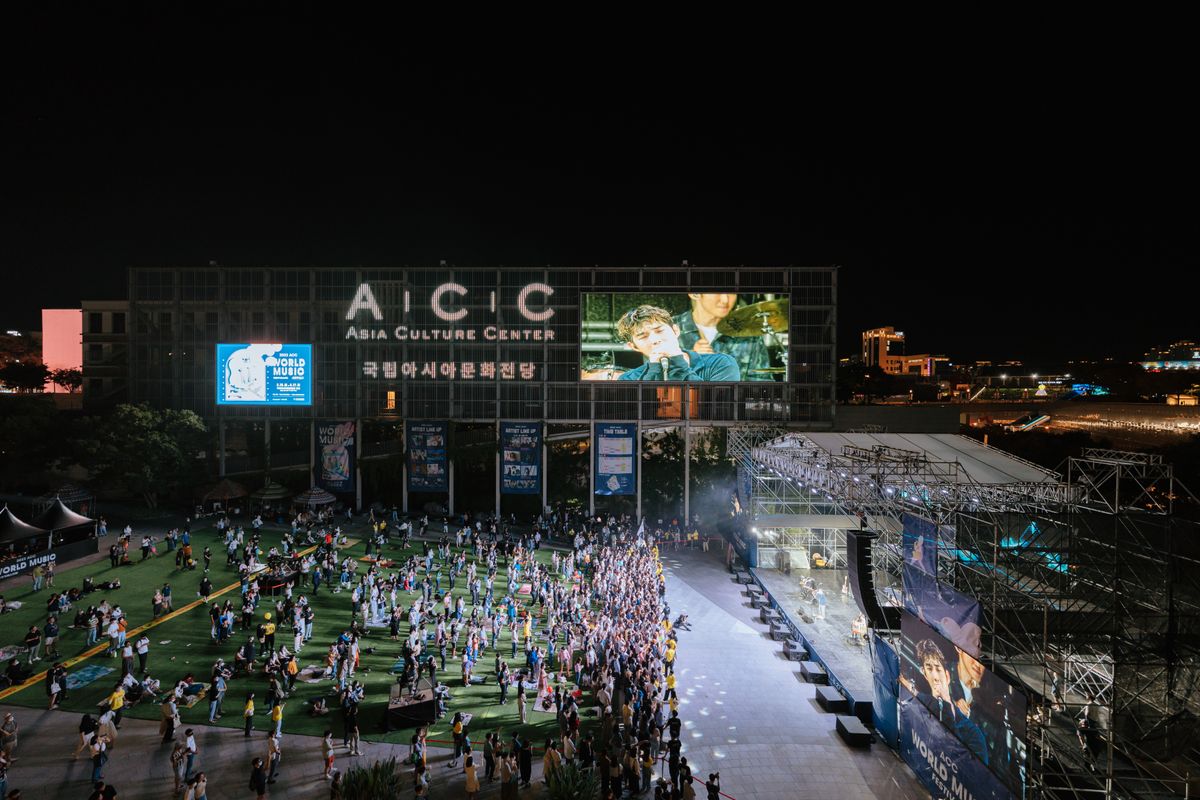
At some Korean concerts, the crowd does not only cheer. It sings. Sometimes a chorus, sometimes a fan chant, sometimes a whole section of a song arrives back at the artist in one giant voice. In Korean, people often call this ttechang: mass sing-along or group singing.
The clips can look magical. A global artist stops singing and the Seoul crowd carries the melody. A K-pop fandom chants names at exact beats. A light-stick ocean changes color while thousands of people know when to shout and when to listen.
But this guide starts with one important correction: ttechang is not automatic at every Korean show. It depends on the song, artist, fandom, venue, fan preparation, ticket audience, sound mix, and moment. The best way to understand it is not "Koreans are naturally louder." It is that Korea has many social habits that make shared singing feel familiar.
| Concert behavior | What it means | Who leads it | Visitor note |
|---|---|---|---|
| Ttechang | Mass sing-along | Audience, often around familiar choruses | Join if you know it; do not force it |
| Fan chant | Planned shouted lines or names | Fandom and artist-side guides | Learn in advance for K-pop shows |
| Light-stick ocean | Coordinated lights and fandom identity | Official light sticks, venue systems, fans | Use official gear when required |
| Noraebang habit | Private-room singing culture | Friend groups, coworkers, students | Explains why casual singing feels normal |
Portable karaoke microphones — compare on AmazonAffiliate link. As an Amazon Associate, EpicKor earns from qualifying purchases at no extra cost to you.
What does ttechang mean?
Ttechang is commonly used for a crowd singing together. It combines the idea of a group or crowd with singing. It is close to "sing-along," but in concert context it often implies a large audience moving as one voice.
Because the term is casual and internet-friendly, do not treat it like a formal musicology category. It is better understood as a fan-culture word: useful, emotional, and scene-specific.
Korean dictionary resources define the broader verb hapchanghada as many people singing together in unison or chorus. Ttechang is the more colloquial fan/concert version people reach for when a crowd sings together loudly.
Fan chants are different from sing-alongs
A sing-along follows the song. A fan chant is often a planned response inside the song. K-pop fandoms may prepare member names, short phrases, rhythmic shouts, or call-and-response sections. These can be posted before concerts, practiced online, and repeated across music shows or tour stops.
The difference matters for visitors. If you only know the chorus, you can still enjoy a sing-along. But if you want to join a fan chant, you may need to learn the exact timing. Shouting the wrong phrase at the wrong moment can feel awkward, especially in a fandom that has practiced.
That organization is part of what makes Korean concerts feel intense. The audience is not always spontaneous. Sometimes it is prepared.
Noraebang makes singing socially normal
Korea.net and Visit Seoul both describe noraebang as Korean singing rooms: private spaces where groups sing with screens, microphones, sofas, and friends rather than a bar full of strangers. Visit Seoul frames noraebang as a gratifying, cathartic activity after dinner, and Korea.net's noraebang features emphasize private-room singing as a social experience.
This does not mean every Korean is a great singer. It means group singing has a familiar social container. People have experienced taking turns, laughing through bad notes, cheering friends, reading lyrics, and letting a song carry the room.
That background can make concert participation feel less strange. If singing with friends is normal after dinner, singing with thousands of fans at a concert can feel like a larger version of a familiar release.
Practice without pressure: As an Amazon Associate, EpicKor may earn from qualifying purchases. If this makes noraebang culture click, compare portable karaoke microphones for casual sing-along practice at home.
Why artists react so strongly in Seoul
Artists often respond emotionally when a crowd sings back clearly because it changes the job. The performer is no longer pushing sound into a passive room. The room answers. For a singer, that can feel like proof that the song arrived, crossed language, and became shared memory.
In Korea, this can be especially striking for foreign artists whose songs are not in Korean. When a crowd sings English, Japanese, or another language together, the artist sees preparation and attachment. For Korean artists, a fan chant can show that the fandom is organized, loyal, and listening closely.
Still, avoid ranking audiences by nationality. A great sing-along can happen in many countries. Korea's version is distinctive because it combines fandom organization, noraebang familiarity, K-pop performance culture, and careful venue etiquette.
Light sticks and visual coordination
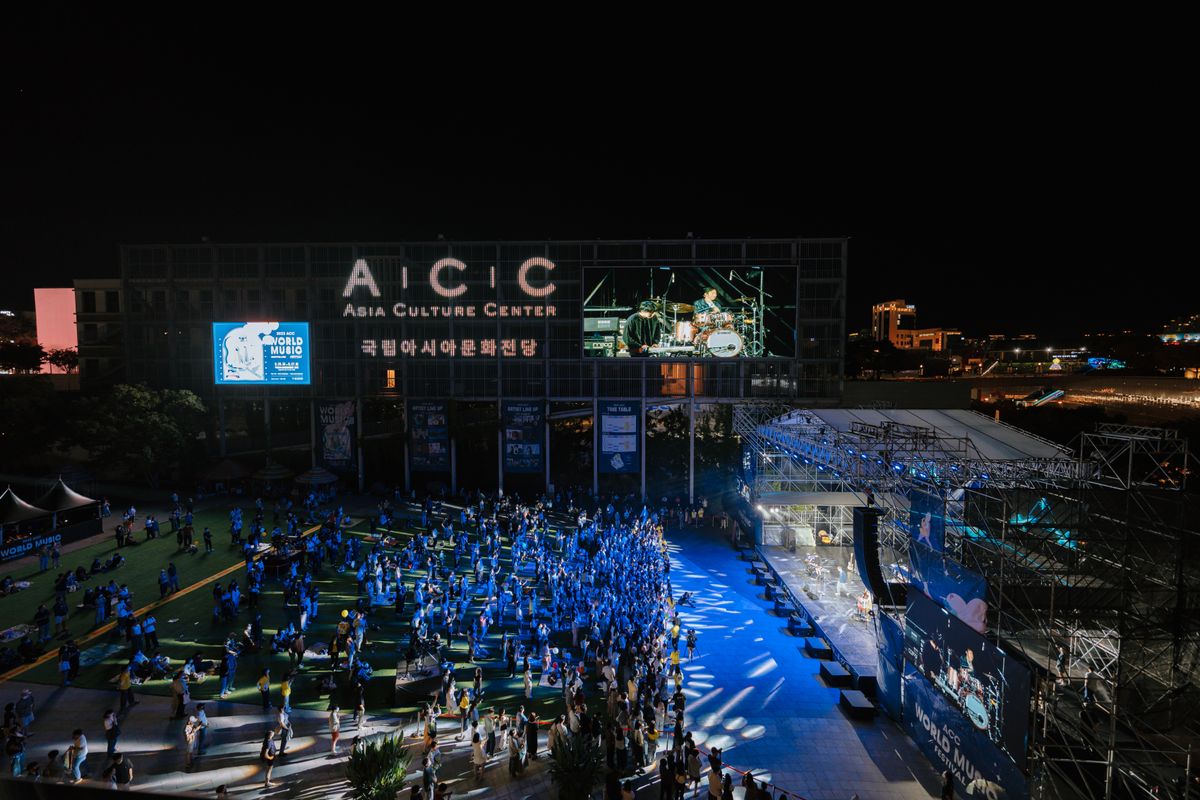
K-pop concerts are not only sound. Official light sticks, banners, slogans, dress codes, birthday events, and fan projects can turn the audience into a visual layer of the show. Korea.net's BTS fan-customs article describes fans discussing etiquette and fan events, including rules around light sticks, banners, and timing.
That organization can make the venue feel polished. It can also make first-timers nervous. The good news is that you do not need to perform fandom perfectly. If you are respectful, follow venue rules, and avoid blocking people, you are already doing most of the work.
For a broader Korean music context, read EpicKor's Korean karaoke hits guide, summer K-pop guide, and samulnori and nongak guide.
Etiquette: when to sing and when to listen
The hardest part is knowing when participation helps. At K-pop shows, fan chants may be expected during certain songs. At ballad concerts, too much singing can bother people who came to hear the artist. At foreign-artist concerts, a chorus sing-along may feel beautiful, while shouting through a quiet verse may feel rude.
Watch the crowd and the artist. If the singer points the mic to the audience, that is an invitation. If the room gets quiet for an emotional verse, listen. If everyone sits, do not block views by standing alone. If light sticks are synced, follow official instructions. If filming is restricted, do not film.
| Moment | Usually okay | Be careful with | Why |
|---|---|---|---|
| Big chorus | Singing along | Screaming over the melody | The artist may invite crowd voice |
| Ballad verse | Listening quietly | Full-volume singing | People came to hear the vocal |
| Fan chant section | Joining if you know timing | Random shouting | Prepared chants have structure |
| Encore | Cheering and singing | Pushing, blocking, filming violations | Energy still needs manners |
How to prepare for a Korean concert
First, check the venue rules. Korea's major concert venues may have strict rules on bags, cameras, banners, slogans, food, filming, standing, entry time, and official merchandise. If the concert uses official light-stick syncing, set it up before the show rather than in the dark.
Second, learn the key songs. You do not need the entire discography. Learn the chorus of the biggest songs, the encore favorite, and any official fan chant if the fandom has one. If lyrics are in Korean, romanization can help, but learning Hangeul makes the experience smoother.
Third, plan the exit. Concert-end transit in Seoul can be crowded. Charge your phone, know the nearest subway station, and decide where to meet friends if you get separated.
What first-time visitors misunderstand
The first misunderstanding is that louder is always better. Korean concert crowds can be loud, but they can also be extremely controlled. At some shows, sitting, synchronized light sticks, and careful timing are part of the experience. If everyone around you is listening, do not turn your own excitement into a private performance.
The second misunderstanding is that fan rules are silly. Some rules exist because a concert is a shared sightline problem. A banner held too high blocks the person behind you. A light stick above your head can ruin a video or view. A phone screen at eye level can irritate a whole row. Korean fans often talk about these details before a show because they want the room to work.
The third misunderstanding is that you must know everything. You do not. A respectful first-timer can have a great night by learning three songs, following the nearest section's energy, and treating the fandom as a host culture rather than a test.
Concert-night kit: Compare K-pop and K-drama fan goods, small clear pouches, and simple concert accessories before buying random unofficial items outside a venue.
Ttechang is a relationship, not a trick
The most moving sing-alongs happen when a song already belongs to the room. The audience knows the timing. The artist trusts the crowd. The venue lets the sound bloom. The moment feels earned.
That is why ttechang cannot be manufactured by shouting louder. It comes from memory, fandom, repetition, and permission. When it works, it is one of the clearest examples of why Korean concert culture feels participatory rather than passive.
Related EpicKor guides
For nearby music and fandom context, read EpicKor's Korean karaoke hits guide, summer K-pop guide, Korean hip-hop and Show Me The Money guide, and Korean cinema guide. If you are visiting for a show, pair this with the Seoul subway etiquette guide and Korea travel apps guide.
Sources and further reading
- National Institute of Korean Language basic dictionary: hapchanghada.
- Korea.net: Singin' in the room noraebang nights.
- Korea.net: Noraebang experience.
- Visit Seoul: Noraebang singing room guide.
- Korea.net: BTS fan customs and concert etiquette.
- KOCCA Library: 2024 Music Industry White Paper listing.
FAQ
Q: What does ttechang mean? A: Ttechang usually means a mass sing-along, especially when a concert crowd sings part of a song together loudly and clearly.
Q: Is ttechang the same as a fan chant? A: No. Ttechang follows the song as group singing. A fan chant is often a planned shouted response with exact timing.
Q: Do Korean audiences sing at every concert? A: No. It depends on the artist, song, fandom, venue, and moment. Some concerts encourage singing; others reward quieter listening.
Q: Why is noraebang relevant to concert culture? A: Noraebang makes group singing socially familiar. It does not create every concert sing-along, but it helps explain why casual singing together feels normal.
Q: Should foreigners join Korean fan chants? A: Yes, if you learn the timing and follow the crowd. If you do not know the chant, listening and cheering respectfully is fine.
Q: What should I bring to a K-pop concert in Korea? A: Bring your ticket, ID if required, charged phone, venue-approved bag, water if allowed, official light stick if you have one, and a transport plan for after the show.
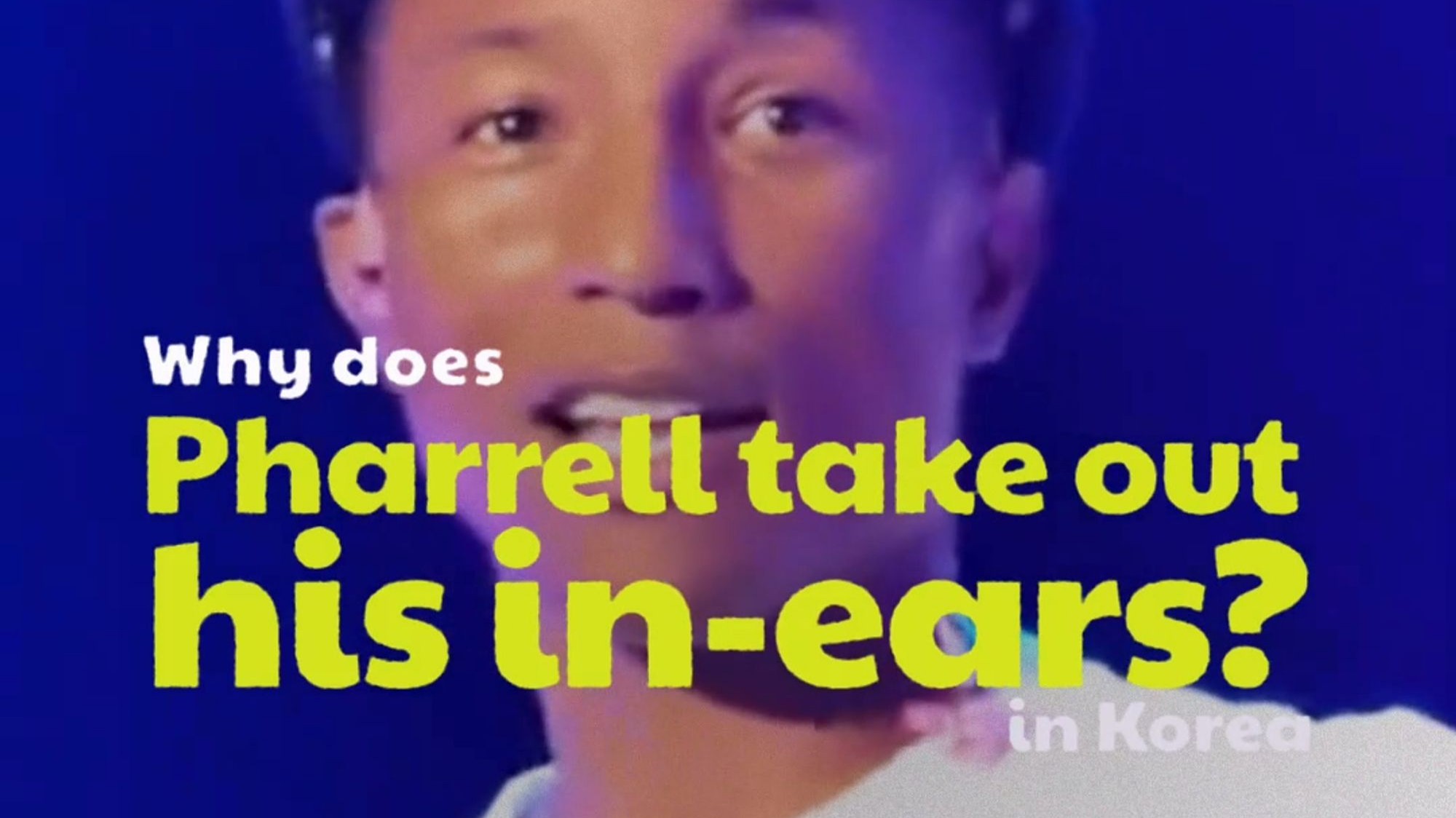
Video insight: The ttechang phenomenon
You Might Also Like
Beatpella House: How a Korean Beatbox Crew Reached 7.7 Million Subscribers
Beatpella House formed in October 2022 and has since posted around 2,668 videos to roughly 5.9 billion views. Four of the five are competitive beatbox champions. Here is who they actually are, how the format works, and where to start watching.
K-Pop Merch in Korea: Lightsticks, Photocards, and Pop-Up Stores
A practical guide to buying K-pop merchandise in Korea, including official lightsticks, photocards, pop-ups, prices, and authenticity checks.
Korean Modern Art: The Painters Whose Work Now Sells for Millions
Meet the Korean modern painters whose work now sells for millions at auction, why the market is booming, and exactly where to see the real thing in Korea.