Seoul Hanok Experience Guide 2026: Bukchon and Seochon
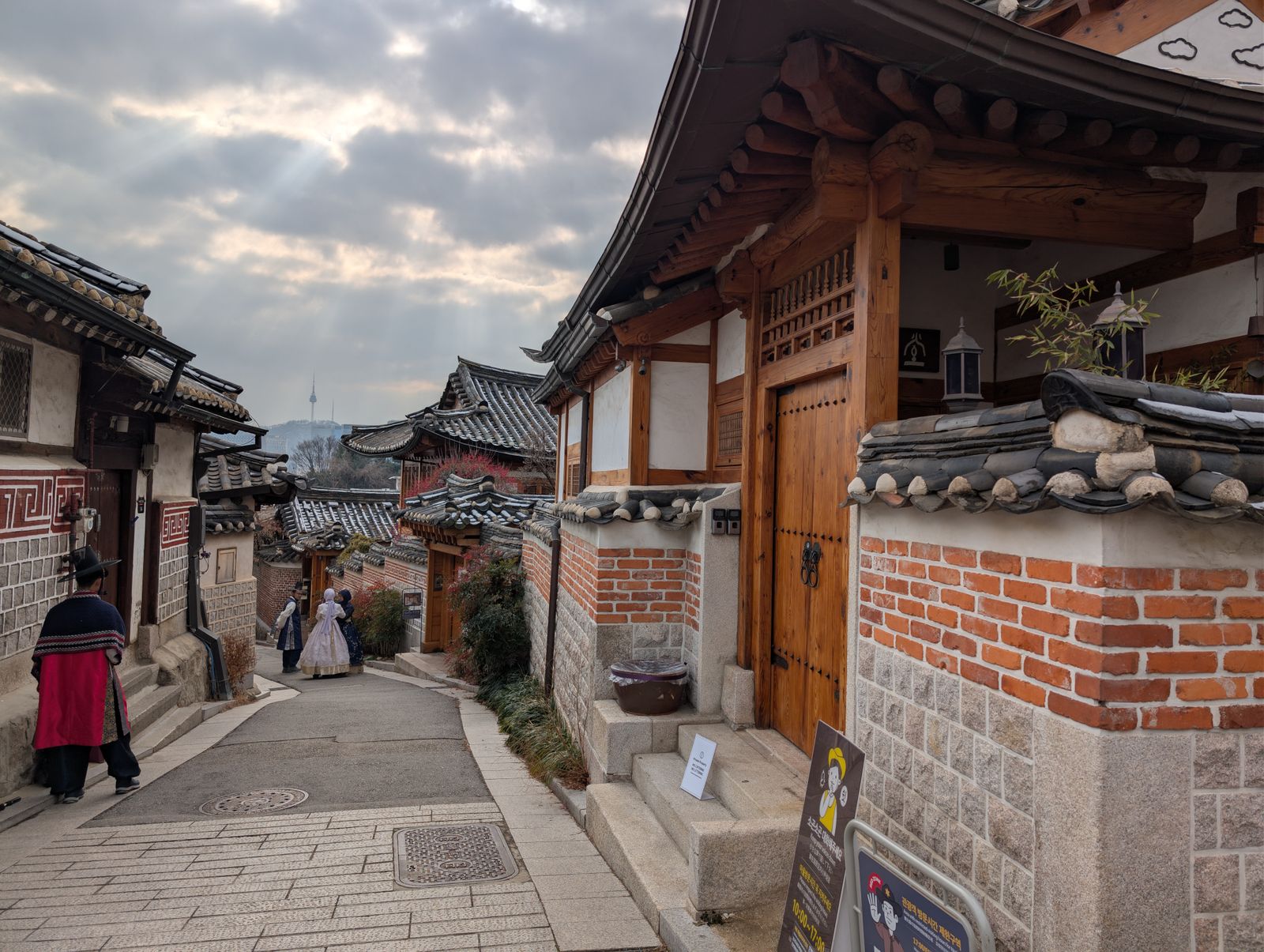
A Seoul hanok experience should be more than walking up one crowded Bukchon lane, taking a roof photo, and leaving. The city now operates public hanoks with craft, tea, exhibition, music, wellness, wedding, and seasonal programs. Seochon offers a lower-key neighborhood route. Bukchon remains visually dramatic, but part of it is a regulated residential zone with restricted tourist hours.
In July 2026, the Seoul Metropolitan Government announced expanded public-hanok programming for the second half of the year. The schedule includes summer and early-autumn activities such as hanok camps, craft walks, yoga, and toenmaru veranda concerts, followed by Seoul Hanok Week from October 2 to 11. Programs, capacity, languages, and reservation methods vary, so the Seoul Hanok Portal is the final operational source.
This guide helps you choose the right district and activity, understand the Bukchon restriction, and build a half-day that supports residents and craftspeople instead of treating a living neighborhood as a movie set. If hanok makes you curious about Korean home aesthetics beyond travel, EpicKor's K-living warm minimalism guide translates floor culture, light, storage, and hanok principles into small-space decor choices.
Quick Answer: Bukchon or Seochon?
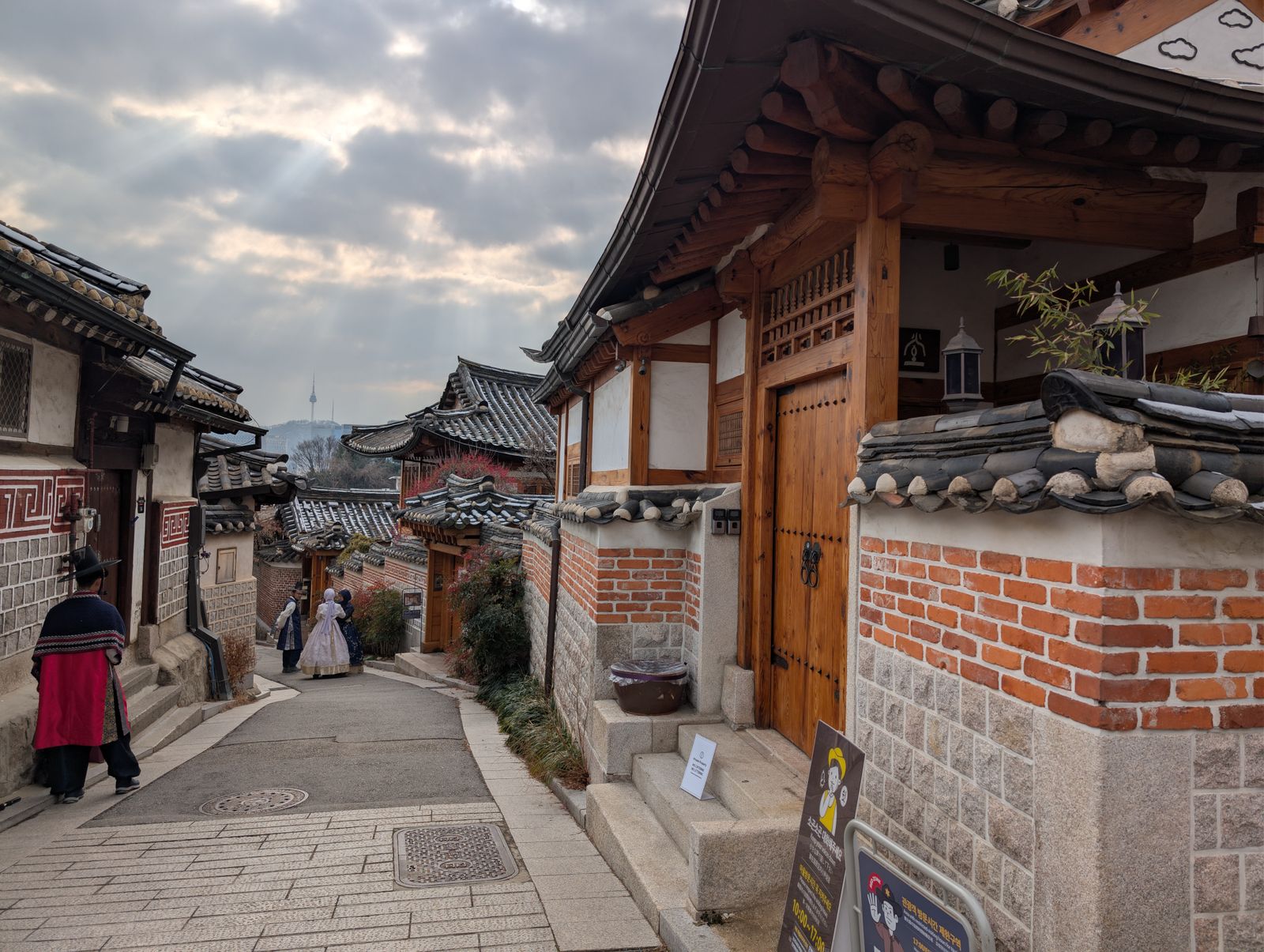
Choose Bukchon for the densest concentration of traditional rooflines, public hanoks, craft spaces, and a route between Gyeongbokgung and Changdeokgung. Choose Seochon for a softer mix of hanok alleys, independent shops, food, galleries, and access west of Gyeongbokgung. Choose Ikseon-dong if cafes and adaptive reuse matter more than quiet residential heritage, but expect commercial crowds.
The best first plan is not to "cover" all three. Pick one district, reserve one meaningful indoor activity, add one tea or meal stop, and leave time for an unhurried walk.
| Area | Best For | Main Trade-off | Good Pairing |
|---|---|---|---|
| Bukchon | Classic roof views, public hanoks, crafts | Residential restrictions and crowd pressure | Changdeokgung or Anguk |
| Seochon | Neighborhood pace, galleries, food, low-rise lanes | Less concentrated postcard scenery | Gyeongbokgung or Tongin Market |
| Ikseon-dong | Hanok cafes, restaurants, evening atmosphere | Highly commercial and busy | Jongmyo or Insadong |
| Public hanok program | Craft, tea, music, learning | Dates and reservations are specific | One nearby neighborhood only |
Inside the Korean House — a photo book on how today's hanoks are built and lived inAffiliate link. As an Amazon Associate, EpicKor earns from qualifying purchases at no extra cost to you.
The Bukchon Access Rule You Must Know
Bukchon is not an open-air museum. People sleep, work, raise children, receive deliveries, and manage old buildings there. Seoul designated a special management area after prolonged overtourism pressure.
In the red zone around Bukchon-ro 11-gil, tourist visits are restricted from 5 p.m. to 10 a.m. The city notice states that a KRW 100,000 fine has been enforceable since March 1, 2025, subject to the official zone and exceptions. Separate restrictions apply to chartered buses in designated areas, with enforcement beginning in 2026.
Do not interpret 10 a.m. as an invitation for a group to wait at the boundary and rush in. Visit during permitted hours, speak quietly, keep doorways clear, avoid photographing inside windows, and follow signs that close a lane or viewpoint. A guesthouse booking, business visit, or official program may have different access arrangements; follow the host's instructions rather than assuming tourist access.
What Counts as a Real Hanok Experience?
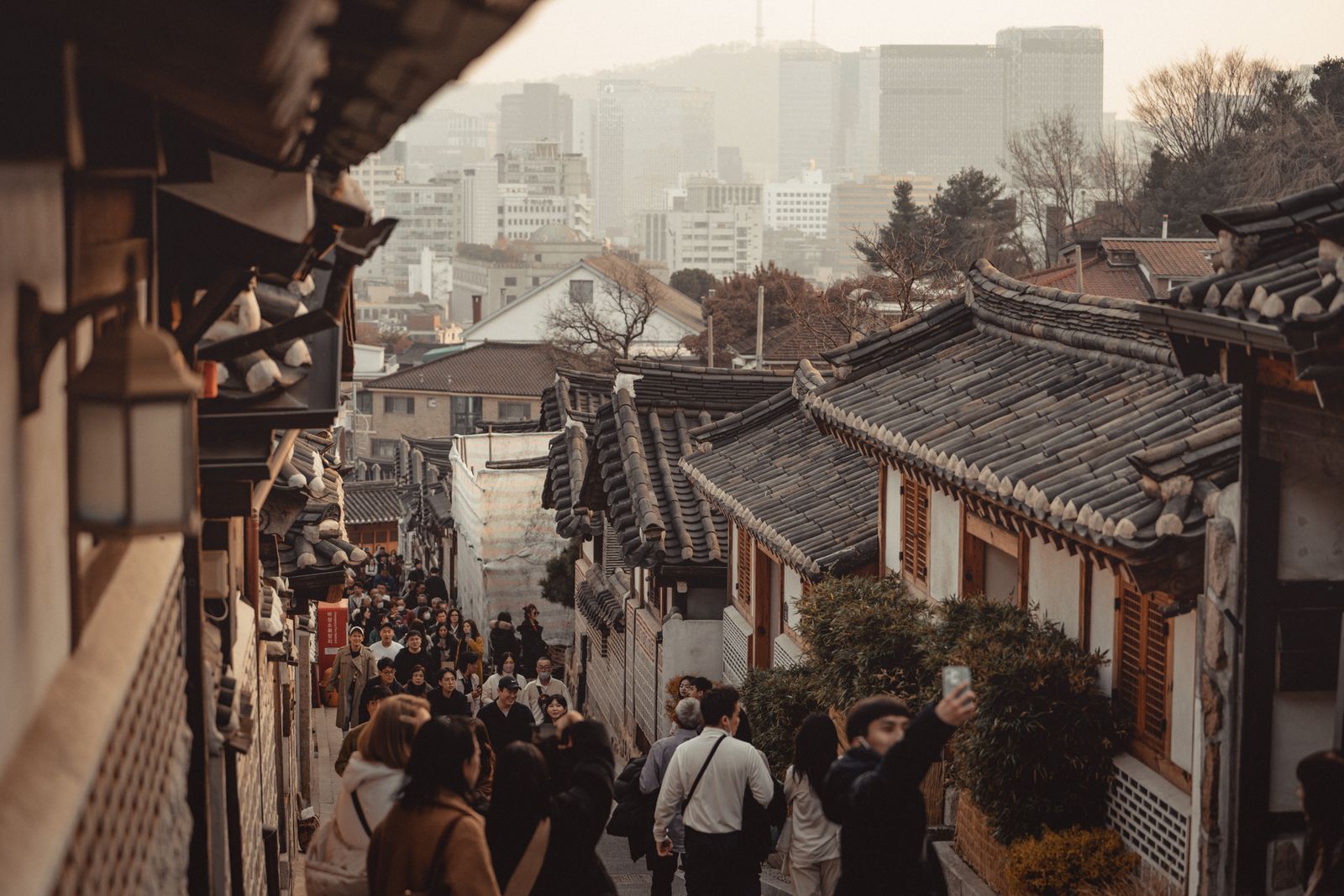
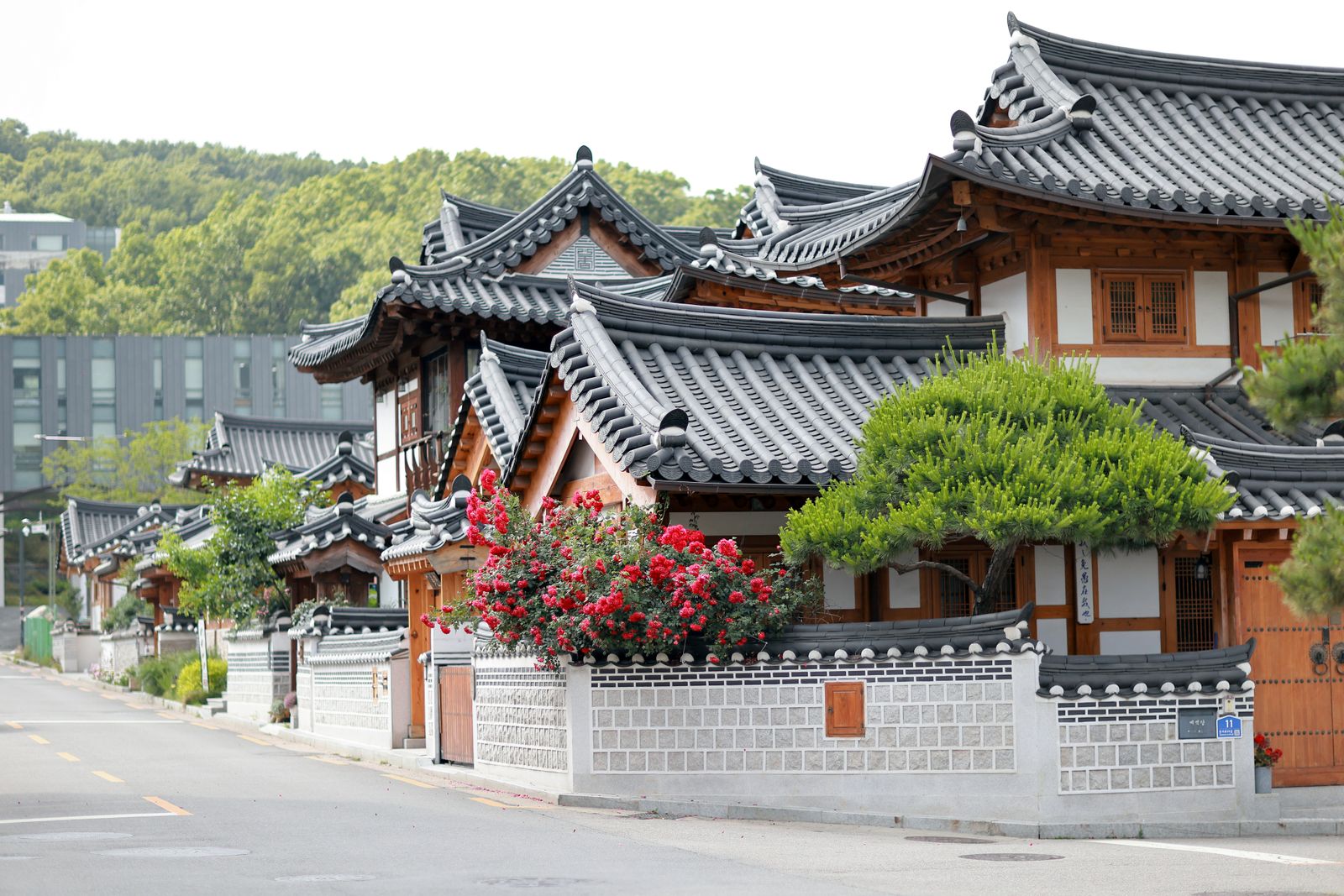
Hanok is a broad architectural tradition, not one frozen floor plan. Common elements include timber structure, tiled or thatched roofs, courtyards, raised wooden floors, papered doors, and rooms historically organized around seasonal comfort. Buildings in Seoul have been repaired, reconstructed, adapted, commercialized, or newly built using traditional principles to different degrees.
You do not need to authenticate every beam before entering. Ask what the program reveals. A craft workshop can connect material, hand skill, and contemporary use. A tea session can explain hosting and room layout. A guided architecture walk can show roof pitch, courtyard orientation, threshold, and the relationship between heated ondol rooms and ventilated wooden floors.
The weakest experience is often the one designed only as a backdrop. Wearing hanbok and taking photos can be enjoyable, but add one activity that helps you understand what the building does.
Public Hanoks and 2026 Seasonal Programs
Seoul's public hanok network includes cultural spaces in Bukchon and Seochon. The city's July 7, 2026 announcement describes expanded second-half programming, including overnight-style hanok camps, craft walks, yoga, and small concerts on toenmaru, the narrow wooden veranda connecting rooms and courtyard.
The same announcement schedules 2026 Seoul Hanok Week for October 2??1. Treat those dates as a citywide program window, not a guarantee that every venue is open every day. Individual events can require applications, have age limits, or operate only in Korean.
Use the Seoul Hanok Portal for the current calendar and application link. If the page is only in Korean, browser translation can help with discovery, but confirm payment, cancellation, and participant requirements before submitting.
Keep the neighborhood walk practical: As an Amazon Associate, EpicKor may earn from qualifying purchases. Compare compact Korea travel essentials such as a quiet day bag, refillable bottle, and small power bank; Bukchon's hills and reserved programs reward carrying less.
Five Hanok Activities Worth Reserving
1. Traditional Craft Workshop
Public hanoks and neighborhood studios may offer knotting, embroidery, dyeing, paper craft, lacquer, decorative painting, incense, or small wood projects. The exact calendar changes. Choose a class where the maker explains the material and where your finished object can travel safely.
Avoid booking two workshops back-to-back across Seoul. Finishing, cleanup, photos, and questions often take longer than the advertised making time.
2. Tea in a Hanok
A tea house provides the easiest indoor experience without a large commitment. Look for a place that explains the tea rather than selling only the room. Ask whether floor seating is required; many renovated hanoks also offer chairs.
Order at a pace that respects the business. One inexpensive drink does not reserve a prime room for a two-hour photo session. Our Korean tea and grain drinks guide can help you distinguish barley tea, corn tea, jujube tea, and other cafe choices.
3. Architecture or Neighborhood Walk
A good guide points out details you would otherwise miss: courtyard drainage, roof-end tiles, wooden joinery, gates, changes in elevation, fire-safety interventions, and the difference between a residence and a commercial reconstruction. Small groups are better in narrow residential lanes.
4. Summer Night or Veranda Program
The appeal of an evening hanok is real: cooler air, courtyard shadows, and a more intimate soundscape. But do not enter Bukchon's restricted residential red zone after 5 p.m. Attend only an official program at its designated venue and follow its access route.
Seoul's 2026 second-half plan includes toenmaru concerts and seasonal activities. Tickets and times are not interchangeable with ordinary neighborhood access.
5. Hanok Stay
A stay reveals morning light, floor-level living, shoe removal, courtyard sound, and the practical compromises of historic buildings. Check private bathroom availability, bed versus floor bedding, luggage access, sound insulation, stairs, climate control, and late-arrival rules.
Do not assume "traditional" means uncomfortable or that renovation makes the building inauthentic. The right question is whether the listing explains what is original, restored, or modernized.
A Respectful Half-Day Bukchon Route
Start after 10 a.m. near Anguk Station. Visit a reserved public-hanok or craft program first, when timing is fixed. Walk through permitted streets without chasing every viral viewpoint. Stop for lunch or tea near the commercial edges, then continue toward Changdeokgung, Insadong, or the Korean Temple Food Center.
Leave the residential red zone well before 5 p.m. If your evening plan is an authorized hanok event, use the venue's instructions. Otherwise move to Insadong, Jongno, or Ikseon-dong, where evening commerce is expected.
This route prioritizes one participation point over dozens of photos. It also reduces backtracking on steep lanes.
If you want a full traditional-city contrast rather than another Seoul neighborhood, the Jeonju day-trip guide builds a KTX-based route around Jeonju Hanok Village, bibimbap, and Nambu Market.
A Slower Seochon Route
Begin with Gyeongbokgung, then exit toward Seochon. Choose a small gallery, bookshop, studio, or hanok program and continue toward Tongin Market. The neighborhood mixes old and new buildings, so the value is the urban texture rather than an uninterrupted traditional vista.
Seochon works well for travelers who dislike photo crowds. It also rewards repeat visits because workshops and exhibitions change. Check opening days: independent spaces often close one weekday and may open later than major attractions.
Weather, Clothing, and Accessibility
Seoul summer is hot, humid, and storm-prone. Hanok courtyards and wooden verandas can become slippery. Wear stable shoes, carry water, and use a compact umbrella without opening it in a crowded doorway. Winter brings cold stone, icy slopes, and large temperature shifts between heated rooms and outdoor courtyards.
Hanbok rental is optional. If you rent, choose a length that allows safe steps and confirm return time before reserving another program. Do not enter private courtyards because the outfit makes a photo look "traditional."
Historic thresholds, floor seating, uneven stones, and narrow bathrooms can create access barriers. Contact the venue about step-free entry, chair seating, accessible toilets, and drop-off points. "Renovated" does not automatically mean accessible.
Prepare for a long outdoor route: Compare compact travel umbrellas by closed length, wind resistance, and wet-storage sleeve. In a hanok lane, a small umbrella you can close quickly is more useful than a wide model that blocks others.
See compact travel umbrellas on AmazonBooking Checklist
| Check | Why It Matters | Best Source |
|---|---|---|
| Date and start time | Seasonal programs may run once | Venue or Seoul Hanok Portal |
| Language | Hands-on instruction may be Korean-only | Program application page |
| Access zone | Bukchon red-zone hours are enforced | Seoul city notice and street signs |
| Floor seating | May affect mobility and comfort | Direct venue inquiry |
| Cancellation and rain | Courtyard events can change | Reservation confirmation |
| Photography | Private areas and participants need consent | Host instructions |
FAQ
Q: What time can tourists visit Bukchon Hanok Village?
In the designated red residential zone around Bukchon-ro 11-gil, tourist access is restricted from 5 p.m. to 10 a.m. Check the official map and street signs because the rule applies to a specific management area, not every business in greater Bukchon.
Q: Is Bukchon free?
Walking public streets during permitted hours is generally free, but museums, workshops, rentals, tea houses, and guided programs can charge fees or require reservations.
Q: Is Seochon better than Bukchon?
It depends. Bukchon offers denser classic roof views and more recognizable photo streets. Seochon offers a calmer mix of neighborhood life, independent culture, food, and hanok fragments.
Q: Can I visit a hanok at night in 2026?
Yes, when an official public-hanok program, lodging, restaurant, or other authorized venue permits it. Do not use a night event as permission to enter Bukchon's restricted residential red zone.
Q: Do I need to wear hanbok?
No. Hanbok can be enjoyable for palace and neighborhood photos, but comfortable everyday clothing is completely appropriate for hanok programs.
Q: Where can I find current Seoul hanok events?
Check the Seoul Hanok Portal and the individual venue's official page. The city has announced second-half 2026 programming and Seoul Hanok Week for October 2??1, but individual sessions require separate confirmation.
Official Sources
You Might Also Like
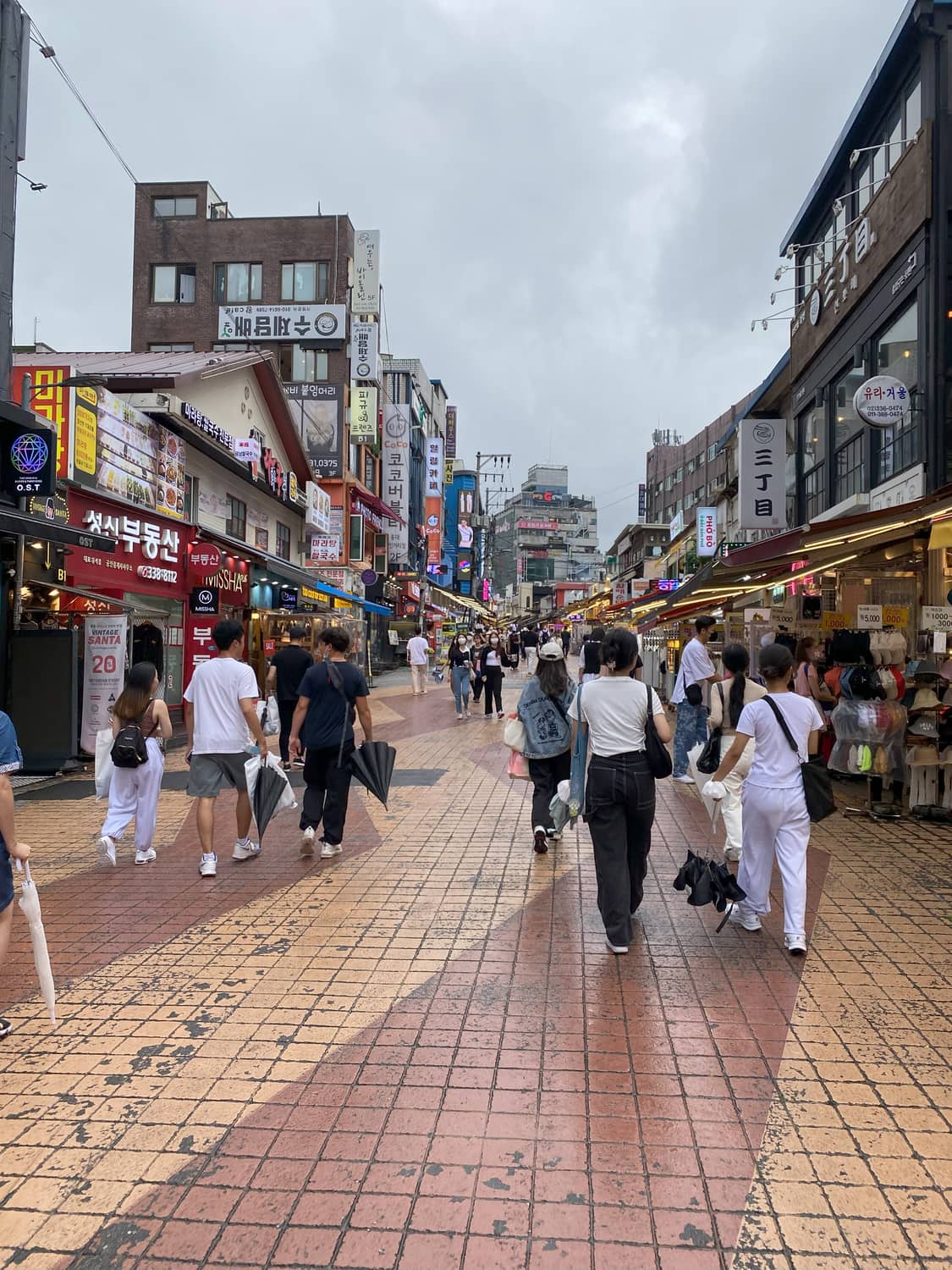
Do Koreans Speak English? Ask Someone Under 35 — What Actually Happens on a Seoul Street
Yes, if you ask the right person. Stop a Korean in their twenties or thirties on a Seoul street and you will almost always get an answer in English. The forum answer that says otherwise is twenty years old. Who to ask, how to ask, where English is built in.
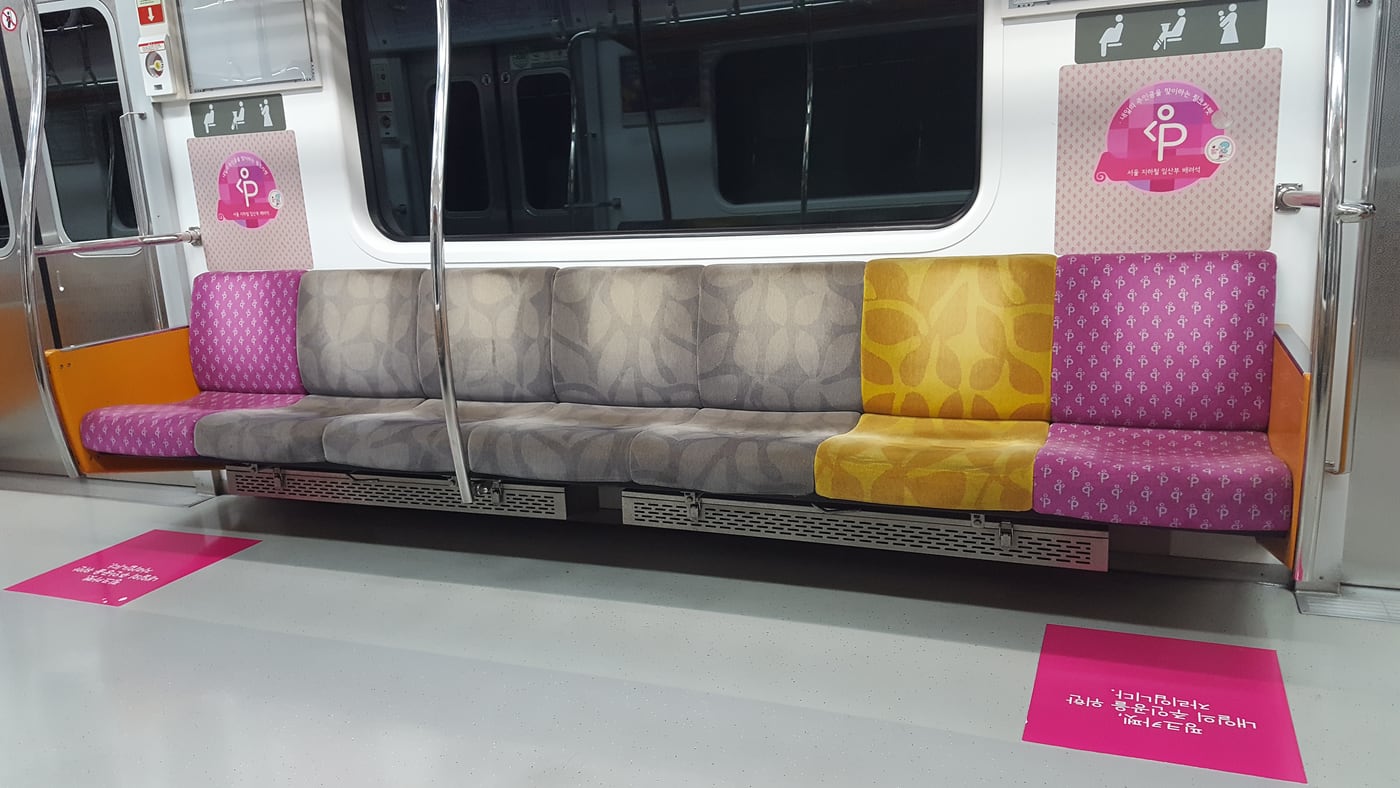
Seoul Deleted Its Women-Only Parking: What Korean Gender Policy Actually Is in 2026
Most English writing on Korean gender policy describes rules that were removed, renamed, or never existed. Seoul scrapped women-only parking in 2023, the ministry was renamed in 2025, and the famous five-point exam bonus went to men and ended in 1999.
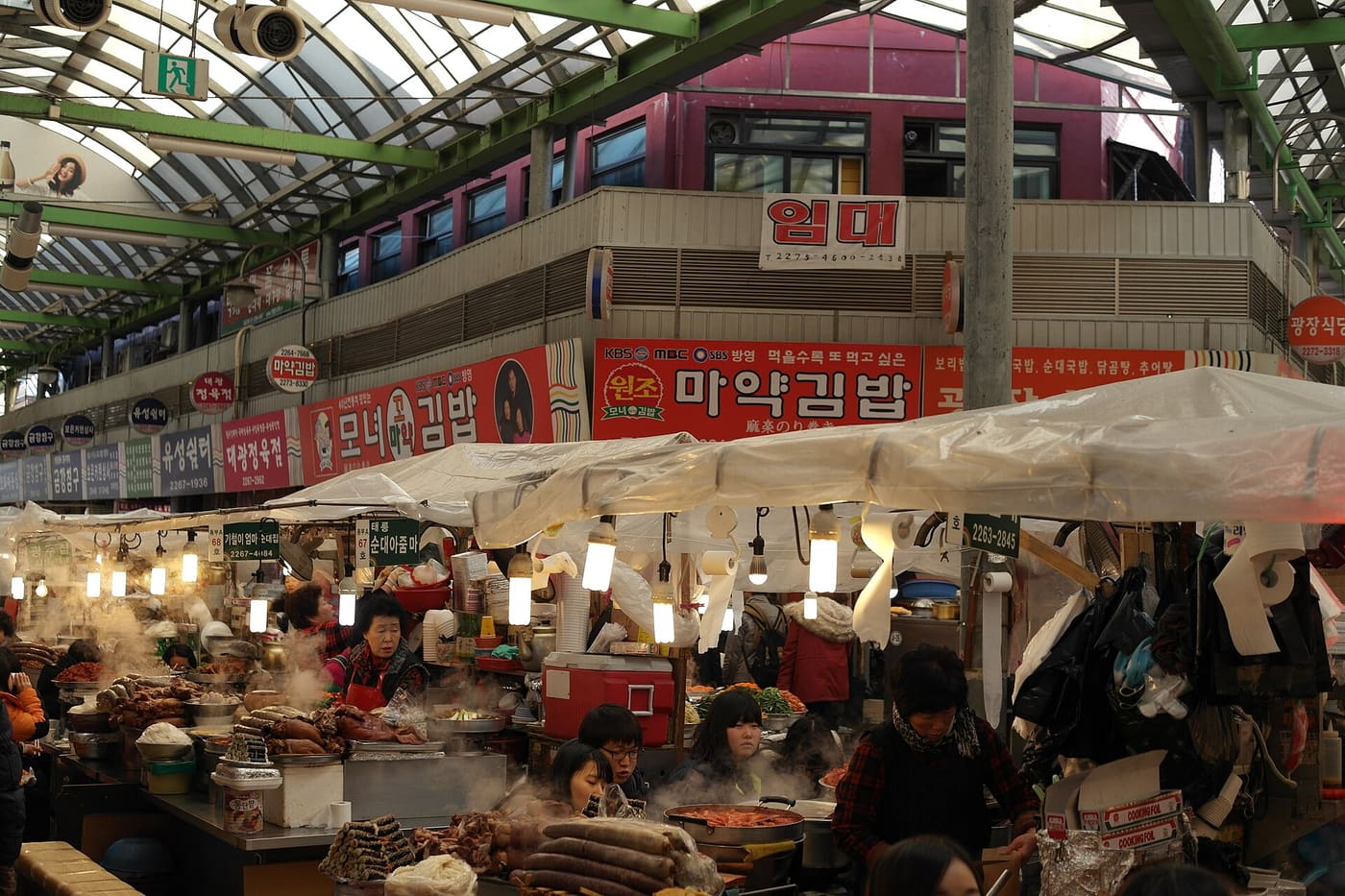
Gwangjang Market's Second Floor: Seoul's Vintage Arcade, and the One Day It's Shut
Everyone knows Gwangjang for the food alley that never closes. Above it is a vintage arcade signed 수입구제 where most items run under ₩20,000 — and it shuts every Sunday, which is exactly when visitors turn up.