Bojagi Wrapping Guide 2026: Korean Fabric Gift Wrap
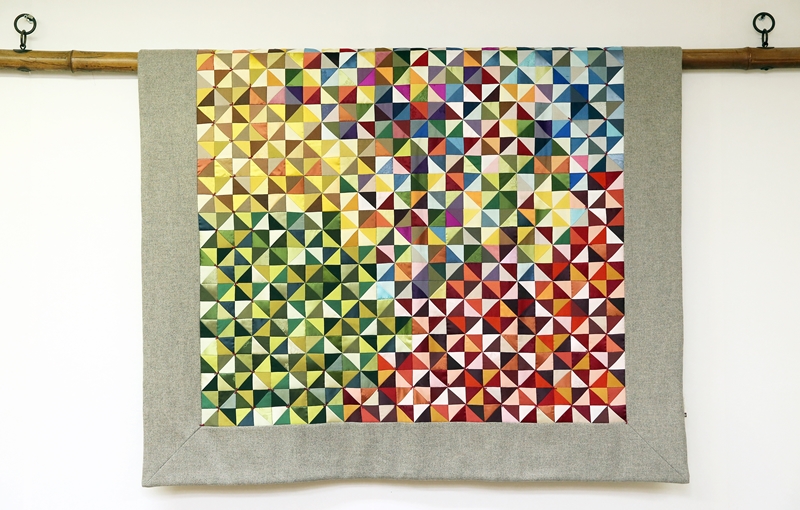
Bojagi is Korean wrapping cloth, but calling it reusable gift wrap only captures one corner of the tradition. A square of fabric can wrap, carry, cover, store, decorate, divide, protect, or present an object. Silk can turn a formal gift into a ceremony. Ramie or hemp can make light part of the design. Cotton can make a practical everyday carrier. Patchwork can turn leftover cloth into an abstract composition.
For a beginner, the useful idea is simple: put an object near the center of a square cloth, bring the corners around it, and tie a secure knot that looks intentional and opens without destroying the wrapping. The deeper idea is that the container is not disposable. The cloth remains an object with another life.
This bojagi wrapping guide explains the main types, a basic box method, fabric and size choices, modern gift uses, care, shopping, and the difference between appreciating a textile and buying a souvenir that only looks traditional.
Quick Answer: What Is Bojagi?
Bojagi, written 보자기 in Korean, is a square wrapping cloth used to cover, carry, store, or present objects. Fabrics can include silk, ramie, hemp, cotton, and modern blends. Some pieces are plain and functional. Others use embroidery, painting, patchwork, lining, tassels, or carefully finished seams.
The English word wrapping can make bojagi sound like a substitute for paper. It is better understood as a flexible object system. The same cloth can become a gift package today, a table cover tomorrow, and a storage wrap later. Historically, use and meaning varied by material, maker, household, class, occasion, and region.
Korea.net's cultural overview describes bojagi as part of daily life and special events, with uses ranging from wrapping food and household objects to gifts and decoration. It notes that the earliest surviving examples are much later than the tradition's proposed ancient origins, so a careful article should separate surviving evidence from broad origin stories.
The Main Bojagi Types You Will Encounter
Names can describe maker, use, decoration, or construction. Shops do not always label products with strict museum terminology, but these categories help you ask better questions.
| Type | Basic Meaning | What to Notice | Modern Use |
|---|---|---|---|
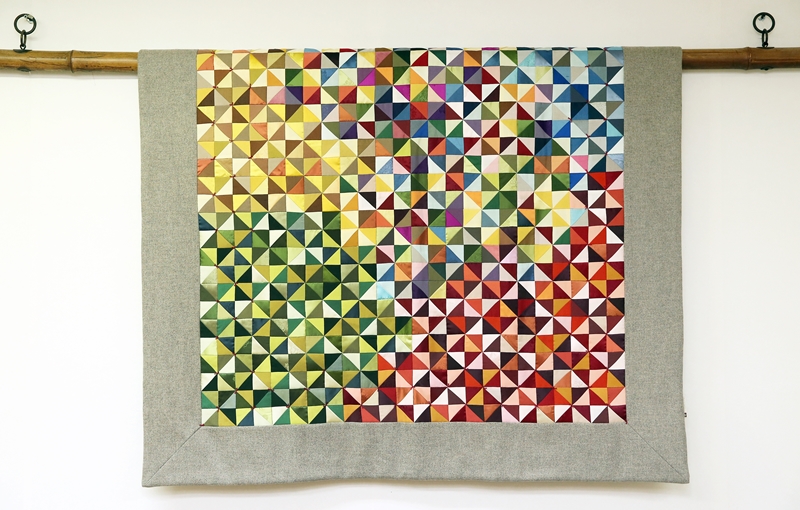
| Jogakbo | Patchwork bojagi assembled from smaller pieces | Seam finish, color rhythm, translucency, front and back | Gift wrap, wall textile, window hanging, table layer |
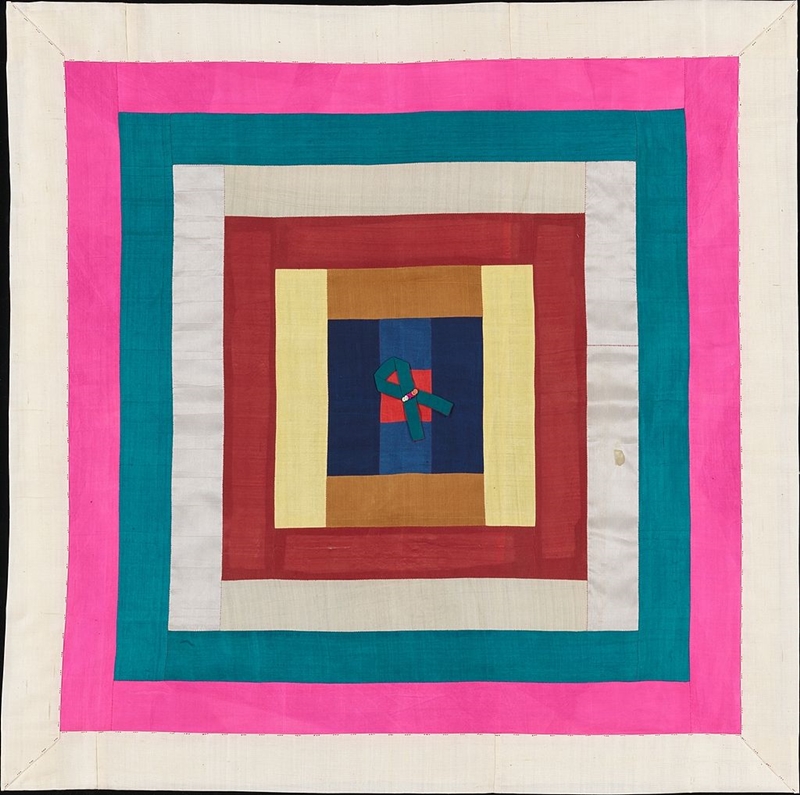
| Subo | Embroidered wrapping cloth | Motifs, stitch work, symbolism, condition | Formal gift or decorative display |
| Sangbo | Cloth used to cover a table or food setting | Breathability, hygiene, washability, size | Table cover or food cover when appropriate |
| Gungbo | Fine court-related or elite-use wrapping cloth | Do not use the term as a generic luxury label | Museum study and historically informed design |
| Minbo | Broadly associated with common household use | Practical construction and everyday function | Daily carrying, storage, and informal wrapping |
| Modern bojagi | Contemporary cloth inspired by the tradition | Maker, origin, fabric content, intended use | Reusable wrapping, fashion, interiors, craft practice |
Seoulful bojagi — a Korean slub wrapping cloth for trying the knots in this guideAffiliate link. As an Amazon Associate, EpicKor earns from qualifying purchases at no extra cost to you.
Why Patchwork Became the International Image of Bojagi
Jogakbo is visually immediate. Uneven rectangles, translucent seams, and unexpected color relationships can look modern even when the construction grows from older household textile practice. The comparison to abstract Western art is common, but it can become lazy if it implies Korean women accidentally invented someone else's modernism.
Read jogakbo on its own terms first: fabric was valuable, remnants could be useful, seams had to survive repeated handling, and the maker made decisions about proportion, color, light, and function. A patchwork cloth is not automatically a poverty story, an environmental slogan, or an anonymous folk object. Its meaning depends on the specific piece.
The National Museum of Korea even holds a Goryeo celadon maebyeong with an inlaid design inspired by wrapping cloth placed over a vessel. That object shows how the soft form and visual idea of bojagi could move into another medium.
Choosing the Right Cloth Size
Start with the object, not the knot tutorial. Put the gift in the middle and bring opposite corners upward. They should cross comfortably with enough cloth left to tie. If the corners barely touch, the cloth is too small. If half the fabric collapses around a tiny object, the cloth may be too large or too slippery for a clean result.
A square around 50-70 centimeters can handle many book, box, bottle-pair, and small-household gifts, but there is no universal size chart because object height and shape matter. A tall box consumes more diagonal length than a flat one with the same footprint.
Use inexpensive cotton to practice. Silk and sheer ramie can be beautiful, but they reveal uneven tension and may require more careful storage. A reversible cloth gives you two color directions and makes the knot more sculptural.
A Simple Four-Step Bojagi Box Wrap
This is a beginner method, not a claim that one knot represents the entire tradition.
- Center the box. Turn it slightly diagonal if that gives all corners enough reach.
- Cross two opposite corners. Smooth them across the top instead of twisting them tightly.
- Raise the remaining corners. Adjust the box and tension before tying.
- Tie one secure knot. Shape the ends into balanced loops or leaves, keeping the package easy to open.
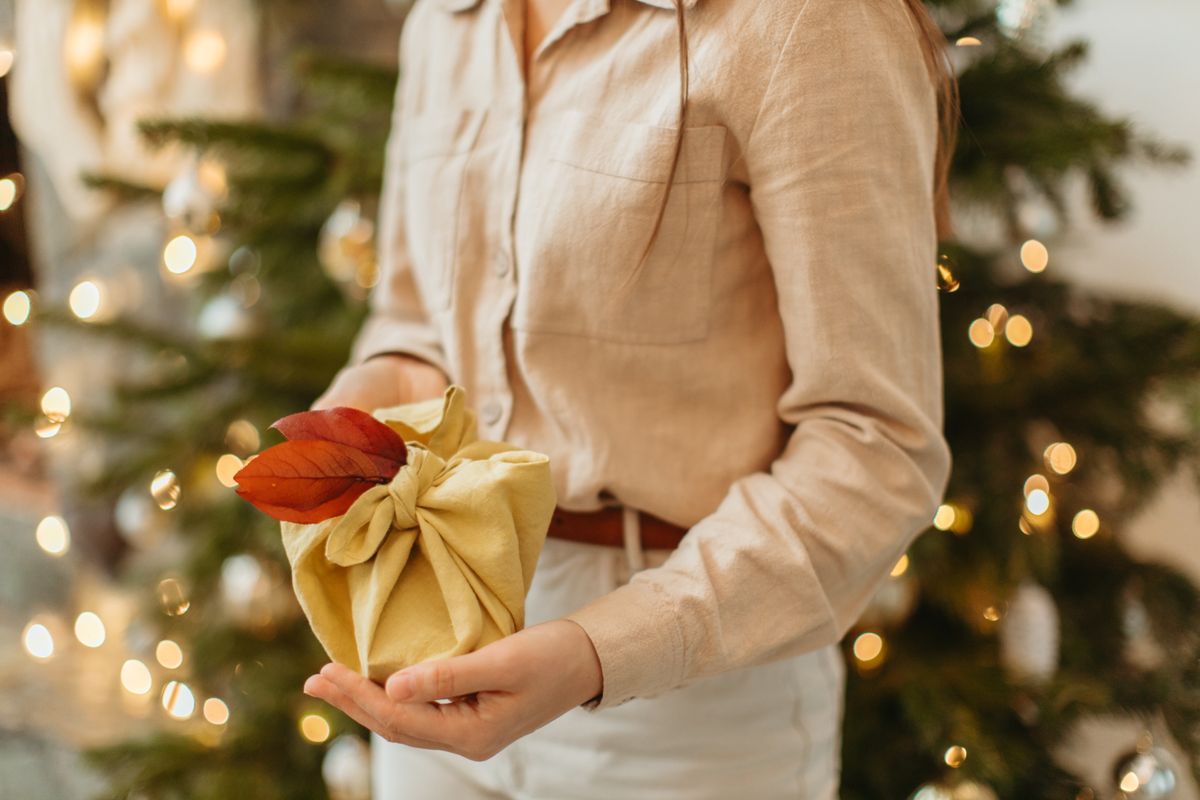
The knot should hold during normal carrying without crushing the object. If the package contains glass, liquid, sharp corners, or heavy items, fabric alone is not protective packaging. Add a rigid box, padding, leak protection, or another suitable layer first.
Practice with useful materials: As an Amazon Associate, EpicKor may earn from qualifying purchases. Compare bojagi-style wrapping cloths by exact size and fabric content, or begin with a square cotton fabric wrap. A washable square you reuse is a better first purchase than a delicate cloth you are afraid to touch.
Decorative Knots Without Turning the Wrap Into a Costume
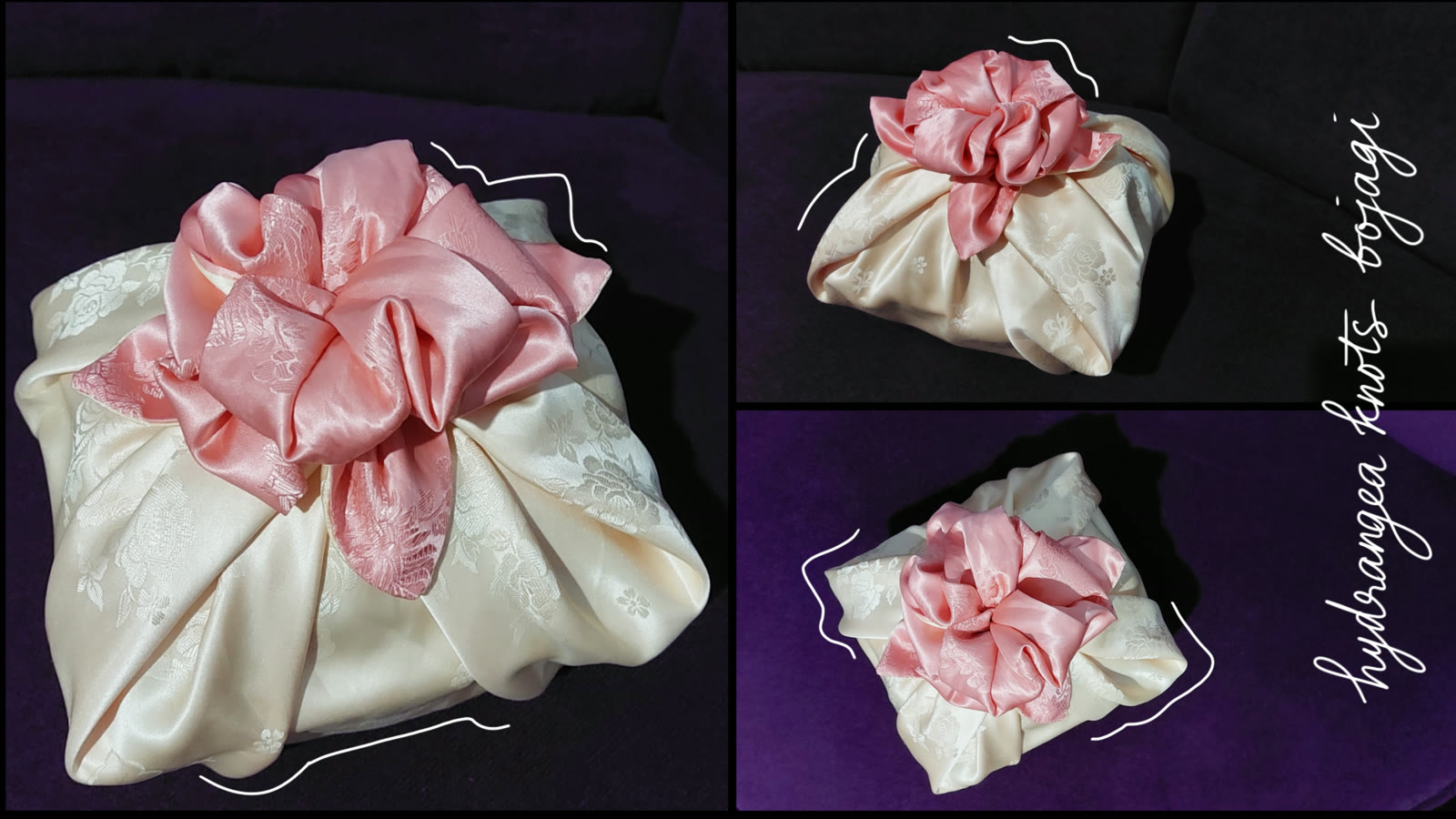
Flower-like knots create height and celebration. A hydrangea-style finish can be formed by arranging multiple folds or loops around a central tie. Rose shapes, braided forms, tassels, and norigae-inspired accents also appear in modern gift presentations.
Keep the hierarchy clear: the knot serves the object and occasion. A busy knot on a small everyday gift can feel more like a demonstration than generosity. One clean square knot with well-shaped ends often looks better.
Do not glue the knot, cut the cloth, or add pins that make the receiver damage the fabric. If you add a decorative cord or pendant, explain whether it is part of the gift and how it should be stored.
How to Wrap Different Gift Shapes
| Object | Best Starting Method | Protection Needed | Common Problem |
|---|---|---|---|
| Book or flat box | Diagonal center, two corners crossed, two tied | Usually none beyond clean cloth | Cloth too large, creating a bulky knot |
| Tall box | Use a larger diagonal and tie above the center | Corner guards for fragile packaging | Opposite corners cannot reach |
| Single bottle | Roll from one side and tie fabric above the neck | Leak seal and impact padding | Treating cloth as shipping protection |
| Two bottles | Place apart, roll together, raise and tie | Divider and padding between glass | Bottles striking each other |
| Round container | Center and gather evenly around the rim | Secure lid first | Uneven pleats tipping the object |
| Irregular craft | Box it first, then wrap the box | Rigid support and tissue | Sharp edges stressing the textile |
Bojagi for Korean Weddings and Formal Gifts
Fabric wrapping can heighten the formality of wedding, family, holiday, and ceremonial gifts. Color, material, knot, decorative attachments, and the relationship between giver and receiver can all affect the presentation. There is no single internet color chart that correctly governs every modern Korean occasion.
If you are participating in an actual Korean wedding or family ceremony, ask the host, family, planner, or gift specialist. Do not build a supposedly traditional package from disconnected symbols found on a shopping page. EpicKor's Korean wedding culture guide explains why the relationship and practical wedding format matter more than copying a K-drama scene.
For ordinary gifts, keep the gesture proportionate. A cotton bojagi around tea, books, food, or a household object can feel warm without pretending to be court ritual. The Korean gift-giving guide covers useful choices, taboo claims, reciprocity, and the importance of context. For a dating milestone, the Korean couple-anniversary guide explains why a small personal gesture is safer than copying a commercial calendar.
Where to See and Buy Bojagi in Korea
Begin with museums and public craft institutions so you can see material and construction before shopping.
The National Museum of Korea and other national museums can provide historical textile and decorative context, though displayed objects rotate. The National Folk Museum of Korea focuses on Korean daily life and is useful for understanding household objects beyond luxury collecting. The Korea Craft and Design Foundation, a public institution affiliated with the Ministry of Culture, Sports and Tourism, operates craft and design spaces and programs. Check current exhibitions before traveling.
For shopping, compare museum shops, KCDF-related craft retail, Insadong galleries, traditional-craft shops, maker markets, and verified workshops. In Jeonju, craft spaces around the Hanok Village can connect the cloth to hanji, fans, embroidery, and other regional experiences. EpicKor's Jeonju day-trip guide, Seoul museum gift-shop guide, and Seoul one-day class guide help you build those routes.
Ask the seller:
- Who made the piece?
- Is it Korean-made or only Korean-inspired?
- What is the fiber content?
- Is it hand-stitched, machine-stitched, printed, or pieced?
- Can it be washed, ironed, and used for food covering?
- Is it intended for wrapping, display, or both?
A lower-priced machine-sewn cotton wrap can be an honest, useful product. The problem is not modern production. The problem is a vague heritage story used to hide origin, material, or quality.
Bojagi, Furoshiki, and Respectful Comparison
Korean bojagi and Japanese furoshiki are both square-cloth wrapping traditions, so learners naturally compare them. Do not collapse them into one generic “Asian wrapping” style. They have different histories, terminology, textile practices, symbolic contexts, and modern institutions.
Technique can overlap because square cloth and physical objects create similar practical solutions. The respectful approach is to name the tradition you are learning, use sources from that tradition, and avoid labeling any floral cloth with a knot as bojagi.
Washing, Ironing, and Storage
Follow the maker's care instructions. Cotton may tolerate gentle washing, while silk, ramie, embroidery, metallic thread, natural dye, or old textiles can require specialist care. Do not wash a collectible piece because a generic blog says “bojagi is reusable.” Reusable does not mean indestructible.
Store clean and completely dry. Avoid permanent sharp folds by refolding periodically or rolling when suitable. Protect from direct sun, humidity, pests, makeup, perfume, food oil, and adhesive tape. Use a pressing cloth and conservative heat only when the fiber and maker instructions allow it.
If a cloth has historic, family, or high monetary value, consult a textile conservator. A household stain-removal hack can permanently change dye and fiber.
Study the craft beyond the knot: Compare books on bojagi and Korean textiles with a basic hand-sewing kit. Understanding seams, fiber, and use will teach you more than collecting decorative knot videos.
Common Bojagi Mistakes
The first mistake is buying the cloth before measuring the object. The second is making the knot so complex that the receiver cannot open it. The third is calling any printed scarf authentic historic bojagi. The fourth is using a fragile art textile as spill-prone food wrap. The fifth is claiming sustainability without considering how, where, and how often the new cloth will be used.
Reusable wrapping is only lower-waste when it is reused, cared for, and not treated as another disposable trend purchase. Use a scarf or square cotton cloth you already own for practice. Then buy a better piece when you understand what size, texture, and purpose will remain useful.
FAQ About Korean Bojagi
Q: What does bojagi mean?
Bojagi is Korean wrapping cloth used to wrap, carry, cover, store, or present objects. It can be practical, decorative, ceremonial, or artistic depending on the piece.
Q: Is all bojagi patchwork?
No. Jogakbo is the well-known patchwork form, but bojagi can also be plain, embroidered, painted, lined, or made from a single fabric.
Q: What size bojagi should I buy?
Measure the object and test whether opposite corners can cross and tie comfortably above it. Flat gifts need less cloth than tall or irregular objects with the same footprint.
Q: Can I use any square scarf as bojagi?
You can practice cloth wrapping with a square scarf, but that does not automatically make the scarf a Korean-made bojagi. Name its actual origin and material honestly.
Q: Is bojagi wrapping eco-friendly?
It can reduce disposable wrapping when the cloth is reused many times. A newly purchased cloth used once is not automatically a better environmental choice.
Q: Where can I learn bojagi in Seoul?
Check current programs from KCDF, museums, cultural centers, craft studios, and verified textile artists. Schedules and English availability change, so confirm directly before visiting.
The Cloth Is Part of the Gift
Good bojagi wrapping does three things at once. It protects the object, makes the act of giving visible, and leaves the receiver with a useful textile. The knot is not the whole tradition. Material, seam, proportion, use, maker, and relationship all matter.
Start with a square cotton cloth and a box. Learn one clean knot. Reuse the cloth. Then look at museum pieces and contemporary makers with enough attention to see why a simple square can hold so much Korean design history.
Official and Cultural Sources
You Might Also Like
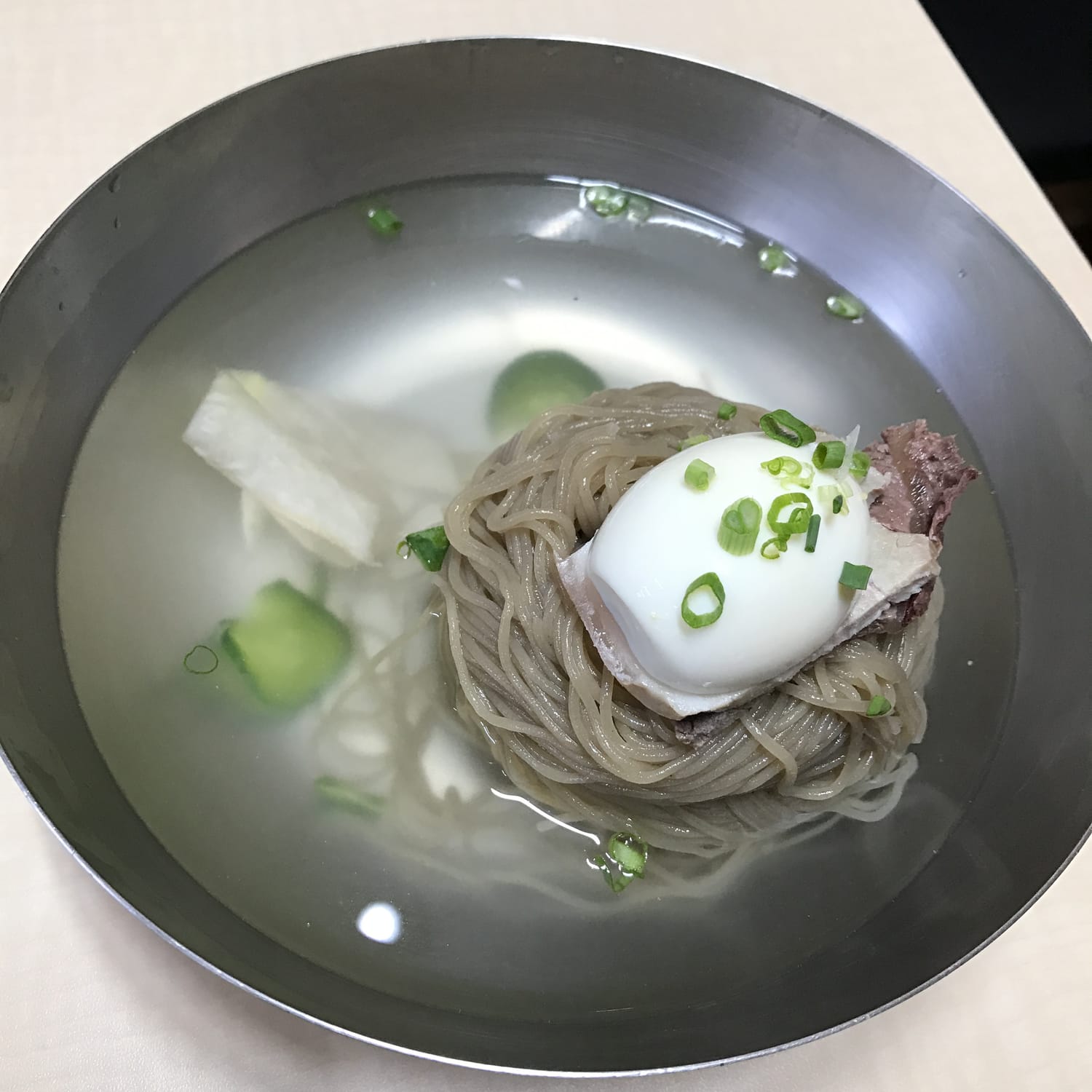
The One Korean Food Foreigners Never Learn to Love: Hamheung Naengmyeon, and Why Koreans Can't See the Problem
Foreigners who eat cheonggukjang and even hongeo still will not pay for this twice. A Korean creator who fed foreigners for years says naengmyeon was the overwhelming number one refusal, and Koreans, who rank it first every summer, cannot see why.
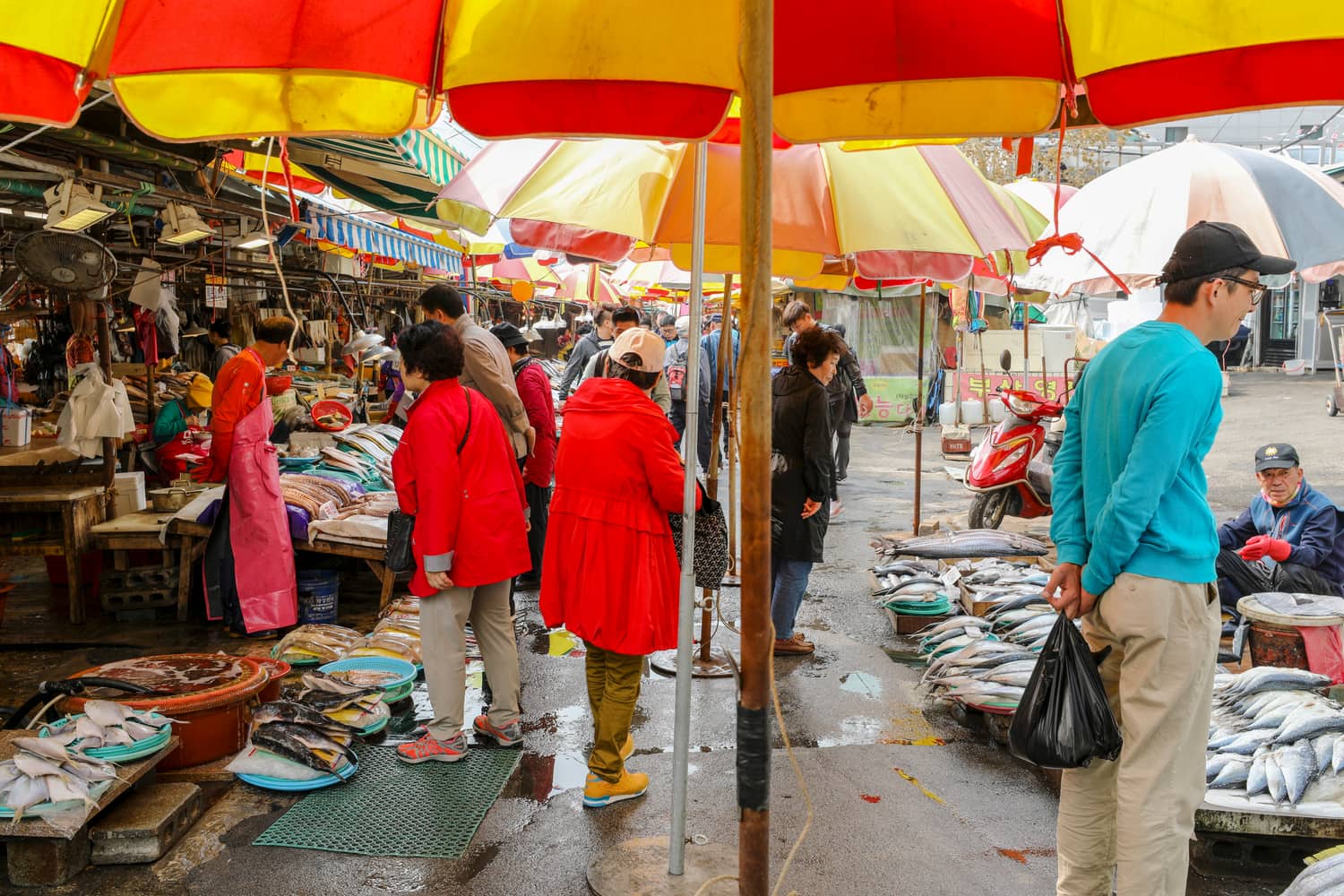
Korean Stare Meaning: Why Koreans Stare at Foreigners, and How to React
The Korean stare almost always means curiosity, not hostility: outside central Seoul a non-Asian face is still rare. Sometimes it means you broke a quiet public rule. How to tell which, and the nod and 안녕하세요 that end it.
Why Koreans Seem Cold to Foreigners: The Gap Between How Korea Sees Itself and How You See It
Foreigners abroad rate Korea 82.3% favourable. Foreigners living in Korea rank Koreans 39th of 46 countries for friendliness, and 84% of Koreans say they would not trust a stranger. Where the gap comes from, and how to get to the other side of it.