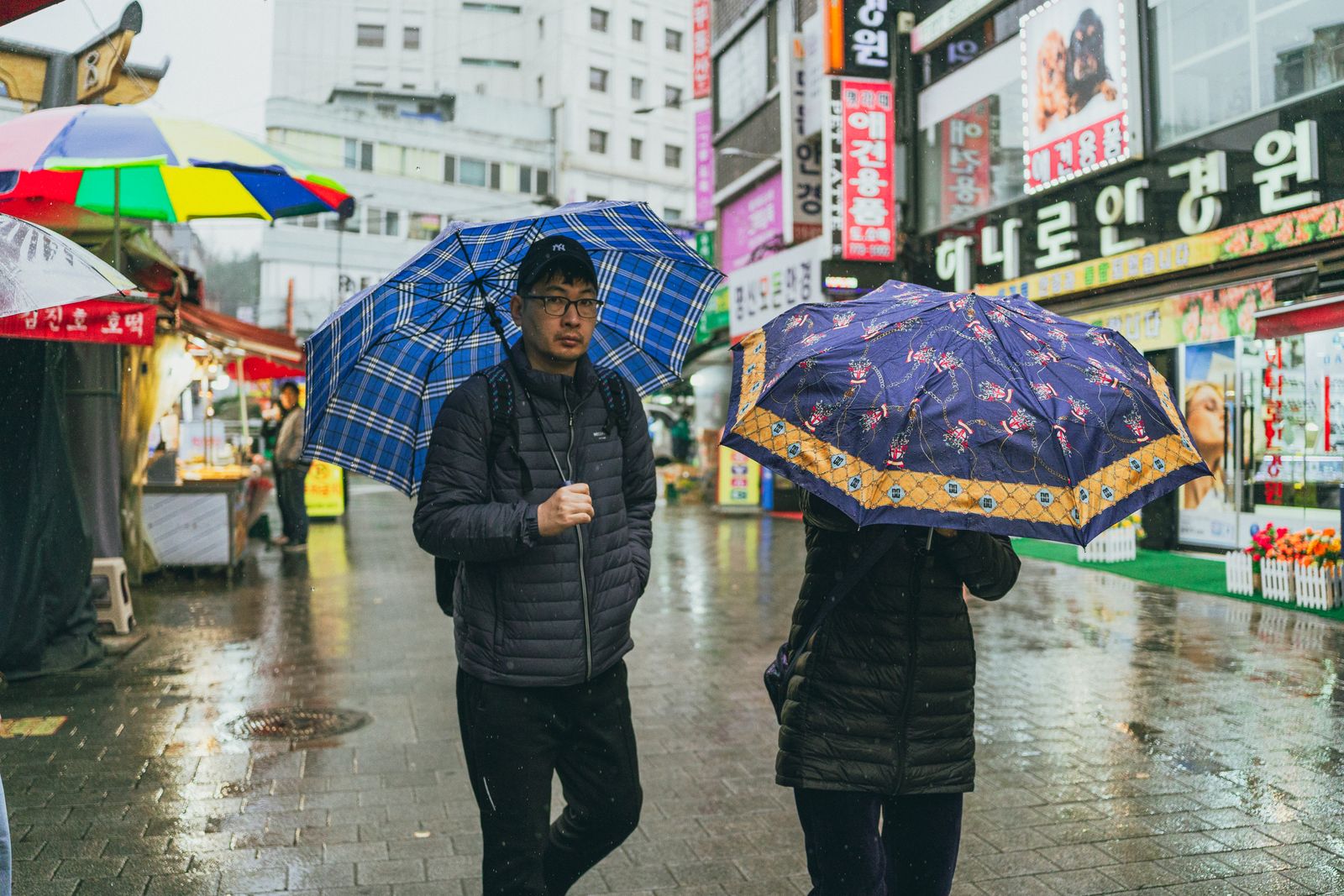
Seoul Rainy Day Itinerary: Indoor Routes for Jangma
Seoul rainy day itinerary planning is where tourists learn that rain does not ruin Korea. Bad routing ruins Korea.
Seoul can be excellent in the rain if you stop pretending the day will behave like a sunny postcard. Do not sprint between outdoor photo spots. Do not stack palace courtyards, open streets, mountain views, and riverside walks. Do not make your socks the main character.
Instead, build a wet-weather day around covered transitions, indoor anchors, cafes, markets, museums, underground shopping, warm food, and neighborhoods where you can change plans without crossing the whole city.
This guide is not another packing list. EpicKor already has a Korea rainy season packing guide, and the Korea umbrella culture guide explains the etiquette behind umbrellas at station exits, cafes, shops, and crowded sidewalks. This is the route version: what to do in Seoul when the sky opens and your original itinerary starts looking stupid.
Repel windproof travel umbrella — on AmazonAffiliate link. As an Amazon Associate, EpicKor earns from qualifying purchases at no extra cost to you.
Quick Answer: What Should You Do In Seoul On A Rainy Day?
Choose one indoor-heavy route instead of trying to save your sunny plan.
Best rainy-day routes:
- Myeongdong and Euljiro: shopping, beauty stores, cafes, restaurants, underground movement.
- COEX and Starfield Library area: mall, aquarium, food courts, shops, covered time.
- Museum and cafe route: art stop, long cafe, warm meal.
- Market and food route: covered market sections, noodles, pancakes, soup, coffee.
- Hongdae or Seongsu indoor route: cafes, pop-ups, shops, indoor browsing.
- Hotel reset route: laundry, convenience store, ramen, skincare, rest, then dinner.
The rule is simple: one neighborhood, two indoor anchors, one warm meal, one cafe break, and no heroic cross-city transfers unless the destination is worth getting wet for.
The Rainy Day Mistake Tourists Make
The most common mistake is trying to keep the original plan.
A sunny Seoul plan often has too many exposed transitions: palace walk, hanok village, outdoor market, river sunset, shopping street, night food. That can be great in good weather. In heavy rain, it becomes umbrella management, wet shoes, foggy glasses, slick sidewalks, tired feet, and photos that all look like "person suffering near landmark."
The second mistake is choosing indoor places that are too far apart. Seoul's subway is strong, but rainy transfers still take energy. Stairs, exits, crowded platforms, and puddles add friction.
The third mistake is underestimating recovery time. Rain makes people tired faster. You need a cafe break not because you are lazy, but because wet travel drains attention.
Route 1: Myeongdong, Euljiro, And Shopping Recovery
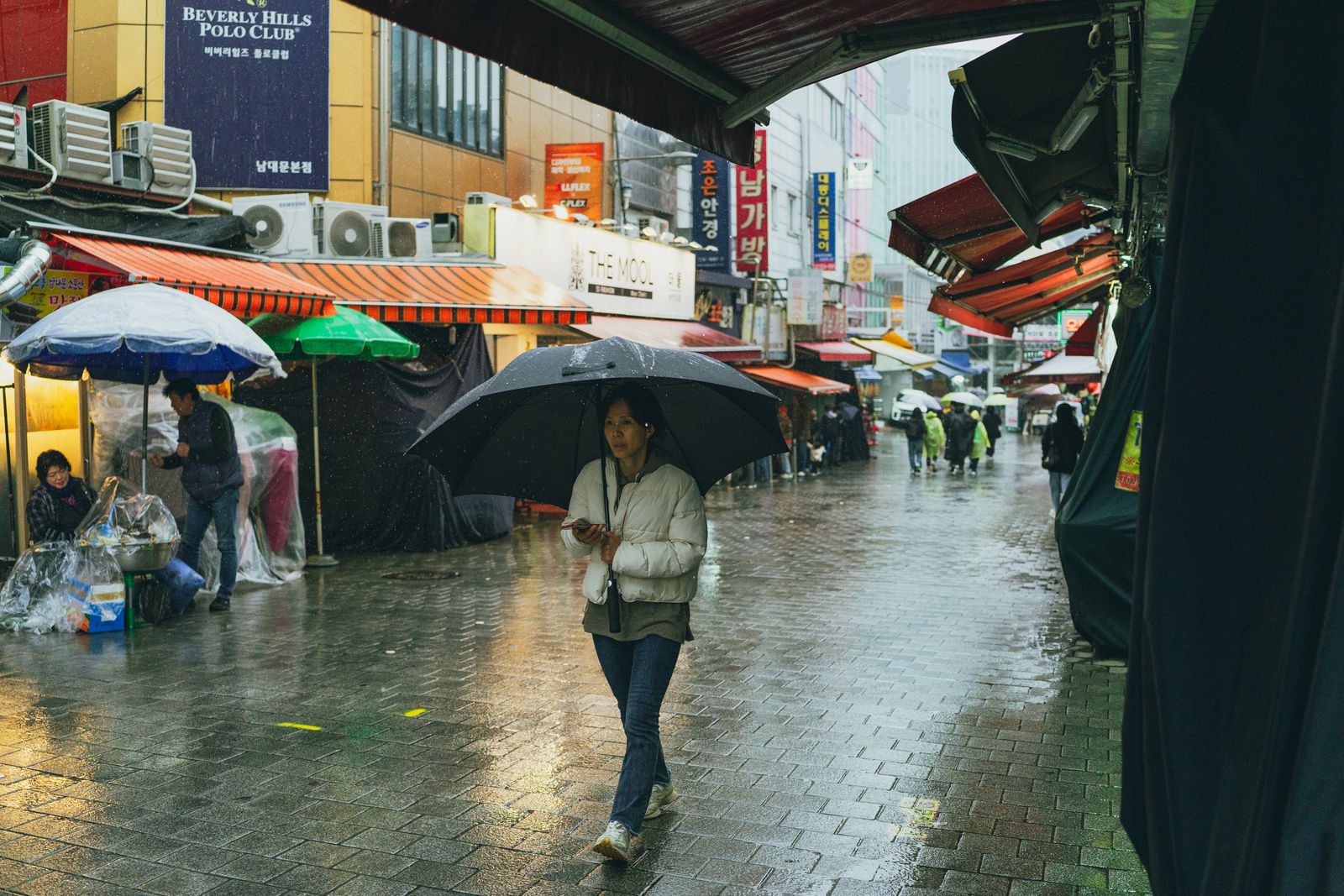
This is the easiest rainy-day route for many first-time tourists.
Start near Myeongdong because it gives you dense options: beauty shopping, street food when rain slows, restaurants, cafes, underground access, and nearby Euljiro. You can shop without committing to one huge mall, and you can retreat indoors quickly.
Use this route:
- Start with Olive Young or beauty shopping.
- Add Daiso or small practical shopping if needed.
- Take a cafe break.
- Walk only short distances.
- Eat noodles, soup, mandu, or Korean comfort food.
- End with a covered or short taxi/subway move.
This route works especially well if your trip already includes K-beauty, tax refund shopping, or souvenirs. Pair it with EpicKor's Olive Young guide, Daiso Korea guide, and Korea tax refund guide.
Do not overbuy because it is raining. Rain makes shopping feel like shelter, and shelter makes baskets grow. Keep receipts in one pouch from the beginning.
Route 2: COEX, Starfield Library, And Mall Weather
COEX-style rainy days are straightforward: choose one large indoor zone and let it absorb the weather.
This works when:
- rain is heavy
- you are traveling with kids
- your shoes are already wet
- you want bathrooms, food, shopping, and seating nearby
- you do not care about outdoor photos that day
The downside is that malls can feel less uniquely Korean if you only drift. Give the day a structure: one photo stop, one bookstore/library stop, one food stop, one shopping category, one cafe.
Do not spend six hours wandering without deciding. A mall day feels better when it has a purpose.
Route 3: Museum, Cafe, And Warm Dinner
Museums are underrated rainy-day anchors because they slow the day down on purpose.
Choose one museum, gallery, or exhibition. Do not stack three unless they are close. After the museum, take a long cafe break, then finish with a warm dinner.
This route is good for:
- couples
- solo travelers
- culture-heavy trips
- people tired of shopping
- anyone who needs a calmer day
The best version is not "museum all day." It is "one thoughtful indoor anchor plus comfort." That can be an art museum, design exhibition, history museum, craft shop, or gallery district.
Route 4: Market Food Without The Suffering
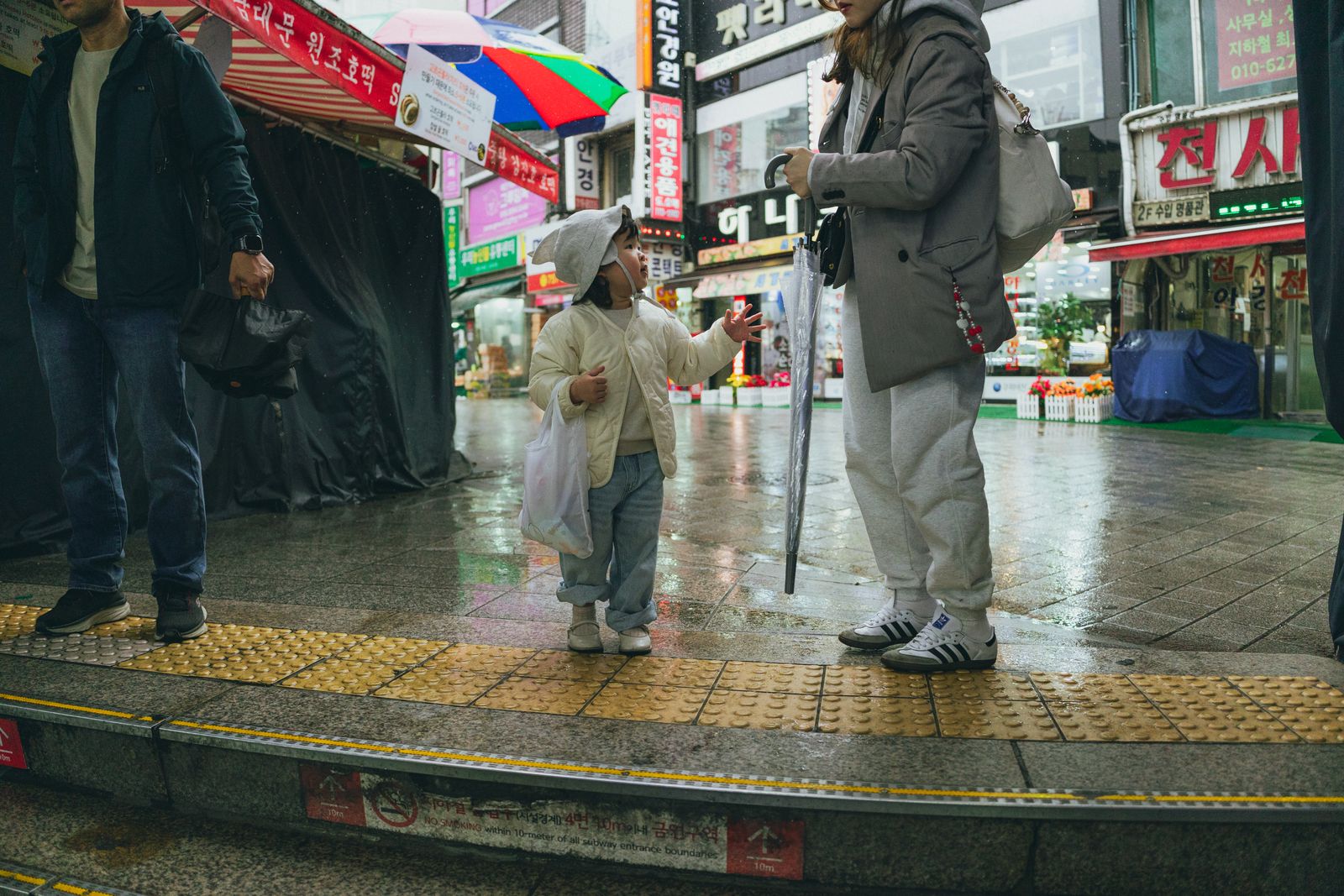
Markets can still work in the rain, but choose carefully.
Rainy markets are atmospheric. Steam looks better. Pancakes sound better. Soup tastes better. But open-air wandering can become annoying fast.
Use markets for food, not endless browsing. Choose a market or food street where you can eat, pause, and leave without needing perfect weather.
Good rainy-food logic:
- kalguksu
- mandu
- pajeon
- hotteok
- soup
- stew
- ramen
- coffee after
This is where Korea's rainy-day food culture helps. Rain and warm food belong together. EpicKor's Korean subway snacks guide, Korean ramen trends guide, and Korean drinking culture guide connect well if you want the food side of rainy Seoul.
Route 5: Hongdae Or Seongsu Indoor Wandering
Hongdae and Seongsu can work in light or medium rain because they give you cafes, pop-ups, shops, bakeries, photo booths, and indoor browsing.
But there is a catch: both neighborhoods can still involve outdoor walking. If rain is heavy, choose a tighter micro-route. Do not zigzag across the whole area.
Hongdae works when you want:
- casual shopping
- cafes
- student-area energy
- photo booths
- simple food
Seongsu works when you want:
- design shops
- pop-ups
- cafes
- fashion/lifestyle browsing
- a more curated retail mood
For pop-up store logic, read EpicKor's Korean pop-up store culture guide. Rain can actually make pop-ups more appealing because people want indoor reasons to linger.
How To Choose Your Rainy-Day Route
Use this table when the forecast turns ugly.
| Your Situation | Best Route | Why It Works | Watch Out For |
|---|---|---|---|
| First time in Seoul, shopping-heavy trip | Myeongdong and Euljiro | Dense shops, cafes, food, transit | Overbuying because stores feel like shelter |
| Heavy rain, low energy | COEX or one large indoor zone | Bathrooms, food, shops, seating, simple navigation | Mall drift with no memorable anchor |
| Culture day | Museum plus cafe plus dinner | Slow, dry, meaningful | Choosing museums too far apart |
| Food-focused traveler | Market and warm meal route | Rain makes hot food feel better | Messy open-air walking |
| You are exhausted | Hotel reset then dinner | Saves the next day of the trip | Feeling guilty for resting |
Pack the rain layer before Korea tests you: As an Amazon Associate, EpicKor may earn from qualifying purchases. Before a jangma-season trip, compare compact travel umbrellas, waterproof phone pouches, and portable power banks so your rainy-day route does not depend on last-minute convenience-store luck.
See compact travel umbrellas on AmazonRainy-Day Food Strategy
Rain changes what you want to eat.
Cold salads and long outdoor waits become less appealing. Warm, fast, comforting food becomes better. That is why Korean rainy-day meals make sense: noodles, soups, stews, pajeon, dumplings, rice bowls, ramen, and cafe desserts.
Build food into the route:
- morning: cafe and pastry
- lunch: noodles, soup, or food court
- afternoon: coffee reset
- evening: stew, BBQ, reservation meal, or hotel ramen
If a restaurant requires a long outdoor wait, skip it unless it is truly worth it. Rain is not the day to prove loyalty to a viral queue. Read EpicKor's Korea restaurant reservation guide if your meal plan depends on a popular place.
What To Carry On A Seoul Rainy Day
You do not need a huge emergency kit.
Carry:
- compact umbrella
- phone battery
- plastic or waterproof pouch
- spare socks if your shoes are weak
- small towel or wipes
- transit card
- card pouch
- one reusable shopping bag
- patience
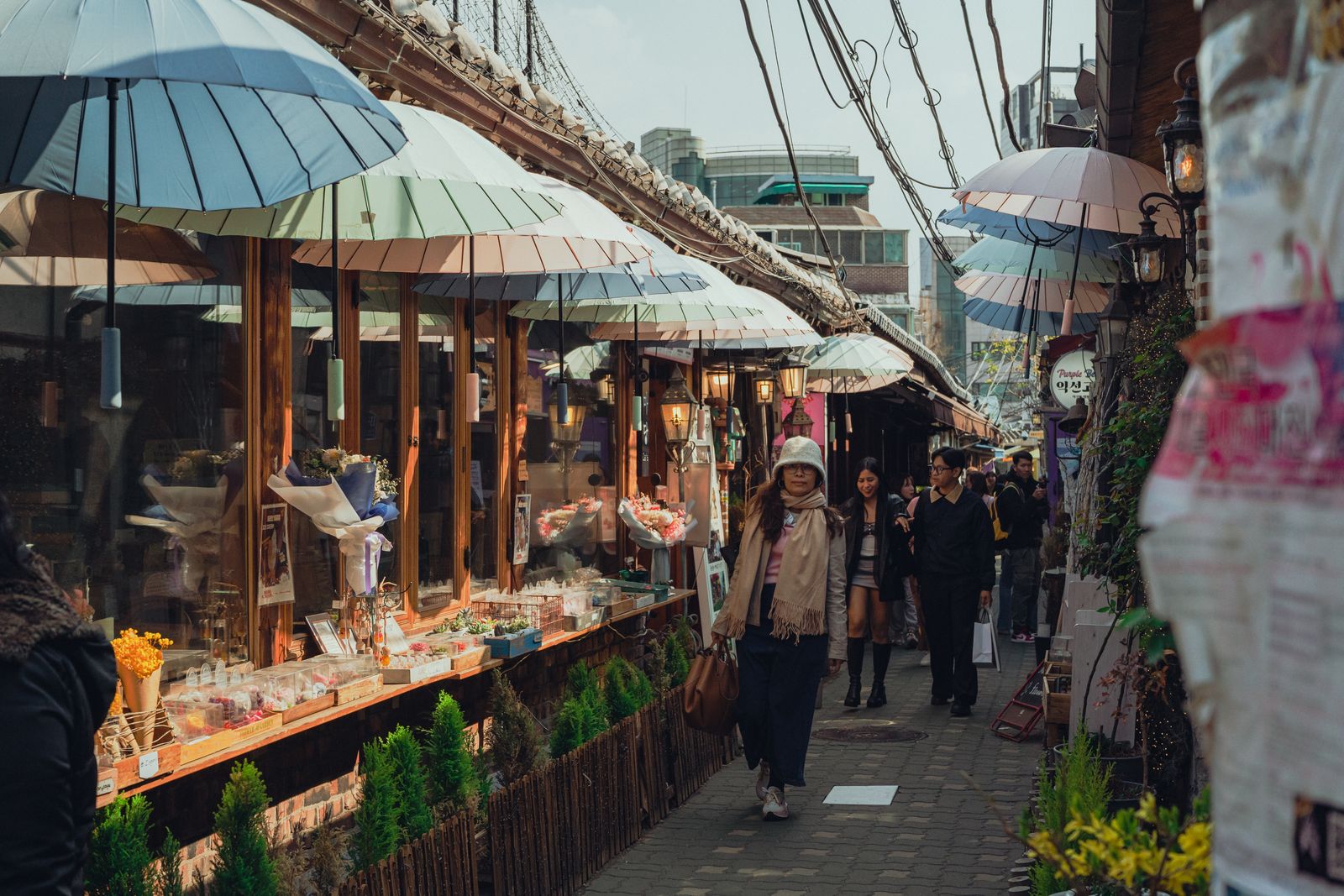
The last item matters. Rain makes everyone slower. Subway exits get crowded. Taxis can be harder. Cafes fill. People hesitate under awnings. If you build the day with buffer, the rain becomes atmosphere. If you build it too tightly, it becomes punishment.
The Hotel Reset Is Not Failure
One of the smartest rainy-day itineraries is not going out all day.
If you are tired, wet, jet-lagged, or traveling with children, use the hotel reset route:
- Buy snacks or ramen.
- Do laundry or dry clothes.
- Sort receipts.
- Recharge devices.
- Take a shower.
- Do a short cafe or dinner outing later.
This can save the next day. Korea trips can become intense because Seoul makes it easy to keep adding plans. Rain is sometimes the only thing that forces a reset. Use it.
What Not To Do
Avoid:
- exposed mountain hikes
- long palace photo routes in heavy rain
- outdoor river plans
- neighborhood hopping across the city
- restaurant queues with no cover
- white shoes if you care about them
- overloaded shopping bags
- relying on one exact cafe during peak rain
You can still visit palaces or outdoor areas in light rain if you enjoy the mood and are prepared. But in heavy rain, do not force romance. Wet hanok streets can look beautiful. Wet socks can still ruin the afternoon.
Keep the route dry and charged: If your Seoul day depends on maps, translation, and payments, compare portable power banks, travel card pouches, and compact travel umbrellas before departure. A dry phone and organized cards matter more than one extra attraction.
See portable power banks on AmazonFAQ
Q: What is the best area in Seoul for a rainy day?
Myeongdong, Euljiro, COEX, Hongdae, Seongsu, and museum/cafe districts can work well because they offer indoor anchors, food, cafes, shopping, and transit access.
Q: Should I still visit Gyeongbokgung when it rains?
Light rain can be atmospheric, but heavy rain makes palace routes harder. If you go, keep it short, wear proper shoes, and plan a nearby cafe or museum afterward.
Q: What should I eat in Seoul on a rainy day?
Try noodles, mandu, pajeon, soup, stew, ramen, hotteok, or warm cafe desserts. Rain makes comfort food more satisfying than complicated outdoor dining plans.
Q: Is COEX worth it on a rainy day?
Yes if you want one easy indoor zone with shops, food, bathrooms, seating, and weather protection. Give the visit a purpose so it does not become forgettable mall wandering.
Q: Do I need waterproof shoes for Seoul rainy season?
You do not always need full waterproof shoes, but you do need shoes that handle wet sidewalks. Bring or buy spare socks if your shoes dry slowly.
The Bottom Line
A good Seoul rainy day is not a failed sunny day. It is a different itinerary.
Choose one neighborhood. Pick two indoor anchors. Eat something warm. Sit in a cafe longer than planned. Keep your phone charged and your socks dry. Let the rain narrow the city instead of fighting it.
That is how Seoul stays good when the forecast is not.
You Might Also Like
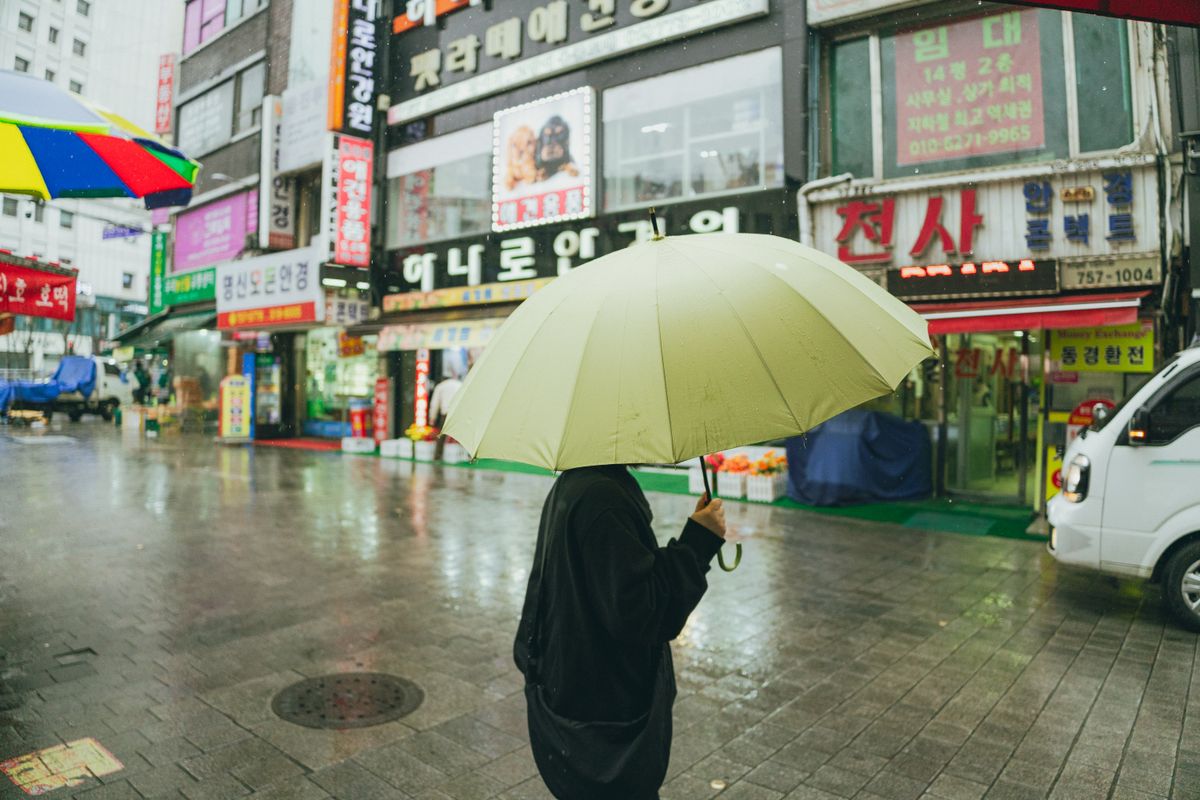
Korea Rainy Season Guide: What to Pack for Jangma
A practical Korea rainy season travel guide for jangma: what to pack, what to wear, where plans break, and how to stay dry in Seoul.
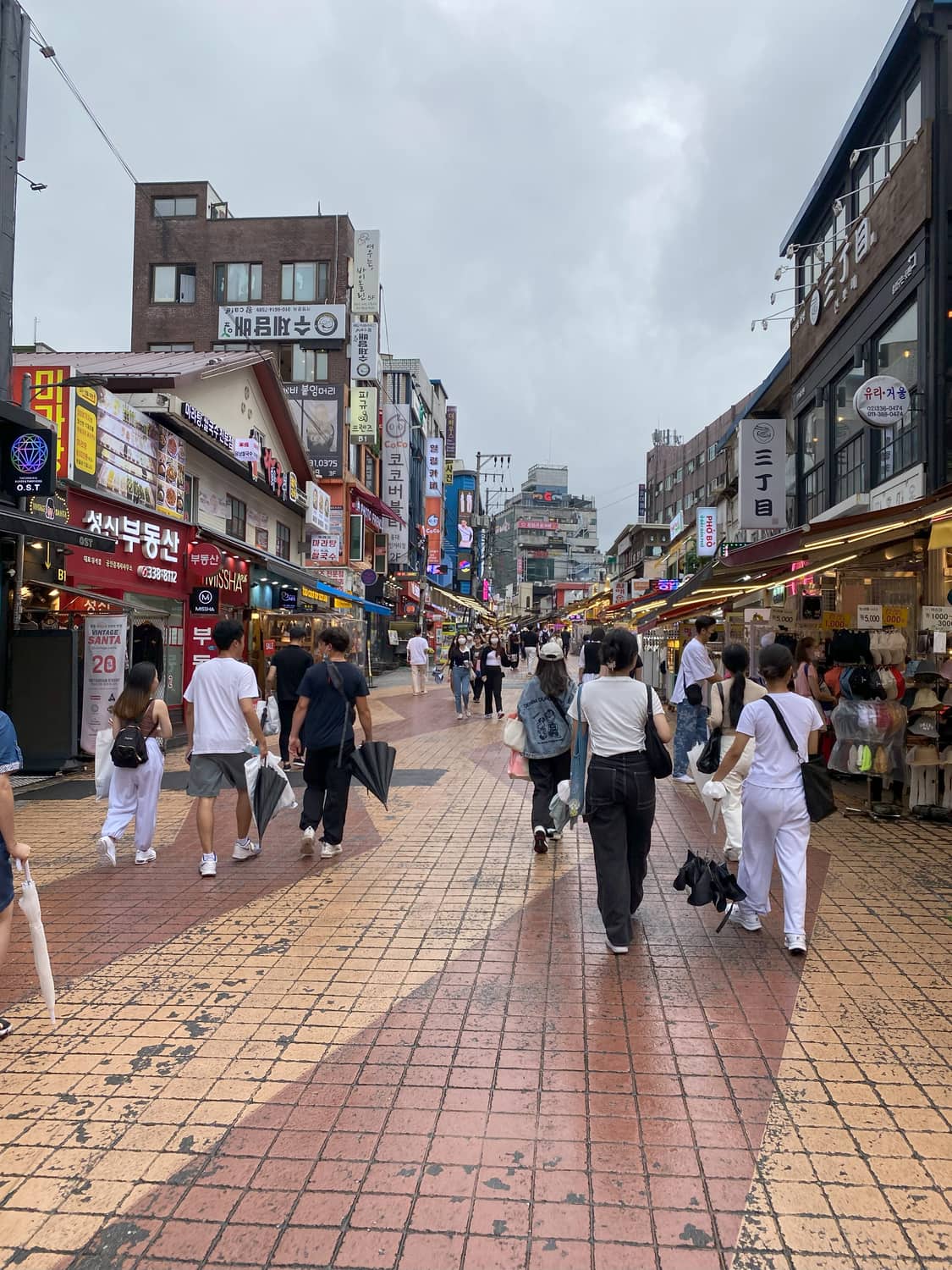
Do Koreans Speak English? Ask Someone Under 35 — What Actually Happens on a Seoul Street
Yes, if you ask the right person. Stop a Korean in their twenties or thirties on a Seoul street and you will almost always get an answer in English. The forum answer that says otherwise is twenty years old. Who to ask, how to ask, where English is built in.
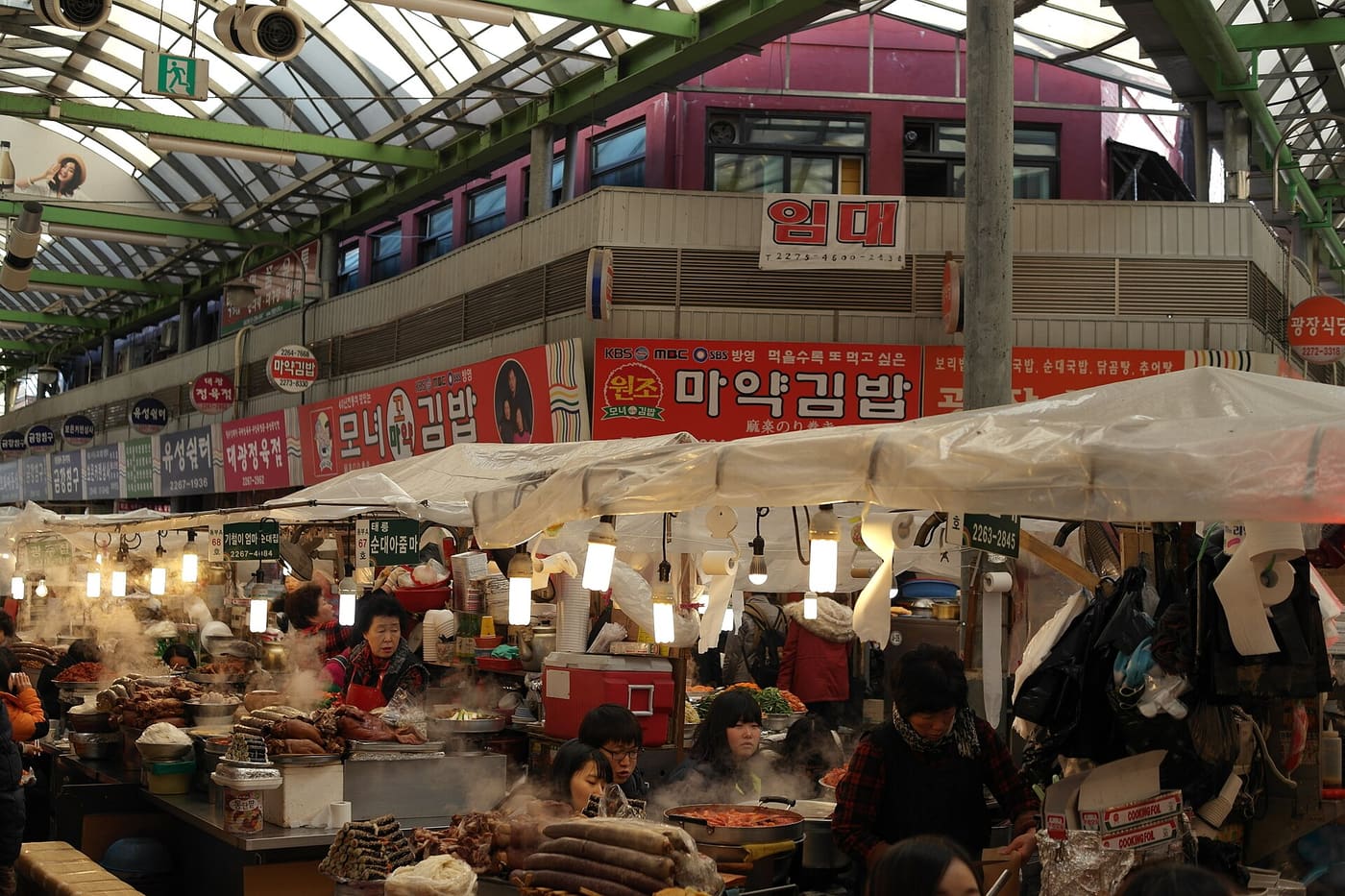
Gwangjang Market's Second Floor: Seoul's Vintage Arcade, and the One Day It's Shut
Everyone knows Gwangjang for the food alley that never closes. Above it is a vintage arcade signed 수입구제 where most items run under ₩20,000 — and it shuts every Sunday, which is exactly when visitors turn up.