Korean University Life: Study Hard, Play Harder Culture Explained
Korean university life has two reputations that seem to contradict each other.
Students study hard.
Students play hard.
Both are true, but not in the simple way outsiders imagine. Korean university is not just a four-year party after brutal entrance exams. It is also not only silent libraries, rankings, and career anxiety. It is a dense social system where classes, exams, clubs, part-time work, festivals, drinking, military service, internships, language study, and job preparation all overlap.
That is why Korean university life can look intense even when students are having fun.
A campus festival may feel like a concert. A club may feel like a second family. A group project may feel like a workplace rehearsal. A drinking night may be about friendship, hierarchy, and obligation at the same time. A library seat during exam week may feel as competitive as a cafe pop-up queue.
If you want to understand young Korea, university life is one of the best windows.
Quick Answer: What Is Korean University Life Like?
Korean university life is a mix of academic pressure, social bonding, career preparation, club culture, campus festivals, hierarchy, and independence from home.
For many students, university is the first time they have more freedom after years of entrance-exam pressure. But that freedom comes with new expectations: choosing a major path, building a resume, joining clubs, preparing for internships, handling group projects, managing relationships, and thinking about employment early.
The official Study in Korea guide from Korea's Ministry of Education frames Korea as a higher-education destination with academic programs, Korean-language study, scholarships, and campus support for international students. You can use the official Study in Korea portal as a starting point if you are researching exchange or degree programs.
For cultural understanding, the simplest rule is this:
Korean university is not only school. It is a social sorting, networking, identity, and career-preparation environment.
That is why it matters so much.
Institutional identity can also become a governance conflict rather than a lifestyle question. EpicKor's neutral guide to the Dongduk Women's University coeducation dispute explains how student consent, demographic pressure, protest tactics, and a proposed 2029 transition collided.
Lonely Planet Korean Phrasebook & Dictionary — on AmazonAffiliate link. As an Amazon Associate, EpicKor earns from qualifying purchases at no extra cost to you.
After The Entrance Exam Pressure
To understand Korean university culture, start before university.
Korean students grow up in a system where education can feel like the main ladder. The college entrance exam, private academies, school rankings, parent expectations, and major choice all shape the emotional background. By the time students enter university, many have spent years hearing that this is the reward. The older high-school layer matters too; EpicKor's 100-year Korean high schools guide explains why names such as Kyunggi, Whimoon, Joongdong, and Sookmyung still carry historical memory.
So freshman year can feel like release.
Students join clubs, stay out late, go to festivals, meet seniors, try dating, explore neighborhoods, work part-time, and enjoy a looser schedule than high school allowed. That freedom is real.
But the pressure does not disappear.
It changes shape.
Instead of only "get into university," the questions become: Which major? Which internship? Which exchange program? Which certificate? Which language score? Which company? Which graduate school? Which public exam? Which portfolio? Which network?
That is why Korean university life can feel like a pause and a race at the same time.
The SKY Shadow And Prestige Culture
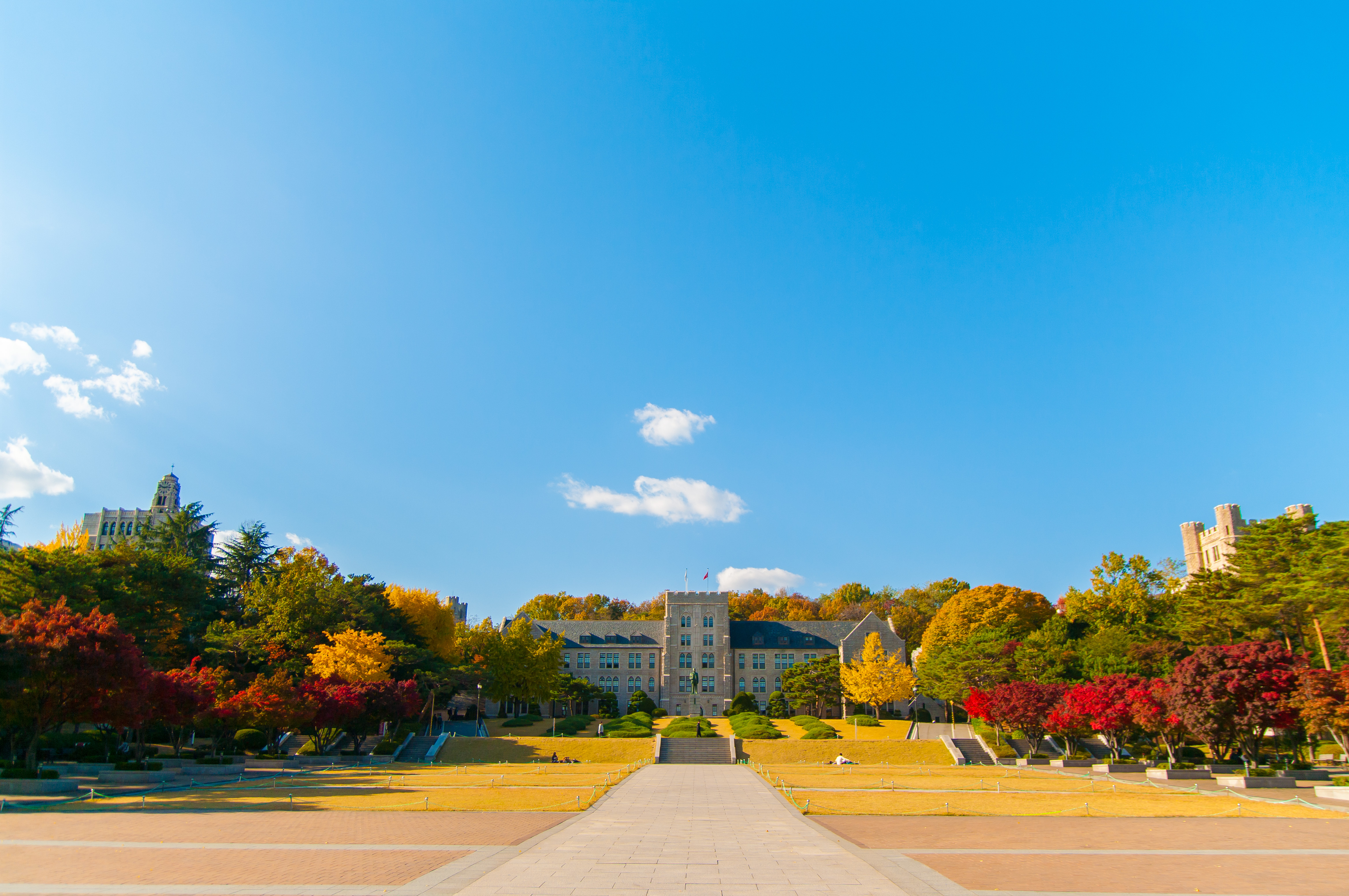
Korea's university prestige culture is famous, especially around SKY: Seoul National University, Korea University, and Yonsei University.
But SKY is not the whole story. Korea has many universities, specialized programs, regional campuses, vocational strengths, arts schools, science and engineering tracks, and international programs. Still, prestige labels matter because they affect family pride, social perception, hiring assumptions, alumni networks, and dating or friendship stereotypes.
EpicKor's SKY universities guide explains the prestige acronym more directly. This article is about what daily student life feels like after someone is already on campus.
The important point is that Korean university culture often carries visible status signals:
- school name
- department
- major difficulty
- exam scores
- scholarships
- language scores
- internships
- exchange experience
- corporate recruitment results
Students may joke about these things, but the jokes land because the pressure is real.
Study-prep note: As an Amazon Associate, EpicKor may earn from qualifying purchases. If Korean campus life makes you want to understand the language side better, compare Korean phrasebooks before exchange, study abroad, or a longer Seoul stay.
See Korean phrasebooks on AmazonCampus Festivals Are A Big Deal
Korean university festivals can surprise visitors because they often feel much larger than a normal campus event.
There may be food booths, student performances, club stages, celebrity appearances, K-pop acts, cheering, drinking, department tents, and crowds that make the campus feel like a temporary city. For students, the festival is not only entertainment. It is a social reset. People who spend the semester in classes, libraries, part-time jobs, and exam stress get a few nights where campus becomes a shared stage.
The most famous university events can become social media moments beyond the campus itself. Celebrity lineups circulate online. Students compare festival atmospheres. Alumni return. Friends from other schools visit.
This is one reason Korean university life can look more public than American or European campus life. A Korean campus festival may not be only for a small student circle. It can become a neighborhood event, a fandom moment, and a brand signal for the university.
Clubs, Departments, And The Social Web
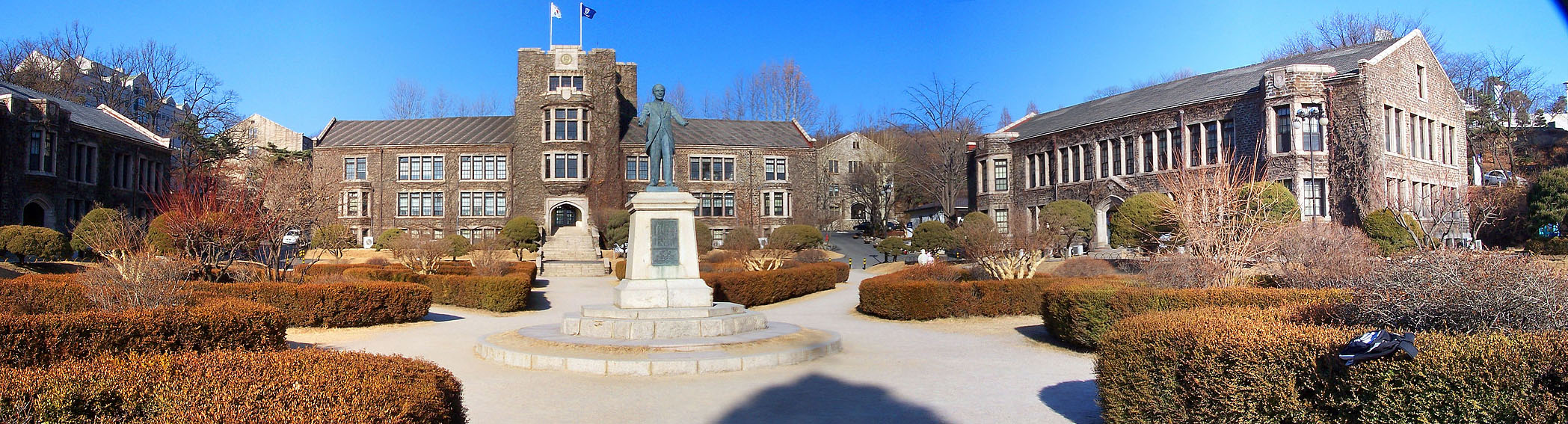
The Korean word dongari means club or student society.
Clubs matter because they give students a smaller home inside a large university. There are clubs for music, dance, debate, volunteering, photography, religion, sports, investing, language exchange, performance, gaming, hiking, and almost anything else a campus can support.
Departments also matter. A student's major is not only an academic category. It can become a social group with seniors, juniors, group chats, events, MT trips, and department-specific culture.
This is where Korean hierarchy enters campus life. Senior-junior relationships can be warm and useful, but they can also feel formal or pressured depending on the group. A good senior helps with class advice, professors, internships, and campus survival. A bad senior turns hierarchy into obligation.
Modern students are more willing to reject excessive hierarchy than previous generations, but the structure has not vanished. Age, school year, military service, department culture, and club history can all affect how people speak and behave.
For travelers and exchange students, this explains why Korean campus friendships may form through groups rather than only random classroom conversation. Join a club, language exchange, project, or repeated activity, and you are much more likely to enter the social web.
MT Trips And Group Bonding
MT usually means membership training.
In practice, it often means a group trip for a department, club, or student organization. Students travel together, stay overnight, eat, play games, drink, talk, perform, and bond. The idea is to build group identity quickly.
MT can be fun.
It can also be exhausting.
For some students, it is one of the best memories of university. For others, it feels like forced socializing. The same event can include friendship, awkward games, alcohol pressure, senior-junior dynamics, inside jokes, and real belonging.
This is a recurring pattern in Korean university life: the social system is powerful because it creates connection, but that same power can create pressure.
If you are an international student invited to MT, ask practical questions before going:
- Where are we sleeping?
- How much does it cost?
- Is drinking expected?
- Can I leave early?
- What should I bring?
- Who is responsible for transportation?
Do not assume it is only a normal picnic. It may be a full group-bonding event.
Drinking Culture Is Changing, But Still Present
Korean university social life has long been tied to drinking.
Soju, beer, makgeolli, anju, group games, department dinners, and post-festival nights all show up in campus stories. Drinking can help students relax, bond, and cross social distance. It can also create pressure, especially for freshmen, international students, or anyone who does not drink.
The good news is that the culture is changing. Younger Koreans are more open about boundaries, health, alcohol tolerance, and refusing pressure. Many groups are more careful than they used to be. But alcohol still appears often enough that students should know how to handle it.
Useful phrases include:
Sul jal mot masyeoyo.- I cannot drink well.Oneul-eun an masil geoyeyo.- I am not drinking today.Eumryosu masilgesseumnida.- I will drink a soft drink.
For the deeper food-and-drink context, EpicKor's Korean drinking culture guide explains soju, makgeolli, and anju outside the campus setting.
The practical rule is simple: join the social moment if you want, but do not treat alcohol as the only way to belong.
Study Culture: Libraries, Cafes, And Exam Weeks
Korean university students do study hard, especially around midterms and finals.
During exam weeks, campus libraries can become crowded, cafes fill with laptops, and students disappear into schedules that look almost like test-prep life again. The pressure depends heavily on school, major, professor, and career goal. Engineering, medicine, law-related tracks, business, and exam-preparation paths can feel especially intense.
But studying is not limited to campus.
Korea has a strong cafe study culture. Students use cafes as semi-public study rooms. They also use study cafes, reading rooms, libraries, department rooms, and sometimes 24-hour spaces. A laptop, iced Americano, charger, and noise-canceling focus can become the basic student survival kit.
This connects to broader Korean cafe culture. EpicKor's Korean cafe culture guide explains why coffee shops became third places for students, workers, friends, and people who need temporary private space in a dense city.
Korean university life is not just "study in class." It is "build a study environment wherever the day allows."
Part-Time Jobs And Career Anxiety
Many students work part-time jobs.
They may tutor, work in cafes, serve at restaurants, assist at academies, do retail, translate, deliver, intern, or take short-term event jobs. For some, it is spending money. For others, it is rent, tuition support, or resume building. International students need an immigration permit before taking a part-time job, and some on this list, such as private tutoring, are not allowed even with one. The pay floor is the same for everyone: see our guide to Korea's minimum wage for 2027, which also covers the weekly holiday pay (주휴수당) part-timers on 15 hours or more are owed.
Career anxiety often starts early. Students may prepare for:
- internships
- English tests
- certificates
- public company exams
- civil service exams
- graduate school
- portfolios
- coding tests
- corporate recruitment
- overseas exchange
This is where "play hard" meets reality. A student may drink at a festival one night and attend a career seminar the next afternoon. The freedom is there, but the future is always nearby.
EpicKor's top jobs in Korea guide gives useful background on why career status is such a powerful theme in Korean society.
International Students: What Feels Different
For international students, Korea can be exciting and socially tricky.
The campus may have English-taught classes, international offices, buddy programs, Korean-language courses, dorms, and exchange events. But daily life still rewards Korean ability. The better you can read notices, order food, join group chats, and understand social nuance, the easier the experience becomes.
International students often notice:
- group chats move fast
- plans may be made through KakaoTalk
- hierarchy can be subtle
- professors may vary in English comfort
- club entry can depend on Korean ability
- food and drinking events matter socially
- administrative details can feel fragmented
This does not mean international students cannot thrive. Many do. But the best experience usually comes from combining official support with active social effort.
Use the university's international office, but do not rely only on it. Join a club. Learn survival Korean. Ask Korean classmates about unwritten rules. Show up repeatedly. Campus belonging often comes from repetition, not one big introduction.
Campus context: If you want a broader cultural background before studying or visiting, browse Korean culture and history books. Campus life makes more sense when you understand hierarchy, education pressure, and modern Korean society together.
The Military Service Gap
For many male Korean students, mandatory military service interrupts university life.
This creates a campus rhythm that visitors may not expect. A student may enter university, attend for a year or two, leave for service, then return older and socially different. Friend groups shift. Graduation timelines change. Senior-junior relationships become more complicated because age, school year, and military experience do not always line up neatly.
This is one reason Korean university cohorts can feel less linear than they look from outside.
Military service also affects career timing, relationships, and emotional maturity. Some students return more focused. Others struggle to re-enter academic life. For international students, this can be confusing at first, but it is a normal part of Korean campus reality.
What Visitors Notice On Campus
If you visit a Korean campus casually, you may notice the surface first:
- pretty buildings
- students with laptops
- cafes and convenience stores
- banners for festivals or clubs
- department jackets
- couples walking between classes
- crowded libraries during exams
- food streets near campus gates
But the deeper story is the system underneath. A campus is not only a set of classrooms. It is a pressure map: family expectations, school prestige, career planning, friendship, romance, independence, money, and identity all competing for attention.
That is why campus neighborhoods like Sinchon, Anam, Hongdae, Hyehwa, Konkuk University area, and Seoul National University areas feel different from purely tourist districts. They are not built only for visitors. They are built around student routines.
If you want to understand everyday Seoul beyond palaces and shopping, spend time near a campus neighborhood. Eat cheaply. Watch the cafe rhythm. Notice the flyers. Look at how late the streets stay active.
FAQ
Q: Is Korean university life really stressful?
Yes, but the stress changes by school, major, family expectations, and career goal. Many students enjoy university freedom while also feeling pressure about grades, internships, jobs, and future status.
Q: Are Korean campus festivals open to visitors?
Some events are public or semi-public, but access depends on the university, event, crowd control, and ticketing rules. Do not assume every celebrity performance is open to non-students.
Q: Do Korean university students drink a lot?
Drinking is still common in many social settings, but the culture is changing. More students are comfortable refusing alcohol or setting limits than in the past.
Q: Is Korean university life easy for international students?
It can be rewarding, but Korean language ability and social effort matter. Official support helps, but daily belonging often comes through clubs, repeated activities, and classmates.
Q: What is MT in Korean university culture?
MT means membership training. It is usually a group trip for a department, club, or student organization, designed for bonding through games, meals, conversation, and sometimes drinking.
The Bottom Line
Korean university life is intense because it carries more than academics.
It is where many young Koreans experience freedom after entrance exams, but also where career anxiety begins to sharpen. It is where friendships form through clubs, departments, festivals, MT trips, and group chats. It is where hierarchy softens in some places and survives in others. It is where studying hard and playing hard can happen in the same week.
If you understand Korean campuses, you understand a lot about modern Korea: ambition, pressure, belonging, status, friendship, and the search for a future that feels secure.
That is why university life is not a side topic.
It is one of Korea's clearest mirrors.
You Might Also Like
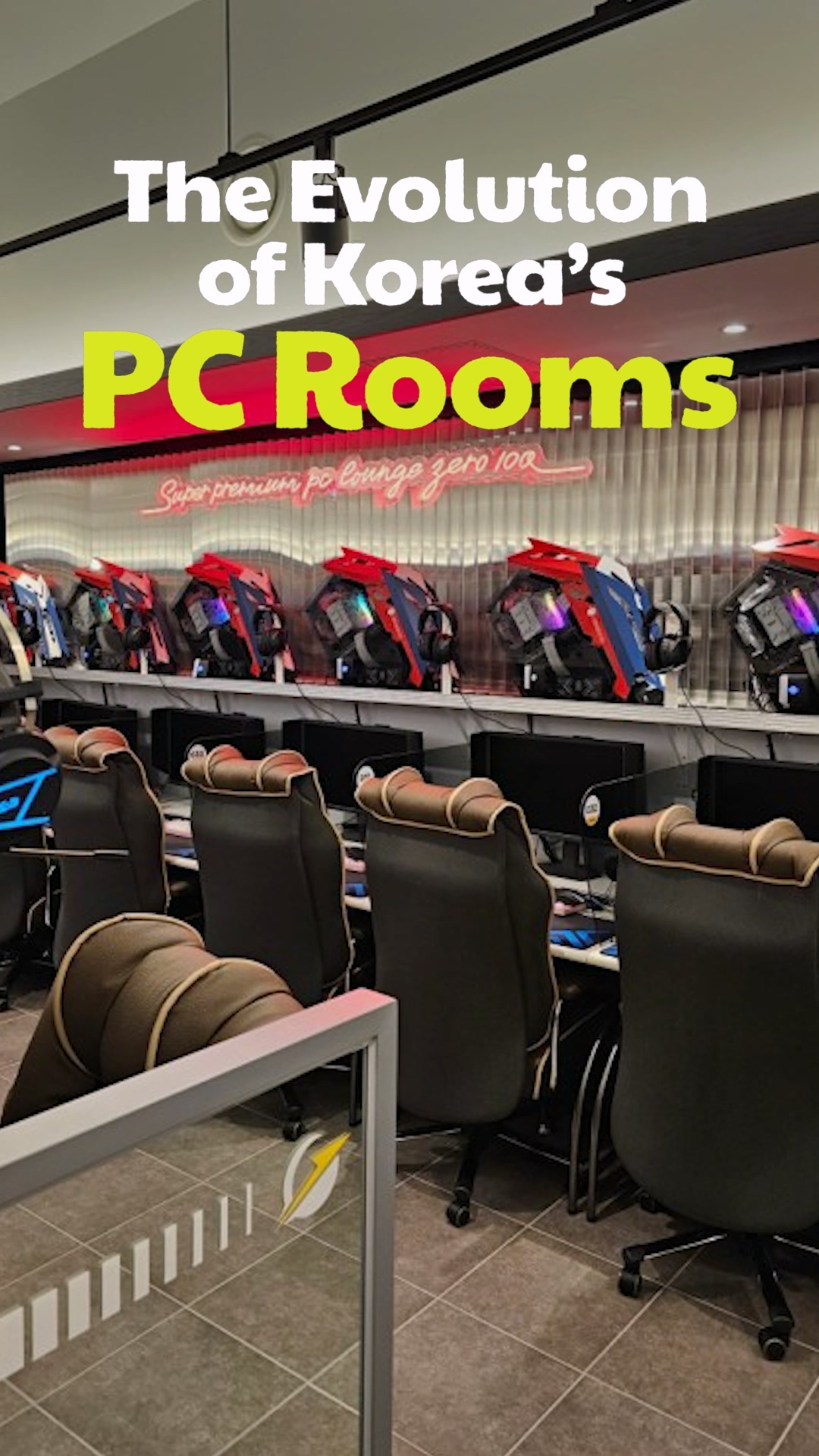
How Many PC Bangs Are in Korea? Count, Prices, and Rules
Korea had 7,243 PC bangs in 2024, down 530 in a year and falling five years straight. Members pay about ₩1,246 an hour, non-members ₩1,459. The official game white paper numbers, what a visit costs, and how to use one.
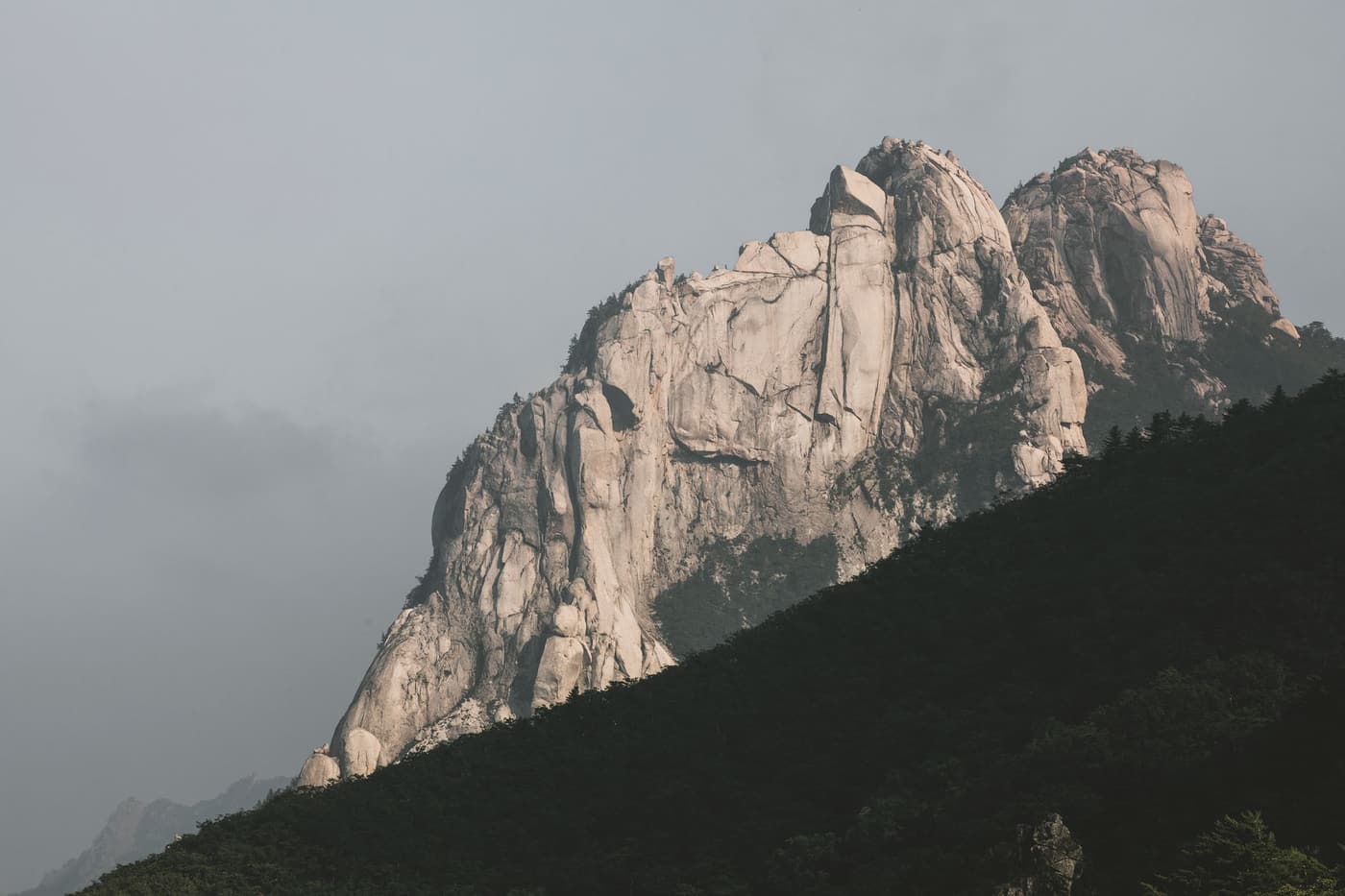
Korean Hiking Culture: Why Weekends Mean Mountains
Korean hiking culture explained for travelers: why weekends mean mountains, what locals do on trails, and how to join respectfully.
Korean Age System Explained: Why Koreans Seem Older
Korean age system explained in plain English: traditional age, international age, the 2023 law, and what to say when someone asks.