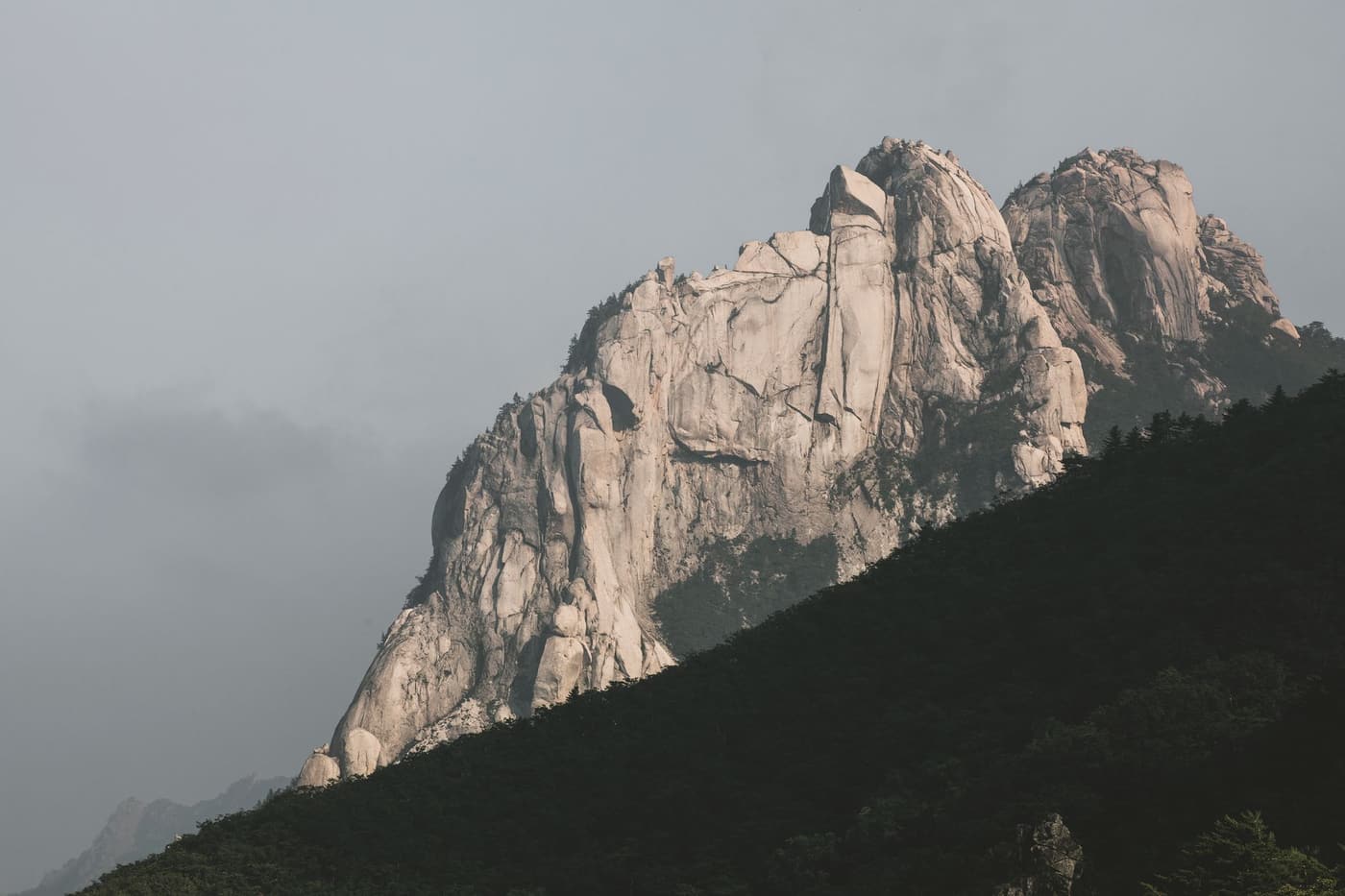
Korean Hiking Culture: Why Weekends Mean Mountains
Korean hiking culture can surprise first-time visitors because it does not look like a quiet hobby hidden at the edge of society. On a Saturday morning in Seoul, you might see subway cars full of people in bright jackets, sun hats, gloves, trekking poles, compact backpacks, and shoes that look more serious than the actual mountain they are about to climb.
For practical trail planning, pair this culture guide with EpicKor's Seoul hiking route guide and Korea rainy season guide.
That is the first clue. In Korea, hiking is not only exercise. It is weekend rhythm, social bonding, seasonal ritual, health routine, and a very Korean way to make city life feel breathable again. People do not escape from Seoul by leaving the city completely. Often, they escape by climbing a mountain that is still connected to the subway.
If you want to understand Korean weekends, follow the hikers.
Why Koreans Treat Hiking Like Weekend Social Life
Korea is a mountainous country, but the more important point is how close many mountains are to daily life. Seoul has major hiking routes near apartment districts, subway stations, university areas, and old fortress walls. Bukhansan National Park sits right beside the capital. Inwangsan, Bugaksan, Achasan, Gwanaksan, and Namsan all give people different versions of the same promise: a few hours outside, a view over the city, and the feeling that the week has been washed off your shoulders.
That closeness changes the meaning of hiking. In many countries, hiking feels like a planned expedition. You drive far, pack heavily, and spend the day away from normal life. In Korea, hiking can be a half-day social plan. Meet at the station. Buy gimbap or kimbap-style rolls, water, and coffee. Walk to the trailhead. Climb for a few hours. Take summit photos. Come down for makgeolli, pajeon, tofu, noodles, or barbecue near the entrance.
The mountain is only half the event.
This is why Korean hiking often feels more communal than solitary. Friends hike together. Office workers join hiking clubs. Older neighbors keep regular weekend routines. Couples turn easier trails into low-pressure dates. Parents bring children to gentle forest paths. Some people hike for fitness, but many also hike because the ritual gives shape to the weekend.
There is also a health logic behind it. Korea can be fast, dense, and intensely indoor during the workweek. Long commutes, screens, academies, offices, apartments, and crowded cafes all create a craving for open air. A mountain gives you sunlight, stairs, trees, sweat, and a view that proves the city is bigger than your stress.
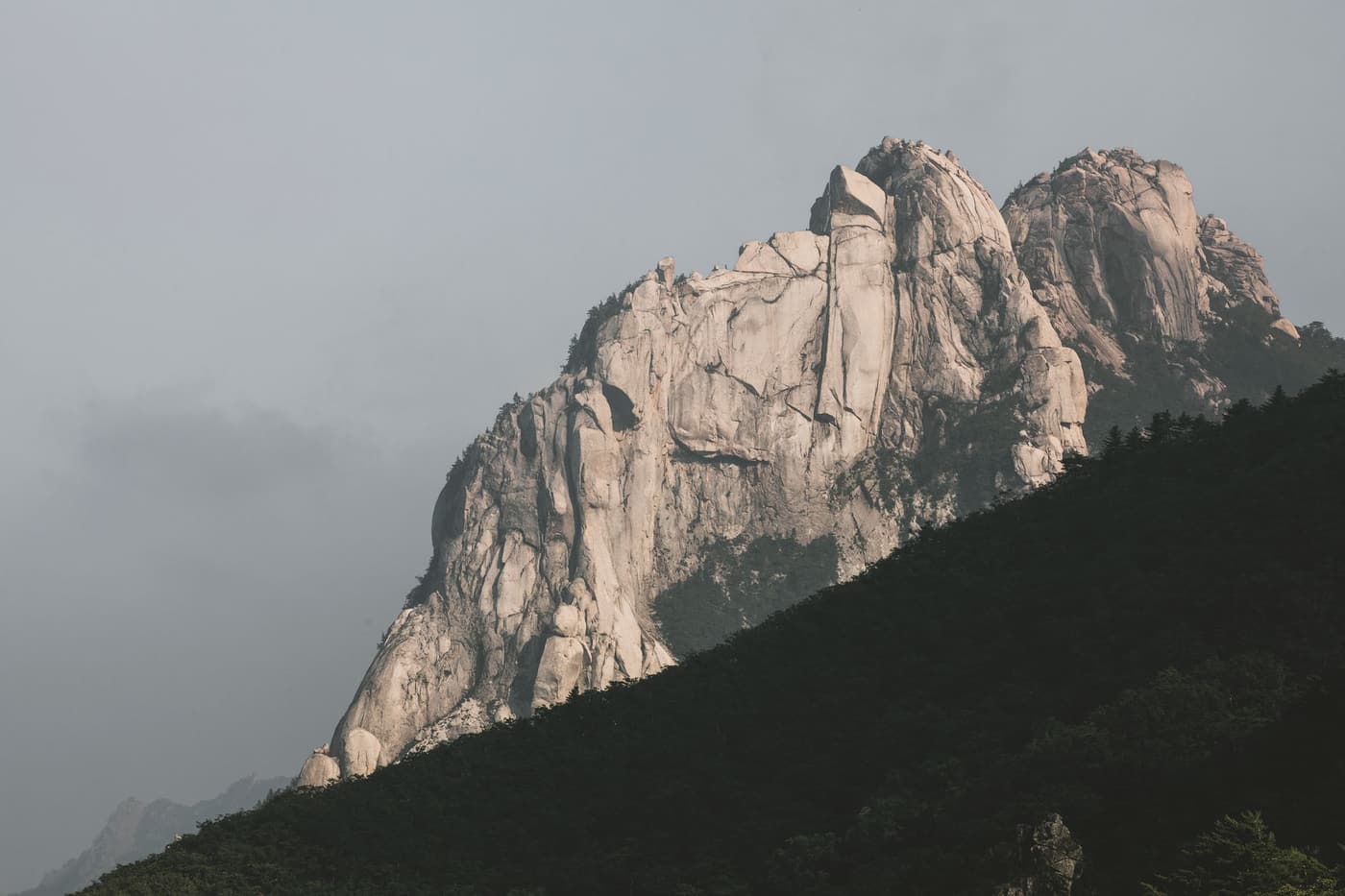
And then there is seasonality. Spring flowers, summer shade, autumn foliage, and winter snow all make the same trail feel different. Autumn is especially powerful. When Korean mountains turn red, orange, and gold, hiking becomes almost a national mood. People who are not intense hikers still know the feeling of wanting to catch the leaves before they disappear.
Gonggi Korean Traditional Game Set — on AmazonAffiliate link. As an Amazon Associate, EpicKor earns from qualifying purchases at no extra cost to you.
What makes Korean hiking culture unique is this mix of accessibility and seriousness. A mountain can be close enough for a casual morning, but people still prepare like the trail deserves respect. That balance is very Korean: practical, social, health-conscious, and slightly more organized than you expected.
Worth comparing: As an Amazon Associate, EpicKor may earn from qualifying purchases. A Korean traditional play set for family games, culture explainers, and Squid Game-adjacent interest. Start with Gonggi Korean Traditional Game Set.
See Gonggi Korean Traditional Game Set on AmazonWhat Hiking in Korea Actually Looks Like
If you have only seen hiking through influencer photos, you may imagine quiet paths and minimalist outfits. Korea has that too, but the normal weekend version is more lively.
The first thing you notice is the gear. Korean hikers love proper outdoor clothing. You will see technical jackets, arm sleeves, visors, gloves, hiking pants, neck gaiters, trekking poles, and compact backpacks. This does not always mean the route is extreme. Sometimes the trail is moderate, but the outfit is still complete. Part of that is safety, part of it is comfort, and part of it is that Korean outdoor fashion became its own culture.
The second thing is the pace. Many Korean hikers move with purpose. They stop for photos, water, and snacks, but they are not wandering randomly. Trail signs, route maps, and summit goals matter. On popular mountains, you may see people check the route, compare times, and encourage each other up steep stone steps. The vibe is friendly, but there is usually a quiet sense of progress.
The third thing is food. Hiking snacks in Korea are practical and social. People bring fruit, boiled eggs, rice balls, gimbap, nuts, energy bars, and sometimes instant coffee. After the hike, the meal becomes more important. Around many trail entrances, restaurants know exactly what hikers want: savory pancakes, acorn jelly, tofu dishes, noodles, grilled meat, and cold drinks. A post-hike table can feel like the real finish line.
This after-hike culture matters because Korea often turns activities into complete social loops. You do not just watch a movie; you eat before or after. You do not just go to a cafe; you choose the right neighborhood and dessert. You do not just hike; you climb, descend, eat, talk, and maybe post one photo that proves you made it.
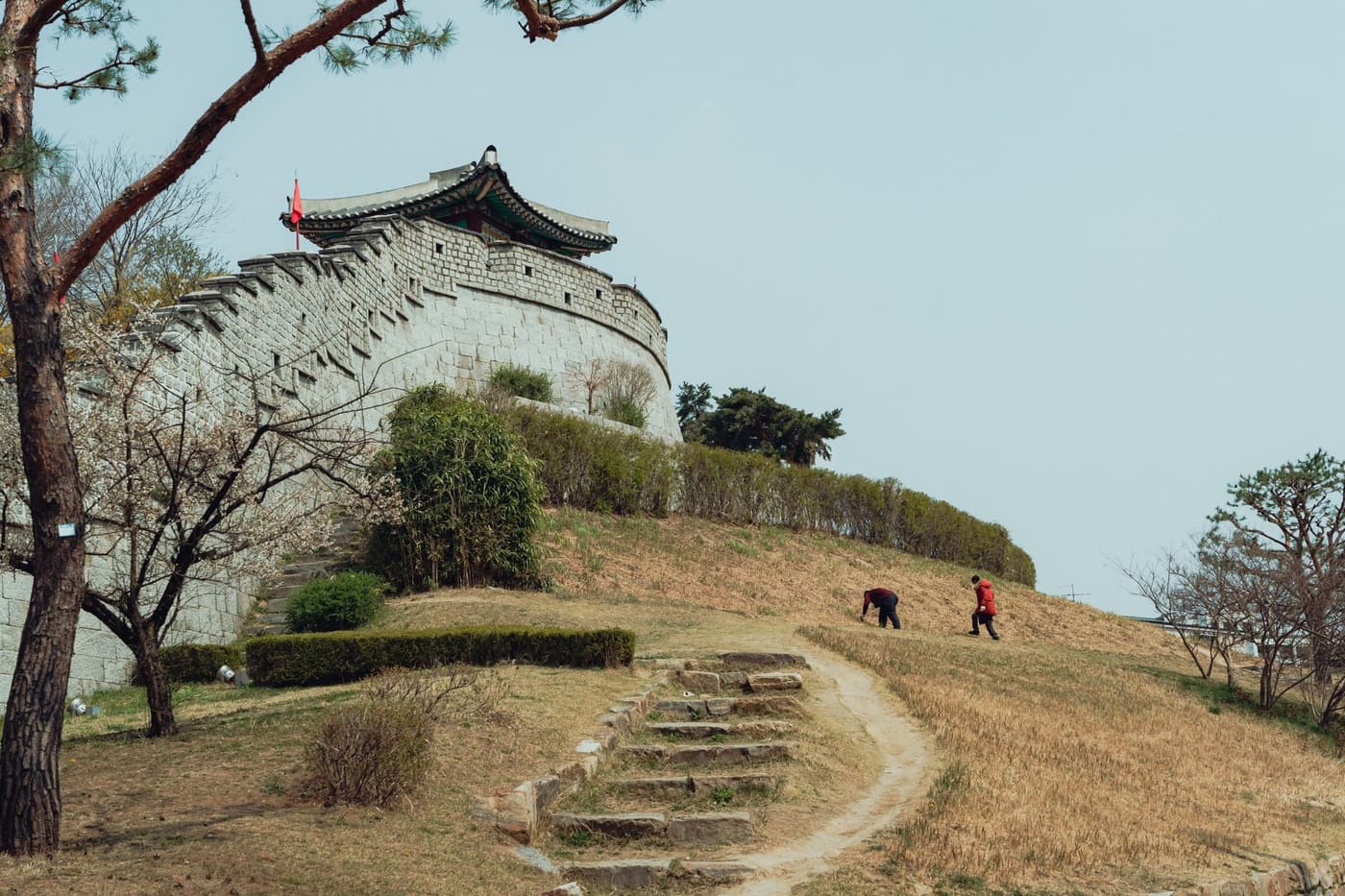
For visitors, the best part is that you do not need to be an expert to join the lighter version. Seoul has beginner-friendly routes, city-wall walks, and forest paths that give you the feeling of Korean hiking without requiring a dangerous scramble. The Seoul Hiking Tourism Center near Bukhansan Ui Station is especially useful because it offers trail information for international visitors and even hiking gear rental services, according to Seoul's official tourism guide.
Still, do not confuse "accessible" with "easy." Bukhansan, for example, is inside the Seoul area, but its granite peaks and steep sections can feel very real. VisitKorea notes that Bukhansan National Park includes Baegundae, Insubong, and Mangyeongdae, the three peaks behind the Samgaksan nickname. That is not a decorative park hill. It is a proper mountain experience sitting beside one of Asia's biggest cities.
If you are planning a Seoul day, hiking also connects naturally with the city's transit rhythm. EpicKor's Seoul subway etiquette guide is useful because many beginner-friendly hikes start with simply knowing which station exit to use and how to return after peak weekend crowds.
Which Korean Mountain Should You Try First?
The best mountain depends on your fitness, time, season, and confidence. Do not choose only by fame. Choose by the kind of day you actually want.
| Mountain or Route | Best For | Why It Fits Korean Hiking Culture | Visitor Note |
|---|---|---|---|
| Bukhansan | Classic Seoul hiking | Subway access, granite views, serious local weekend energy | Pick an easier route first if you are not used to steep stone sections. |
| Inwangsan | Short city-view hike | Combines fortress-wall atmosphere with skyline views | Good when you want a Korean hiking feel without spending the whole day. |
| Achasan | Beginner-friendly local hike | Popular with casual hikers and families because it feels approachable | Great for sunrise or Han River views if weather is clear. |
| Gwanaksan | Students, locals, and stronger walkers | Shows the energetic side of Seoul hiking near university districts | Check route difficulty before assuming every path is gentle. |
| Seoraksan | Big mountain scenery | One of Korea's most iconic mountain destinations, especially in foliage season | Plan transport, entry timing, route difficulty, and weather carefully. |
For a first-time visitor in Seoul, I would start with Inwangsan or Achasan if you want something manageable, and Bukhansan if you want the full "Koreans really do this every weekend" feeling. Bukhansan rewards effort, but it also demands attention. Wear real shoes. Bring water. Start early. Do not treat a famous urban mountain like a casual shopping street with trees.
For a bigger Korea travel memory, Seoraksan is different. VisitKorea describes Seoraksan as a mountain with dramatic scenery, famous trails, and Daecheongbong peak at 1,708 meters. It is the kind of place where the mountain itself becomes the trip, not a quick side activity. Autumn crowds can be intense, but the scenery is famous for a reason.
There is no shame in choosing the easier route. Korean hiking culture has room for both the summit person and the slow walker who wants fresh air, pine trees, and a good lunch afterward. The smart move is matching the trail to your actual day, not your fantasy self.
Hiking Etiquette and Gear Locals Expect You to Know
Korean hiking is friendly, but it has unspoken rules. The easiest way to respect the culture is to act like the mountain is shared space.
Stay to the side when stopping for photos. Popular trails can be narrow, and weekend hikers often move in steady lines. If you block stone steps for a long selfie session, people may not say much, but you will feel the silent pressure behind you.
Keep your speaker off. This one matters. Some hikers do play music, but visitors should avoid adding noise to a crowded trail. Korea already has enough city sound. On the mountain, let people have the trees.
Take your trash down. Korea's trails are generally well cared for, and littering feels especially rude because so many people treat mountains as shared public health spaces. Bring a small bag for wrappers, tissues, and empty bottles.
Wear better shoes than you think you need. Many Korean trails use stone steps, packed dirt, uneven rock, and steep sections. Fashion sneakers may survive a city-wall walk, but they are not ideal for a rocky route. If the trail involves Bukhansan or Seoraksan, choose grip over looks.
Check weather and daylight. Mountain weather changes faster than city weather. Winter ice, summer heat, sudden rain, and poor visibility can make a normal hike unpleasant or unsafe. For larger national parks, check official park notices and route conditions before leaving.
Finally, do not be embarrassed by local hikers' outfits. You may feel underdressed when a group of retirees passes you in full technical gear while chatting calmly. That is part of the charm. Korean hiking culture has a way of making everyone look like they are sponsored by an outdoor brand, even when the plan is just three hours and lunch.
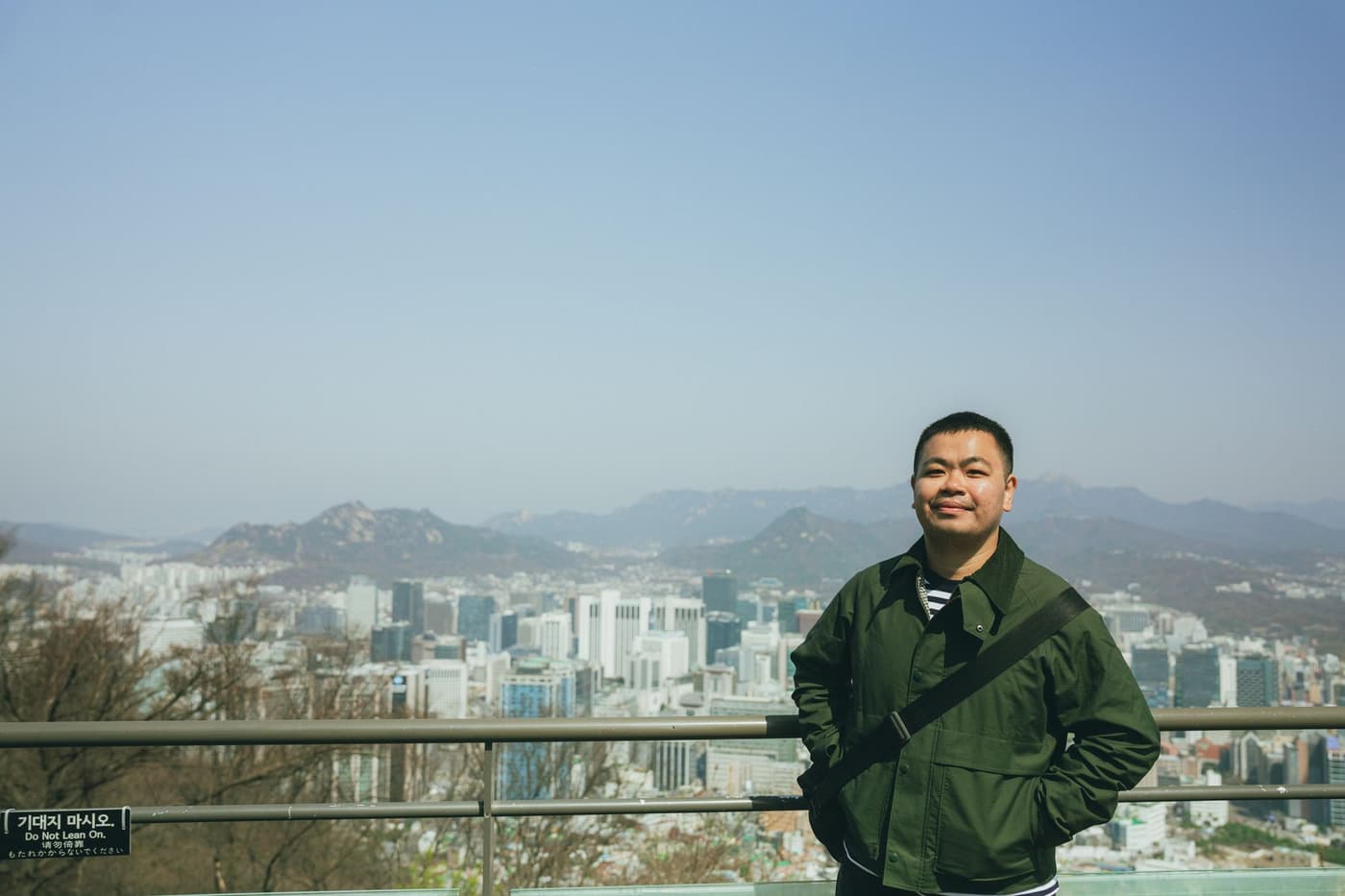
The real secret is that gear is not only about performance. It also makes the activity feel official. When people dress for the mountain, they mentally leave the workweek behind. The jacket, the poles, the hat, the snacks, the group chat meeting point: all of it says, "Today belongs to the trail."
Worth reading next: Korean hiking culture is a post-war story — the mountains became public leisure at the same time the cities did. Korea: A History is the single-volume account that covers that stretch, for readers who want the context behind the weekend crowds. As an Amazon Associate, EpicKor earns from qualifying purchases at no extra cost to you.
See Korea: A History on AmazonFAQ About Korean Hiking Culture
Q: Why is hiking so popular in Korea? Simply put, Korea has many mountains close to daily life, especially around Seoul, and hiking works as exercise, social time, stress relief, and seasonal tradition. It is accessible enough for a weekend morning but meaningful enough to feel like a real reset.
Q: Do I need expensive hiking gear in Korea? Simply put, no, but you do need sensible gear for the route. For easy city walks, comfortable clothes and good walking shoes may be enough. For Bukhansan, Seoraksan, or rocky routes, wear shoes with grip and bring water, layers, and basic trail supplies.
Q: Is Bukhansan good for first-time visitors? Simply put, yes, if you choose the right route and start early. Bukhansan is one of the most iconic Seoul-area hiking experiences, but some sections are steep and rocky. Beginners should avoid choosing the hardest summit route as their first Korean hike.
Q: What do Koreans eat after hiking? Simply put, many hikers look for hearty, casual food near the trail entrance. Pajeon, tofu dishes, noodles, acorn jelly, barbecue, makgeolli, and cold drinks are common post-hike choices, depending on the area and group.
How to Join the Weekend Mountain Rhythm
If you want to experience Korean hiking culture properly, do not overcomplicate it. Choose a beginner-friendly route, check the weather, start in the morning, bring water, wear real shoes, and leave time for food afterward. That is the rhythm.
The mountain does not have to be huge. It does not have to be famous. It does not even have to end with a dramatic summit photo. The point is to feel how naturally the trail fits into Korean life: subway exit, convenience store drink, stone steps, forest shade, city view, shared snacks, tired legs, hot food, and a slower breath than you had when you woke up.
That is why the weekend mountain crowd matters. It shows a side of Korea that is active but not flashy, social but not loud, practical but quietly emotional. In a country famous for speed, hiking is one of the ways people give themselves permission to move slowly upward.
Next time you are in Seoul on a clear Saturday morning, look for the people in hiking jackets on the subway. They know where the weekend is going.
You Might Also Like
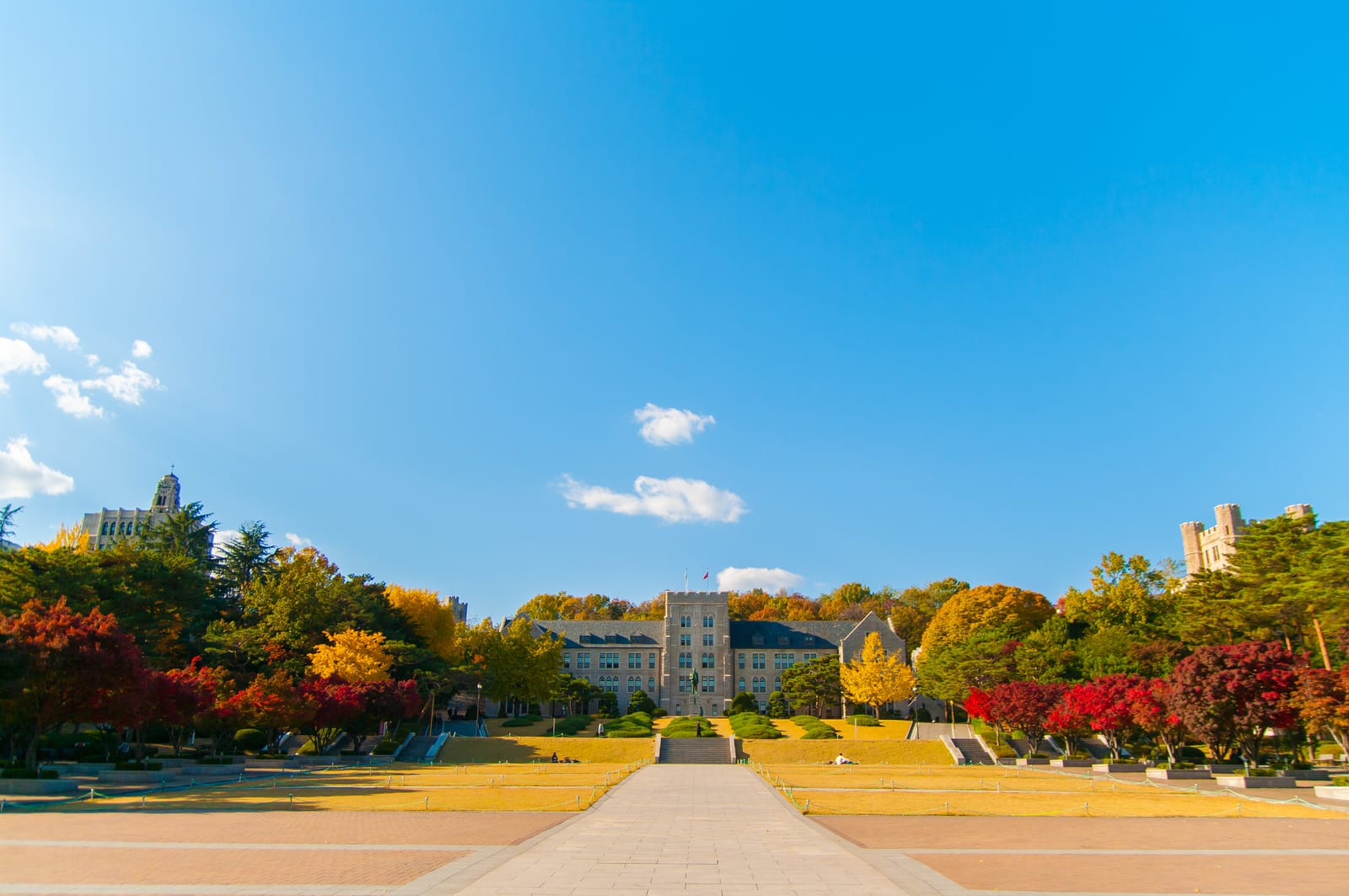
Korean University Life: Study Hard, Play Harder Culture Explained
A practical guide to Korean university life: study pressure, campus festivals, MT trips, clubs, exams, drinking culture, and exchange-student reality.

How Many PC Bangs Are in Korea? Count, Prices, and Rules
Korea had 7,243 PC bangs in 2024, down 530 in a year and falling five years straight. Members pay about ₩1,246 an hour, non-members ₩1,459. The official game white paper numbers, what a visit costs, and how to use one.
Korean Age System Explained: Why Koreans Seem Older
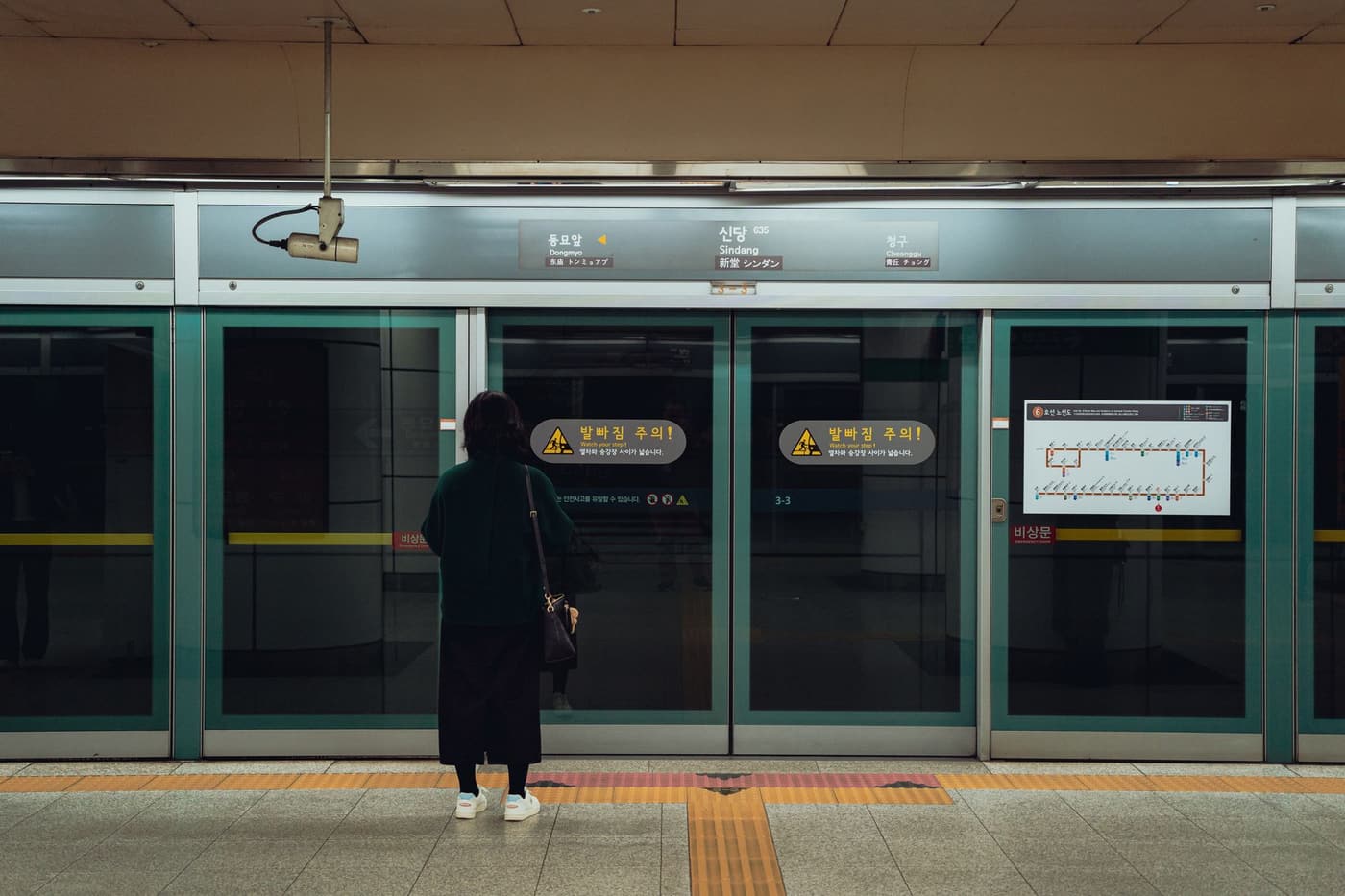
Korean age system explained in plain English: traditional age, international age, the 2023 law, and what to say when someone asks.